
Politics
Black Florida mayor brings presidential campaign to Watts
WAVE NEWSPAPERS — Democratic presidential candidate Wayne Messam visited Watts April 12, touring the area, meeting with community leaders and discussing issues such as gun violence and education. Messam, the mayor of Miramar, Florida, also spoke with members of the Black Los Angeles Young Democrats at the headquarters of the African American Voter Registration, Education, and Participation project in Baldwin Village

By Wave Wire Services
WATTS — Democratic presidential candidate Wayne Messam visited Watts April 12, touring the area, meeting with community leaders and discussing issues such as gun violence and education.
Messam, the mayor of Miramar, Florida, also spoke with members of the Black Los Angeles Young Democrats at the headquarters of the African American Voter Registration, Education, and Participation project in Baldwin Village.
Messam began his first visit to California since declaring his candidacy by speaking to the USC College Democrats April 11, discussing his plan to resolve the student debt crisis and climate change, according to Angelica Urquijo, his campaign’s western region senior adviser.
Messam has called for the federal government to cancel all federal and private student loans. He supports encouraging entrepreneurship training at the high school and college level to prepare students for future unexpected periods of unemployment.
Messam said if elected, his administration would “make it a priority to lead the world and take bold, direct, climate action that will rival the New Deal in scope, rise to the scale of this challenge and apply the urgency required to get the job done in 10 years.”
Messam announced his candidacy March 28, with a two-minute, six-second video recounting growing up as the son of Jamaican immigrants in an area of South Florida known as “The Muck” due to the large quantity of muck, in which sugarcane grows, then going on to play football at Florida State and starting a construction company.
“The problem in America as I see it is that we are not addressing these high-stake problems that we must deal with today,” Messam said on the video. “When you have a senior citizen who can’t afford her prescription medicine, Washington is broken.
“When our scientists are telling us if we don’t make drastic changes today, the quality of air will be in peril, Washington is broken. Every day, people are graduating from universities with crippling debt, stifling their opportunity for financial mobility, that’s what broken with this country.”
Messam also supports changing the health care system “from the top down and drive down costs for patients, including giving the government more authority to negotiate prescription prices for seniors.”
Messam began his political career in 2011 by being elected to the city commission in Miramar, a city in Southeast Florida near Fort Lauderdale with a population of 140,328, according to 2017 Census Bureau figures. Miramar is smaller than Pasadena (142,647), but larger than South Bend, Indiana (102,245), whose mayor, Pete Buttigieg, has announced his candidacy.
Messam was elected mayor in 2015, defeating Lori Cohen Moseley who had held the post since 1999, and re-elected last month. He was the 2018 president of the National Black Caucus of Local Elected Officials.
As mayor, Messam has prioritized bringing jobs to the city. He puts leading the effort against oil drilling in the nearby Big Cypress National Preserve and proposing making “our city as a safe zone” for immigrants as among his top accomplishments.
This article originally appeared in the Wave Newspapers.






Activism
Oakland Post: Week of April 1 – 7, 2026
The printed Weekly Edition of the Oakland Post: Week of April 1 – 7, 2026
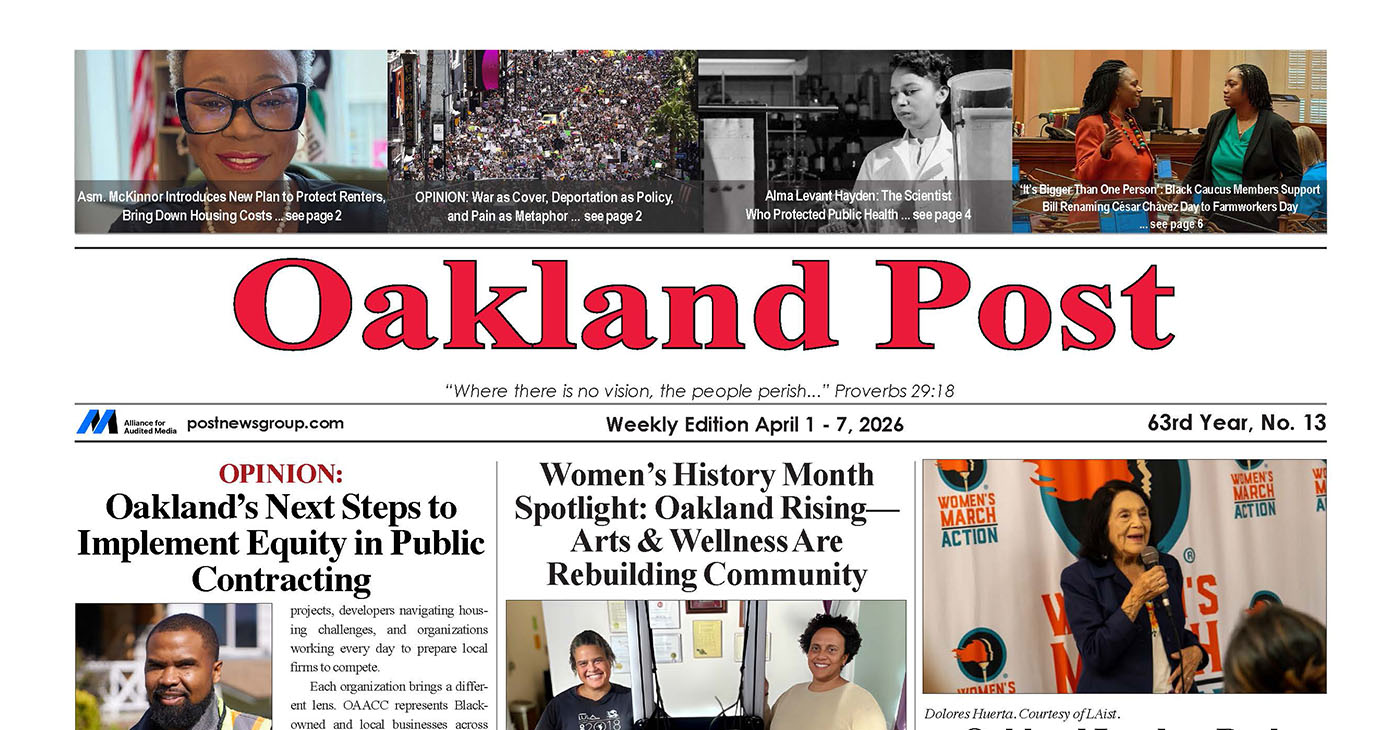
To enlarge your view of this issue, use the slider, magnifying glass icon or full page icon in the lower right corner of the browser window.
Activism
Oakland Post: Week of March 18 – 24, 2026
The printed Weekly Edition of the Oakland Post: Week of March 18 – 24, 2026

To enlarge your view of this issue, use the slider, magnifying glass icon or full page icon in the lower right corner of the browser window.
Activism
Oakland Post: Week of March 11 -17, 2026
The printed Weekly Edition of the Oakland Post: Week of March 11 – 17, 2026
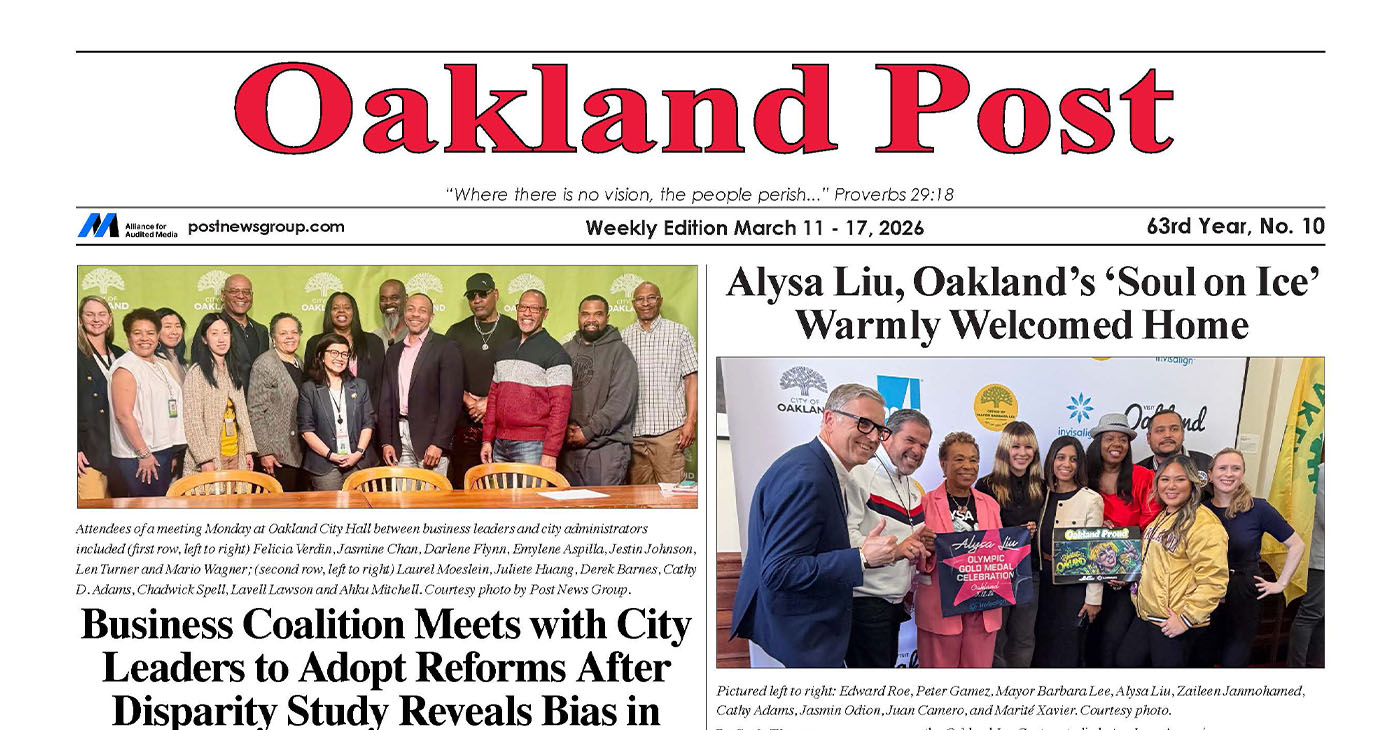
To enlarge your view of this issue, use the slider, magnifying glass icon or full page icon in the lower right corner of the browser window.


WORK FROM HOME
Home-based business with potential monthly income of $10K+ per month. A proven training system and website provided to maximize business effectiveness. Perfect job to earn side and primary income. Contact Lynne for more details: Lynne4npusa@gmail.com 800-334-0540


Oakland Post: Week of April 1 – 7, 2026

Black Artists in America, Installation Three Wraps at the Dixon Gallery and Gardens

Grief, Advocacy, and Education: A Counselor Reflects on Black Maternal Health

Future of Florida’s Black History Museum in Limbo

New Research Shows the Many Benefits of Early Learning

South Hampton K-8 Students Among Top 10 Finalists for Samsung’s ‘Solve for Tomorrow’ Competition

Cuba: No Negotiation with US on the President or Political System

Brooklyn Academy of Music Names Jamaican-Born Tamara McCaw as President

Trinidad & Tobego – U.S. Launches WhatsApp Channel for American Citizens in the Country

Oakland Post: Week of March 18 – 24, 2026

AI Innovation vs. Ethics and Environmental Impact

AI, Web3, and Digital Reparations

What If You Owned Your AI Agent?

Season 7, Episode 3 – January Reporter’s Roundtable 📱

Season 7, Episode 3 – January Reporter’s Roundtable

Reflecting on Black History Milestones in Birmingham AL

Oakland Post: Week of February 25 – March 3, 2026

Oakland Post: Week of March 4 – 10, 2026

PRESS ROOM: NBA Hall of Fame Nominee Terry Cummings Joins 100 Black Men of DeKalb County to Launch Victory & Values Initiative

Trump’s MAGA Allies are Creating Executive Order Plan to Steal the 2026 Midterms

U.S. manufacturing rebounds – how foundry services are adapting to rising demand

Poll Shows Support for Policies That Help Families Afford Child Care

Oakland Post: Week of March 11 -17, 2026
Oakland Post: Week of March 18 – 24, 2026

OP-ED: One Hundred Years of Black Workers Telling the Truth

Advancements in solar technology that are changing the way we power the world

Financial Wellness and Mental Health: Managing Money Stress in College

Woman’s Search for Family’s Roots Leads to Ancestor John T. Ward – A Successful Entrepreneur and Conductor on the Underground Railroad

COMMENTARY: Women of Color Shape Our Past and Future

PRESS ROOM: Civil Rights TV Launches in Selma as the World’s First 24/7 Civil Rights Television Network

Hyundai Ioniq 5 Parking, Safety, and 360 View #shorts

2025 Ioniq 5 New Wiper & Powerful Performance! #shorts

Electric SUV Range: Is 259 Miles Enough? #shorts

EV Charging: How Fast Can You Charge an Electric Vehicle? #shorts

Biometric Cooling… Messaging Seats…Come on! 2025 Infiniti QX80 Autograph 4WD

Charged Up: Witness the Magic of a Fully Electric Car! #shorts

Range Rover Sport PHEV Included…: See What’s Inside This Luxury SUV! #shorts

Invisible Hood View: Perfect Parking with X-Ray Vision! #shorts

AI Is Reshaping Black Healthcare: Promise, Peril, and the Push for Improved Results in California

ESSAY: Technology and Medicine, a Primary Care Point of View

Sanctuary Cities

The RESISTANCE – FREEDOM NOW

STATE OF THE PEOPLE: Freddie

ECONOMIC BOYCOTT DAY!!!!!

I told You So
-
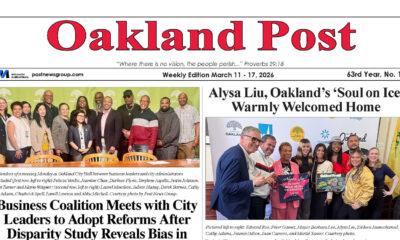 Activism3 weeks ago
Oakland Post: Week of March 11 -17, 2026
-
 Activism3 weeks ago
Oakland Post: Week of March 18 – 24, 2026
-
 Advice3 weeks ago
Financial Wellness and Mental Health: Managing Money Stress in College
-
 #NNPA BlackPress2 weeks ago
Brooklyn Academy of Music Names Jamaican-Born Tamara McCaw as President
-
 #NNPA BlackPress2 weeks ago
Grief, Advocacy, and Education: A Counselor Reflects on Black Maternal Health
-

 Advice4 weeks ago
Women & Wealth: Tips for Navigating Your Lifelong Financial Journey
-
 #NNPA BlackPress2 weeks ago
New Research Shows the Many Benefits of Early Learning
-
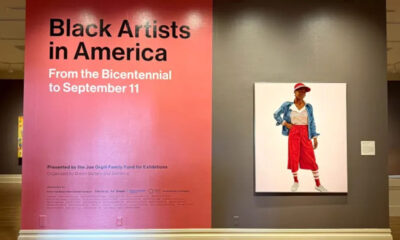 #NNPA BlackPress2 weeks ago
Black Artists in America, Installation Three Wraps at the Dixon Gallery and Gardens
