
Energy
Biden Reveals He’ll Deliver Eulogy for Former President Jimmy Carter
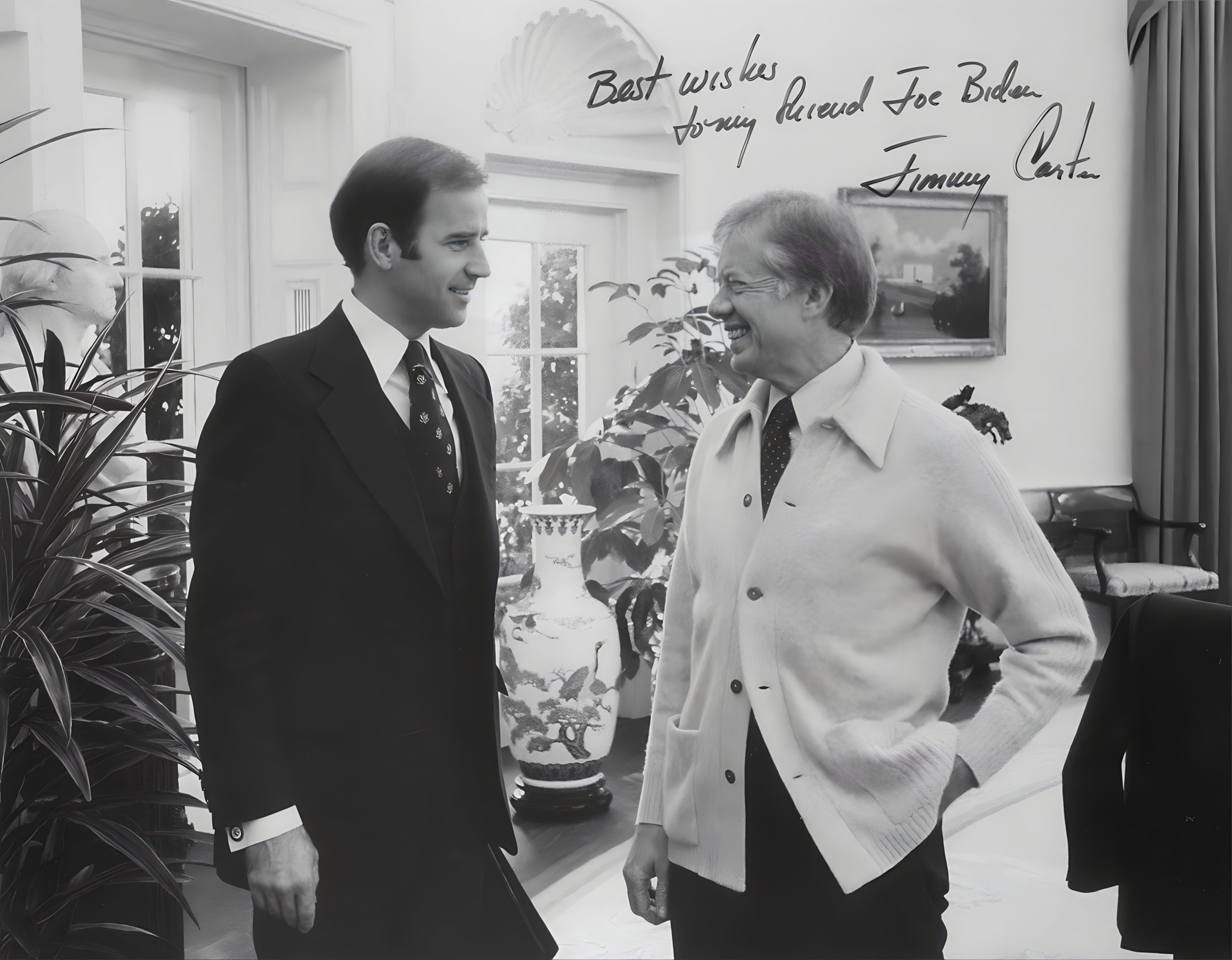
President Jimmy Carter served in the Navy during World War II, and his administration created the U.S. Department of Energy and Education. During his one term, Carter conducted the 1978 Camp David Peace Talks that led to a historic agreement between Israel and its Prime Minister Menachem Begin and Egypt’s President Anwar Sadat. The 98-year-old is the longest-lived President and the one with the longest post-presidency.

By Stacy M. Brown, NNPA Newswire Senior National Correspondent
@StacyBrownMedia
President Jimmy Carter served in the Navy during World War II, and his administration created the U.S. Department of Energy and Education.
During his one term, Carter conducted the 1978 Camp David Peace Talks that led to a historic agreement between Israel and its Prime Minister Menachem Begin and Egypt’s President Anwar Sadat.
The 98-year-old is the longest-lived President and the one with the longest post-presidency.
On Tuesday, March 14, nearly a month after entering hospice care, it’s been revealed that Carter had asked President Joe Biden to deliver his eulogy.
Biden told donors at a fundraiser about his “recent” visit to see the 39th president, whom he has known since he was a young Delaware senator supporting Carter’s 1976 presidential campaign.
“He asked me to do his eulogy,” Biden said before stopping himself from saying more. “Excuse me; I shouldn’t say that.”
Even though the Carter Center in Atlanta and the former President’s family haven’t said much about his health, Biden mentioned that Carter was diagnosed with cancer in 2015 and then got better.
“I spent time with Jimmy Carter, and it’s finally caught up with him, but they found a way to keep him going for a lot longer than they anticipated because they found a breakthrough,” Biden said.
Carter’s family reportedly has confirmed that a state funeral for the former President will occur in Washington after he dies.
“If people had listened to Jimmy Carter, there wouldn’t be an oil crisis right now,” Twitter user @mikesouthbch wrote.
“He ruled America with kindness and compassion. Nothing you ever see from any Republican.”
Despite a tumultuous presidency from 1976 to 1980 that concluded after the Iranian government released the 55 remaining American hostages there as Carter was exiting the White House following his losing his re-election bid in a landslide to Ronald Reagan.
Carter would become one of the most beloved ex-Presidents in American history, certainly more popular than when he traversed the oval office.
The one-time Georgia peanut farmer and his wife, Rosalyn, have spent their lives helping those in need.
For more than 30 years, Habitat for Humanity officials said the Carters had worked alongside nearly 103,000 volunteers in 14 countries to build, renovate and repair 4,331 homes.
“They’ve inspired millions across the globe with their dedication and rallied thousands of volunteers and even celebrities to take part in our mission, helping Habitat for Humanity become internationally recognized for our work to build decent and affordable housing,” the organization wrote on its website.
The Associated Press noted that Biden’s presidency represented a turnabout for Carter’s political standing.
He served just one term and lost in a landslide to Republican Ronald Reagan in 1980, prompting top Democrats to keep their distance, at least publicly, for decades after he left the White House, the outlet reported.
Presidents Bill Clinton and Barack Obama did not have close relationships with Carter. And the longshot presidential candidates who sometimes ventured to see Carter over the years typically did so privately.
“But as the Carters’ global humanitarian work and advocacy of democracy via The Carter Center garnered new respect, Democratic politicians began publicly circulating back to south Georgia ahead of the 2020 election cycle. And with Biden’s election, Carter again found a genuine friend and ally in the Oval Office,” the AP wrote.
“I remember President Carter’s many talks with ordinary people during that trip, and how he tried to reduce the stigma of HIV/AIDS and help people from all walks of life feel that their lives had value,” Dr. Helene Gayle, the President of Spelman College and a board member of the Bill & Melinda Gates Foundation, wrote in a statement posted to the Gates Foundation website.
“We spoke with commercial sex workers in Kenya and Nigeria about HIV/AIDS prevention and condom use. While President Carter came from a very traditional, religious Christian background, he was entirely nonjudgmental and really wanted to communicate to these women that their lives were worth protecting from HIV/AIDS,” Gayle continued.
“He even gave a sermon at the church of the then-president of Nigeria, and from the pulpit, he talked openly and honestly about condoms and safe sex without judgment or recrimination.”
Gayle added that from world leaders to migrant farmers, Carter’s ability to connect with people remains remarkable.
She called him down-to-earth and approachable.
“And because of his global stature as a former president, he can meet with people at the highest levels of government, capture their attention, and make the case for investing in local, regional, and global health,” Gayle exclaimed.
“He has elevated the significance of global health around the world. And he has been incredibly persistent and diligent around the issue of Guinea worm eradication, helping to lead that campaign to the threshold of success.”








Business
California Launches Study on Mileage Tax to Potentially Replace Gas Tax as Republicans Push Back
Under current law, California depends heavily on revenue from the gas tax to fund roads, highways, and infrastructure, but those revenues are projected to shrink as electric vehicle use grows and overall gasoline consumption drops. The mileage study would look at a “road charge” system where drivers pay based on how many miles they drive, rather than how much gas they buy.
By Tanu Henry, California Black Media
California lawmakers are moving forward with a study to explore a mileage-based tax as a potential replacement for the state’s traditional gas tax — a shift supporters say is driven by declining fuel tax revenues as more drivers switch to fuel-efficient and electric vehicles.
The research, tied to Assembly Bill (AB) 1421, would extend and support work by the state’s Road Usage Charge Technical Advisory Committee through 2035.
Under current law, California depends heavily on revenue from the gas tax to fund roads, highways, and infrastructure, but those revenues are projected to shrink as electric vehicle use grows and overall gasoline consumption drops. The mileage study would look at a “road charge” system where drivers pay based on how many miles they drive, rather than how much gas they buy.
The bill does not yet enact a new tax. Instead, it extends the study and advisory work until 2035 and would have the Legislature receive findings and recommendations, with a report due by Jan. 1, 2027.
Republicans in the California Legislature have been vocal in their opposition. Assembly Republican Leader Heath Flora criticized the proposal.
“We already pay the highest gas taxes in the nation. Now Sacramento is talking about adding a new tax for every mile people drive,” Flora said. “Piling on another tax right now shows just how out of touch politicians in Sacramento are with the reality working families face.”

The plan has drawn broader GOP criticism from leaders outside the Legislature as well. California Republican gubernatorial candidate Steve Hilton called a mileage fee “absolutely outrageous” and said, if elected, he would veto the tax, adding that tracking and charging drivers for every mile is unacceptable.
Supporters say the study is a pragmatic response to long-term funding challenges.
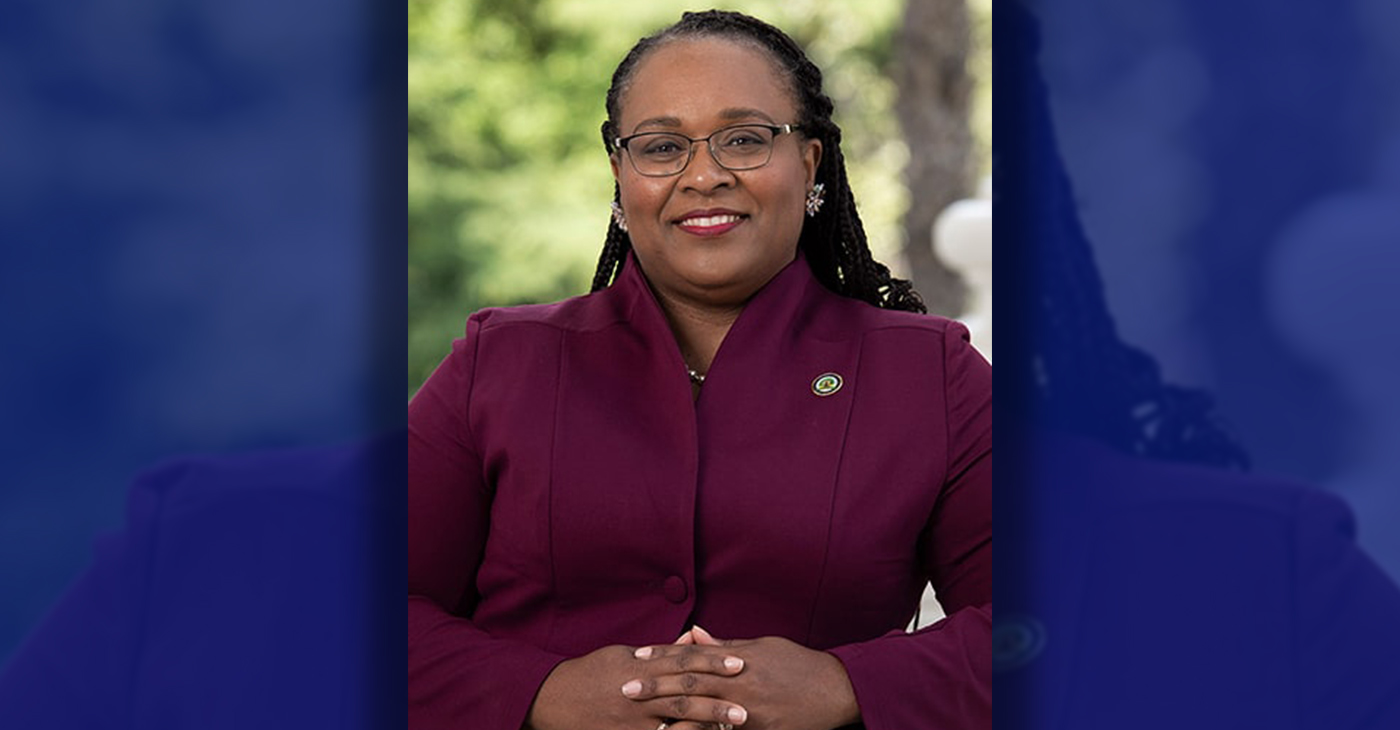
On the Assembly Floor on Jan. 29, Assemblymember Lori Wilson (D–Suisun City), the bill’s author, said that California’s transportation funding is “becoming less stable, less equitable, and less sustainable as more drivers switch to fuel-efficient and zero-emission vehicles.”
“Drivers using the same roads often pay different amounts for that use,” Wilson continued. “Low income and rural commuters who must drive farther and less efficient vehicles can pay more while others contribute less despite roadway impacts.”
Wilson and other supporters contend that a per-mile road charge could ensure that all drivers contribute fairly to the costs of maintaining roads, regardless of the type of vehicle they drive.
Activism
Richmond Community Leaders Advocate for Accountability and Equity in Chevron Settlement Funds
“Now is the time for our community to have funding to solve the many problems that have been created over time,” said community advocate Antwon Cloird. “We now have no time to see politicians and the system get paid, while our community, year after year gets played.”
By Carla Thomas
Richmond’s historic $550 million settlement with Chevron is considered a major victory by local officials, environmental justice advocates, and union representatives to remedy the harm caused by the refinery’s long-term air pollution in the city.
However, still unresolved is how the money will be allocated to reach community members who need the most support.
“Now is the time for our community to have funding to solve the many problems that have been created over time,” said community advocate Antwon Cloird. “We now have no time to see politicians and the system get paid, while our community, year after year gets played.”
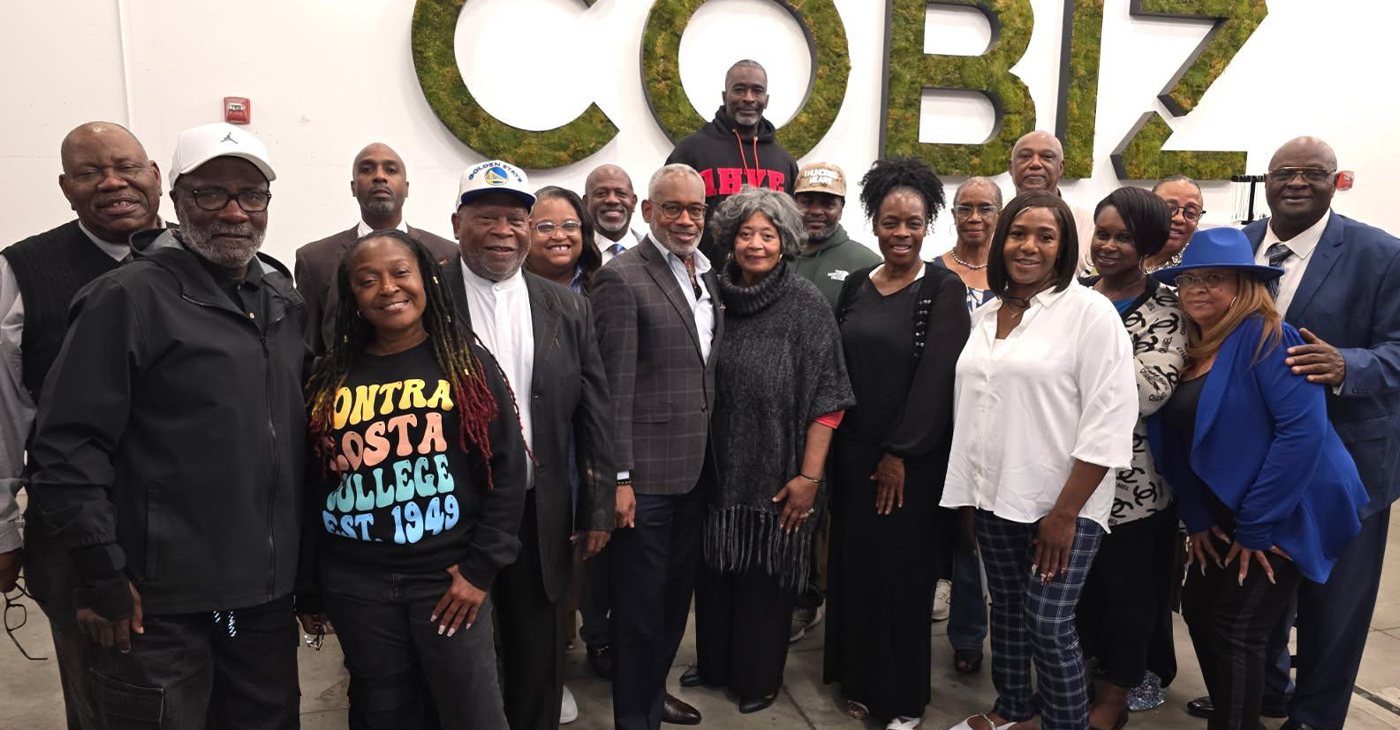
Cloird says he has formed a new coalition of 25 long-term residents who are all professionals and contributors to the community. Along with his newly formed group, which held a meeting at CoBiz, he demands transparency, equity, and fairness in the distribution of the settlement funds.
Cloird says the city wants to hire a consultant for $1.5 million to assess the Black community’s needs.
But Cloird says Black communities in Richmond have undergone so many rounds of gentrification abuse that an assessment is wasted money and time on reparations that can be more clearly defined by community members.

Cloird is outraged by the City of Richmond’s history of harm toward its Black community. Since the 1980s, the community has suffered from racism, redlining, gentrification, and marginalization, he said, arguing that the manipulation of the city’s finances has sidelined the Black community for too long.
Cloird’s career and life experiences have led him to share how the Crack Epidemic, the prison to pipeline syndrome, and the many ways systemic racism has forced an outmigration of the City’s Black community to the more northern suburbs of Pittsburgh and Antioch, which are connected to the mismanagement of city funds and the marginalization of several Black neighborhoods in Richmond.
Mayor Eduardo Martinez has proposed plans to rectify city finances and expand public services. He says the money will be placed into the city’s general fund and be allocated through open budget meetings, with public participation.
Council members Claudia Jimenez, Doria Robinson, and Sue Wilson support using the settlement to transform the city’s finances and redirect millions in annual pension payments toward services like safety, road repairs, and staffing.
Local advocacy groups, including the Asian Pacific Environmental Network (APEN) and Communities for a Better Environment (CBE), had rallied for the now-rescinded “Make Polluters Pay” measure, but are now focusing on environmental justice and investment in community-led programs.
At present, residents and organizers remain cautious, wanting to ensure the funds are fairly allocated while Richmond faces a delicate balance of supporting those who have suffered most from the impacts of refinery pollution.
Cloird says he does not trust the proposed plans to direct the money into the general fund.
“There has been a pattern of money not reaching the communities that have suffered the most when money goes into the general fund. Our coalition will fight for our community, and I want ensure we will have a viable community moving forward.”
The $550 million settlement with Chevron Corporation ended a high-profile campaign to impose new taxes on the oil giant’s local refinery. Approved by the Richmond City Council in August 2024, the agreement provides the city with a decade of financial installments, starting in July 2025.
The settlement emerged after a grassroots campaign demanded stronger accountability from Chevron for decades of air pollution linked to increased health risks in Richmond. The 2900-acre Chevron refinery, which processes approximately 240,000 barrels of crude oil daily, has long faced criticism from residents for contributing to elevated rates of respiratory illnesses and cardiovascular disease.
In response, local advocates and city leaders moved forward with a proposed “Make Polluters Pay” ballot measure that would have set a new tax of $1 per barrel of oil refined in the facility. The measure aimed to raise funds directly from Chevron to address public health, infrastructure, and environmental concerns.
To avoid the proposed tax, Chevron agreed to a $550 million payout over the next decade. Chevron will deliver $50 million annually from July 1, 2025, through June 30, 2030, and $60 million annually from July 1, 2030, through June 30, 2035.
Antonio Ray Harvey
Air Quality Board Rejects Two Rules Written to Ban Gas Water Heaters and Furnaces
The proposal would have affected 17 million residents in Southern California, requiring businesses, homeowners, and renters to convert to electric units. “We’ve gone through six months, and we’ve made a decision today,” said SCAQMD board member Carlos Rodriguez. “It’s time to move forward with what’s next on our policy agenda.”

By Antonio Ray Harvey
California Black Media
Two proposed rules to eliminate the usage of gas water heaters and furnaces by the South Coast Air Quality Management District (SCAQMD) in Southern California were rejected by the Governing Board on June 6.
Energy policy analysts say the board’s decision has broader implications for the state.
With a 7-5 vote, the board decided not to amend Rules 1111 and 1121 at the meeting held in Diamond Bar in L.A. County.
The proposal would have affected 17 million residents in Southern California, requiring businesses, homeowners, and renters to convert to electric units.
“We’ve gone through six months, and we’ve made a decision today,” said SCAQMD board member Carlos Rodriguez. “It’s time to move forward with what’s next on our policy agenda.”
The AQMD governing board is a 13-member body responsible for setting air quality policies and regulations within the South Coast Air Basin, which covers areas in four counties: Riverside County, Orange County, San Bernardino County and parts of Los Angeles County.
The board is made up of representatives from various elected offices within the region, along with members who are appointed by the Governor, Speaker of the Assembly, and Senate Rules Committee.
Holly J. Mitchell, who serves as a County Supervisor for the Second District of Los Angeles County, is a SCAQMD board member. She supported the amendments, but respected the board’s final decision, stating it was a “compromise.”

“In my policymaking experience, if you can come up with amended language that everyone finds some fault with, you’ve probably threaded the needle as best as you can,” Mitchell said before the vote. “What I am not okay with is serving on AQMD is making no decision. Why be here? We have a responsibility to do all that we can to get us on a path to cleaner air.”
The rules proposed by AQMD, Rule 1111 and Rule 1121, aim to reduce nitrogen oxide (NOx) emissions from natural gas-fired furnaces and water heaters.
Rule 1111 and Rule 1121 were designed to control air pollution, particularly emissions of nitrogen oxides (NOx).
Two days before the Governing Board’s vote, gubernatorial candidate Antonio Villaraigosa asked SCAQMD to reject the two rules.
Villaraigosa expressed his concerns during a Zoom call with the Cost of Living Council, a Southern California organization that also opposes the rules. Villaraigosa said the regulations are difficult to understand.
“Let me be clear, I’ve been a big supporter of AQMD over the decades. I have been a believer and a fighter on the issue of climate change my entire life,” Villaraigosa said. “But there is no question that what is going on now just doesn’t make sense. We are engaging in regulations that are put on the backs of working families, small businesses, and the middle class, and we don’t have the grid for all this.”
Rules 1111 and 1121 would also establish manufacturer requirements for the sale of space and water heating units that meet low-NOx and zero-NOx emission standards that change over time, according to SCAQMD.
The requirements also include a mitigation fee for NOx-emitting units, with an option to pay a higher mitigation fee if manufacturers sell more low-NOx water heating and space units.
Proponents of the proposed rules say the fees are designed to incentivize actions that reduce emissions.


WORK FROM HOME
Home-based business with potential monthly income of $10K+ per month. A proven training system and website provided to maximize business effectiveness. Perfect job to earn side and primary income. Contact Lynne for more details: Lynne4npusa@gmail.com 800-334-0540


Black Artists in America, Installation Three Wraps at the Dixon Gallery and Gardens

Grief, Advocacy, and Education: A Counselor Reflects on Black Maternal Health

Future of Florida’s Black History Museum in Limbo

New Research Shows the Many Benefits of Early Learning

South Hampton K-8 Students Among Top 10 Finalists for Samsung’s ‘Solve for Tomorrow’ Competition

Cuba: No Negotiation with US on the President or Political System

Brooklyn Academy of Music Names Jamaican-Born Tamara McCaw as President

Trinidad & Tobego – U.S. Launches WhatsApp Channel for American Citizens in the Country

Oakland Post: Week of March 18 – 24, 2026

AI Innovation vs. Ethics and Environmental Impact

AI, Web3, and Digital Reparations

What If You Owned Your AI Agent?

Season 7, Episode 3 – January Reporter’s Roundtable 📱

Season 7, Episode 3 – January Reporter’s Roundtable

AI, Media, and Power | Part 2, Real-World Impacts and Tradeoffs

Reflecting on Black History Milestones in Birmingham AL

CITY OF SAN LEANDRO STATE OF CALIFORNIA PUBLIC WORKS DEPARTMENT ENGINEERING DIVISION NOTICE TO BIDDERS FOR ANNUAL STREET OVERLAY/REHABILITATION 2019-21 – PHASE III

Oakland Post: Week of February 18 – 24, 2026

Oakland Post: Week of February 25 – March 3, 2026

PRESS ROOM: NBA Hall of Fame Nominee Terry Cummings Joins 100 Black Men of DeKalb County to Launch Victory & Values Initiative

Trump’s MAGA Allies are Creating Executive Order Plan to Steal the 2026 Midterms

U.S. manufacturing rebounds – how foundry services are adapting to rising demand

Chase Oakland Community Center Hosts Alley-Oop Accelerator Building Community and Opportunity for Bay Area Entrepreneurs

Oakland Post: Week of March 4 – 10, 2026

OP-ED: One Hundred Years of Black Workers Telling the Truth

Poll Shows Support for Policies That Help Families Afford Child Care

Advancements in solar technology that are changing the way we power the world

PRESS ROOM: Civil Rights TV Launches in Selma as the World’s First 24/7 Civil Rights Television Network

Woman’s Search for Family’s Roots Leads to Ancestor John T. Ward – A Successful Entrepreneur and Conductor on the Underground Railroad

Ghana Mourns a Son of the African World

Hyundai Ioniq 5 Parking, Safety, and 360 View #shorts

2025 Ioniq 5 New Wiper & Powerful Performance! #shorts

Electric SUV Range: Is 259 Miles Enough? #shorts

EV Charging: How Fast Can You Charge an Electric Vehicle? #shorts

Biometric Cooling… Messaging Seats…Come on! 2025 Infiniti QX80 Autograph 4WD

Charged Up: Witness the Magic of a Fully Electric Car! #shorts

Range Rover Sport PHEV Included…: See What’s Inside This Luxury SUV! #shorts

Invisible Hood View: Perfect Parking with X-Ray Vision! #shorts

AI Is Reshaping Black Healthcare: Promise, Peril, and the Push for Improved Results in California

ESSAY: Technology and Medicine, a Primary Care Point of View

Sanctuary Cities

The RESISTANCE – FREEDOM NOW

STATE OF THE PEOPLE: Freddie

ECONOMIC BOYCOTT DAY!!!!!

I told You So
-
 Activism4 weeks ago
Oakland Post: Week of March 4 – 10, 2026
-
 #NNPA BlackPress3 weeks ago
Woman’s Search for Family’s Roots Leads to Ancestor John T. Ward – A Successful Entrepreneur and Conductor on the Underground Railroad
-

 #NNPA BlackPress4 weeks ago
OP-ED: NNPA Launches 2026 “Leadership Matters” Video Series
-

 #NNPA BlackPress3 weeks ago
Advocates Raise Alarm Over ICE Operation, MOU and Detention Risks in Baltimore County
-

 #NNPA BlackPress3 weeks ago
COMMENTARY: Women of Color Shape Our Past and Future
-
 Activism2 weeks ago
Oakland Post: Week of March 11 -17, 2026
-

 #NNPA BlackPress3 weeks ago
Pete Buttigieg to Join Mayor Randall Woodfin for Community Town Hall in Birmingham
-

 Advice2 weeks ago
Financial Wellness and Mental Health: Managing Money Stress in College
