
Community
Biden-Harris Administration Announces Two New Actions to Address Youth Mental Health Crisis
Through the American Rescue Plan (ARP), the Biden-Harris Administration has invested over $5 billion in funding through HHS to expand access to mental health and substance use services, and school districts are estimated to use an additional $2 billion in Department of Education ARP Elementary and Secondary School Emergency Relief (ESSER) funds to hire more school psychologists, counselors, and other mental health professionals in K-12 schools.


Courtesy of the U.S. Dept. of Education
Our nation’s young people are facing an unprecedented mental health crisis.
Even before the pandemic, rates of depression, anxiety and suicidal thoughts among youth were on the rise. The pandemic exacerbated those issues, disrupting learning, relationships, and routines and increasing isolation—especially among our nation’s young people.
More than 40% of teenagers state that they struggle with persistent feelings of sadness or hopelessness, and more than half of parents and caregivers express concern over their children’s mental well-being.
To address this crisis, President Joe Biden put forward in his first State of the Union address a comprehensive national strategy to tackle our mental health crisis, and called for a major transformation in how mental health is understood, accessed, treated, and integrated—in and out of health care settings.
On July 29, the Biden-Harris Administration announced two new actions to strengthen school-based mental health services and address the youth mental health crisis.
Awarding the first of nearly $300 million the President secured through the FY2022 bipartisan omnibus agreement to expand access to mental health services in schools.
Next week, the Department of Education will begin the process to disburse almost $300 million Congress appropriated in FY22 through both the Bipartisan Safer Communities Act and the FY22 Omnibus to help schools hire more mental health professionals and build a strong pipeline into the profession for the upcoming school year.
In total, the Bipartisan Safer Communities Act will invest $1 billion over the next five years in mental health supports in our schools, making progress towards the President’s goal to double the number of school counselors, social workers, and other mental health professionals. This funding is allocated to two critical programs:
- The Mental Health Service Professional (MHSP) Demonstration Grant Program. In FY22, this program will provide over $140 million in competitive grants to support a strong pipeline into the mental health profession, including innovative partnerships to prepare qualified school-based mental health services providers for employment in schools.
- School-Based Mental Health (SBMH) Services Grant Program. In FY22, this program will provide over $140 million in competitive grants to states and school districts to increase the number of qualified mental health services providers delivering school-based mental health services to students in local educational agencies with demonstrated need. This will increase the number of school psychologists, counselors, and other mental health professionals serving our students. Some schools will gain mental health staff for the first time. Others will see this critical workforce expand. By increasing the number of qualified mental health professionals in our schools, and thereby reducing the number of students each provider serves, this program will meaningfully improve access to mental health services for vulnerable students.
In the following months, the Biden Administration will deliver the following additional FY22 funding that can be used to expand access to mental health services and supports in schools:
- Fostering Trauma-Informed Services in Schools. Young people have been especially impacted by the trauma of COVID. Over the next several weeks, the Department of Health and Human Services (HHS) will begin evaluating applications to award nearly $7 million to education activities designed to help students access evidence-based and culturally relevant trauma support services and mental health care. Applications were submitted on July 25, 2022, and award announcements will be made this fall. The grant funds will help create partnerships that link school systems with local trauma-informed support and mental health systems to provide services to students in need.
- Expanding Mental Health Services Through Full-Service Community Schools. The Biden-Harris Administration has proposed expanding funding for community schools, which play a critical role in providing comprehensive services to students and families to improve academic outcomes and student well-being.
Earlier this month, the Department announced plans to award $68 million in funds for 40 new grantees. All grantees are required to provide integrated student services, which can include mental health services and supports.
- Responding to Childhood Trauma Associated with Community Violence. The FY22 omnibus included $5 million for the Department of Education’s Project Prevent, a program that provides grants to help school districts increase their capacity to implement community- and school-based strategies to mitigate community violence and the impacts on students.
Experiencing or witnessing violence in the community is an adverse childhood experience linked to chronic health issues, including mental health. Project Prevent seeks to build a bridge between schools and community-based organizations to provide students with the tools to break cycles of generational violence and trauma, including through the use of mental health services and supports.
Encouraging Governors to Invest More in School-Based Mental Health Services.
In a letter sent on July 29, 2022, to governors across the country, the Departments of Education and Health and Human Services highlight federal resources available to states and schools to invest in mental health services for students.
The joint letter from Secretaries Becerra and Cardona highlights actions by the Biden-Harris Administration to improve the delivery of health care in schools and make sure children enrolled in Medicaid have access to comprehensive health care services, as required by law.
The letter also previews forthcoming Medicaid guidance on how states can leverage Medicaid funding to deliver critical mental health care services to more students, including ways to make it easier to bill Medicaid for these services.
Building on Progress
These actions build upon earlier investments and announcements designed to expand access to mental health services for youth and further President Biden’s Unity Agenda. In just 18 months, President Biden has invested unprecedented resources in addressing the mental health crisis and providing young people the supports, resources, and care they need.
Through the American Rescue Plan (ARP), the Biden-Harris Administration has invested over $5 billion in funding through HHS to expand access to mental health and substance use services, and school districts are estimated to use an additional $2 billion in Department of Education ARP Elementary and Secondary School Emergency Relief (ESSER) funds to hire more school psychologists, counselors, and other mental health professionals in K-12 schools.
And the President’s FY23 budget proposes over $27 billion in discretionary funding and another $100 billion in mandatory funding over 10 years to implement his national mental health strategy.













Community
Mayor Barbara Lee Holds Special State of the City Address in Deep East Oakland
In partnership with Rise East and the 40×40 Council, Oakland Mayor Barbara Lee held a special 2026 State of the City East Oakland community conversation on Oct. 14. The purpose of bringing a State of the City address directly to the community was to celebrate East Oakland, highli

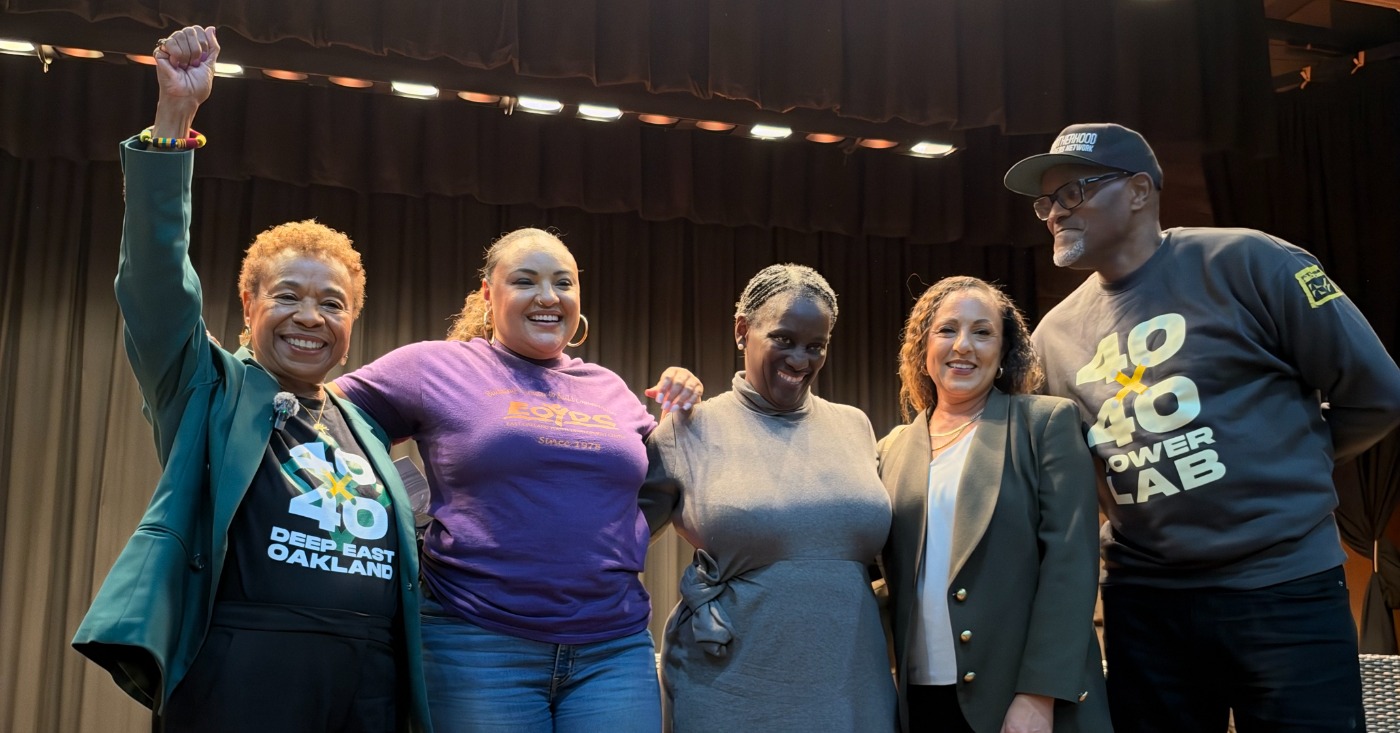

In partnership with Rise East and the 40×40 Council, Oakland Mayor Barbara Lee held a special 2026 State of the City East Oakland community conversation on Oct. 14.
The purpose of bringing a State of the City address directly to the community was to celebrate East Oakland, highlight the work underway, and look ahead to what neighbors, local businesses, youth, funders, community organizations, and partners can accomplish together.
Held at the Roots Community Health/Parker Elementary School Campus at 7929 Ney Ave., the event was emceed by special guest Mark Curry, Oakland native, comedian, and actor.
Lee shared how Rise East and the 40×40 Council have brought together the knowledge, relationships, and resources of people and organizations committed to East Oakland.
Residents bring lived experience, community organizations bring trusted relationships and philanthropy, and businesses bring resources and opportunity, she said, then turned to the government’s role: public investment, services and policy.
But, Lee intoned, City Hall has a responsibility to help connect those efforts.
“I am committed to listening to residents, working across departments and sectors, and helping open doors to opportunity. We must connect neighborhood priorities to the decisions we make about housing, economic development, safety, health and our young people.
City Hall “must be accountable for the results,” Lee said. “The measure of success is what families experience: greater stability, more opportunity and a stronger sense that they belong and have a future here.
“Tonight is an opportunity to listen to the leaders doing this work, learn what is making a difference and identify where we can do more together,” the mayor said.
Lee went on to moderate a ‘fireside chat’ on the theme: Building Oakland’s Future Together — From Neighborhood Investment to Community Empowerment with:
- Selena Wilson, CEO, East Oakland Youth Development Center
- Greg Hodge, CEO, Brotherhood of Elders
- Carolyn “CJ” Johnson, CEO, Black Cultural Zone
- Dr. Noha Aboelata, CEO, Roots Health Center
Mayor Barbara Lee’s media relations department provided this report.

Black History
Practitioners of African Traditional Spirituality Offer Ancestral Reverence Ritual Oct. 31
The Council for Global Ancestral Reverence will host “Ancestral Souls Rising” from Oct. 31 to Nov. 2, featuring a three-day gathering of prayer and discussion. Led by elders and priests across the African diaspora, the seventh annual ritual honors those lost without traditional rites while addressing current social challenges. This year’s event connects ancestral wisdom with contemporary issues, including a two-day conversation inspired by Afro-Beat music focused on Black community solidarity and the sacred importance of voting. Read more for details on the ritual schedule and participants.

The Council for Global Ancestral Reverence (C4GAR), a group of elders who practice African traditional spirituality, will lead a three-day gathering of prayer and discussion from Oct. 31-Nov. 2.
Called ‘Ancestral Souls Rising,’ the council members and 21 priests will lead the prayers from many parts of the African diaspora: Africa, Portugal, and across the U.S. from Maryland to the Bay Area.
Now in its seventh year, the annual ritual began during the 2020 pandemic when hundreds of thousands of people died alone and were buried in mass graves without rites and rituals according to loved ones’ traditions.
This prayer event was and is intended to give peace to the departed and comfort for the living who still mourn. Each year, we gather names of new ancestors from living elders to elevate them into the “Great Hall of the Titans.”
In ensuing years, C4GAR added themes to the prayer gathering that referenced current events. In 2024, before the consequential presidential election, C4GAR called on people to vote, invoking the memory of Civil Rights Movement heroes and heroines like John Lewis, who urged “Good Trouble,” and Fannie Lou Hamer, who famously declared that she was “sick and tired of being sick and tired.”

The day of global Prayer on Oct. 31 will be followed by a two-day conversation inspired by “The Blueprint,” an Afro-Beat song by UyiosaEl, to write our new blueprint that supports solidarity and action in the Black community.
“Our elders have, for many generations, known the power of prayer, ritual and breath,” the council said in a statement.
It was and is their intention, then, to use the cultural wisdom, the gift of prayer “and the most sacred thing we have, our breath, to send energy into the world that invokes and honors our ancestors,” the council statement continued.
“Doing this creates a vibration that protects us and employs their ancient wisdom for the well-being of our communities,” the elders said.
The councilmembers, all over the age of 60, recognize that what is now history for so many was once their lived experience. And that history, those joys and sorrows, are now in their bodies.
To them, the uttered prayer and the sacred breath are oaths to an unfolding future that people can still shape.
The council members are Dr. Iyabeji Cathy Royal, Iyalocha Jennifer Dillard, Manbo Charlene Desir (Florida), Nana Sula Spirit (Louisiana), Baba Obafemi Feyemi, Ohen Nedra T. Williams, and Iyalocha Wanda Ravernell-Stewart Emeritus (Oakland).
This year, they also encourage everyone within their reach to VOTE because it is not only a secular and political act, but a sacred one. Remember, the ancestors were denied that right and died for it.
For tickets, go to:
Community
It’s Time to Lose Weight Before the Holidays
Licensed internist Dr. H. Geoffrey Watson has joined gastroenterologist Dr. Ralph Peterson at Oakland’s MacArthur GI to address the rising obesity epidemic. With U.S. obesity rates reaching 42.4%, the clinic offers supervised weight-loss programs and screenings for fatty liver disease. Treatments include dietary counseling and various medications, such as GLP-1 receptor agonists, which regulate digestion and appetite. As certain populations continue to be disproportionately affected by chronic health conditions, medical experts are highlighting new tools available to help patients reach their goals before the holiday season. Read more.
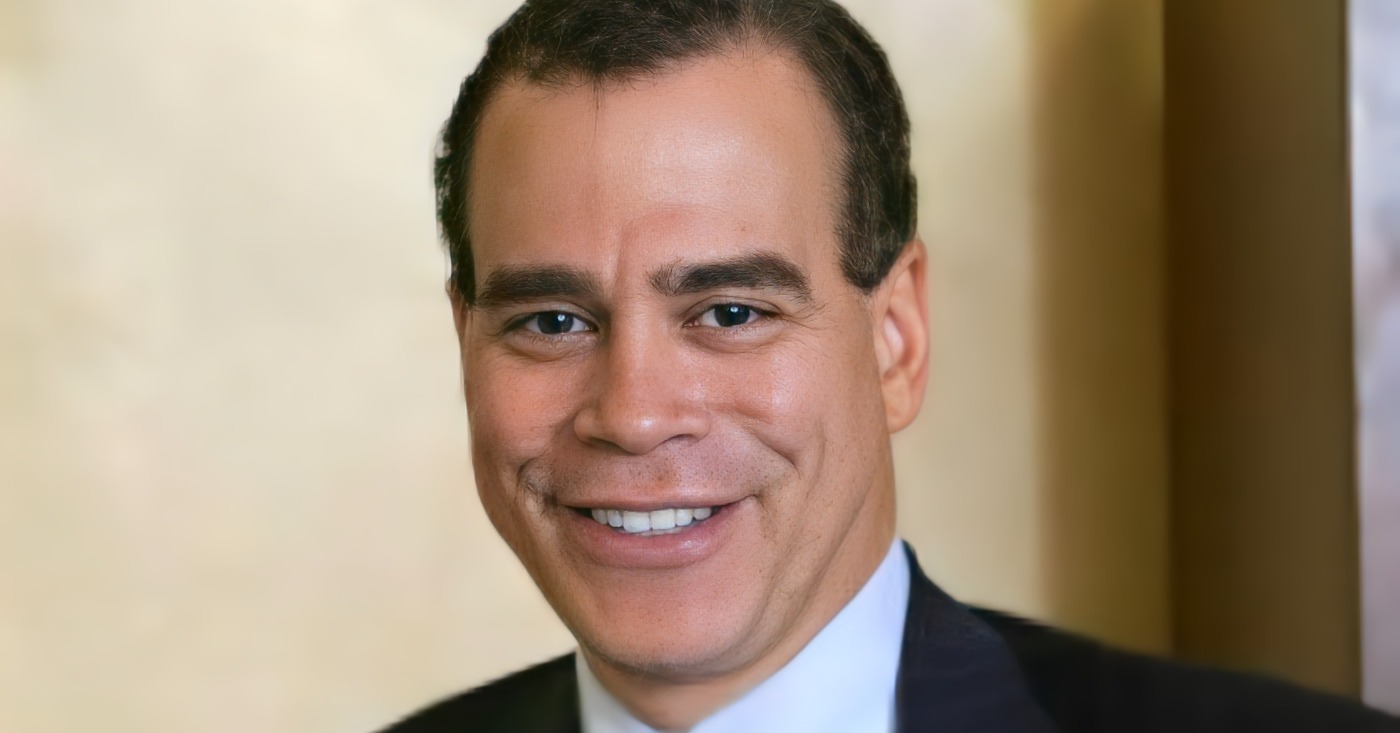
Dr. H. Geoffrey Watson, a licensed internist, has joined renowned gastroenterologist Dr. Ralph Peterson at MacArthur GI in Oakland to address obesity, provide supervised weight-loss programs including GLP-1 therapy, and screen for and treat fatty liver disease.
The Obesity Epidemic
Obesity is associated with numerous chronic health problems, including hypertension, diabetes, heart disease, sleep apnea, asthma, depression, joint disorders, fatty liver disease, and high cholesterol. Its causes include genetics, environment, stress, medication side effects, hormonal imbalances, and other factors.
Since 1999, the prevalence of obesity in the United States has risen from 30.5% to 42.4%. Childhood obesity rates are also climbing, with approximately 19.3% of children and adolescents now affected.
Measuring Obesity: Body Mass Index
Obesity is measured using a formula called the Body Mass Index (BMI). You can calculate your own BMI on most smartphones by searching “BMI calculator” and entering your height and weight. A BMI of 25 to 29.9 is classified as overweight, and a BMI of 30 or greater is classified as obese.
Populations Disproportionately Affected
Obesity affects certain populations at higher rates. Among U.S. adults, obesity prevalence is 49.9% in Black adults, 45.6% in Hispanic adults, 41.4% in White adults, and 16.1% in Asian adults.
Treatment Options
A variety of treatments are available for obesity, including dietary counseling, exercise programs, bariatric surgery, and anti-obesity medications.
Common oral medications include:
• Adipex (phentermine): A stimulant that works by suppressing appetite.
• Contrave (bupropion/naltrexone): A combination of an antidepressant and an anti-addiction medication that helps control appetite and cravings.
• Qsymia (phentermine/topiramate): A combination of a stimulant and an anti-seizure medication that reduces appetite and cravings.
GLP-1 Receptor Agonist Therapy
Glucagon-like peptide-1 (GLP-1) receptor agonists were originally approved to treat type 2 diabetes. GLP-1 is a hormone produced naturally by the body that regulates digestion, blood sugar, and appetite by communicating with GLP-1 receptor cells throughout the digestive tract. These medications reduce cravings, appetite, and food intake by influencing the hunger hormones ghrelin, which stimulates hunger, and leptin, which signals fullness.
What We Offer
Drs. Peterson and Watson provide FDA-approved tirzepatide injections, a GLP-1 receptor agonist medication indicated for weight management. Each patient receives a comprehensive history and physical examination to ensure the safety and appropriateness of the medication as part of an overall weight-loss protocol. Dr. Peterson also offers ultrasound screening for fatty liver disease.
We look forward to helping you reach your weight-loss goals and feel your best this holiday season.
H. Geoffrey Watson, M.D., runs the MacArthur GI Clinic at 10520 MacArthur Blvd., Oakland, CA. He can be reached at (510) 562-7467.



Mayor Barbara Lee Holds Special State of the City Address in Deep East Oakland

Practitioners of African Traditional Spirituality Offer Ancestral Reverence Ritual Oct. 31

It’s Time to Lose Weight Before the Holidays

Trader Vic’s Returns to Its Oakland Roots

Oakland Coal Terminal Backed by Trump Would Be Bigger, Dirtier Than Promised, Says Report

Opponents Smear Effective African American Transit Director as Election Nears

Oakland Post: Week of October 14 – 20, 2026

OP-ED: The Black Church Writes AI’s Next Chapter

OP-ED: The Black Church Writes AI’s Next Chapter

WCCUSD Joins Statewide Organic School Food Purchasing Cooperative

Democrats, Community Groups Back Measure EE to Change How Oakland Is Governed

Four Tips to Help You Plan a Holiday “Staycation”

Veterans Housing Project Proposed for South Richmond
PRESS ROOM: Transformative Justice Coalition 2026 Voting Rights Champion Awards Reception ‘Yesterday Is Today: The Battle For Voting Rights

Mayor Lee Delivers 2026 State of the City Address: ‘Oakland Continues to Be on the Move’

Misnamed ‘Parent’ PAC Seeks to Influence Oakland School Board Elections

Oakland Post: Week of September 2 – 8, 2026

Oakland Post: Week of September 9 – 15, 2026

Poll: Becerra Widens His Lead Over Hilton; Californians Split on Wealth Tax

County Office of Education Says OUSD Finances Are Getting Healthier, Materially Stronger

Richmond Tiny House Village Farm & Garden Set to Open Gates on Sept. 26

Latest Massacre in Haiti Reveals Cruelty U.S. Deportations

Mayor Lee Announces $1 Million Kaiser Permanente Grant for Pilot Program to Address Homelessness, Clean Up Public Spaces throughout Oakland

OPINION: Nolan Wells’ Death One of Several Signifying Racial Terror Lives on in U.S. South

Listening as a Lifeline: A Doula’s Witness to Black Maternal Health

Zakiya Jendayi Arrested, Locked Out of Home by Sheriff’s Deputies

BLACspace Cooperative Invites Bay Area to Experience Oakland’s Black Cultural Ecosystem Through a BLAC Map Tour + Party

Oakland Post: Week of September 16 – 22, 2026

Democratic Clubs Interview Candidates for Oakland School Board

Oakland People’s Arms Embargo Coalition Demands End to Military Shipments Thru Oakland

The Conversation With Al McFarlane 6/23/26

Media Monday 6/22/26

LIVE! ASK ALMA! — TUES. 6.23.26 7PM EST

Car Buying Secrets: 4 Hidden Checks Before You Sign!

Is This 550 HP Charger Worth YOUR Money? AutoNetwork Review

Celebrating Juneteenth – Frederick Douglass on education and resistance

LIVE! — ASK ALMA! — TUES. 6.19.26 7PM EST

Hyundai Ioniq 5 Parking, Safety, and 360 View #shorts

2025 Ioniq 5 New Wiper & Powerful Performance! #shorts

Electric SUV Range: Is 259 Miles Enough? #shorts

EV Charging: How Fast Can You Charge an Electric Vehicle? #shorts

Biometric Cooling… Messaging Seats…Come on! 2025 Infiniti QX80 Autograph 4WD

Charged Up: Witness the Magic of a Fully Electric Car! #shorts

Range Rover Sport PHEV Included…: See What’s Inside This Luxury SUV! #shorts

Invisible Hood View: Perfect Parking with X-Ray Vision! #shorts
-
 Economy3 weeks ago
Poll: Becerra Widens His Lead Over Hilton; Californians Split on Wealth Tax
-
 Business3 weeks ago
County Office of Education Says OUSD Finances Are Getting Healthier, Materially Stronger
-
 Business4 weeks ago
Mayor Lee Announces $1 Million Kaiser Permanente Grant for Pilot Program to Address Homelessness, Clean Up Public Spaces throughout Oakland
-
 Black History2 weeks ago
Listening as a Lifeline: A Doula’s Witness to Black Maternal Health
-
 Lead Story2 weeks ago
Zakiya Jendayi Arrested, Locked Out of Home by Sheriff’s Deputies
-
 Art3 weeks ago
BLACspace Cooperative Invites Bay Area to Experience Oakland’s Black Cultural Ecosystem Through a BLAC Map Tour + Party
-
 Activism4 weeks ago
Oakland Post: Week of September 16 – 22, 2026
-
 Uncategorized4 weeks ago
Oakland People’s Arms Embargo Coalition Demands End to Military Shipments Thru Oakland
