
Activism
Asm. Mike Gipson: California Hospitals Are Entering One of the Most Dangerous Eras in History
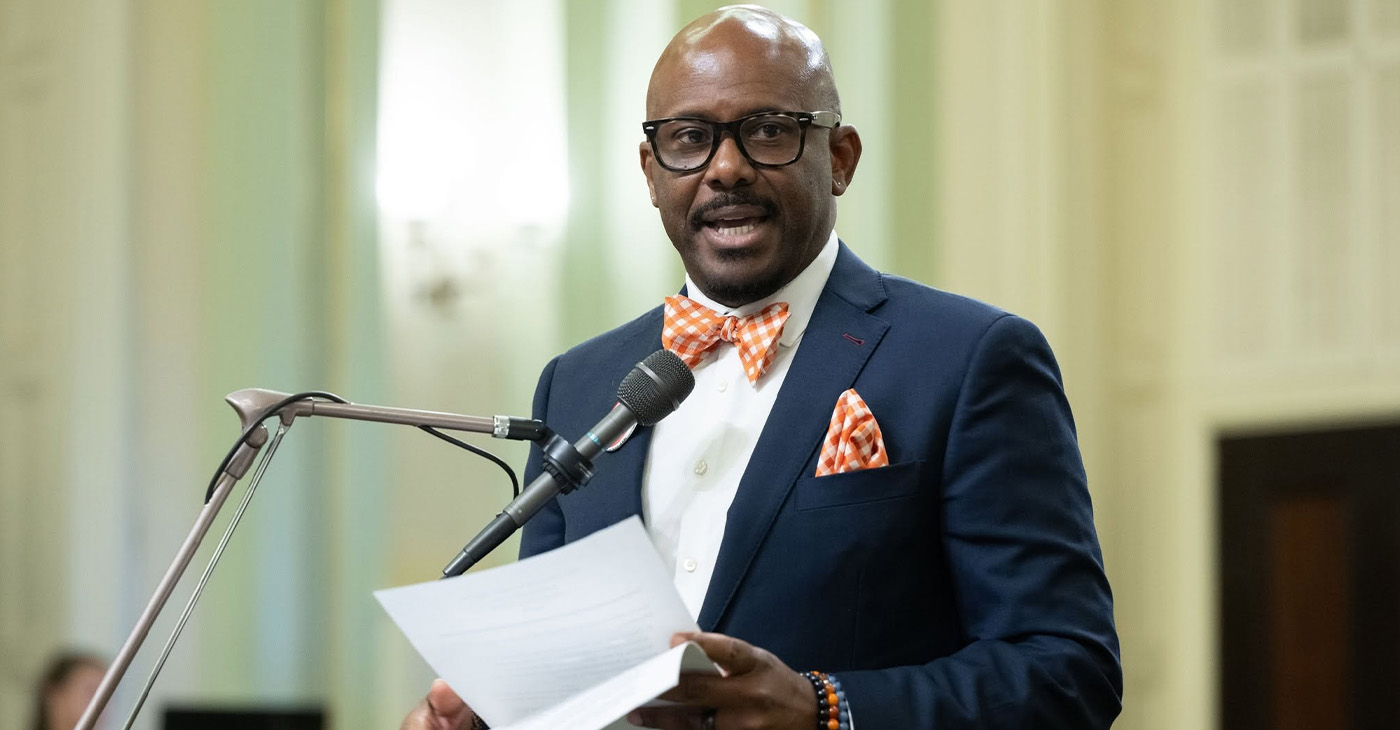
“Our hospitals are entering one of the most dangerous eras that anyone has ever seen, at least in my lifetime,” said Assemblymember Mike Gipson (D-Carson). “Assembly Bill 109 helps preserve access to health care by providing much-needed relief to hospitals across California that are struggling to remain financially viable and to continue to serve their communities.”

By Bo Tefu, California Black Media

California hospitals are facing one of the most precarious periods in decades, Assemblymember Mike Gipson (D-Carson) warned as lawmakers debated Assembly Bill 109, the state’s 2026-27 budget bill.
Included in that bill — and the Senate version of it, Senate Bill (SB) 101— is one-time emergency assistance of $50 million designed to help hospitals in financial distress to stabilize and continue providing care to patients across the state. The bill also allocates an additional $250 million to help California’s 17 public hospital systems cope with mounting losses tied to federal health care cuts.
Speaking on the Assembly floor, Gipson said the legislation is critical to preserving access to health care, particularly for vulnerable communities that depend on public hospitals and Medi-Cal services.
“Our hospitals are entering one of the most dangerous eras that anyone has ever seen, at least in my lifetime,” said Gipson. “Assembly Bill 109 helps preserve access to health care by providing much-needed relief to hospitals across California that are struggling to remain financially viable and to continue to serve their communities.”
Gipson said the financial support to hospitals will help them prepare for future emergencies while protecting access to care.
Drawing on his experience representing South Los Angeles during the COVID-19 pandemic, Gipson described the devastating toll the virus took on his district.
“I’ve seen the coronavirus devastate the Black and Brown communities,” he said. “I’ve seen bodies … piling up in refrigeration systems and delivered in trucks.”
Without the funding, Gipson warned, hospitals would be less prepared to respond to future public health emergencies, increasing the risk of preventable deaths and worsening health outcomes for patients across California.
Gipson, a member of the California Legislative Black Caucus (CLBC), added that the state budget helps prepare counties for potential impacts from HR 1, arguing California must protect vulnerable residents from anticipated federal policy changes.
Gipson pointed to the financial struggles faced by Martin Luther King Jr. Community Hospital, saying he has repeatedly spoken on the Assembly floor over six terms about the importance of preventing hospital closures in his district.
“We cannot afford to let any hospitals close,” Gipson emphasized. “Assembly Bill 109 helps all Californians at all hospitals.”
Following passage of the budget, Gipson said preserving the hospital funding in AB 109 “meant the absolute world to me.” Assemblymember pushes for funding for hospitals and Medi-Cal in budget bill.


To enlarge your view of this issue, use the slider, magnifying glass icon or full page icon in the lower right corner of the browser window.
Activism
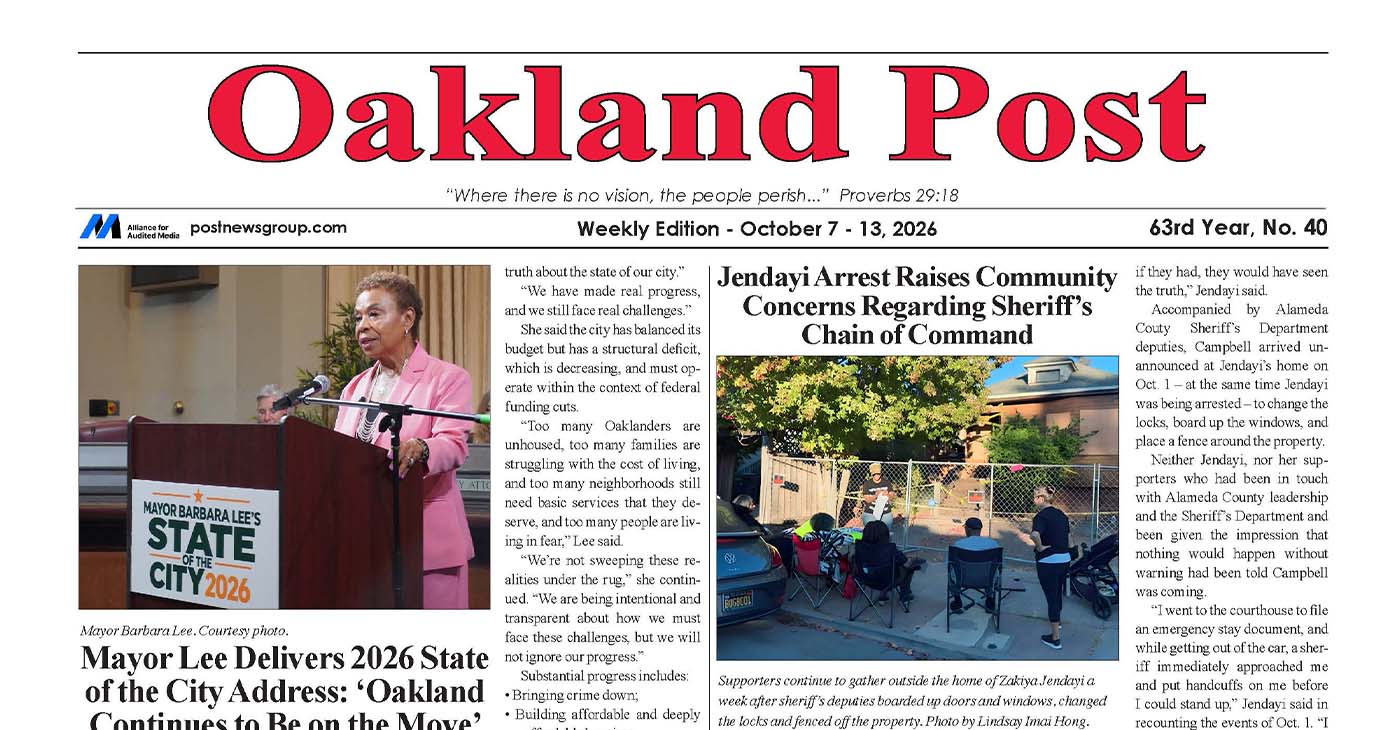
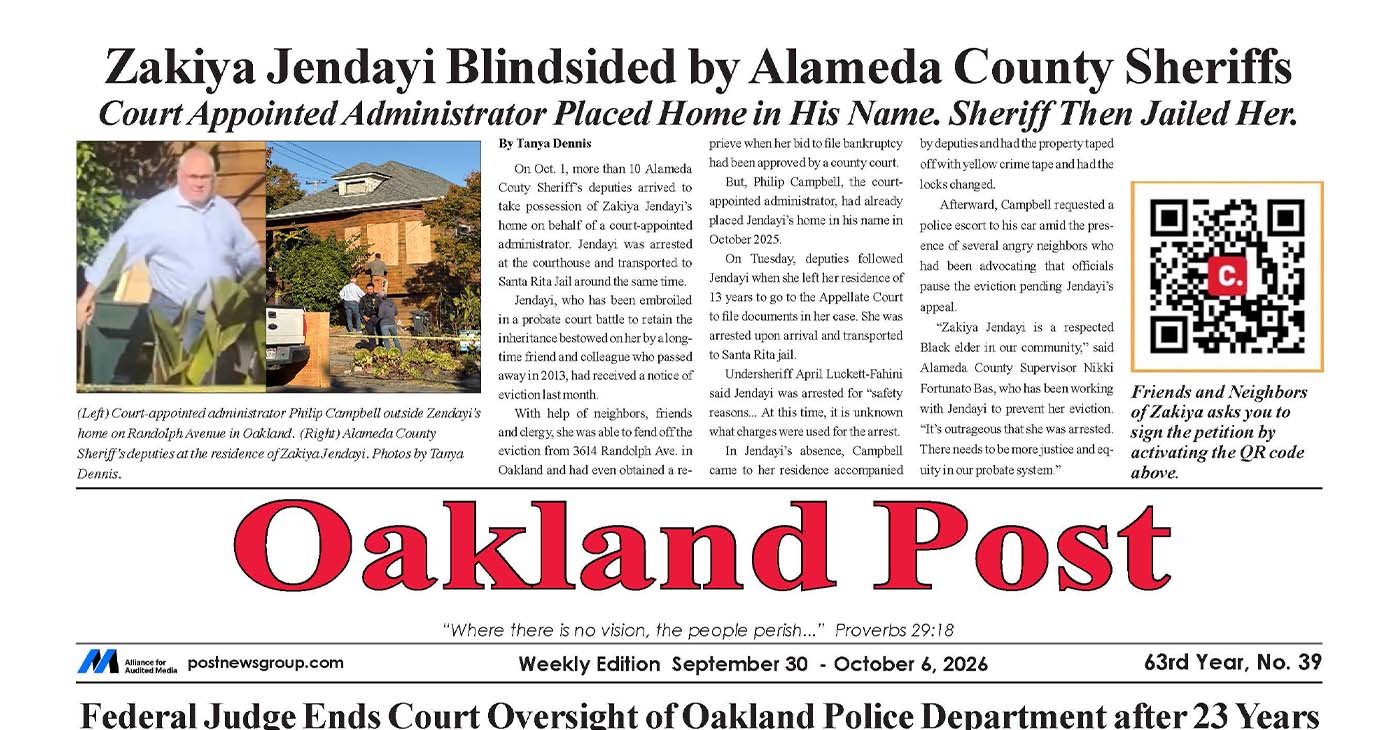
Oakland Post: Week of September 30 – October 6, 2026
The printed Weekly Edition of the Oakland Post: Week of September 30 – October 6, 2026
To enlarge your view of this issue, use the slider, magnifying glass icon or full page icon in the lower right corner of the browser window.
Activism
Oakland Post: Week of September 23 – 29, 2026
The printed Weekly Edition of the Oakland Post: Week of September 23 – 29, 2026

To enlarge your view of this issue, use the slider, magnifying glass icon or full page icon in the lower right corner of the browser window.


WCCUSD Joins Statewide Organic School Food Purchasing Cooperative

Democrats, Community Groups Back Measure EE to Change How Oakland Is Governed

Four Tips to Help You Plan a Holiday “Staycation”

Veterans Housing Project Proposed for South Richmond
PRESS ROOM: Transformative Justice Coalition 2026 Voting Rights Champion Awards Reception ‘Yesterday Is Today: The Battle For Voting Rights

Mayor Lee Delivers 2026 State of the City Address: ‘Oakland Continues to Be on the Move’

Oakland Awarded More than $14 Million in State Funding

Jendayi Arrest Raises Community Concerns Regarding Sheriff’s Chain of Command

Marin County Supes Expand Small Business Options with Home Kitchen Pilot Program

Allen Temple Baptist Church Hosts Free Prostate Cancer Screenings on Oct. 17

AC Transit Labor Unions Back Director Joel Young

Locals Can Get Locally Grown Produce Delivered Through Urban Tilth

‘ICE-Free Marin’ Supporters Press Supervisors as County Drafts Enforcement Restrictions

Oakland Post: Week of October 7 – 13, 2026

Ghana’s Ministry of Foreign Affairs Publishes Global Circle’s Vatican Reparations Call in Special Edition Alongside Heads of State

Frontier Airlines’ Return to Oakland Airport Brings Flights, Jobs and Opportunity

Jackie Wright Champions Bay Area Stories, Filmmakers and Cultural Institutions

Chef Sharon Lee Blends Culinary Excellence, Education and Empowerment

Gubernatorial Candidate Steve Hilton Blasts California New Tire Rules; Newsom Hits Back

Misnamed ‘Parent’ PAC Seeks to Influence Oakland School Board Elections

Oakland Coliseum Project Opens Door for Small Businesses to Build Bigger

Big City Mayors Ask for “Yes” Vote on Housing Bond Measure; Conservatives Say “No”

Gov. Newsom’s Latest Appointees Include Sacramento Advocate for Formerly Incarcerated Students; State’s New Tech Chief

Oakland Post: Week of September 2 – 8, 2026

Longtime BWOPA Member Brendalyn Goodall Appointed to California Workforce Development Board

Gov. Newsom Signs Law Shielding Immigration Aid Workers From Doxing Threats

Secretary of State Shirley N. Weber Urges Californians to Vote Early as Voter ID Battle Intensifies

Oakland Post: Week of September 9 – 15, 2026

Richmond Tiny House Village Farm & Garden Set to Open Gates on Sept. 26

Madeline M. Turner: The Inventor Who Made Juicing Easier

The Conversation With Al McFarlane 6/23/26

Media Monday 6/22/26

LIVE! ASK ALMA! — TUES. 6.23.26 7PM EST

Car Buying Secrets: 4 Hidden Checks Before You Sign!

Is This 550 HP Charger Worth YOUR Money? AutoNetwork Review

Celebrating Juneteenth – Frederick Douglass on education and resistance

LIVE! — ASK ALMA! — TUES. 6.19.26 7PM EST

Hyundai Ioniq 5 Parking, Safety, and 360 View #shorts

2025 Ioniq 5 New Wiper & Powerful Performance! #shorts

Electric SUV Range: Is 259 Miles Enough? #shorts

EV Charging: How Fast Can You Charge an Electric Vehicle? #shorts

Biometric Cooling… Messaging Seats…Come on! 2025 Infiniti QX80 Autograph 4WD

Charged Up: Witness the Magic of a Fully Electric Car! #shorts

Range Rover Sport PHEV Included…: See What’s Inside This Luxury SUV! #shorts

Invisible Hood View: Perfect Parking with X-Ray Vision! #shorts
-

 Business3 weeks ago
Mayor Lee Announces $1 Million Kaiser Permanente Grant for Pilot Program to Address Homelessness, Clean Up Public Spaces throughout Oakland
-

 Economy2 weeks ago
Poll: Becerra Widens His Lead Over Hilton; Californians Split on Wealth Tax
-

 Business2 weeks ago
County Office of Education Says OUSD Finances Are Getting Healthier, Materially Stronger
-

 Community4 weeks ago
Democratic Clubs Interview Candidates for Oakland School Board
-
 Uncategorized3 weeks ago
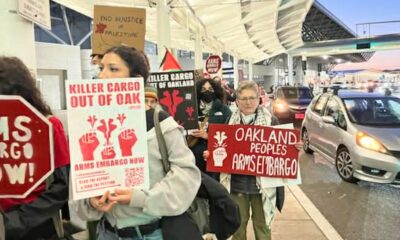
Oakland People’s Arms Embargo Coalition Demands End to Military Shipments Thru Oakland
-
 Activism3 weeks ago
Oakland Post: Week of September 16 – 22, 2026
-

 Community3 weeks ago
Two Looming Threats Every Alameda County Elder Should Know About
-

 Art2 weeks ago
BLACspace Cooperative Invites Bay Area to Experience Oakland’s Black Cultural Ecosystem Through a BLAC Map Tour + Party
