
Politics
AP-GfK Poll: Minorities, Young Americans Still Backing Obama


JOSH LEDERMAN, Associated Press
EMILY SWANSON, Associated Press
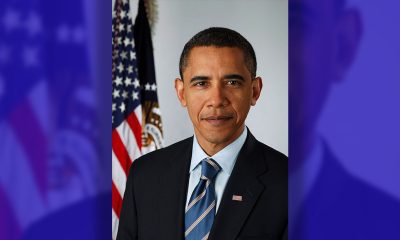
WASHINGTON (AP) — Even as the public remains closely divided about his presidency, Barack Obama is holding on to his support from the so-called “Obama coalition” of minorities, liberals and young Americans, an Associated Press-GfK poll shows, creating an incentive for the next Democratic presidential nominee to stick with him and his policies.
Hillary Rodham Clinton, by comparison, is viewed somewhat less favorably by the key voting groups whose record-setting turnout in 2008 propelled Obama to the White House and will be crucial to her own success.
Roughly two-thirds of Hispanics view Obama favorably, compared to just over half of Hispanics who say the same about Clinton. Among self-identified liberals, Obama’s favorability stands at 87 percent, to Clinton’s 72 percent. Half of Americans under the age of 30 view Obama favorably, compared to just 38 percent for his former secretary of state.
The findings offer a window into the factors at play as Clinton decides how closely to embrace Obama, his record and his policies in her campaign for president. Although associating herself with Obama could turn off some independent and Republican-leaning voters, electoral math and changing demographics make it critical for Democrats to turn out high numbers of Hispanics, African Americans and young voters.
Overall, Obama’s job approval rating stands at 43 percent, a leveling off following an AP-GfK poll conducted in early February that put his approval at 47 percent — slightly higher than it had been through most of 2014. The number of Americans who disapprove of Obama’s job performance has stayed relatively steady at 55 percent.
“He just seems to have something in his mind that he wants to accomplish and keeps trying to get it done,” said Christine Klauder, a self-described liberal from southern New Jersey. Klauder said she voted for Obama in 2008 and 2012 and that her support hasn’t dropped off. “He’s more oriented toward the kind of people that I feel that we are, have been all my life.”
Contrast that with Klauder’s views about Clinton, who has yet to win her enthusiastic support. “Being a woman, I think it would be wonderful to see her in — but I’m not sure,” Klauder said. “I think maybe her time has passed.”
Obama, whose troubles in the polls were seen as a drag on Democratic in last year’s midterm elections, has also managed to hold on to recent gains he’s made among core supporters.
When AP-GfK polled in October 2014, Obama’s approval rating among Hispanics had plummeted to 39 percent, as Hispanic advocacy groups demanded that Obama take aggressive action on immigration. One month later, he did just that — and his job approval among Hispanics now stands at 56 percent. Whereas 72 percent of liberals approved of Obama’s performance in October, that number now appears to have climbed, to 82 percent.
The survey reinforces a concern expressed by many Democrats about Clinton’s candidacy: that she just doesn’t inspire the levels of enthusiasm among traditional Democratic constituencies that were so critical to Obama’s success.
In the first weeks of her campaign, Clinton has promoted a number of populist ideas surrounding immigration, voting rights and economics that hew closely to themes that Obama has made central to his presidency. Although she distanced herself from Obama by suggesting she would have voted against giving him expedited authority to negotiate trade deals, she offered explicit support for the controversial nuclear deal with Iran that Obama announced this week.
Esther Danner, a 61-year-old from Hanover, Maryland, said she’s continued to support Obama because she feels he’s made progress on overhauling health care, promoting same-sex marriage and lifting the ban on gays in the military. Danner, who works part time at an African American heritage museum, said she thought Obama’s full-throated support would go a long way to persuade minorities and young Americans to show up to vote for the next Democratic nominee.
“The last eight years have been preparing for the 2016 election,” Danner said. “The current generation that voted for Obama, like myself, will probably continue the journey with the next Democratic candidate.”
In an AP-GfK poll conducted in January and February, nearly half of Americans — 47 percent — described the economy as “good,” almost as many as the 51 percent who called it “poor.” Since then, views of the economy have grown slightly more negative, with 41 percent now saying the economy is “good” and 57 percent saying it’s “poor.”
___
The AP-GfK Poll of 1,004 adults was conducted online from Thursday to Monday, using a sample drawn from GfK’s probability-based KnowledgePanel, which is designed to be representative of the U.S. population. The margin of sampling error for all respondents is plus or minus 3.4 percentage points, but higher for subgroups such as Hispanics and African Americans.
___
Associated Press writer Stacy A. Anderson contributed to this report.
___
Reach Josh Lederman on Twitter at http://twitter.com/joshledermanAP and Emily Swanson at http://twitter.com/EL_Swan
Copyright 2015 The Associated Press. All rights reserved. This material may not be published, broadcast, rewritten or redistributed.










Activism
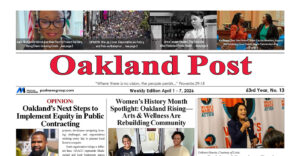
Oakland Post: Week of April 1 – 7, 2026
The printed Weekly Edition of the Oakland Post: Week of April 1 – 7, 2026
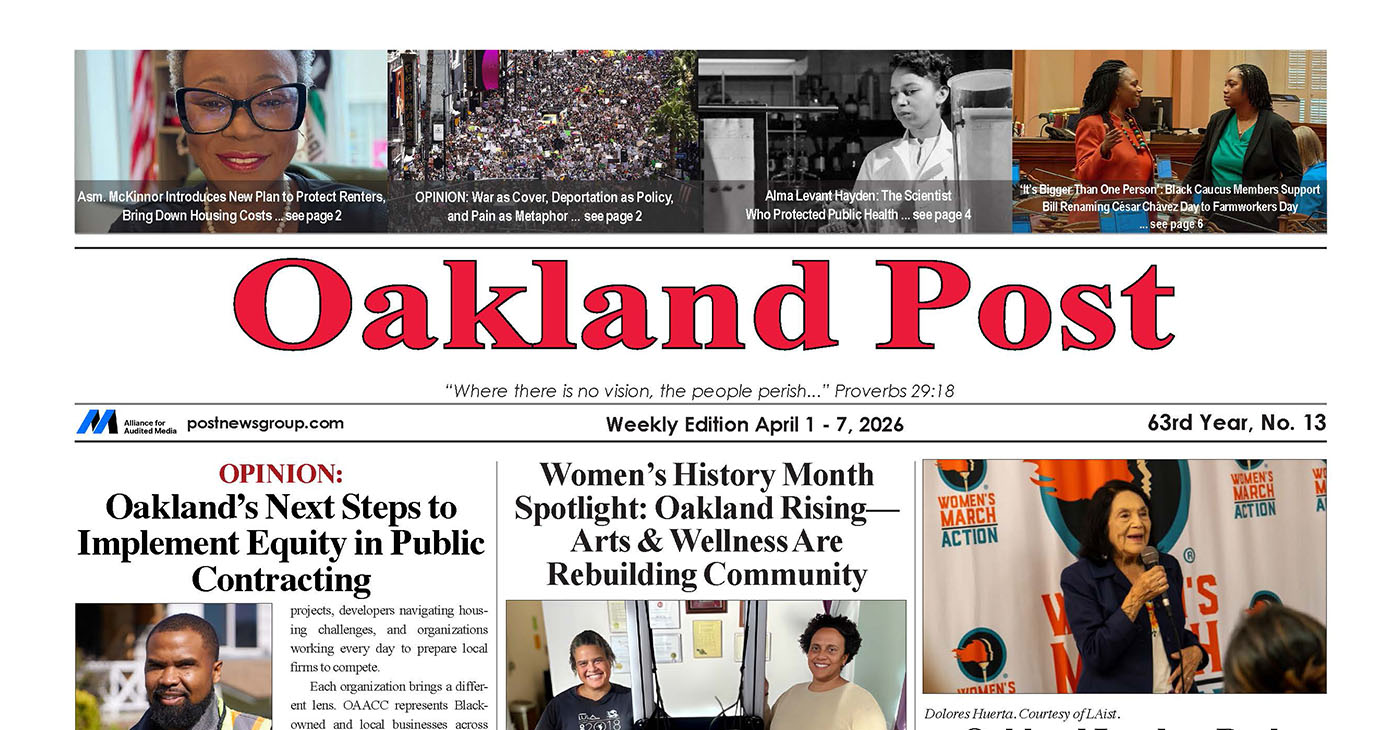
To enlarge your view of this issue, use the slider, magnifying glass icon or full page icon in the lower right corner of the browser window.
Activism
Oakland Post: Week of March 18 – 24, 2026
The printed Weekly Edition of the Oakland Post: Week of March 18 – 24, 2026
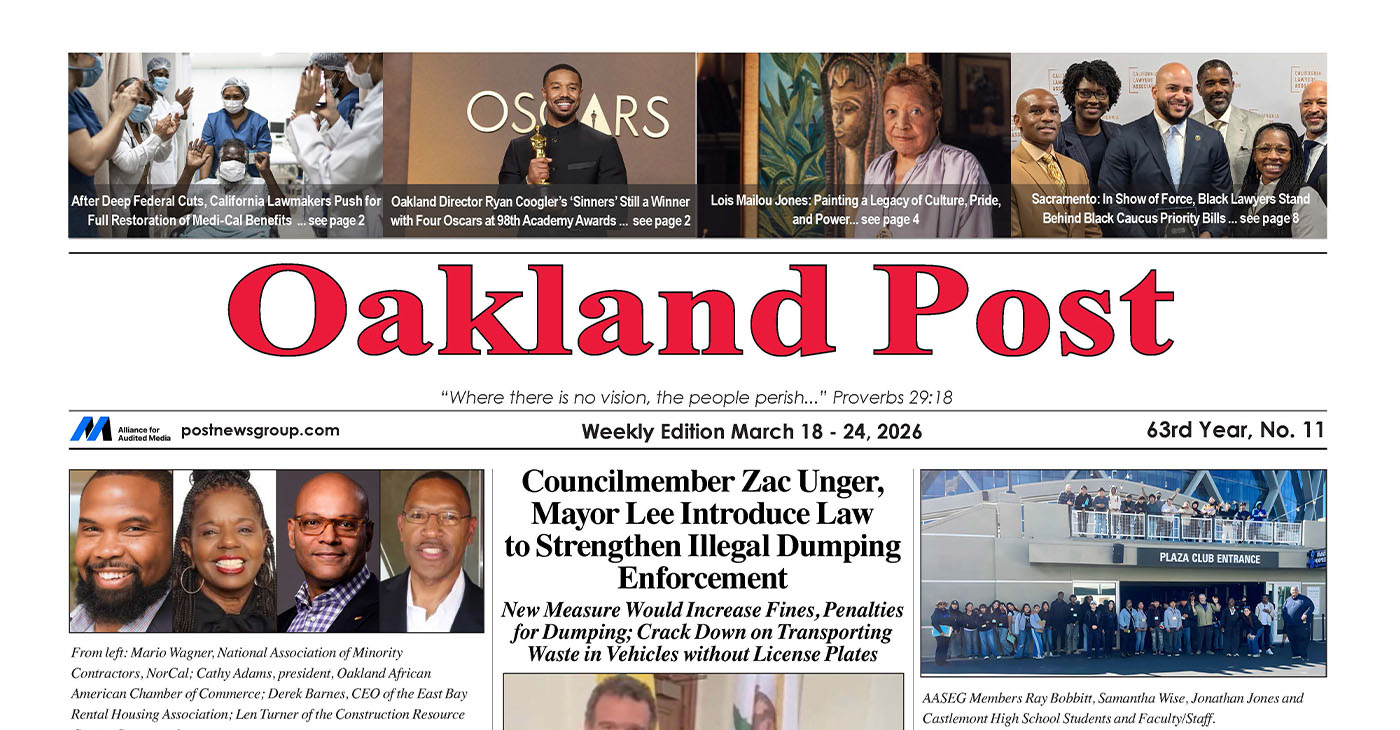
To enlarge your view of this issue, use the slider, magnifying glass icon or full page icon in the lower right corner of the browser window.
Activism
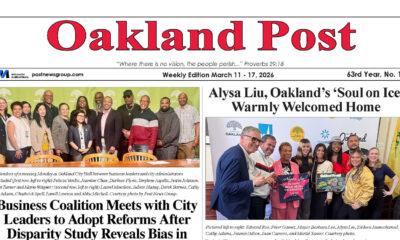
Oakland Post: Week of March 11 -17, 2026
The printed Weekly Edition of the Oakland Post: Week of March 11 – 17, 2026
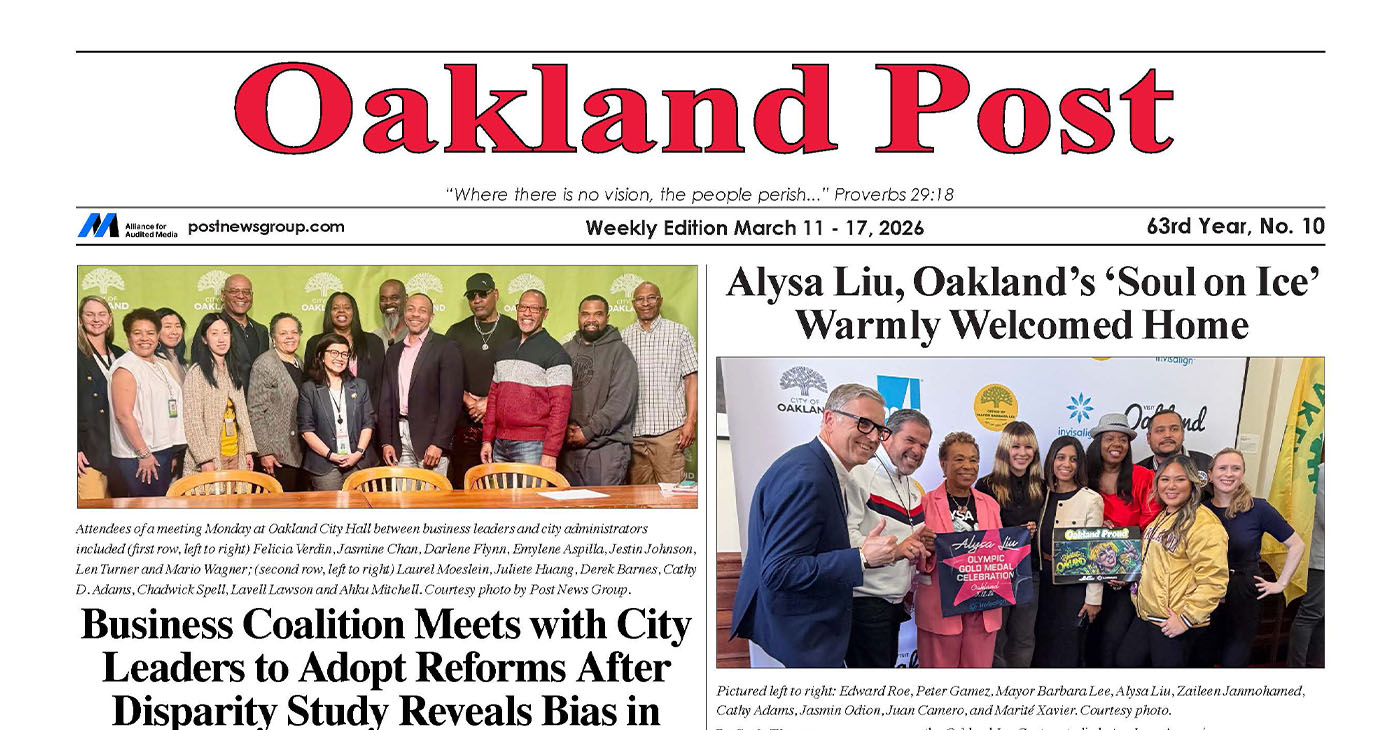
To enlarge your view of this issue, use the slider, magnifying glass icon or full page icon in the lower right corner of the browser window.

WORK FROM HOME
Home-based business with potential monthly income of $10K+ per month. A proven training system and website provided to maximize business effectiveness. Perfect job to earn side and primary income. Contact Lynne for more details: Lynne4npusa@gmail.com 800-334-0540


Oakland Post: Week of April 1 – 7, 2026

Black Artists in America, Installation Three Wraps at the Dixon Gallery and Gardens

Grief, Advocacy, and Education: A Counselor Reflects on Black Maternal Health

Future of Florida’s Black History Museum in Limbo

New Research Shows the Many Benefits of Early Learning

South Hampton K-8 Students Among Top 10 Finalists for Samsung’s ‘Solve for Tomorrow’ Competition

Cuba: No Negotiation with US on the President or Political System

Brooklyn Academy of Music Names Jamaican-Born Tamara McCaw as President

Trinidad & Tobego – U.S. Launches WhatsApp Channel for American Citizens in the Country

Oakland Post: Week of March 18 – 24, 2026

AI Innovation vs. Ethics and Environmental Impact

AI, Web3, and Digital Reparations

What If You Owned Your AI Agent?

Season 7, Episode 3 – January Reporter’s Roundtable 📱

Season 7, Episode 3 – January Reporter’s Roundtable

Reflecting on Black History Milestones in Birmingham AL

Oakland Post: Week of February 25 – March 3, 2026

PRESS ROOM: NBA Hall of Fame Nominee Terry Cummings Joins 100 Black Men of DeKalb County to Launch Victory & Values Initiative

Trump’s MAGA Allies are Creating Executive Order Plan to Steal the 2026 Midterms

Oakland Post: Week of March 4 – 10, 2026

Chase Oakland Community Center Hosts Alley-Oop Accelerator Building Community and Opportunity for Bay Area Entrepreneurs

U.S. manufacturing rebounds – how foundry services are adapting to rising demand

Poll Shows Support for Policies That Help Families Afford Child Care

OP-ED: One Hundred Years of Black Workers Telling the Truth

Advancements in solar technology that are changing the way we power the world

Oakland Post: Week of March 11 -17, 2026

Woman’s Search for Family’s Roots Leads to Ancestor John T. Ward – A Successful Entrepreneur and Conductor on the Underground Railroad

PRESS ROOM: Civil Rights TV Launches in Selma as the World’s First 24/7 Civil Rights Television Network

COMMENTARY: Women of Color Shape Our Past and Future

OP-ED: NNPA Launches 2026 “Leadership Matters” Video Series

Hyundai Ioniq 5 Parking, Safety, and 360 View #shorts

2025 Ioniq 5 New Wiper & Powerful Performance! #shorts

Electric SUV Range: Is 259 Miles Enough? #shorts

EV Charging: How Fast Can You Charge an Electric Vehicle? #shorts

Biometric Cooling… Messaging Seats…Come on! 2025 Infiniti QX80 Autograph 4WD

Charged Up: Witness the Magic of a Fully Electric Car! #shorts

Range Rover Sport PHEV Included…: See What’s Inside This Luxury SUV! #shorts

Invisible Hood View: Perfect Parking with X-Ray Vision! #shorts

AI Is Reshaping Black Healthcare: Promise, Peril, and the Push for Improved Results in California

ESSAY: Technology and Medicine, a Primary Care Point of View

Sanctuary Cities

The RESISTANCE – FREEDOM NOW

STATE OF THE PEOPLE: Freddie

ECONOMIC BOYCOTT DAY!!!!!

I told You So
-
 Activism3 weeks ago
Oakland Post: Week of March 11 -17, 2026
-
 #NNPA BlackPress4 weeks ago
Woman’s Search for Family’s Roots Leads to Ancestor John T. Ward – A Successful Entrepreneur and Conductor on the Underground Railroad
-
 #NNPA BlackPress4 weeks ago
COMMENTARY: Women of Color Shape Our Past and Future
-
 Activism2 weeks ago
Oakland Post: Week of March 18 – 24, 2026
-

 Advice3 weeks ago
Financial Wellness and Mental Health: Managing Money Stress in College
-

 #NNPA BlackPress4 weeks ago
Advocates Raise Alarm Over ICE Operation, MOU and Detention Risks in Baltimore County
-

 #NNPA BlackPress4 weeks ago
Pete Buttigieg to Join Mayor Randall Woodfin for Community Town Hall in Birmingham
-
 #NNPA BlackPress2 weeks ago
Brooklyn Academy of Music Names Jamaican-Born Tamara McCaw as President
