
Black History
An Interview with Isabel Wilkerson, Author of “The Warmth of Other Suns”
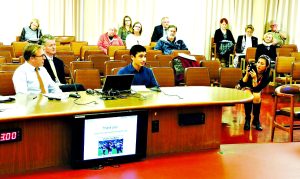
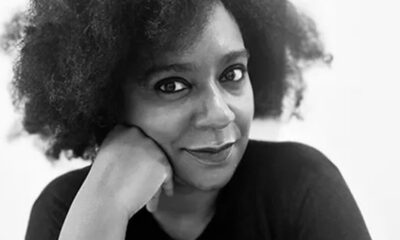
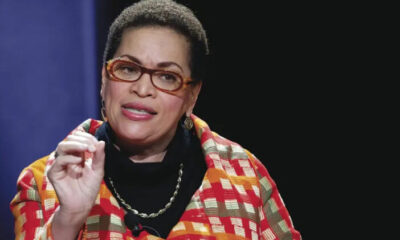
SAN DIEGO VOICE — Isabel Wilkerson, author of “The Warmth of Other Suns,” recently discussed her novel, the Great Migration, and San Diego’s role in her the epic tale of the Great Migration of African Americans from the American South to northern cities across the U.S.

By Latanya West, San Diego Voice & Viewpoint
Isabel Wilkerson, author of “The Warmth of Other Suns,” recently discussed her novel, the Great Migration, and San Diego’s role in her the epic tale of the Great Migration of African Americans from the American South to northern cities across the U.S.
Q: How is San Diego such a significant part of the Great Migration and your journey in writing “The Warmth of Other Suns”?
A. One of the main protagonists, Dr. Robert Joseph Pershing Foster, migrated from Monroe, Louisiana to California and it was a heartbreaking journey. When he got to Arizona, he [unsuccessfully] tried [to get a room], and was crushed to discover that after all of this long drive, he still was, in that moment, no better off than if he had been in Louisiana. He had to drive through the mountains and the desert, at night, and that was even more exhausting. He almost fell asleep at the wheel, he was dog-tired and he had to push through.
San Diego was, ultimately, his first actual arrival in the “New World” known as California. And that’s why San Diego is central. He actually stopped the car here for the first time. He was too afraid at that point to stop [anywhere else], he had lost faith at that moment. So I replicated that journey to the letter – I drove the entire journey – and I had my parents with me in the car. If he wasn’t able to stop I wasn’t stopping. I needed to feel exactly as he felt, so I could tell his story. He described to me – and I experienced – arriving in San Diego. We came into the older part of town, as he had, and so it was very central and the idea of arriving in the early morning hours.
Q What is your mandate now that you’ve written the book?
A. My mission is about reminding us of how much we all have in common and that the experiences and history of people of african descent in this country is not ‘African American History,’ it’s American History. The experiences African Americans have had, for example in the Great Migration is similar to those that other people have had. It’s a way to bridge the gulf in how people see themselves compared to others – which is the source of all divisions – you don’t see yourself in someone else, you have no empathy for someone else whose experience is different from yours. Well, no, the record and the scholarship shows that there’s a migration age, African Americans were no different in that. They followed predictable paths, as in any other migration. These are portals to understanding. That’s really how I look at it
Q. What is your advice to San Diegans seeking their roots?
A. Go to the oldest person in your family and open your heart to their experiences and make it safe for them to talk. The generation that were survivors of Jim Crow often do not talk – because they experienced post-traumatic stress. It’s like PTSD out of a war experience and they didn’t want to burden their own children with what they had endured. One of the reasons I wanted to do this book is because not enough people recognized the magnitude of the experience. They didn’t even know the phenomena had a name, they didn’t connect themselves with it. A lot of descendants of those who survived Jim Crow feel embarrassment that their ancestors had been sharecroppers or domestics. This is a reclaiming of the history, a reclaiming of the tools of survival that they had to harness in order to make it possible for us to even exist. I think they deserve our attention, our gratitude, our recognition of the heroic, quiet sacrifices they made.
This article originally appeared in San Diego Voice.






Activism
Oakland Post: Week of March 18 – 24, 2026
The printed Weekly Edition of the Oakland Post: Week of March 18 – 24, 2026
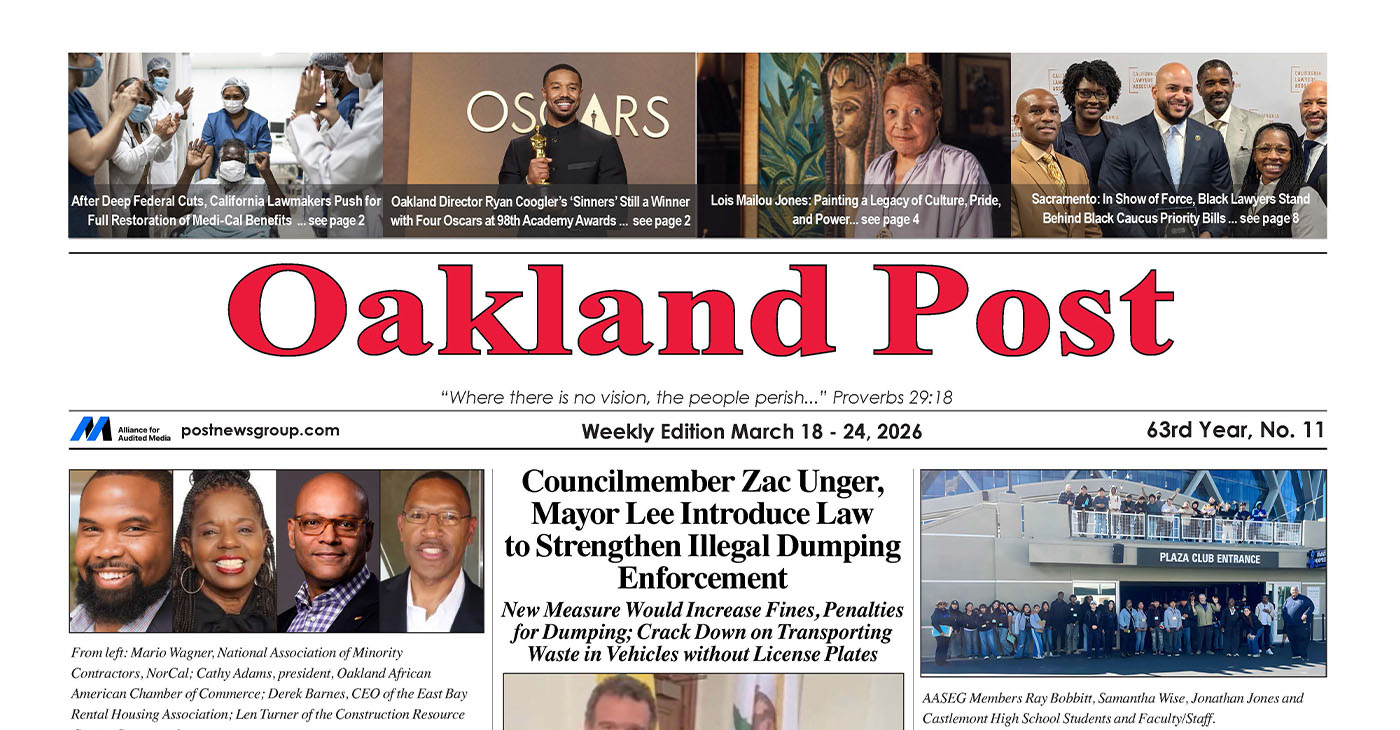
To enlarge your view of this issue, use the slider, magnifying glass icon or full page icon in the lower right corner of the browser window.
Activism
Oakland Post: Week of March 11 -17, 2026
The printed Weekly Edition of the Oakland Post: Week of March 11 – 17, 2026
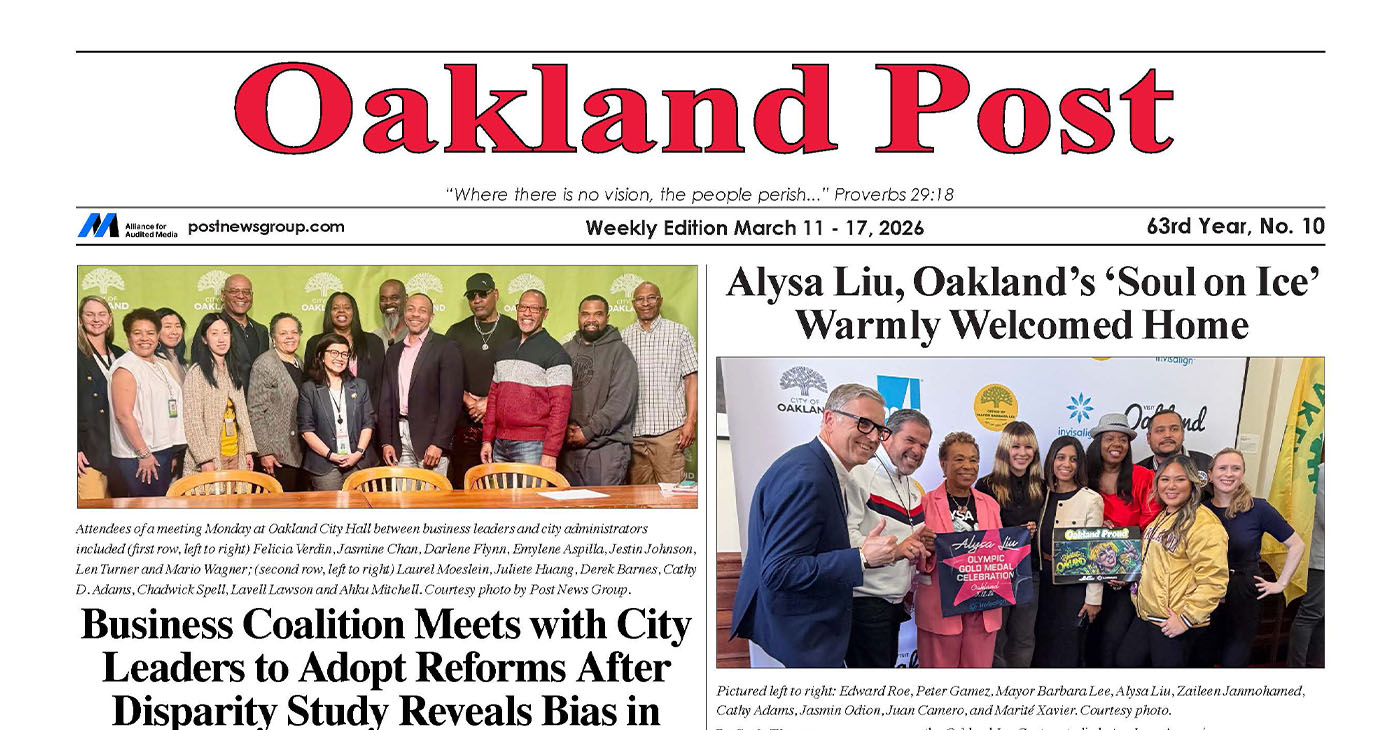
To enlarge your view of this issue, use the slider, magnifying glass icon or full page icon in the lower right corner of the browser window.
Activism
Oakland Post: Week of March 4 – 10, 2026
The printed Weekly Edition of the Oakland Post: Week of March 4 – 10, 2026

To enlarge your view of this issue, use the slider, magnifying glass icon or full page icon in the lower right corner of the browser window.

WORK FROM HOME
Home-based business with potential monthly income of $10K+ per month. A proven training system and website provided to maximize business effectiveness. Perfect job to earn side and primary income. Contact Lynne for more details: Lynne4npusa@gmail.com 800-334-0540


Black Artists in America, Installation Three Wraps at the Dixon Gallery and Gardens

Grief, Advocacy, and Education: A Counselor Reflects on Black Maternal Health

Future of Florida’s Black History Museum in Limbo

New Research Shows the Many Benefits of Early Learning

South Hampton K-8 Students Among Top 10 Finalists for Samsung’s ‘Solve for Tomorrow’ Competition

Cuba: No Negotiation with US on the President or Political System

Brooklyn Academy of Music Names Jamaican-Born Tamara McCaw as President

Trinidad & Tobego – U.S. Launches WhatsApp Channel for American Citizens in the Country

Oakland Post: Week of March 18 – 24, 2026

AI Innovation vs. Ethics and Environmental Impact

AI, Web3, and Digital Reparations

What If You Owned Your AI Agent?

Season 7, Episode 3 – January Reporter’s Roundtable 📱

Season 7, Episode 3 – January Reporter’s Roundtable

AI, Media, and Power | Part 2, Real-World Impacts and Tradeoffs

Reflecting on Black History Milestones in Birmingham AL

CITY OF SAN LEANDRO STATE OF CALIFORNIA PUBLIC WORKS DEPARTMENT ENGINEERING DIVISION NOTICE TO BIDDERS FOR ANNUAL STREET OVERLAY/REHABILITATION 2019-21 – PHASE III

Oakland Post: Week of February 18 – 24, 2026

Oakland Post: Week of February 25 – March 3, 2026

PRESS ROOM: NBA Hall of Fame Nominee Terry Cummings Joins 100 Black Men of DeKalb County to Launch Victory & Values Initiative

Trump’s MAGA Allies are Creating Executive Order Plan to Steal the 2026 Midterms

Oakland Post: Week of March 4 – 10, 2026

U.S. manufacturing rebounds – how foundry services are adapting to rising demand

Chase Oakland Community Center Hosts Alley-Oop Accelerator Building Community and Opportunity for Bay Area Entrepreneurs

Poll Shows Support for Policies That Help Families Afford Child Care

OP-ED: One Hundred Years of Black Workers Telling the Truth

Advancements in solar technology that are changing the way we power the world

Woman’s Search for Family’s Roots Leads to Ancestor John T. Ward – A Successful Entrepreneur and Conductor on the Underground Railroad

PRESS ROOM: Civil Rights TV Launches in Selma as the World’s First 24/7 Civil Rights Television Network

COMMENTARY: Women of Color Shape Our Past and Future

Hyundai Ioniq 5 Parking, Safety, and 360 View #shorts

2025 Ioniq 5 New Wiper & Powerful Performance! #shorts

Electric SUV Range: Is 259 Miles Enough? #shorts

EV Charging: How Fast Can You Charge an Electric Vehicle? #shorts

Biometric Cooling… Messaging Seats…Come on! 2025 Infiniti QX80 Autograph 4WD

Charged Up: Witness the Magic of a Fully Electric Car! #shorts

Range Rover Sport PHEV Included…: See What’s Inside This Luxury SUV! #shorts

Invisible Hood View: Perfect Parking with X-Ray Vision! #shorts

AI Is Reshaping Black Healthcare: Promise, Peril, and the Push for Improved Results in California

ESSAY: Technology and Medicine, a Primary Care Point of View

Sanctuary Cities

The RESISTANCE – FREEDOM NOW

STATE OF THE PEOPLE: Freddie

ECONOMIC BOYCOTT DAY!!!!!

I told You So

-
 Activism4 weeks ago
Oakland Post: Week of March 4 – 10, 2026
-
 #NNPA BlackPress4 weeks ago
Woman’s Search for Family’s Roots Leads to Ancestor John T. Ward – A Successful Entrepreneur and Conductor on the Underground Railroad
-
 #NNPA BlackPress4 weeks ago
COMMENTARY: Women of Color Shape Our Past and Future
-

 Activism3 weeks ago
Oakland Post: Week of March 11 -17, 2026
-

 #NNPA BlackPress4 weeks ago
OP-ED: NNPA Launches 2026 “Leadership Matters” Video Series
-

 #NNPA BlackPress4 weeks ago
Advocates Raise Alarm Over ICE Operation, MOU and Detention Risks in Baltimore County
-

 #NNPA BlackPress4 weeks ago
Pete Buttigieg to Join Mayor Randall Woodfin for Community Town Hall in Birmingham
-

 Advice3 weeks ago
Financial Wellness and Mental Health: Managing Money Stress in College
