
#NNPA BlackPress
Black August Was Never Meant to End in August
BLACKPRESSUSA—Black August was never intended as a celebration. It was created behind prison walls as a tool for survival, study, and resistance. Four decades later, organizers and formerly incarcerated activists discuss the tradition’s true meaning and why the work must continue after the month is over.
The post Black August Was Never Meant to End in August appeared first on BlackPressUSA.

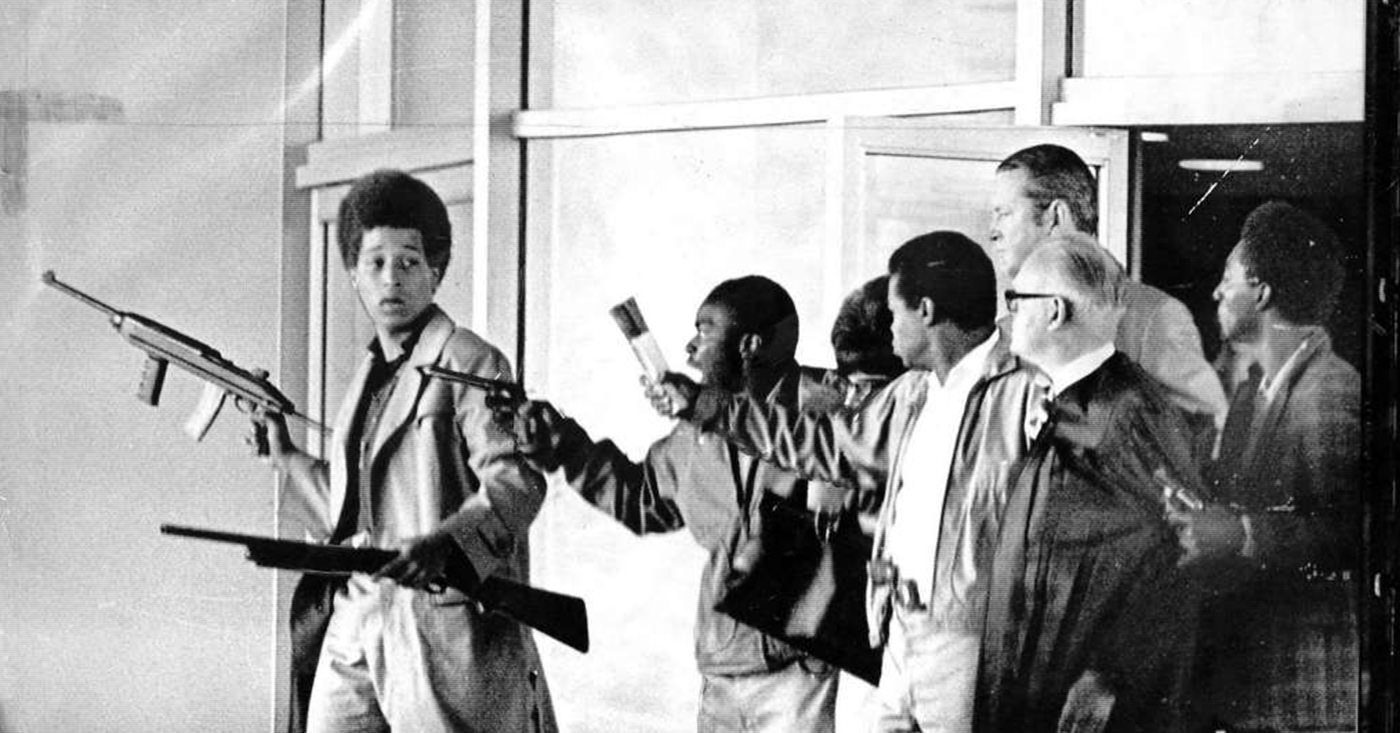

By Stephen Oduntan
When George Ray “Bogard” Thomas first encountered Black August in 1987, he wasn’t at a rally, a university lecture or a community commemoration. He was entering California’s prison system.
Thomas had grown up in Watts’ Imperial Courts housing projects, one of five children raised in a single-parent household. His father sold drugs, he has said, and his mother relied on public assistance. By 13, Thomas was cycling through the juvenile justice system. He later became a co-founder of the Eastside Crips, part of a street organization he says initially drew inspiration from the community-protection politics of the Black Panther Party. A previous profile of Thomas in The Wave chronicled that journey from the streets of Watts through prison, cancer and eventually youth mentorship.
He would return to prison years later. A 2010 drug case led to a sentence of 31 years to life. The case grew out of a traffic stop in the Palmdale-Lancaster area in which sheriff’s deputies found cocaine base during a search of his person. Thomas later challenged aspects of that search, arguing that the search of his buttocks exceeded the consent he had given and that its manner and location were unreasonable. A suppression motion filed by his attorney was denied.
Thomas continued fighting his conviction through the courts. When his appeal reached California’s Second District Court of Appeal, Kamala Harris was the state’s attorney general. The 2013 opinion lists Harris and attorneys from her office as counsel for the state; it does not indicate that Harris personally participated in Thomas’s prosecution or appeal. The appellate court affirmed the judgment with modifications.
Nearly four decades after he first encountered Black August, prison remains written on his body.
Thomas speaks by pressing an electronic device against his throat, the result of stage 4 cancer and surgery that took his natural voice. He spent years in solitary confinement. Thomas says he endured sexual abuse in custody, lived amid mold and poor ventilation and received medical treatment he came to distrust. He believes conditions inside contributed to his illness.
“You ain’t alive to nobody out there because nobody don’t even care,” Thomas said of serving life in prison. “You a dead man walking.”
Yet Thomas said prison never broke his spirit.
He studied law behind bars, working through legal books and filing motions. Another incarcerated man offered to show him how to fight his case but made one thing clear: Thomas would have to do the work himself.
He did.
Thomas still keeps one of the legal books he studied—a book containing the same laws he says had helped put him behind bars.
“It’s the same book that got me out,” he said.
For Thomas, one of the central disciplines associated with Black August—study—is anything but theoretical. Knowledge became an instrument of survival.
Since emerging from California’s prisons more than four decades ago, Black August has traveled far beyond the walls that produced it. Its roots, however, lie in a prison movement that confronted racial violence, isolation and the treatment of incarcerated Black people—conditions organizers believed the outside world too easily ignored.
Now, as Black August enters its final days, longtime practitioners and formerly incarcerated people say the more important question is what happens when the month ends: Has the tradition spread faster than its meaning—and what remains when August is over?
Thandisizwe Chimurenga has been considering those questions for decades.
An author, multimedia journalist and activist who co-founded Black August Los Angeles, Chimurenga has observed Black August with other members of the group since the 1990s. She sees something encouraging in its growing visibility.
“What I’m seeing differently is more of an acknowledgment of Black August’s origins,” Chimurenga said.
Those origins matter, she said, because many of the men who developed the tradition were already incarcerated, organizing under conditions that gave prison officials enormous control over communication, discipline and daily life.
Its purpose was never celebration.
“It’s commemorating,” Chimurenga said. “It’s remembering, it’s honoring, and it’s recommitment.”
Even the increasingly common greeting “Happy Black August,” she said, misses some of that solemnity.
“It’s not a happy time,” Chimurenga said. “It’s a very heavy time. A solemn time.”
The exchange she learned is simpler. One person says, “Black August.”
The response: “Resistance.”
For veteran organizer Kalonji Changa, preserving that meaning requires more than knowing the history.
“Black August is not just a month,” Changa said. “It is a lifestyle. It’s a way of life.”
Changa, founder of Black Power Media and the FTP Movement, has spent August leading a study of George Jackson’s Blood in My Eye, examining Jackson’s ideas about state power, political consciousness, and organizing.
But Changa worries that revolutionary politics can become easier to display than to practice. A Jackson quotation can be shared. Someone can fast. Neither necessarily requires sacrifice.
“Revolution is not a sexy thing,” Changa said. “Revolution is not cute. It’s not about being seen.”
Chimurenga is less pessimistic about Black August entering music, social media, and popular culture. Greater visibility, she believes, can lead people toward history they might otherwise never encounter.
The question is what they do once they find it.
Black August emphasizes four principles—study, fast, train, and fight. Someone who fasts without studying political prisoners, prison conditions or Black liberation movements, Chimurenga said, is “just not eating.”
Political prisoners remain central to that study.
Chimurenga cited Geronimo Ji-Jaga, Leonard Peltier, Dhoruba Bin Wahad, Sundiata Acoli and Assata Shakur while discussing figures whose names became widely known in part because supporters outside prison kept their cases in public view.
But she is equally concerned about the names people don’t know.
She pointed to Khatari Gaulden and Shaka At-Thinnin, incarcerated organizers associated with the history from which Black August emerged. They represent what Chimurenga called the “nameless, faceless” brothers whose organizing behind prison walls never generated the public profiles of better-known figures.
That invisibility has another dimension: California places unusual restrictions on journalists seeking formal interviews with specific incarcerated people. Reporters may write to prisoners, receive calls from them or apply to visit them during regular visiting hours. Journalists on approved media visits may also conduct random interviews with consenting prisoners. But CDCR—California Department of Corrections and Rehabilitation cannot arrange a one-on-one media interview with a specific incarcerated person, and ordinary visits cannot be recorded.
The restrictions have survived repeated attempts to change them. Between 1998 and 2012, California lawmakers passed nine bills seeking to restore greater media access to prisons. All nine were vetoed across four successive gubernatorial administrations—those of Pete Wilson, Gray Davis, Arnold Schwarzenegger and Jerry Brown.
The effort continued under Gov. Gavin Newsom. In 2024, lawmakers passed Senate Bill 254, which would have required CDCR to permit prearranged interviews with specific incarcerated people, allowed journalists to document prison conditions and prohibited retaliation against prisoners for communicating with the media. Newsom vetoed it, citing concerns that included costs and the resources CDCR would need to safely accommodate increased media access.
For a tradition rooted in remembering people behind prison walls, the restrictions raise a larger question: Who gets to tell the public what happens inside when the people living there cannot easily speak directly to reporters?
Thomas understands what it means to become invisible that way.
He remembers Black August being widely understood among Black prisoners when he entered the system in the 1980s. Correctional officers understood its significance, too, he said.
Asked whether the tradition gave incarcerated Black men an identity or source of power that the institution could not entirely control, Thomas did not hesitate.
“Exactly,” he said. “Exactly right.”
Changa has seen why outside attention matters. He has worked on campaigns involving political prisoners, including Leonard Peltier, and said sustained contact and advocacy can make prison officials aware that someone outside is watching.
Thomas now tries to keep young people from following him behind the walls.
He works through the Tony Bogard Foundation, named for his late younger brother, Tony “Bogard” Thomas, a prominent Watts figure who helped sustain the 1992 gang truce between Bloods and Crips before being shot and killed in Imperial Courts in 1994.
George Thomas now teaches young people about Jackson and the history that produced Black August.
“Learn your history so you won’t never have to be incarcerated,” Thomas said. “You gotta look behind you to see what’s in front of you.”
That idea of looking backward also animates Changa’s view of the present. Technology has transformed surveillance, communication, and organizing, but he sees continuity in the systems Jackson wrote about.
“Nothing changed but the timestamp,” Changa said.
And so another Black August approaches its end.
The fast will end. Events will conclude. Social media will move on.
But incarceration will not.
For Chimurenga, August 31 has never represented a finish line. The history carries almost immediately into the 1971 Attica prison uprising, which began on Sept. 9, less than three weeks after Jackson was killed at San Quentin. The connection reinforces what she sees as a history that cannot be neatly contained within a single commemorative month.
So when August ends, she doesn’t.
“I just ride it through,” Chimurenga said.
Then she put it more simply.
“It doesn’t really end for me.”
The post Black August Was Never Meant to End in August appeared first on BlackPressUSA.













#NNPA BlackPress
Smooth Ride! Car Suspension & Comfort Tested #shorts
Smooth suspension meets surprisingly spacious legroom. Experience true comfort on any road!

 Watch the full video: https://youtu.be/l9Z571za5Gc
#NNPA BlackPress
61 years since Selma, Houston leaders say the bridge remains to be crossed
61 years after Selma, Houston leaders say the fight for equality continues. The issues that sparked the marches still impact Black Americans today.
It has been 61 years since the Selma marches. But political leaders in Houston say that the issues protesters were marching for still plague the lives of Black Americans.
Visit Our Website
Read more stories by our team
https://defendernetwork.com/category/news/opinion/
Sign-up for the Top 5 newsletter
Donate/ Support Our Work
#NNPA BlackPress
Here is what you need to know about finding unique white elephant gift ideas that everyone wants to steal
The best white elephant gift ideas are funny enough to get a reaction but useful enough that people actually want to steal them. Look for gifts with a surprise factor, broad appeal, an inside joke, and just enough personality to spark some friendly competition. The wrapping paper comes off, the room goes quiet for half […]

The best white elephant gift ideas are funny enough to get a reaction but useful enough that people actually want to steal them. Look for gifts with a surprise factor, broad appeal, an inside joke, and just enough personality to spark some friendly competition.
The wrapping paper comes off, the room goes quiet for half a second, and suddenly everyone wants the same gift. That is the sweet spot. A great white elephant pick should make people laugh, lean in, and start plotting their next steal before the turn is even over.
Should a White Elephant Gift Be Funny or Useful?
A white elephant gift can be funny or useful, but the strongest choices usually give people a reason to laugh and a reason to keep the item. A practical gift with an odd design, unexpected feature, or playful theme can get a reaction without becoming something the recipient immediately wants to give away.
The right balance depends on the group. Close friends and family members may enjoy a ridiculous gag gift because they already understand one another’s sense of humor.
A workplace exchange, neighborhood party, or mixed-age gathering usually calls for something with broader appeal. In those settings, humor works better when it is built into an item people could still use afterward.
It also helps to think about how quickly the gift will make sense once it is opened. A strangely shaped kitchen tool, oversized mug, quirky desk accessory, or unexpectedly fancy everyday item can create an immediate reaction. Guests understand the joke right away, while the item still has enough practical value to attract a steal.
Pure gag gifts can be harder to pull off. Something that exists only for the punchline may get a big laugh during the reveal and then sit untouched for the rest of the game. If the goal is to bring one of the gifts everyone keeps fighting over, usefulness gives the joke staying power.
Memorable Present Ideas: Creating Inside Joke Gifts
Inside joke gifts can make a white elephant exchange feel much more personal, especially when most of the group shares the same stories. The trick is choosing a reference that people will recognize quickly instead of building the entire joke around something only two guests understand.
You can turn a memorable vacation mishap, office catchphrase, family story, or long-running group joke into the theme of the gift. A personalized comic book can work especially well when it turns familiar people or a ridiculous shared moment into part of the story.
Think carefully about who the joke involves before ordering anything permanent. The gift should make the person feel included in the fun, not singled out for the wrong reason.
Can You Bring Something You Already Own?
Holiday gift exchanges can be a good place to re-gift something you never used, especially if it is unopened and clean.
The following can all work if they still look presentable:
- A duplicate kitchen gadget
- An untouched game
- A decorative item
- A sealed gift set
- An unopened candle
- A new travel accessory
The goal is to give the item a second chance, not use the exchange as an excuse to clear out damaged or unwanted clutter.
Take a close look at the packaging before wrapping it. Faded boxes, missing pieces, visible wear, or anything that looks obviously used can make the gift feel careless.
Wrapping Budget-Friendly Gifts
Wrapping can make gifts more entertaining before anyone even knows what’s inside.
Misdirection works especially well for fun party games. Put a small gift inside a much larger box. Use packaging from an unrelated household item.
Add harmless weight so guests cannot guess what they are holding. The reveal becomes part of the joke without changing the gift itself.
You can also lean into the theme of the exchange. Bright paper, oversized bows, reusable bags, or deliberately over-the-top wrapping can make an ordinary item feel more memorable. If the gift itself is already funny, simple wrapping may work better so the surprise stays hidden until the last second.
Frequently Asked Questions
Is Picking Last an Advantage in White Elephant?
Picking last can be an advantage because you get to see almost every gift before making your move. Instead of choosing blindly from the remaining wrapped presents, you can steal something that has already caught your attention if the rules still allow it.
That advantage depends on the house rules. Some games limit how many times a gift can be stolen.
Others lock an item once it reaches a certain number of steals. If the most popular gifts are already unavailable, the final player may have fewer strong options than expected.
The first player can also get another turn at the end in some versions of the game. That rule can balance things out, since the person who started with the least information may get one final chance to steal.
How Do You Plan White Elephant for a Large Group?
For a large white elephant exchange, set a firm spending limit and establish the stealing rules in advance.
Create a clear turn order before the game begins. Drawing numbers as guests arrive can save time once everyone is ready to start.
Keep the number of steals per gift limited so the game does not drag on. It also helps to have one person track which creative holiday presents have been stolen and when they are locked, especially if dozens of people are participating.
Can You Play White Elephant Virtually?
A virtual white elephant exchange can work over a video call, with one person keeping track of the turn order and each steal. Guests can either mail physical gifts ahead of time or use digital gifts that can be delivered once the game ends.
Set the spending limit and stealing rules before everyone joins. It also helps to decide how gifts will be revealed and who is responsible for sending each one afterward so the exchange does not become confusing.
Choose a Perfect White Elephant Gift in a Snap
Look for a white elephant gift that fits some of these criteria, and everyone will be trying to grab it at your next celebration.
Do you need more gift-giving tips and tricks? Make sure you read some of our other posts.



WCCUSD Joins Statewide Organic School Food Purchasing Cooperative

Democrats, Community Groups Back Measure EE to Change How Oakland Is Governed

Four Tips to Help You Plan a Holiday “Staycation”

Veterans Housing Project Proposed for South Richmond
PRESS ROOM: Transformative Justice Coalition 2026 Voting Rights Champion Awards Reception ‘Yesterday Is Today: The Battle For Voting Rights

Mayor Lee Delivers 2026 State of the City Address: ‘Oakland Continues to Be on the Move’

Oakland Awarded More than $14 Million in State Funding

Jendayi Arrest Raises Community Concerns Regarding Sheriff’s Chain of Command

Marin County Supes Expand Small Business Options with Home Kitchen Pilot Program

Allen Temple Baptist Church Hosts Free Prostate Cancer Screenings on Oct. 17

AC Transit Labor Unions Back Director Joel Young

Locals Can Get Locally Grown Produce Delivered Through Urban Tilth

‘ICE-Free Marin’ Supporters Press Supervisors as County Drafts Enforcement Restrictions

Oakland Post: Week of October 7 – 13, 2026

Ghana’s Ministry of Foreign Affairs Publishes Global Circle’s Vatican Reparations Call in Special Edition Alongside Heads of State

Frontier Airlines’ Return to Oakland Airport Brings Flights, Jobs and Opportunity

Jackie Wright Champions Bay Area Stories, Filmmakers and Cultural Institutions

Chef Sharon Lee Blends Culinary Excellence, Education and Empowerment

Gubernatorial Candidate Steve Hilton Blasts California New Tire Rules; Newsom Hits Back

Misnamed ‘Parent’ PAC Seeks to Influence Oakland School Board Elections

Oakland Coliseum Project Opens Door for Small Businesses to Build Bigger

Big City Mayors Ask for “Yes” Vote on Housing Bond Measure; Conservatives Say “No”

Gov. Newsom’s Latest Appointees Include Sacramento Advocate for Formerly Incarcerated Students; State’s New Tech Chief

Oakland Post: Week of September 2 – 8, 2026

Longtime BWOPA Member Brendalyn Goodall Appointed to California Workforce Development Board

Gov. Newsom Signs Law Shielding Immigration Aid Workers From Doxing Threats

Secretary of State Shirley N. Weber Urges Californians to Vote Early as Voter ID Battle Intensifies

Oakland Post: Week of September 9 – 15, 2026

Richmond Tiny House Village Farm & Garden Set to Open Gates on Sept. 26

Madeline M. Turner: The Inventor Who Made Juicing Easier

The Conversation With Al McFarlane 6/23/26

Media Monday 6/22/26

LIVE! ASK ALMA! — TUES. 6.23.26 7PM EST

Car Buying Secrets: 4 Hidden Checks Before You Sign!

Is This 550 HP Charger Worth YOUR Money? AutoNetwork Review

Celebrating Juneteenth – Frederick Douglass on education and resistance

LIVE! — ASK ALMA! — TUES. 6.19.26 7PM EST

Hyundai Ioniq 5 Parking, Safety, and 360 View #shorts

2025 Ioniq 5 New Wiper & Powerful Performance! #shorts

Electric SUV Range: Is 259 Miles Enough? #shorts

EV Charging: How Fast Can You Charge an Electric Vehicle? #shorts

Biometric Cooling… Messaging Seats…Come on! 2025 Infiniti QX80 Autograph 4WD

Charged Up: Witness the Magic of a Fully Electric Car! #shorts

Range Rover Sport PHEV Included…: See What’s Inside This Luxury SUV! #shorts

Invisible Hood View: Perfect Parking with X-Ray Vision! #shorts
-

 Business3 weeks ago
Mayor Lee Announces $1 Million Kaiser Permanente Grant for Pilot Program to Address Homelessness, Clean Up Public Spaces throughout Oakland
-

 Economy2 weeks ago
Poll: Becerra Widens His Lead Over Hilton; Californians Split on Wealth Tax
-

 Business2 weeks ago
County Office of Education Says OUSD Finances Are Getting Healthier, Materially Stronger
-

 Community4 weeks ago
Democratic Clubs Interview Candidates for Oakland School Board
-

 Uncategorized3 weeks ago
Oakland People’s Arms Embargo Coalition Demands End to Military Shipments Thru Oakland
-
 Activism3 weeks ago
Oakland Post: Week of September 16 – 22, 2026
-

 Community3 weeks ago
Two Looming Threats Every Alameda County Elder Should Know About
-
 Art2 weeks ago
BLACspace Cooperative Invites Bay Area to Experience Oakland’s Black Cultural Ecosystem Through a BLAC Map Tour + Party
