
Black History
Closing the Gap: What the Data and Frontline Experiences Reveal About Cancer in Black California
OAKLAND POST — According to a UC Davis study, “The Burden of Cancer Among Black/African Americans in California,” Black cancer patients were more likely than White patients to be diagnosed at a later stage and to have multiple health conditions, making treatment more difficult. They were also far more likely to live in low-income communities and rely on public insurance—evidence that economic inequality and barriers to care are helping drive disparities in the state’s cancer crisis.

Photo
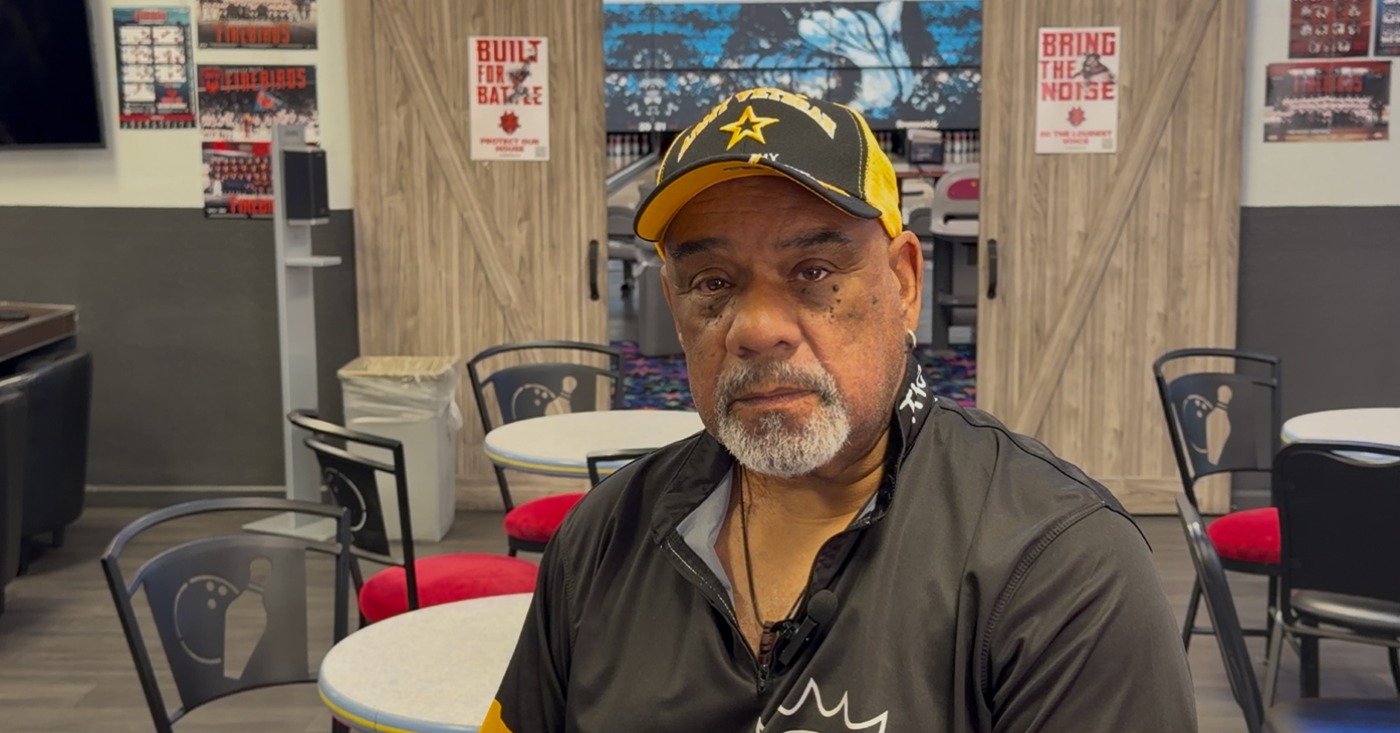
Kris Benz, a disabled Black veteran, is no stranger to cancer. In 2012, he was diagnosed with salivary duct carcinoma, a cancer so rare it strikes only about 1 in a million people each year.” But he beat it after six weeks of radiation and removal of his right salivary gland.
“I was cancer-free after six months,” he said.
Now, a new concerning mass has appeared in his neck despite months of scans. His doctor suspects it is cancerous, but Benz, who lives near Palm Springs, will not know for certain until a biopsy.
Compounding that uncertainty is a gap in his coverage. Benz is two work credits short of qualifying for Medicare, but returning to work could jeopardize his Department of Veterans Affairs (VA) disability status and funding. Buying Medicare Part A would cost $568 a month, leaving him “winging it.”
Benz is also frustrated that the VA will not schedule his scan and biopsy before his consultation, which will require another round of appointments afterward.
“It’s about money,” he said. “Doctor’s appointments, they get the money. There’s no preventive medicine here anymore.”
Although he calls the VA “a great organization,” he believes it is hampered by bureaucracy. For now, he remains “in limbo” waiting to complete his appointments.
His experience reflects one of the most persistent health equity challenges facing Black communities: access to care.
According to a UC Davis study, “The Burden of Cancer Among Black/African Americans in California,” Black cancer patients were more likely than White patients to be diagnosed at a later stage and to have multiple health conditions, making treatment more difficult. They were also far more likely to live in low-income communities and rely on public insurance—evidence that economic inequality and barriers to care are helping drive disparities in the state’s cancer crisis.
That same study reports that between 2014 and 2018, the ten cancers most frequently diagnosed among Black/African American women in California were, from one to ten, breast, lung, colorectal, uterine, pancreatic, kidney, non-Hodgkin lymphoma, thyroid, myeloma, and ovarian cancers. During the same period, the ten most commonly occurring cancers among Black/African American men in California were, from one to ten, prostate, lung, colorectal, kidney, bladder, liver, non-Hodgkin lymphoma, pancreatic, myeloma, and oropharyngeal cancers.
Researchers attribute the gaps not to biology but to social and economic inequality connected to structural racism. An American Cancer Society analysis found educational attainment was a stronger predictor of the mortality gap than race alone.
“These disparities are not because Black people are inherently less healthy,” said Rhonda Smith, executive director of the California Black Health Network. “They are the result of decades of inequitable policies, structural racism, unequal access to quality care, and chronic underinvestment in our communities.”
Dr. Flojaune Cofer, an epidemiologist and public health policy expert, said health outcomes are shaped as much by circumstances as by biology. She traced her understanding of disparities to her father’s death from heart disease at age 47. He began smoking as a child when tobacco companies marketed cigarettes aggressively and disproportionately to Black communities.
“My father’s story is not about individual choices,” Cofer said. “My father’s story speaks to institutional and systemic harm.”
“Health is not just what happens in the doctor’s office,” she added. Social determinants include neighborhood conditions, housing stability, nutritious food, transportation, and the ability to take time off work for care.
At federally qualified health centers, tight appointment schedules can make it difficult for medical providers to detect cancer early and earn the trust patients need to discuss troubling symptoms.
“We have only 15 minutes when you are working in a federally qualified health center — you have 15 minutes to assess, diagnose, treat, and write your note per patient,” said Jamie Garcia, a registered nurse who has been certified in oncology nursing for more than a decade and works at AdventHealth White Memorial in East Los Angeles.
Garcia said the rushed pace, driven partly by billing requirements tied to federal funding, leaves little time for providers to build relationships with patients. It can also allow health care professionals’ implicit biases to go unrecognized and unchallenged.
For Garcia’s patients, who are predominantly Black and Latino residents of surrounding communities, the consequences can be immediate and alarming. Many arrive with visibly advanced tumors after going without insurance, adequate coverage, a primary care physician or routine screenings.
Garcia recalled treating one patient whose tumor had grown large enough to be visible through the skin.
“The fact that I even got to see that is a failure and an atrocity,” she said.
Assemblymember Lori D. Wilson (D-Suisun City) sought to reduce another barrier through Assembly Bill 1570, which would have eliminated out-of-pocket costs for medically necessary diagnostic and supplemental breast imaging. It passed the Assembly Health Committee 16-0 but died in the Appropriations Committee. Wilson plans to reintroduce it during the next legislative session without biopsy coverage.
Wilson announced her breast cancer diagnosis in April 2023. She received timely, quality care but “saw others with similar diagnoses face different outcomes.”
“Some people who got diagnosed at the same time as me — their timing of their surgeries and treatment was delayed in comparison to my own,” she said. “Watching people go through and suffering unnecessarily was heartbreaking to me.”
Her follow-up imaging required only a $10 copay. “I’ve had friends have to pay $1,000 to get that secondary screening,” Wilson said.
Smith warned that policy changes could further erode access. California’s Every Woman Counts screening program is losing funding and being scaled back, she said. About one in three Black Californians relies on Medi-Cal, according to the state.
Smith also cited federal Medi-Cal work requirements projected to cause 1.1 million Californians to lose coverage by 2029-30. “Health equity is no longer simply about improving outcomes,” she said. “It’s about protecting access.”
Californians seeking low-cost cancer screening can contact a local federally qualified health center or the California Department of Public Health’s Every Woman Counts program. The California Black Health Network also offers referrals and advocacy resources.





Black History
Nuna Phillips-McKee Celebrates 100 Years: ‘A Century of Faith, Family and God’s Amazing Grace!’
OAKLAND POST — Nuna’s life has been one of Christian service. A longtime member of Wings of Love Maranatha Ministries, now Incredible Church, she serves as director of Community Services and is actively involved in the church’s Food Ministries.
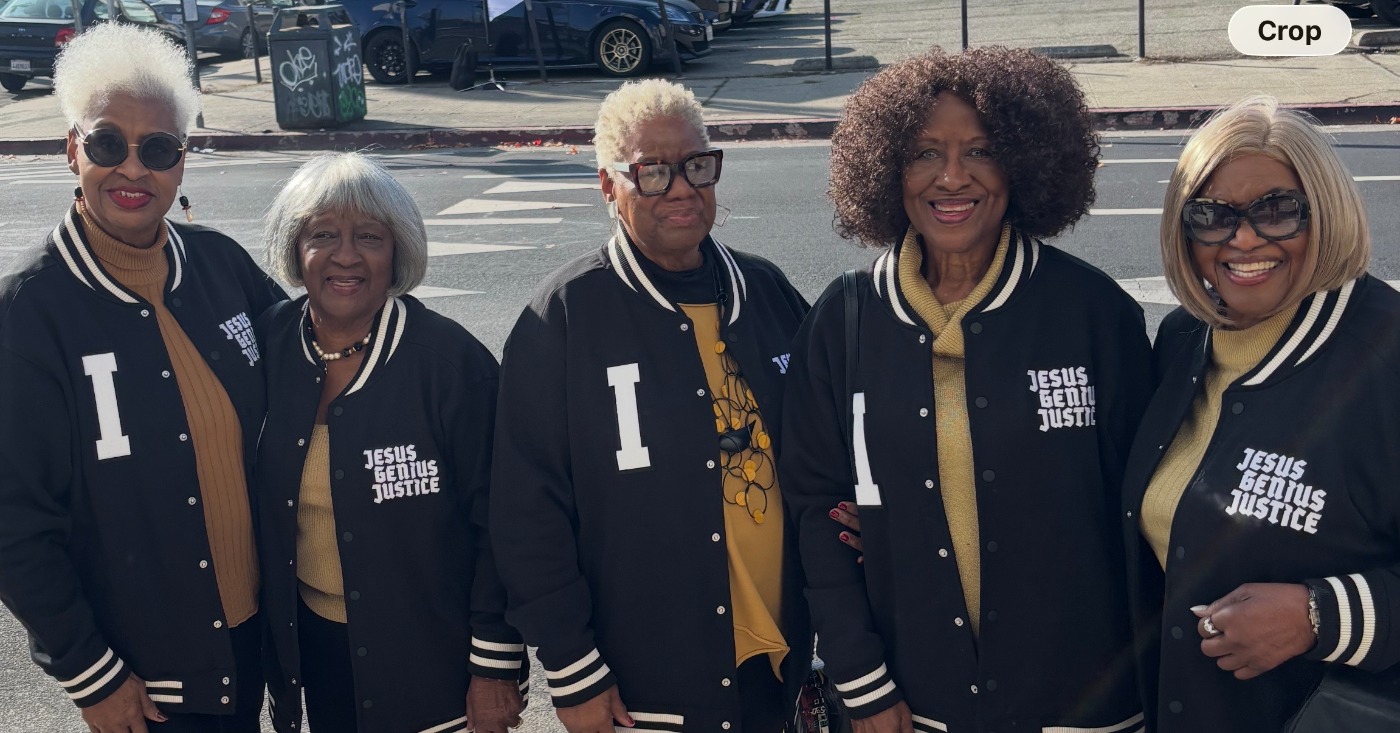
Nuna Phillips-McKee will reach an extraordinary milestone on Sept. 24 —her 100th
birthday, marking a century filled with faith, family, service, laughter and the amazing grace of God.
Born Sept. 14, 1926, in Oakland, Nuna has witnessed a world of change during her lifetime, yet the values that have guided her remain constant: a deep faith in God, devotion to family, a strong work ethic and a heart for serving others.
She enjoyed a distinguished career as a civil servant for more than 40 years, demonstrating the dedication, dependability and strength that have characterized so much of her life.
Nuna’s life has been one of Christian service. A longtime member of Wings of Love Maranatha Ministries, now Incredible Church, she serves as director of Community Services and is actively involved in the church’s Food Ministries.
Through the years, she has continued to help meet the needs of others—not merely with food, but with kindness, compassion and a genuine desire to serve. Her ministry reflects a simple principle by which she lives: when God blesses you, you bless others.
Nuna is the proud mother of one son, whose memory she carries in her heart, and the beloved grandmother of three grandchildren, as well as six great-grandchildren and one great-great-grandchild.
At 100, she has the rare blessing of seeing several generations of her family carrying forward a legacy that began long ago.
She remains the loving, intelligent, witty, and, when the occasion calls for it, delightfully sassy Nuna that her family and friends know so well. Her contagious laugh, quick wit and youthful spirit have endeared her to generations of relatives, church members and friends.
Nuna was born into the large and loving Phillips family of seven sisters and one brother, with bonds that formed in childhood and have remained precious throughout the decades. Their shared love, faith, and family traditions have continued to be a source of joy, strength and countless treasured memories.
As family and friends gather for this special occasion, they will celebrate far more than a number. They will celebrate 100 years of prayers prayed and answered; 100 years of lessons learned and wisdom shared; 100 years of family, faith, laughter and love; 100 years of serving God and serving others.
Most of all, they will celebrate a life that stands as a testimony to God’s faithfulness through every season.
Nuna’s century-long journey can be summed up in the words chosen to commemorate this remarkable occasion: “100 years of God’s amazing grace.”
Black History
BOOK REVIEW — Curved Air: A Biography of Sickle Cell Anemia and the Quest to Cure the First Molecular Disease
OAKLAND POST — Over decades, researchers worked haphazardly. Papers were written, treatments were tried, used, or discarded. Doctors discovered that genetic testing could prevent new cases, a heartbreak for would-be parents. Researchers discovered that “a perfect storm” of confluence spread SCD: malaria, human population, and mosquitoes.

Copyright: c.2026, Publisher: The Belknap Press of Harvard University Press, SRP: $29.95, Page Count: 338 pages
Four weeks of testing, and you’re exhausted.
Two gallons of blood, maybe three, have been removed. No lie. You’ve laid on tables, slid through machines, been scanned so much you lost count and finally, your doctors have a diagnosis. As in the new book “Curved Air” by Kevin Davies, you have hope there’s a what next?
Though the disease was known in parts of Africa and likely existed here in the United States for hundreds of years, sickle cell disease (SCD) is a relative newcomer in disease research.
Says Davies, “Sickle cell was first identified more than 120 years ago” and it was considered as a “Black disease.” Because of that, discrimination followed “sickle cell warriors” and research was scant, though white people can and do get SCD.
With “agonizing” pain as a major symptom, “SCD is one of roughly seven thousand genetic diseases” currently known to science. When someone has SCD, a genetic mutation causes their red blood cells to curve and get stuck in blood vessels, rather than flowing freely as they should. This diminishes the oxygen supply “to various parts of the body… which causes inflammation and pain,” jaundice, stroke, and damaged organs. Anemia, Davies says, can leave a patient fatigued and short of breath. Anticipating pain crises causes anxiety and PTSD.
Says Davies, “More than forty million people carry” one copy of the genetic mutation that causes SCD, and “five hundred thousand affected” babies are born with the disease per year, worldwide.
Over decades, research was done haphazardly. Papers were written; treatments were tried, used, or discarded. Doctors discovered that genetic testing could prevent new cases, a heartbreak for would-be parents. Researchers discovered that “a perfect storm” of confluence spread SCD: malaria, human population, and mosquitoes.
There was always hope that someday, sickle cell disease might be cured.
Then, Clustered Regularly Interspaced Short Palindromic Repeats (CRISPR) gene-editing therapy was approved by the FDA, and a brave volunteer named Victoria Gray stepped forward…
So, you want to – need to – learn more about sickle cell disease? Is it imperative for you? Then, this is your book. But there are things you’ll want to know before you dive into “Curved Air.”
Because author Kevin Davies is the editor of The CRISPR Journal, you can expect up-to-date, cutting-edge information; but that’s a two-sided coin: the information is heavy-duty, not always easy to grasp, and it’s burdened by acronyms that can be overwhelming. Yes, that’ll inform you, but it may also send you elsewhere for further understanding, which really should’ve come from this book.
And yet, if you or someone you love has SCD, this is your book. It explains where the disease came from, why it hasn’t been completely cured yet, and what kind of hope you can hold. It’s a good start on a path to comprehension.
Also, be aware that the narrative here is sometimes padded with journalistic fluff that might annoy you if you’re eager to get to the science. Indeed, “Curved Air” will teach you. Then again, it also might test you.
Black History
Henry O. Flipper: A Trailblazer at West Point and Beyond
OAKLAND POST — Flipper’s promising military career ended abruptly in 1881 when he was accused of embezzling commissary funds. A court-martial acquitted him of embezzlement, but convicted him of conduct unbecoming of an officer. The Army dismissed him in 1882. The circumstances surrounding his punishment would later be widely regarded as unjust and influenced by the racial discrimination of the period.
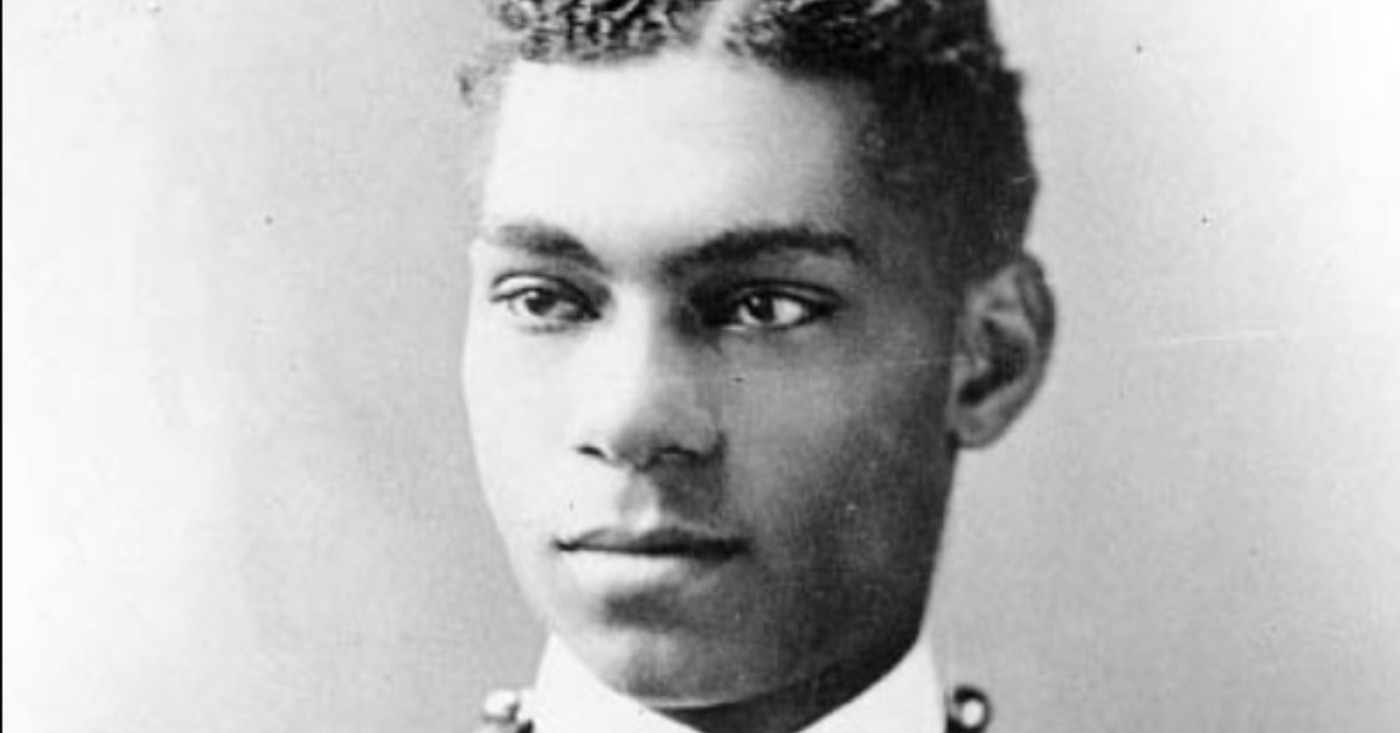
Henry Ossian Flipper’s life is a remarkable story of insistence, achievement, injustice, and ultimately vindication. Born enslaved on March 21, 1856, in Thomasville, Georgia, Flipper rose from the restrictions of slavery to become the first African American to graduate from the United States Military Academy at West Point. His accomplishments extended far beyond military service; he later became a respected engineer, surveyor, author, translator, and government official.
After the Civil War, Flipper’s family settled in Atlanta, where education became central to his future. He attended schools established for African American children by the American Missionary Association and later studied at Atlanta University. In 1873, Congressman James C. Freeman of Georgia nominated Flipper for admission to West Point. He entered the academy that July.
Flipper’s four years at West Point were extremely difficult. Because of racism, he experienced harassment and almost complete social isolation from many of his fellow cadets. Nevertheless, he succeeded academically and graduated on June 14, 1877, ranking 50th in a class of 76. His graduation represented a historic breakthrough for African Americans in the United States military.
Commissioned as a second lieutenant, Flipper was assigned to the 10th U.S. Cavalry, one of the famed African American regiments known as the Buffalo Soldiers. At Fort Sill in Indian Territory, now Oklahoma, Flipper served as an engineer, surveyor, construction supervisor, quartermaster, and commissary officer. One of his most lasting engineering accomplishments was a drainage system that eliminated pools of stagnant water around the fort and helped reduce mosquito-breeding areas. The system became known as “Flipper’s Ditch,” and portions of it remain associated with Fort Sill today.
Flipper’s promising military career ended abruptly in 1881 when he was accused of embezzling commissary funds. A court-martial acquitted him of embezzlement, but convicted him of conduct unbecoming of an officer. The Army dismissed him in 1882. The circumstances surrounding his punishment would later be widely regarded as unjust and influenced by the racial discrimination of the period.
Rather than allowing his dismissal to define his life, Flipper built an extraordinary civilian career. He became a civil and mining engineer and surveyor, working extensively throughout the American Southwest and Mexico. He established an engineering office in Nogales, Arizona, became knowledgeable about Spanish and Mexican land law, and later worked for the federal government, including service connected with the Department of Justice and the Department of the Interior.
Flipper died in Atlanta in 1940, but efforts to restore his reputation continued for decades. In 1976, the Army changed his dismissal to an honorable discharge. Then, on February 19, 1999, President Bill Clinton granted Flipper a posthumous presidential pardon.
Today, Henry Ossian Flipper is remembered because his life helped open doors for generations of African American military officers, engineers, and public servants who followed him.


Event Preview: ‘Fashion v. Fascism’ – A Runway Revolution Is Coming to the Bay Area

Port of Oakland, Army Corps Sign Historic Harbor Design Agreement

Democratic Clubs Interview Candidates for Oakland School Board

Nuna Phillips-McKee Celebrates 100 Years: ‘A Century of Faith, Family and God’s Amazing Grace!’

D.A. Ursula Jones Dickson: Terminix to Pay $3.15 Million Over Illegal Disposal of Pesticides, Customer Records

REPORT: Community Level Policy Is Impacting Homelessness and Drug Abuse in California

OPINION: AI Needs to Know Who Is the Boss
Goldi-Locs and Two (or Three) Bears in the Forest in California Hills

Election Watch 2026: 85% of Eligible Voters in California Are Registered

Don’t Let scammers Crash Your School Year

BOOK REVIEW — Curved Air: A Biography of Sickle Cell Anemia and the Quest to Cure the First Molecular Disease

California’s Legal Cannabis Market Hits $8 Billion as State Touts Progress on Fighting Drugs, Crime

Blacks and Latinos Clash Over LA’s Barrio Run; Mayor Karen Bass Calls for Dialogue Across Racial, Neighborhood Lines

Asm. Smallwood-Cuevas’s Bill Repealing ‘Racist’ CalWORKs ‘Man-in-the-House’ Rule Clears Legislature

Asm. Smallwood-Cuevas’s Bill Repealing ‘Racist’ CalWORKs ‘Man-in-the-House’ Rule Clears Legislature

Department of Homeland Security Demands California Secretary of State Shirley N. Weber Scrub Voter Rolls

“The Power to See Threats Sooner”: Gov. Newsom, Safety Officials Showcase California’s Investments in Hi-Tech Wildfire Prevention

California Sen. Padilla Joins Colleagues to Introduce Bill Imposing Term Limits on Supreme Court Justices

Less Affluent School Districts, Including Sacramento City, Face Threat of State Takeover

Car Wash Workers Cope with Lingering Impacts of ICE Raids

ESSAY: California Can Close Its Colorectal Cancer Gap

Oakland Post: Week of August 5 – 11, 2026

As Part of Your Back-to- School Checklist, Vaccinate

Oakland ‘Port Serves as a Powerful Engine for Good Jobs and Economic Development

Gov. Newsom Announces $109.6 Million in Funding for 278 Supportive Homes in Bakersfield, Contra Costa, Sacramento and Fresno

California Hispanic Chambers of Commerce Unveils: ‘Powering the Future’ Theme for 47th Annual Statewide Convention

Closing the Gap: What the Data and Frontline Experiences Reveal About Cancer in Black California

Congresswoman Simon Demands Investigation into Trump’s Abuse of Emergency Powers for Coal Export Terminal in West Oakland

Four Candidates, Including Incumbent Barbara Lee, Qualify for Oakland Mayor’s Race

Oakland Post: Week of August 12 – 18, 2026

The Conversation With Al McFarlane 6/23/26

Media Monday 6/22/26

LIVE! ASK ALMA! — TUES. 6.23.26 7PM EST

Car Buying Secrets: 4 Hidden Checks Before You Sign!

Is This 550 HP Charger Worth YOUR Money? AutoNetwork Review

Celebrating Juneteenth – Frederick Douglass on education and resistance

LIVE! — ASK ALMA! — TUES. 6.19.26 7PM EST

Hyundai Ioniq 5 Parking, Safety, and 360 View #shorts

2025 Ioniq 5 New Wiper & Powerful Performance! #shorts

Electric SUV Range: Is 259 Miles Enough? #shorts

EV Charging: How Fast Can You Charge an Electric Vehicle? #shorts

Biometric Cooling… Messaging Seats…Come on! 2025 Infiniti QX80 Autograph 4WD

Charged Up: Witness the Magic of a Fully Electric Car! #shorts

Range Rover Sport PHEV Included…: See What’s Inside This Luxury SUV! #shorts

Invisible Hood View: Perfect Parking with X-Ray Vision! #shorts
-

 Commentary3 weeks ago
Standoff for Justice: Our Homes Are Worth Fighting For
-

 Activism3 weeks ago
Oakland Post: Week of August 26 – September 1, 2026
-

 Business3 weeks ago
Gubernatorial Candidate Steve Hilton Blasts California New Tire Rules; Newsom Hits Back
-

 Business3 weeks ago
Frontier Airlines’ Return to Oakland Airport Brings Flights, Jobs and Opportunity
-

 Business3 weeks ago
Chef Sharon Lee Blends Culinary Excellence, Education and Empowerment
-

 Education3 weeks ago
Gov. Newsom’s Latest Appointees Include Sacramento Advocate for Formerly Incarcerated Students; State’s New Tech Chief
-

 Business3 weeks ago
Oakland Coliseum Project Opens Door for Small Businesses to Build Bigger
-

 Community3 weeks ago
Big City Mayors Ask for “Yes” Vote on Housing Bond Measure; Conservatives Say “No”
