
Black History
From Louisville to the Olympics: The Legacy of William DeHart Hubbard
William DeHart Hubbard, born on November 25, 1903, in Cincinnati, Ohio, was a trailblazing figure in American sports history. Hubbard grew up in Cincinnati. While attending Walnut Hills High School he excelled in academics and athletics. This earned him a scholarship to the University of Michigan in 1921, where he studied in the College of Literature, Science, and the Arts. In college, he quickly made a name for himself as an exceptional track and field athlete.


By Tamara Shiloh
William DeHart Hubbard, born on November 25, 1903, in Cincinnati, Ohio, was a trailblazing figure in American sports history.
Hubbard grew up in Cincinnati. While attending Walnut Hills High School he excelled in academics and athletics. This earned him a scholarship to the University of Michigan in 1921, where he studied in the College of Literature, Science, and the Arts. In college, he quickly made a name for himself as an exceptional track and field athlete.
Hubbard was the only African American on the school’s track team; he was also the first African American varsity track letterman at the university. In his college career, Hubbard won several meets including being a three-time National Collegiate Athletic Association (NCAA) champion, eight-time Amateur Athletic Union (AAU) champion, and seven-time Big Ten Conference champion in track and field. His 1925 outdoor long jump of 25 feet 101⁄2 inches stood as the Michigan Wolverines team record until 1980, and it is still second. His 1925 jump of 25 feet 3.5 inches stood as a Big Ten Championships record until Jesse Owens broke it in 1935 with what is now the current record of 26 feet 8.25 inches.
In 1924, he was selected to represent the United States at the Paris Summer Olympics.

Competing against some of the best athletes in the world, Hubbard made history by winning the gold medal in the long jump by jumping 24 feet 5.5 inches. This victory made him the first African American to win an individual gold medal in the history of the modern Olympic Games.
In 1925, Hubbard broke the long jump world record with a leap of 25 feet 107⁄8 inches at the NCAA championships. In 1927, he bettered that with a jump of 26 feet 2.25 inches — which would have been the first ever over 26 feet — but meet officials disallowed it, claiming that the take-off board was an inch higher than the surface of the landing pit. He also competed in the hurdles at the 1926 AAU championships. He graduated with honors in 1927.
He specialized in the long jump, a sport that would soon bring him international fame.
Hubbard’s Olympic success was not just a personal triumph but a milestone for African Americans in sports. His victory challenged the prevailing stereotypes of the time and inspired a generation of Black athletes to pursue their dreams in the face of adversity.
After his Olympic success, he continued to excel in track and field. He set an additional world record in 1925 with a jump of 25 feet 10.75 inches, which stood for several years. His accomplishments were not limited to athletics, as he also became involved in civic and business endeavors after his graduation from the University of Michigan in 1927.
Following his athletic career, Hubbard returned to his hometown of Cincinnati, where he took on various roles serving his community and the progress of African Americans. He worked as a manager for the Department of Colored Work for the Cincinnati Public Recreation Commission and later became a race relations adviser for the Federal Housing Administration.
Hubbard passed away on June 23, 1976. As the first African American to win an individual Gold Medal in the Olympics, he not only paved the way for future generations of athletes but also demonstrated the profound impact that sports can have on societal change.






Black History
Oakland Faith Leaders Gather to Revitalize the Interdenominational Ministerial Alliance of Oakland
Oakland faith leaders and civic officials recently gathered at the Church of All Faiths to revitalize the Interdenominational Ministerial Alliance of Oakland and Vicinity. Led by convener Pastor Mark Anthony Clifton, Sr., the meeting aimed to unite clergy around civic engagement and community restoration. The event featured a call to action for the upcoming election and presentations on workforce development, drawing support from prominent figures including Mayor Barbara Lee and local school officials. Organizers shared their vision for the alliance’s future as they prepare for new collaborative initiatives. read more.

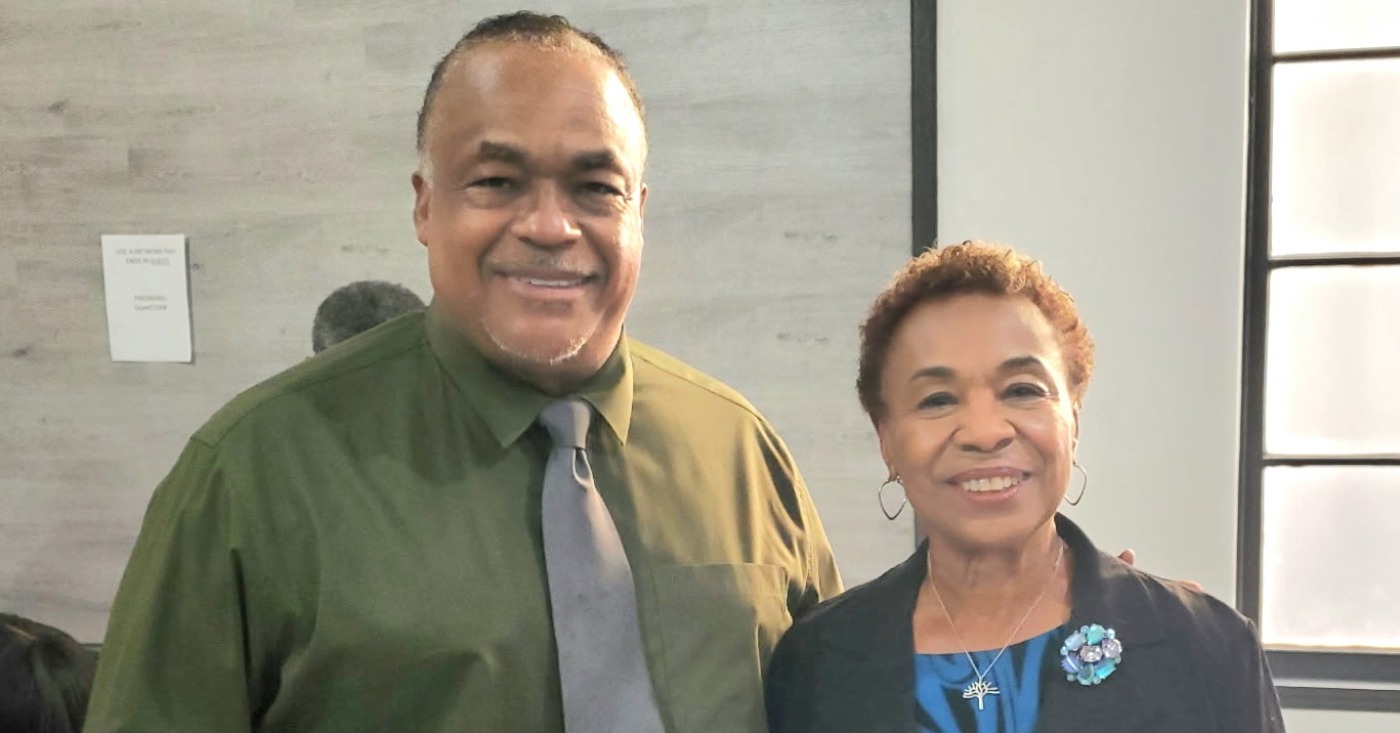
Pastors, civic leaders, and community members in the Bay Area gathered Thursday, Oct. 8, at Church of All Faiths in Oakland for a meet-and-greet marking a renewed push to revitalize the Interdenominational Ministerial Alliance (IMA) of Oakland and Vicinity.
A highlight of the evening was the “Souls to the Polls: Our Voice, Our Vote!” segment, led by Pastor Damon Owens of Genesis Church in Antioch, which urged congregations to turn out for the election. Organizers also announced a proposed joint pre-Thanksgiving worship service for Nov. 17, with the location to be announced.
Pastor Marcie Hodge of Prayer Mission Church called the program to order, and Rev. Michael Wakefield Wallace of Mt. Zion M.B. Church led the opening devotion. Pastor Cubie Finley III of Parks Chapel AME read Nehemiah 2:17-18, the passage behind the event’s rallying cry, “Let us rise up and build.”
COGIC National Evangelist Dr. Lucinda Taylor, principal of Westlake Middle School, delivered the opening welcome.
Dr. L.J. Jennings of Kingdom Builders Church gave a brief statement of purpose, explaining the alliance’s mission of ‘Voice, Vision, and Values.’ Pastor Terry Benjamin of Restoration Evangelistic Ministries then introduced the convener, Pastor Mark Anthony Clifton, Sr., who is in his 26th year leading East Oakland Church of God in Christ. Clifton has been reorganizing the alliance to unite clergy around civic engagement. He noted that IMA’s national roots in 1926 in Galveston, Texas, and honored the Oakland leaders who came before him, including his grandfather, the late Bishop Martin J. Clifton, Sr.
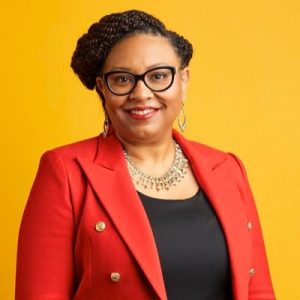
“The work of the IMA of Oakland is just a continuation of the work done before us. Today, working together we can continue to solve many of the issues our community faces,” said Clifton.
Members were invited to share testimonies, challenges, and ministry needs.
Other participants included Dr. Billy Dixon of At Thy Word Christian Center and Pastor Raymond Lankford, CEO of the Oakland Private Industry (OPIC) Council who shared information on the organization’s workforce development programming.
Public officials in attendance included Mayor Barbara Lee, Alameda County Supervisor Nate Miley, and Oakland Unified School District Superintendent Denise Saddler, strengthening the ties between the faith community and local government.
“We are better together and our city is stronger when we partner with our faith leaders,” said Oakland Mayor Barbara Lee.
Bishop Brondon Reems of Center of Hope Community Church provided the closing prayer and Rev. Dr. Jeffrey M. Parker, Sr., host pastor, gave final remarks and thanked attendees for coming.
“It’s an honor to serve the community and bring everyone together,” said Parker.
Dozens of pastors from Oakland, Antioch, and the greater Bay Area were recognized as supporters.
“I want our partners and attendees involved to help rebuild the city they love and this is only the beginning of a larger movement to restore our great city,” said Clifton.

Black History
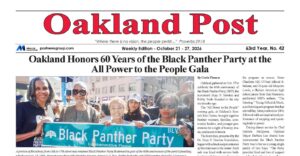
Oakland Honors 60 Years of the Black Panther Party at the All Power to the People Gala
Oakland recently gathered at the Scottish Rite Center for the All Power to the People gala, celebrating the 60th anniversary of the Black Panther Party. Presented by the Dr. Huey P. Newton Foundation, the event brought together movement veterans, community leaders, and elected officials to honor the organization’s history of radical love and community service. Attendees enjoyed performances by youth arts groups and heard testimonials regarding the Party’s enduring influence on local housing and healthcare. The evening featured a keynote address exploring the moral clarity required for activism, click to read more.
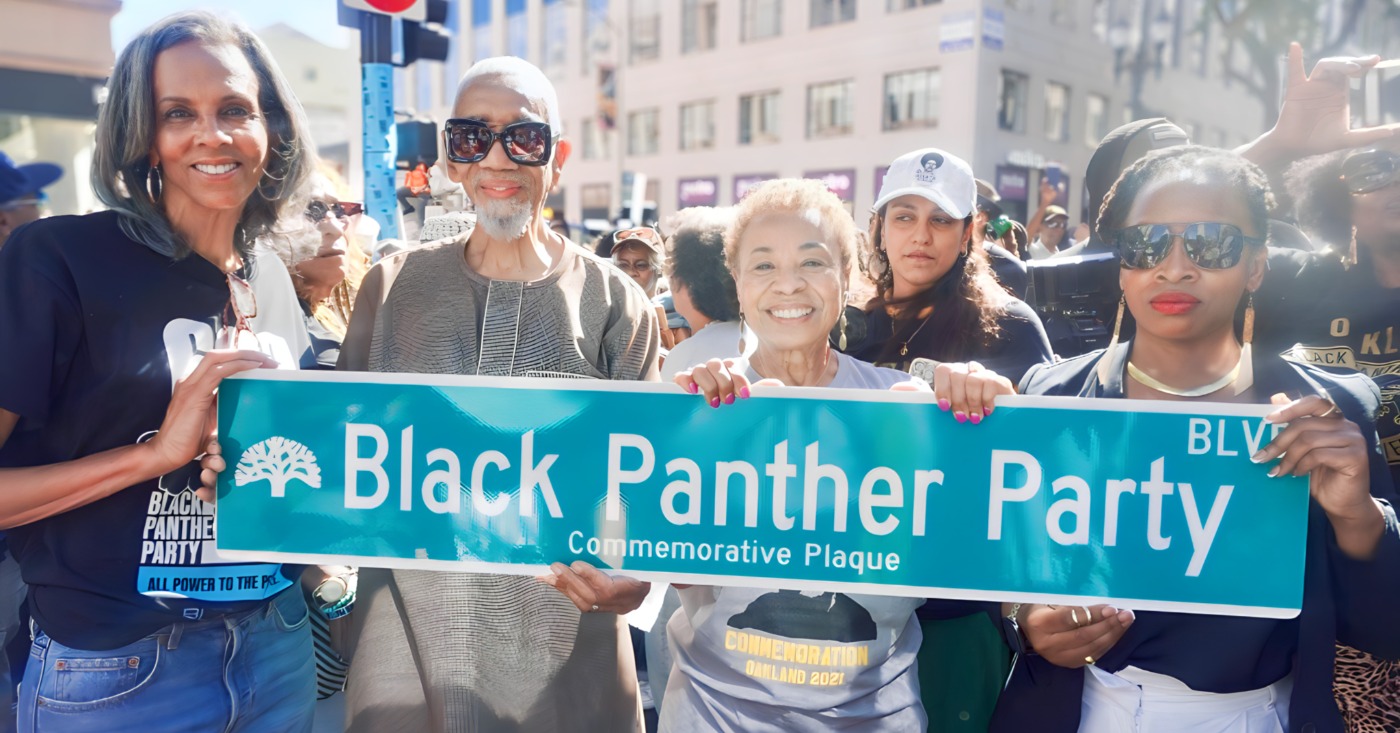
Oakland gathered on Oct. 17 to celebrate the 60th anniversary of the Black Panther Party (BPP), the movement Huey P. Newton and Bobby Seale founded in the city six decades ago.
The “All Power to the People” evening gala, at Oakland’s Scottish Rite Center, brought together Panther veterans, families, community leaders, and younger generations for a night of history, music, and recommitment.
The festivities, presented by the Dr. Huey P. Newton Foundation, began with a black carpet entrance up the staircase to the center. Each side was lined with servers holding trays of champagne for guests to retrieve while walking in.
An energetic U.S. Congresswoman Lateefah Simon opened the program as emcee. Charlotte Hill O’Neal offered libations, and 16-year-old Abayomi Lewis, a Haitian American high school junior from San Francisco, performed BBP’s anthem, “The Meeting.” Young Gifted & Black, a performing arts program that has served Bay Area youth since 2010, followed with an inspirational performance of stepping and speaking truth to power.
During dinner service by Chef Michele McQueen, Oakland Mayor Barbara Lee shared how instrumental the Black Panther Party was to her as a young single parent of two boys. “The Party provided food and lots of support and Fredrika Newton’s mother, a prominent real estate broker and housing rights activist, helped me navigate purchasing my very first home.”
Lee also shared lots of Panther history, including that she was the finance chair for Black Panther Party co-founder, Bobby Seale when he ran for Oakland mayor.
Dr. Xavier Buck, executive director of the Dr. Huey P. Newton Foundation, spoke of how being held at gunpoint by six New York City police officers in Jamaica Queens, reading the autobiography of Assata Shakur, and learning from Fredrika Newton inspired his life’s work.
“I’ve been poured into by Black Panther Party members throughout the country and what I’ve learned the most from them is “radical love.” The same love that created free breakfast programs, free ambulance services, and free sickle cell anemia testing for the Black community.”
Marvel’s Black Panther author and journalist Ta-Nehisi Coates delivered the keynote address.
“The legacy of the Black Panther Party lives on,” said Coates noting the presence of BPP veterans. He further remarked that people often focus narrowly on how to win, but real moral clarity comes from reflecting on what principles you are willing to stand for—and what you are willing to lose for—even in the face of steep odds.
Fredrika Newton, co-founder and president of the Dr. Huey P. Newton Foundation, thanked Panther veterans for “all you gave” and expressed hope that attendees would leave with a renewed commitment to the work that remains.
“Seeing Panther veterans, younger generations, and the community united to honor the Party, reminds me why this work has mattered so much,” said Newton.
Everyone in the room joined in song in tribute to Bobby Seale, wishing the 90-year-old well and took pictures with him.
Cyril Innis Jr., known as “Bullwhip,” addressed the issue of political prisoners and fighting for their freedom. The program booklet listed the dozens of imprisoned Panther members who passed away and honored the sacrifices of those still incarcerated.
A Legacy Award, was presented to Charlotte Hill O’Neal, known affectionately as “Mama C.”
“Mama C” has continued the Party’s work from Tanzania, where she and her husband, Pete O’Neal, founder of the Kansas City chapter, have lived in exile since 1970. Together they established the United African Alliance Community Center and the Leaders of Tomorrow Children’s Home which cares for orphans.
“Mama C” ceremoniously circled each table honoring the ancestors of the movement and encouraged guests to call out the names of loved ones who had passed away.
Marc Philpart of the Black Freedom Fund supported the anniversary and pledged to keep investing in the people and organizations carrying the work forward.
Trust for Public Land also marked the occasion, recalling its collaboration with the Panthers and Oakland residents who turned vacant lots into neighborhood gardens in the 1970s.
The Dr. Huey P. Newton Foundation opened the Black Panther Party Museum in January 2024, and the museum has since held multiple exhibitions and welcomes more than 30,000 visitors a year on the newly named Black Panther Party Boulevard in downtown Oakland. For more information, go to HueyPNewtonFoundation.org
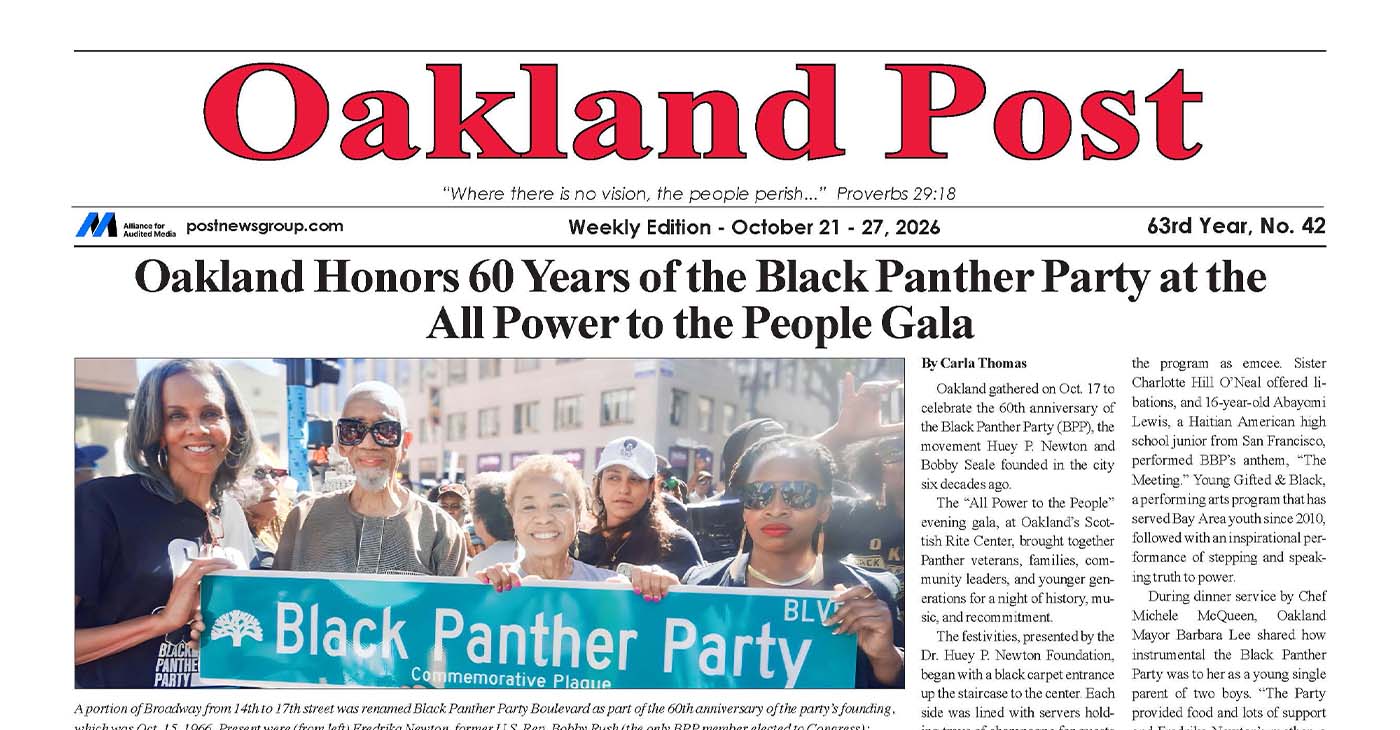
To enlarge your view of this issue, use the slider, magnifying glass icon or full page icon in the lower right corner of the browser window.


Oakland Probate Dispute Raises Questions About Court-Ordered Property Transfer and Missing Notice

‘Raising a Child Shouldn’t Break the Bank’: California Is Helping Families Save on Childcare Costs

Secretary of State Shirley Weber Pushes Back Against DOJ Demands Over California Voter Rolls

Chase Launches Fraud & Scam Prevention Month

U.S. Rep. Simon Secures More Than $1 Million for Public Safety at Mills College at Northeastern University Oakland, Surrounding Neighborhood

COMMENTARY: Valarie Bachelor and Jennfier Brouhard are Excellent School Board Members and Deserve to Be Reelected

Oakland Faith Leaders Gather to Revitalize the Interdenominational Ministerial Alliance of Oakland

Statue of ‘La Catrina,’ a Beloved Symbol of Dia de Los Muertos, Visits Oakland

Oakland Honors 60 Years of the Black Panther Party at the All Power to the People Gala

Fate of Bay Area Public Transit Hinges on Regional Transit Measure

Why AC Transit Director Joel Young is My Choice for AC Transit Board Ward 3

Oakland Post: Week of October 21 – 27, 2026

Mayor Barbara Lee Holds Special State of the City Address in Deep East Oakland

Practitioners of African Traditional Spirituality Offer Ancestral Reverence Ritual Oct. 31

It’s Time to Lose Weight Before the Holidays

Misnamed ‘Parent’ PAC Seeks to Influence Oakland School Board Elections

Listening as a Lifeline: A Doula’s Witness to Black Maternal Health

Poll: Becerra Widens His Lead Over Hilton; Californians Split on Wealth Tax

Doulas Are Helping Black California Moms Navigate Pregnancy–Even as High Mortality Rates Persist

County Office of Education Says OUSD Finances Are Getting Healthier, Materially Stronger

Oakland Post: Week of September 9 – 15, 2026

Zakiya Jendayi Arrested, Locked Out of Home by Sheriff’s Deputies

Mayor Lee Announces $1 Million Kaiser Permanente Grant for Pilot Program to Address Homelessness, Clean Up Public Spaces throughout Oakland

Richmond Tiny House Village Farm & Garden Set to Open Gates on Sept. 26

BLACspace Cooperative Invites Bay Area to Experience Oakland’s Black Cultural Ecosystem Through a BLAC Map Tour + Party

OPINION: Nolan Wells’ Death One of Several Signifying Racial Terror Lives on in U.S. South

Latest Massacre in Haiti Reveals Cruelty U.S. Deportations

Oakland People’s Arms Embargo Coalition Demands End to Military Shipments Thru Oakland

Oakland Post: Week of September 16 – 22, 2026

Democratic Clubs Interview Candidates for Oakland School Board

The Conversation With Al McFarlane 6/23/26

Media Monday 6/22/26

LIVE! ASK ALMA! — TUES. 6.23.26 7PM EST

Car Buying Secrets: 4 Hidden Checks Before You Sign!

Is This 550 HP Charger Worth YOUR Money? AutoNetwork Review

Celebrating Juneteenth – Frederick Douglass on education and resistance

LIVE! — ASK ALMA! — TUES. 6.19.26 7PM EST

Hyundai Ioniq 5 Parking, Safety, and 360 View #shorts

2025 Ioniq 5 New Wiper & Powerful Performance! #shorts

Electric SUV Range: Is 259 Miles Enough? #shorts

EV Charging: How Fast Can You Charge an Electric Vehicle? #shorts

Biometric Cooling… Messaging Seats…Come on! 2025 Infiniti QX80 Autograph 4WD

Charged Up: Witness the Magic of a Fully Electric Car! #shorts

Range Rover Sport PHEV Included…: See What’s Inside This Luxury SUV! #shorts

Invisible Hood View: Perfect Parking with X-Ray Vision! #shorts
-
 Black History3 weeks ago
Listening as a Lifeline: A Doula’s Witness to Black Maternal Health
-
 Economy4 weeks ago
Poll: Becerra Widens His Lead Over Hilton; Californians Split on Wealth Tax
-
 Business4 weeks ago
County Office of Education Says OUSD Finances Are Getting Healthier, Materially Stronger
-
 Lead Story3 weeks ago
Zakiya Jendayi Arrested, Locked Out of Home by Sheriff’s Deputies
-
 Art4 weeks ago
BLACspace Cooperative Invites Bay Area to Experience Oakland’s Black Cultural Ecosystem Through a BLAC Map Tour + Party
-
 Business4 weeks ago
From Historic Memories to New Possibilities: Oakland Celebrates Coliseum 60
-
 Community4 weeks ago
Asm. Corey Jackson Announces Launch of 24-Hour Childcare in His District
-
 Black History4 weeks ago
IN MEMORIAM: The Rev. Leon “Sonny” Clark, Longtime Orange County Pastor and Community Leader, Dies at 72
