
Activism
OPINION: Why the N-Word Should Be Eliminated from Schools: A Call to Educators, Parents and Students
The N-word’s use in schools, intentionally or otherwise, preserves a cycle of racial abuse, degradation, and discrimination which are violations to the dignity of African American students. Its usage perpetuates a legacy of hate and is a dignity violation that makes it a pressing issue for educators to address. Not addressing use of the N word in school contradicts the principles of equity and inclusion that educational institutions strive to uphold.

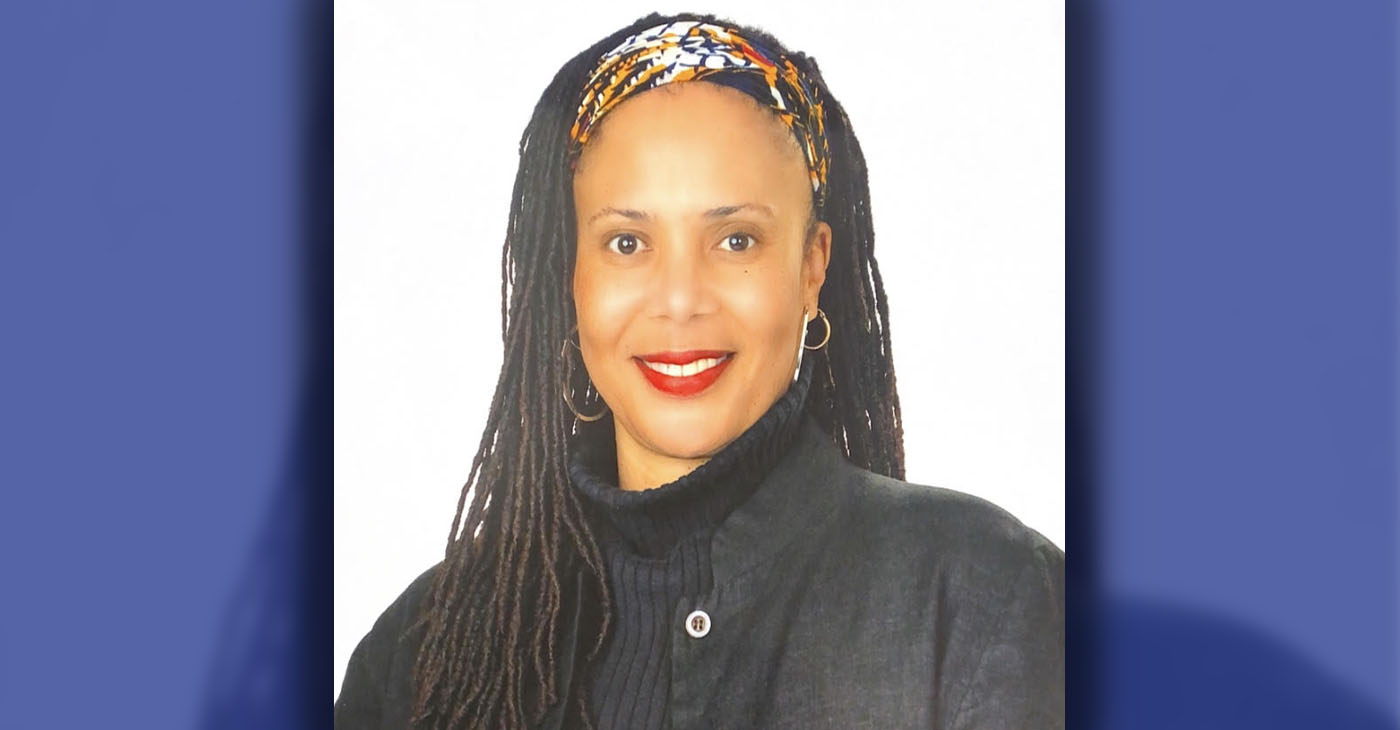
By Zetha A. Nobles,
The presence and rampant use of the N-word in educational settings poses significant challenges to the social-emotional learning (SEL) and psychological well-being of students and teachers.
The historical and contemporary usage of the N-word carries deep-seated racial connotations and trauma, making it imperative to address its impact in the school environment.
Here’s why the N-word should be eradicated from schools and its detrimental effects on SEL and psychological health.
Historical Context and Significance
The use of the N-word is considered a severe violation of dignity due to its deeply hurtful and dehumanizing nature. The N-word is historically rooted in a long and sordid history of racism, oppression and dehumanization.
It was and is used to dehumanize, degrade, demean and denigrate African American people. Its historical presence is marked by extreme violence and pernicious systemic oppression.
Despite the evolving societal appropriation and the exploitation of the word in hip hop music and other media forms, its controversial use has morphed or mutated into a word now used to signify friendship or endearment.
In schools its use is complex, representing camaraderie, being cool and defiant while consciously and unconsciously dehumanizing African American students and staff.
The N-word has a long history of being used as a tool of oppression and degradation against Black people. It was employed during periods of slavery, segregation, and ongoing racial discrimination to strip individuals of their humanity and reinforce systemic racism.

Its use is a painful reminder of this history and the ongoing struggle against racism. Its impact:
- Dehumanization: When the N-word is used, it reduces Black individuals to a derogatory stereotype, stripping away their identity and worth as human beings. It perpetuates the idea that certain groups are inferior and unworthy of respect and dignity.
- Impact on Self-Worth: Hearing or being called the N-word can have profound psychological and emotional impacts, leading to feelings of shame, anger, and diminished self-worth. It communicates to individuals that they are lesser or undeserving solely because of their race.
- Interpersonal Harm: The use of the N-word in interpersonal interactions conveys disrespect, hostility, and a lack of regard for the feelings and dignity of others. It undermines efforts to build inclusive and respectful relationships.
- Symbol of Structural Injustice: The N-word symbolizes larger societal injustices and inequalities. Its continued use reflects ongoing racial prejudice and discrimination, perpetuating harmful attitudes and behaviors.
Given these reasons, using the N-word is not just a matter of inappropriate language; it represents a significant violation of human dignity and reinforces harmful racial stereotypes and hierarchies. It is crucial to reject and actively challenge the use of this word to promote equality, respect, and dignity for all individuals.
In schools, the word retains its harmful and damaging impact and remains a powerful symbol of racial animosity. The N-word’s use in schools, intentionally or otherwise, preserves a cycle of racial abuse, degradation, and discrimination which are violations to the dignity of African American students. Its usage perpetuates a legacy of hate and is a dignity violation that makes it a pressing issue for educators to address. Not addressing use of the N word in school contradicts the principles of equity and inclusion that educational institutions strive to uphold.
Impact on Social-Emotional Learning (SEL)
Social-emotional learning is crucial for students’ development as it encompasses the skills needed to manage emotions, establish positive relationships, and make responsible decisions. The use of the N-word in schools disrupts this process in several key and critical ways:
- Emotional Trauma: The N-word is a trigger for emotional pain, particularly for African American students and teachers. It can evoke feelings of anger, sadness, shame and humiliation, which hinder the ability to engage fully in the learning process.
- Hostile Learning Environment: A safe and supportive learning environment is essential for effective SEL. The use of the N-word creates a hostile and unsafe atmosphere, leading to increased anxiety, disrespect, and stress among students and teachers.
- Relationship Building: One of the goals of SEL is to foster positive relationships. The use of derogatory language such as the N-word fosters division and mistrust among students and staff.
Psychological Impact on Students and Teachers
The psychological effects of the N-word on students and teachers are profound and far-reaching. For students, especially those of African American descent, the word can lead to feelings of inferiority and exclusion. This not only affects their academic performance but also their self-esteem and mental health. Studies have shown that exposure to racial slurs can increase levels of depression, anxiety, and other mental health issues.
For teachers, addressing the use of the N-word in the classroom is a significant challenge. It places an emotional burden on them, particularly for teachers of color who may feel personally targeted. The stress of managing such situations can lead to burnout and affect their ability to provide a supportive learning environment.
Strategies for Eliminating the N-Word from Schools
To effectively eliminate the N-word from schools, a comprehensive approach is necessary. Here are some strategies:
- Clear Policies and Consequences: Schools must implement and enforce policies that explicitly prohibit the use of the N-word and other derogatory language. Clear consequences for violations should be established and communicated to all members of the school community.
- Cultural Competency Training: Providing cultural competency and anti-racism training for teachers, staff, and students can foster a more inclusive and respectful environment. This training should include the historical context of the N-word and its impact on individuals and communities as well as alternative language.
- Support Systems: Schools should offer culturally congruent support systems, such as counseling and peer support groups, for students and teachers affected by the use of the N-word. These resources can help individuals process their experiences, mitigate psychological harm and co-create a culture of dignity.
- Community Engagement: Engaging the broader school community, including parents and local organizations, in dialogue about the impact of the N-word can reinforce the school’s commitment to creating a respectful and inclusive environment.
In addition to the moral and ethical arguments against the use of the N-word, there are also legal and policy considerations that support its prohibition in schools. Many school districts have anti-bullying and anti-discrimination policies that explicitly prohibit the use of derogatory language, including racial slurs. The use of the N-word in schools can lead to disciplinary actions and legal consequences for both students and staff who violate these policies.
Furthermore, federal laws such as Title VI of the Civil Rights Act of 1964 prohibit discrimination on the basis of race, color, or national origin in programs and activities receiving federal financial assistance. Schools that fail to address the use of the N-word and other forms of racial harassment may be in violation of these laws, potentially resulting in investigations and penalties from the U.S. Department of Education’s Office for Civil Rights.
Addressing the N-word in educational settings is not just about prohibiting a word; it is about dismantling a symbol of hate and fostering an environment where all students and teachers can thrive.





Activism
Oakland Post: Week of August 5 – 11, 2026
The printed Weekly Edition of the Oakland Post: Week of August 5 – 11, 2026
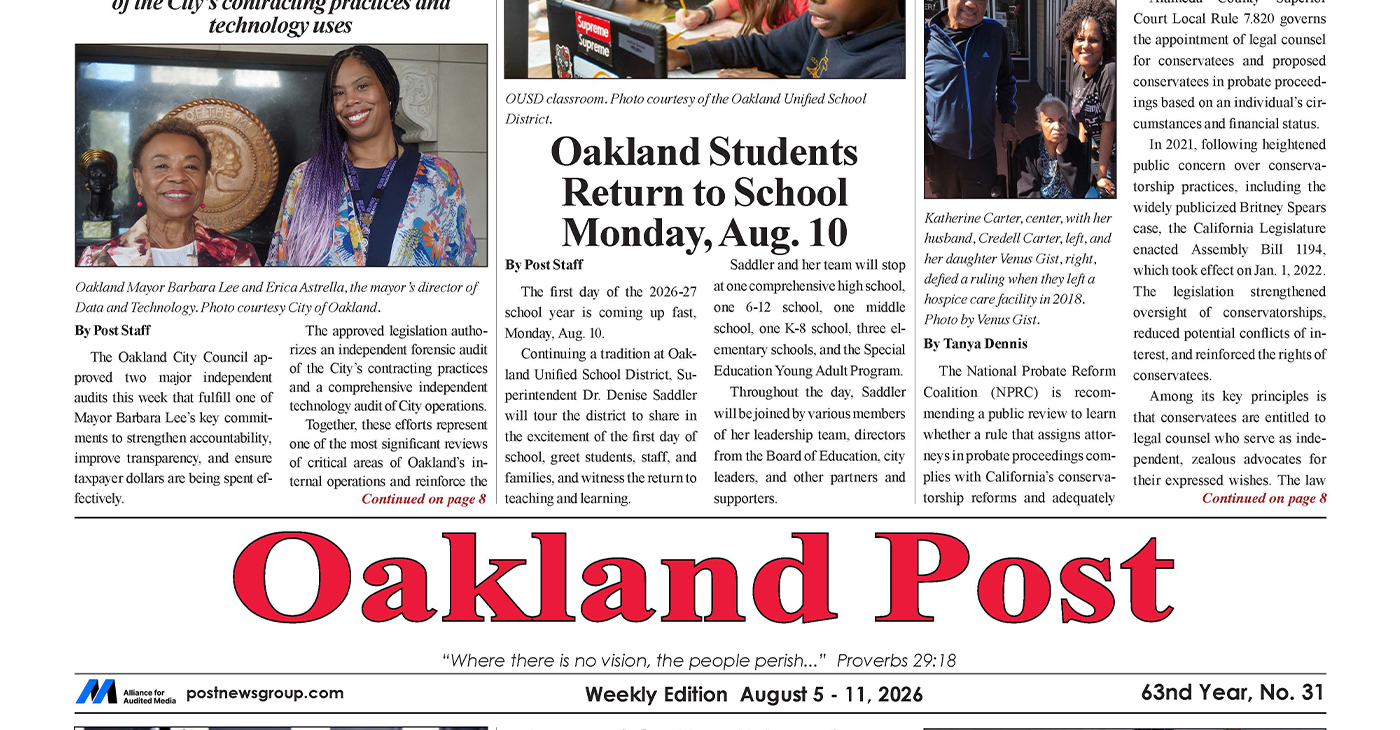
To enlarge your view of this issue, use the slider, magnifying glass icon or full page icon in the lower right corner of the browser window.
Activism
Oakland Post: Week of July 29 – August 4, 2026
The printed Weekly Edition of the Oakland Post: Week of July 29 – August 4, 2026
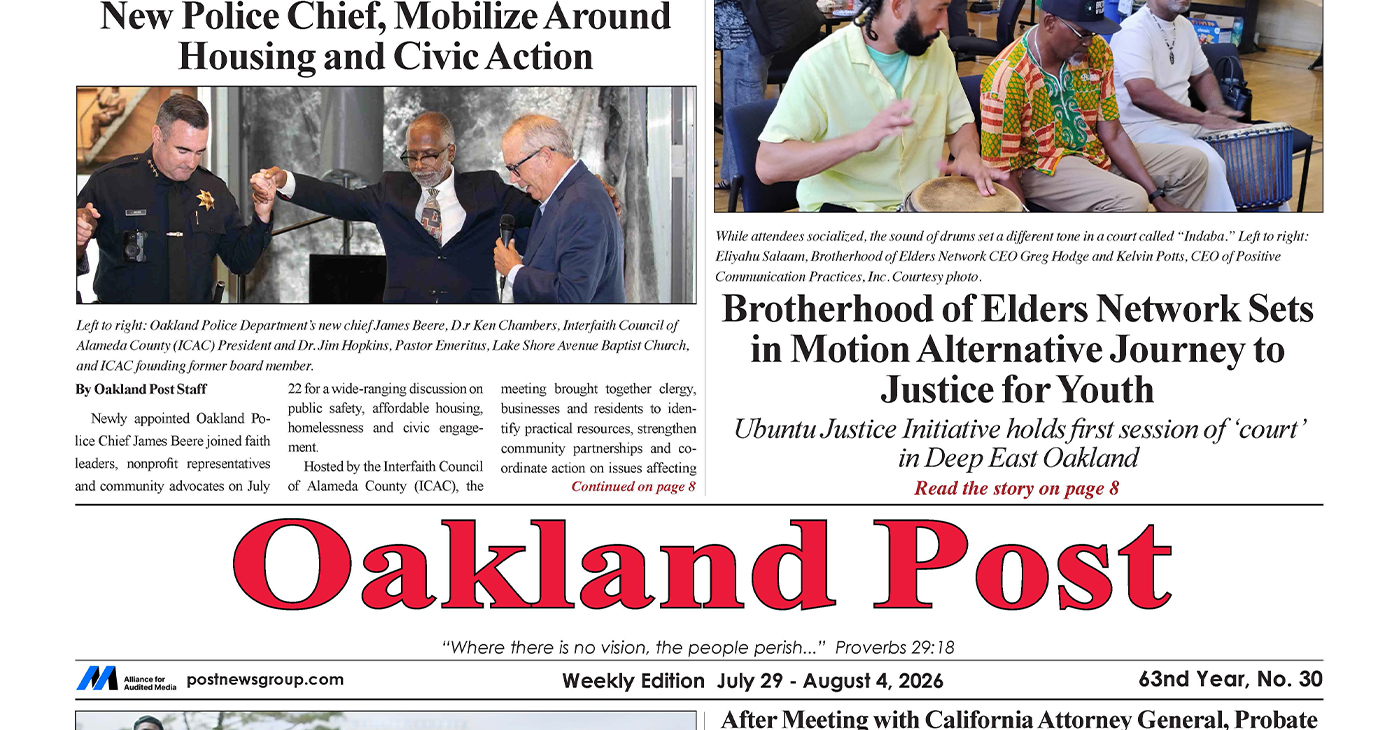
To enlarge your view of this issue, use the slider, magnifying glass icon or full page icon in the lower right corner of the browser window.
Activism
Oakland Post: Week of July 22 – 28, 2026
The printed Weekly Edition of the Oakland Post: Week of July 22 – 28, 2026

To enlarge your view of this issue, use the slider, magnifying glass icon or full page icon in the lower right corner of the browser window.
WORK FROM HOME
Home-based business with potential monthly income of $10K+ per month. A proven training system and website provided to maximize business effectiveness. Perfect job to earn side and primary income. Contact Lynne for more details: Lynne4npusa@gmail.com 800-334-0540


Misty Copeland Shapes Ballet’s Tomorrow

As Part of Your Back-to- School Checklist, Vaccinate

As Part of Your Back-to- School Checklist, Vaccinate

Congresswoman Simon Demands Investigation into Trump’s Abuse of Emergency Powers for Coal Export Terminal in West Oakland

OPINION: The Philippines Isn’t Foreign When Your Family Still Lives There

Asm. McKinnor’s Bill Banning Drones Above Outdoor Entertainment Events Awaits Senate Decision

California Sen. Padilla Joins Colleagues to Introduce Bill Imposing Term Limits on Supreme Court Justices

Department of Homeland Security Demands California Secretary of State Shirley N. Weber Scrub Voter Rolls

George Cook: The Inventor Who Made Fishing Smarter

Gov. Newsom Announces $109.6 Million in Funding for 278 Supportive Homes in Bakersfield, Contra Costa, Sacramento and Fresno

Rep. Kamlager Dove Demands Care, Justice for Man Shot by ICE

“The Power to See Threats Sooner”: Gov. Newsom, Safety Officials Showcase California’s Investments in Hi-Tech Wildfire Prevention

100 Black Wings’ Team Oakland Youth Athletes Heading to Taiwan for 2026 International Children’s Games

Oakland ‘Port Serves as a Powerful Engine for Good Jobs and Economic Development

Oakland Faith Leaders Welcome New Police Chief, Mobilize Around Housing and Civic Action
Department of Homeland Security Demands California Secretary of State Shirley N. Weber Scrub Voter Rolls

Oakland Children’s Hospital Workers and Patients Rally for Pediatric Medical Care
“The Power to See Threats Sooner”: Gov. Newsom, Safety Officials Showcase California’s Investments in Hi-Tech Wildfire Prevention

New Judge Could Decide if Karmelo Anthony Gets a New Trial

Surveillance Pricing Fight: State Senate Debates Bill Banning Retailers from Using AI to Set Prices Based on a Buyer’s Profile

Mount Zion MBC, Church of Jesus Christ of Latter-day Saints Partner to Bring 29,000 Meals to Alameda County

Alpha Kappa Alpha Sorority, Inc. Celebrates New North Atlantic Regional Director
California Sen. Padilla Joins Colleagues to Introduce Bill Imposing Term Limits on Supreme Court Justices

Starting This Summer, California Car Buyers Can Get an Instant $3500 Off the Cost of Electric Vehicles

COMMENTARY: You Are Already Paying for the AI Boom

California Bill Would Let Abuse Victims Use Trauma as Legal Defense for Violent Crime

Fed Court to Decide Landmark First Amendment Case

Gov. Gavin Newsom Signs Law Streamlining Affordable Housing Rules

Oakland Celebrates $125 Million Coliseum Sale

Saving Black Mothers Starts Outside the Hospital

The Conversation With Al McFarlane 6/23/26

Media Monday 6/22/26

LIVE! ASK ALMA! — TUES. 6.23.26 7PM EST

Car Buying Secrets: 4 Hidden Checks Before You Sign!

Is This 550 HP Charger Worth YOUR Money? AutoNetwork Review

Celebrating Juneteenth – Frederick Douglass on education and resistance

LIVE! — ASK ALMA! — TUES. 6.19.26 7PM EST

Hyundai Ioniq 5 Parking, Safety, and 360 View #shorts

2025 Ioniq 5 New Wiper & Powerful Performance! #shorts

Electric SUV Range: Is 259 Miles Enough? #shorts

EV Charging: How Fast Can You Charge an Electric Vehicle? #shorts

Biometric Cooling… Messaging Seats…Come on! 2025 Infiniti QX80 Autograph 4WD

Charged Up: Witness the Magic of a Fully Electric Car! #shorts

Range Rover Sport PHEV Included…: See What’s Inside This Luxury SUV! #shorts

Invisible Hood View: Perfect Parking with X-Ray Vision! #shorts
-
 Featured3 days ago
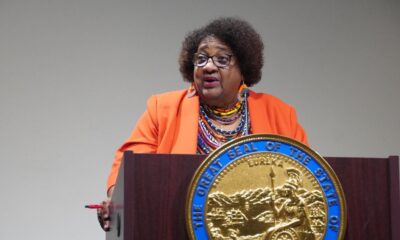
Department of Homeland Security Demands California Secretary of State Shirley N. Weber Scrub Voter Rolls
-
 Business2 weeks ago
Oakland Children’s Hospital Workers and Patients Rally for Pediatric Medical Care
-
 Environment3 days ago
“The Power to See Threats Sooner”: Gov. Newsom, Safety Officials Showcase California’s Investments in Hi-Tech Wildfire Prevention
-
 #NNPA BlackPress2 weeks ago
New Judge Could Decide if Karmelo Anthony Gets a New Trial
-
 Business2 weeks ago
Surveillance Pricing Fight: State Senate Debates Bill Banning Retailers from Using AI to Set Prices Based on a Buyer’s Profile
-
 Business2 weeks ago
Mount Zion MBC, Church of Jesus Christ of Latter-day Saints Partner to Bring 29,000 Meals to Alameda County
-
 Black History1 week ago
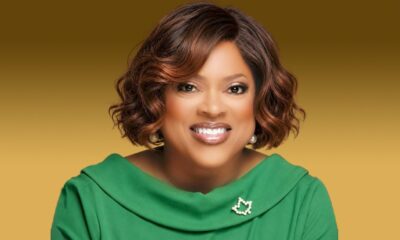
Alpha Kappa Alpha Sorority, Inc. Celebrates New North Atlantic Regional Director
-
 Featured3 days ago
California Sen. Padilla Joins Colleagues to Introduce Bill Imposing Term Limits on Supreme Court Justices
