
Business
California Diversity Awards Celebrates Achievements and Highlights Growth of Diverse Small Businesses
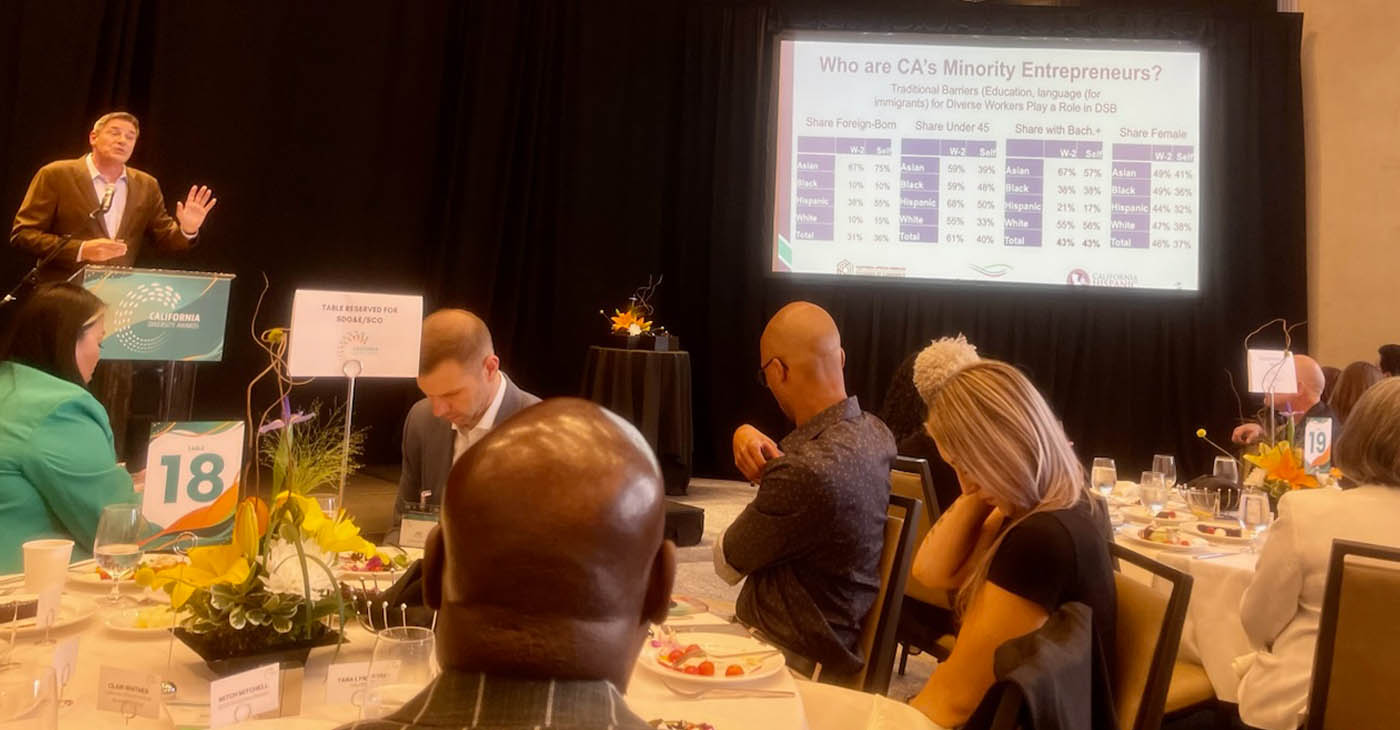
The California African American Chamber of Commerce, the CalAsian Chamber of Commerce and Hispanic Chambers of Commerce hosted their third Annual Diversity Awards on June 27 in Sacramento. The awards luncheon celebrated corporate, legislative, and business leaders who are champions of small diverse businesses in California. The program also featured highlights from a report commissioned by the California Office of the Small Business Advocates (CalOSBA), aimed at understanding the significant impact small businesses have on the state.

By Antonio Ray Harvey, California Black Media
The California African American Chamber of Commerce, the CalAsian Chamber of Commerce and Hispanic Chambers of Commerce hosted their third Annual Diversity Awards on June 27 in Sacramento.
The awards luncheon celebrated corporate, legislative, and business leaders who are champions of small diverse businesses in California. The program also featured highlights from a report commissioned by the California Office of the Small Business Advocates (CalOSBA), aimed at understanding the significant impact small businesses have on the state.
“We like to think of the economy as something where there’s always some government agency collecting information, but it’s remarkably hard to get into the trenches and figure out what’s really happening at the ground level,” said Chris Thornberg, an economist who authored the report.
“Last year was the beginning of pulling this together with the help of CalOSBA, the chambers and sponsors. This year, we expanded and improved the processes, adding data from the American Community Survey to get a better sense of the diverse business community.”
The report’s findings highlight the importance of small and diverse businesses in California. Collectively, they generated about $443 billion in 2019, representing nearly half a trillion dollars. Although this figure dropped slightly in 2020 due to the pandemic, their impact remained above $400 billion, accounting for about 8% of California’s overall output.
“That $414 billion would make our diverse small business sector the 24th largest state economy, larger than Oregon or South Carolina,” Thornberg noted. “These businesses support about 3.6 million jobs directly or indirectly.”
The report also indicated that diverse small businesses have shown resilience and growth in recent years.
“Despite various challenges, diverse small businesses have performed well,” said Thornberg. “The number of self-employed individuals and minorities in the state is up 10% from 2016, while overall small business numbers have contracted by about 15% over the same period. This growth is particularly evident in major regions like Los Angeles and San Bernardino, where a significant portion of the labor force comprises self-employed minorities.”
The success and growth of diverse small businesses in California are seen as a promising trend. “Los Angeles is home to the largest concentration of these businesses, followed by San Diego and San Bernardino,” Thornberg added. “In these regions, almost a third of the entire labor force is made up of self-employed minorities, showcasing the power and influence of these communities.”
Pat Fong Kushida, President and CEO of the California Asian Pacific Chamber of Commerce thanked everyone for attending the event and highlighted the need for continuing to work together.
“Thank you so much for leaning in on that first report and giving us a strong foundation. We all push and pull. This is what we’re doing in the room today. There are a lot of pushers and a lot of pullers. Let’s work better together, and then we’ll achieve some of the goals that Chris outlined for all of us,” said Fong.









Business
OPINION: 57,000 Empty Apartments and Not a Word of Apology – City Limits
BLACKPRESSUSA NEWSWIRE — “Short-term rental income was, for many of these families, not a luxury. It was the margin between keeping the house and losing it. Local Law 18 closed that door, and the people who closed it are now waving away 57,000 empty apartments as statistical noise.”

Every indicator in New York City’s housing market is pointing in the wrong direction.
Rents are at historic highs. Foreclosure notices are climbing in Black and brown neighborhoods that never fully recovered from the last crisis. Deed theft, the predatory stripping of generational wealth from families who built their equity over decades, continues to devastate communities from Brownsville to Jamaica.
On top of all these factors, there were more than 57,000 rent-stabilized apartments sitting completely empty as of April last year. That number grew by 8,000 units in a single year, with the sharpest increases hitting Brooklyn and Queens hardest.
Brooklyn and Queens. My neighborhoods. Your neighborhoods.
You would think that news of 57,000 empty affordable apartments in the middle of a housing emergency would produce outrage, emergency hearings, and demands for accountability. Instead, New Yorkers got a collective shrug from opinion leaders.
Read that again: 57,000 families could be housed in those apartments. Households currently paying market rent, doubled up, couch-surfing, or one missed paycheck away from the street could have relief. And silence from the city’s housing leadership, activists, and coalitions.
In my experience as chair of the Subcommittee on Affordable Housing in the Assembly, that is not advocacy. That is surrender.
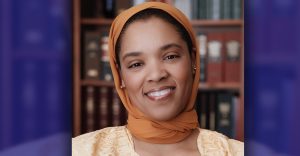
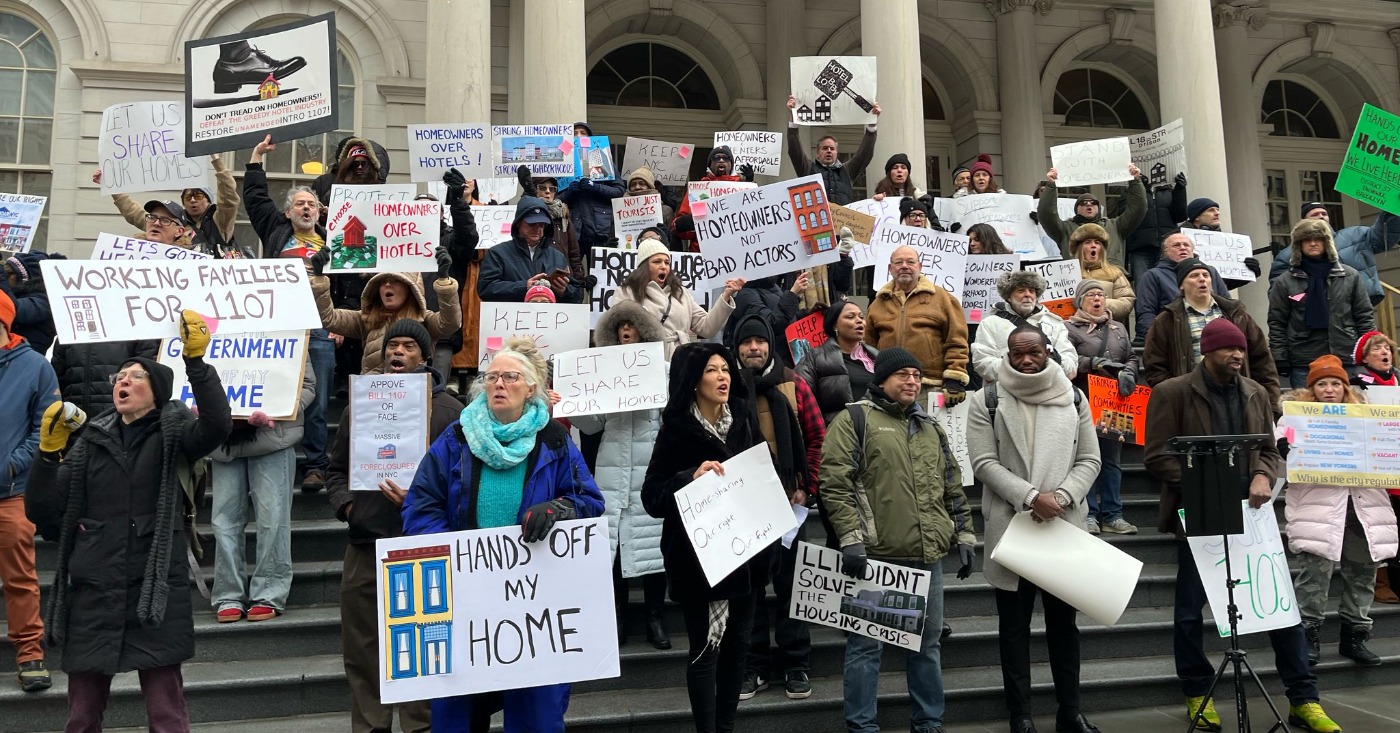
These are the same voices, the same institutions, the same political class that successfully lobbied to effectively ban short-term rentals in New York City through Local Law 18. At its peak, Airbnb had roughly 20,000 listings in New York City, nearly a third the number of apartments currently sitting vacant and padlocked in the rent-stabilized system. The campaign against those listings was relentless, loud, and wrapped in the language of affordability and housing justice.
Where is that energy now?
Where are the press conferences about landlords warehousing stabilized units while families sleep in shelters? Where is the legislation with teeth? Where is the outrage that was apparently plentiful when a Black homeowner in Bed Stuy wanted to rent out her spare bedroom to make ends meet?
Because that is exactly who Local Law 18 hit hardest. Not the corporate bad actors. Not the hedge funds. The struggling homeowner, disproportionately Black, disproportionately in Brooklyn and Queens, who used their home as a small economic engine to survive in a city that grows more expensive by the month.
Those families were told their activity was destabilizing the housing market. Those families were fined, delisted, and legislated out of a livelihood. And now we learn that 57,000 stabilized units are sitting empty while rents spiral and foreclosures mount, and the response from housing advocates is essentially: that’s just how big numbers work.
This is not sound policy. This is politics. And the communities paying the price know the difference.
I have spoken with homeowners across Central Brooklyn who are barely holding on. They bought their homes, sometimes one generation removed from the Great Migration, and they have watched the equity they built become both their greatest asset and their greatest vulnerability. Predatory lenders, deed theft schemes, and rising property taxes all circle that equity like wolves.
Short-term rental income was, for many of these families, not a luxury. It was the margin between keeping the house and losing it. Local Law 18 closed that door, and the people who closed it are now waving away 57,000 empty apartments as statistical noise.
Everyone in this fight knows what needs to happen but will not say it out loud: Local Law 18 needs reform. Common sense reform. The kind that distinguishes between an investor running a ghost hotel and a homeowner renting a room. The kind that actually targets bad actors instead of penalizing the most economically vulnerable property owners in the city.
I hear it in private conversations with elected officials, with housing attorneys, with planners. The consensus is there. The political will is not, because the same advocacy groups and political donors who pushed the original law are still in the room, and nobody wants to take their call.
What this moment requires is courage, not calculation.
Every month that passes with 57,000 empty stabilized apartments is a month of families in crisis, of shelter costs ballooning, of neighborhoods destabilizing. Every month that Local Law 18 remains unreformed is another month a Black homeowner in Flatbush or Hollis faces impossible choices that wealthier New Yorkers simply never have to make.
You cannot ban the small and ignore the large. You cannot mobilize armies of lobbyists against a homeowner’s spare bedroom while shrugging at tens of thousands of warehoused affordable units. You cannot claim to stand for housing justice and then tell 57,000 families worth of empty apartments that the math just works out this way.
The hypocrisy has to stop. Politics have to give way to people. And the officials and advocates who have the power to fix this, who know what needs to be done, have to decide which side they are actually on.
Because from where I stand, in the communities I have served for decades, it is very clear who is being left out in the cold.
Dr. Annette Robinson is a former member of both the State Assembly and City Council in Brooklyn.

Black History
NABJ Convention Brings Black Journalists, Civic Leaders Together in Atlanta
Among the conference’s most closely watched sessions was Thursday’s Newsmaker Plenary, where House Democratic Leader Hakeem Jeffries discussed the national political climate with NABJ President Errin Haines. Journalist Joy-Ann Reid later led a fireside conversation with legal scholar Kimberlé Crenshaw, creator of the term “intersectionality,” and Pulitzer Prize-winning journalist Nikole Hannah-Jones, author of the 1619 Project.
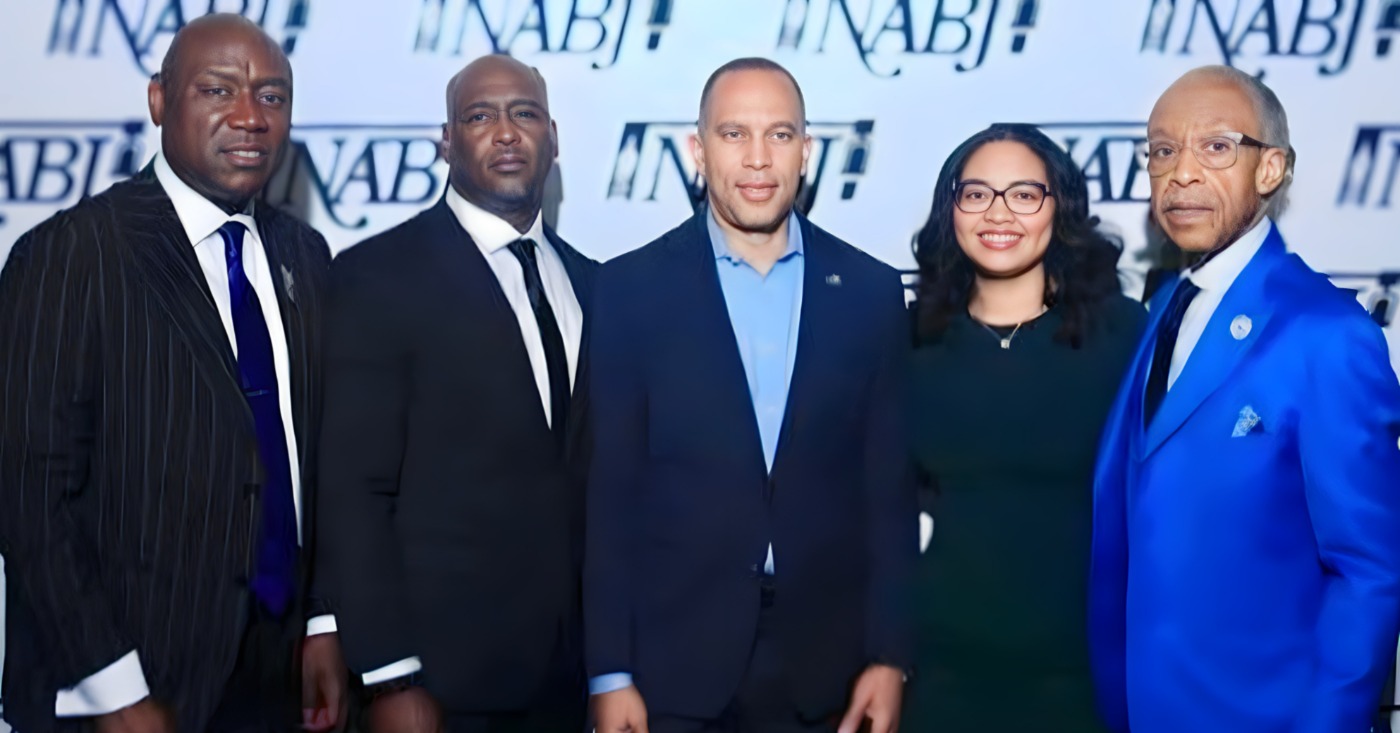
ATLANTA—The 52nd National Association of Black Journalists conference brought thousands of journalists, students, media executives and civic leaders to Atlanta Aug. 12-16 for its 2026 Convention and Career Fair, a five-day gathering centered on the theme “Our Revolution: Truth, Power and Black Journalism.”
Among the conference’s most closely watched sessions was Thursday’s Newsmaker Plenary, where House Democratic Leader Hakeem Jeffries discussed the national political climate with NABJ President Errin Haines. Journalist Joy-Ann Reid later led a fireside conversation with legal scholar Kimberlé Crenshaw, creator of the term “intersectionality,” and Pulitzer Prize-winning journalist Nikole Hannah-Jones, author of the 1619 Project.
The plenary also turned toward grief, accountability and justice as the parents of 18-year-old Nolan Wells, Christine Wells-Wonsley and Elmore Wonsley, appeared with civil rights attorney Ben Crump and the Rev. Al Sharpton. Crump was also the attorney for Trayvon Martin’s, Michael Brown’s, and Tamir Rice’s families. Moderated by journalist Tiffany Cross, the Wells family’s appearance focused on unanswered questions surrounding Nolan’s July death in Mississippi and calls for a federal review.
Reid and journalist Don Lemon also joined a separate discussion with Cross, columnist Michael Harriot and journalist Chandra Whitfield about career disruption, resilience and building independent platforms as Black journalists face layoffs and wider media industry upheaval.

Across generations, attendees exchanged ideas about sustaining careers and serving Black communities.
The gathering reflected NABJ’s long-standing role as both professional home and public forum for Black journalists. For Black-owned legacy newspapers, including ours, the Atlanta convention reinforced a familiar mandate: defend truth, elevate Black voices and connect national debates over politics, justice and media power to the communities most affected.
Black History
$5 Billion Coliseum Vision Puts Oakland Jobs, Businesses at Center
Reynolds said Black and Brown contractors have historically lacked the bonding, insurance, equipment and staffing required to compete for large contracts because they were denied opportunities to expand.

OAKLAND – A sweeping, multiphase redevelopment of the Oakland Coliseum site led by Ray Bobbitt, president of the African American Sports and Entertainment Group (AASEG), and businessman James “Jim” Reynolds Jr., could eventually attract between $3 billion and $5 billion in investment.
Reynolds said the first phase, estimated at $1 billion to $1.5 billion, could include housing, hotels, restaurants, entertainment venues, open space and opportunities for local small businesses.
“We are going to transform the entire area with housing, hotels, with an infrastructure that benefits the community,” Reynolds said.
He also wants to attract major entertainment partners and position Oakland to compete with venues in San Francisco and San Jose. Reynolds said the city already possesses natural assets that other cities spend fortunes trying to create.
“One of the most naturally beautiful cities I’ve ever been to,” he said. “In Oakland, if you do nothing, it’s beautiful naturally: lakes, the mountains, the scenery, the open space, the weather.”
Reynolds’ vision, however, extends beyond buildings and entertainment. He is also focused on which businesses receive contracts and which residents benefit from the jobs and economic opportunities the project creates.
Reynolds said Black and Brown contractors have historically lacked the bonding, insurance, equipment and staffing required to compete for large contracts because they were denied opportunities to expand.
“Why would you build a big business when you know no one was going to hire you to do the job?” Reynolds asked.
He recalled working with longtime business partner Earvin “Magic” Johnson to encourage minority-owned firms to compete for larger contracts. About 1,000 businesses attended one outreach event after receiving assurances that opportunities to serve as prime contractors were real.
Reynolds wants to bring the same approach to Oakland.
“I don’t need goals and set-asides to figure out how to give Black companies a chance to be a prime,” he said.
He also wants Black businesses to move beyond seeking only small portions of projects or subcontracting roles.
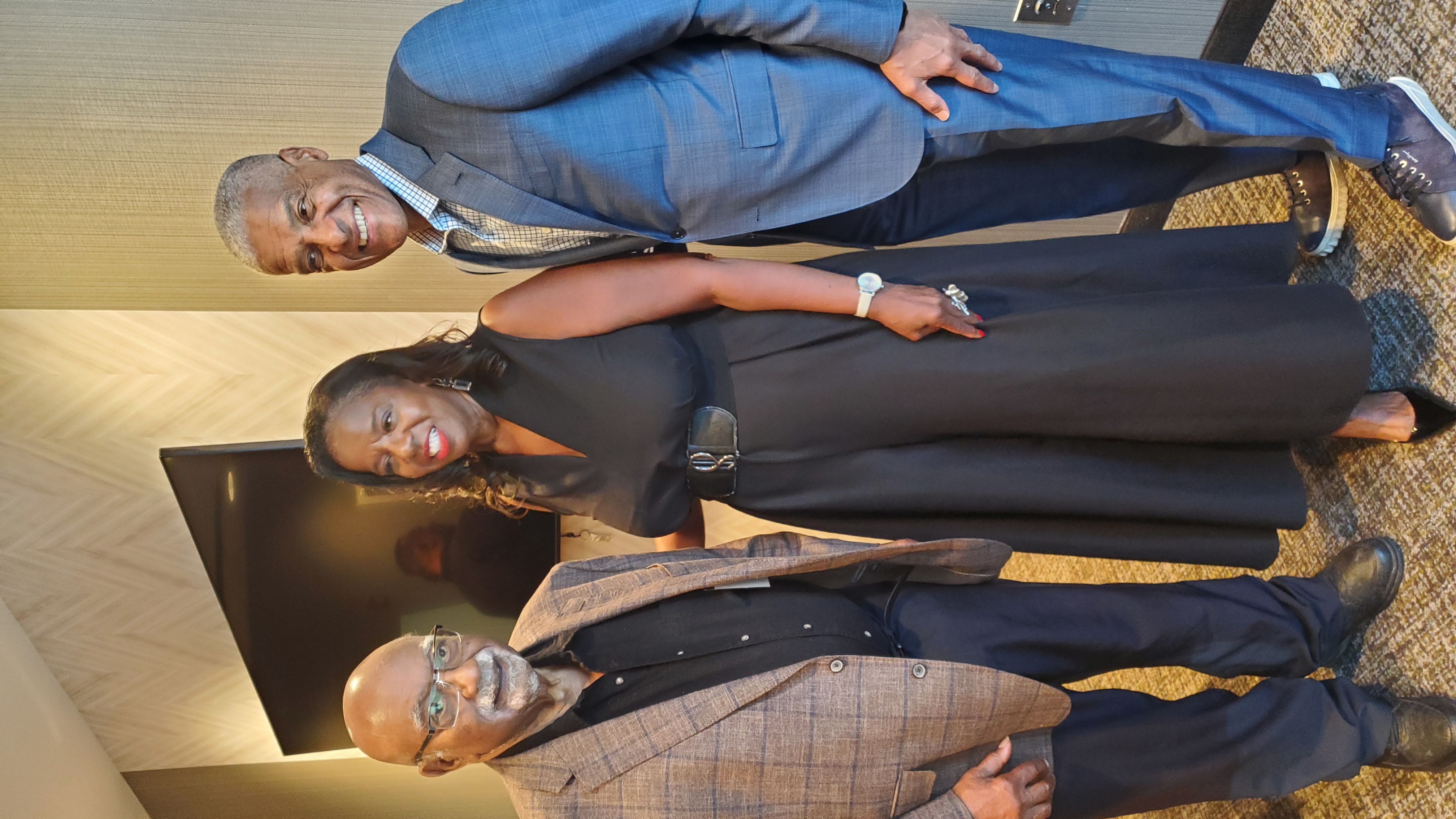
“When we run the concessions, we pick who has a concession,” Reynolds said, citing partnerships involving Johnson, LL Cool J and Stephen A. Smith.
The same principle should apply to construction, entrepreneurship and workforce development, he said.
“Job training and opportunities to have Blacks lead something like this matter,” Reynolds said.
Reynolds also wants young Oakland residents connected to the jobs and career pathways created by the redevelopment.
“They’re going to have jobs, job training, and opportunities to work,” Reynolds said.
He rejects assumptions that Black youth and Black-owned companies cannot manage major responsibilities.
“I’m not going to sit here like others who have been in positions like this and doubt that Black people can do certain things,” Reynolds said.
For Reynolds and Bobbitt, the Coliseum redevelopment is an opportunity to create more than a replacement for the professional sports teams Oakland lost. Bobbitt contributes deep Oakland roots, community relationships and years of persistence, while Reynolds brings capital-market experience, global business relationships and a record of structuring enormous transactions.
Together, they envision a destination that attracts visitors while creating jobs, businesses and ownership opportunities for Oakland residents.
“Thank you, Jim, for believing in Oakland and investing,” Bobbitt said.
CEO of the Oakland African American Chamber of Commerce Cathy Adams, who wrote a letter of support for AASEG at a time when many doubted the feasibility of their goals, said the Coliseum area development plan will become the example of how Black-owned businesses and contractors can help close the disparity gap in Oakland.
Next week, Part 2: Len Turner and local business owners can benefit.

WORK FROM HOME
Home-based business with potential monthly income of $10K+ per month. A proven training system and website provided to maximize business effectiveness. Perfect job to earn side and primary income. Contact Lynne for more details: Lynne4npusa@gmail.com 800-334-0540


OPINION: 57,000 Empty Apartments and Not a Word of Apology – City Limits

Oakland Protesters Rally to Defend Haitian Immigrants and TPS

First 5 Alameda County Celebrates First Year of Measure C’s Implementation

From Palestine to Oakland: Seeds for Liberation Examines Shared Struggles for Freedom

NABJ Convention Brings Black Journalists, Civic Leaders Together in Atlanta

At Sacramento Summit, Becerra Discusses Policy; Uses “Family” Metaphor to Frame Case for National Political Unity

$5 Billion Coliseum Vision Puts Oakland Jobs, Businesses at Center

Gov. Newsom Nominates 3 Black Women Judges to Serve on State Courts of Appeal

Oakland Observes Black August with Block Parties, Film Showings, Workshops

NPRC Elder Justice Symposium Invites Community to Join Effort to Protect Alameda County Elders
Episode 4: Grow Stronger After 50
Episode 4: Grow Stronger After 50

Four Candidates, Including Incumbent Barbara Lee, Qualify for Oakland Mayor’s Race

Oakland Observes Black August with Block Parties, Film Showings, Workshops

Oakland Post: Week of August 12 – 18, 2026

Department of Homeland Security Demands California Secretary of State Shirley N. Weber Scrub Voter Rolls

New Judge Could Decide if Karmelo Anthony Gets a New Trial

Oakland Children’s Hospital Workers and Patients Rally for Pediatric Medical Care

“The Power to See Threats Sooner”: Gov. Newsom, Safety Officials Showcase California’s Investments in Hi-Tech Wildfire Prevention

Alpha Kappa Alpha Sorority, Inc. Celebrates New North Atlantic Regional Director

Surveillance Pricing Fight: State Senate Debates Bill Banning Retailers from Using AI to Set Prices Based on a Buyer’s Profile

Mount Zion MBC, Church of Jesus Christ of Latter-day Saints Partner to Bring 29,000 Meals to Alameda County

California Sen. Padilla Joins Colleagues to Introduce Bill Imposing Term Limits on Supreme Court Justices

Less Affluent School Districts, Including Sacramento City, Face Threat of State Takeover

Car Wash Workers Cope with Lingering Impacts of ICE Raids

Starting This Summer, California Car Buyers Can Get an Instant $3500 Off the Cost of Electric Vehicles

COMMENTARY: You Are Already Paying for the AI Boom

California Bill Would Let Abuse Victims Use Trauma as Legal Defense for Violent Crime

Fed Court to Decide Landmark First Amendment Case

Gov. Gavin Newsom Signs Law Streamlining Affordable Housing Rules

The Conversation With Al McFarlane 6/23/26

Media Monday 6/22/26

LIVE! ASK ALMA! — TUES. 6.23.26 7PM EST

Car Buying Secrets: 4 Hidden Checks Before You Sign!

Is This 550 HP Charger Worth YOUR Money? AutoNetwork Review

Celebrating Juneteenth – Frederick Douglass on education and resistance

LIVE! — ASK ALMA! — TUES. 6.19.26 7PM EST

Hyundai Ioniq 5 Parking, Safety, and 360 View #shorts

2025 Ioniq 5 New Wiper & Powerful Performance! #shorts

Electric SUV Range: Is 259 Miles Enough? #shorts

EV Charging: How Fast Can You Charge an Electric Vehicle? #shorts

Biometric Cooling… Messaging Seats…Come on! 2025 Infiniti QX80 Autograph 4WD

Charged Up: Witness the Magic of a Fully Electric Car! #shorts

Range Rover Sport PHEV Included…: See What’s Inside This Luxury SUV! #shorts

Invisible Hood View: Perfect Parking with X-Ray Vision! #shorts
-
 Featured2 weeks ago
Department of Homeland Security Demands California Secretary of State Shirley N. Weber Scrub Voter Rolls
-
 #NNPA BlackPress3 weeks ago
New Judge Could Decide if Karmelo Anthony Gets a New Trial
-
 Business4 weeks ago
Oakland Children’s Hospital Workers and Patients Rally for Pediatric Medical Care
-
 Environment2 weeks ago
“The Power to See Threats Sooner”: Gov. Newsom, Safety Officials Showcase California’s Investments in Hi-Tech Wildfire Prevention
-
 Black History3 weeks ago
Alpha Kappa Alpha Sorority, Inc. Celebrates New North Atlantic Regional Director
-
 Business4 weeks ago
Surveillance Pricing Fight: State Senate Debates Bill Banning Retailers from Using AI to Set Prices Based on a Buyer’s Profile
-
 Business4 weeks ago
Mount Zion MBC, Church of Jesus Christ of Latter-day Saints Partner to Bring 29,000 Meals to Alameda County
-
 Featured2 weeks ago
California Sen. Padilla Joins Colleagues to Introduce Bill Imposing Term Limits on Supreme Court Justices
