
California Black Media
Commentary: Support Early Detection Technology to Save the Lives of Black Cancer Patients
In 2008, I received news no one ever wants to hear. I was diagnosed with Stage I breast cancer, with an ER/PR positive tumor type. The road to recovery was tough, taking more than a physical toll on my body. I grappled with the emotional and mental strain of navigating a health care system that too often fails to address the unique needs of Black women. There was no manual to guide me through this journey, no prescription to ease the burden, and no roadmap to help me navigate the challenges ahead.

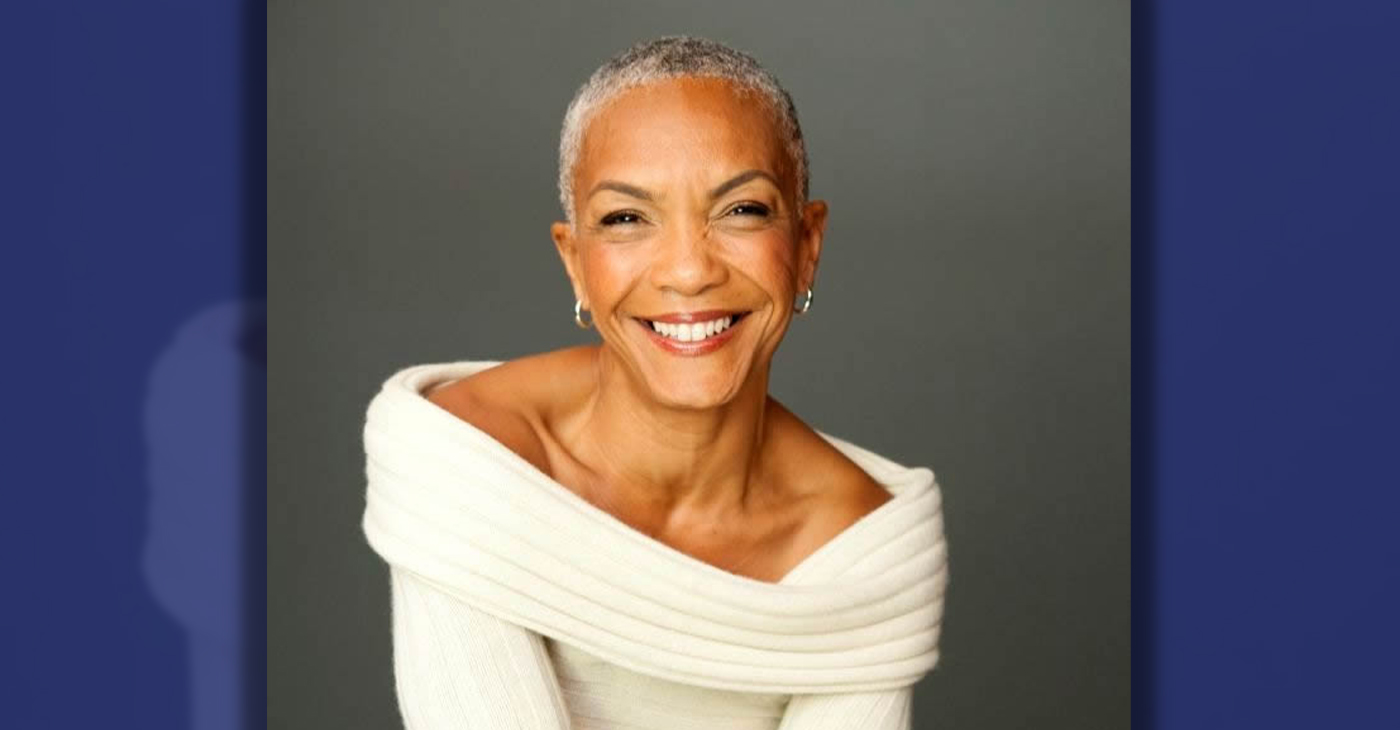
By Rhonda Smith, Special to California Black Media Partners

In 2008, I received news no one ever wants to hear. I was diagnosed with Stage I breast cancer, with an ER/PR positive tumor type.
The road to recovery was tough, taking more than a physical toll on my body. I grappled with the emotional and mental strain of navigating a health care system that too often fails to address the unique needs of Black women. There was no manual to guide me through this journey, no prescription to ease the burden, and no roadmap to help me navigate the challenges ahead.
The stark reality that Black women are 41% more likely to die from breast cancer than White women is a grim reminder of the systemic inequities that pervade our health care system. According to the American Cancer Society, Black Americans have the highest death rate and shortest survival rate of any racial or ethnic group in the country. This disparity extends beyond breast cancer, impacting colorectal, prostate, and lung cancers, among others.
To help overcome these inequities, we need to attack cancer at its roots; we must catch it early, and we must ensure the means to catch cancer early are accessible to the communities most at risk. I consider myself fortunate to have received a Stage 1 diagnosis. Yet, it pains me to know that for many others, their breast cancer is often detected in later, more advanced stages.
Fortunately, there is hope on the horizon. Some California congressmembers — particularly U.S. Rep. Raul Ruiz (D-CA-25) — are taking decisive action. Ruiz is a lead sponsor of a bill to dramatically expand access to cutting-edge early detection tools for Medicare beneficiaries, including millions of Black Americans in underserved communities. With bipartisan support, this bill is closer than ever to passage.
Named in honor of Nancy Gardner Sewell, a civil rights leader and passionate advocate for health justice, the Nancy Gardner Sewell Medicare Multi-Cancer Early Detection Screening Coverage Act would ensure Medicare has the latitude it needs to cover an exciting new class of cancer detection tests as soon as they’re cleared by the FDA.
These tests utilize the latest scientific achievements to identify cancer signals in a patient’s blood stream. They can pinpoint many different types of cancer from a single blood draw, dramatically improving doctors’ ability to detect cancers early and at stages where they are most treatable.
The next phase of our fight against cancer – and the disproportionate toll it takes on Black Americans – starts by urging Congress to pass the Nancy Gardner Sewell Medicare Multi-Cancer Early Detection Screening Coverage Act and ensuring the benefits of this legislation reach all corners of our communities.
I don’t advocate for change for myself, but for every Black woman who has faced, or will face, a similar battle.
Together, we can rewrite the narrative of health care, catch and treat cancer early, and ensure that every woman has the opportunity to thrive, regardless of her race or background.
About the Author
Rhonda Smith, Executive Director of the California Black Health Network, leads initiatives to advance health equity for Black Californians, leveraging her expertise from roles including consulting and spearheading health disparities initiatives for BIPOC communities. With an MBA from the University of Virginia’s Darden School of Business and a B.S. in Civil Engineering from Virginia Tech, Rhonda has led transformative projects like the LiveHealthy OC Initiative and the Susan G. Komen® Circle of Promise California Initiative to address health disparities and promote whole person care approaches.














Activism
Oakland Post: Week of September 30 – October 6, 2026
The printed Weekly Edition of the Oakland Post: Week of September 30 – October 6, 2026

To enlarge your view of this issue, use the slider, magnifying glass icon or full page icon in the lower right corner of the browser window.
Activism
Oakland Post: Week of September 23 – 29, 2026
The printed Weekly Edition of the Oakland Post: Week of September 23 – 29, 2026

To enlarge your view of this issue, use the slider, magnifying glass icon or full page icon in the lower right corner of the browser window.
Activism
Oakland Post: Week of September 16 – 22, 2026
The printed Weekly Edition of the Oakland Post: Week of September 16 – 22, 2026

To enlarge your view of this issue, use the slider, magnifying glass icon or full page icon in the lower right corner of the browser window.



OP-ED: Proposition 44 Would Put a Price on Trust

OP-ED: Proposition 40: It’s Time to Play Chess, Not Checkers

Listening as a Lifeline: A Doula’s Witness to Black Maternal Health

New Protections for Ticket Buyers: Gov. Newsom Signs Assemblymember Isaac Bryan’s Bill

‘We Don’t Talk Trash — We Pick Up Trash!’

Zakiya Jendayi Arrested, Locked Out of Home by Sheriff’s Deputies

Oakland Post: Week of September 30 – October 6, 2026

Asm. Corey Jackson Announces Launch of 24-Hour Childcare in His District

IN MEMORIAM: The Rev. Leon “Sonny” Clark, Longtime Orange County Pastor and Community Leader, Dies at 72

Poll: Becerra Widens His Lead Over Hilton; Californians Split on Wealth Tax

From Historic Memories to New Possibilities: Oakland Celebrates Coliseum 60

County Office of Education Says OUSD Finances Are Getting Healthier, Materially Stronger

LIVE FREE Sunday Dinner Brings Faith, Fellowship and Civic Conversation to Oakland

Remembering Chauncey Bailey as Student Journalists Face Threats to Truth-Telling

BLACspace Cooperative Invites Bay Area to Experience Oakland’s Black Cultural Ecosystem Through a BLAC Map Tour + Party

Standoff for Justice: Our Homes Are Worth Fighting For

Oakland Post: Week of August 26 – September 1, 2026

Frontier Airlines’ Return to Oakland Airport Brings Flights, Jobs and Opportunity

Gubernatorial Candidate Steve Hilton Blasts California New Tire Rules; Newsom Hits Back

Chef Sharon Lee Blends Culinary Excellence, Education and Empowerment

Jackie Wright Champions Bay Area Stories, Filmmakers and Cultural Institutions

Misnamed ‘Parent’ PAC Seeks to Influence Oakland School Board Elections

Oakland Coliseum Project Opens Door for Small Businesses to Build Bigger

Big City Mayors Ask for “Yes” Vote on Housing Bond Measure; Conservatives Say “No”

Gov. Newsom’s Latest Appointees Include Sacramento Advocate for Formerly Incarcerated Students; State’s New Tech Chief

Longtime BWOPA Member Brendalyn Goodall Appointed to California Workforce Development Board

Gov. Newsom Signs Law Shielding Immigration Aid Workers From Doxing Threats

Secretary of State Shirley N. Weber Urges Californians to Vote Early as Voter ID Battle Intensifies

Oakland Post: Week of September 2 – 8, 2026

IN MEMORIAM: Dolly Parton Dead at 80 — How She Built a Legacy of Love and Earned Her Place in Black Culture

The Conversation With Al McFarlane 6/23/26

Media Monday 6/22/26

LIVE! ASK ALMA! — TUES. 6.23.26 7PM EST

Car Buying Secrets: 4 Hidden Checks Before You Sign!

Is This 550 HP Charger Worth YOUR Money? AutoNetwork Review

Celebrating Juneteenth – Frederick Douglass on education and resistance

LIVE! — ASK ALMA! — TUES. 6.19.26 7PM EST

Hyundai Ioniq 5 Parking, Safety, and 360 View #shorts

2025 Ioniq 5 New Wiper & Powerful Performance! #shorts

Electric SUV Range: Is 259 Miles Enough? #shorts

EV Charging: How Fast Can You Charge an Electric Vehicle? #shorts

Biometric Cooling… Messaging Seats…Come on! 2025 Infiniti QX80 Autograph 4WD

Charged Up: Witness the Magic of a Fully Electric Car! #shorts

Range Rover Sport PHEV Included…: See What’s Inside This Luxury SUV! #shorts

Invisible Hood View: Perfect Parking with X-Ray Vision! #shorts
-
 Community3 weeks ago
Misnamed ‘Parent’ PAC Seeks to Influence Oakland School Board Elections
-
 Activism4 weeks ago
Oakland Post: Week of September 2 – 8, 2026
-

 Activism3 weeks ago
Oakland Post: Week of September 9 – 15, 2026
-

 Community3 weeks ago
Richmond Tiny House Village Farm & Garden Set to Open Gates on Sept. 26
-

 Black History3 weeks ago
Latest Massacre in Haiti Reveals Cruelty U.S. Deportations
-

 Black History3 weeks ago
OPINION: Nolan Wells’ Death One of Several Signifying Racial Terror Lives on in U.S. South
-

 Business2 weeks ago
Mayor Lee Announces $1 Million Kaiser Permanente Grant for Pilot Program to Address Homelessness, Clean Up Public Spaces throughout Oakland
-

 Community3 weeks ago
Democratic Clubs Interview Candidates for Oakland School Board
