
Activism
Domestic Violence Group Honors Community Advocates from Around the State
The California Partnership to End Domestic Violence (CPEDV), a coalition representing over 1,000 survivors, advocates, organizations, and allied individuals, was one of the organizations whose proposal for funding was omitted from the budget. Nonetheless, they remain dedicated to seeking recognition for individuals and organizations that are creating safe havens and providing services for individuals affected by domestic violence, the group’s leadership says.


By Edward Henderson, California Black Media
As the ink dries on the California state budget recently signed by Gov. Gavin Newsom, many special interest organizations are deep into planning for how they could use funds allocated towards their respective causes. While some have been left frustrated by the omission of their initiatives from the state spending plan, their important work in California communities continues.
The California Partnership to End Domestic Violence (CPEDV), a coalition representing over 1,000 survivors, advocates, organizations, and allied individuals, was one of the organizations whose proposal for funding was omitted from the budget. Nonetheless, they remain dedicated to seeking recognition for individuals and organizations that are creating safe havens and providing services for individuals affected by domestic violence, the group’s leadership says.
At their annual membership meeting, they presented the ‘2022 Partnership Awards’, a ceremony honoring seven women who have challenged root causes of domestic violence and infused equity into how they’ve engaged survivors and communities.

LaRae Cantley (recipient of the Bravery Award) advises the nation’s largest U.S. Department of Housing and Urban Development (HUD Continuum of Care,
LaRae Cantley (recipient of the Bravery Award) advises the nation’s largest U.S. Department of Housing and Urban Development (HUD Continuum of Care, the Los Angeles Homeless Services Authority (LAHSA), on the creation of their lived experience boards. With deep roots in Los Angeles, Cantley’s voice has been heard across the state and nationwide in her systems change work.
“I’m living proof of how the truth will bring a change about you,” Cantley reflected upon hearing the news of her award. “The organization I’m working with, the Full Frame Initiative, continues to pursue brave efforts as we partner to build a world where everyone has a fair shot at wellbeing.”
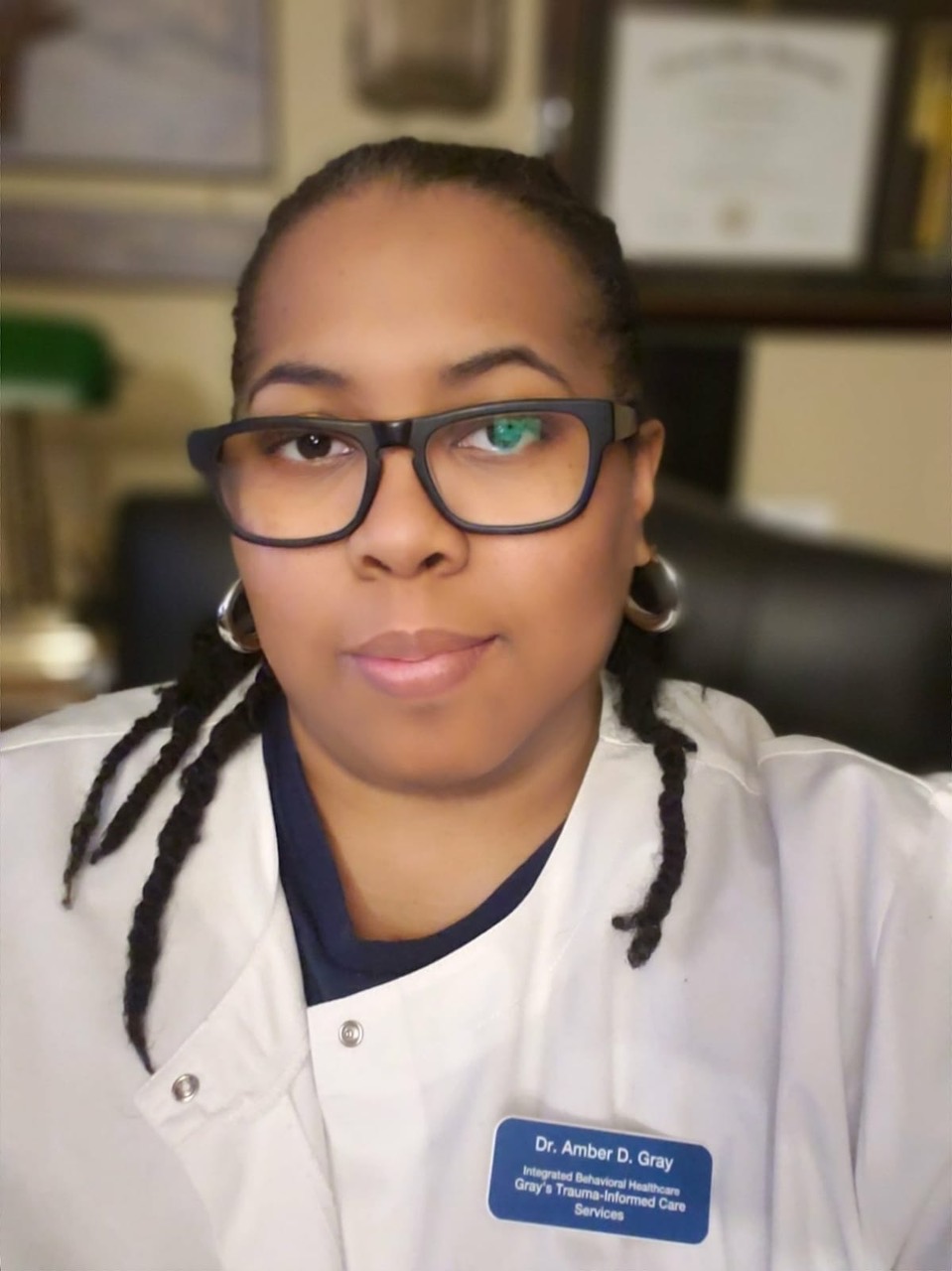
Dr. Amber Gray (recipient of the Equity Award) of Lake Elsinore started the Volunteer Services Unit at Gray’s Trauma-Informed Care Services Corp
Dr. Amber Gray (recipient of the Equity Award) of Lake Elsinore started the Volunteer Services Unit at Gray’s Trauma-Informed Care Services Corp, allowing individuals to earn volunteer hours while resourcing domestic violence agencies with the needed staffing. Her organization focuses on educating providers on the latest evidence-based trauma-informed care research. She has worked in violence prevention and intervention for 26 years.
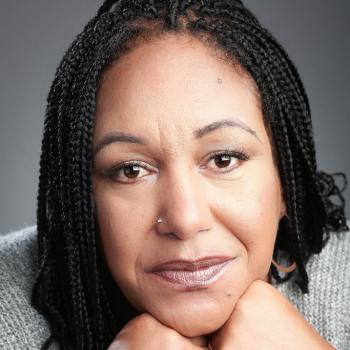
Cat Brooks (recipient of the Partnership Award) of Oakland leads the Anti Police-Terror Project and Justice Teams Network
Cat Brooks (recipient of the Partnership Award) of Oakland leads the Anti Police-Terror Project and Justice Teams Network, providing survivor-centered interventions designed to decrease criminalization and end violence cycles.

Colsaria Henderson (recipient of the Karen Cooper Beloved Community Award) of Newark is a leader in local, statewide, and national anti-violence, anti-poverty, and racial justice advocacy efforts.
Colsaria Henderson (recipient of the Karen Cooper Beloved Community Award) of Newark is a leader in local, statewide, and national anti-violence, anti-poverty, and racial justice advocacy efforts. As Board President of CPEDV, she helps ensure that a diverse coalition strategically unites to promote the shared goal of ending domestic violence in California.
Yojo Kim (recipient of the Cultural Responsiveness Award) of San Francisco has provided consistent case management, emotional support, and survivor-centered advocacy for queer and transgender survivors of domestic violence at the Asian Women’s Shelter.
Lidia Salazar (recipient of the Equity Award) co-facilitates organizing work to end criminalization at Community United Against Violence, as well as programming and community-based training in Healing Justice that raises consciousness and allyship across the broader San Francisco Bay Area. Her work as an advocate for survivors of violence began 12 years ago in Los Angeles and includes leading a non-profit organization, managing programs, providing counseling to survivors of sexual assault, domestic violence, and hate violence, facilitating support groups, providing training for community members and service providers, and supporting the leadership of LGBT Black and Latinx survivors of violence.
Senator Hannah-Beth Jackson (recipient of the Bravery Award) was one of the founders of Domestic Violence Solutions for Santa Barbara County in 1977. Jackson, who served in the California State Senate from 2012 to 2020, representing the 19th District in Santa Barbara and Ventura counties, was a steadfast champion for survivors and a range of issues impacting women and girls while in government.
“I am most honored to receive this award from you today. Thank you so much”. Jackson said as she received her award. “I hope that someday, as a result of the work you’re doing, we can end domestic violence.”
Learn more about The Partnership and the work they are doing in California to fight Domestic Violence.












Activism
Oakland Post: Week of September 23 – 29, 2026
The printed Weekly Edition of the Oakland Post: Week of September 23 – 29, 2026

To enlarge your view of this issue, use the slider, magnifying glass icon or full page icon in the lower right corner of the browser window.
Activism
Oakland Post: Week of September 16 – 22, 2026
The printed Weekly Edition of the Oakland Post: Week of September 16 – 22, 2026

To enlarge your view of this issue, use the slider, magnifying glass icon or full page icon in the lower right corner of the browser window.
Activism
Oakland Post: Week of September 9 – 15, 2026
The printed Weekly Edition of the Oakland Post: Week of September 9 – 15, 2026

To enlarge your view of this issue, use the slider, magnifying glass icon or full page icon in the lower right corner of the browser window.



Asm. Corey Jackson Announces Launch of 24-Hour Childcare in His District

IN MEMORIAM: The Rev. Leon “Sonny” Clark, Longtime Orange County Pastor and Community Leader, Dies at 72

Poll: Becerra Widens His Lead Over Hilton; Californians Split on Wealth Tax

From Historic Memories to New Possibilities: Oakland Celebrates Coliseum 60

County Office of Education Says OUSD Finances Are Getting Healthier, Materially Stronger

LIVE FREE Sunday Dinner Brings Faith, Fellowship and Civic Conversation to Oakland

Remembering Chauncey Bailey as Student Journalists Face Threats to Truth-Telling

BLACspace Cooperative Invites Bay Area to Experience Oakland’s Black Cultural Ecosystem Through a BLAC Map Tour + Party

In Wake of Death on Doorstep, Williams Chapel Baptist Church Calls for Better Care, Funding for Unhoused

Oakland Centenarian Nuna McKee Honored!

Caribbean Nations Produce Action Plan Calling for UK Reparations Over Slavery

Oakland Post: Week of September 23 – 29, 2026

Doulas Are Helping Black California Moms Navigate Pregnancy–Even as High Mortality Rates Persist

Newsom Signs Addictive Social Media Law to Protect Kids

On Your November Ballot: Prop 38 Would Allocate $8.4 Billion to Immunology and Immunotherapy Funding

Less Affluent School Districts, Including Sacramento City, Face Threat of State Takeover

ESSAY: California Can Close Its Colorectal Cancer Gap

California Hispanic Chambers of Commerce Unveils: ‘Powering the Future’ Theme for 47th Annual Statewide Convention

Four Candidates, Including Incumbent Barbara Lee, Qualify for Oakland Mayor’s Race

Oakland Post: Week of August 12 – 18, 2026

From Blueprint to Breakthrough: Tackling Affordable Housing in Oakland

Oakland Observes Black August with Block Parties, Film Showings, Workshops

COMMENTARY: Why Local School Tax Measure G1 Will Not Be on the November Ballot

Standoff for Justice: Our Homes Are Worth Fighting For

Returning to Its Roots, the Oakland Black-Eyed Pea Festival Partners with the Freedom Farmers Market Sept. 12

Oakland Post: Week of August 26 – September 1, 2026

NPRC Scores First Advocacy Victory: David Shaw Finally Gets His Wish to ‘Go Home’

Frontier Airlines’ Return to Oakland Airport Brings Flights, Jobs and Opportunity

Gubernatorial Candidate Steve Hilton Blasts California New Tire Rules; Newsom Hits Back

Chef Sharon Lee Blends Culinary Excellence, Education and Empowerment

The Conversation With Al McFarlane 6/23/26

Media Monday 6/22/26

LIVE! ASK ALMA! — TUES. 6.23.26 7PM EST

Car Buying Secrets: 4 Hidden Checks Before You Sign!

Is This 550 HP Charger Worth YOUR Money? AutoNetwork Review

Celebrating Juneteenth – Frederick Douglass on education and resistance

LIVE! — ASK ALMA! — TUES. 6.19.26 7PM EST

Hyundai Ioniq 5 Parking, Safety, and 360 View #shorts

2025 Ioniq 5 New Wiper & Powerful Performance! #shorts

Electric SUV Range: Is 259 Miles Enough? #shorts

EV Charging: How Fast Can You Charge an Electric Vehicle? #shorts

Biometric Cooling… Messaging Seats…Come on! 2025 Infiniti QX80 Autograph 4WD

Charged Up: Witness the Magic of a Fully Electric Car! #shorts

Range Rover Sport PHEV Included…: See What’s Inside This Luxury SUV! #shorts

Invisible Hood View: Perfect Parking with X-Ray Vision! #shorts
-
 Business4 weeks ago
Frontier Airlines’ Return to Oakland Airport Brings Flights, Jobs and Opportunity
-
 Business4 weeks ago
Gubernatorial Candidate Steve Hilton Blasts California New Tire Rules; Newsom Hits Back
-
 Business4 weeks ago
Chef Sharon Lee Blends Culinary Excellence, Education and Empowerment
-

 Black History4 weeks ago
Jackie Wright Champions Bay Area Stories, Filmmakers and Cultural Institutions
-

 Community4 weeks ago
Big City Mayors Ask for “Yes” Vote on Housing Bond Measure; Conservatives Say “No”
-

 Education4 weeks ago
Gov. Newsom’s Latest Appointees Include Sacramento Advocate for Formerly Incarcerated Students; State’s New Tech Chief
-

 Business4 weeks ago
Oakland Coliseum Project Opens Door for Small Businesses to Build Bigger
-

 Community2 weeks ago
Misnamed ‘Parent’ PAC Seeks to Influence Oakland School Board Elections
