Connect with us

Black History

Patricia S. Cowings, Biofeedback Specialist at NASA Helps Astronauts Beat ‘Space Sickness’

Space sickness, this is called, is a serious problem for many astronauts, one that aerospace psychophysiologist Patricia S. Cowings (1948 –) studies extensively and is helping to find cures. She designed a program, using biofeedback, that would take astronauts less than six hours to complete and learn to control the sickness.

Published

on

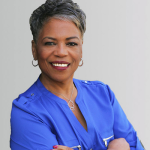
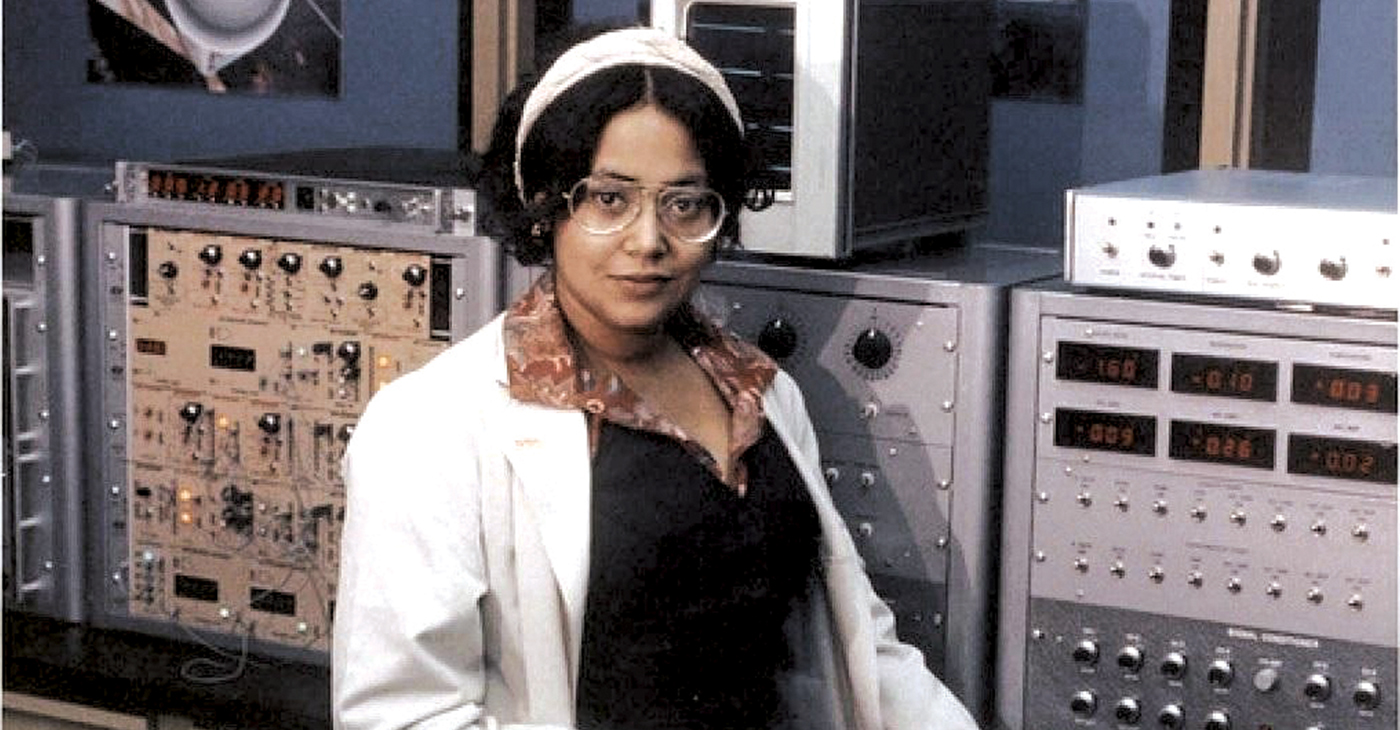
Patricia S. Cowings. NASA.gov photo.

By Tamara Shiloh, Post News Group

An astronaut barfing during space travel might not sound serious, but this normal human function can be fatal when spacewalking. One can become blind from the acidic contents, and because the space gear cannot be removed, the contents could be inhaled or clog the oxygen circulation system.

Space sickness, this is called, is a serious problem for many astronauts, one that aerospace psychophysiologist Patricia S. Cowings (1948 –) studies extensively and is helping to find cures. She designed a program, using biofeedback, that would take astronauts less than six hours to complete and learn to control the sickness.

Biofeedback is a technique used to learn to control some of the body’s functions, such as heart rate.

During this training, Cowings teaches astronauts to mentally evoke a sensation to bring about desired physiological changes such as increased skin temperature or relaxed muscles, according to NASA’s website.

The results of Cowings’ research were “first tested in space and found successful during the 1992 Spacelab-J mission,” according to science writer Tiffany Wayne. Cowings replicated the conditions causing motion sickness, recording the physiological and psychological changes that occurred.

The astronauts affectionately called her “the Baroness of Barf.”

Cowings grew up in the Bronx, N.Y. Her mother was an assistant preschool teacher and her father, a grocery store owner. Both parents impressed upon their children that “education is a way of getting out of the Bronx.”

Her three brothers pursued careers as a two-star army general, a jazz musician, and a freelance journalist. Cowings would eventually become the first woman to be trained as a scientist astronaut by NASA and is the principal investigator for NASA’s Human Information Processing Branch.

Cowings graduated from State University of New York at Stony Brook and later earned her PhD from the University of California at Davis. Taking an engineering class while there opened the door for her to participate in designing a space shuttle. This created her desire to work in the field of space technology. But the path to greater success was not without roadblocks.

As a Black woman in a white male–dominated field at NASA, Cowings has had to demand respect. During a meeting she was told by an official that she “just wasn’t the right type for interacting with the astronauts.” Clearly understanding the innuendo, Cowings responded, “I’m type O-positive. What type are you?”

The official, she said, “thought that it had to be a tall, pink man that interacted with the astronauts, and that nobody was going to listen to a little brown woman.” She described this interaction as “kind of devastating.”

But Cowings’ “stubborn streak” and mentor helped her overcome these types of obstacles. “But still, I have to defend my research.”

The faces of NASA have evolved from Cowings’ early years. Today she works with female astronauts from all cultural groups.

To learn more about Cowlings and other Black women — from judges to rocket scientists to corporate executives — read “No Mountain High Enough: Secrets of Successful African American Women,” by Dorothy Ehrhart-Morrison.

Tamara Shiloh

Tamara Shiloh


About Tamara Shiloh


Tamara Shiloh has published the first two books in her historical fiction chapter book series, Just Imagine…What If There Were No Black People in the World is about African American inventors, scientists and other notable Black people in history. The two books are Jaxon’s Magical Adventure with Black Inventors and Scientists and Jaxon and Kevin’s Black History Trip Downtown. Tamara Shiloh has also written a book a picture book for Scholastic, Cameron Teaches Black History, that will be available in June, 2022.

Tamara Shiloh’s other writing experiences include: writing the Black History column for the Post Newspaper in the Bay area, Creator and Instruction of the black History Class for Educators a professional development class for teachers and her non-profit offers a free Black History literacy/STEM/Podcast class for kids 3d – 8th grade which also includes the Let’s Go Learn Reading and Essence and tutorial program.   She is also the owner of the Multicultural Bookstore and Gifts, in Richmond, California,

Previously in her early life she was the /Editor-in-Chief of Desert Diamonds Magazine, highlighting the accomplishments of minority women in Nevada; assisting with the creation, design and writing of a Los Angeles-based, herbal magazine entitled Herbal Essence; editorial contribution to Homes of Color; Editor-in-Chief of Black Insight Magazine, the first digital, interactive magazine for African Americans; profile creations for sports figures on the now defunct PublicFigure.com; newsletters for various businesses and organizations; and her own Las Vegas community newsletter, Tween Time News, a monthly publication highlighting music entertainment in the various venues of Las Vegas.

She is a member of:

  • Society of Children’s Book Writers and Illustrators (SCBWI)

  • Richmond Chamber of Commerce

  • Point Richmond Business Association

  • National Association of Professional Women (NAPW)

  • Independent Book Publishers Association (IPBA)

  • California Writers Club-Berkeley & Marin

  • Richmond CA Kiwanis

  • Richmond CA Rotary

  • Bay Area Girls Club


Tamara Shiloh, a native of Northern California, has two adult children, one grandson and four great-grand sons. She resides in Point Richmond, CA with her husband, Ernest.

www.multiculturalbookstore.com

About Tamara Shiloh

Tamara Shiloh has published the first two books in her historical fiction chapter book series, Just Imagine…What If There Were No Black People in the World is about African American inventors, scientists and other notable Black people in history. The two books are Jaxon’s Magical Adventure with Black Inventors and Scientists and Jaxon and Kevin’s Black History Trip Downtown. Tamara Shiloh has also written a book a picture book for Scholastic, Cameron Teaches Black History, that will be available in June, 2022. Tamara Shiloh’s other writing experiences include: writing the Black History column for the Post Newspaper in the Bay area, Creator and Instruction of the black History Class for Educators a professional development class for teachers and her non-profit offers a free Black History literacy/STEM/Podcast class for kids 3d – 8th grade which also includes the Let’s Go Learn Reading and Essence and tutorial program.   She is also the owner of the Multicultural Bookstore and Gifts, in Richmond, California, Previously in her early life she was the /Editor-in-Chief of Desert Diamonds Magazine, highlighting the accomplishments of minority women in Nevada; assisting with the creation, design and writing of a Los Angeles-based, herbal magazine entitled Herbal Essence; editorial contribution to Homes of Color; Editor-in-Chief of Black Insight Magazine, the first digital, interactive magazine for African Americans; profile creations for sports figures on the now defunct PublicFigure.com; newsletters for various businesses and organizations; and her own Las Vegas community newsletter, Tween Time News, a monthly publication highlighting music entertainment in the various venues of Las Vegas. She is a member of:
  • Society of Children’s Book Writers and Illustrators (SCBWI)
  • Richmond Chamber of Commerce
  • Point Richmond Business Association
  • National Association of Professional Women (NAPW)
  • Independent Book Publishers Association (IPBA)
  • California Writers Club-Berkeley & Marin
  • Richmond CA Kiwanis
  • Richmond CA Rotary
  • Bay Area Girls Club
Tamara Shiloh, a native of Northern California, has two adult children, one grandson and four great-grand sons. She resides in Point Richmond, CA with her husband, Ernest. www.multiculturalbookstore.com

Continue Reading
Click to comment

Leave a Reply

Your email address will not be published. Required fields are marked *

Activism

Diabetes in Black California: Turning the Tide from Crisis to Control

According to the Centers for Disease Control and Prevention (CDC) Behavioral Risk Factor Surveillance System data, nearly 17.9% of Black adults in California have been diagnosed with diabetes — above the national Black adult average of 16.8%, and nearly five points higher than California’s overall adult rate of 12.6% across all races. California ranks 24th out of 39 states with available data for Black adult diabetes rates.

Published

on

Dr. Khadijah Lang is a family physician with a clinic in Los Angeles who specializes in several family medical practices, including prenatal care. Lang believes in family medicine. She says it is important to treat all members of a family. Thursday, June 5, 2026. Photo by Solomon O. Smith/California Black Media.

By Charlene Muhammad, California Black Media

Crystal Lambert knew something was terribly wrong with her three-year-old granddaughter as she sped down the street trying to get her to the hospital.

“I thought she got a hold of some poison,” Lambert recalled.

Doctors found Lambert’s granddaughter had a blood sugar level over 800, diagnosing her with Diabetic Ketoacidosis(DKA), a state in which the body, starved of insulin, begins to shut down.

Lambert said she was born with a pancreas that was not fully functioning — it lacked the specialized cells required to produce insulin.

Her granddaughter survived and is five years old today.  Now, she gives herself insulin shots, asks endless questions about her condition, and runs like the spirited child she is. But the terror of that night transformed Lambert — and ultimately inspired her to launch the We Fight Back Organization, a mobile health and food access initiative serving underserved communities across California. Lambert is the executive director.

The Crisis by the Numbers

According to the Centers for Disease Control and Prevention (CDC) Behavioral Risk Factor Surveillance System data, nearly 17.9% of Black adults in California have been diagnosed with diabetes — above the national Black adult average of 16.8%, and nearly five points higher than California’s overall adult rate of 12.6% across all races. California ranks 24th out of 39 states with available data for Black adult diabetes rates.

Nationally, according to the U.S. Department of Health and Human Services, Black Americans were 24% more likely than the overall U.S. population to have diabetes in 2024. They also died from diabetes 78% more often than the general population in 2022. Black Americans are also more than twice as likely as the overall population to develop kidney failure caused by diabetes.

According to the California Health Care Foundation’s 2024 Health Disparities Almanac, Black Californians have the shortest life expectancy in the state at just 74.6 years — due in part to chronic conditions like diabetes and its devastating complications.

Leon Rock, co-founder of the African American Diabetes Association, believes statistics, though revealing, only tell part of the story.

“There are a whole bunch of Black folks that don’t tell you that they have diabetes — or don’t know,” he said.

And the disease itself, Rock is careful to note, is not what kills. “They die from the complications. That’s heart attack, that’s stroke, that’s amputations of legs, of feet. Going blind. All those complications are inherent in a system that has impacted Black folks with diabetes in California and across America.”

Crystal Lambert, creator and executive director of We Fight Back. She started the organization out of a need to learn more about diabetes on behalf of her granddaughter. Now she is looking to spread the impact of her organization to the valley. Friday, June 6, 2026. Photo by Solomon O. Smith/California Black Media.

Crystal Lambert, creator and executive director of the We Fight Back Organization, started out of a need to learn more about diabetes on behalf of her granddaughter. Now she is looking to spread her organization to the valley, on Friday, June 6, 2026 Photo by Solomon O. Smith/ California Black Media

An Information Gap Fuels the Crisis

For Rock, part of the solution is diagnosis. He says the medical and public health systems are failing Black Californians by the absence of information designed for them.

“That is the bottom line. We need good information. Information that is culturally specific,” said Rock.

Telling people to eat healthy or exercise, he added, falls short when culturally specific alternatives are not provided, and when many residents of urban communities do not feel safe exercising in some neighborhoods – or outside at night.

Dr. Khadijah Lang, a family medicine physician and president of the Golden State Medical Association, agrees that the roots of the crisis run deeper than individual behavior — and blaming patients misses the point.

“We are not genetically predisposed to diabetes,” Lang said. “But the system under which we live increases the likelihood that we will develop it.” 

What the Body Needs — What Communities Are Denied

Type 2 diabetes, which accounts for 90 to 95% of all diabetes cases, according to the CDC, develops when the body can no longer use insulin effectively to regulate blood sugar. Left unmanaged, it damages nerves, kidneys, eyes, and the cardiovascular system. The hemoglobin A1C test is a blood draw that reveals how the body has processed sugar over the previous three months — not just at the moment of the test. It is the standard tool for both diagnosis and ongoing monitoring.

That distinction matters, Lang emphasized, because patients cannot manipulate three months of blood sugar history the way they might fast for a day before a single blood draw.

“The pill is not meant to undo or control a sugar level that’s being constantly stressed,” Lang said. “It’s meant to work in conjunction with a low-carbohydrate diet and exercise.” She recommended at minimum 30 minutes of physical activity five days a week — breakable into 10-minute sessions for those who need it.

Lang stressed that education must be delivered in language people recognize and can relate to. The goal is to inform them of the choices that serve their health best, she said.

But for many Black Californians, even those informed choices remain out of reach, Lambert said.

“They need access to healthy foods and medication, too” she said.

California has made some critical policy advances. The state has expanded access to the Continuous Glucose Monitor (CGM), which has transformed diabetes care for state residents. Assembly Bill 365, introduced in 2024, proposed requiring Medi-Cal to cover the costs of CGM and other related medical equipment but it failed in the State Senate. Since then, the California Department of Health Care Services (DHCS) reports that the core Medi-Cal CGM benefit now available to eligible patients was solidified through previous budget actions and pharmacy policy updates.

These measures, while meaningful, have not closed the gap for the communities most at risk, according to advocates.

Control Through Community

Health care advocates conclude that the solution must be communal, culturally grounded, and sustained — not a fad, not a celebrity moment, not a single clinic visit. For example, observed Lang, lifestyle shaped by shared values and collective accountability can move the needle where individual prescriptions have not.

Rock is building infrastructure to match the urgency, establishing local chapters of the African American Diabetes Association across the country, with California next.

“We have to do for self, period,” he said. “Health is wealth. We have to eat to live.”

And Lambert, whose granddaughter unknowingly started all of this for her, keeps showing up.

“Diabetes advocacy is about dignity, education, prevention, and hope,” she said.

Video: Diabetes Disparity Exposed in California

This article is supported by the California Health Care Foundation 

(CHCF). Visit www.chcf.org 

Continue Reading

Activism

Oakland Post: Week of July 1 – 7, 2026

The printed Weekly Edition of the Oakland Post: Week of July 1 – 7, 2026

Published

on

To enlarge your view of this issue, use the slider, magnifying glass icon or full page icon in the lower right corner of the browser window.

Continue Reading

Arts and Culture

Prescott Circus Theatre Presents Free Summer Performance Series

Now in its 41st year, the Prescott Circus Theatre is a nationally recognized performing arts education program for Oakland youth. The circus offers safe environments that challenge Oakland youth, through circus arts training, to develop the skills and confidence to thrive on stage, in school, and in life.

Published

on

Prescott Circus showcase pathways pyramid. Photo courtesy of Prescott Circus.

By Post Staff

The Prescott Circus, Oakland’s longest-running youth circus, is returning this summer with its free shows. Join the Prescott Circus’s young stars as they share their joys and talents through stilt-dancing, tumbling, juggling, and more.

At the heart of this one-hour show, which demonstrates teamwork, pride, and joy, are Oakland Unified School District students ages 8 – 17 from more than 10 different schools

Now in its 41st year, the Prescott Circus Theatre is a nationally recognized performing arts education program for Oakland youth. The circus offers safe environments that challenge Oakland youth, through circus arts training, to develop the skills and confidence to thrive on stage, in school, and in life.

This is accomplished through no-cost school and community programs for more than 300 Oakland youth each year. Performing company members from Prescott, where the program began, perform and make appearances at as many as 40 Bay Area events each year.

The summer program is funded in part by Oakland Fund for Children and Youth, California Arts Council, Port of Oakland, and the West Davis & Bergard Foundation.

Performances will be held Tuesday, July 14, 11 a.m. and 1:30 p.m. (ASL interpreted) and Wednesday, July 15, 11 a.m., at the Malonga Casquelourd Center for the Arts, 1428 Alice St., Oakland. For free reservations go to

https://PrescottCircusSummerShows.eventbrite.com

For group reservations for camps, childcare centers, senior centers, go to www.prescottcircus.org

A community show will be held Saturday, July 18, 2 p.m. to 3 p.m., at DeFremery Park,1651 Adeline St., Oakland.

Continue Reading

Subscribe to receive news and updates from the Oakland Post

* indicates required

CHECK OUT THE LATEST ISSUE OF THE OAKLAND POST

ADVERTISEMENT

WORK FROM HOME

Home-based business with potential monthly income of $10K+ per month. A proven training system and website provided to maximize business effectiveness. Perfect job to earn side and primary income. Contact Lynne for more details: Lynne4npusa@gmail.com 800-334-0540

Facebook

Trending

Copyright ©2021 Post News Group, Inc. All Rights Reserved.