
Activism
Post Salon Speakers Say Oakland Can Mobilize to End State Overseers’ Control of Schools
“We will not give up on the demand to protect majority Black schools from closures or on the demand that school closures is not a justified action at all for this board to be taking.”

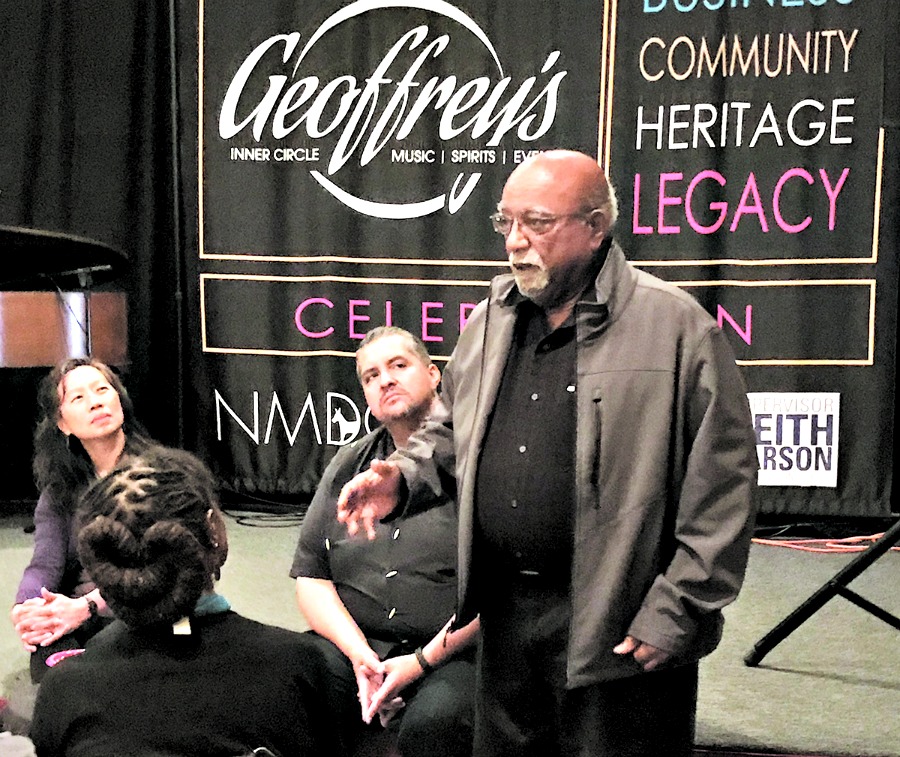
The Oakland Post Community Assembly held a Post Salon last weekend on the role of the nearly. 20-year reign of the Oakland school district’s state overseers and their devastating impact the education of students and families
Frankie Ramos, doctoral candidate at UC Berkeley and OUSD parent, hosted the meeting, laying out the goals of looking at who the state-imposed trustee and the Fiscal Crisis Management and Assistance Team are and what can be done to get rid of them.
“One of the challenges we are facing is trying to understand who really is in control, who really has power in our school district; there are forces behind the scenes that are definitely exerting power,” she said, and our communities need a “plan for getting out of their control so we can get back on track so Oakland students can thrive.”
Dr. Nirali Jani, professor at Holy Names University and a former Oakland teacher, said efforts to seize control of the school district began in 1988, a year after the first Black majority school board was elected in Oakland. The takeover was not accomplished until 2003, stripping the school board of its power and replacing the superintendent with a state receiver

“State takeover is a targeted attempt for corporate penetration and privatization of public land,” she said, and is part of a “business plan” utilized to take over schools and other public institutions across the country.
In Oakland, the state gave billionaire Eli Broad and his Broad Foundation free hand to implement corporate strategies in the school district.
Post Publisher Paul Cobb was a school board member at the time of the takeover. He said the state was supposedly coming in to help the district achieve financial stability.
But state control was marked by “unbalanced budgets” and “no audits” of how they spent district money, he said. “OUSD partially emerged from state receivership in 2009, but it was $89 million in debt, much more than the original $37 million (in 2003).”
He said the state overseers, are pushing a “replacement strategy” to close schools. “We are witnessing the removal of Black and Brown populations from the schools” and the city, he said.
He said the community should call on Gov. Gavin Newsom, who is facing a recall and “is available to be pressured by all of us” to audit FCMAT.
The community can make similar demands of Rob Bonta when he becomes state attorney general and also ask candidates for Bonta’s soon to be vacated Assembly seat to step up and fight for the independence of the local school district, he said.
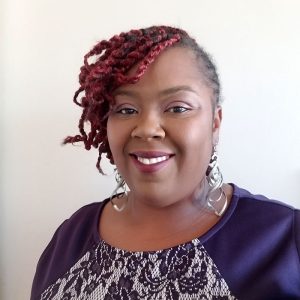
Pecolia Manigo, OUSD parent, executive director of the Parent Leadership Action Network (PLAN) and an organizer for the Justice for Oakland Students coalition, explained that the coalition has been working for several years for “Reparations for Black Students” to reduce and end the harm OUSD has caused Black students for generations.
The coalition won 15 of its 16 demands, but the school board backed down when threatened by state Trustee Chris Learned, dropping the demand to stop closing mostly Black schools.
“One of the biggest demands was ensuring that majority Black schools were not targeted for closure,” she said. “This is a board that chose not to take a courageous stand, (instead) choosing to put (Black schools) on the chopping block to balance the budget.”
“We will not give up on the demand to protect majority Black schools from closures or on the demand that school closures is not a justified action at all for this board to be taking.”
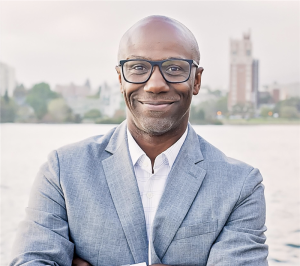
School Board Member VanCedric Williams said, “We have to challenge the status quo. The status quo is just not acceptable anymore…we must force the district to pivot toward racial and social justice. We are a social justice city, and we have to call on our elected leaders” to join with us.
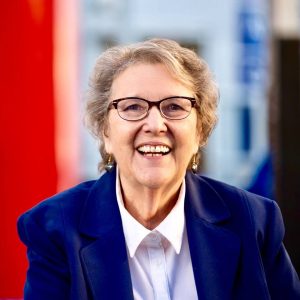
Jackie Goldberg, member of the Los Angeles school board and a formerly in the state Assembly, said state takeover districts are targeted racially and “an entirely undemocratic method of solving a problem,” putting people in charge who nobody elected and “nobody decided should here.”
She said, “These people are not committed to the districts, they are not from the districts, they don’t care about the district, they are getting paid very large amounts of money, and they are political appointees.”
“This is a political issue, not a fiscal issue. It will be framed by the state as an economic fight but it is not.”
She suggested Oakland could start a statewide coalition to demand an end to FCMAT and state trusteeship as a way to solve districts’ financial problems.
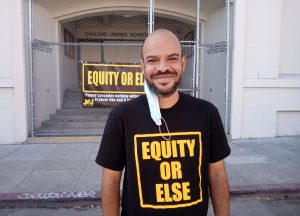
School Board Member Mike Hutchinson said the district is under state control because of the terms of 2003 state loan and of AB 1840, a recent law that gives the district some money but with strings attached
“We are actively working on that plan to pay off the loan early” and can refuse to take the AB1840 money. “We can be free of (both) AB1840 and the state loan in the next four to six months,” he said.











Activism
Oakland Post: Week of September 16 – 22, 2026
The printed Weekly Edition of the Oakland Post: Week of September 16 – 22, 2026


To enlarge your view of this issue, use the slider, magnifying glass icon or full page icon in the lower right corner of the browser window.

Activism
Oakland Post: Week of September 9 – 15, 2026
The printed Weekly Edition of the Oakland Post: Week of September 9 – 15, 2026

To enlarge your view of this issue, use the slider, magnifying glass icon or full page icon in the lower right corner of the browser window.
Activism
Oakland Post: Week of September 2 – 8, 2026
The printed Weekly Edition of the Oakland Post: Week of September 2 – 8, 2026
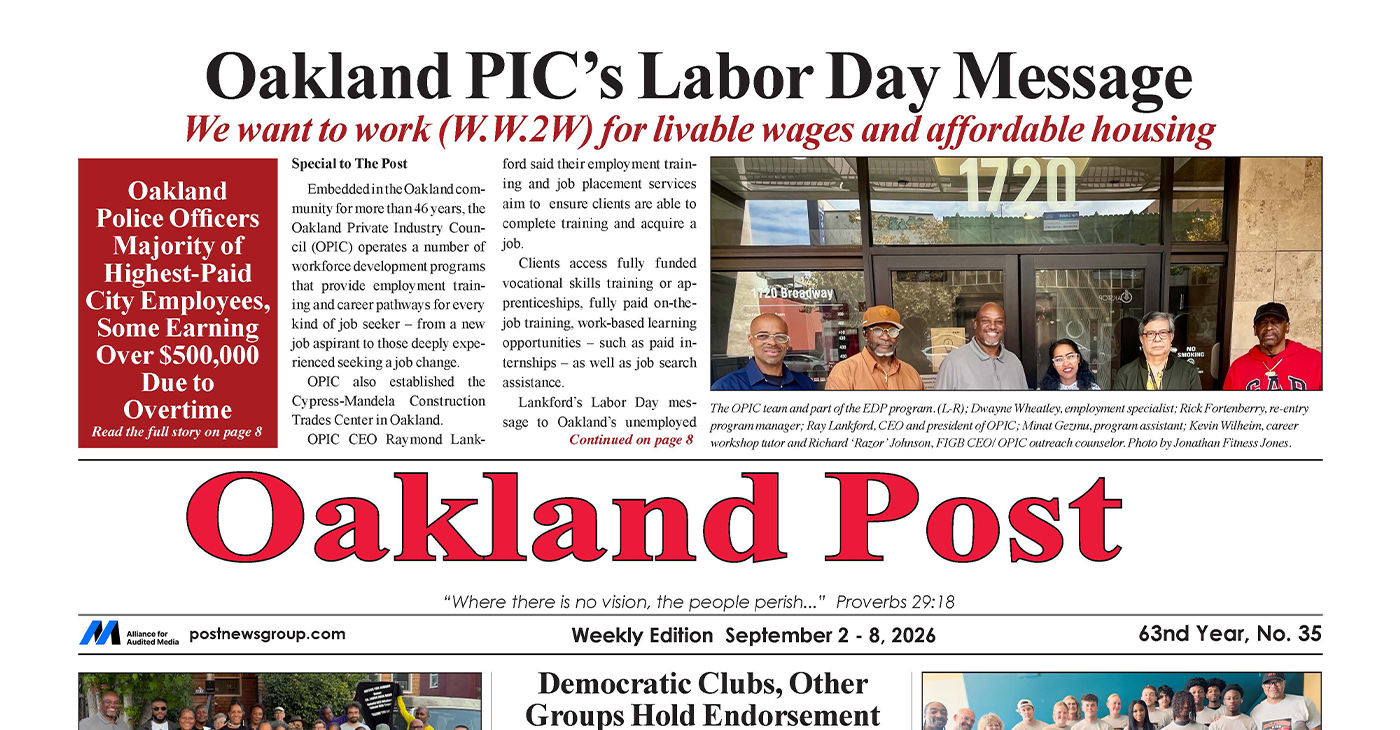
To enlarge your view of this issue, use the slider, magnifying glass icon or full page icon in the lower right corner of the browser window.



Doulas Are Helping Black California Moms Navigate Pregnancy–Even as High Mortality Rates Persist

Newsom Signs Addictive Social Media Law to Protect Kids

On Your November Ballot: Prop 38 Would Allocate $8.4 Billion to Immunology and Immunotherapy Funding

Ask California: Golden State Releases New AI Chatbot

Asm. Isaac Bryan’s Bill Banning California Police From ICE Side Jobs Reaches Newsom’s Desk

Assemblymember LaShae Sharp-Collins’s Bill Would Pause Law Enforcement’s Use of Shock Gloves Pending Study

BOOK REVIEW: ‘Laws of Solomon’ Reveals Tender Heart of Former Child Soldier

OPINION: The New American Fear – From 9-11 to AI

Passing for White, Fighting for Black America: The Courage of Walter White

Oakland People’s Arms Embargo Coalition Demands End to Military Shipments Thru Oakland

Barbara Lee Mourns Gloria Steinem, Remembers a Friendship Rooted in Equality

Event Preview: ‘Fashion v. Fascism’ – A Runway Revolution Is Coming to the Bay Area

Two Looming Threats Every Alameda County Elder Should Know About

Oakland Mayor Reads to Children at Bookout Block Party at Marcus Books Store

Tradition Comes to the Streets in 11th Annual Black-Eyed Pea Festival at the Freedom Farmers Market

Less Affluent School Districts, Including Sacramento City, Face Threat of State Takeover

ESSAY: California Can Close Its Colorectal Cancer Gap

California Hispanic Chambers of Commerce Unveils: ‘Powering the Future’ Theme for 47th Annual Statewide Convention

Four Candidates, Including Incumbent Barbara Lee, Qualify for Oakland Mayor’s Race

Oakland Post: Week of August 12 – 18, 2026

From Blueprint to Breakthrough: Tackling Affordable Housing in Oakland

Oakland Observes Black August with Block Parties, Film Showings, Workshops

COMMENTARY: Why Local School Tax Measure G1 Will Not Be on the November Ballot

Standoff for Justice: Our Homes Are Worth Fighting For

Returning to Its Roots, the Oakland Black-Eyed Pea Festival Partners with the Freedom Farmers Market Sept. 12

NPRC Scores First Advocacy Victory: David Shaw Finally Gets His Wish to ‘Go Home’

Oakland Post: Week of August 26 – September 1, 2026

Frontier Airlines’ Return to Oakland Airport Brings Flights, Jobs and Opportunity

Gubernatorial Candidate Steve Hilton Blasts California New Tire Rules; Newsom Hits Back

Chef Sharon Lee Blends Culinary Excellence, Education and Empowerment

The Conversation With Al McFarlane 6/23/26

Media Monday 6/22/26

LIVE! ASK ALMA! — TUES. 6.23.26 7PM EST

Car Buying Secrets: 4 Hidden Checks Before You Sign!

Is This 550 HP Charger Worth YOUR Money? AutoNetwork Review

Celebrating Juneteenth – Frederick Douglass on education and resistance

LIVE! — ASK ALMA! — TUES. 6.19.26 7PM EST

Hyundai Ioniq 5 Parking, Safety, and 360 View #shorts

2025 Ioniq 5 New Wiper & Powerful Performance! #shorts

Electric SUV Range: Is 259 Miles Enough? #shorts

EV Charging: How Fast Can You Charge an Electric Vehicle? #shorts

Biometric Cooling… Messaging Seats…Come on! 2025 Infiniti QX80 Autograph 4WD

Charged Up: Witness the Magic of a Fully Electric Car! #shorts

Range Rover Sport PHEV Included…: See What’s Inside This Luxury SUV! #shorts

Invisible Hood View: Perfect Parking with X-Ray Vision! #shorts
-
 Commentary4 weeks ago
Standoff for Justice: Our Homes Are Worth Fighting For
-
 Activism4 weeks ago
Oakland Post: Week of August 26 – September 1, 2026
-
 Business4 weeks ago
Frontier Airlines’ Return to Oakland Airport Brings Flights, Jobs and Opportunity
-
 Business4 weeks ago
Gubernatorial Candidate Steve Hilton Blasts California New Tire Rules; Newsom Hits Back
-
 Business4 weeks ago
Chef Sharon Lee Blends Culinary Excellence, Education and Empowerment
-

 Education4 weeks ago
Gov. Newsom’s Latest Appointees Include Sacramento Advocate for Formerly Incarcerated Students; State’s New Tech Chief
-

 Community4 weeks ago
Big City Mayors Ask for “Yes” Vote on Housing Bond Measure; Conservatives Say “No”
-

 Business4 weeks ago
Oakland Coliseum Project Opens Door for Small Businesses to Build Bigger
