
Bay Area
Double-Double Legacies? Next Black Caucus Members Expected to Be Familiar Names
Last week, the CLBC also threw its support behind another woman of African descent who is also familiar with that body, Mia Bonta of Oakland. She could also join the group’s ranks in the next couple of months.

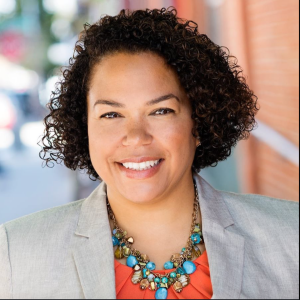
Mia Bonta
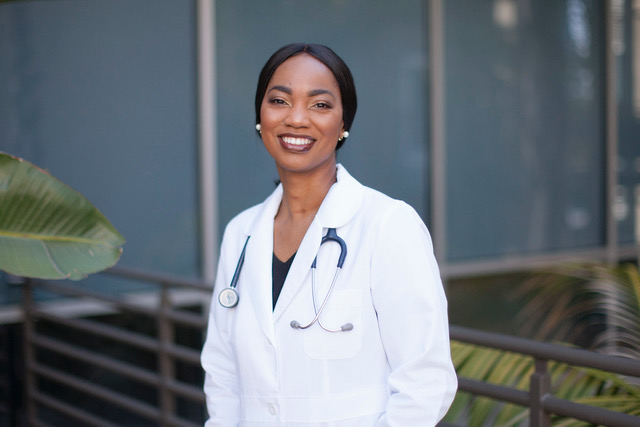
Last week, the California Legislative Black Caucus (CLBC), a group comprised of African American elected officials serving in the state Legislature, was preparing to welcome its newest member, former La Mesa City Councilwoman Dr. Akilah Weber.
With a solid lead, the younger Weber, who is African American, declared victory in the 79th Assembly District race for the San Diego seat her mother, Dr. Shirley Weber, previously held for almost a decade, from 2012 to 2021.
After she is sworn in, Weber will be the newest member of the CLBC.
Weber won with 51.97% of the vote out of a pool of five candidates. Marco Contreras, the only Republican running for the position, trailed her with 33.4% of the votes.
Gov. Gavin Newsom nominated the elder Weber to serve as Secretary of State in December, succeeding Sen. Alex Padilla (D-CA), who is currently California’s junior Senator in the United States Congress.
“Can’t wait to have you in the CABlackCaucus,” Sen. Steven Bradford (D-Gardena), chair of the CLBC, said earlier this month when he heard Weber was leading the race in a special election held in April to replace her mother.
Last week, the CLBC also threw its support behind another woman of African descent who is also familiar with that body, Mia Bonta of Oakland. She could also join the group’s ranks in the next couple of months.
Bonta, who is currently Alameda Unified School District president, announced her candidacy on April 12 for the state Assembly seat in District 18 that her husband, Rob Bonta (D-Oakland), currently occupies. The district covers an East Bay area that includes the cities of San Leandro, Alameda, and Oakland.
In March, Newsom appointed her husband, who is Filipino-American, as the next California attorney general, pending Senate confirmation.
“The California Legislative Black Caucus proudly endorses Mia Bonta for Assembly,” said Bradford. “Diversity in leadership is critical to ensuring equity in policymaking, and as an Afro-Latina woman, Mia offers a perspective that has long been underrepresented in Sacramento. Her experience advocating for children and families in her community and deep understanding of today’s policy issues would make Mia a valuable addition to the state Legislature. I and the Caucus will be working to make her success a reality.”
Weber says she wants to continue her mother’s legacy as she works to ensure that “we build a better tomorrow that improves the future for all Californians.”
In her victory statement, Weber said “Tonight’s win and these results are staggering; I am deeply honored and humbled by the faith that the voters have placed in me. My campaign is focused on one mission: creating healthier communities for everyone who lives and works in the 79th district.”
Weber, a practicing obstetrician-gynecologist, is expected to be sworn into the Assembly this month.
Weber leads the Pediatric and Adolescent Gynecology Division at Rady Children’s Hospital-San Diego and has health care high up on her list of priorities.
Weber thanked her team and the voters for her victory.
“Hundreds of people worked hard to earn this victory, and I am so grateful for their friendship, commitment, and trust. I want to thank my family, without whom none of this would be possible, all of the volunteers and supporters who fueled our campaign, and most of all the voters for their trust and confidence,” Weber said.
Bonta says, if she wins, she will focus on education and housing affordability, which are “personal issues” for her.
“I grew up and my family moved 13 times in 16 years,” she told local East Bay television station KQED. “I have built into me the experience of feeling that housing insecurity – and I know the impact that has on one’s ability to be able to get to work, to keep work, to be focused on an education pathway.”
Another special election for the 54th Assembly seat in the Los Angeles area is coming up.
State Sen. Sydney Kamlager (D-Los Angeles) vacated that Assembly seat when she won a special election in March for the 30th Senate District seat previously held by Los Angeles County Board of Supervisors member Holly J. Mitchell.
Six Democrats have thrown their hats into the highly contentious race: Financial adviser Samuel Robert Morales; attorney and State Commissioner Cheryl C. Turner; grocery worker Bernard Senter; businesswoman and non-profit executive Dallas Fowler; community organizer and educator Isaac Bryan; and Heather Hutt, former state director for Kamala Harris when she was a senator.










Activism
Oakland Post: Week of September 23 – 29, 2026
The printed Weekly Edition of the Oakland Post: Week of September 23 – 29, 2026


To enlarge your view of this issue, use the slider, magnifying glass icon or full page icon in the lower right corner of the browser window.

Activism
Oakland Post: Week of September 16 – 22, 2026
The printed Weekly Edition of the Oakland Post: Week of September 16 – 22, 2026

To enlarge your view of this issue, use the slider, magnifying glass icon or full page icon in the lower right corner of the browser window.
Activism
Oakland Post: Week of September 9 – 15, 2026
The printed Weekly Edition of the Oakland Post: Week of September 9 – 15, 2026

To enlarge your view of this issue, use the slider, magnifying glass icon or full page icon in the lower right corner of the browser window.



Asm. Corey Jackson Announces Launch of 24-Hour Childcare in His District

IN MEMORIAM: The Rev. Leon “Sonny” Clark, Longtime Orange County Pastor and Community Leader, Dies at 72

Poll: Becerra Widens His Lead Over Hilton; Californians Split on Wealth Tax

From Historic Memories to New Possibilities: Oakland Celebrates Coliseum 60

County Office of Education Says OUSD Finances Are Getting Healthier, Materially Stronger

LIVE FREE Sunday Dinner Brings Faith, Fellowship and Civic Conversation to Oakland

Remembering Chauncey Bailey as Student Journalists Face Threats to Truth-Telling

BLACspace Cooperative Invites Bay Area to Experience Oakland’s Black Cultural Ecosystem Through a BLAC Map Tour + Party

In Wake of Death on Doorstep, Williams Chapel Baptist Church Calls for Better Care, Funding for Unhoused

Oakland Centenarian Nuna McKee Honored!

Caribbean Nations Produce Action Plan Calling for UK Reparations Over Slavery

Oakland Post: Week of September 23 – 29, 2026

Doulas Are Helping Black California Moms Navigate Pregnancy–Even as High Mortality Rates Persist

Newsom Signs Addictive Social Media Law to Protect Kids

On Your November Ballot: Prop 38 Would Allocate $8.4 Billion to Immunology and Immunotherapy Funding

Less Affluent School Districts, Including Sacramento City, Face Threat of State Takeover

ESSAY: California Can Close Its Colorectal Cancer Gap

California Hispanic Chambers of Commerce Unveils: ‘Powering the Future’ Theme for 47th Annual Statewide Convention

Four Candidates, Including Incumbent Barbara Lee, Qualify for Oakland Mayor’s Race

Oakland Post: Week of August 12 – 18, 2026

From Blueprint to Breakthrough: Tackling Affordable Housing in Oakland

Oakland Observes Black August with Block Parties, Film Showings, Workshops

COMMENTARY: Why Local School Tax Measure G1 Will Not Be on the November Ballot

Standoff for Justice: Our Homes Are Worth Fighting For

Returning to Its Roots, the Oakland Black-Eyed Pea Festival Partners with the Freedom Farmers Market Sept. 12

Oakland Post: Week of August 26 – September 1, 2026

NPRC Scores First Advocacy Victory: David Shaw Finally Gets His Wish to ‘Go Home’

Frontier Airlines’ Return to Oakland Airport Brings Flights, Jobs and Opportunity

Gubernatorial Candidate Steve Hilton Blasts California New Tire Rules; Newsom Hits Back

Chef Sharon Lee Blends Culinary Excellence, Education and Empowerment

The Conversation With Al McFarlane 6/23/26

Media Monday 6/22/26

LIVE! ASK ALMA! — TUES. 6.23.26 7PM EST

Car Buying Secrets: 4 Hidden Checks Before You Sign!

Is This 550 HP Charger Worth YOUR Money? AutoNetwork Review

Celebrating Juneteenth – Frederick Douglass on education and resistance

LIVE! — ASK ALMA! — TUES. 6.19.26 7PM EST

Hyundai Ioniq 5 Parking, Safety, and 360 View #shorts

2025 Ioniq 5 New Wiper & Powerful Performance! #shorts

Electric SUV Range: Is 259 Miles Enough? #shorts

EV Charging: How Fast Can You Charge an Electric Vehicle? #shorts

Biometric Cooling… Messaging Seats…Come on! 2025 Infiniti QX80 Autograph 4WD

Charged Up: Witness the Magic of a Fully Electric Car! #shorts

Range Rover Sport PHEV Included…: See What’s Inside This Luxury SUV! #shorts

Invisible Hood View: Perfect Parking with X-Ray Vision! #shorts
-
 Commentary4 weeks ago
Standoff for Justice: Our Homes Are Worth Fighting For
-
 Activism4 weeks ago
Oakland Post: Week of August 26 – September 1, 2026
-
 Business4 weeks ago
Frontier Airlines’ Return to Oakland Airport Brings Flights, Jobs and Opportunity
-
 Business4 weeks ago
Gubernatorial Candidate Steve Hilton Blasts California New Tire Rules; Newsom Hits Back
-
 Business4 weeks ago
Chef Sharon Lee Blends Culinary Excellence, Education and Empowerment
-

 Community4 weeks ago
Big City Mayors Ask for “Yes” Vote on Housing Bond Measure; Conservatives Say “No”
-

 Black History4 weeks ago
Jackie Wright Champions Bay Area Stories, Filmmakers and Cultural Institutions
-

 Education4 weeks ago
Gov. Newsom’s Latest Appointees Include Sacramento Advocate for Formerly Incarcerated Students; State’s New Tech Chief
