
Bay Area
Opinion: Let Prisoners Go During COVID-19 Pandemic

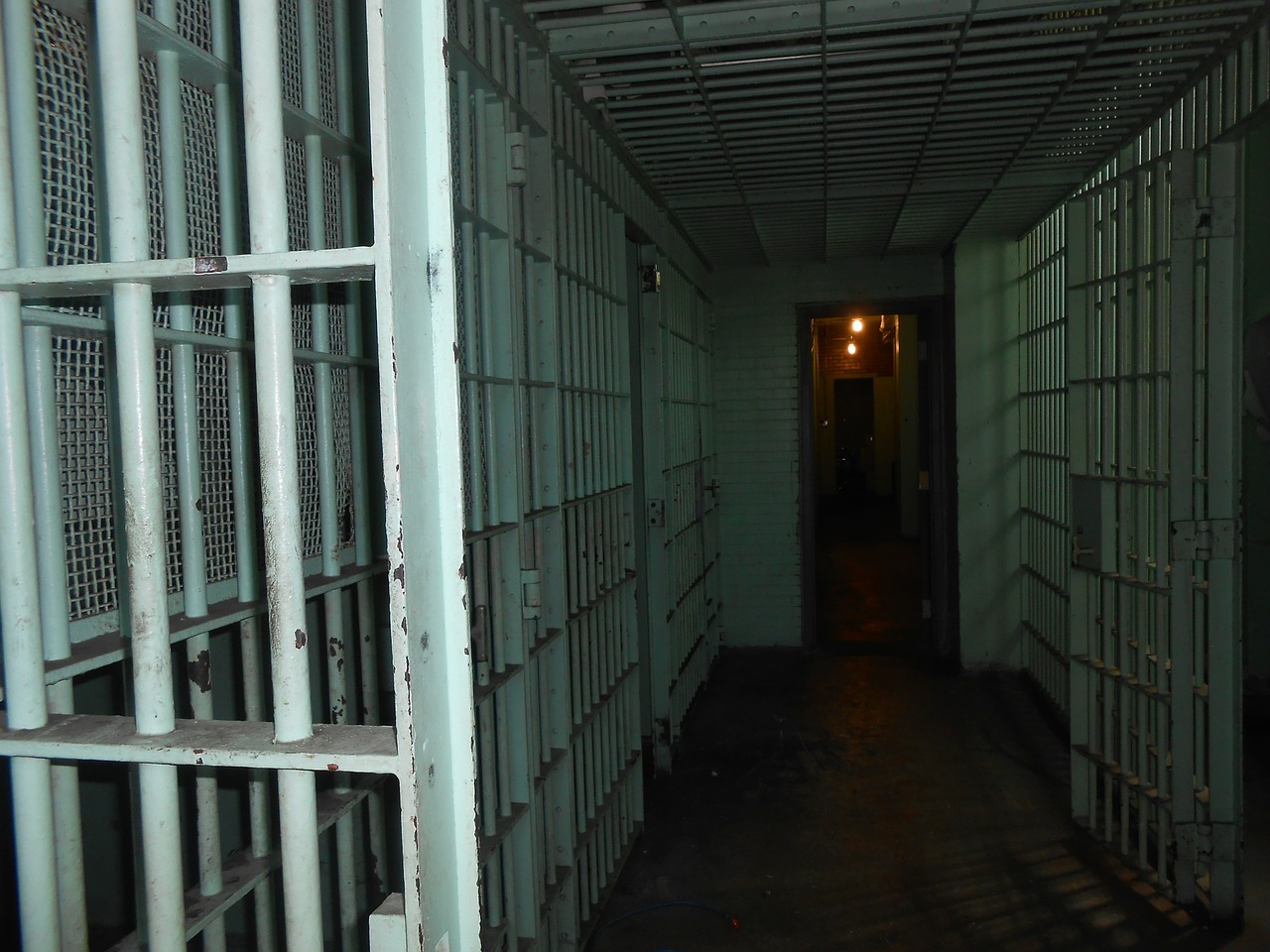
Across the United States and across the world, prisoners are among the most vulnerable to the coronavirus. Overcrowded facilities, shortages of food and medicine, and totally inadequate testing expose prisoners who are disproportionately poor and afflicted with prior conditions that render them vulnerable to the disease.
Prisoners increasingly are protesting their conditions, objecting to being sentenced to die in prison.
Experts across the world are urging governments to reduce their prison populations swiftly. Michelle Bachelet, the United Nations high commissioner for Human Rights, warned that “The consequences of neglecting [overcrowded conditions] are potentially catastrophic.”
Many countries have begun to act. Turkey’s parliament authorized the release of 45,000 prisoners. Indonesia has released at least 30,000. Even Iran’s dictatorial regime has released roughly 85,000 detainees while dealing harshly with those protesting the risks.
The United States locks up more people than any other country in the world, largely because of harsh and wrong-headed policies. Fifty-five thousand are detained in jail awaiting trials, too poor to pay for their freedom under the current cash bail system that is prevalent in many states.
The Prison Policy Initiative reports that 48,000 children are incarcerated on any given day. Many are charged only with “status offenses,” such as truancy or homelessness. The Health and Human Services office in charge of the custody of unaccompanied undocumented minors reports that 2,000 are locked up. The New York Times reports that 59 in custody have already tested positive for COVID-19.
In California, The Marshall Project notes, more than one in seven prisoners are over the age of 55. The percentage of those 55 and older in prison in the country has tripled over the course of this century.
As Piper Kerman, author of “Orange is the New Black,” wrote in the Washington Post, this is largely the result of prison sentences that are longer than those imposed by any other country. “Elderly probationers and parolees have some of the lowest recidivism rates of all former inmates. Releasing such people poses very low public safety risks and will have a dramatic effect on preserving public health.”
After an outbreak killed six inmates in a federal prison in Lisbon, Ohio, U.S. District Court Judge James Gwin decried the “shockingly limited” amount of testing, noting that the prison has received fewer than 100 tests, while a state prison of similar size had done about 4,000 tests. Two federal prisons in New York City reported that they had tested a total of only 19 inmates since the outbreak began; 11 were positive.
This has to change before the pandemic spreads, and prisons across the country go up in flames as prisoners riot against their conditions.
Inmates awaiting trial, the elderly, the afflicted, and those who have served much of their sentence should get early release if possible quarantined at home to ensure they are safe.
The space freed up should be used to provide more “social distancing,” while emergency steps are taken to provide adequate medicine, protective equipment like masks and gloves, and food.
Correctional officials need particular priority, for they are most at risk and, if infected, could spread the virus in the local communities. And the failure to provide adequate testing in prisons and jails, as well as in society as a whole, is utterly inexcusable at this late date.
The crisis should also lead to larger reforms— drastically reducing sentences while expanding alternatives to incarceration, ending the cash bail system and the practice of locking poor people up while they await trial, expanding parole, reducing the overcrowded and primitive conditions of too many jails and prisons.
The virus is like getting hit by a club across the head. Perhaps that might help bring us to our senses.


Activism
Oakland Post: Week of September 23 – 29, 2026
The printed Weekly Edition of the Oakland Post: Week of September 23 – 29, 2026


To enlarge your view of this issue, use the slider, magnifying glass icon or full page icon in the lower right corner of the browser window.

Activism
Oakland Post: Week of September 16 – 22, 2026
The printed Weekly Edition of the Oakland Post: Week of September 16 – 22, 2026

To enlarge your view of this issue, use the slider, magnifying glass icon or full page icon in the lower right corner of the browser window.
Activism
Oakland Post: Week of September 9 – 15, 2026
The printed Weekly Edition of the Oakland Post: Week of September 9 – 15, 2026

To enlarge your view of this issue, use the slider, magnifying glass icon or full page icon in the lower right corner of the browser window.



Asm. Corey Jackson Announces Launch of 24-Hour Childcare in His District

IN MEMORIAM: The Rev. Leon “Sonny” Clark, Longtime Orange County Pastor and Community Leader, Dies at 72

Poll: Becerra Widens His Lead Over Hilton; Californians Split on Wealth Tax

From Historic Memories to New Possibilities: Oakland Celebrates Coliseum 60

County Office of Education Says OUSD Finances Are Getting Healthier, Materially Stronger

LIVE FREE Sunday Dinner Brings Faith, Fellowship and Civic Conversation to Oakland

Remembering Chauncey Bailey as Student Journalists Face Threats to Truth-Telling

BLACspace Cooperative Invites Bay Area to Experience Oakland’s Black Cultural Ecosystem Through a BLAC Map Tour + Party

In Wake of Death on Doorstep, Williams Chapel Baptist Church Calls for Better Care, Funding for Unhoused

Oakland Centenarian Nuna McKee Honored!

Caribbean Nations Produce Action Plan Calling for UK Reparations Over Slavery

Oakland Post: Week of September 23 – 29, 2026

Doulas Are Helping Black California Moms Navigate Pregnancy–Even as High Mortality Rates Persist

Newsom Signs Addictive Social Media Law to Protect Kids

On Your November Ballot: Prop 38 Would Allocate $8.4 Billion to Immunology and Immunotherapy Funding

Standoff for Justice: Our Homes Are Worth Fighting For

Oakland Post: Week of August 26 – September 1, 2026

Frontier Airlines’ Return to Oakland Airport Brings Flights, Jobs and Opportunity

Gubernatorial Candidate Steve Hilton Blasts California New Tire Rules; Newsom Hits Back

Chef Sharon Lee Blends Culinary Excellence, Education and Empowerment

Jackie Wright Champions Bay Area Stories, Filmmakers and Cultural Institutions

Big City Mayors Ask for “Yes” Vote on Housing Bond Measure; Conservatives Say “No”

Oakland Coliseum Project Opens Door for Small Businesses to Build Bigger

Gov. Newsom’s Latest Appointees Include Sacramento Advocate for Formerly Incarcerated Students; State’s New Tech Chief

Misnamed ‘Parent’ PAC Seeks to Influence Oakland School Board Elections

Longtime BWOPA Member Brendalyn Goodall Appointed to California Workforce Development Board

Gov. Newsom Signs Law Shielding Immigration Aid Workers From Doxing Threats

Secretary of State Shirley N. Weber Urges Californians to Vote Early as Voter ID Battle Intensifies

Oakland Post: Week of September 2 – 8, 2026

IN MEMORIAM: Dolly Parton Dead at 80 — How She Built a Legacy of Love and Earned Her Place in Black Culture

The Conversation With Al McFarlane 6/23/26

Media Monday 6/22/26

LIVE! ASK ALMA! — TUES. 6.23.26 7PM EST

Car Buying Secrets: 4 Hidden Checks Before You Sign!

Is This 550 HP Charger Worth YOUR Money? AutoNetwork Review

Celebrating Juneteenth – Frederick Douglass on education and resistance

LIVE! — ASK ALMA! — TUES. 6.19.26 7PM EST

Hyundai Ioniq 5 Parking, Safety, and 360 View #shorts

2025 Ioniq 5 New Wiper & Powerful Performance! #shorts

Electric SUV Range: Is 259 Miles Enough? #shorts

EV Charging: How Fast Can You Charge an Electric Vehicle? #shorts

Biometric Cooling… Messaging Seats…Come on! 2025 Infiniti QX80 Autograph 4WD

Charged Up: Witness the Magic of a Fully Electric Car! #shorts

Range Rover Sport PHEV Included…: See What’s Inside This Luxury SUV! #shorts

Invisible Hood View: Perfect Parking with X-Ray Vision! #shorts
-
 Community3 weeks ago
Misnamed ‘Parent’ PAC Seeks to Influence Oakland School Board Elections
-
 Activism4 weeks ago
Oakland Post: Week of September 2 – 8, 2026
-

 Community3 weeks ago
Richmond Tiny House Village Farm & Garden Set to Open Gates on Sept. 26
-

 Activism3 weeks ago
Oakland Post: Week of September 9 – 15, 2026
-

 Black History3 weeks ago
Latest Massacre in Haiti Reveals Cruelty U.S. Deportations
-

 Black History3 weeks ago
OPINION: Nolan Wells’ Death One of Several Signifying Racial Terror Lives on in U.S. South
-

 Community3 weeks ago
Democratic Clubs Interview Candidates for Oakland School Board
-

 Business2 weeks ago
Mayor Lee Announces $1 Million Kaiser Permanente Grant for Pilot Program to Address Homelessness, Clean Up Public Spaces throughout Oakland
