
#NNPA BlackPress
‘Black snow’ from sugarcane harmful to Black, poor communities in Florida?
NNPA NEWSWIRE — While these burnings have been going on for several years with groups rising up to combat them, a recent lawsuit against the Florida sugar industry has brought it to national light, bringing attention to an issue that has forced residents to take a stand.

By J.S. Adams, Contributing Writer, The Final Call
@niiahadams
Thick black smoke plumes from sugarcane fields near Belle Glade, Fla., a predominantly Black community west of West Palm Beach and just south of Lake Okeechobee. Residents watch as red-orange flames engulf the sugarcane fields as the industry prepares for harvesting season.
These annual burnings, which take place from October to March, May or June, make it easier for farmers to harvest the sugarcane.
However, the side effects leave the residents of Belle Glade, South Bay and Pahokee with respiratory problems and a poor quality of life.
While these burnings have been going on for several years with groups rising up to combat them, a recent lawsuit against the Florida sugar industry has brought it to national light, bringing attention to an issue that has forced residents to take a stand.
The lawsuit, filed by the Berman Law Group in June, seeks to permanently end the pre-harvesting burning, obtain economic and property damages, and health monitoring, particularly for children, the poor and elderly.
“The firm has been working on this issue for a long time prior to me joining,” said Joseph Abruzzo, director of government relations for the Berman Law Group. “What put them on track was several clients alerting them to what was occurring with them and that spawned the investigation into hiring the experts (and) finding what was in the air of the Glades community.”
Joining the fight in this lawsuit is Frank Biden, the younger brother of Presidential candidate Joe Biden, and former NFL player Fred Taylor, who grew up in the Glades community. In a video produced by the Berman Law Group, both agree the burnings need to stop.
The sugar industry burns about nine million tons of sugarcane foliage on 400,000 acres each year. EarthJustice, a legal group for environmental organizations, says the burning puts out more than 2,800 tons of hazardous pollutants into the air annually. According to the Sierra Club, an environmental non-profit organization, the sugarcane is burned in order to rid the plant of its outer layer so that the sugar stalk will remain.

ADVANCE FOR WEEKEND DEC. 8 AND 9 –Horses graze in a field near the U.S. Sugar Corporation’s mill and refinery in Clewiston, Fla. Thursday, Nov. 8, 2001. Plunging prices last year forced the town’s largest employer, U.S. Sugar Corp., to lay off 300 workers to cut costs, a major blow in a community where nearly every business is tied to the green fields of cane and the huge mill beyond the railroad tracks. (AP Photo/Amy E. Conn)
Patrick Ferguson, the organizing representative for the Sierra Club’s Stop Sugar Field Burning Campaign, said health issues due to the burnings are a major concern.
“Exposure to pre-harvest sugar field burning pollution has been linked via medical research to many negative health impacts including respiratory diseases, cancer, cardiac disease, and poor infant health outcomes,” he said. “Many of the campaign volunteers either themselves suffer from respiratory issues or have family members who do. Some of our volunteers have young children who have to use breathing devices during the 6-8 months long harvesting season when sugarcane is burned.”
The lawsuit alleges that due to the burning, harmful pollutants are released into the air. It creates “black snow” during burn season, or ashes that fall down onto the Glades communities. Because of this, children in the Glades communities use breathing machines at night and walk to school with trash bags over their head to protect them from the black snow.
“There’s a lake, they have issues,” Mr. Abruzzo said. “I wasn’t too long ago out at one of the churches and multiple ladies had on white dresses. They know when the ash falls on your dresses … . You can’t swipe it away because it will create a black line. You blow it. The black snow is right in front of their faces, on their car, over their homes and worst of all, it’s in the lungs of the children and elderly.”
The Poor People’s Campaign held an event in Belle Glade where residents, pastors and activists had the chance to share their experiences about the burnings.
Steve Messam, a pastor born and raised in Belle Glade, shared how his father came to the United States from Jamaica as a contracted migrant worker hired to cut the sugarcane. The pastor got involved with the Sierra Club’s campaign because he noticed many of the people he knew were suffering from breathing difficulties.
“They were suffering from a lot of respiratory issues, whether it was asthma or allergies,” he said during Poor People’s Campaign gathering. “A lot of people were also dying from cancer at a crazy rate.”
Mr. Ferguson says the black snow and air quality affects not only health issues, but the community’s quality of life.
“You’re talking about the harvesting season lasting from October to May, some of the best months to be outside and enjoy the Florida weather and during days when large amounts of toxic burning takes place, people in the region are often forced to stay indoors,” he said.
Alina Alonso, director of the Florida Department of Health in Palm Beach County, said the health department uses a website called airnow.gov to monitor air quality within the region. She said air quality counts remnants that come from ash and into the air. The website measures air quality ranging from good to hazardous.
“Only those who are sensitive to the smoke or burnings will be affected by moderate,” Ms. Alonso said. “But if it gets above 100, then that’s unhealthy for everyone.”
Mr. Ferguson said many doctors in the area suggest options for residents that aren’t always reasonable.
“One common thread that we continue to hear is that doctors tell residents from the communities heavily impacted by pre-harvest sugar field burning that the best long term solution for their health issues is to move to an area with better air quality, which many residents don’t have the resources or the will to do so, nor should they have to do so,” he said.

Back in 2015, the Sierra Club filed a legal action asking the U.S. Environmental Protection Agency to regulate the burnings.
“The way sugarcane burning is regulated makes it an environmental justice issue as well. Regulations in place are based off wind speed and direction that prevent burn permits from being issued when the winds would carry the smoke and ash toward the more affluent in eastern Palm Beach County,” Mr. Ferguson said. “However minimal protections are in place from the toxic smoke and ash when they blow toward the lower income rural communities within the Everglades Agricultural Area. This leads the predominantly African-American and Hispanic population of the Glades communities of western Palm Beach County that are surrounded by over 75 percent of the total sugarcane acreage in Florida to disproportionately bear the negative impacts of pre-harvest sugar field burning.”
The alternative that’s offered to the sugarcane industry is green harvesting.
“The Florida sugarcane industry already green harvests in small amounts each year. Other countries around the world have been phasing out of burning altogether because of the negative health and environmental impacts of pre-harvest burning but also because of the many benefits associated with green harvesting as well,” Mr. Ferguson said.
Because of the pre-harvest burning, the Glades communities have suffered economically as well. Mr. Abruzzo said whereas Palm Beach county and the state of Florida have seen an increase in real estate values, property values for the Glades community remain stagnant.
“Everybody knows if you move out there, you’ll have to deal with four months of black snow over your home,” Mr. Abruzzo said.
Mr. Ferguson believes that a shift towards green harvesting can help improve the economic condition of the community.
“[It] can create more economic opportunities which are important especially for the lower income Glades communities,” he said. “What the sugar industry considers as trash can be used to generate more electricity, create mulch, biochar, biofuels, and can even be used to create tree-free paper products.”
Florida sugar companies have caught wind of the Berman Group’s lawsuit and say that they believe in their practices.
“The health, safety and jobs of our communities all are vitally important to U.S. Sugar,” spokeswoman Judy Sanchez told Treasure Coast Newspapers in a statement. “We are American farmers and stand behind the safety and integrity of our farming practices, which are highly regulated and legally permitted on a daily basis by the government. Our farming practices are safe, environmentally sound, highly regulated and closely monitored.”
Ms. Sanchez also said company officials “live in these Glades communities and raise our families here—our children and grandchildren—in the neighborhoods, schools and churches throughout these small, close-knit farming towns.”
Mr. Abruzzo said he’s looking forward to the company providing the names of those officials who live in the area.
“One of the most disappointing things since the lawsuit was filed is the propaganda that the sugar companies are helping lead that we are well aware of and without question will be discussing in depositions, primarily, that the lawsuits are trying to put sugar out of business. That could be anything but the truth,” he said. “The sugar companies profit in the billions of dollars per year. I’m sure they wouldn’t even notice on their balance sheets doing it a proper way and not harming an entire community. This would create more jobs if they do it by hand. At the end of the day, they just can’t burn.”
Mr. Ferguson and volunteers that work with him have spent the past four years pressing this issue. He said it’s something that must be known all around the country.
“There’s no reason the sugarcane industry should continue to put short term profits ahead of the long-term health and welfare of the surrounding residents, especially when there are so many benefits that can be gained from transitioning to green harvesting,” he said. “It’s time for the industry to become better neighbors to the surrounding communities by stopping the burn and switching to green harvesting.”
“I believe it’s a very good thing that attention is being paid to this very important issue. The Glades has been suffering for a very long time.” Mr. Abruzzo said. “Ultimately, I do believe that the law will be with the people. Once this is corrected, I believe the Glades will stop being one of the poorest places in the country. It will be vibrant and flourishing.”
Mr. Abruzzo said the first step after the legal filing is to immediately get the sugar industry to stop burning while the case is going on. This case is federal, but they also plan to file state and individual claims.











#NNPA BlackPress
NFL: Week Two Recap | Jalen Hurts did not fold; Caleb Williams exits game with injury
Philadelphia Eagles quarterback Jalen Hurts found Darius Cooper with nine seconds left for the game winning touchdown as his team beat the Tennessee Titans 24-20 in Nashville. Hurts finished the day 26/37 for 264 yards. He threw for two touchdowns and two interceptions. Prior to the final drive, the Eagles ran 25 plays for 45 […]
The post NFL: Week Two Recap | Jalen Hurts did not fold; Caleb Williams exits game with injury appeared first on BlackPressUSA.
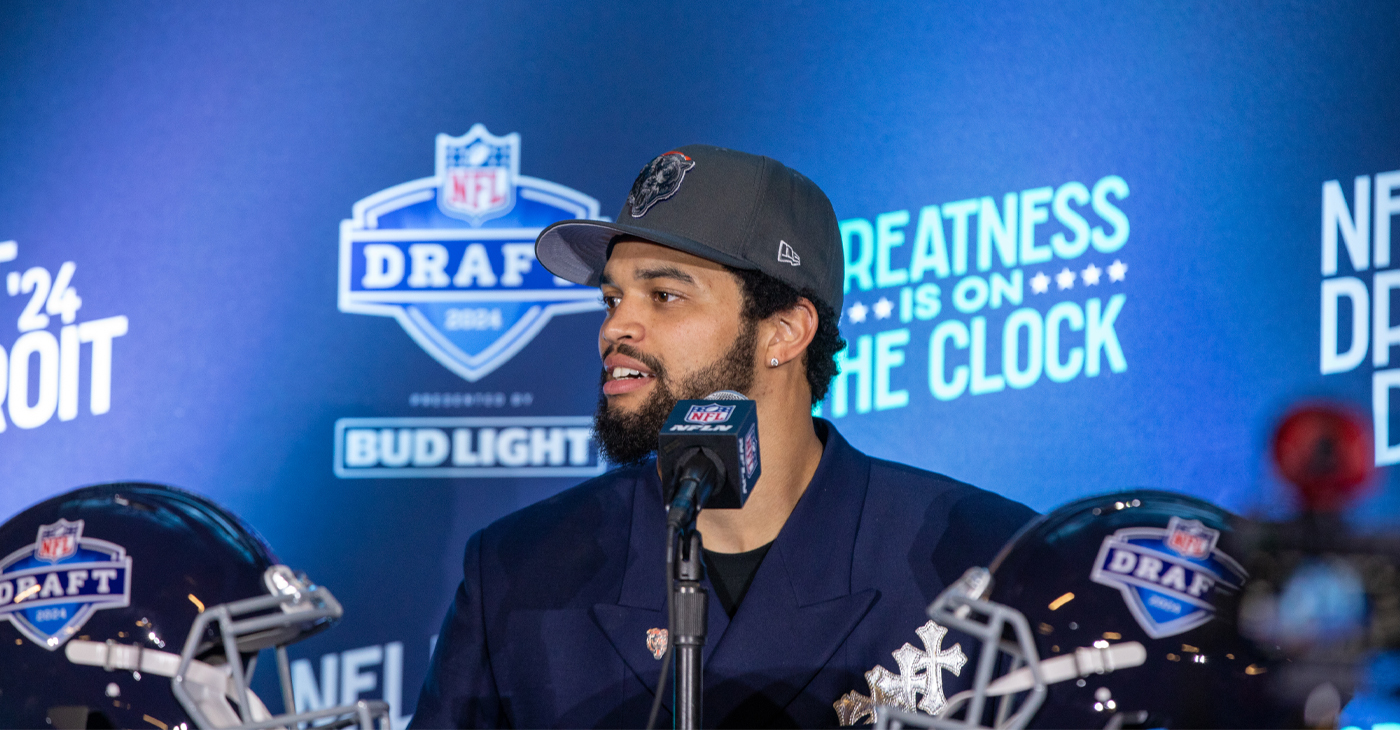
Philadelphia Eagles quarterback Jalen Hurts found Darius Cooper with nine seconds left for the game winning touchdown as his team beat the Tennessee Titans 24-20 in Nashville. Hurts finished the day 26/37 for 264 yards. He threw for two touchdowns and two interceptions.
Prior to the final drive, the Eagles ran 25 plays for 45 yards. During the final drive Hurts went 6-8 with 61 passing yards and the touchdown. Titans defensive tackle — and team captain — Jeffery Simmons said this week that the way to defend Jalen Hurts is to make him “play quarterback.”
Hurts said to Simmons after today’s game: “You started that sh**. I had to finish it.”
Running back Saquon Barkley suffered a stinger in the first half but he ultimately finished the game. He had four carries and nine yards and one catch for eleven yards. He will get an MRI for his injury, but admitted to Cameron Wolfe of the NFL Network he was fine.
Caleb Williams leaves game against Vikings with apparent lower-body injury
Chicago Bears quarterback Caleb Williams was helped off the field with a right leg injury with 7:42 remaining in the fourth quarter. Williams was down, writhing in pain after scrambling to his left. After departing the injury tent, Williams raised his right fist, acknowledging the crowd while expressing his frustration. Testing will commence on Monday to find out more details about his injury.
“We’ll know tomorrow,” Johnson admitted regarding Williams’ injury. “He’s in good spirits. He’s a team player.”
Williams finished the day with 138 passing yards and one interception.
“I’m actually happy it’s nothing with the knee — that was my first inclination,” Johnson said. “But, a hamstring could be pretty damaging as well. So, we’ll see. We’ll see how bad it is tomorrow and we’ll go from there.”
Bryce Young once again dominated the Falcons
Carolina Panthers quarterback Bryce Young is 5-1 against the Atlanta Falcons and is undefeated at Mercedes-Benz Stadium. Today, Young threw for 287 yards and three touchdowns as he led the Panthers to a 34-3 dismembering of the Atlanta Falcons. Georgia Tech alumnus Darren Waller caught two touchdowns and linebacker Devin Lloyd returned one of his two interceptions for a touchdown.
Cooper Rush started his second straight game for the Falcons and it did not go well. The partisan crowd voiced their displeasure after Rush completed 10/17 passes for 86 yards and two interceptions. Jack Strand entered the game for Rush prompting cheers from the Falcons fans. The rookie threw a pick-six on his first career pass attempt. Strand was the first QB to accomplish that feat since Sam Darnold in 2018 and is the first Falcons player to do that since Brett Favre in 1991. Strand finished the day with 59 passing yards and 16 rushing yards.
According to reports, quarterback Michael Penix, Jr. is expected to make his season debut this Thursday at the Green Bay Packers. His return should help the Falcons. They are the first team since the 2008 Rams to not run any plays in the red zone after the first two games to open a season.
The bright spots for the Falcons today were the Spelman College Jaguarettes performing with the Falcons cheerleaders and Florida A&M’s marching band, The Marching 100, also performed during halftime!
Jayden Daniels gets carted off after apparent arm injury
Washington Commanders quarterback Jayden Daniels appeared to injure his left elbow on the final play of the first half in his game against the Dallas Cowboys. During the play, Daniels got stepped on, braced himself for the fall, and his elbow bent the wrong way. Daniels draped a towel over his head as he exited the field on the cart.
He was later ruled out.
Daniels suffered a dislocated elbow to the same arm during week nine of last season against the Washington Commanders, which led to him being shut down for the remainder of the season.
The post NFL: Week Two Recap | Jalen Hurts did not fold; Caleb Williams exits game with injury appeared first on BlackPressUSA.
#NNPA BlackPress
The Complete Negotiation Framework — Every Stage, Every Tactic, Every Win
Master the complete vehicle-purchase negotiation framework with Roosevelt Gist and Roosevelt. Learn every stage, tactic, and win!
The post The Complete Negotiation Framework — Every Stage, Every Tactic, Every Win appeared first on BlackPressUSA.

Roosevelt Gist and Roosevelt deliver the complete vehicle-purchase negotiation framework in Episode 8 of The Color of Our Money Is Green. This episode covers the three foundations of every effective negotiation, the full seven-stage negotiation sequence with exact language for every stage, and five of the most common dealership tactics with the specific response each one requires.
What You Learn in This Episode:
The three foundations that make every negotiation tactic work
The complete seven-stage car-buying negotiation sequence
Exact language for every stage of the dealership conversation
Five common dealership tactics — the turnover, the four-square, the packed payment, spot delivery, and forced add-ons — and how to counter each one
Why signing preliminary paperwork isn’t the same as signing the final contract
___________________________________________________________________
“The Color of Our Money Is Green: A Buyer’s Guide to What Cars Actually Cost” — stan.store/RGist
____________________________________________________________________
AutoNetwork helps serious car shoppers inspect any new vehicle online before walking into a dealership. I’m Roosevelt — I’ve been reviewing cars and shaping digital car buying and credit union auto leasing since before YouTube car reviews existed.
You’ll find detailed walkaround reviews, POV test drives, and buyer-focused breakdowns covering comfort, space, features, and real-world value.
How to use the channel:
Watch the walkaround of the car you’re considering
Visit AutoNetwork.com for the full review
Check CouponsOffersAndDeals.com for current dealer specials
Walk in already knowing what you want — and what it should cost
 AutoNetwork.com
 CouponsOffersAndDeals.com
Affiliate disclosure: some links earn a small commission at no cost to you and help support the channel. Insta360 is one of those partners.
The post The Complete Negotiation Framework — Every Stage, Every Tactic, Every Win appeared first on BlackPressUSA.
#NNPA BlackPress
Mazda CX-90 Luxury: Heated Seats & Premium Comfort! #shorts
Stay toasty in the CX-90! Plush Nappa leather, heated/ventilated seats, and a memory-equipped heated steering wheel deliver ultimate luxury.
The post Mazda CX-90 Luxury: Heated Seats & Premium Comfort! #shorts appeared first on BlackPressUSA.
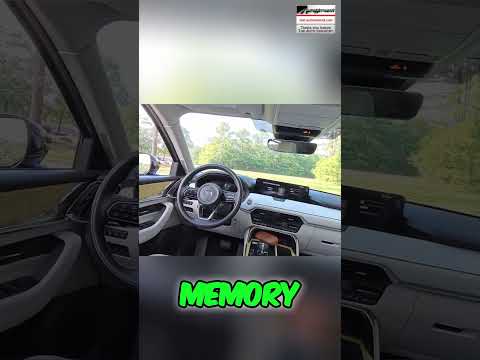
Experience ultimate comfort in the CX-90. Nappa leather, heated/ventilated seats, 8-way power adjustments, and memory settings for both front passengers. The heated steering wheel with memory tilt/telescope adds premium convenience.
 Watch the full video: https://youtu.be/EH5A4eQ4ipY
#AutoNetwork
The post Mazda CX-90 Luxury: Heated Seats & Premium Comfort! #shorts appeared first on BlackPressUSA.



Asm. Corey Jackson Announces Launch of 24-Hour Childcare in His District

IN MEMORIAM: The Rev. Leon “Sonny” Clark, Longtime Orange County Pastor and Community Leader, Dies at 72

Poll: Becerra Widens His Lead Over Hilton; Californians Split on Wealth Tax

From Historic Memories to New Possibilities: Oakland Celebrates Coliseum 60

County Office of Education Says OUSD Finances Are Getting Healthier, Materially Stronger

LIVE FREE Sunday Dinner Brings Faith, Fellowship and Civic Conversation to Oakland

Remembering Chauncey Bailey as Student Journalists Face Threats to Truth-Telling

BLACspace Cooperative Invites Bay Area to Experience Oakland’s Black Cultural Ecosystem Through a BLAC Map Tour + Party

In Wake of Death on Doorstep, Williams Chapel Baptist Church Calls for Better Care, Funding for Unhoused

Oakland Centenarian Nuna McKee Honored!

Caribbean Nations Produce Action Plan Calling for UK Reparations Over Slavery

Oakland Post: Week of September 23 – 29, 2026

Doulas Are Helping Black California Moms Navigate Pregnancy–Even as High Mortality Rates Persist

Newsom Signs Addictive Social Media Law to Protect Kids

On Your November Ballot: Prop 38 Would Allocate $8.4 Billion to Immunology and Immunotherapy Funding

Standoff for Justice: Our Homes Are Worth Fighting For

Oakland Post: Week of August 26 – September 1, 2026

Frontier Airlines’ Return to Oakland Airport Brings Flights, Jobs and Opportunity

Gubernatorial Candidate Steve Hilton Blasts California New Tire Rules; Newsom Hits Back

Chef Sharon Lee Blends Culinary Excellence, Education and Empowerment

Jackie Wright Champions Bay Area Stories, Filmmakers and Cultural Institutions

Big City Mayors Ask for “Yes” Vote on Housing Bond Measure; Conservatives Say “No”

Oakland Coliseum Project Opens Door for Small Businesses to Build Bigger

Gov. Newsom’s Latest Appointees Include Sacramento Advocate for Formerly Incarcerated Students; State’s New Tech Chief

Misnamed ‘Parent’ PAC Seeks to Influence Oakland School Board Elections

Longtime BWOPA Member Brendalyn Goodall Appointed to California Workforce Development Board

Gov. Newsom Signs Law Shielding Immigration Aid Workers From Doxing Threats

Secretary of State Shirley N. Weber Urges Californians to Vote Early as Voter ID Battle Intensifies

From Palestine to Oakland: Seeds for Liberation Examines Shared Struggles for Freedom

IN MEMORIAM: Dolly Parton Dead at 80 — How She Built a Legacy of Love and Earned Her Place in Black Culture

The Conversation With Al McFarlane 6/23/26

Media Monday 6/22/26

LIVE! ASK ALMA! — TUES. 6.23.26 7PM EST

Car Buying Secrets: 4 Hidden Checks Before You Sign!

Is This 550 HP Charger Worth YOUR Money? AutoNetwork Review

Celebrating Juneteenth – Frederick Douglass on education and resistance

LIVE! — ASK ALMA! — TUES. 6.19.26 7PM EST

Hyundai Ioniq 5 Parking, Safety, and 360 View #shorts

2025 Ioniq 5 New Wiper & Powerful Performance! #shorts

Electric SUV Range: Is 259 Miles Enough? #shorts

EV Charging: How Fast Can You Charge an Electric Vehicle? #shorts

Biometric Cooling… Messaging Seats…Come on! 2025 Infiniti QX80 Autograph 4WD

Charged Up: Witness the Magic of a Fully Electric Car! #shorts

Range Rover Sport PHEV Included…: See What’s Inside This Luxury SUV! #shorts

Invisible Hood View: Perfect Parking with X-Ray Vision! #shorts
-
 Community2 weeks ago
Misnamed ‘Parent’ PAC Seeks to Influence Oakland School Board Elections
-

 Activism3 weeks ago
Oakland Post: Week of September 2 – 8, 2026
-

 Community2 weeks ago
Richmond Tiny House Village Farm & Garden Set to Open Gates on Sept. 26
-

 Black History2 weeks ago
Latest Massacre in Haiti Reveals Cruelty U.S. Deportations
-

 Black History2 weeks ago
OPINION: Nolan Wells’ Death One of Several Signifying Racial Terror Lives on in U.S. South
-

 Activism2 weeks ago
Oakland Post: Week of September 9 – 15, 2026
-

 Community2 weeks ago
Democratic Clubs Interview Candidates for Oakland School Board
-
 Featured2 weeks ago
‘Ready to See These Bills Become Law’: Sen. Weber’s Package of 15 Bills Advance to Gov. Newsom’s Desk
