
Community
OUSD Says HQ Is “Presumed to Be Beyond Repair,” But Architects Say It Can Be Renovated for Half the Cost of New Building

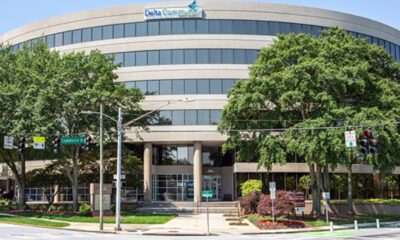
The Oakland Unified District seems to be acting on a presumption that its headquarters – the Paul Robeson Administration Building at 1025 Second Ave. – that was wrecked by a water leak needs to be replaced at a cost of about $60 million, though the Board of Education has not yet made that determination.
The district, operating under this presumption, put out a request for qualifications (RFQ) for developers in July 2014 under the leadership of Gary Yee, former interim superintendent, and former Board President David Kakishiba.
But in a report prepared for the district in May 2013 by an architectural firm that inspected the headquarters “multiple times,” the “total construction cost” of repairing and renovating the building would be about $26,339,456, less than half the $60 million price tag that has been thrown around as the potential cost of a new building.
In the architectural firm’s report, the estimate of construction costs was based on a floor-by-floor look at the work “required due to water damage” and a “complete rehabilitation” of the headquarters, though “extensive building testing and investigations could lead to significantly more work than what (was) initially anticipated by this study.”
There is no indication that follow up investigations have ever been conducted.

According to the district, the damage was the result of a water leak (a faucet left on by a custodian) that occurred on the top floor of the administration building the night of Jan. 7, 2013, causing flooding on all four floors and significant damage to the entire structure.
Soon after the flooding, the district hired a firm, Hibser Yamauchi Architects, to do an evaluation of the structure. The firm completed its report on May 16, 2013.
The firm’s report found that basic repairs could be completed at an estimated cost of $7,342,666 and extensive renovation at the $26,339,456 price tag.
The schedule for design, permitting and construction of the basic repairs of the building project would be about 30 months, and major rehabilitation would take about 48 months, according to the firm’s report.
After evacuating the building, the district moved its central office staff to the Trans Pacific Center at 1000 Broadway and used space at several schools that had been previously closed.
The school district’s insurance company is currently reimbursing the cost of rent for the 11th and Broadway office space at $120,000 a month, or over $1.4 million a year.
In the July 2014 RFQ to potential developers of the administration building site, the district wrote: “The administration building and an adjacent building, also vacant, are both presumed to be beyond repair.”
That RFQ has received several proposals from developers but was put on hold until April after a number of vocal protests by students, teachers and community members who criticized the process, saying it had not been democratic or transparent.
Asked whether the Board of Education has decided to condemn the building, district spokesman Troy Flint told the Post in writing, “The decision of whether or not to demolish the building, renovate it, or some combination of the two, has not been made yet and will evolve from the ongoing community engagement process.”
The $60 million price tag on a new building is only an informal estimate, Flint said.
“Ultimately, the cost of the project will depend on the design that’s sent to the Board of Education and what its members are willing to approve,” he wrote to the Post.
“The $60 million figure has been floated in informal discussions as a starting point for debate on what the district might be willing to spend, but that’s just spitballing at this point, no commitments or decisions have been made.”
The board’s three priorities for the project include building “a 21st century school for Dewey (Academy) students,” who will lose their present school if the site is sold to a developer; unifying “central leadership into a centrally located building for ease of access to the community (and) complete construction by January 2019,” Flint said.
Despite the district’s claims that the decision on what to do with the administration building will emerge out of a “community engagement process,” community members of that engagement committee have complained that they are not being given enough information to produce an informed recommendation.
An examination of what to do with the existing building has been “referred” to at meetings of the engagement committee, “but it has not been thoroughly explored,” said Naomi Schiff of the Oakland Heritage Alliance and a community member of the committee.
“It has come up, because I raised it,” said Schiff. “There are people who only want new –because they like new,” Schiff said. “But there may be other possibilities from the point of view of the Oakland Heritage Alliance. It’s a cultural resource, and its (potential renovation) needs to be studied.”
The reuse of historic buildings is often the greenest alternative,” she said.












Community
Four Candidates, Including Incumbent Barbara Lee, Qualify for Oakland Mayor’s Race
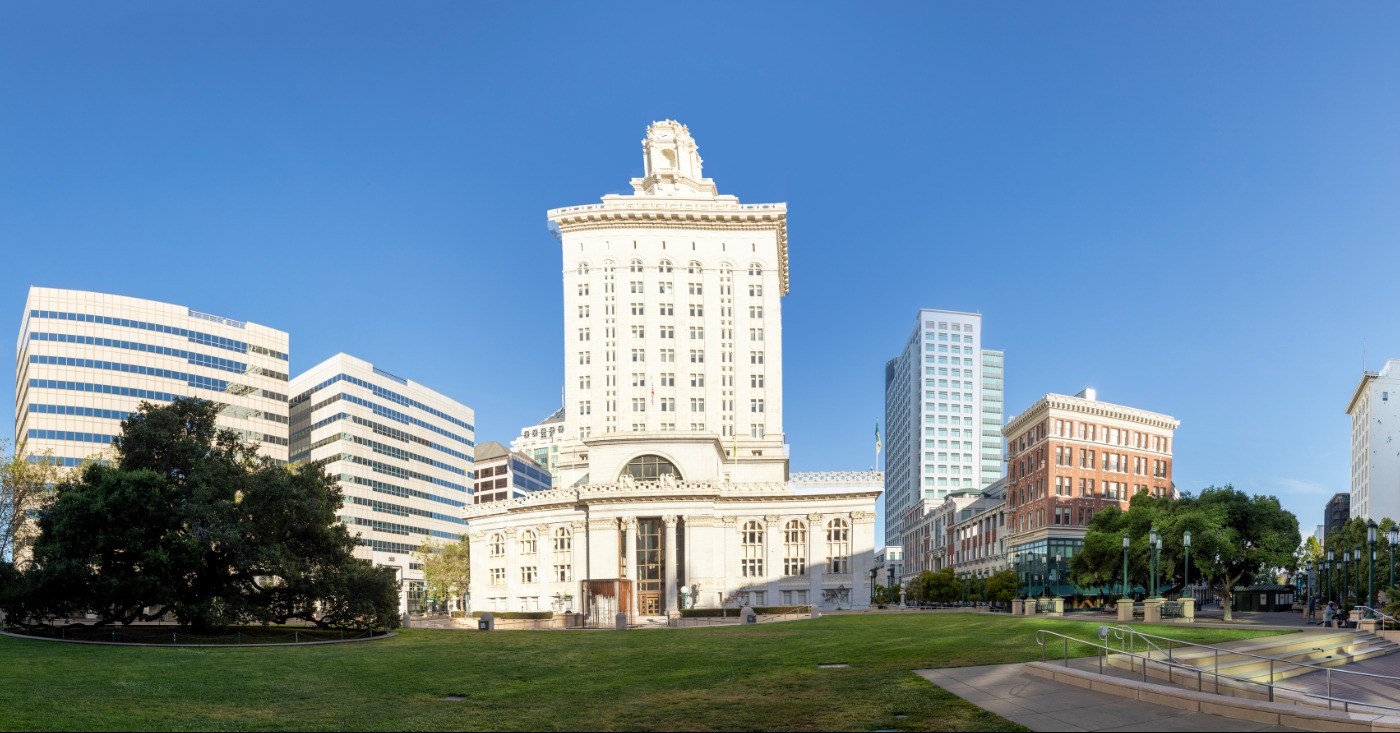
POST NEWS GROUP — Four candidates, including incumbent Mayor Barbara Lee, filed their papers to run for office by last Friday’s deadline, and the City Clerk issued a list this week of those who are qualified to run.

The four mayoral candidates who will appear on the Nov. 3 ballot are:
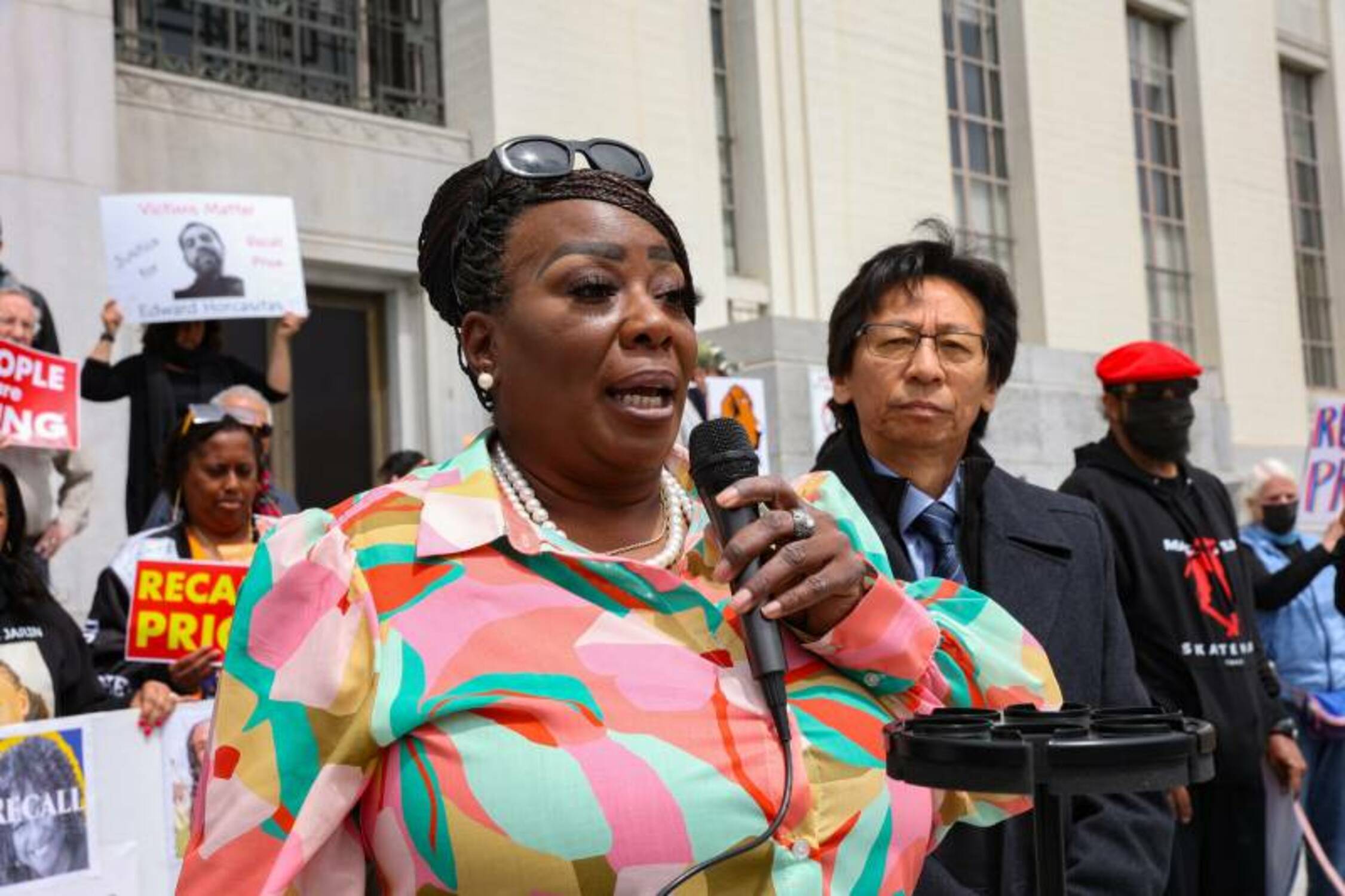
Brenda Grisham. A business owner in East Oakland and public safety advocate, Grisham led the successful recall campaign against Alameda County District Attorney Pamela Price. As part of her platform, she pledges to work with local, state, and federal partners to secure stricter gun control measures and investments in community violence intervention programs.

Barbara Lee. A former congressional representative and state Assembly member, Lee was elected by voters in a special election last year for a two-year term. Now running for a four-year term, she points out that her administration achieved major successes in addressing some of the city’s major challenges, including balancing the city budget, dramatically reducing crime, and making significant inroads into homelessness and illegal dumping.
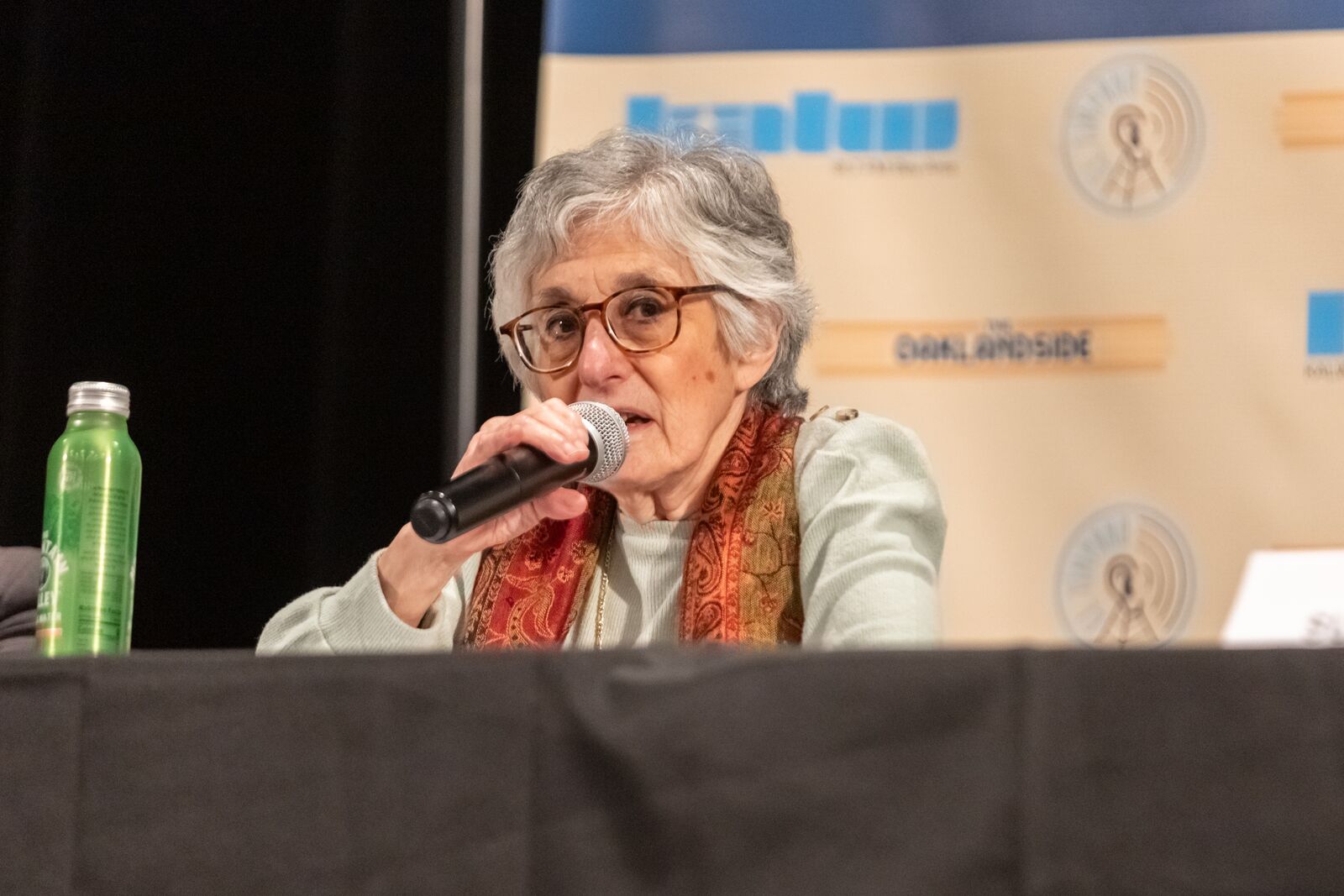
Mindy Pechenuk. An educator and activist, Pechenuk is a registered Republican and supporter of Lyndon LaRouche, who has been described by observers as a conspiracy theorist and cult leader. She ran unsuccessfully for mayor in last year’s special election and for the at-large council seat in 2024. She seeks to end Oakland’s police commission and MACRO and invest in more police while launching a new local war on drugs.

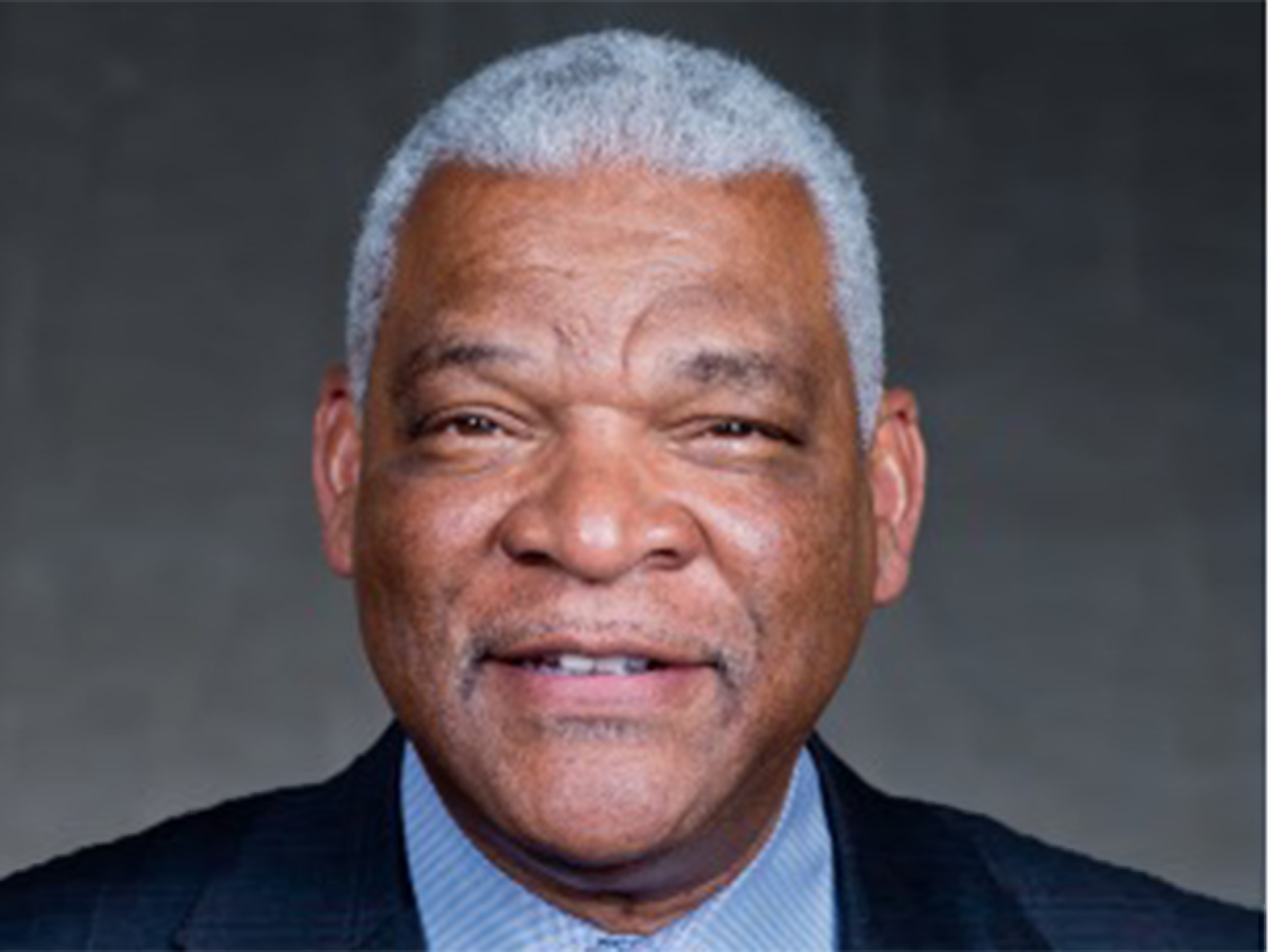
Julius Robinson. While little information is available so far about Robinson, he was quoted in a KTVU story about Thao’s recall, stating that people in Oakland want to come together as a community but lack infrastructure and leadership.

Black History
Oakland Observes Black August with Block Parties, Film Showings, Workshops
POST NEWS GROUP — Beginning in 1979 in San Quentin State Prison, the Black Guerrilla Family called for the remembrance of political prisoner George Jackson and his brother Jonathan Jackson who were assassinated in the early 1970s. George Jackson was considered a political prisoner in that it was the anti-Black justice system that led to his incarceration for armed robbery with a sentence of one year-to-life in 1960.

Study. Train. Fast. Fight.
These are the four tenets of Black August, a month dedicated to commemorating the sacrifices of political prisoners and Black revolutionaries in the struggle for Black liberation.
Observers are urged to study the history of the Black struggle for freedom, train their bodies for health and self-defense, fast to cleanse the mind, body, and spirit, and fight ongoing oppression alongside their communities and local political organizations.
Beginning in 1979 in San Quentin State Prison, the Black Guerrilla Family called for the remembrance of political prisoner George Jackson and his brother Jonathan Jackson who were assassinated in the early 1970s. George Jackson was considered a political prisoner in that it was the anti-Black justice system that led to his incarceration for armed robbery with a sentence of one year-to-life in 1960.
While in prison, George befriended fellow prisoner W.L. Nolen, who introduced him to the works of Karl Marx, Vladimir Lenin, Mao Zedong, and Frantz Fanon. This radicalization coupled with his experiences of violence while imprisoned led to him writing and publishing two books, “Soledad Brother” (1970), and “Blood in my Eye” (1972). In January of 1970, George and two other prisoners were charged with murdering a corrections officer at Soledad State Prison in Monterey County.
On Aug. 7, 1970, Jonathan Jackson burst into a Marin County courtroom armed with a shotgun to demand the freedom of the Soledad Brothers. He, along with the inmates he freed, was shot and killed while driving away. This involved one of the Black Panther Party’s most notable associates, Angela Davis, because the shotgun was registered in her name. She was later acquitted of charges of conspiracy, kidnapping, and murder in 1972.
On Aug. 21, 1971, George Jackson was assassinated by a corrections officer after attempting to escape and free other inmates. As a result, there were uprisings and protests within prisons all over the country that year, calling forth resistance against racial oppression and mass incarceration.
Since its outset, Black August has evolved across the country, taking many forms to honor this history and embody the four tenets.
In Oakland, the upcoming Black August Experience, hosted by Youth Alive! and the East Oakland Boxing Association (EOBA), is a free, family-friendly event celebrating the legacy of Black August. Activities include free food and drinks, a kids’ activity zone, interactive workshops, live cooking and boxing demonstrations, and more.
Happening on Aug. 21 from 4-8 p.m. at the EOBA Patio, Carolyn Flynn, director of administration at EOBA, said the event, in its second year, will be an opportunity to engage with people in person through food, shared space, and education.
“We do regular classes in education, and those are ongoing programs that we offer, but we wanted to have [an opportunity] for our neighbors to utilize this space.” Combined with Youth Alive’s work in community violence prevention and youth leadership, this event surely aims to bring the Oakland community together to capture what Black August means today.
Here are additional Black August events happening in Oakland:
Forum and Community Discussion hosted by the Oakland Liberation Center, 1499 Fruitvale Ave., Aug. 14, 7 p.m.
“George Jackson/San Quentin” Screening hosted by Nostalgic for Nothing Cinema at Moments Co-Op, 410 13th St., Aug. 16, doors at 6 p.m., show at 6:30 p.m. (Masks required and scent-free)
Commemorating the Struggle, Building the Altar for Liberation: Black August at Bandung Books, 2269 International Blvd., Aug. 23rd, 1-5 p.m.
Building Opportunities for Self-Sufficiency (BOSS), will host “Black August: The Arc of Liberation” at Oakland City Hall on Sat. Aug. 29, from 11 a.m. to 3 p.m.
Activism
Oakland Post: Week of August 12 – 18, 2026
The printed Weekly Edition of the Oakland Post: Week of August 12 – 18, 2026

To enlarge your view of this issue, use the slider, magnifying glass icon or full page icon in the lower right corner of the browser window.

WORK FROM HOME
Home-based business with potential monthly income of $10K+ per month. A proven training system and website provided to maximize business effectiveness. Perfect job to earn side and primary income. Contact Lynne for more details: Lynne4npusa@gmail.com 800-334-0540


Four Candidates, Including Incumbent Barbara Lee, Qualify for Oakland Mayor’s Race

Oakland Observes Black August with Block Parties, Film Showings, Workshops

Oakland Post: Week of August 12 – 18, 2026

COMMENTARY: Why Local School Tax Measure G1 Will Not Be on the November Ballot

California Hispanic Chambers of Commerce Unveils: ‘Powering the Future’ Theme for 47th Annual Statewide Convention

Returning to Its Roots, the Oakland Black-Eyed Pea Festival Partners with the Freedom Farmers Market Sept. 12

Less Affluent School Districts, Including Sacramento City, Face Threat of State Takeover

From Blueprint to Breakthrough: Tackling Affordable Housing in Oakland

NPRC Scores First Advocacy Victory: David Shaw Finally Gets His Wish to ‘Go Home’

ESSAY: California Can Close Its Colorectal Cancer Gap

Car Wash Workers Cope with Lingering Impacts of ICE Raids

Misty Copeland Shapes Ballet’s Tomorrow

As Part of Your Back-to- School Checklist, Vaccinate

As Part of Your Back-to- School Checklist, Vaccinate

Congresswoman Simon Demands Investigation into Trump’s Abuse of Emergency Powers for Coal Export Terminal in West Oakland

Department of Homeland Security Demands California Secretary of State Shirley N. Weber Scrub Voter Rolls

Oakland Children’s Hospital Workers and Patients Rally for Pediatric Medical Care

New Judge Could Decide if Karmelo Anthony Gets a New Trial

“The Power to See Threats Sooner”: Gov. Newsom, Safety Officials Showcase California’s Investments in Hi-Tech Wildfire Prevention

Alpha Kappa Alpha Sorority, Inc. Celebrates New North Atlantic Regional Director

Surveillance Pricing Fight: State Senate Debates Bill Banning Retailers from Using AI to Set Prices Based on a Buyer’s Profile

Mount Zion MBC, Church of Jesus Christ of Latter-day Saints Partner to Bring 29,000 Meals to Alameda County

California Sen. Padilla Joins Colleagues to Introduce Bill Imposing Term Limits on Supreme Court Justices

Starting This Summer, California Car Buyers Can Get an Instant $3500 Off the Cost of Electric Vehicles

COMMENTARY: You Are Already Paying for the AI Boom

California Bill Would Let Abuse Victims Use Trauma as Legal Defense for Violent Crime
Less Affluent School Districts, Including Sacramento City, Face Threat of State Takeover
Car Wash Workers Cope with Lingering Impacts of ICE Raids

Fed Court to Decide Landmark First Amendment Case

Gov. Gavin Newsom Signs Law Streamlining Affordable Housing Rules

The Conversation With Al McFarlane 6/23/26

Media Monday 6/22/26

LIVE! ASK ALMA! — TUES. 6.23.26 7PM EST

Car Buying Secrets: 4 Hidden Checks Before You Sign!

Is This 550 HP Charger Worth YOUR Money? AutoNetwork Review

Celebrating Juneteenth – Frederick Douglass on education and resistance

LIVE! — ASK ALMA! — TUES. 6.19.26 7PM EST

Hyundai Ioniq 5 Parking, Safety, and 360 View #shorts

2025 Ioniq 5 New Wiper & Powerful Performance! #shorts

Electric SUV Range: Is 259 Miles Enough? #shorts

EV Charging: How Fast Can You Charge an Electric Vehicle? #shorts

Biometric Cooling… Messaging Seats…Come on! 2025 Infiniti QX80 Autograph 4WD

Charged Up: Witness the Magic of a Fully Electric Car! #shorts

Range Rover Sport PHEV Included…: See What’s Inside This Luxury SUV! #shorts

Invisible Hood View: Perfect Parking with X-Ray Vision! #shorts
-
 Featured7 days ago
Department of Homeland Security Demands California Secretary of State Shirley N. Weber Scrub Voter Rolls
-
 Business3 weeks ago
Oakland Children’s Hospital Workers and Patients Rally for Pediatric Medical Care
-
 #NNPA BlackPress2 weeks ago
New Judge Could Decide if Karmelo Anthony Gets a New Trial
-
 Environment7 days ago
“The Power to See Threats Sooner”: Gov. Newsom, Safety Officials Showcase California’s Investments in Hi-Tech Wildfire Prevention
-
 Black History2 weeks ago
Alpha Kappa Alpha Sorority, Inc. Celebrates New North Atlantic Regional Director
-
 Business3 weeks ago
Surveillance Pricing Fight: State Senate Debates Bill Banning Retailers from Using AI to Set Prices Based on a Buyer’s Profile
-
 Business3 weeks ago
Mount Zion MBC, Church of Jesus Christ of Latter-day Saints Partner to Bring 29,000 Meals to Alameda County
-
 Featured7 days ago
California Sen. Padilla Joins Colleagues to Introduce Bill Imposing Term Limits on Supreme Court Justices
