
National
Home Repairs Loom Large for Low-Income Seniors


Curline Wilmoth (center) received help from Rebuilding Together Boston to make the bathroom in her Boston home more wheelchair-accessible. She is flanked by daughters Yvonne, left, and Doreen. (Sandra Larson/Bay State Banner)
By Sandra Larson
Special to the NNPA from Bay State Banner via New American Media
BOSTON — In Boston’s largely Caribbean and African American Mattapan neighborhood, the family of Curline Wilmoth, 67, has been struggling to care for her after she suffered a debilitating stroke in 2010 and had to leave her job as a hospital housekeeper.
Then, as happens too often when an elder returns from a hospital, Wilmoth and her family found she couldn’t safely move in or around her home. For instance, her wheelchair wouldn’t fit through the bathroom door. And family members had to carry the chair down and up the front steps each time Wilmoth went to the doctor or to senior center programs.
Increasing–and More Diverse–Elders
The rapidly aging United States population, especially in metropolitan areas like Boston, means that an increasingly nonwhite population of older adults with lower lifetime earnings and scant assets will grow.
In particular, ethnic elders, who tend to fall on the lower side of racial wealth and income gaps, are finding themselves unable to cover unanticipated expenses, such as home repairs or modifications, necessary for their safety. Retired homeowners on a fixed income needing a new roof or major plumbing repair, for instance, can face the dilemma that advocates in aging call being “house rich, but cash poor.”
“We know the need continues to grow,” said Sandra Henriquez, CEO of Rebuilding Together, based in Washington, D.C. But home-repair assistance is out there, if seniors know where to look, she said.
“A lot of people who have spent good years helping in their communities now need some help themselves. We take seriously that we are our brothers’ and sisters’ keepers,” said Henriquez, former assistant secretary of the U.S. Department of Housing and Urban Development (HUD) in the Obama administration.
Rebuilding Together, a national nonprofit, has local affiliates that mobilize contractors and volunteers to perform free repairs and accessibility modifications. The organization assists about 10,000 low-income homeowners annually.
Among them is Wilmoth. Her family applied to Rebuilding Together Boston (RTB). During the organization’s National Rebuilding Days in April, a crew of local contractors and volunteers converged on the Wilmoth house to construct a wheelchair ramp, widen the bathroom door and install a more accessible toilet.
“God bless them, all of them,” said Wilmoth’s daughter Yvonne, 39. “Life will be much easier.”
Hard to Make Ends Meet
The older population nationally and locally is becoming more diverse. A recent report on aging in Boston by the University of Massachusetts, Boston, Gerontology Institute and the Boston Elderly Commission shows that from 2000 to 2010, the number of White people 60 and older dropped 3 percent in Boston, while numbers for all nonwhite groups increased. These trends are expected to continue.
Boston’s senior population is projected to grow by 22,500 households between 2010 and 2030, according to data in the city’s recently released housing plan. A majority of the new senior households will have annual incomes under $50,000, according to the report.
The Gerontology Institute applied its Elder Economic Security Index to measure how much income people 65-plus need to meet their basic living expenses for essentials like food, health care, transportation and housing.
The Institute estimates that in Suffolk County, primarily encompassing Boston, a home-owning couple without a mortgage typically needs $35,256 per year — far more than double the official federal poverty level— just to get by. A single person with a mortgage may need more than another $2,000 to cover basic costs, according to the Index.
Programs for Home Repair
Henriquez, who also previously ran the Boston Housing Authority, emphasized that home repair assistance — by both government and nonprofit sectors — offers a means of tackling a problem that can push seniors into nursing homes or even homelessness.
The average homeowner Rebuilding Together serves nationally has lived in the home for 23 years, but most have spent less than $1,000 on repairs and improvements in the prior two years — far less than a typical homeowner.
Clara Garcia is director of senior services at United South End Settlements (USES) in Boston, one of the provider agencies for the city’s Home Center, which funds home repairs for Boston’s low-income elders. Garcia sees firsthand insufficient home maintenance that can lead to serious safety, health and accessibility problems.
“We see homes that are very dilapidated,” she said. “The seniors as they’ve aged have not really kept up with the upkeep. They feel that owning the house is the important thing, and do not realize how it’s deteriorating.”
Using federal Community Development Block Grant funds, the city has provided repair aid for 520 senior homeowners in the past year; of these, USES handled 53 in Boston’s Roxbury community and other neighborhoods. Provider agencies perform minor repairs such as fixing doorbells and installing bathroom grab bars.
For larger jobs such as roof or heating system replacement, they help homeowners apply for the Home Center’s major repair funds. Low-income seniors who are current with their water and property tax bills may be able to receive a no-interest loan or a grant.
Paperwork and Waiting Game
Joanne C., 70, has been struggling for the past several years to keep up with home repairs on a meager income, while caring for her ill husband. As an African American who owns her home in Boston’s Roxbury neighborhood free and clear, Joanne bucks the wealth gap trend in one sense, but she’s not alone in her need to pinch pennies and seek help.
At her small dining room table in April, Joanne, who did not wish to include her last name, motioned to a pile of documents assembled for repair assistance applications.
Proving her eligibility for help has not been difficult, she said. Social Security and a small pension from her 30-plus years as a hospital diet educator bring in about $30,000 annually.
But her quarterly property tax bill went up by $100 this year. And after a harsh winter, with a faulty heat system, she is still paying off two $800 heat bills: one for the upper floors and another for a first-floor former rental unit that now serves as an accessible living space for her husband.
Recently, Joanne applied for the second time to Rebuilding Together Boston. Her first application a couple of years ago was rejected. To her surprise, they didn’t deem her repair needs big enough to send a crew of volunteers.
“If I’d known they wanted to be here all day, I would have showed them more!” she said ruefully. “I didn’t know! So I was turned down.”
Now, as she awaited word from RTB, she was also looking forward to a scheduled appointment with Clara Garcia to see if USES Senior Services could help.
Relief in Sight
One senior already helped by USES is Patricia Hecker, 74, who received assistance for roof repair, storm windows and a new back door on her Roxbury home.
Hecker bought her house 15 years ago, making the down payment with money she saved from selling crafts, she said. Her mortgage payment takes up much of her income, a pension from 22 years of work as a driver for the city’s Senior Shuttle service. She is happy with her home on a quiet street with a small garden – but admits it’s a struggle to make ends meet.
“When you’re on a fixed income and you have no money to fix things, you just do what you have to do – I was putting bedspreads across the windows, shutting doors, wearing tons of sweaters and putting blankets on my lap. It was awful, for a while,” she said, sitting down at USES before going to senior lunch and an art class. “Now it’s a lot warmer. It’s really helped.”
By mid-May, Joanne, too, sounded upbeat. Garcia had visited, and USES will take care of some of Joanne’s small repair tasks and help her apply for major repair funds for the heating system.
“I didn’t want to get a loan, but if in 10 years I can still be comfortable in my home, I’ll be happy,” she said. “I’m just so vulnerable at this point, and so tired. I have to get that heat fixed before next winter.”
She added, “It looks like there’s a light at the end of the tunnel.”
This article is adapted from a story Sandra Larson wrote for Boston’s Bay State Banner through a Journalists in Aging Fellowship, a collaboration of New America Media and the Gerontological Society of America, with support from AARP. This story is part of a series on housing challenges for low-income seniors in Boston.












Economy
How the Sandwich Generation Can Help Protect Aging Parents’ Finances
One in four American adults now belongs to the “sandwich generation,” balancing the demands of raising children while supporting aging parents. Women frequently bear a disproportionate share of this responsibility, facing significant physical and financial strain. With November designated as Chase Fraud & Scam Prevention Month, caregivers are encouraged to initiate vital conversations regarding financial snapshots and long-term goals. Establishing a proactive plan and building a support system can help secure a family’s legacy while defending against common predatory tactics, and you can read more here.


Planning and scam prevention tips for caregivers balancing kids and parents
If you’re raising children while also supporting an older parent, you’re likely managing schedules, healthcare needs, day-to-day decisions and even finances. People in this group are often called the “sandwich generation,” which now encompasses one in four adults in the U.S.
Women also often carry a disproportionate share of this responsibility: three in five family caregivers are women. Women are more likely to report physical, emotional and financial strain from caregiving, which can make it harder to protect their own well-being and long-term financial security.
For the sandwich generation, the holidays can be a natural time to talk with parents about money, including how to protect their finances from scams. November is Chase Fraud & Scam Prevention Month – designed to help people recognize common scams, avoid in-the-moment mistakes and better protect their money and personal information.
Here are some tips to keep in mind.
Check In and Make a Plan
Finances can be incredibly personal, and many parents worry that accepting help means losing independence. Start by framing the conversation around peace of mind and organization – not control.

Check in on your finances and long-term plan, too. You’ll be better equipped to care for others when your own financial foundation is secure.
Also consider helping your parents create a “financial snapshot.” J.P. Morgan Wealth Management’s guide for supporting aging parents outlines a few considerations:
- Location of key accounts: banking, investments, retirement, credit cards, insurance
- How bills and recurring expenses are paid
- Whether beneficiaries are up to date
- Where important documents are stored and who has access
Then ask what goals matter most in the years ahead: staying in their home, supporting family, traveling, planning for healthcare or leaving a legacy. Goals can evolve, so revisit them periodically. Planning tools can help – like J.P. Morgan Wealth Plan, a free digital money coach in the Chase Mobile® app or at chase.com.
A financial advisor can help create a plan tailored to you and your parents’ needs. An estate planning attorney can document your parents’ wishes, including who may act if they cannot make decisions themselves.
Understand Common Scams
Scammers often use urgency, fear, secrecy or affection to pressure people into acting quickly. Recognizing these tactics can help you and your family spot red flags sooner. Common scams include:
- Investment scams: Promises of high or “guaranteed” returns with little risk.
- Tech support scams: Requests for payment or remote device access.
- Impersonation scams: Messages impersonating trusted organizations or loved ones, asking for money, passwords, account details or other personal information.
- Romance scams: Online relationships that lead to requests for money.
Chase hosts more than 1,000 free fraud and scam prevention workshops annually, including hundreds across all lower 48 states throughout November.
Stay Proactive and Vigilant
If you or a loved one suspects a scam, slow down and stop communicating with the individual immediately. Contact your bank through a trusted channel to review recent transactions and report the incident to appropriate authorities.
Also consider a few simple steps for protection:
- “Trusted Contact Person”: Designate a trusted adult who may be notified about certain online wire activity.
- Tech tips: Use unique passwords, multifactor authentication and account alerts, keep devices updated and monitor accounts regularly for unusual activity.
- Behavior changes: Watch for secrecy around finances, unusual transactions, unexpected changes to financial documents or pressure from new acquaintances.
You’re Not Alone
Caregiving is demanding, and it shouldn’t be a solo effort. Build a support system – which can include family, friends and professionals such as healthcare providers, attorneys and financial advisors. A thoughtful conversation now can help your parents stay organized and protected in the future.
For free educational resources on planning for yourself and loved ones, visit chase.com/theknow
For more information and practical tips about fraud and scam prevention, visit chase.com/security
The views, opinions, estimates and strategies expressed herein constitutes the author’s judgment based on current market conditions and are subject to change without notice and may differ from those expressed by other areas of J.P. Morgan.
This information in no way constitutes J.P. Morgan Research and should not be treated as such. You should carefully consider your needs and objectives before making any decisions. For additional guidance on how this information should be applied to your situation, you should consult your advisor.
JPMorgan Chase & Co., its affiliates, and employees do not provide tax, legal or accounting advice. You should consult your own tax, legal and accounting advisors before engaging in any financial transaction.
J.P. Morgan Wealth Management is a business of JPMorgan Chase & Co., which offers investment products and services through J.P. Morgan Securities LLC (JPMS), a registered broker-dealer and investment adviser, member FINRA and SIPC.

Education
As Progressive Democrats Celebrate ‘Blue Tsunami,’ Oakland Counts Victories
As national Democrats celebrate a significant shift in the midterm elections, local leaders in Oakland are tracking early results from the Alameda County Registrar of Voters. While Mayor Barbara Lee and several City Council incumbents have secured decisive victories, attention remains fixed on high-stakes school board contests. Progressive candidates currently face strong challenges from opponents backed by corporate funding and local political organizations. With many ballots still uncounted, the final composition of the board and several regional transit measures remain in the balance. Read more.
Concerns remain over school board races as ‘moderates’ lead progressives
The Alameda County Registrar of Voters has released the first round of election results, though many ballots remain uncounted and results are still incomplete.
Nationally, Democrats, liberals and progressives celebrated Tuesday evening as President Donald Trump was dealt a devastating blow in the midterm election. The Republican Party lost control of the Senate and the House as “Maga” candidates were swept away not just by a ‘blue wave,’ but a ‘blue tsunami.’
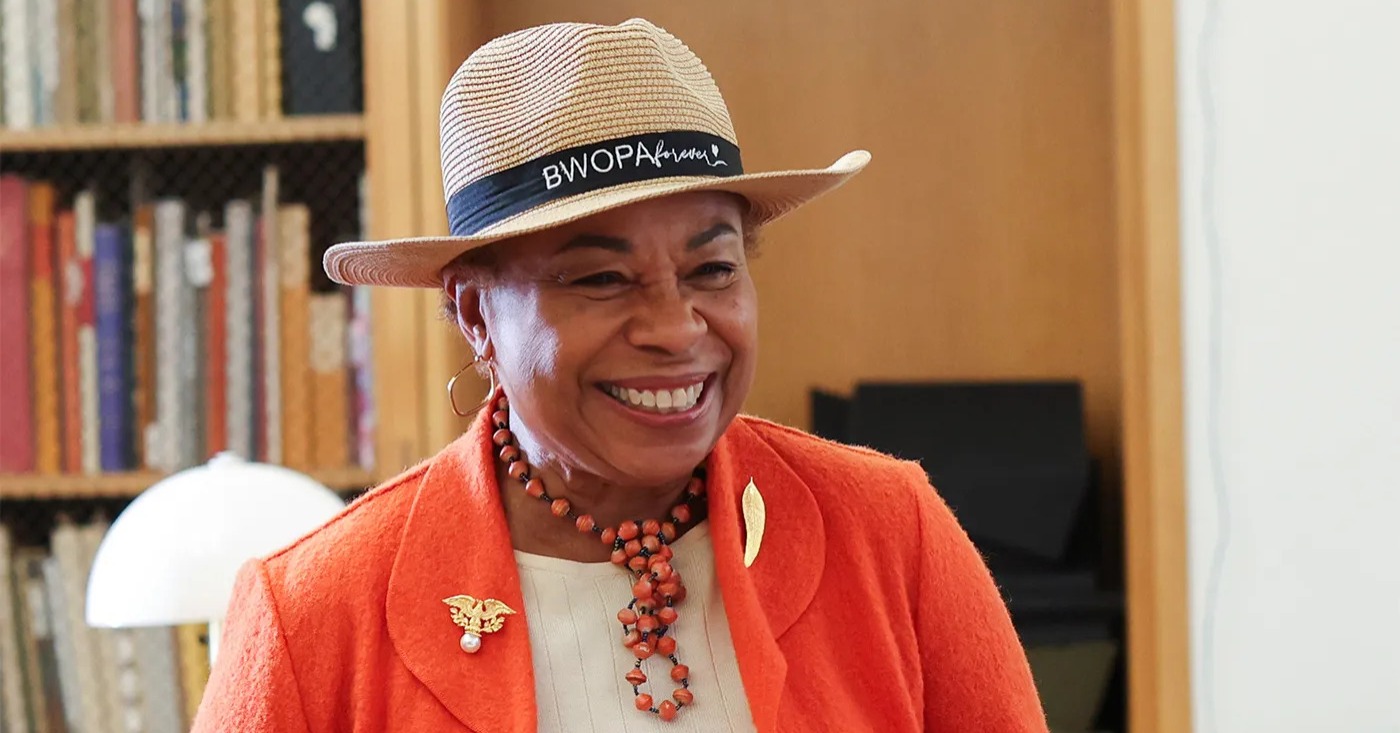
In Oakland, incumbent Mayor Barbara Lee, who served two years and ran for a full four-year term, won decisively.
A proposal backed by Lee, Measure EE, also won. The Charter amendment will create a strong mayor system of government while providing the City Council with new checks and balances on mayoral power.
District 2 Councilmember Charlene Wang is leading with 65.62% of the vote. Opponent Nate Adams trails with 34.38%.
District 4 Councilmember Janani Ramachandran, ran unopposed for reelection, receiving 14,029 votes.
District 6 Councilmember Kevin Jenkins bested opponent Nancy Sidebotham and District 2’s Charlene Wang also won reelection.

City Auditor Michael Houston is running unopposed for reelection and won 60,773 votes.
Progressive school board members, Jennifer Brouhard (D2) and Valarie Bachelor (D6), supported by teachers and school activists, face serious challenges from candidates backed by pro-corporate funders and the political organization, Empower Oakland.
Arielle Fleisher leads Brouhard 53.49% to 46.51%.
In District 6 with three contending candidates, Alexandra Williams leads with 38.06% of the vote. Incumbent Bachelor has 36.89%, and Leana Powell is trailing with 25.04%.
In District 4, incumbent Mike Hutchinson is narrowly leading a field of three candidates. He received 40.87% of the vote, while Kathryn Camp has 39.92%, and Sylvia Pfeiffer Williams has 19.21%.
In the races for AC Transit Board, Director Joel Young (Ward 3) leads with 53.11% of the vote, Sarah Syed (Ward 4) is ahead with 78.37% of the vote, and Murphy McCalley (Ward 5) leads with 63.07%.
Regional Transit Measure RTM, which would increase sales taxes in five Bay Area counties to shore up BART and other regional transit, was leading in five counties by a combined 62% of the vote.
Community
Golden State Valkyries Become Bay Area Legends Winning WNBA Championship on Halloween Night
In only their second year as a franchise, the Golden State Valkyries captured the 2026 WNBA Championship with a 68-63 victory over the Atlanta Dream. Playing before a sold-out crowd at Chase Center on Halloween night, Gabby Williams delivered a historic 30-point performance to earn Finals MVP honors. The victory marks a rapid rise for the expansion team, which has already set league attendance records and surpassed a $1 billion valuation. Fans gathered by the hundreds of thousands this week to celebrate the new Bay Area legends, read more.

In only their second year as a franchise, the Golden State Valkyries became the WBNA 2026 Champions, with Gabby Williams named WNBA Finals MVP. A Halloween night movie of magic and there was no surprise that the game was sold out, with more than 18,000 fans inside Chase Center while thousands more packed the open space at Thrive Center from hours preceding the game through the final buzzer.
In the decisive Game 7, Williams delivered a legendary performance, scoring 30 points to lead the Golden State Valkyries to a 68-63 championship victory over the Atlanta Dream. Remarkably, 28 of her 30 points came in the second half, setting a WNBA postseason record for points in a half and earning her Finals MVP honors.
The team celebrated its victory on Wednesday with a rally in Oakland followed by a ferry ride to San Francisco’s Embarcadero and then a two-mile parade that drew about 400,000 fans.
Williams has become a symbol of the Bay Area’s impact on the team. Although born in Nevada, Williams has deep family roots in Oakland and has often said the city’s culture, community, and basketball traditions shaped her identity and playing style.
After signing with the Valkyries, she began calling the city home and noting that “there’s no Golden State without Oakland.”
The Valkyries have several ballers who made an impact on winning this series, including Veronica Burton, Tiffany ‘Tip’ Hayes, Kayla Thornton, Kaila Charles, and Cecilia Zandalasini.
Veteran center Kiah Stokes brought championship experience and defensive leadership when she signed a multi-year free-agent contract with the franchise on April 13. A former first-round draft pick out of UConn and a three-time WNBA champion with the Las Vegas Aces before joining Golden State, Stokes was recruited by head coach Natalie Nakae, with whom she had previously worked in Las Vegas.
Known as one of the league’s premier rim protectors and rebounders, Stokes quickly became a defensive anchor for the expansion franchise and played a major role in leading the Valkyries to their historic championship run.
The Valkyries have accomplished something extraordinary, proving that a new franchise can make an immediate impact both on and off the court. In their first year, the Valkyries became the first WNBA expansion team to reach the playoffs in its inaugural season and set all-time league attendance records. The franchise sold out all home games, reporting 18,064 attendees per game in both seasons — the highest attendance figures in WNBA history. The Valkyries’ success has also translated into extraordinary franchise value. After entering the league by paying a $50 million expansion fee, the organization generated record revenues and rapidly became one of the most valuable franchises in women’s sports, valued at over $! billion.
The WNBA Finals’ deciding game averaged 3.3 million viewers, making it the most-watched WNBA playoff game in league history and the most-watched finals game since 1999.
The record audience reflects the league’s growing popularity and has major implications for its future, including higher media rights value, increased advertising revenue, stronger sponsorship opportunities, rising merchandise sales, and greater ticket demand.
The Finals also featured sold-out arenas and record postseason viewership, demonstrating that the WNBA is expanding its commercial reach, attracting new fans, and strengthening its position as a major professional sports league.



How the Sandwich Generation Can Help Protect Aging Parents’ Finances

As Progressive Democrats Celebrate ‘Blue Tsunami,’ Oakland Counts Victories

Golden State Valkyries Become Bay Area Legends Winning WNBA Championship on Halloween Night

IN MEMORIAM: Marcia Ann Gillespie, Editor of Essence and Ms. Magazines, Dies at 82

U.S. Rep. John Garamendi Honors local ‘Women of the Year’ at Annual Awards Ceremony

Richmond Neighbors Put Pantry Power on the Map

Oakland Latino Chamber of Commerce Hosts Statewide Convention, Generating $3 Million in Economic Impact

HISTORY MADE: Keisha Lance Bottoms Becomes First Black Woman Elected Governor in American History

HISTORY MADE: Keisha Lance Bottoms Becomes First Black Woman Elected Governor in American History

Five Hospitals Said No! Who Will Help Annette Henry Recover?

Oakland NAACP, BWOPA Speak Out Against Alleged Harassment of Black Women Political Leaders

COMMENTARY: Oakland’s Black Students Have Gained Ground: We Shouldn’t Stop Now

From Backyard Grilling to Jack London Square: Jamale Carlyle’s Chicken Wing Success Story

SEIU Local 1000 and State of California Will Continue to Negotiate New Labor Contract

OPINION: We Can Restore Checks and Balances on Trump

COMMENTARY: Valarie Bachelor and Jennifer Brouhard are Excellent School Board Members and Deserve to Be Reelected

Listening as a Lifeline: A Doula’s Witness to Black Maternal Health

OUSD Receives State Review of District Finances; Outlines Progress Since January
HISTORY MADE: Keisha Lance Bottoms Becomes First Black Woman Elected Governor in American History

Zakiya Jendayi Arrested, Locked Out of Home by Sheriff’s Deputies
SEIU Local 1000 and State of California Will Continue to Negotiate New Labor Contract
Golden State Valkyries Become Bay Area Legends Winning WNBA Championship on Halloween Night

COMMENTARY: Your California Living Trust Could Be Next: When Evidence Isn’t Enough

Fate of Bay Area Public Transit Hinges on Regional Transit Measure

Oakland Post: Week of September 30 – October 6, 2026

It’s Time to Lose Weight Before the Holidays

Mayor Barbara Lee Holds Special State of the City Address in Deep East Oakland

Democrats, Community Groups Back Measure EE to Change How Oakland Is Governed

Oakland Awarded More than $14 Million in State Funding

OP-ED: Proposition 44 Would Put a Price on Trust

The Conversation With Al McFarlane 6/23/26

Media Monday 6/22/26

LIVE! ASK ALMA! — TUES. 6.23.26 7PM EST

Car Buying Secrets: 4 Hidden Checks Before You Sign!

Is This 550 HP Charger Worth YOUR Money? AutoNetwork Review

Celebrating Juneteenth – Frederick Douglass on education and resistance

LIVE! — ASK ALMA! — TUES. 6.19.26 7PM EST

Hyundai Ioniq 5 Parking, Safety, and 360 View #shorts

2025 Ioniq 5 New Wiper & Powerful Performance! #shorts

Electric SUV Range: Is 259 Miles Enough? #shorts

EV Charging: How Fast Can You Charge an Electric Vehicle? #shorts

Biometric Cooling… Messaging Seats…Come on! 2025 Infiniti QX80 Autograph 4WD

Charged Up: Witness the Magic of a Fully Electric Car! #shorts

Range Rover Sport PHEV Included…: See What’s Inside This Luxury SUV! #shorts

Invisible Hood View: Perfect Parking with X-Ray Vision! #shorts
-
 Commentary2 weeks ago
COMMENTARY: Valarie Bachelor and Jennifer Brouhard are Excellent School Board Members and Deserve to Be Reelected
-
 Education2 weeks ago
OUSD Receives State Review of District Finances; Outlines Progress Since January
-
 Black History1 week ago
HISTORY MADE: Keisha Lance Bottoms Becomes First Black Woman Elected Governor in American History
-
 Business2 weeks ago
SEIU Local 1000 and State of California Will Continue to Negotiate New Labor Contract
-
 Community1 week ago
Golden State Valkyries Become Bay Area Legends Winning WNBA Championship on Halloween Night
-
 Business2 weeks ago
COMMENTARY: Your California Living Trust Could Be Next: When Evidence Isn’t Enough
-
 Business3 weeks ago
Fate of Bay Area Public Transit Hinges on Regional Transit Measure
-
 Community4 weeks ago
It’s Time to Lose Weight Before the Holidays
National
Home Repairs Loom Large for Low-Income Seniors
Curline Wilmoth (center) received help from Rebuilding Together Boston to make the bathroom in her Boston home more wheelchair-accessible. She is flanked by daughters Yvonne, left, and Doreen. (Sandra Larson/Bay State Banner)
By Sandra Larson
Special to the NNPA from Bay State Banner via New American Media
BOSTON — In Boston’s largely Caribbean and African American Mattapan neighborhood, the family of Curline Wilmoth, 67, has been struggling to care for her after she suffered a debilitating stroke in 2010 and had to leave her job as a hospital housekeeper.
Then, as happens too often when an elder returns from a hospital, Wilmoth and her family found she couldn’t safely move in or around her home. For instance, her wheelchair wouldn’t fit through the bathroom door. And family members had to carry the chair down and up the front steps each time Wilmoth went to the doctor or to senior center programs.
Increasing–and More Diverse–Elders
The rapidly aging United States population, especially in metropolitan areas like Boston, means that an increasingly nonwhite population of older adults with lower lifetime earnings and scant assets will grow.

In particular, ethnic elders, who tend to fall on the lower side of racial wealth and income gaps, are finding themselves unable to cover unanticipated expenses, such as home repairs or modifications, necessary for their safety. Retired homeowners on a fixed income needing a new roof or major plumbing repair, for instance, can face the dilemma that advocates in aging call being “house rich, but cash poor.”
“We know the need continues to grow,” said Sandra Henriquez, CEO of Rebuilding Together, based in Washington, D.C. But home-repair assistance is out there, if seniors know where to look, she said.
“A lot of people who have spent good years helping in their communities now need some help themselves. We take seriously that we are our brothers’ and sisters’ keepers,” said Henriquez, former assistant secretary of the U.S. Department of Housing and Urban Development (HUD) in the Obama administration.
Rebuilding Together, a national nonprofit, has local affiliates that mobilize contractors and volunteers to perform free repairs and accessibility modifications. The organization assists about 10,000 low-income homeowners annually.
Among them is Wilmoth. Her family applied to Rebuilding Together Boston (RTB). During the organization’s National Rebuilding Days in April, a crew of local contractors and volunteers converged on the Wilmoth house to construct a wheelchair ramp, widen the bathroom door and install a more accessible toilet.
“God bless them, all of them,” said Wilmoth’s daughter Yvonne, 39. “Life will be much easier.”
Hard to Make Ends Meet
The older population nationally and locally is becoming more diverse. A recent report on aging in Boston by the University of Massachusetts, Boston, Gerontology Institute and the Boston Elderly Commission shows that from 2000 to 2010, the number of White people 60 and older dropped 3 percent in Boston, while numbers for all nonwhite groups increased. These trends are expected to continue.
Boston’s senior population is projected to grow by 22,500 households between 2010 and 2030, according to data in the city’s recently released housing plan. A majority of the new senior households will have annual incomes under $50,000, according to the report.
The Gerontology Institute applied its Elder Economic Security Index to measure how much income people 65-plus need to meet their basic living expenses for essentials like food, health care, transportation and housing.
The Institute estimates that in Suffolk County, primarily encompassing Boston, a home-owning couple without a mortgage typically needs $35,256 per year — far more than double the official federal poverty level— just to get by. A single person with a mortgage may need more than another $2,000 to cover basic costs, according to the Index.
Programs for Home Repair
Henriquez, who also previously ran the Boston Housing Authority, emphasized that home repair assistance — by both government and nonprofit sectors — offers a means of tackling a problem that can push seniors into nursing homes or even homelessness.
The average homeowner Rebuilding Together serves nationally has lived in the home for 23 years, but most have spent less than $1,000 on repairs and improvements in the prior two years — far less than a typical homeowner.
Clara Garcia is director of senior services at United South End Settlements (USES) in Boston, one of the provider agencies for the city’s Home Center, which funds home repairs for Boston’s low-income elders. Garcia sees firsthand insufficient home maintenance that can lead to serious safety, health and accessibility problems.
“We see homes that are very dilapidated,” she said. “The seniors as they’ve aged have not really kept up with the upkeep. They feel that owning the house is the important thing, and do not realize how it’s deteriorating.”
Using federal Community Development Block Grant funds, the city has provided repair aid for 520 senior homeowners in the past year; of these, USES handled 53 in Boston’s Roxbury community and other neighborhoods. Provider agencies perform minor repairs such as fixing doorbells and installing bathroom grab bars.
For larger jobs such as roof or heating system replacement, they help homeowners apply for the Home Center’s major repair funds. Low-income seniors who are current with their water and property tax bills may be able to receive a no-interest loan or a grant.
Paperwork and Waiting Game
Joanne C., 70, has been struggling for the past several years to keep up with home repairs on a meager income, while caring for her ill husband. As an African American who owns her home in Boston’s Roxbury neighborhood free and clear, Joanne bucks the wealth gap trend in one sense, but she’s not alone in her need to pinch pennies and seek help.
At her small dining room table in April, Joanne, who did not wish to include her last name, motioned to a pile of documents assembled for repair assistance applications.
Proving her eligibility for help has not been difficult, she said. Social Security and a small pension from her 30-plus years as a hospital diet educator bring in about $30,000 annually.
But her quarterly property tax bill went up by $100 this year. And after a harsh winter, with a faulty heat system, she is still paying off two $800 heat bills: one for the upper floors and another for a first-floor former rental unit that now serves as an accessible living space for her husband.
Recently, Joanne applied for the second time to Rebuilding Together Boston. Her first application a couple of years ago was rejected. To her surprise, they didn’t deem her repair needs big enough to send a crew of volunteers.
“If I’d known they wanted to be here all day, I would have showed them more!” she said ruefully. “I didn’t know! So I was turned down.”
Now, as she awaited word from RTB, she was also looking forward to a scheduled appointment with Clara Garcia to see if USES Senior Services could help.
Relief in Sight
One senior already helped by USES is Patricia Hecker, 74, who received assistance for roof repair, storm windows and a new back door on her Roxbury home.
Hecker bought her house 15 years ago, making the down payment with money she saved from selling crafts, she said. Her mortgage payment takes up much of her income, a pension from 22 years of work as a driver for the city’s Senior Shuttle service. She is happy with her home on a quiet street with a small garden – but admits it’s a struggle to make ends meet.
“When you’re on a fixed income and you have no money to fix things, you just do what you have to do – I was putting bedspreads across the windows, shutting doors, wearing tons of sweaters and putting blankets on my lap. It was awful, for a while,” she said, sitting down at USES before going to senior lunch and an art class. “Now it’s a lot warmer. It’s really helped.”
By mid-May, Joanne, too, sounded upbeat. Garcia had visited, and USES will take care of some of Joanne’s small repair tasks and help her apply for major repair funds for the heating system.
“I didn’t want to get a loan, but if in 10 years I can still be comfortable in my home, I’ll be happy,” she said. “I’m just so vulnerable at this point, and so tired. I have to get that heat fixed before next winter.”
She added, “It looks like there’s a light at the end of the tunnel.”
This article is adapted from a story Sandra Larson wrote for Boston’s Bay State Banner through a Journalists in Aging Fellowship, a collaboration of New America Media and the Gerontological Society of America, with support from AARP. This story is part of a series on housing challenges for low-income seniors in Boston.
Economy
How the Sandwich Generation Can Help Protect Aging Parents’ Finances
One in four American adults now belongs to the “sandwich generation,” balancing the demands of raising children while supporting aging parents. Women frequently bear a disproportionate share of this responsibility, facing significant physical and financial strain. With November designated as Chase Fraud & Scam Prevention Month, caregivers are encouraged to initiate vital conversations regarding financial snapshots and long-term goals. Establishing a proactive plan and building a support system can help secure a family’s legacy while defending against common predatory tactics, and you can read more here.
Planning and scam prevention tips for caregivers balancing kids and parents
If you’re raising children while also supporting an older parent, you’re likely managing schedules, healthcare needs, day-to-day decisions and even finances. People in this group are often called the “sandwich generation,” which now encompasses one in four adults in the U.S.
Women also often carry a disproportionate share of this responsibility: three in five family caregivers are women. Women are more likely to report physical, emotional and financial strain from caregiving, which can make it harder to protect their own well-being and long-term financial security.
For the sandwich generation, the holidays can be a natural time to talk with parents about money, including how to protect their finances from scams. November is Chase Fraud & Scam Prevention Month – designed to help people recognize common scams, avoid in-the-moment mistakes and better protect their money and personal information.
Here are some tips to keep in mind.
Check In and Make a Plan
Finances can be incredibly personal, and many parents worry that accepting help means losing independence. Start by framing the conversation around peace of mind and organization – not control.

Check in on your finances and long-term plan, too. You’ll be better equipped to care for others when your own financial foundation is secure.
Also consider helping your parents create a “financial snapshot.” J.P. Morgan Wealth Management’s guide for supporting aging parents outlines a few considerations:
- Location of key accounts: banking, investments, retirement, credit cards, insurance
- How bills and recurring expenses are paid
- Whether beneficiaries are up to date
- Where important documents are stored and who has access
Then ask what goals matter most in the years ahead: staying in their home, supporting family, traveling, planning for healthcare or leaving a legacy. Goals can evolve, so revisit them periodically. Planning tools can help – like J.P. Morgan Wealth Plan, a free digital money coach in the Chase Mobile® app or at chase.com.
A financial advisor can help create a plan tailored to you and your parents’ needs. An estate planning attorney can document your parents’ wishes, including who may act if they cannot make decisions themselves.
Understand Common Scams
Scammers often use urgency, fear, secrecy or affection to pressure people into acting quickly. Recognizing these tactics can help you and your family spot red flags sooner. Common scams include:
- Investment scams: Promises of high or “guaranteed” returns with little risk.
- Tech support scams: Requests for payment or remote device access.
- Impersonation scams: Messages impersonating trusted organizations or loved ones, asking for money, passwords, account details or other personal information.
- Romance scams: Online relationships that lead to requests for money.
Chase hosts more than 1,000 free fraud and scam prevention workshops annually, including hundreds across all lower 48 states throughout November.
Stay Proactive and Vigilant
If you or a loved one suspects a scam, slow down and stop communicating with the individual immediately. Contact your bank through a trusted channel to review recent transactions and report the incident to appropriate authorities.
Also consider a few simple steps for protection:
- “Trusted Contact Person”: Designate a trusted adult who may be notified about certain online wire activity.
- Tech tips: Use unique passwords, multifactor authentication and account alerts, keep devices updated and monitor accounts regularly for unusual activity.
- Behavior changes: Watch for secrecy around finances, unusual transactions, unexpected changes to financial documents or pressure from new acquaintances.
You’re Not Alone
Caregiving is demanding, and it shouldn’t be a solo effort. Build a support system – which can include family, friends and professionals such as healthcare providers, attorneys and financial advisors. A thoughtful conversation now can help your parents stay organized and protected in the future.
For free educational resources on planning for yourself and loved ones, visit chase.com/theknow
For more information and practical tips about fraud and scam prevention, visit chase.com/security
The views, opinions, estimates and strategies expressed herein constitutes the author’s judgment based on current market conditions and are subject to change without notice and may differ from those expressed by other areas of J.P. Morgan.
This information in no way constitutes J.P. Morgan Research and should not be treated as such. You should carefully consider your needs and objectives before making any decisions. For additional guidance on how this information should be applied to your situation, you should consult your advisor.
JPMorgan Chase & Co., its affiliates, and employees do not provide tax, legal or accounting advice. You should consult your own tax, legal and accounting advisors before engaging in any financial transaction.
J.P. Morgan Wealth Management is a business of JPMorgan Chase & Co., which offers investment products and services through J.P. Morgan Securities LLC (JPMS), a registered broker-dealer and investment adviser, member FINRA and SIPC.
Education
As Progressive Democrats Celebrate ‘Blue Tsunami,’ Oakland Counts Victories
As national Democrats celebrate a significant shift in the midterm elections, local leaders in Oakland are tracking early results from the Alameda County Registrar of Voters. While Mayor Barbara Lee and several City Council incumbents have secured decisive victories, attention remains fixed on high-stakes school board contests. Progressive candidates currently face strong challenges from opponents backed by corporate funding and local political organizations. With many ballots still uncounted, the final composition of the board and several regional transit measures remain in the balance. Read more.
Concerns remain over school board races as ‘moderates’ lead progressives
The Alameda County Registrar of Voters has released the first round of election results, though many ballots remain uncounted and results are still incomplete.
Nationally, Democrats, liberals and progressives celebrated Tuesday evening as President Donald Trump was dealt a devastating blow in the midterm election. The Republican Party lost control of the Senate and the House as “Maga” candidates were swept away not just by a ‘blue wave,’ but a ‘blue tsunami.’
In Oakland, incumbent Mayor Barbara Lee, who served two years and ran for a full four-year term, won decisively.
A proposal backed by Lee, Measure EE, also won. The Charter amendment will create a strong mayor system of government while providing the City Council with new checks and balances on mayoral power.
District 2 Councilmember Charlene Wang is leading with 65.62% of the vote. Opponent Nate Adams trails with 34.38%.
District 4 Councilmember Janani Ramachandran, ran unopposed for reelection, receiving 14,029 votes.
District 6 Councilmember Kevin Jenkins bested opponent Nancy Sidebotham and District 2’s Charlene Wang also won reelection.

City Auditor Michael Houston is running unopposed for reelection and won 60,773 votes.
Progressive school board members, Jennifer Brouhard (D2) and Valarie Bachelor (D6), supported by teachers and school activists, face serious challenges from candidates backed by pro-corporate funders and the political organization, Empower Oakland.
Arielle Fleisher leads Brouhard 53.49% to 46.51%.
In District 6 with three contending candidates, Alexandra Williams leads with 38.06% of the vote. Incumbent Bachelor has 36.89%, and Leana Powell is trailing with 25.04%.
In District 4, incumbent Mike Hutchinson is narrowly leading a field of three candidates. He received 40.87% of the vote, while Kathryn Camp has 39.92%, and Sylvia Pfeiffer Williams has 19.21%.
In the races for AC Transit Board, Director Joel Young (Ward 3) leads with 53.11% of the vote, Sarah Syed (Ward 4) is ahead with 78.37% of the vote, and Murphy McCalley (Ward 5) leads with 63.07%.
Regional Transit Measure RTM, which would increase sales taxes in five Bay Area counties to shore up BART and other regional transit, was leading in five counties by a combined 62% of the vote.
Community
Golden State Valkyries Become Bay Area Legends Winning WNBA Championship on Halloween Night
In only their second year as a franchise, the Golden State Valkyries captured the 2026 WNBA Championship with a 68-63 victory over the Atlanta Dream. Playing before a sold-out crowd at Chase Center on Halloween night, Gabby Williams delivered a historic 30-point performance to earn Finals MVP honors. The victory marks a rapid rise for the expansion team, which has already set league attendance records and surpassed a $1 billion valuation. Fans gathered by the hundreds of thousands this week to celebrate the new Bay Area legends, read more.
In only their second year as a franchise, the Golden State Valkyries became the WBNA 2026 Champions, with Gabby Williams named WNBA Finals MVP. A Halloween night movie of magic and there was no surprise that the game was sold out, with more than 18,000 fans inside Chase Center while thousands more packed the open space at Thrive Center from hours preceding the game through the final buzzer.
In the decisive Game 7, Williams delivered a legendary performance, scoring 30 points to lead the Golden State Valkyries to a 68-63 championship victory over the Atlanta Dream. Remarkably, 28 of her 30 points came in the second half, setting a WNBA postseason record for points in a half and earning her Finals MVP honors.
The team celebrated its victory on Wednesday with a rally in Oakland followed by a ferry ride to San Francisco’s Embarcadero and then a two-mile parade that drew about 400,000 fans.
Williams has become a symbol of the Bay Area’s impact on the team. Although born in Nevada, Williams has deep family roots in Oakland and has often said the city’s culture, community, and basketball traditions shaped her identity and playing style.
After signing with the Valkyries, she began calling the city home and noting that “there’s no Golden State without Oakland.”
The Valkyries have several ballers who made an impact on winning this series, including Veronica Burton, Tiffany ‘Tip’ Hayes, Kayla Thornton, Kaila Charles, and Cecilia Zandalasini.
Veteran center Kiah Stokes brought championship experience and defensive leadership when she signed a multi-year free-agent contract with the franchise on April 13. A former first-round draft pick out of UConn and a three-time WNBA champion with the Las Vegas Aces before joining Golden State, Stokes was recruited by head coach Natalie Nakae, with whom she had previously worked in Las Vegas.
Known as one of the league’s premier rim protectors and rebounders, Stokes quickly became a defensive anchor for the expansion franchise and played a major role in leading the Valkyries to their historic championship run.
The Valkyries have accomplished something extraordinary, proving that a new franchise can make an immediate impact both on and off the court. In their first year, the Valkyries became the first WNBA expansion team to reach the playoffs in its inaugural season and set all-time league attendance records. The franchise sold out all home games, reporting 18,064 attendees per game in both seasons — the highest attendance figures in WNBA history. The Valkyries’ success has also translated into extraordinary franchise value. After entering the league by paying a $50 million expansion fee, the organization generated record revenues and rapidly became one of the most valuable franchises in women’s sports, valued at over $! billion.
The WNBA Finals’ deciding game averaged 3.3 million viewers, making it the most-watched WNBA playoff game in league history and the most-watched finals game since 1999.
The record audience reflects the league’s growing popularity and has major implications for its future, including higher media rights value, increased advertising revenue, stronger sponsorship opportunities, rising merchandise sales, and greater ticket demand.
The Finals also featured sold-out arenas and record postseason viewership, demonstrating that the WNBA is expanding its commercial reach, attracting new fans, and strengthening its position as a major professional sports league.
-
Commentary2 weeks ago
COMMENTARY: Valarie Bachelor and Jennifer Brouhard are Excellent School Board Members and Deserve to Be Reelected
-
Education2 weeks ago
OUSD Receives State Review of District Finances; Outlines Progress Since January
-
Black History1 week ago
HISTORY MADE: Keisha Lance Bottoms Becomes First Black Woman Elected Governor in American History
-
Business2 weeks ago
SEIU Local 1000 and State of California Will Continue to Negotiate New Labor Contract
-
Community1 week ago
Golden State Valkyries Become Bay Area Legends Winning WNBA Championship on Halloween Night
-
Business2 weeks ago
COMMENTARY: Your California Living Trust Could Be Next: When Evidence Isn’t Enough
-
Business3 weeks ago
Fate of Bay Area Public Transit Hinges on Regional Transit Measure
-
Community4 weeks ago
It’s Time to Lose Weight Before the Holidays

Leave a Reply