
National
Why More Education Won’t Fix Economic Inequality


In this Friday, Oct. 19, 2012 photo, students study in a library on the campus of California State University, Long Beach in Long Beach, Calif. (AP Photo/Jae C. Hong)
(New York Times) – Suppose you accept the persuasive data that inequality has been rising in the United States and most advanced nations in recent decades. But suppose you don’t want to fight inequality through politically polarizing steps like higher taxes on the wealthy or a more generous social welfare system.
There remains a plausible solution to rising inequality that avoids those polarizing ideas: strengthening education so that more Americans can benefit from the advances of the 21st-century economy. This is a solution that conservatives, centrists and liberals alike can comfortably get behind. After all, who doesn’t favor a stronger educational system? But a new paper shows why the math just doesn’t add up, at least if the goal is addressing the gap between the very rich and everyone else.
![[REBRODCAST] The Healing Circle – Stories of Our Elders](https://www.postnewsgroup.com/wp-content/uploads/2023/12/0m0y7v_sQng-300x225.jpg)
Brad Hershbein, Melissa Kearney and Lawrence Summers offer a simple little simulation that shows the limits of education as an inequality-fighter. In short, more education would be great news for middle and lower-income Americans, increasing their pay and economic security. It just isn’t up to the task of meaningfully reducing inequality, which is being driven by the sharp upward movement of the very top of the income distribution.
It is all the more interesting that the research comes from Mr. Summers, a former Treasury secretary who is hardly known as a soak-the-rich class warrior. It is published by the Hamilton Project, a centrist research group operating with Wall Street funding and seeking to find third-way-style solutions to America’s problems that can unite left and right.











Bay Area
Q&A with Steven Bradford: Why He Wants Your Vote for California Insurance Commissioner
Known for his work on issues ranging from energy and public safety to economic development, Bradford has also engaged with insurance policy during his time in the Legislature, serving on the Senate Insurance Committee.
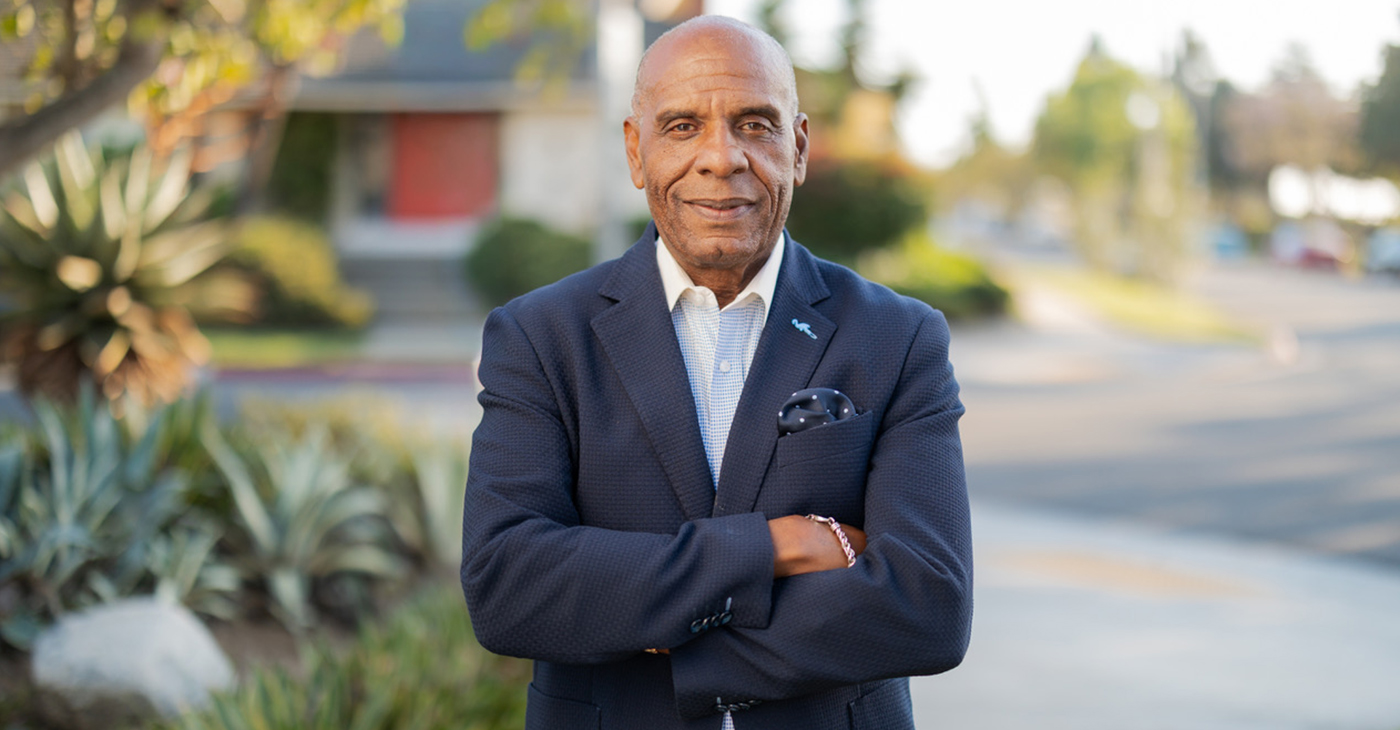
By Edward Henderson, California Black Media
As California confronts rising insurance costs, market instability, and growing concerns about access and equity, the race for the state’s top insurance regulator is drawing increased attention.
Among the candidates is Steven Bradford, a veteran public servant with more than two decades of experience in government, including eight years in the State Senate and five years in the State Assembly.
Known for his work on issues ranging from energy and public safety to economic development, Bradford has also engaged with insurance policy during his time in the Legislature, serving on the Senate Insurance Committee.
Now, he is making his case to voters for why his background and perspective best position him for the role of California’s next insurance commissioner.
California Black Media (CBM) spoke with Bradford about his campaign experiences, key issues he plans to solve if elected, and his vision for the insurance commissioner role.
For readers who may not be familiar, what does the Insurance Commissioner do, and how would you use that role to address issues impacting communities in California?
The Insurance Commissioner is both a regulator and an administrator. The office oversees the entire insurance market—approving companies to operate, licensing agents and brokers, and reviewing rate increases or decreases.
This role is about oversight and action. The commissioner should be a watchdog, not a bystander, especially in a state like California, which has the third-largest insurance market in the world.
Last year, you shifted your campaign from running for lieutenant governor to the race for insurance commissioner. What spurred that decision?
Insurance impacts every part of people’s lives. You can’t buy a home without it—that contributes to the housing crisis. You can’t legally drive without it—that affects people’s ability to work. And businesses can’t operate without it.
For years, insurance has disproportionately impacted low-income communities and people of color. While everyone is feeling the strain now, those communities have long been hit hardest. That’s why it’s critical that insurance is not just available, but affordable.
What sets you apart from the other candidates in this race?
My record: 26 years of public service. I’ve shown up, stood up, and spoke up for Californians.
A recent Supreme Court decision impacting the Voting Rights Act has raised concerns about representation. What message do you have for voters in California regarding the importance of their vote?
It’s alarming. If people think this doesn’t affect them, they’re mistaken. There’s a real effort to roll back decades of progress and silence voters.
Your vote is your most powerful tool, and we have to use it—every election.
What are you hearing from voters as you campaign across the state?
Affordability and transparency.
People are struggling with rising costs, and many don’t fully understand what their insurance policies cover.
We saw that clearly in places like Altadena and the Palisades—people had insurance but were underinsured. They didn’t realize their coverage wouldn’t meet the cost to rebuild. That’s unacceptable.
We must acknowledge the inequities in the system. The FAIR Plan has roots in discrimination, and today we still see disparities based on ZIP code and income. We need a more competitive and equitable market where consumers have choices.
Activism
OPINION: The Fire of Oakland’s Justin Jones
Jones made headlines three years ago when he was one of a pair of Justins. Along with fellow State Rep. Justin Pearson (D-Memphis), he fought their removal from the state house in Tennessee and won reinstatement. Now, Pearson is running for Congress and Jones is still fighting for all of us.
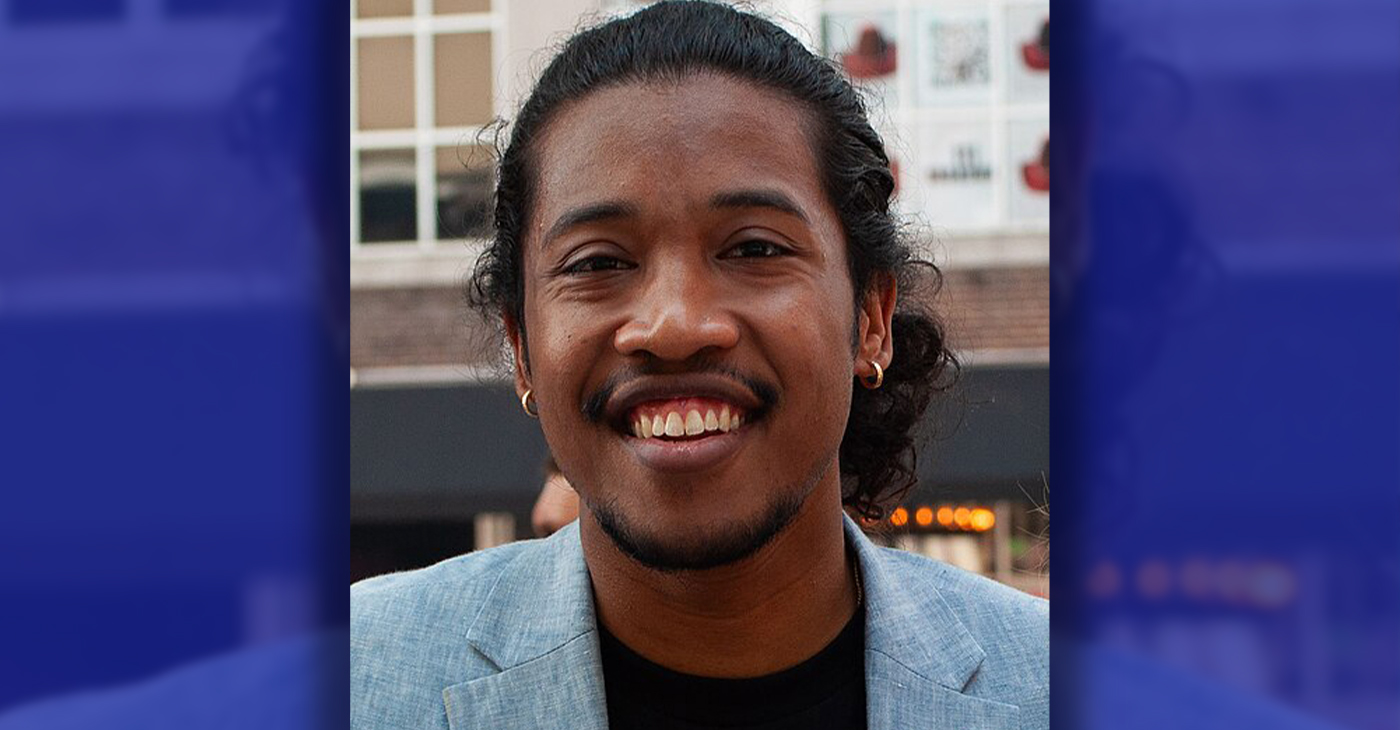
By Emil Amok Guillermo
You may know Tennessee State Rep. Justin Jones (D-Nashville).
He grew up in Oakland and the East Bay. His mother is Filipino. You can tell by his full name Justin Shea Bautista Jones.
His father is African American.
He is fighting for all of us.
Jones made headlines three years ago when he was one of a pair of Justins. Along with fellow State Rep. Justin Pearson (D-Memphis), he fought their removal from the state house in Tennessee and won reinstatement.
Now, Pearson is running for Congress and Jones is still fighting for all of us.
The recent 6-3 Supreme Court decision barring the use of race in drawing congressional districts marks a major turning point in U.S. history.
The decision took away the Voting Rights Act’s power to assure minority voices were both heard and represented.
“What we’re seeing now is this new Jim Crow system in which Black and Brown communities are without voice in our political process,” he told Fredricka Whitfield on CNN last weekend.
“That’s a canary in the coal mine for the rest of the nation. If they come for one of us, they’re coming for all of us, and some of my message to America is that the South is the front line of democracy,” Jones said. “They are dismantling multi-racial democracy here in the South, in states like Tennessee and Louisiana. But they aren’t going to stop here.”
That’s why Jones said we have to start paying attention to the South, and start helping them fight back there,” he said.
“I want to be clear that this terror, this type of system they’re enacting, are the same systems my grandparents told me about who grew up in Tennessee, a system where people like me couldn’t even be in political office. That’s the time they’re bringing us back to and I’m not sounding the alarm to be alarmist. But I am sounding it because we’ve seen this before in our history.”
Jones talked about Reconstruction and about what happened between the end of the 1800s and the beginning of the 1960s, when there was no Black political representation.
It’s a rebellion to keep our democracy going forward, he said.
“Stand with us and help us fight back against this extremist power grab — this racist power grab against our vision of a multi-racial democracy,” Jones added.
“While there is a litigation strategy, it’s important to maintain what he called a “movement strategy” that leads to the largest voter mobilization and registration that has ever been seen in the South,” he encouraged.
In 2026.
“Tennessee is an oppressed state,” Jones said. “It’s a state where one in five Black voters can’t vote because of felony disenfranchisement. It is where you can use a gun permit to vote, but you can’t use a student ID card to vote.
That’s the Asian American African American voice of Justin Jones.
Read his words for inspiration.
About the Author
Emil Guillermo is a veteran journalist, commentator, and comic stage monologist. His new show “69, Emil Amok: Anchorman—The News Made Me Do It,” is at the San Diego Fringe at New Destiny/Lincoln Park, 4931 Logan Ave. Ste. 102. May 14-23, at various times. Get tickets here.
Advice
Book Review: Books for College-Bound Students
The kind of workday your Grandpa had is probably over, and you can’t count on toiling at the same place for 40 years for a pension and a gold watch. You already know that, and these books will help you decide your next step. You’ll learn what kind of worker you are, what’s stopping you from finding a job or occupation you’ll love, how to determine the purpose you envision for your future, and how to get where you need to be.

By Terri Schlichenmeyer
Authors: Various, Copyright: c.2026, Publishers: Various, SRP: $21.00 – $29.00, Page Counts: Various
The videos and news reports were inspiring.
In them, a hesitant prospective college student became a happy, new college-bound student with the click of a key. They were accepted into the college of their dreams – so how can you get the same feeling next spring, when you’re the one with the highest of hopes?
You can start by reading these great books and sharing them with your family…
You probably already know that getting into the college of your choice is not something you do last-minute. In “The People’s Guide to College Applications: A Week-by-Week Approach to Writing, Connecting, and Getting in” (Prometheus Books, $ 21.95), Jill Constantino takes you through each step, but not in a frantic way. There’s no pressure here, just easy-to-grasp, makes-sense methods to apply for the college you want. There are reminders here, things you can’t forget and things you can, hints on asking for referrals and writing essays, and plenty of reminders to take a deep breath. Bonus: it’s also a book for parents, who may feel just as much pressure as their child does.
Okay, but let’s say that you’re an adult, a parent who’s sweating those college applications, classes, and the FAFSA for yourself, ugh! Then you’ll want to read “Student Parent: The Fight for Families, the Cost of Poverty, and the Power of College” by Nicole Lynn Lewis (Beacon Press, $26.97). an urgent call meant for nontraditional students who are also Black, Latinx, gay, Moms, or Dads.
Inside this book, you’ll find stats and stories that may already sound familiar, tales of not enough money, not enough support, not enough arms or sleep or resources. If you’re looking for a book of advice, this isn’t it, though. It’s more of a resource that you’ll want to take to your guidance counselor or any local politician.
Alright, but what if you’ve decided that college can wait? Is that okay? Look for “The Mission Generation: Reclaim Your Purpose, Rewrite Success, Rebuild Our Future” by Arun Gupta and Thomas J. Fewer (Wiley, $29.00) because – guess what? – you have many options for your future.
The kind of workday your Grandpa had is probably over, and you can’t count on toiling at the same place for 40 years for a pension and a gold watch. You already know that, and this book will help you decide your next step. You’ll learn what kind of worker you are, what’s stopping you from finding a job or occupation you’ll love, how to determine the purpose you envision for your future, and how to get where you need to be. This book isn’t just for high schoolers, but for anyone ages 16 and beyond who’s feeling restless, ready for change, or who’s thinking about some kind of purposeful retirement.
And if these aren’t the college-based or not-college-bound books you need, then be sure to ask your favorite bookseller or librarian for help on ideas, how-to’s, test prep books, or study guides. They’ll have books for you, and maybe a little inspiration, too.

WORK FROM HOME
Home-based business with potential monthly income of $10K+ per month. A proven training system and website provided to maximize business effectiveness. Perfect job to earn side and primary income. Contact Lynne for more details: Lynne4npusa@gmail.com 800-334-0540


Oakland Mayor Pushes Charter Overhaul to Clarify Roles in City Government, Increase Accountability and Improve Service Delivery

The Ladies of Delta Sigma Theta Hold Day of Advocacy at the Capitol in Sacramento

Rep. Kamlager-Dove Introduces Bill to Protect Women in Custody After Reports Detailing Miscarriages and Neglect

Q&A with Steven Bradford: Why He Wants Your Vote for California Insurance Commissioner

OPINION: The Fire of Oakland’s Justin Jones

How Is AI Affecting California? The State Wants You to Share Your Story

California Launches Free Diaper Program for Newborns Statewide

Book Review: Books for College-Bound Students

Asm. Jackson Bill Requiring Anti-Hate Speech Training for Calif. Public Officials Sent to “Suspense File”

More and More, Black Californians Are Worried About Rising Costs of Housing, Energy, Food and Gas

Advocates Rally at State Capitol to Demand Heat Protections for Incarcerated People; More Funding for DV Survivors

Coming to Orinda: A Lecture on Finding the Strength to Heal and Move Past Fear With Divine Love

EBMUD Enshrines the Legacy of its First Black Board Member William ‘Bill’ Patterson

Against All Odds: Mary Jackson’s Journey to NASA Engineer

Supreme Court Voting Rights Ruling Reverberates From the South to California

Stanford Health Care Collaborates with Alameda Health System Affiliate, Expanding Access to Care in East Bay

Mayor Barbara Lee Proclaims April 9 as ‘100 Black Men of the Bay Area Day’

Oakland Post: Week of April 15 – 21, 2026

Up to the Job: How San Francisco’s PRC Is Providing Work Opportunities That Turn Into Lasting Stability

Building Bridges of Support: How AAPI Equity Alliance Is Strengthening California’s Anti-Hate Network

Oakland Post: Week of April 22 – 28, 2026

IN MEMORIAM: Rest in Power — Minnesota Loses a True Warrior in Yusef Mgeni

Up to the Job: How San Francisco’s PRC Is Providing Work Opportunities That Turn Into Lasting Stability

Mamdani Plans City Grocery Store in East Harlem

2026 Mazda CX‑90 PHEV Premium Plus — Luxury SUV or Overpriced Plug‑In? | Walkaround Review

Revolve Fund to Provide $20,000 to Support Food Access Efforts in Alabama Black Belt

OP-ED: Small Businesses Need Minnesota to Act on Pass-Through Tax Policy

Cuban President Vows to Defend the Country Against US Invasion

Snoop Dogg Celebrates 10 Til’ Midnight at the Compound

The hidden risks of poor water management in residential properties

Hyundai Ioniq 5 Parking, Safety, and 360 View #shorts

2025 Ioniq 5 New Wiper & Powerful Performance! #shorts

Electric SUV Range: Is 259 Miles Enough? #shorts

EV Charging: How Fast Can You Charge an Electric Vehicle? #shorts

Biometric Cooling… Messaging Seats…Come on! 2025 Infiniti QX80 Autograph 4WD

Charged Up: Witness the Magic of a Fully Electric Car! #shorts

Range Rover Sport PHEV Included…: See What’s Inside This Luxury SUV! #shorts

Invisible Hood View: Perfect Parking with X-Ray Vision! #shorts

AI Is Reshaping Black Healthcare: Promise, Peril, and the Push for Improved Results in California

ESSAY: Technology and Medicine, a Primary Care Point of View

Sanctuary Cities

The RESISTANCE – FREEDOM NOW

STATE OF THE PEOPLE: Freddie

ECONOMIC BOYCOTT DAY!!!!!

I told You So
-
 Activism4 weeks ago
Up to the Job: How San Francisco’s PRC Is Providing Work Opportunities That Turn Into Lasting Stability
-
#NNPA BlackPress4 weeks ago
2026 Mazda CX‑90 PHEV Premium Plus — Luxury SUV or Overpriced Plug‑In? | Walkaround Review
-
 #NNPA BlackPress3 weeks ago
OP-ED: Small Businesses Need Minnesota to Act on Pass-Through Tax Policy
-
 #NNPA BlackPress3 weeks ago
Snoop Dogg Celebrates 10 Til’ Midnight at the Compound
-

 #NNPA BlackPress3 weeks ago
2026 Lucid Air Grand Touring Review — Is This $136K EV Sedan Worth It?
-

 #NNPA BlackPress3 weeks ago
LA28 Olympic Tickets: Register by July
-

 Activism2 weeks ago
Marin City Public Housing Residents Demand a Voice in County’s Renovation Plans
-

 #NNPA BlackPress4 weeks ago
State of Preschool Yearbook Provides an Annual Snapshot of State-Funded Preschool
