
Health
FDA Approves Genetically Engineered Potatoes, Apples as Safe


This May 10, 2013 file photo shows a genetically engineered potato poking through the soil of a planting pot inside J.R. Simplot’s lab in southwestern Idaho. Potatoes that won’t bruise and apples that won’t brown are a step closer to grocery store aisles. (AP Photo/John Miller, File)
MARY CLARE JALONICK, Associated Press
KEITH RIDLER, Associated Press
BOISE, Idaho (AP) — Potatoes that won’t bruise and apples that won’t brown are a step closer to grocery store aisles, but some food suppliers say they don’t want any part of it and others are staying silent.

The Food and Drug Administration on Friday approved the genetically engineered foods, saying they are “as safe and nutritious as their conventional counterparts.”
The approval covers six varieties of potatoes by Boise, Idaho-based J. R. Simplot Co. and two varieties of apples from the Canadian company Okanagan Specialty Fruits Inc.
Genetically modified organisms, or GMOs, refers to food grown from seeds that are genetically engineered in a lab. Aware of potential resistance from consumers, Simplot officials say Innate potato traits come exclusively from genes from domestic potato varieties.
However, one of the company’s oldest business partners — McDonald’s — said it won’t use the potatoes.
“McDonald’s USA does not source GMO potatoes nor do we have current plans to change our sourcing practice,” the company said in a statement Friday.
Burger King and Wendy’s declined to comment.
Okanagan, based in British Columbia, wants to make apples a more convenient snack with its non-browning version. The company says bagged apples wouldn’t have to be washed in antioxidants like they are now, a process that can affect taste. Company founder Neal Carter said Okanagan wants to see bagged apples become as prolific as bagged baby carrots.
“We know that in a convenience-driven world, a whole apple is too big of a commitment,” Carter said.
The apples are dubbed Arctic Apples, and Carter said he wants them to be labeled as such. The first two varieties will be Granny Smith and Golden Delicious. Carter said there won’t be significant plantings until 2017.
Simplot calls its potatoes Innate and the varieties selected include Ranger Russet, Russet Burbank and Atlantic.
“We’re trying to improve potatoes so everyone gets a better experience, just like it’s right out of the field,” said Haven Baker, vice president of plant sciences for Simplot.
But it could be years before the average customer is able to buy one. The company has about 400 acres of Innate potatoes in storage from the 2014 harvest that it plans to deliver to growers, packers and shippers to be sent to a tightly-controlled network for use in small-scale test markets.
The company said those markets haven’t been determined, and it’s not clear how the potatoes will be labeled. The company said it’s not selling Innate seed potatoes on the open market.
ConAgra, a major French fry and potato supplier through Lamb Weston to restaurant chains, said it won’t use the potatoes.
“All Lamb Weston frozen potato products are made with non-GMO potatoes, in line with customer demand,” a company statement said.
Food supplier McCain in a statement said its policy is to not use GMO potatoes. But the company also said it recognized the challenge of producing affordable food to meet demand and planned to monitor and possibly participate in research.
“Regulatory compliance and consumer acceptance for the use of any new technology will guide our actions,” the company said.
Simplot says its potatoes will have 70 percent less acrylamide, a chemical that can be created when potatoes are cooked at high temperatures. And it’s touting that as a health benefit, as some studies have shown acrylamide to be a potential carcinogen, though the National Cancer Institute at the National Institutes of Health says scientists “do not yet know with any certainty” whether the substance can be harmful in food.
The FDA in its approval Friday noted that acrylamide has been found to be a carcinogenic in rodents.
Simplot says its potatoes have 40 percent less bruising from impacts and pressure during harvest and storage then conventional potatoes, which the company said could reduce the more than 3 billion pounds of potatoes discarded yearly by consumers.
The FDA’s review process is voluntary, but both companies asked for one. To review, FDA compares safety and data of the GMO food in comparison to conventional variety.
Gregory Jaffe, biotechnology director for the Center for Science in the Public Interest, in a statement Friday objected to the voluntary system for approving GMOs and said legislation is needed to make it mandatory.
____
Jalonick reported from Washington. AP Food Industry Writer Candice Choi contributed in New York.
Copyright 2015 The Associated Press. All rights reserved. This material may not be published, broadcast, rewritten or redistributed.








Black History
Listening as a Lifeline: A Doula’s Witness to Black Maternal Health
OAKLAND POST — Maternal mortality and pregnancy-related mortality use different time frames and methods and are not interchangeable. Finalized 2024 CDC data recorded 649 maternal deaths nationally. The overall rate was 17.9 deaths per 100,000 live births, but for non-Hispanic Black women it was 44.8, compared with 14.2 for White women and 12.1 for Hispanic women.


Word Count: 1058
Note: Client A, B & C, names are withheld for privacy; these accounts reflect my recollections as their Doula.
Client A rocked her hips on a birthing ball, surrounded by pale wood and warm textiles in a softly lit Scandinavian-style office. I was her doula through a Southern California maternal health company combining nurse-led care, technology, and wraparound support.
She was a healthy Black woman in her thirties. Her baby girl was doing well; her partner took notes as we discussed labor and advocacy.
Then we turned to their chosen hospital. I knew it well—and remembered a phrase from another client’s experience: “Policy of Sovereignty.”
Client B had been told she needed a repeat cesarean as a precaution, though the reasoning was unclear. Her obstetrician, who performed her first cesarean two years earlier, had assured her throughout pregnancy that she was healthy, healed, and ready for a vaginal birth. We asked staff to review her chart, consult her obstetrician, and reconsider immediate surgery. Instead, they invoked the “Policy of Sovereignty.”
The physician on duty, we were told, had final authority, regardless of her established care plan. I asked whether an ultrasound or reassessing the baby’s position could offer clarity. Cesareans can be lifesaving. But were Client B’s history, informed consent, and circumstances guiding this decision—or was routine overriding individualized care? We kept asking for her obstetrician. Beneath every request was a deeper question: Was she being heard?
The Numbers Behind the Stories
Statistics arrive in clean columns. The experiences behind them do not.
Maternal mortality and pregnancy-related mortality use different time frames and methods and are not interchangeable. Finalized 2024 CDC data recorded 649 maternal deaths nationally. The overall rate was 17.9 deaths per 100,000 live births, but for non-Hispanic Black women it was 44.8, compared with 14.2 for White women and 12.1 for Hispanic women.
In California, Black birthing people experienced 56.5 pregnancy-related deaths per 100,000 live births during 2020–2022—3.8 times the White rate and four times the Asian rate.
As a doula serving Los Angeles and San Bernardino Counties, I see faces behind those numbers. I remember concerns raised softly, then firmly, then desperately. I am tired of watching Black families enter spaces meant to protect them, only to discover they must defend themselves while laboring, bleeding, trembling, or recovering.
Returning to Client A
Client A’s labor stretched nearly 48 hours. As her condition worsened, she, her partner, and I asked whether a cesarean should happen sooner. A provider questioned my place as a doula, then said she was next.
Six more hours passed.
She entered surgery visibly ill with a serious uterine infection, her baby malpositioned and stuck. Her partner later recalled the provider saying, “This baby would never have made it through the birth canal.”
Those words landed like a blow. Our urgency had been treated as ignorance. With Client B, we questioned why surgery was inevitable. With Client A, why it was delayed. Doula advocacy is not about one kind of birth. It is about informed consent, individualized care, and timely action. Hospital routine should never outweigh the person carrying the risk.
Survival Cannot Be the Standard
The Black maternal health crisis includes unequal care, untreated conditions, racial bias, delayed referrals, poor communication, and inadequate postpartum support. It is about birth plans respected only until a hospital becomes less busy and postpartum care that asks whether a mother survived, not whether she has what she needs to recover.
Survival cannot be the standard. Technology can support care, but it cannot replace human connection. An algorithm cannot detect fear in a patient’s eyes, and a mission statement alone cannot ensure adequate staffing or culturally responsive care.
The Story of Client C
Before I arrived, I heard the chaos through Client C’s phone. Staff struggled to locate her baby’s heartbeat on an external monitor as her fear and blood pressure rose. I pleaded for an internal electrode before surgery.
“There’s not enough time,” a nurse said.
“I would like to wait for my doula,” Client C called out.
But she was medicated, hurried through consent, and wheeled away while I listened.
In the operating room, after a shift change, another nurse placed an internal electrode and said, “The previous monitor wasn’t working.”
No one responded.
According to her father, the obstetrician avoided eye contact: “We need to move forward.”
Surgery may still have been necessary; that was not mine to determine. But if faulty equipment helped create the emergency, the family deserved acknowledgment and explanation—not silence. No family should have to wonder whether major surgery followed an unavoidable crisis or a machine failure no one recognized in time.
From Prevention to Accountability
After supporting nearly 100 families, I have learned that danger often begins before admission. I have urged clients to seek care—and heard why they feared returning: dismissed pain, harsh words, shame for asking questions.
Care cannot be holistic where Black families do not feel safe enough to speak or return. Representation matters, but providers of color cannot repair inequity alone. They need adequate staffing, mentorship, culturally responsive training, reliable equipment, and colleagues that are reflective of all the aforementioned. It’s not the Black providers job to care for just the Black patients, everyone should have the same goal.
The Momnibus Act, California’s Medi-Cal doula benefit, the Transforming Maternal Health Model and the Perinatal Equity Initiative require more than promises; they need sustained funding, reliable reimbursement and accountable implementation.
Birth should be sacred. Yet too many Black birthing people arrive carrying the burden of proving their pain is real. A doula can listen, educate, comfort, and advocate—but cannot repair a system that refuses to listen. The true measure of progress is what happens when a Black birthing person says, “Something is wrong.”
Are they believed? When equipment fails, is that failure acknowledged? Do families leave not merely alive, but safe, respected, supported, and whole?
Until those answers are consistently yes, California’s maternal health success story remains unfinished.
About the Author
Antoinette Stewart-Eneh is a mother of two, holistic maternal wellness advocate, and birth and postpartum doula who has supported families since 2019. She serves as program operations coordinator for Frontline Doulas, a volunteer client coordinator with the Joy in Birthing Foundation and a childbirth educator in South Los Angeles. She is studying to become a midwife and lactation educator.

Black History
Doulas Are Helping Black California Moms Navigate Pregnancy–Even as High Mortality Rates Persist
In California, Black women experience the highest pregnancy-related mortality rate — about four times greater than other women, according to statistics. From 2021 to 2023, the leading causes of pregnancy-related deaths included cardiovascular disease, COVID-19, hemorrhage, sepsis, amniotic fluid embolism, and pulmonary embolism.
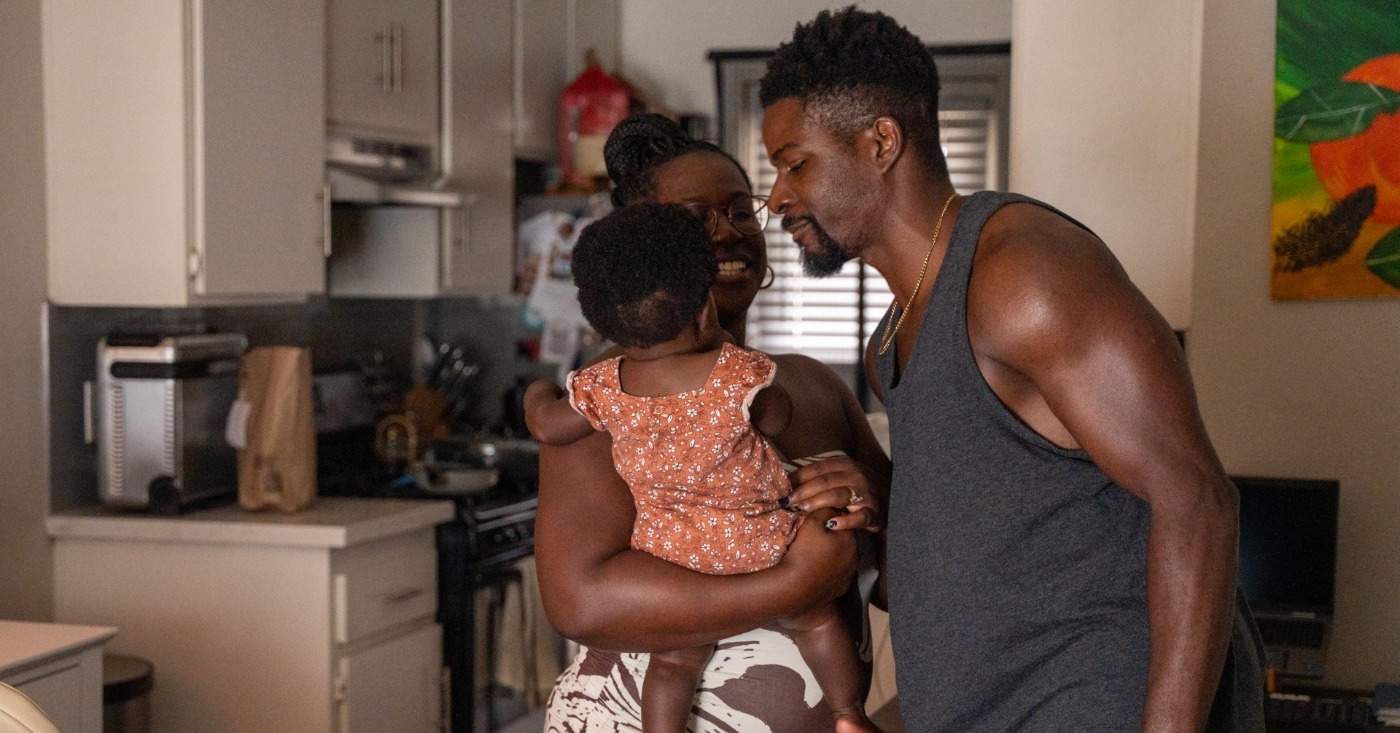
After losing twins, Long Beach resident Cassandra Carter approached the birth of her daughter, Nyomi, last November with anxiety. She wanted support for herself and her husband, Adewole, that extended beyond routine medical care.
“Getting pregnant as a Black woman, I wanted a team around me that made me feel safe,” she said. “I know all about the mishaps that Black women experience.”
Carter, a therapist and self-described hippie, hired Yvette Perry, a doula and co-founder of Divine Birthing Services LLC in Lancaster. Perry helped Cassandra craft a detailed birth plan.
“I was worried about postpartum depression. Mrs. Yvette knows a lot about how postpartum affects men as well,” Carter explained.
Perry was present the day Nyomi was born. She held the baby when Carter or her husband needed a moment and even set up candles in the birthing suite.
“Whatever I needed for my comfort, she was there,” Carter said of Perry. “She was there as an advocate and voice. I had a really serene birthing experience because I had someone extra who wasn’t tied to me as my family.”

Perry, a doula for nearly six years, said preexisting conditions, poor communication and dismissive hospital care heighten health risks for Black mothers.
“Sometimes, Black mommies are not being heard. They don’t know they have rights. They don’t know they can say, ‘no,’” Perry explained. “Doulas empower them. We are there to educate them.”
Perry’s concerns reflect a broader public health crisis. According to the Centers for Disease Control and Prevention’s 2024 maternal mortality report, non-Hispanic Black women in the U.S. died from pregnancy-related causes at a rate of 44.8 deaths per 100,000 live births.
In California, Black women experience the highest pregnancy-related mortality rate — about four times greater than other women, according to statistics. From 2021 to 2023, the leading causes of pregnancy-related deaths included cardiovascular disease, COVID-19, hemorrhage, sepsis, amniotic fluid embolism, and pulmonary embolism.
The Centering Black Mothers in California report found that structural racism — including barriers to high-quality health care, and chronic stress— disproportionately harms Black women.
In a statement to California Black Media (CBM), the California Department of Public Health (CDPH) said maternal mortality disparities stem from multiple factors. The department said addressing structural racism, listening to Black women’s experiences and reducing provider bias are key to closing the gap.
California began covering doula care as a Medi-Cal benefit in 2023, providing eligible patients with support during pregnancy, childbirth and the postpartum period, according to CDPH.
Whitney Dotson of Inglewood wanted an expert on pregnancy, labor, and delivery to guide her and her husband, Anthony, through the birth of their son, Anthony III. So, she hired Perry for doula support.
“It’s always more comfortable when you can have a second opinion,” she said. “Knowing she was better versed in what the options were, made me more comfortable.”
Dotson, 39, had a healthy pregnancy but faced recommendations common for expectant mothers over 35. Her doctor advised inducing labor at 39 weeks, but she hoped to carry to full term.
“I wasn’t comfortable with that,” she admitted.
Perry provided Dotson with information about induction guidelines and alternatives, helping her understand her options and communicate her preferences.
Then, Dotson returned to her doctor.
“I said, ‘I don’t want to — and this is why,’” she recalled. “He agreed and pushed the induction date back a week.”
Perry also advised Anthony on how he could support his wife during and after the pregnancy and during Anthony III’s birth. She also reminded Dotson to change birthing positions — from her back to her hands and knees.
Before Saveneh Martinez became a doula with Fierce Advocates in Contra Costa County, she was a new mom, uneducated on aspects of birth, which led to her first child, Colton, being placed in a Neonatal Intensive Care Unit.
“I didn’t know my choices,” she said.
Martinez called it “lifesaving” for expecting moms to have a doula.
“It should be a medical right,” she said.
California Perinatal Quality Care Collaborative (CPQCC) Senior Associate Medical Director Kimberly D. Gregory said research suggests that doulas decrease the pre-term birth rate and the likelihood of a C-section.
“Having a doula is a proactive thing to do,” she said.
Efforts are being made across the state to reduce maternal deaths.
CDPH’s Title V Action Plan aims to reduce pregnancy-related deaths among Black birthing mothers from 49.7 to 42.3 per 100,000 live births by 2030 through improvements in patient-centered care, expanding community-based perinatal teams, and addressing the social factors that contribute to poor maternal health outcomes.
CDPH’s Black Infant Health (BIH) Program and Perinatal Equity Initiative (PEI) have already begun to make headway.
“BIH’s prenatal group model improves key intermediate outcomes for participants, including increased social support and empowerment, better stress management, reduced depressive symptoms and gains in health knowledge and behaviors such as safe sleep practices and reduced smoking,” the CDPH told CBM.
“PEI’s early implementation results show progress across several participant-reported areas, such as improved birth experiences, breastfeeding initiation, and coparenting skills among fathers and partners,” the CDPH statement continued.
Gregory said the California Pregnancy Associated Review Committee examines maternal deaths and develops guidelines to help hospitals improve care. One of its main recommendations focuses on how hospitals respond to hemorrhaging, a leading cause of pregnancy-related deaths.
Gregory said CMQCC also created standard clinic care practices for cardiovascular disease and sepsis, two more drivers of maternal mortality, but widespread implementation across the state is pending.
She noted that although there are 800 maternal deaths a year in the U.S., there are also 3.6 million births.
“Most people will do well,” she said. “But you should know about complications like preterm birth. You should know about complications like diabetes, preeclampsia and postpartum depression.”
Martinez said doulas help to make birthing the transformative experience that it is, instead of a routine clinical transaction.
“Being able to feel heard, seen, safe, respected, and just being able to create spaces for them to be held as well,” she said.
Supported by the California Health Care Foundation (CHCF), which works to ensure that people have access to the care they need, when they need it, at a price they can afford. Visit www.chcf.org to learn more.
Featured
On Your November Ballot: Prop 38 Would Allocate $8.4 Billion to Immunology and Immunotherapy Funding
“Yes on 38”, with the tagline “Californians for Life-Saving Immunology Research and Cures,” is leading the campaign for the support side of the proposition.
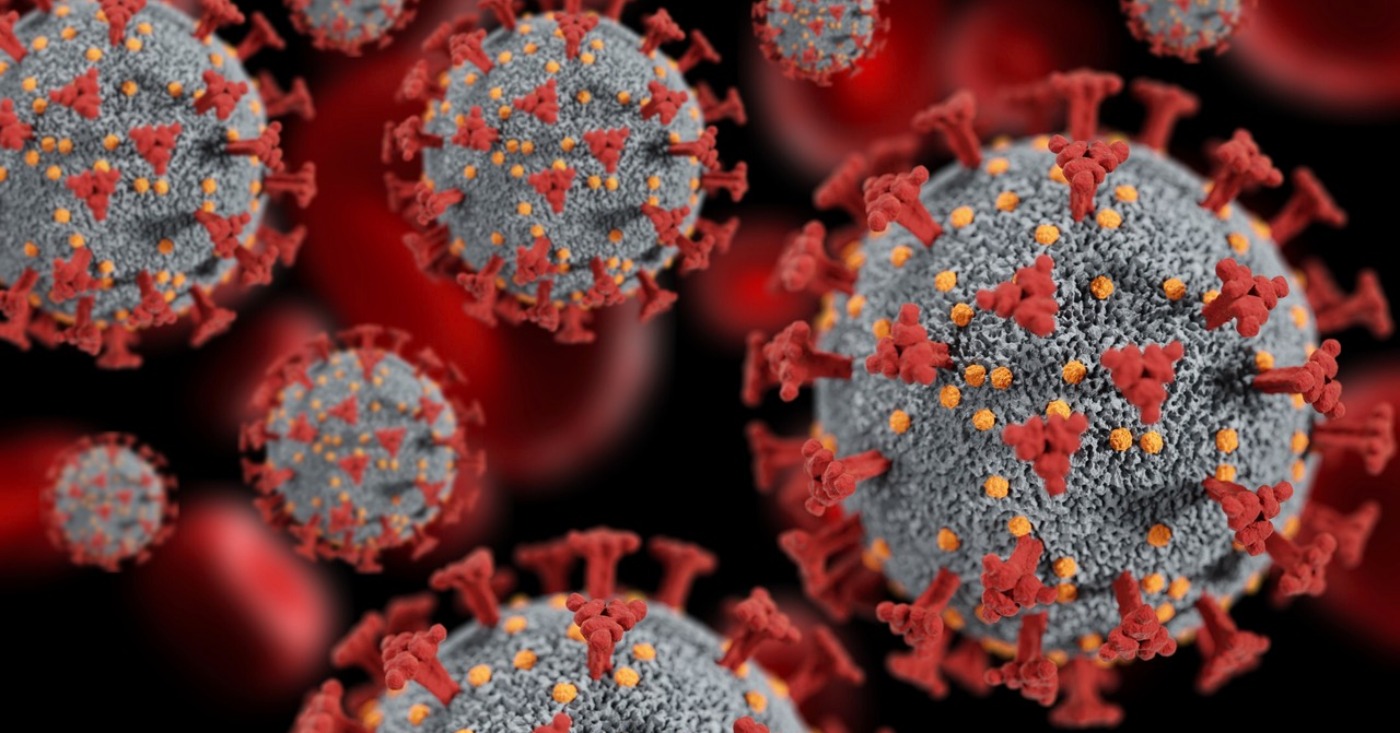
California voters will decide in November whether Proposition (Prop) 38 should authorize substantial state funding for immunology and immunotherapy research.
The initiative would fund immunology and immunotherapy research aimed at harnessing the body’s immune system to develop new treatments, medical procedures and potential cures for diseases such as cancer, Alzheimer’s disease and heart disease.
More specifically, Prop 38, titled the Immunology and Immunotherapy Research Funding Initiative, is split into three main components that would go into effect if passed.
First, the initiative would authorize the state to issue $8.4 billion in general obligation bonds to support immunology and immunotherapy research. At least half of the bond proceeds, or $4.2 billion, would be dedicated exclusively to research.
Additionally, Prop 38 would make it mandatory for the state to enter into an agreement with a qualified nonprofit institute focused and dedicated to researching immunology and immunotherapy within 90 days of the initiative’s effective date. The research institute must be affiliated with the University of California.
The third component mandates that the remaining bond revenue must be directed to California-based public and nonprofit medical institutions through a peer-reviewed grant process.
“Yes on 38”, with the tagline “Californians for Life-Saving Immunology Research and Cures,” is leading the campaign for the support side of the proposition.
Along with the campaign, organizations that have publicly supported the ballot initiative include the California Democratic Party, The ALS Association, Alzheimer’s treatment and advocacy organizations, California Black Health Network, Parkinson Association of Northern California and Reform California among others.
“California has an opportunity to accelerate lifesaving medical breakthroughs. Immunotherapies work differently than traditional treatments. Instead of attacking cells directly, they empower the body’s own immune system to recognize and stop disease. Today, these therapies are already treating certain cancers and chronic conditions — and researchers continue to expand what’s possible. This initiative invests in proven science so cures can move from the lab to patients faster,” said the campaign.
No on Proposition 38 is leading the campaign against the measure, with support from the League of Women Voters of California. Opponents argue that California cannot afford to assume $8.4 billion in debt for medical research that may not produce definitive results. They also object to directing more than half of the bond proceeds — $4.2 billion — to a single qualifying nonprofit research institute, arguing that funding decisions of this magnitude should be made through the state’s regular budget process.
“Medical research can save lives, but Prop 38 is the wrong way to fund it. It would authorize $8.4 billion in borrowing for immunology and immunotherapy research and require the state to make $500 million to $600 million in annual debt payments for about 20 years. Those payments would come from the General Fund, which also pays for schools, health care, and other public services,” the League of Women Voters of California said.
A “yes” vote would authorize $8.4 billion in state bonds to fund immunology and immunotherapy medical research.
A “no” vote would reject the proposed bond funding.



Listening as a Lifeline: A Doula’s Witness to Black Maternal Health

New Protections for Ticket Buyers: Gov. Newsom Signs Assemblymember Isaac Bryan’s Bill

‘We Don’t Talk Trash — We Pick Up Trash!’

Zakiya Jendayi Arrested, Locked Out of Home by Sheriff’s Deputies

Oakland Post: Week of September 30 – October 6, 2026

Asm. Corey Jackson Announces Launch of 24-Hour Childcare in His District

IN MEMORIAM: The Rev. Leon “Sonny” Clark, Longtime Orange County Pastor and Community Leader, Dies at 72

Poll: Becerra Widens His Lead Over Hilton; Californians Split on Wealth Tax

From Historic Memories to New Possibilities: Oakland Celebrates Coliseum 60

County Office of Education Says OUSD Finances Are Getting Healthier, Materially Stronger

LIVE FREE Sunday Dinner Brings Faith, Fellowship and Civic Conversation to Oakland

Remembering Chauncey Bailey as Student Journalists Face Threats to Truth-Telling

BLACspace Cooperative Invites Bay Area to Experience Oakland’s Black Cultural Ecosystem Through a BLAC Map Tour + Party

In Wake of Death on Doorstep, Williams Chapel Baptist Church Calls for Better Care, Funding for Unhoused

Oakland Centenarian Nuna McKee Honored!

Standoff for Justice: Our Homes Are Worth Fighting For

Oakland Post: Week of August 26 – September 1, 2026

Frontier Airlines’ Return to Oakland Airport Brings Flights, Jobs and Opportunity

Gubernatorial Candidate Steve Hilton Blasts California New Tire Rules; Newsom Hits Back

Chef Sharon Lee Blends Culinary Excellence, Education and Empowerment

Jackie Wright Champions Bay Area Stories, Filmmakers and Cultural Institutions

Misnamed ‘Parent’ PAC Seeks to Influence Oakland School Board Elections

Oakland Coliseum Project Opens Door for Small Businesses to Build Bigger

Big City Mayors Ask for “Yes” Vote on Housing Bond Measure; Conservatives Say “No”

Gov. Newsom’s Latest Appointees Include Sacramento Advocate for Formerly Incarcerated Students; State’s New Tech Chief

Longtime BWOPA Member Brendalyn Goodall Appointed to California Workforce Development Board

Gov. Newsom Signs Law Shielding Immigration Aid Workers From Doxing Threats

Secretary of State Shirley N. Weber Urges Californians to Vote Early as Voter ID Battle Intensifies

Oakland Post: Week of September 2 – 8, 2026

IN MEMORIAM: Dolly Parton Dead at 80 — How She Built a Legacy of Love and Earned Her Place in Black Culture

The Conversation With Al McFarlane 6/23/26

Media Monday 6/22/26

LIVE! ASK ALMA! — TUES. 6.23.26 7PM EST

Car Buying Secrets: 4 Hidden Checks Before You Sign!

Is This 550 HP Charger Worth YOUR Money? AutoNetwork Review

Celebrating Juneteenth – Frederick Douglass on education and resistance

LIVE! — ASK ALMA! — TUES. 6.19.26 7PM EST

Hyundai Ioniq 5 Parking, Safety, and 360 View #shorts

2025 Ioniq 5 New Wiper & Powerful Performance! #shorts

Electric SUV Range: Is 259 Miles Enough? #shorts

EV Charging: How Fast Can You Charge an Electric Vehicle? #shorts

Biometric Cooling… Messaging Seats…Come on! 2025 Infiniti QX80 Autograph 4WD

Charged Up: Witness the Magic of a Fully Electric Car! #shorts

Range Rover Sport PHEV Included…: See What’s Inside This Luxury SUV! #shorts

Invisible Hood View: Perfect Parking with X-Ray Vision! #shorts
-
 Community3 weeks ago
Misnamed ‘Parent’ PAC Seeks to Influence Oakland School Board Elections
-
 Activism4 weeks ago
Oakland Post: Week of September 2 – 8, 2026
-

 Community3 weeks ago
Richmond Tiny House Village Farm & Garden Set to Open Gates on Sept. 26
-

 Activism3 weeks ago
Oakland Post: Week of September 9 – 15, 2026
-

 Black History3 weeks ago
Latest Massacre in Haiti Reveals Cruelty U.S. Deportations
-

 Black History3 weeks ago
OPINION: Nolan Wells’ Death One of Several Signifying Racial Terror Lives on in U.S. South
-

 Community3 weeks ago
Democratic Clubs Interview Candidates for Oakland School Board
-

 Business2 weeks ago
Mayor Lee Announces $1 Million Kaiser Permanente Grant for Pilot Program to Address Homelessness, Clean Up Public Spaces throughout Oakland
