
Politics
Black Lives Matter Vote Could Swing Some Key Elections


(AP Photo/Jim Mone)
By Charles D. Ellison
Special to the NNPA from The Philadelphia Tribune
(NNPA)—There are now five presidential battleground states in 2016 that could be heavily impacted by the #BlackLivesMatter movement.
Of course, it depends on a variety of factors and where the political winds blow. And many observers are in wait-and-see mode over the exact status of a scattered, yet burgeoning “Second Civil Rights Movement” some experts perceive as lacking needed political teeth.
That status, also put on slight hiatus by a much more frigid than normal winter, just got complicated with last week’s shootings of two Ferguson, Mo., police officers during an otherwise peaceful protest marking the resignation of police chief Thomas Jackson.
Yet, despite the challenges, there are signs the movement could dramatically shake up the political landscape in several key states. Location, it seems, is everything. The five battleground states identified are also the same spots where tragic shootings of unarmed Black men have taken place in recent years: Florida, Missouri, Ohio, Pennsylvania and Wisconsin.
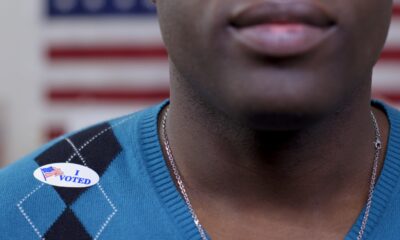
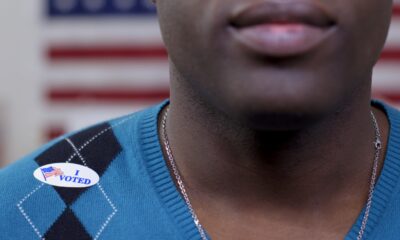
Three of these states are already launching pads for three prospective Republican presidential candidates.
All five states are also places where Democratic presidential primaries, statewide gubernatorial and senatorial races and general elections find campaigns occasionally declaring all-out electoral war when wooing Black voters.
With the tragedies in each of these states sparking massive social justice protests — from the genesis of #BlackLivesMatter in Ferguson to the spawning of Young, Black and Gifted in Madison, Wis. — there is evidence the movements could mobilize Black voters into action for 2016. That comes at a time when many activists and voter advocates are concerned African-American turnout will be substantially depressed in the next presidential election without President Barack Obama’s name on the ballot. Many Democratic strategists worry Black turnout will be a major challenge without the kind of candidate that will excite them into action in the next election cycle.
However, issues such as police brutality and violence could.
“Given the intensity of the issue and that it’s not likely to be resolved any time soon, I think the momentum will last until the next election,” DePaul University political scientist Christina Rivers told the Tribune. “In particular, I think the #BlackLivesMatter movement will galvanize young Black voters, especially students.”
Rivers also points to students and young voters in North Carolina fighting against that state’s voter suppression laws. And last week, students from HBCUs Fisk and Tennessee State University filed a federal lawsuit challenging Tennessee’s voter ID law.
In Florida, the African-American community is still uneasy and upset over the needless so-called “Stand Your Ground” defense slayings of Black teens Trayvon Martin and Jordan Davis, in which the former’s killer, a troubled George Zimmerman, was acquitted. But, the Sunshine State is also a well-known political bellwether greatly influencing presidential primaries and the general election cycle. It just recovered from a caustic gubernatorial election in which the state’s controversial Republican Gov. Rick Scott won a second term and one of its U.S. senators, Republican Marco Rubio, is openly mulling a 2016 presidential bid. The state is also 20 percent African American.
In Missouri, Black protesters are still smarting over the killing of Black teen Michael Brown and the non-indictment of Ferguson police officer Darren Wilson. Upcoming city council protests in April could be a preview of what the Black electorate, 13 percent of Missouri’s population, could do in 2016.
While protests simmered to a near stop over the winter, advocates have kick-started activities in the wake of federal Department of Justice probe findings of racist policing patterns by the department, the announcement of no civil rights charges against Wilson and the exit of the police chief and city manager.
Ohio is also home to two extremely tragic cases: the case of 12-year old Tamir Rice in Cleveland and John Crawford in Beavercreek. In both instances, white police officers wrongly assumed Black males were armed and dangerous when they were not, killing both within seconds of seeing them and without stopping to assess either situation.
Out of all five states identified, Wisconsin could be the ugliest. A perfect firestorm of political factors are converging on that state, still shaking off the hangover of a nasty recall election triggered by labor unions against Badger State Gov. Scott Walker (R-Wis.). Walker won, but the wounds are visible as Walker continues pressing forward with state right-to-work laws perceived as an existential threat to the state’s public sector workforce.
Making the situation even more politically caustic is the recent fatal shooting of unarmed Black teen Tony Robinson in the state capitol, Madison, Wis., by a white city police officer.
While Madison is considered an oasis of Badger State liberal politics, and the state’s second-largest city with a Black population near 10 percent, it’s now become the flashpoint of brewing protests over Robinson’s death.
But, Walker is also currently viewed as a growing favorite and front-runner in the 2016 presidential race. While the governor, predictably, has not made any comment on what’s happened in Madison, an emerging alliance between Black protesters and state labor unions desperately seeking an ally in their fight against right-to-work could become a thorn in Walker’s national ambitions.
It may not be as impactful in the GOP primary (since the Black vote is less than 10 percent of the Republican electorate). But any sudden spike in Black political activity in Wisconsin could prove challenging for Republicans, especially if Walker wins the primary as a presidential nominee or, at the very least, becomes the nominee’s running mate.
Still, some are doubtful the growing youth movement will gain the traction it needs by 2016 or be politically savvy enough to know what it must do.
“We’ll see how much actual policy comes out of state legislatures and city councils in those states,” said former Colorado Senate President Peter Groff, now a prominent national advisor to Black state legislators. “Recommendations are sitting there, but I haven’t seen much policy movement.”
“From a media standpoint, the ‘movement’ is losing steam,” added Groff.
Washington, D.C.-based attorney and former District of Columbia Democratic Party Committee Chair A. Scott Bolden is also skeptical.
“I would be leery of the notion that these incidents will resonate beyond the protesters,” Bolden argued, suggesting movement platforms could inadvertently alienate white voters. “People who don’t look like you and me have a much different and much more positive view of police.”
“Historically, these types of [police brutality] movements or protests haven’t translated into political impact,” added Bolden. “This angst against police has always been present. The difference, obviously, is social media since we now have immediate access to the events.”
###






Business
OP-ED: Proposition 44 Would Put a Price on Trust
The danger in Proposition 44 is not only its 90 percent figure. It is that the meaning of “qualifying” spending will be worked out later. A clinic preparing a budget today may not know whether a navigator, health educator, transportation program, outreach worker, technology upgrade, or other patient-support service will be counted the way it expects. Yet the financial consequence of getting it wrong could be immediate.



Business
OP-ED: Proposition 40: It’s Time to Play Chess, Not Checkers
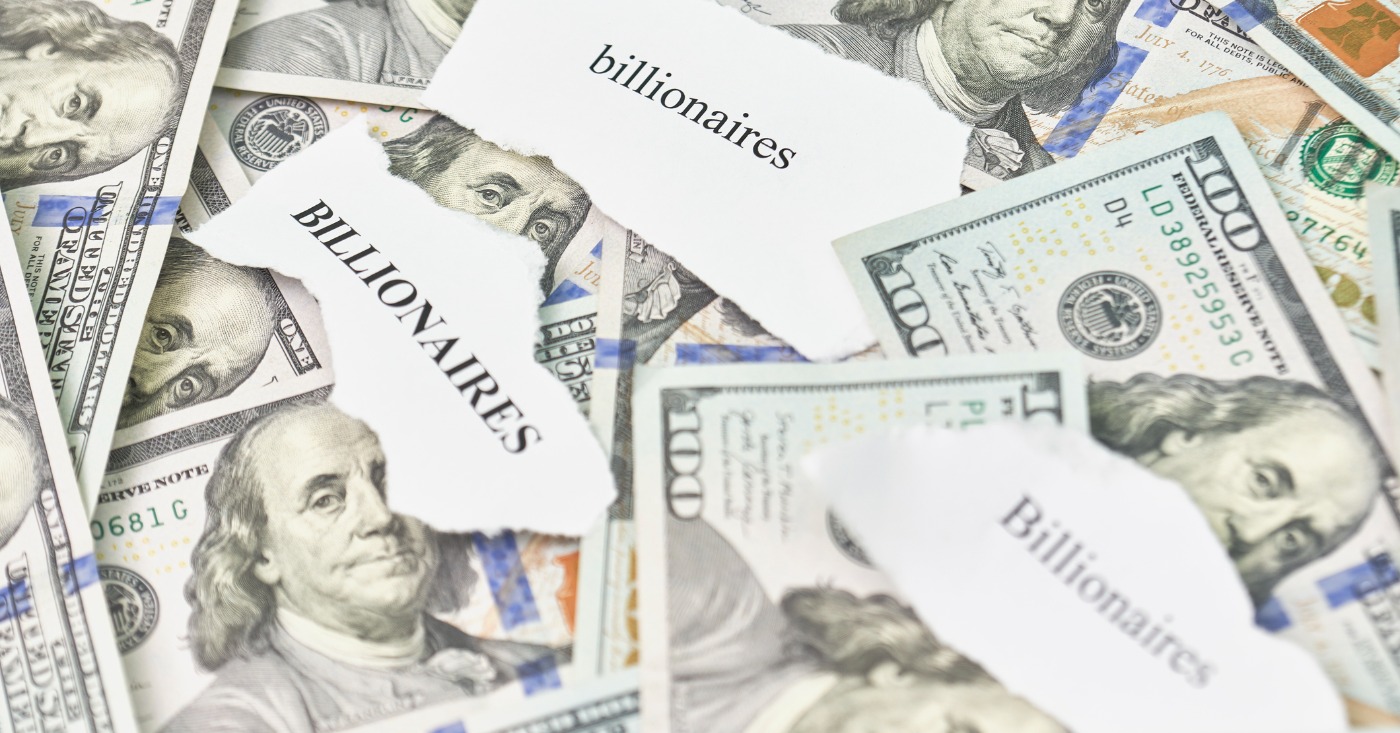
Proposition 40 would impose a one-time 5 percent tax on the wealth of Californians with more than $1 billion in assets. Most of that money would go toward health care, with the remainder supporting food assistance and education-related programs.
Activism
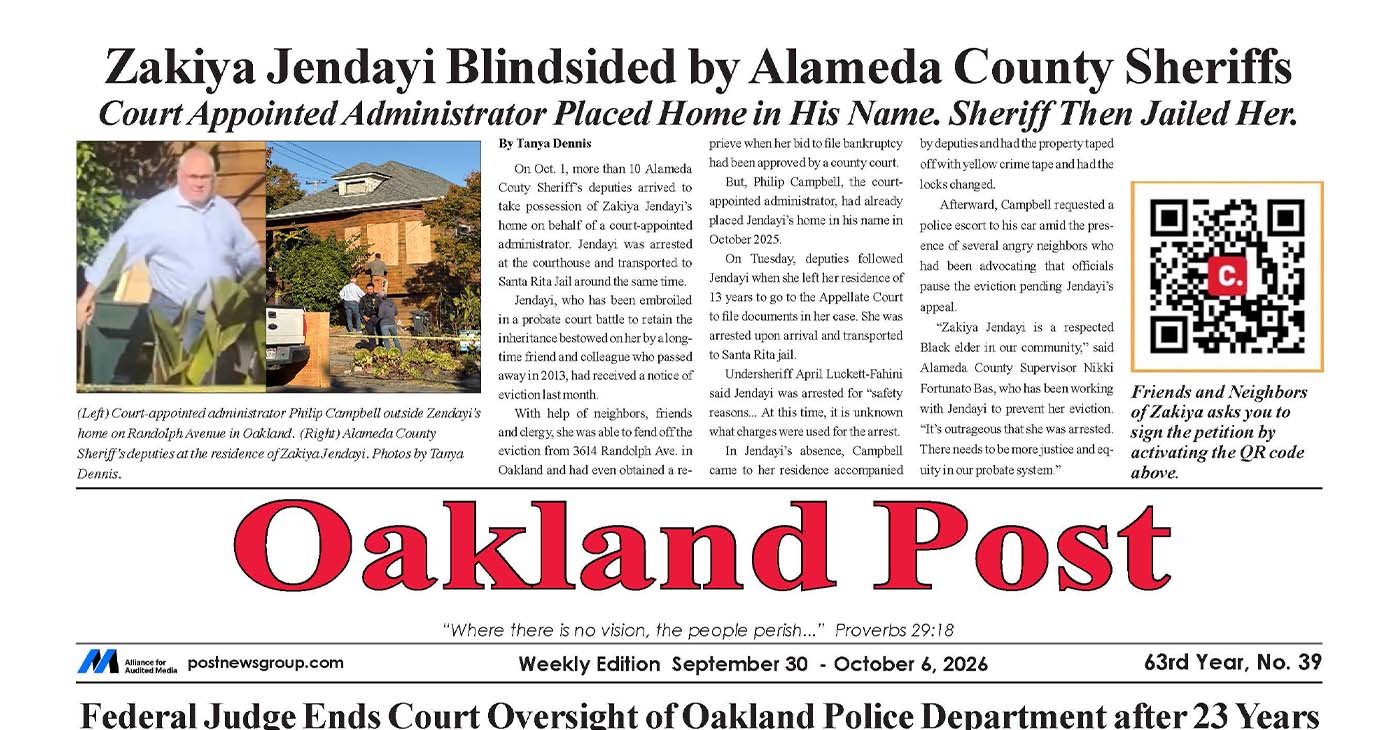
Oakland Post: Week of September 30 – October 6, 2026
The printed Weekly Edition of the Oakland Post: Week of September 30 – October 6, 2026
To enlarge your view of this issue, use the slider, magnifying glass icon or full page icon in the lower right corner of the browser window.



OP-ED: Proposition 44 Would Put a Price on Trust

OP-ED: Proposition 40: It’s Time to Play Chess, Not Checkers

Listening as a Lifeline: A Doula’s Witness to Black Maternal Health

New Protections for Ticket Buyers: Gov. Newsom Signs Assemblymember Isaac Bryan’s Bill

‘We Don’t Talk Trash — We Pick Up Trash!’

Zakiya Jendayi Arrested, Locked Out of Home by Sheriff’s Deputies

Oakland Post: Week of September 30 – October 6, 2026

Asm. Corey Jackson Announces Launch of 24-Hour Childcare in His District

IN MEMORIAM: The Rev. Leon “Sonny” Clark, Longtime Orange County Pastor and Community Leader, Dies at 72

Poll: Becerra Widens His Lead Over Hilton; Californians Split on Wealth Tax

From Historic Memories to New Possibilities: Oakland Celebrates Coliseum 60

County Office of Education Says OUSD Finances Are Getting Healthier, Materially Stronger

LIVE FREE Sunday Dinner Brings Faith, Fellowship and Civic Conversation to Oakland

Remembering Chauncey Bailey as Student Journalists Face Threats to Truth-Telling

BLACspace Cooperative Invites Bay Area to Experience Oakland’s Black Cultural Ecosystem Through a BLAC Map Tour + Party

Standoff for Justice: Our Homes Are Worth Fighting For

Oakland Post: Week of August 26 – September 1, 2026

Frontier Airlines’ Return to Oakland Airport Brings Flights, Jobs and Opportunity

Gubernatorial Candidate Steve Hilton Blasts California New Tire Rules; Newsom Hits Back

Chef Sharon Lee Blends Culinary Excellence, Education and Empowerment

Jackie Wright Champions Bay Area Stories, Filmmakers and Cultural Institutions

Misnamed ‘Parent’ PAC Seeks to Influence Oakland School Board Elections

Oakland Coliseum Project Opens Door for Small Businesses to Build Bigger

Gov. Newsom’s Latest Appointees Include Sacramento Advocate for Formerly Incarcerated Students; State’s New Tech Chief

Big City Mayors Ask for “Yes” Vote on Housing Bond Measure; Conservatives Say “No”

Longtime BWOPA Member Brendalyn Goodall Appointed to California Workforce Development Board

Gov. Newsom Signs Law Shielding Immigration Aid Workers From Doxing Threats

Oakland Post: Week of September 2 – 8, 2026

Secretary of State Shirley N. Weber Urges Californians to Vote Early as Voter ID Battle Intensifies

IN MEMORIAM: Dolly Parton Dead at 80 — How She Built a Legacy of Love and Earned Her Place in Black Culture

The Conversation With Al McFarlane 6/23/26

Media Monday 6/22/26

LIVE! ASK ALMA! — TUES. 6.23.26 7PM EST

Car Buying Secrets: 4 Hidden Checks Before You Sign!

Is This 550 HP Charger Worth YOUR Money? AutoNetwork Review

Celebrating Juneteenth – Frederick Douglass on education and resistance

LIVE! — ASK ALMA! — TUES. 6.19.26 7PM EST

Hyundai Ioniq 5 Parking, Safety, and 360 View #shorts

2025 Ioniq 5 New Wiper & Powerful Performance! #shorts

Electric SUV Range: Is 259 Miles Enough? #shorts

EV Charging: How Fast Can You Charge an Electric Vehicle? #shorts

Biometric Cooling… Messaging Seats…Come on! 2025 Infiniti QX80 Autograph 4WD

Charged Up: Witness the Magic of a Fully Electric Car! #shorts

Range Rover Sport PHEV Included…: See What’s Inside This Luxury SUV! #shorts

Invisible Hood View: Perfect Parking with X-Ray Vision! #shorts
-
 Community3 weeks ago
Misnamed ‘Parent’ PAC Seeks to Influence Oakland School Board Elections
-

 Activism3 weeks ago
Oakland Post: Week of September 9 – 15, 2026
-

 Community3 weeks ago
Richmond Tiny House Village Farm & Garden Set to Open Gates on Sept. 26
-

 Black History3 weeks ago
Latest Massacre in Haiti Reveals Cruelty U.S. Deportations
-

 Black History3 weeks ago
OPINION: Nolan Wells’ Death One of Several Signifying Racial Terror Lives on in U.S. South
-

 Business2 weeks ago
Mayor Lee Announces $1 Million Kaiser Permanente Grant for Pilot Program to Address Homelessness, Clean Up Public Spaces throughout Oakland
-

 Community3 weeks ago
Democratic Clubs Interview Candidates for Oakland School Board
-
 Uncategorized3 weeks ago
NBA All-Star Damian Lillard Returns Home for 15th Annual Backpack Giveaway
