
Art
More young people reading, buying poetry
FLORIDA COURIER — People are clicking on poetry on Twitter.

By Jenna Ross
ST. PAUL, Minn. – People are clicking on poetry on Twitter. They’re listening to poems on podcasts. They’re buying poetry collections on Amazon.
But on a recent Monday night in St. Paul, they were hearing poetry in person. A diverse, mostly 20-something crowd snapped and purred as friends and strangers read their verses from Park Square Theatre’s lower stage during Button Poetry’s monthly slam poetry competition.
Many were drawn by YouTube. (Button’s YouTube channel boasts more than a million followers.) By Instagram. By the changing world of poetry.
“We’re seeing astronomical growth,” said Sam Van Cook, who founded Button, a Minneapolis-based company that straddles poetry’s in-person and online worlds. “Friends who work in book sales … we joke that for the first time in any of our lives, poetry is a growth industry.”
National bump
More people — especially young people — are reading and buying poetry. About 12 percent of adults read poetry in the past year, a bump of 5 percentage points over 2012 and a 15-year high, according to a new survey by the National Endowment for the Arts.
Sales of poetry books have swelled over that time, according to NPD BookScan, which tracks book sales in the U.S., “making it one of the fastest growing categories in publishing.”
Social media are driving the trend. Among the top 20 bestselling poetry authors in 2017 were a dozen so-called “Instapoets,” who attract readers by sharing short, photogenic verse on Instagram and Twitter.
Their queen is Rupi Kaur, an Indian-born Canadian poet who boasts 3.4 million Instagram followers, sells out theaters and claps back at her detractors.
New, ‘b-side poems’
But poets published by traditional presses and praised by critics use those platforms too, sharing one another’s work and changing the notion of a poet as an old White dude.
Minnesotans Danez Smith and Hieu Minh Nguyen are among those sharing new and “b-side” poems on Twitter, letting their thousands of followers in on whom they’re crushing on, poetry-wise and otherwise.
“There’s a myth around who a poet can be — or who can be a poet,” Nguyen said by phone. “People are seeing that those archetypes, those barriers, aren’t true.”
More diverse
As the slate of bards becomes more diverse, so do their audiences. Some of the biggest gains in that NEA Survey of Public Participation in the Arts, released last year, came from people of color. About 15 percent of African-Americans reported reading poetry, up from 7 percent in 2012.
Some 13 percent of AsianAmericans had read poetry in the past year, compared with 5 percent in 2012.
Minnesota-based Vietnamese-American poet Bao Phi compared it to the shift in Hollywood, where “we’ve seen that representation can actually pay out huge dividends.”
Spoken word success
For decades, many marginalized people have hustled to diversify the slate of poets performing and publishing, especially by connecting with students and young people, said Phi, who crafted his reputation as a spoken word artist in the 1990s.
Performance-based poetry finally shed some of the scene’s chauvinism. Spoken word artists broke through the glass ceiling of publishing. (Phi didn’t publish his first poetry collection, “Sông I Sing,” until 2011.)
“This didn’t happen overnight,” Phi said. “All that work adds up to what we’re seeing now.”
‘Political poetry’ hot
Erika Stevens, poetry editor at large for the Minneapolis-based nonprofit Coffee House Press, pointed to “Indecency,” by Justin Phillip Reed, which tackles White supremacy with intimate, sometimes confrontational poems.
Last year, that collection, published by Coffee House, won the National Book Award in poetry, showing “how far the institutions have come in terms of what they recognize as innovative and groundbreaking and worthy of award attention,” Stevens said.
U.S. poet laureate Tracy K. Smith recently wrote in the New York Times about why “political poetry is hot again,” arguing that poetry “has become a means of owning up to the complexity of our problems.”
Reaching women
Poets and readers have debated the success of Kaur, who turned a viral Instagram post into bestselling books, a tour and, now, printed canvases.
A recent poem, paired with a pen drawing, nabbed more than 200,000 likes: “i am water/ soft enough/to offer life/tough enough/ to drown it away.”
Whether Kaur’s hugely popular poetry is “for me or not is not the question,” said Van Cook, of Button Poetry. “But I can tell you, if I talk to people about poetry at a wedding or a coffee shop, people — especially young women, women of color — she’s one of the first names on their lips.”
Those young women recognize themselves in her work and find solace in her books, he said.
‘Little less magnificent’
Van Cook founded Button because he believes poetry is “most vibrant read aloud, and read by someone who loves it.” Its YouTube videos of readings by well- and lesser known poets often amass tens of thousands of views.
Composers talk about how film took classical music, which was being relegated to the sidelines, and gave it a new, more prominent home, he said. “People are going to look back and talk about social media that way for poetry,” Van Cook predicted. “What poetry needed was to be a little less magnificent.”
At “Button Poetry Live” on Monday night, a few newbies and some spoken word veterans took the stage, reading from iPhones and journals and memory. Many of their poems grappled with tough topics: micro-aggressions, breakups, coming out. Then, the special guest took the stage: poet, performer and podcast host Franny Choi.
For one poem, titled @fannychoir for her Twitter handle, she took racist, misogynistic tweets and Google-translated them into other languages and then back again, to English.
In short, she garbled their words and made them hers.
“Mrs. Great Anime Pornography, the fruit of the field,” she began with a smirk.
Making them think
Outside the theater, three friends in their 20s perused Choi’s chapbooks, selling for $12 and $15. They started attending Button’s live events after hearing about them from a friend, finding them to be an inexpensive, fulfilling way to spend a night together.
“It’s thought-provoking,” said Katie Snell, 26, of Minneapolis. “I cried.” Snell owns “Milk and Honey,” a book of Kaur’s poetry, she said. But that wasn’t her introduction to the form.
Years back, she said, she came across a book of sonnets at a used-book store and brought it home.
This article originally appeared in the Florida Courier.














Art
BLACspace Cooperative Invites Bay Area to Experience Oakland’s Black Cultural Ecosystem Through a BLAC Map Tour + Party
BLACspace Cooperative invites the Bay Area to experience Oakland’s Black cultural ecosystem through its BLAC Map Tour + Party on October 2. Presented as part of the Museum of the African Diaspora’s Nexus: SF/Bay Area Black Art Week, the event offers a guided field trip through creative and cultural spaces, followed by a celebration. Guests will explore the people and places shaping Black arts and culture across Oakland. The tour highlights BLACspace’s interactive guide to spaces stewarded by its members. Read more to learn about this unique event.

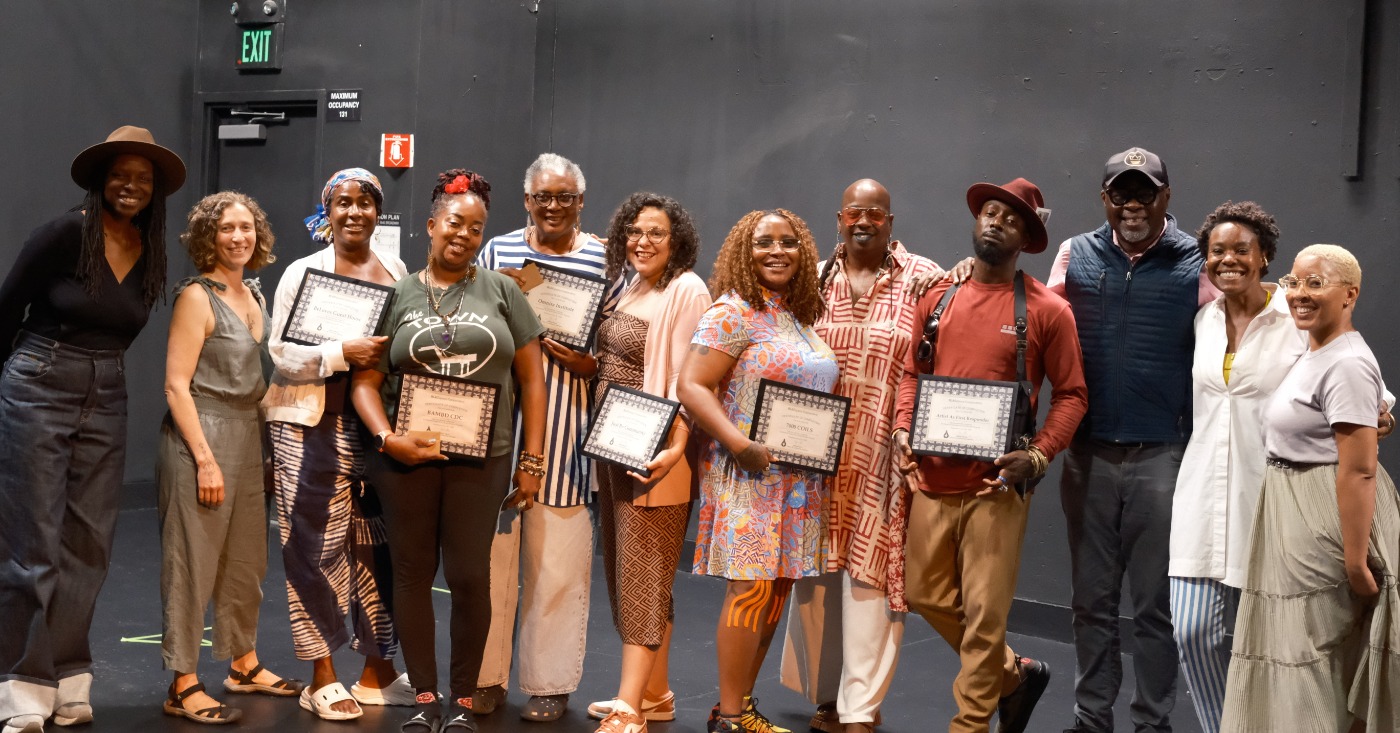
Presented as part of MoAD’s Nexus: SF/Bay Area Black Art Week, the October 2 experience takes guests inside the spaces, practices, and relationships that keep Black arts and culture rooted in Oakland
What does Oakland’s Black cultural ecosystem look like from the inside?
On Friday, October 2, BLACspace Cooperative will bring its BLAC Map to life with The BLAC Map Tour + Party, a two-part experience connecting artists, cultural workers, community partners, funders, and arts lovers with the people and places shaping Black arts and culture across Oakland and the greater Bay Area.
Presented as part of the Museum of the African Diaspora’s Nexus: SF/Bay Area Black Art Week, the day begins at MoAD at 685 Mission St. at 12 noon with a guided field trip through creative and cultural spaces connected to the BLACspace ecosystem.
Guests will travel together by bus from San Francisco to Oakland, stepping inside studios, cultural hubs, creative businesses, and gathering places while experiencing artist talks, exhibitions, film, music, movement, ancestral practice, and opportunities for conversation.
The Tour is an extension of The BLAC Map of Oakland, BLACspace’s interactive guide to creative and cultural spaces stewarded by members of its ecosystem. The map makes visible a network of people and places working to keep Black culture rooted in a city where displacement, rising costs, and shrinking arts funding continue to threaten cultural permanence.
“We call this work Cultural Reforestation,” said Zakiya Harris, Vision and Leadership steward of BLACspace Cooperative. “It’s about repairing, replenishing, and rooting Black arts and culture where it has been displaced, and creating the conditions for our cultural ecosystem to remain for generations to come.”
The Tour will move through several Bay Area cultural spaces, including Minnesota Street Project, The Barn, B-Love’s Guest House, Koo Labs Production & Design Center, BAM House, and BlaQyard, with experiences featuring members and collaborators across the BLACspace ecosystem.
At 5 p.m., the field trip gives way to The BLAC Map Party, a celebration of the ecosystem the Tour spent the day exploring. The evening invites the wider community to gather for music, food, art, cultural activations, an opening Ring Shout ceremony, and connection among Black artists, cultural workers, organizations, and the people who support their work.
The experience reflects BLACspace’s larger belief that the future of Black arts and culture requires cooperation.
As a Black arts and culture-promoting cooperative, BLACspace brings together artists, cultural workers, creative businesses, and organizations to share resources, relationships, knowledge, and stewardship.
Through membership, holistic business coaching, mutual aid, consulting, storytelling, and advocacy for cultural spaces, the cooperative is building infrastructure intended to strengthen Oakland’s Black cultural economy for the long term.
EVENT INFORMATION
The BLAC Map Tour + Party
Friday, Oct. 2
BLAC Map Tour: 12–5 p.m.
Begins at the Museum of the African Diaspora (MoAD)
685 Mission St., San Francisco
BLAC Map Party: 5–8 p.m.
Oakland, California
Party location provided to confirmed RSVP guests.
Tickets, RSVP information, and additional event details are available through BLACspace Cooperative at ABOUT BLACSPACE COOPERATIVE
About BLACspace Cooperative:
BLACspace Cooperative connects and cultivates an ecosystem of artists, cultural workers, creative businesses, and organizations shaping Black arts and culture. Through holistic business coaching, values-aligned consulting, shared stewardship, and advocacy for cultural spaces, BLACspace works to create the conditions for its ecosystem to remain rooted and thrive.
Its work is grounded in Cultural Reforestation: strengthening what is here, restoring what has been displaced, and building toward cultural permanence in Oakland and beyond for the next 100 years.
Adéniké Amin is the storytelling steward for BLACspace Cooperative. For media and other information, please reach out to adenike@blacspace.coop

Art
Misty Copeland Shapes Ballet’s Tomorrow
THE POSITIVE COMMUNITY — Misty Copeland will curate the 2026 Joyce Ballet Festival, a two-week event in New York City from August 4-16. This role allows her to influence the future of ballet by showcasing a wide range of dancers, choreographers, and companies. The festival will present both established and contemporary works, blending classical traditions with new artistic expressions.
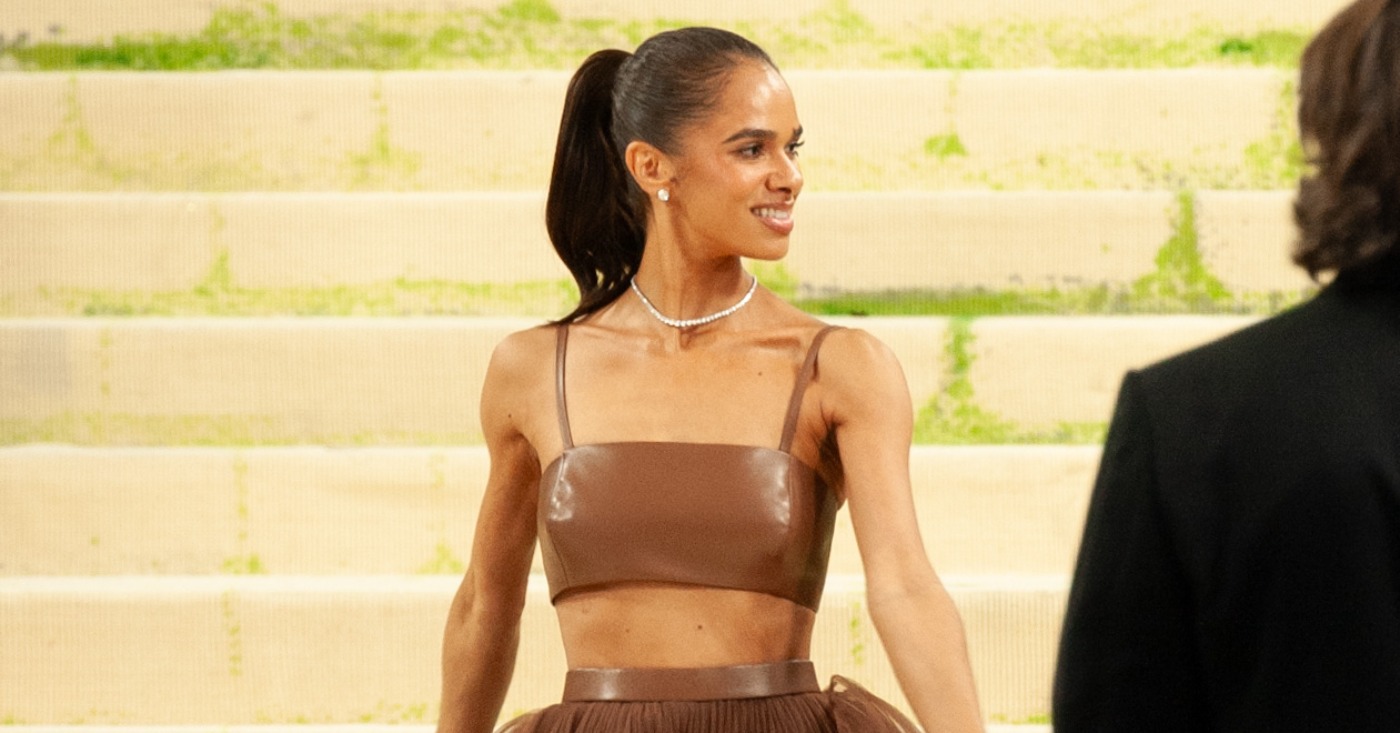
This summer, Misty Copeland will step into a different kind of spotlight. Instead of taking center stage as a dancer, she will help determine what audiences see onstage as curator of the 2026 Joyce Ballet Festival. Taking place August 4 through August 16 at The Joyce Theater in New York City, the two-week celebration will bring together dancers, choreographers and companies representing a broad spectrum of ballet. The festival gives Copeland an opportunity to share not only her appreciation for ballet’s traditions, but also her vision for its future.
Copeland understands better than most how powerful a ballet stage can be. Her historic career with American Ballet Theatre changed the conversation about representation in one of the world’s most traditional performing arts. When she became the company’s first Black woman to reach the rank of principal dancer, her achievement carried significance far beyond a personal milestone. It gave young dancers of color a new image of what was possible and challenged the industry to reconsider who belonged at the center of ballet.
That history informs the perspective she brings to the festival. Copeland has spent much of her career moving between performance, mentorship, advocacy and storytelling. Her curatorial role allows her to bring those interests together by creating a program that does not treat ballet as a museum piece. Instead, the festival presents dance as an evolving language capable of carrying classical traditions into new cultural and artistic territory.
Audiences will encounter a mixture of established works and contemporary creations during the festival. Classical ballet vocabulary will share space with choreography that pushes dancers toward different physical, emotional and theatrical possibilities. The result is intended to give audiences a broader understanding of the art form while demonstrating that tradition and innovation do not have to be competing forces.
The lineup also provides an opportunity to see dancers from different artistic environments. Performers connected to organizations including American Ballet Theatre, New York City Ballet, Paris Opera Ballet, Houston Ballet, Dance Theatre of Harlem and Complexions Contemporary Ballet are among those represented in the festival. Each company carries its own history and artistic identity, making their participation part of a larger conversation about the many ways ballet can be performed and interpreted.
The presence of Dance Theatre of Harlem is particularly meaningful within the larger story of Copeland’s career and the evolution of Black representation in ballet. Founded during a period when opportunities for Black dancers were severely limited, the company helped demonstrate that excellence and classical training could flourish in a Black cultural environment. Its legacy continues to influence dancers and audiences, making its connection to a festival curated by Copeland especially resonant.
The program also reaches beyond a single definition of contemporary ballet. Choreographers with different backgrounds and artistic philosophies contribute to an evening that can move from recognizable classical structures to works shaped by modern dance, theater, popular culture and new approaches to movement. That diversity reflects a generation of artists who increasingly see ballet not as a rigid vocabulary but as a foundation from which they can explore.
For New York audiences, the festival offers something that is increasingly valuable: the opportunity to experience outstanding dancers in an intimate setting. The Joyce is known for presenting dance in a theater where audiences can see movement and artistry up close. That environment can make a familiar ballet work feel newly personal while allowing experimental pieces to communicate with unusual immediacy.
Copeland’s role as curator also sends a message about the importance of artistic leadership. The people who select performers and choreography help determine which stories receive attention and which artists receive opportunities. By bringing a range of voices into the festival, Copeland is using that responsibility to broaden the conversation around ballet. Her choices can introduce audiences to artists they may not otherwise encounter while encouraging longtime ballet followers to look at the form from a different perspective.
The 2026 Joyce Ballet Festival ultimately arrives at an important moment for the art form. Ballet is carrying centuries of tradition into an era defined by changing audiences, broader representation and increasingly adventurous choreography. Copeland’s festival reflects that transition. For two weeks in August, The Joyce will become a meeting place for the familiar and the unexpected—a celebration of where ballet came from and a preview of where it may be going. And with Misty Copeland helping shape the conversation, the future of ballet promises to be as expansive as the dancers who are defining it.
Based on reporting by The Positive Community.
Art
BOOK REVIEW: Never Tell a Black Girl How to Black Girl: Essays
Growing up in North Carolina, she Black Girled her hair her entire life. Her grandma made her sit for box braids when she was small, telling Brown that she was “tenderheaded.” Later, Brown had relaxed hair until she “went broke” and couldn’t afford the process anymore. That was when she got acquainted with her natural hair – although she returned to box braids at least once, and loved them all over again.
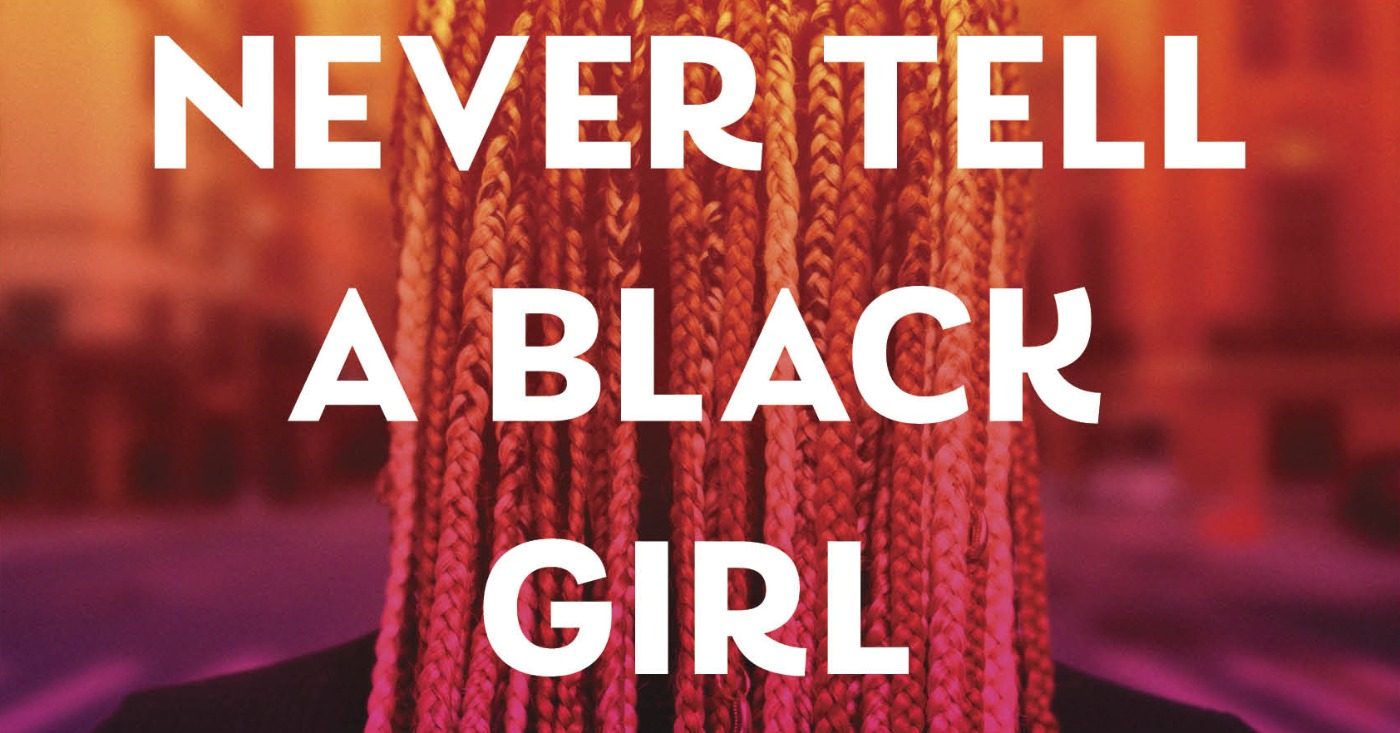
Author: Amena Brown, Copyright: c.2026, Publisher: Tiny Rep Books, SRP: $30.00, Page Count: 320 pages
Some things can really make you cross.
People telling you your business, for instance. People asking questions they have no reason to know the answers to. Folks who criticize your hair or clothes or life. These things would set anyone off; they’d be the last straw for anybody. As in the new book, “Never Tell a Black Girl How to Black Girl” by Amena Brown, some folks just cross the line.
In a way, it’s a matter of grammar.
Depending on how you say it, “Black Girl is a noun and a verb,” says Brown. A Black Girl can be a Black Girl… and she can Black Girl. Brown herself has done it “in six countries.”
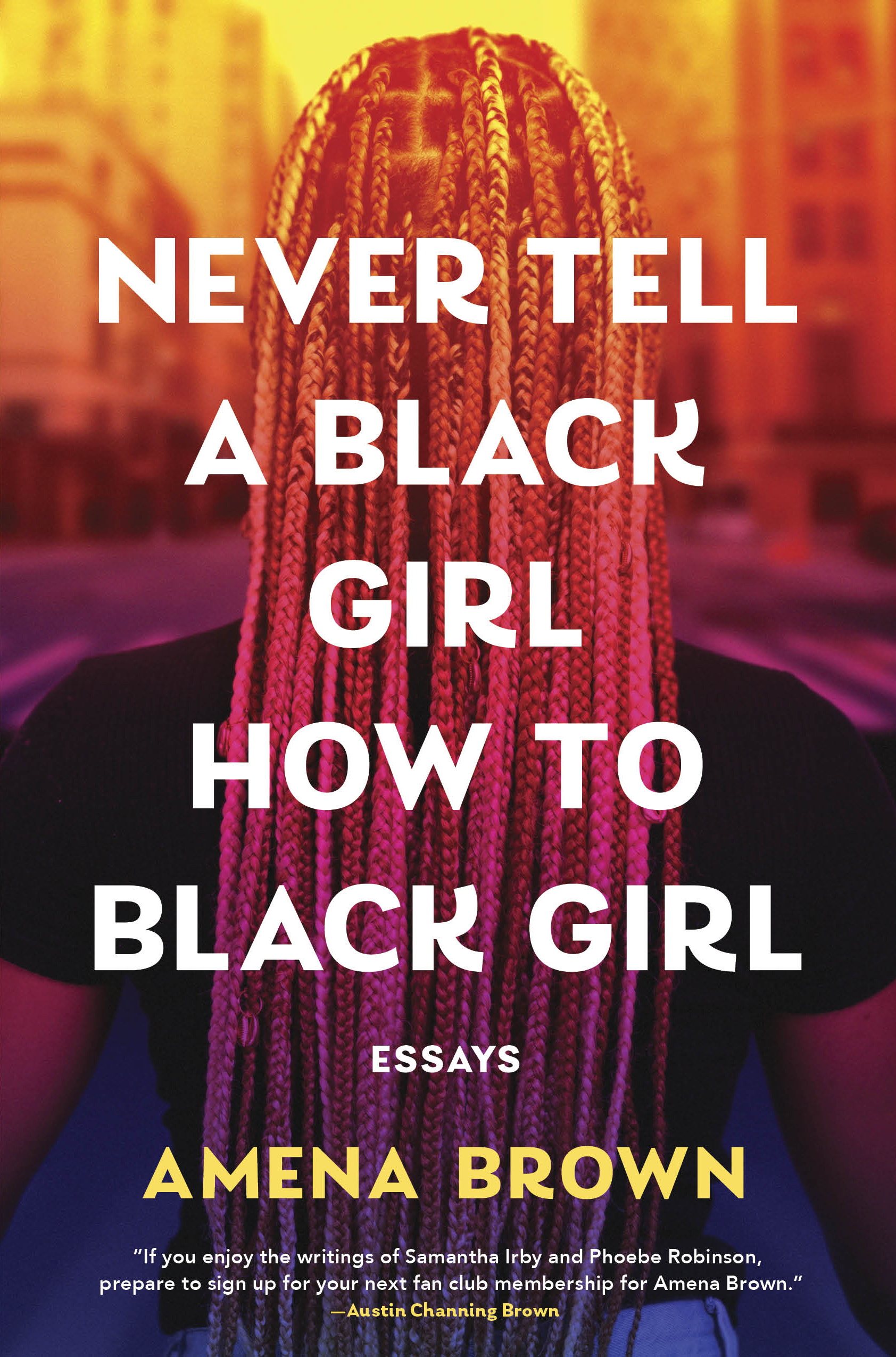
Growing up in North Carolina, she Black Girled her hair her entire life. Her grandma made her sit for box braids when she was small, telling Brown that she was “tenderheaded.” Later, Brown had relaxed hair until she “went broke” and couldn’t afford the process anymore. That was when she got acquainted with her natural hair – although she returned to box braids at least once, and loved them all over again.
As the child of a strict Pentecostal mother, Brown was a “late bloomer.” She didn’t drink alcohol until she was in her twenties. She was chaste while dating and a better church girl than a party girl. After she left the church, she began experimenting with wine first, then cocktails. She learned to cook, reasoning that the path to finding love started in a kitchen, one that happened to be her grandmother’s. And yes, love did eventually come in the form of a red-headed White man who was her friend before he became her boyfriend — and before he became her mother-sanctioned, grandma-approved husband.
Overall, says Brown, there is no single right method for doing this.
“There are so many ways to Black Girl, which means the way you Black Girl is beautiful, and the way I Black Girl is beautiful too.”
Looking for a collection of addictive, can’t-read-just-one essays that’ll make you laugh but that also feel like author Amena Brown is peeking at your life? Want a book that speaks to every corner of your existence?
Yeah, then you want “Never Tell a Black Girl How to Black Girl.”
You know how it is when you spot something so profound, so right, that you just have to call your friends and read it out loud to them? That’s what you’ll find here: truth told with humor that’s also oozing with warmth. Add honesty that’s smart and bold and practically begging for a “Heck, YES!” and you’ve got your new favorite book.
The essays here are short enough to read in a few minutes, but compelling enough to make you want more, so give yourself room.
This is a book for twenty- and thirty-somethings, but also for their mothers and grandmas who can handle respectful irreverence and surefooted playfulness. Can men enjoy “Never Tell a Black Girl How to Black Girl”? Sure, but it’s more for women, cross your heart.


Asm. Corey Jackson Announces Launch of 24-Hour Childcare in His District

IN MEMORIAM: The Rev. Leon “Sonny” Clark, Longtime Orange County Pastor and Community Leader, Dies at 72

Poll: Becerra Widens His Lead Over Hilton; Californians Split on Wealth Tax

From Historic Memories to New Possibilities: Oakland Celebrates Coliseum 60

County Office of Education Says OUSD Finances Are Getting Healthier, Materially Stronger

LIVE FREE Sunday Dinner Brings Faith, Fellowship and Civic Conversation to Oakland

Remembering Chauncey Bailey as Student Journalists Face Threats to Truth-Telling

BLACspace Cooperative Invites Bay Area to Experience Oakland’s Black Cultural Ecosystem Through a BLAC Map Tour + Party

In Wake of Death on Doorstep, Williams Chapel Baptist Church Calls for Better Care, Funding for Unhoused

Oakland Centenarian Nuna McKee Honored!

Caribbean Nations Produce Action Plan Calling for UK Reparations Over Slavery

Oakland Post: Week of September 23 – 29, 2026

Doulas Are Helping Black California Moms Navigate Pregnancy–Even as High Mortality Rates Persist

Newsom Signs Addictive Social Media Law to Protect Kids

On Your November Ballot: Prop 38 Would Allocate $8.4 Billion to Immunology and Immunotherapy Funding

Standoff for Justice: Our Homes Are Worth Fighting For

Oakland Post: Week of August 26 – September 1, 2026

Frontier Airlines’ Return to Oakland Airport Brings Flights, Jobs and Opportunity

Gubernatorial Candidate Steve Hilton Blasts California New Tire Rules; Newsom Hits Back

Chef Sharon Lee Blends Culinary Excellence, Education and Empowerment

Jackie Wright Champions Bay Area Stories, Filmmakers and Cultural Institutions

Big City Mayors Ask for “Yes” Vote on Housing Bond Measure; Conservatives Say “No”

Oakland Coliseum Project Opens Door for Small Businesses to Build Bigger

Gov. Newsom’s Latest Appointees Include Sacramento Advocate for Formerly Incarcerated Students; State’s New Tech Chief

Misnamed ‘Parent’ PAC Seeks to Influence Oakland School Board Elections

Longtime BWOPA Member Brendalyn Goodall Appointed to California Workforce Development Board

Gov. Newsom Signs Law Shielding Immigration Aid Workers From Doxing Threats

Secretary of State Shirley N. Weber Urges Californians to Vote Early as Voter ID Battle Intensifies

From Palestine to Oakland: Seeds for Liberation Examines Shared Struggles for Freedom

IN MEMORIAM: Dolly Parton Dead at 80 — How She Built a Legacy of Love and Earned Her Place in Black Culture

The Conversation With Al McFarlane 6/23/26

Media Monday 6/22/26

LIVE! ASK ALMA! — TUES. 6.23.26 7PM EST

Car Buying Secrets: 4 Hidden Checks Before You Sign!

Is This 550 HP Charger Worth YOUR Money? AutoNetwork Review

Celebrating Juneteenth – Frederick Douglass on education and resistance

LIVE! — ASK ALMA! — TUES. 6.19.26 7PM EST

Hyundai Ioniq 5 Parking, Safety, and 360 View #shorts

2025 Ioniq 5 New Wiper & Powerful Performance! #shorts

Electric SUV Range: Is 259 Miles Enough? #shorts

EV Charging: How Fast Can You Charge an Electric Vehicle? #shorts

Biometric Cooling… Messaging Seats…Come on! 2025 Infiniti QX80 Autograph 4WD

Charged Up: Witness the Magic of a Fully Electric Car! #shorts

Range Rover Sport PHEV Included…: See What’s Inside This Luxury SUV! #shorts

Invisible Hood View: Perfect Parking with X-Ray Vision! #shorts
-
 Community3 weeks ago
Misnamed ‘Parent’ PAC Seeks to Influence Oakland School Board Elections
-

 Activism4 weeks ago
Oakland Post: Week of September 2 – 8, 2026
-

 Community3 weeks ago
Richmond Tiny House Village Farm & Garden Set to Open Gates on Sept. 26
-

 Activism3 weeks ago
Oakland Post: Week of September 9 – 15, 2026
-

 Black History3 weeks ago
Latest Massacre in Haiti Reveals Cruelty U.S. Deportations
-

 Black History3 weeks ago
OPINION: Nolan Wells’ Death One of Several Signifying Racial Terror Lives on in U.S. South
-

 Community3 weeks ago
Democratic Clubs Interview Candidates for Oakland School Board
-
 Featured3 weeks ago
‘Ready to See These Bills Become Law’: Sen. Weber’s Package of 15 Bills Advance to Gov. Newsom’s Desk

Pingback: “Black Americans still find inequality in homeownership” and other tweeted links… – the rasx() context