
City Government
The Year Ahead

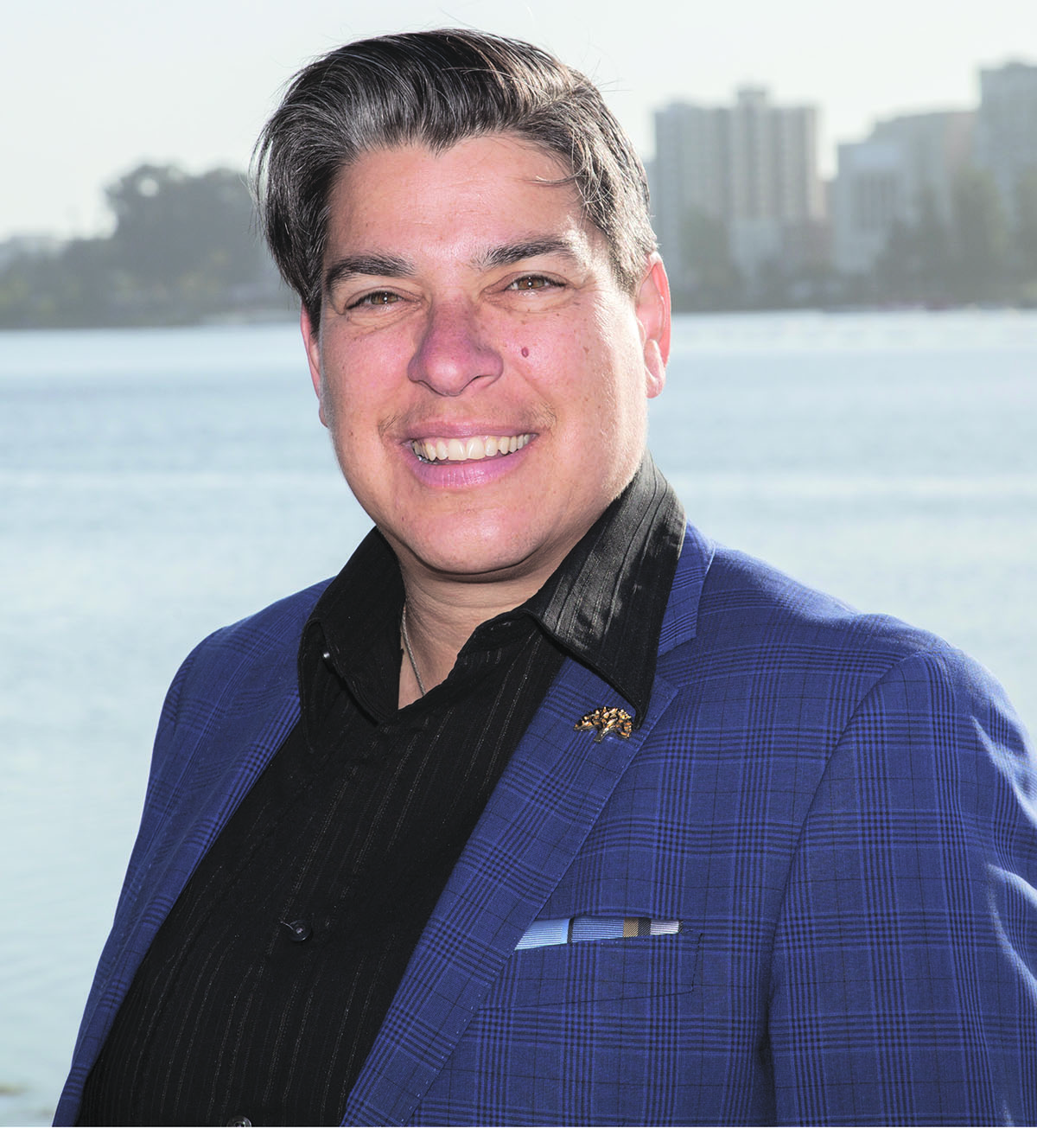
I am writing to share some good news about successes strengthening regional solidarity, including in dealing with the NFL, and, my thoughts, suggestions and intentions for the coming year.
The year 2019 will bring some important changes and progress — at the national level, the US House of Representatives will switch hands, with many important progressive leaders being sworn in, and Democrats replacing Republicans in key leadership roles, from Speaker to Committee Chairs and more.
I look forward to working with our allies in Congress to help advance our values and protect our communities in the coming year.
Meanwhile, in Oakland, on Monday Jan. 7, starting at 11 a.m., the new City Council will be sworn in, and we too will welcome our new leaders for the coming term. The ceremonies will be held in the Council Chambers on the 3rd floor at City Hall.
I believe we have a great opportunity, with dedicated new members and the work of those of us already on the Council, to unite to advance the needs of our community. Specifically, in the coming term, it is my intention to work to advance vital goals, including:
1) Make the Council meetings more effective. Change how “ceremonial” items and scheduling are handled, so people coming to speak on important decisions are not made to wait around for hours before substantive discussion begins.
Ensure respectful interactions, and meaningful input.
2) Strengthen our response to homelessness. Including by ensuring implementation of the Council Resolution I authored, which called for a list of specific actions to expand alternatives to help the homeless (including allowable RV locations, use of public lands, church properties, and more), and by working together with county leaders and others to expand access to services for our community, and use of public properties for this vital need.
Expand affordable housing, including through tax incentives, public land, and direct funding, and displacement prevention, so that more people aren’t pushed into homelessness.
3) Reduce permit backlog and ensure timely response for project completion. Advance a specific program to make it easier to add Accessory Dwelling Units (ADUs), also known as “in-law apartments” to expand this important aspect of our housing supply and reduce the delay that is causing Oakland to lose revenue and hurting our local businesses and homeowners.
4) Expand access to job training and career pathways, including into vitally needed good-paying jobs in the trades, so that Oaklanders get positive and equitable access to these positions.
5) Equitable outreach. Over the years, with multiple reports, we know that there is inequity in who gets contracts for Oakland business. The problem is worsened by inequity in where and how jobs and contracting opportunities are advertised. In the coming year we will be bringing legislation to expand equity in Oakland’s outreach methods for jobs and contracting.
6) Environmental justice, air quality, and mitigations. The City of Oakland has the worst air quality in the region, and some of our neighborhoods, especially in hard-hit corridors in East and West Oakland, suffer disproportionately from asthma and other negative health impacts.
While we have already begun important progress in this area, and won regional commitments of many millions of dollars, there are important steps that are still needed, including to provide community mitigations to protect our hard-hit areas and improve air quality, including strategies like trees, filtration systems, cleaner trucks and trains, and relocating heavy uses away from residents.
7) Blight and trash. Last year we fought for a change away from the complaint-based dumping removal system – toward a pro-active cleanup system with geographic assignments. So far, this change has been tried in one area successfully and in the coming year we will seek to expand and improve it citywide.
We have won increased funding for mattress recycling and will continue to advocate for mattress pickup and additional strategies to prevent and remedy blight and illegal dumping, and work to implement a proposal to include opportunity for the homeless to help clean up our city and expand job opportunity, and to help publicize and make clear that it is not OK to trash Oakland!
This, of course, is not a comprehensive list, as we are aware that there are many issues we will be dealing with in 2019 and beyond. However, I wanted to provide key examples of priorities and goals, and look forward to working together in coalition with community to advance vital needs.

Activism
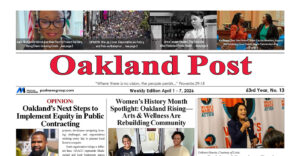
Oakland Post: Week of April 1 – 7, 2026
The printed Weekly Edition of the Oakland Post: Week of April 1 – 7, 2026

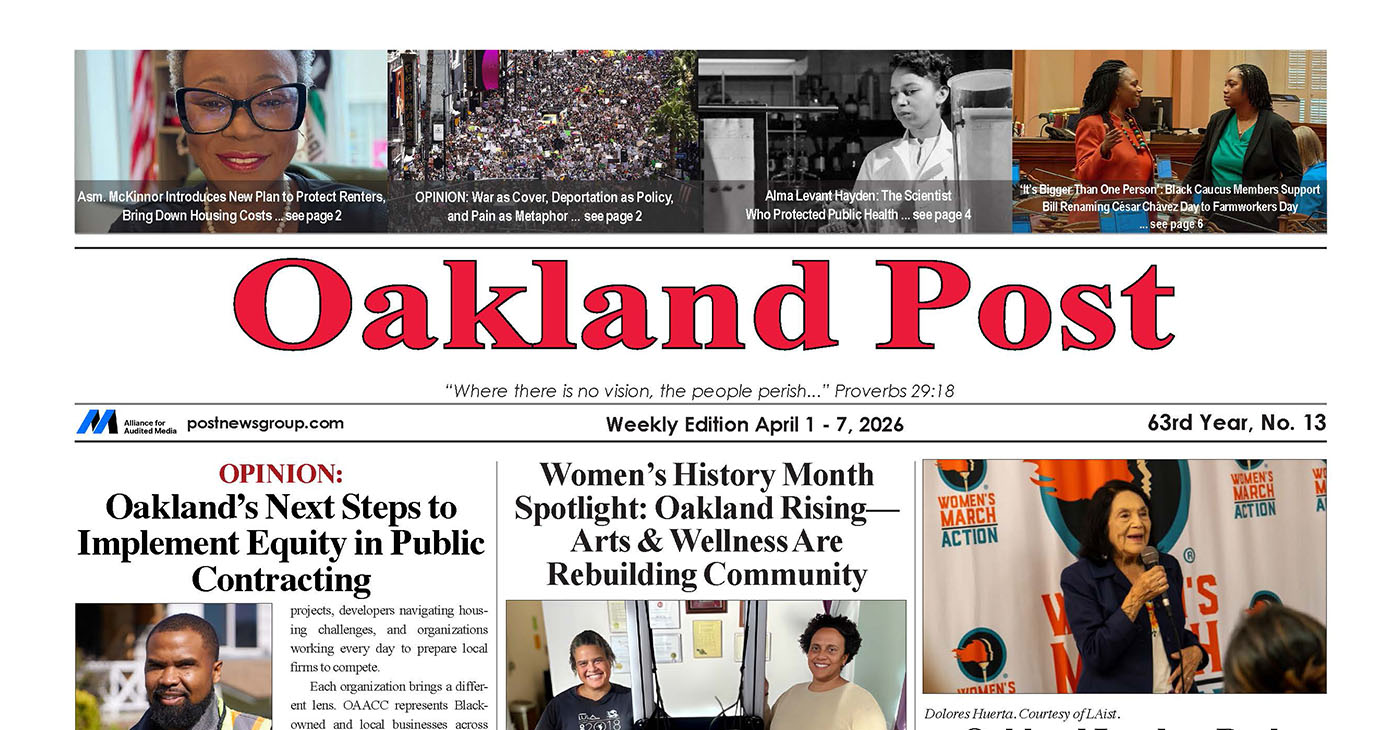
To enlarge your view of this issue, use the slider, magnifying glass icon or full page icon in the lower right corner of the browser window.

Activism
Oakland Post: Week of March 18 – 24, 2026
The printed Weekly Edition of the Oakland Post: Week of March 18 – 24, 2026
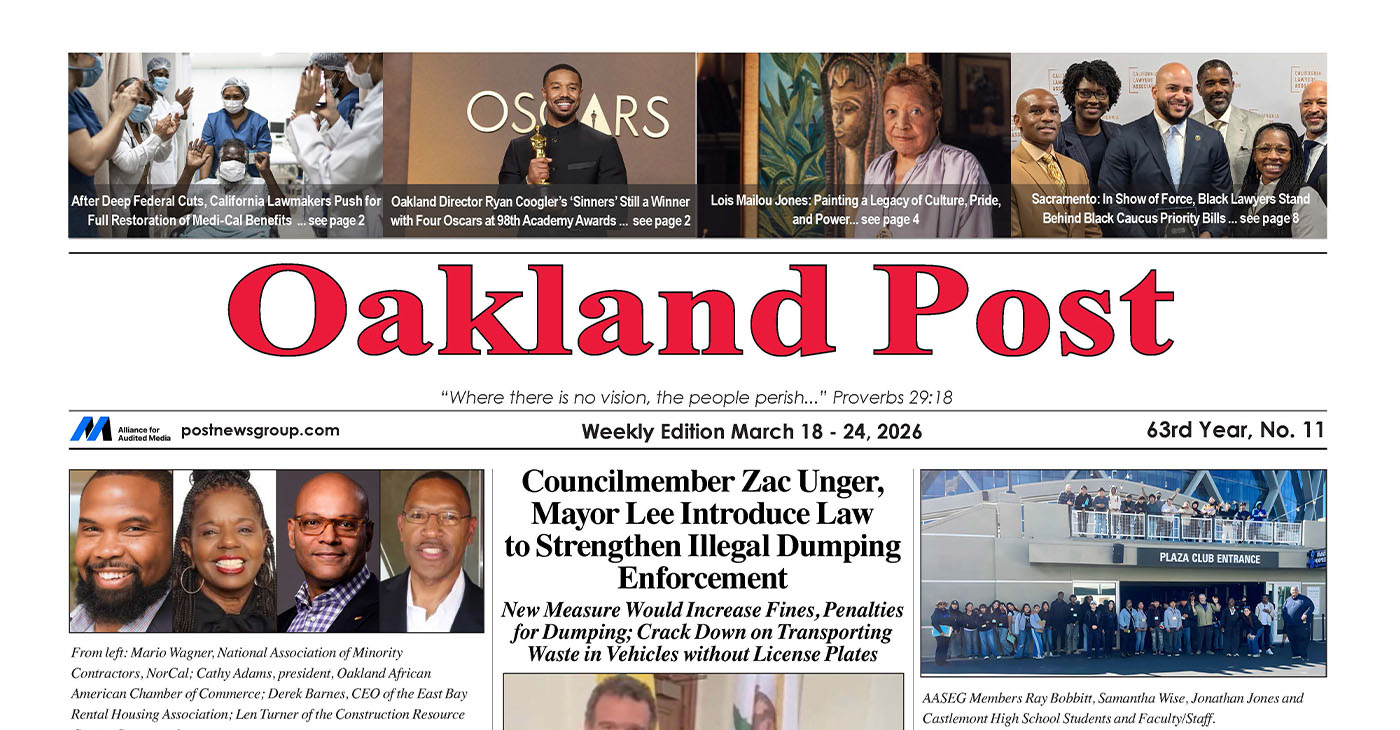
To enlarge your view of this issue, use the slider, magnifying glass icon or full page icon in the lower right corner of the browser window.
Activism
Oakland Post: Week of March 11 -17, 2026
The printed Weekly Edition of the Oakland Post: Week of March 11 – 17, 2026
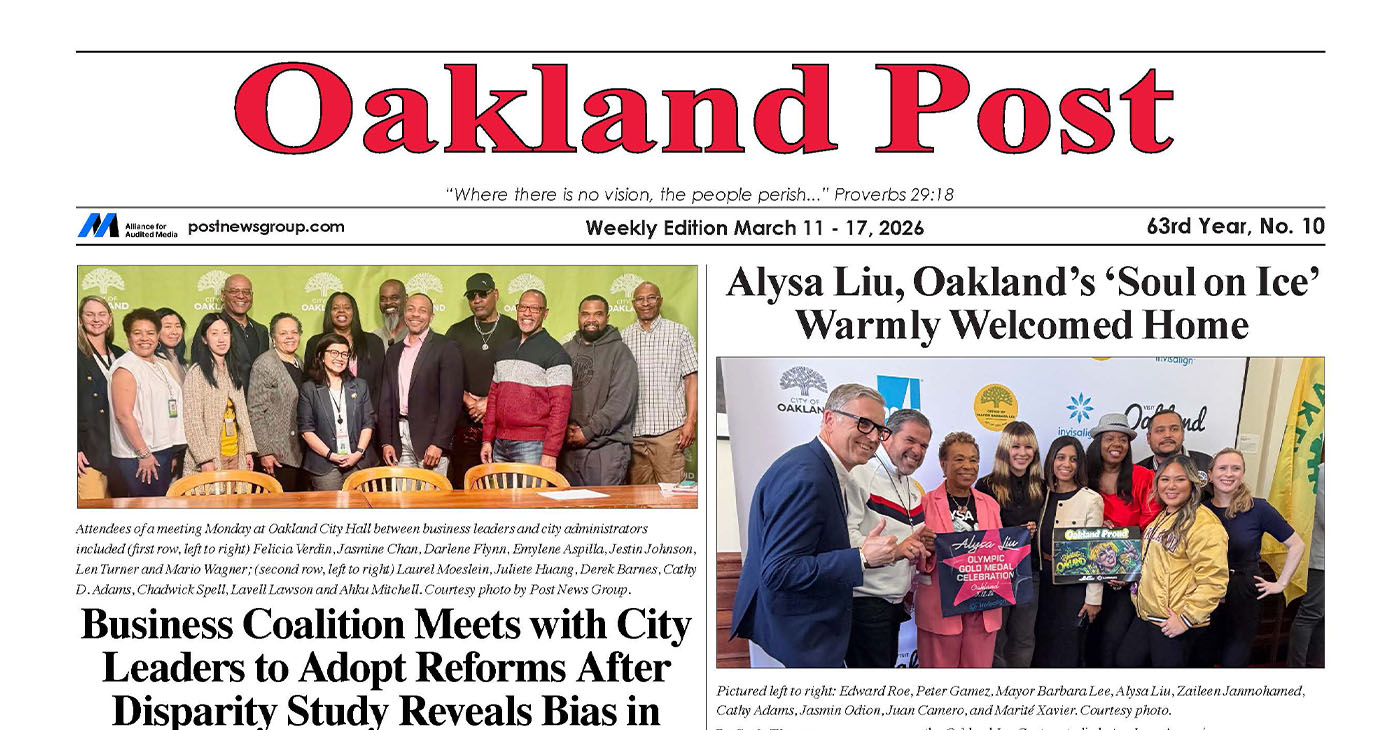
To enlarge your view of this issue, use the slider, magnifying glass icon or full page icon in the lower right corner of the browser window.
WORK FROM HOME
Home-based business with potential monthly income of $10K+ per month. A proven training system and website provided to maximize business effectiveness. Perfect job to earn side and primary income. Contact Lynne for more details: Lynne4npusa@gmail.com 800-334-0540


Oakland Post: Week of April 1 – 7, 2026

Black Artists in America, Installation Three Wraps at the Dixon Gallery and Gardens

Grief, Advocacy, and Education: A Counselor Reflects on Black Maternal Health

Future of Florida’s Black History Museum in Limbo

New Research Shows the Many Benefits of Early Learning

South Hampton K-8 Students Among Top 10 Finalists for Samsung’s ‘Solve for Tomorrow’ Competition

Cuba: No Negotiation with US on the President or Political System

Brooklyn Academy of Music Names Jamaican-Born Tamara McCaw as President

Trinidad & Tobego – U.S. Launches WhatsApp Channel for American Citizens in the Country

Oakland Post: Week of March 18 – 24, 2026

AI Innovation vs. Ethics and Environmental Impact

AI, Web3, and Digital Reparations

What If You Owned Your AI Agent?

Season 7, Episode 3 – January Reporter’s Roundtable 📱

Season 7, Episode 3 – January Reporter’s Roundtable

Reflecting on Black History Milestones in Birmingham AL

Oakland Post: Week of February 25 – March 3, 2026

Oakland Post: Week of March 4 – 10, 2026

PRESS ROOM: NBA Hall of Fame Nominee Terry Cummings Joins 100 Black Men of DeKalb County to Launch Victory & Values Initiative

Trump’s MAGA Allies are Creating Executive Order Plan to Steal the 2026 Midterms

U.S. manufacturing rebounds – how foundry services are adapting to rising demand

Poll Shows Support for Policies That Help Families Afford Child Care

Oakland Post: Week of March 11 -17, 2026
Oakland Post: Week of March 18 – 24, 2026

OP-ED: One Hundred Years of Black Workers Telling the Truth

Advancements in solar technology that are changing the way we power the world

Financial Wellness and Mental Health: Managing Money Stress in College

Woman’s Search for Family’s Roots Leads to Ancestor John T. Ward – A Successful Entrepreneur and Conductor on the Underground Railroad

COMMENTARY: Women of Color Shape Our Past and Future

PRESS ROOM: Civil Rights TV Launches in Selma as the World’s First 24/7 Civil Rights Television Network

Hyundai Ioniq 5 Parking, Safety, and 360 View #shorts

2025 Ioniq 5 New Wiper & Powerful Performance! #shorts

Electric SUV Range: Is 259 Miles Enough? #shorts

EV Charging: How Fast Can You Charge an Electric Vehicle? #shorts

Biometric Cooling… Messaging Seats…Come on! 2025 Infiniti QX80 Autograph 4WD

Charged Up: Witness the Magic of a Fully Electric Car! #shorts

Range Rover Sport PHEV Included…: See What’s Inside This Luxury SUV! #shorts

Invisible Hood View: Perfect Parking with X-Ray Vision! #shorts

AI Is Reshaping Black Healthcare: Promise, Peril, and the Push for Improved Results in California

ESSAY: Technology and Medicine, a Primary Care Point of View

Sanctuary Cities

The RESISTANCE – FREEDOM NOW

STATE OF THE PEOPLE: Freddie

ECONOMIC BOYCOTT DAY!!!!!

I told You So
-
 Activism3 weeks ago
Oakland Post: Week of March 11 -17, 2026
-
 Activism3 weeks ago
Oakland Post: Week of March 18 – 24, 2026
-
 Advice3 weeks ago
Financial Wellness and Mental Health: Managing Money Stress in College
-
 #NNPA BlackPress2 weeks ago
Brooklyn Academy of Music Names Jamaican-Born Tamara McCaw as President
-
 #NNPA BlackPress2 weeks ago
Grief, Advocacy, and Education: A Counselor Reflects on Black Maternal Health
-

 Advice4 weeks ago
Women & Wealth: Tips for Navigating Your Lifelong Financial Journey
-
 #NNPA BlackPress2 weeks ago
New Research Shows the Many Benefits of Early Learning
-
 #NNPA BlackPress2 weeks ago
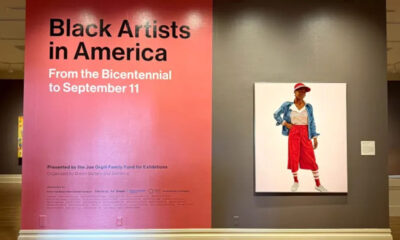
Black Artists in America, Installation Three Wraps at the Dixon Gallery and Gardens
