
Activism
Schaaf Cuts Police Service But Blames Councilmembers Bas and Kaplan
At a recent town hall meeting in Chinatown to discuss an alarming increase in crime against Asian American elders, Schaaf attempted to blame Council President Nikki Fortunato Bas and Vice Mayor Rebecca Kaplan for making the cuts that in fact came from her administration.

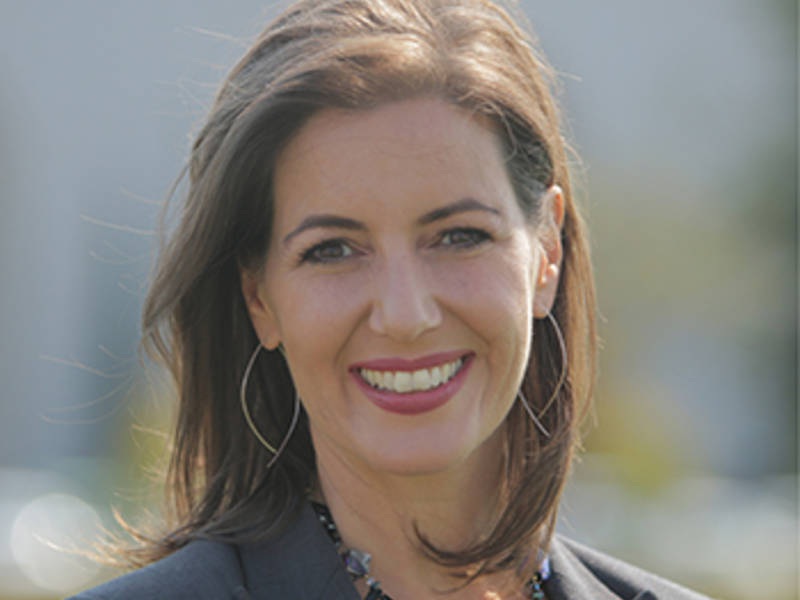
Rebecca Kaplan

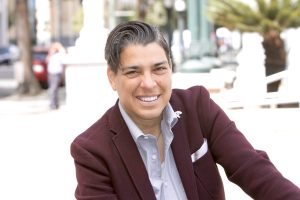
Nikki Fortunato Bas
Mayor Libby Schaaf set off a fire storm in December when she and her administration unilaterally made $29 million in cuts to the city’s budget, including reductions in fire department services and public safety services without discussing the cuts publicly with the City Council or impacted communities.
At a recent town hall meeting in Chinatown to discuss an alarming increase in crime against Asian American elders, Schaaf attempted to blame Council President Nikki Fortunato Bas and Vice Mayor Rebecca Kaplan for making the cuts that in fact came from her administration.
The Chinatown community was particularly upset about the elimination of a Chinese-speaking foot patrol that served the Chinatown area.
According to many community activists, those cuts put the community at risk, and those cuts, made by the mayor and her administration, include the cuts that Chinatown leaders had called their press conference about.
Among the administration’s cuts: closing fire stations, cutting the ceasefire program, which deals with gun violence, and cutting walking beat officers and community policing resources, including s the Chinatown Walking Beat Officers.
These cuts were announced in an Informational Memorandum, dated Dec. 20, 2020, from the Director of Finance to the City Administrator, making Schaaf’s position clear. ”The fiscal crisis caused by the COVID-19 pandemic requires immediate and impactful service cuts….Most of these cost-cutting measures will take effect immediately,” according to the memo.
The December memo justified making these cuts without a transparent public process.
“The Charter provides the City Council with the sole authority to appropriate funds; and the Charter provides the responsibility of the City Administrator to ‘control and administer the financial affairs of the city,’ which staff interprets to mean that the administration has the power to “reduce expenditures of appropriated funds to align with declining actual revenues” without consulting the City Council or the public.
Schaaf compounded the damage and inflamed passions by using the press conference to blame Bas and Kaplan for making the cuts that her administration made. According to community leaders who responded in anger, Schaaf had come into Chinatown and publicly attacked and demeaned the local Chinatown elected representative, and falsely claimed that the cuts to the Chinatown walking officers were the fault of Councilmembers Kaplan and Bas.
The mayor also stoked racial fears and community division, according to many community leaders.
In an interview with the Oakland Post, Bas, who had attended the Chinatown press conference, said, “ I was really shocked that she (the mayor) would take this press conference as a political platform to attack me and Rebecca (Kaplan) and spreading misinformation.”
“It is extremely important for the public to know that the Mayor and City Administrator are able to make decisions behind closed doors without public input,” Bas said. “If this had come from the council,” it wouldn’t have passed, she said.
Agreeing with Bas, Kaplan, in a Tweet, criticized the mayor for making decisions in secret. “When councilmembers want to cut items from the budget, there must be a public meeting where input is taken before a public decision. That should be required for mayors’ cuts too. These cuts wouldn’t have passed if they had come publicly.”
In the fallout from the Chinatown press conference, Schaaf has been asked to apologize for fomenting racial divisions between Black and Asian communities.
The issue recently went national in a February 11 Newsweek article: “Oakland Mayor Blames Crime Wave Against Asians on Defunded Police; Black and Asian Activists Disagree.”
The magazine article quoted Bas as saying in a Tweet, “Across the nation, some electeds are seeding division among racial groups. I continue to be angered by what Mayor Schaaf did—taking a space for healing & safety (the Chinatown press conference) & using it to politically attack me.”
The article also quoted District 3 Councilmember Carroll Fife, who defended her colleagues.
“I’m saying this publicly because the disrespect was done publicly,” said Fife addressing the mayor. “You owe her, as well as Oakland’s Asian and Black communities an apology.”
“What we feel is important and what I felt in that moment was triggered by the image of a white woman using dog whistle tactics to create a fracture between the Asian community and the Black community,” Fife said.
To see the Newsweek article go to www.newsweek.com/black-asian-communities-fed-being pitted-against-each-other-city-officials-1568410











Activism
Oakland Post: Week of September 23 – 29, 2026
The printed Weekly Edition of the Oakland Post: Week of September 23 – 29, 2026

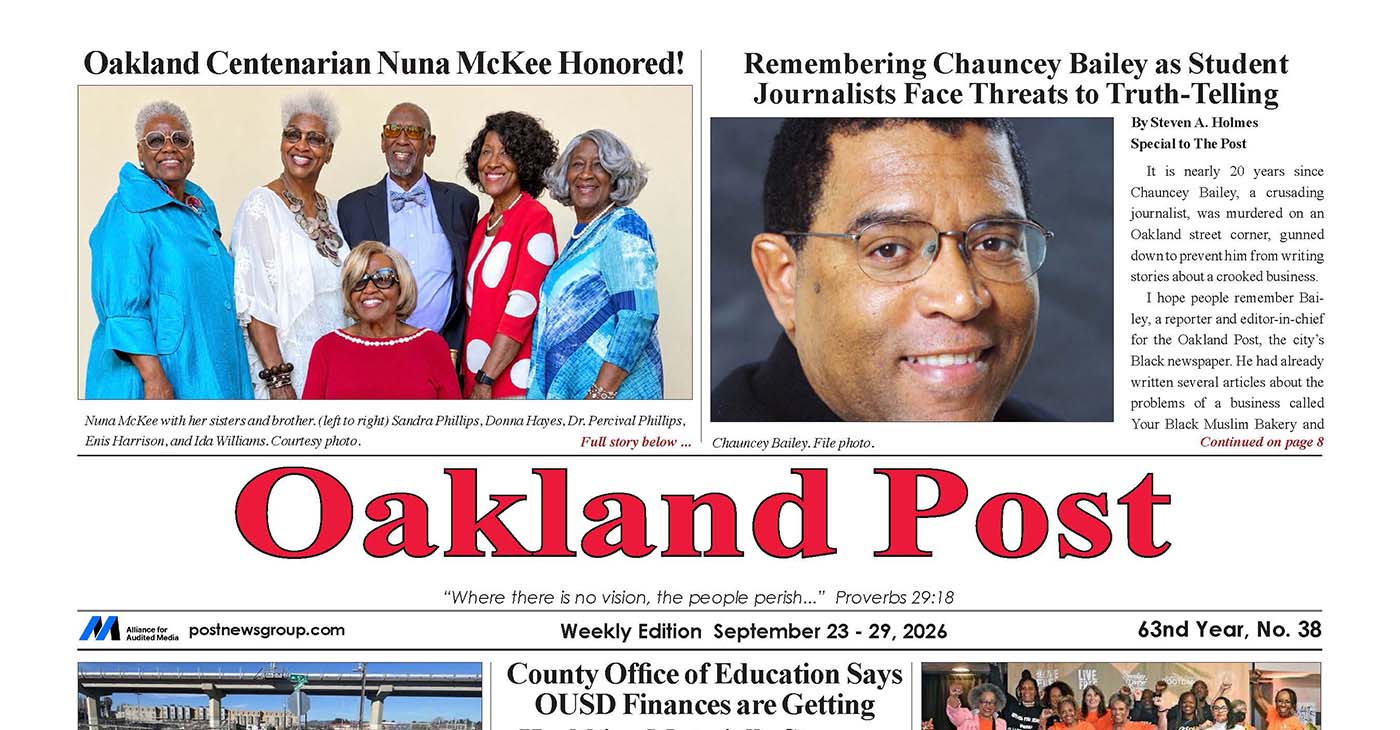
To enlarge your view of this issue, use the slider, magnifying glass icon or full page icon in the lower right corner of the browser window.

Activism
Oakland Post: Week of September 16 – 22, 2026
The printed Weekly Edition of the Oakland Post: Week of September 16 – 22, 2026
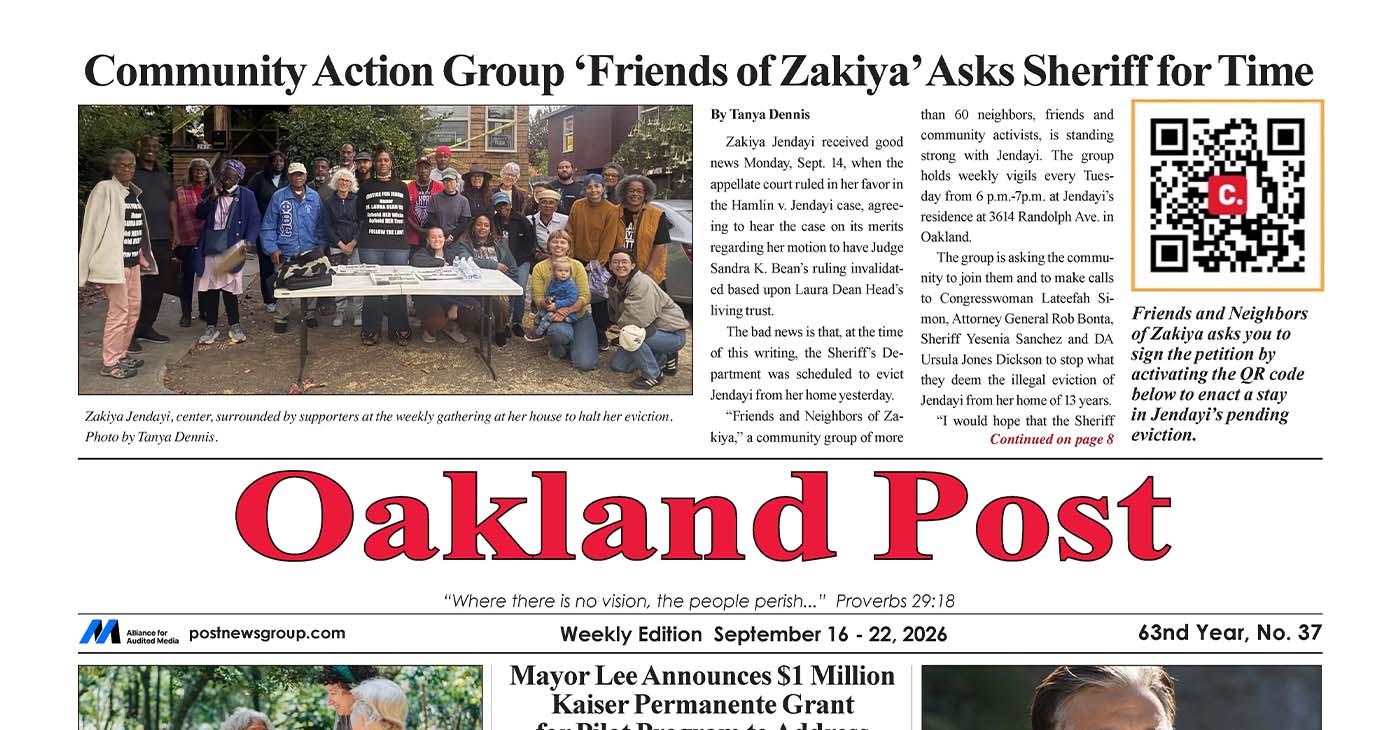
To enlarge your view of this issue, use the slider, magnifying glass icon or full page icon in the lower right corner of the browser window.
Activism
Oakland Post: Week of September 9 – 15, 2026
The printed Weekly Edition of the Oakland Post: Week of September 9 – 15, 2026

To enlarge your view of this issue, use the slider, magnifying glass icon or full page icon in the lower right corner of the browser window.


Asm. Corey Jackson Announces Launch of 24-Hour Childcare in His District

IN MEMORIAM: The Rev. Leon “Sonny” Clark, Longtime Orange County Pastor and Community Leader, Dies at 72

Poll: Becerra Widens His Lead Over Hilton; Californians Split on Wealth Tax

From Historic Memories to New Possibilities: Oakland Celebrates Coliseum 60

County Office of Education Says OUSD Finances Are Getting Healthier, Materially Stronger

LIVE FREE Sunday Dinner Brings Faith, Fellowship and Civic Conversation to Oakland

Remembering Chauncey Bailey as Student Journalists Face Threats to Truth-Telling

BLACspace Cooperative Invites Bay Area to Experience Oakland’s Black Cultural Ecosystem Through a BLAC Map Tour + Party

In Wake of Death on Doorstep, Williams Chapel Baptist Church Calls for Better Care, Funding for Unhoused

Oakland Centenarian Nuna McKee Honored!

Caribbean Nations Produce Action Plan Calling for UK Reparations Over Slavery

Oakland Post: Week of September 23 – 29, 2026

Doulas Are Helping Black California Moms Navigate Pregnancy–Even as High Mortality Rates Persist

Newsom Signs Addictive Social Media Law to Protect Kids

On Your November Ballot: Prop 38 Would Allocate $8.4 Billion to Immunology and Immunotherapy Funding

Standoff for Justice: Our Homes Are Worth Fighting For

Oakland Post: Week of August 26 – September 1, 2026

Frontier Airlines’ Return to Oakland Airport Brings Flights, Jobs and Opportunity

Gubernatorial Candidate Steve Hilton Blasts California New Tire Rules; Newsom Hits Back

Chef Sharon Lee Blends Culinary Excellence, Education and Empowerment

Jackie Wright Champions Bay Area Stories, Filmmakers and Cultural Institutions

Big City Mayors Ask for “Yes” Vote on Housing Bond Measure; Conservatives Say “No”

Gov. Newsom’s Latest Appointees Include Sacramento Advocate for Formerly Incarcerated Students; State’s New Tech Chief

Oakland Coliseum Project Opens Door for Small Businesses to Build Bigger

Misnamed ‘Parent’ PAC Seeks to Influence Oakland School Board Elections

Longtime BWOPA Member Brendalyn Goodall Appointed to California Workforce Development Board

Gov. Newsom Signs Law Shielding Immigration Aid Workers From Doxing Threats

Secretary of State Shirley N. Weber Urges Californians to Vote Early as Voter ID Battle Intensifies

From Palestine to Oakland: Seeds for Liberation Examines Shared Struggles for Freedom

IN MEMORIAM: Dolly Parton Dead at 80 — How She Built a Legacy of Love and Earned Her Place in Black Culture

The Conversation With Al McFarlane 6/23/26

Media Monday 6/22/26

LIVE! ASK ALMA! — TUES. 6.23.26 7PM EST

Car Buying Secrets: 4 Hidden Checks Before You Sign!

Is This 550 HP Charger Worth YOUR Money? AutoNetwork Review

Celebrating Juneteenth – Frederick Douglass on education and resistance

LIVE! — ASK ALMA! — TUES. 6.19.26 7PM EST

Hyundai Ioniq 5 Parking, Safety, and 360 View #shorts

2025 Ioniq 5 New Wiper & Powerful Performance! #shorts

Electric SUV Range: Is 259 Miles Enough? #shorts

EV Charging: How Fast Can You Charge an Electric Vehicle? #shorts

Biometric Cooling… Messaging Seats…Come on! 2025 Infiniti QX80 Autograph 4WD

Charged Up: Witness the Magic of a Fully Electric Car! #shorts

Range Rover Sport PHEV Included…: See What’s Inside This Luxury SUV! #shorts

Invisible Hood View: Perfect Parking with X-Ray Vision! #shorts
-
 Business4 weeks ago
Chef Sharon Lee Blends Culinary Excellence, Education and Empowerment
-
 Black History4 weeks ago
Jackie Wright Champions Bay Area Stories, Filmmakers and Cultural Institutions
-
 Community4 weeks ago
Big City Mayors Ask for “Yes” Vote on Housing Bond Measure; Conservatives Say “No”
-
 Community2 weeks ago
Misnamed ‘Parent’ PAC Seeks to Influence Oakland School Board Elections
-
 Business4 weeks ago
Longtime BWOPA Member Brendalyn Goodall Appointed to California Workforce Development Board
-
 Community4 weeks ago
Gov. Newsom Signs Law Shielding Immigration Aid Workers From Doxing Threats
-

 Activism3 weeks ago
Oakland Post: Week of September 2 – 8, 2026
-
 Featured4 weeks ago
‘Passing a Law Isn’t The Finish Line’: California Assembly Evaluates Implementation, Results
