
Activism
Reparations: California Legislative Analyst’s Office Proposes “Paths” For Payments
This past weekend, the California Task Force to Study and Develop Reparations Proposals for African Americans received insight on how the state government might implement recommendations the panel submits in its final proposal due before July 1.

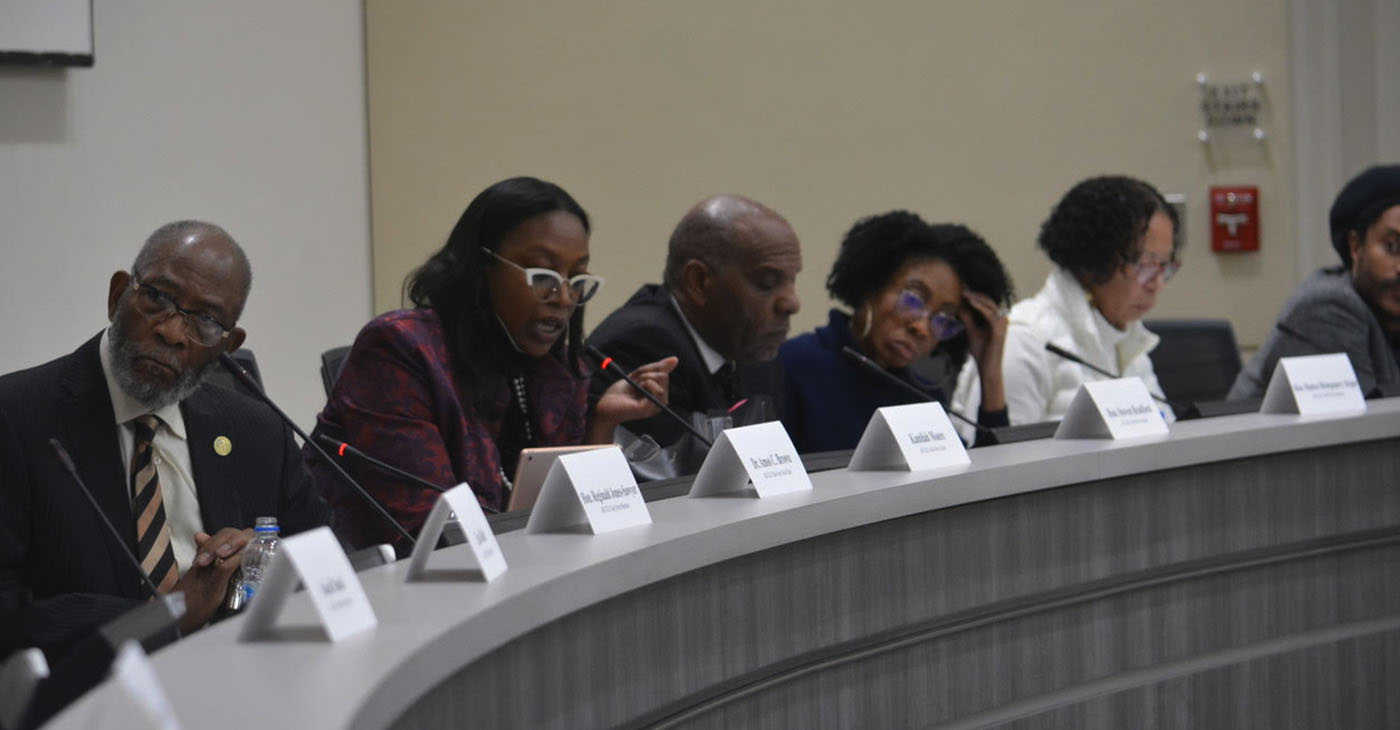
Antonio Ray Harvey | California Black Media
This past weekend, the California Task Force to Study and Develop Reparations Proposals for African Americans received insight on how the state government might implement recommendations the panel submits in its final proposal due before July 1.
Chas Alamo, the principal fiscal and policy analyst at the California Legislative Analyst’s Office (LAO), appeared remotely in front of the panel as an expert witness during the two-day meeting held March 3 in Sacramento.
Alamo offered “several paths that could be possible for ultimate recommendations” by the task force to “flow through the Legislature and become state law” and how they can “apply” to the creation of the proposed California American Freedman Affairs Agency (CAFAA). The agency, if approved, would oversee compensation the state authorizes to Black California residents who are descendants of enslaved people in the United States.
The LAO is a non-partisan office overseen by the Joint Legislative Budget Committee (JLBC), a 16-member bipartisan team. It is the “eyes and ears” of the State Legislature ensuring that the executive branch is implementing legislative policy in a cost-efficient and effective manner. Its biggest responsibility is analyzing the governor’s annual budget.
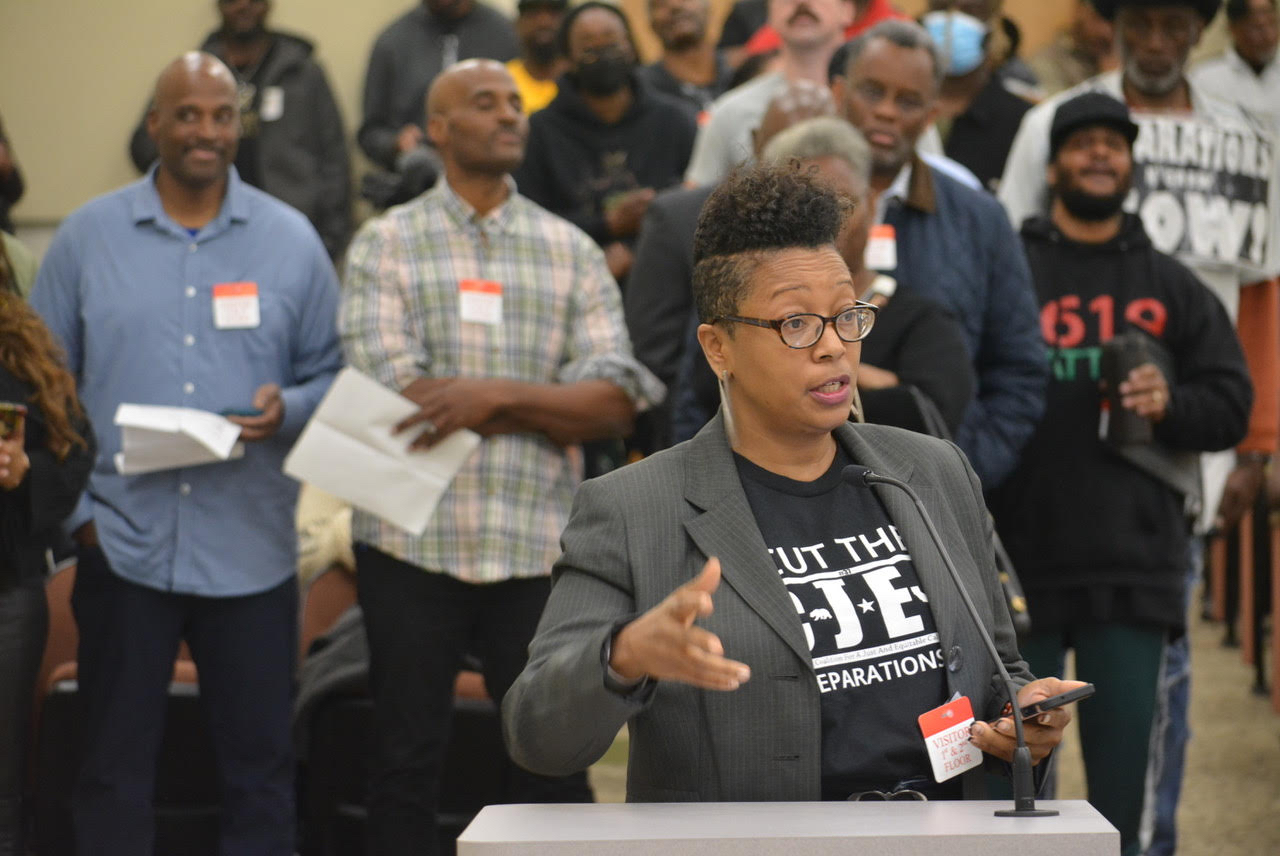
Khansa “Friday Jones” Jones-Muhammad, is the vice president of the Los Angeles Reparations Advisory Commission. CBM photo by Antonio Ray Harvey.
Alamo explained to the task force how the recommendations they make will likely become state policy.
“The creation of a new agency would be initiated through the governor’s executive branch and reorganization process, but other options exist,” Alamo said. “Regardless of the path, to initiate a new agency or enact any other recommendation that makes changes to state law, fundamentally both houses from the state Legislature would have to approve the action and the governor will have to sign it.
During discussions at the Sacramento meeting, the task force began the process of clearly defining CAFAA’s role, focusing on adding clarity to the agency’s mission as overseer for other entities offering reparations in the form of assistance to Californians who qualify.
After a two-hour spirited debate at the meeting — the 13th convening of the task force so far — all nine-members agreed that CAFAA would have specified powers and its structure would include an administrative body that guides implementation.
“The proposed entity would be an agency, independent agency, that would provide services where they don’t presently exist (and) provide oversight to existing (state) agencies,” task force chair Kamilah V. Moore said.
CAFAA would facilitate claims for restitution and would set up a branch to process claims with the state and assist claimants in proving eligibility through a “genealogy” department, the task force members said. A commitment to assisting with the implementation and operation of policies and programs being considered for recommendation would also be in the purview of the agency.
The concept of CAFAA is based on the defunct federal Freedmen’s Bureau. On March 3, 1865, Congress passed “An Act to establish a Bureau for the Relief of Freedmen and Refugees.” The bureau’s main objective was to provide food, shelter, clothing, medical services, and land to newly freed African Americans.
Ward Connerly, the African American political activist who led the ballot initiative that outlawed Affirmative Action in California in 1996, Proposition (Prop) 209, told FOX News one day after the task force’s Sacramento meeting that offering reparations was a “bad” and a “goofy idea.”
Connerly, former President of the California Civil Rights Initiative Campaign, has made objections to reparations for about a year now as California gets closer than any government in United States history to making amends for historical injustices committed against Black Americans.
“California is a progressive state but we’re not insane,” Connerly told FOX News on March 5. “So, I think that people of this state would rise up and say ‘no.’”
The two-day meeting in Sacramento was held at the Byron Sher Auditorium at the California Environmental Protection Agency (CalEPA) in downtown Sacramento. Both days attracted crowds, mainly comprised of interested individuals and groups from Southern California and the San Francisco Bay Area.
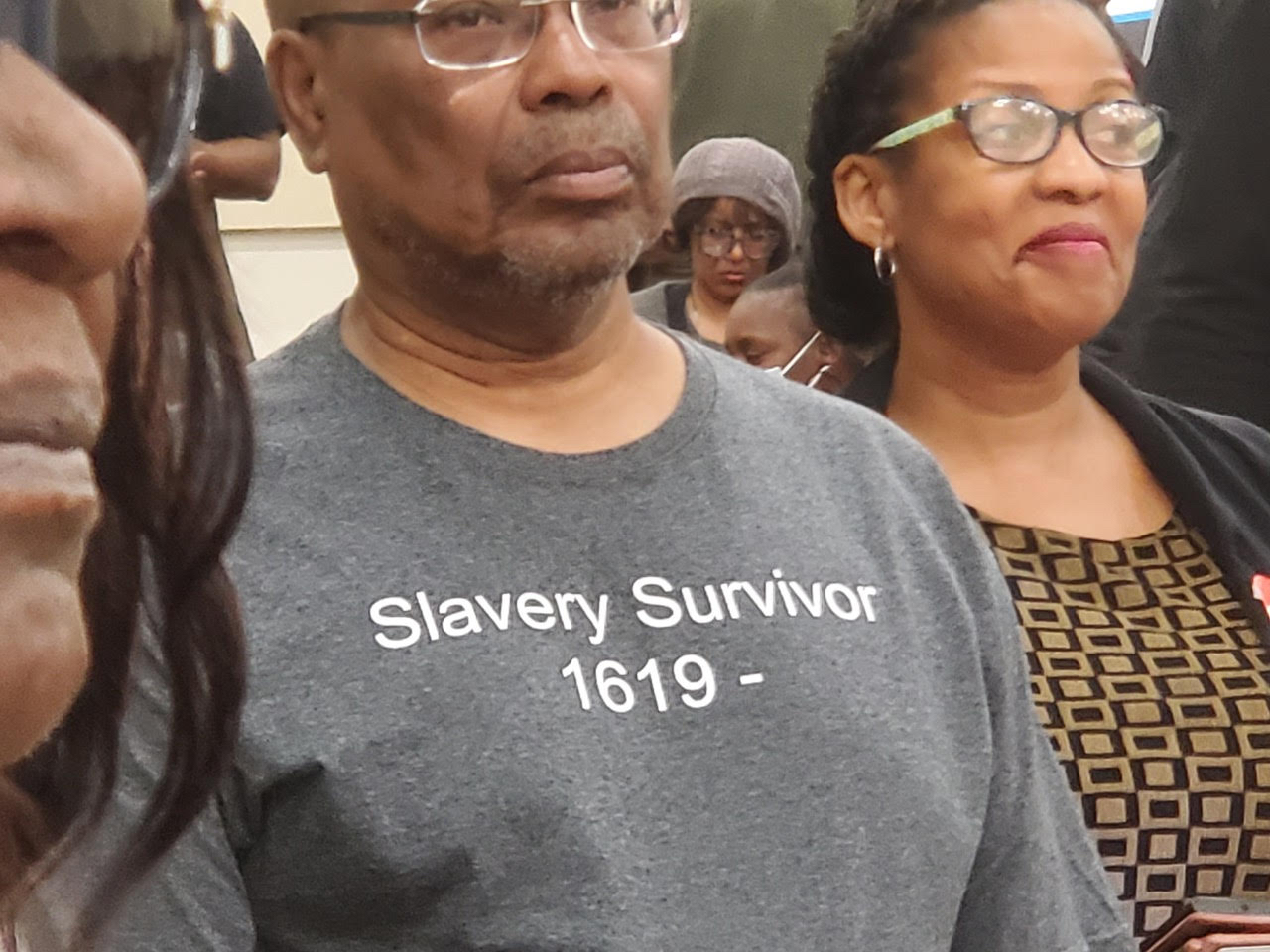
A participant stands and waits to give public comment at the March 4 Reparations Task Force meeting in Sacramento. CBM photo by Antonio Ray Harvey.
Sacramento Mayor Darrell Steinberg attended the second day of the meeting. Steinberg is one of 11 mayors who pledged to pay reparations for slavery to Black residents in their cities.
Similar to efforts in Los Angeles, Oakland, San Francisco, and Richmond, Sacramento is focused on developing a municipal reparations initiative through the city’s ongoing Sacramento Centered on Racial Equity (SCORE) initiative.
“I wholeheartedly support reparations and think everyone should,” Steinberg told the task force panel on March 4. “If government should stand for anything, it should stand for investing in communities and people who have been the victims of discrimination and disenfranchisement for far too long.”
The task force also recommended “appropriate ways” to educate the public about the task force’s findings and future reparations actions by the state.
The charge calls for building a collective base of knowledge to inform racially diverse communities in California about reparations, appealing to different ways of learning, expanding task force discussions into mainstream conversations, and inspiring reflection and action among all residents of California.
Task force members Dr. Cheryl Grills and Don Tamaki presented the proposal.
The next two-day task force will return to Sacramento at the end of March. For more information on the next meeting, visit the California Department of Justice’s website (https://oag.ca.gov/ab3121).










Activism
Oakland Post: Week of March 18 – 24, 2026
The printed Weekly Edition of the Oakland Post: Week of March 18 – 24, 2026
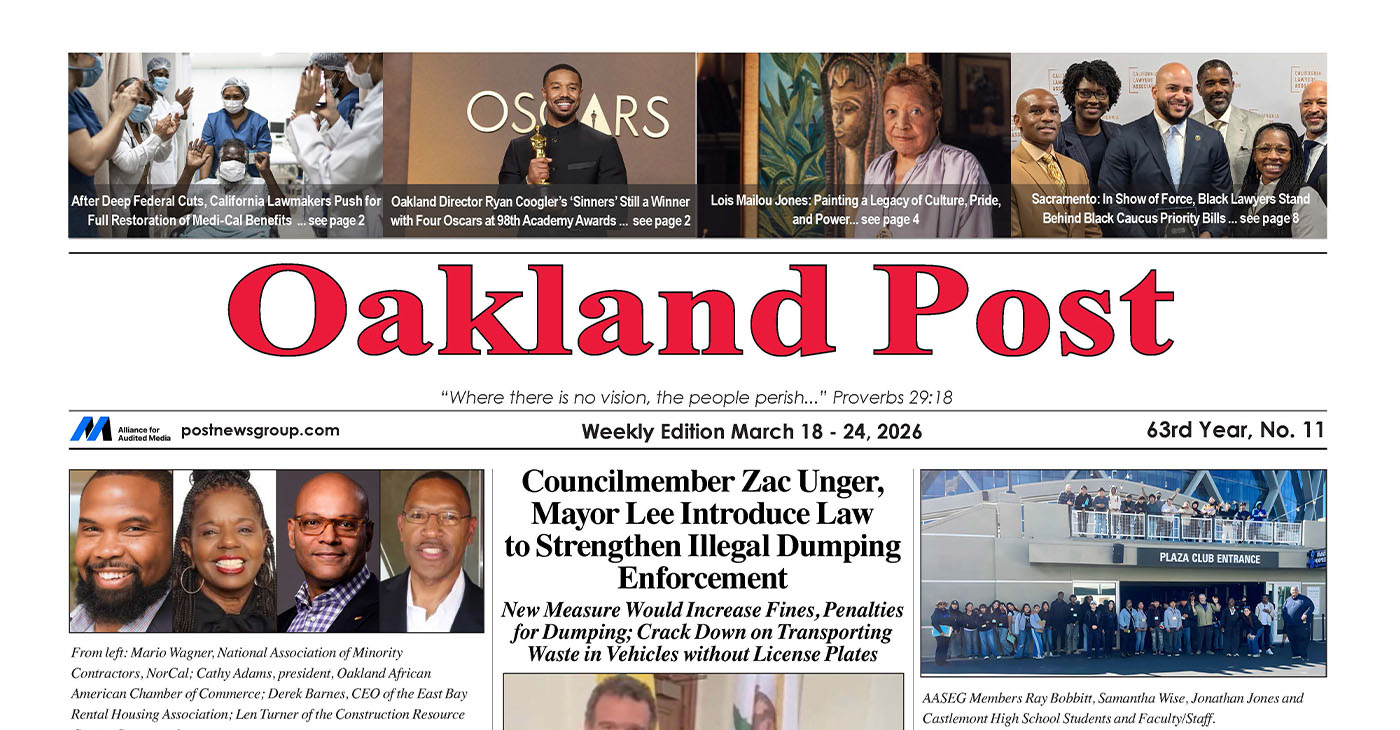
To enlarge your view of this issue, use the slider, magnifying glass icon or full page icon in the lower right corner of the browser window.
Activism
Oakland Post: Week of March 11 -17, 2026
The printed Weekly Edition of the Oakland Post: Week of March 11 – 17, 2026
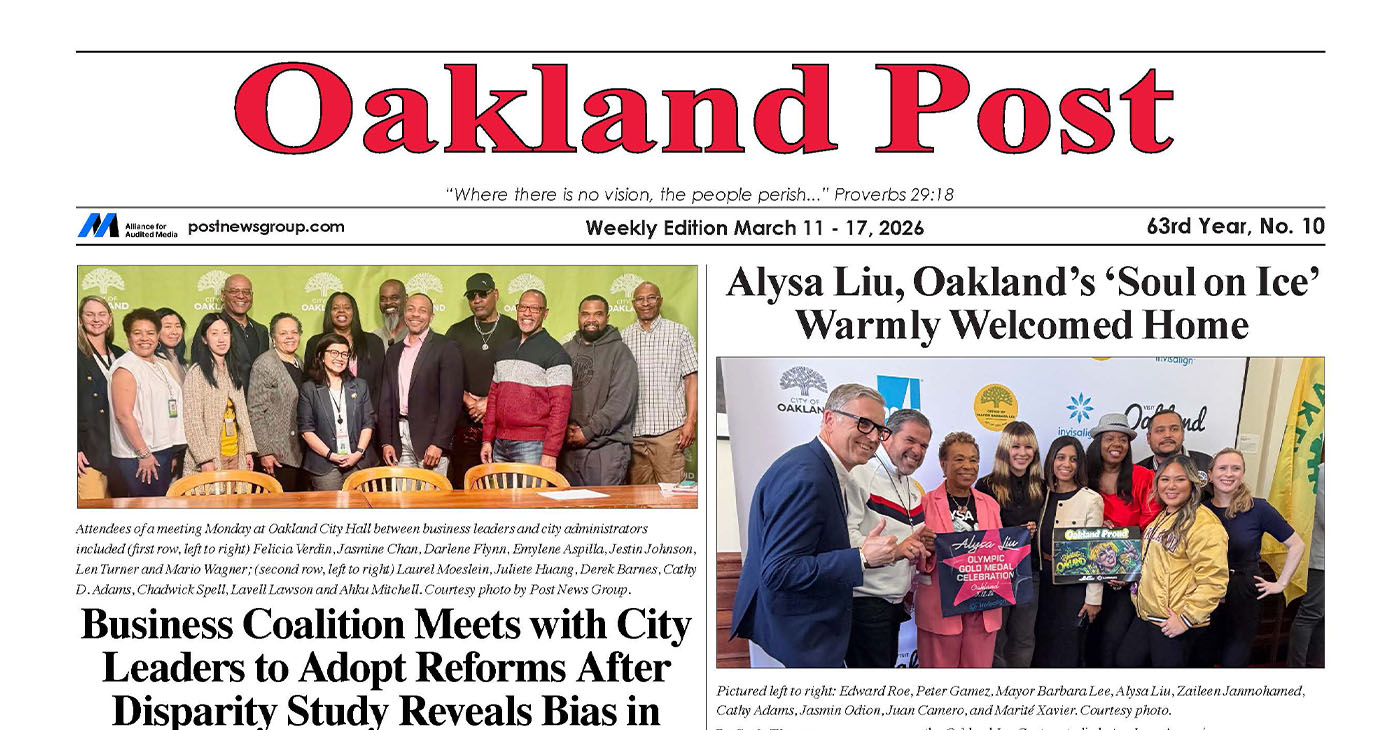
To enlarge your view of this issue, use the slider, magnifying glass icon or full page icon in the lower right corner of the browser window.
Activism
Oakland Post: Week of March 4 – 10, 2026
The printed Weekly Edition of the Oakland Post: Week of March 4 – 10, 2026

To enlarge your view of this issue, use the slider, magnifying glass icon or full page icon in the lower right corner of the browser window.


WORK FROM HOME
Home-based business with potential monthly income of $10K+ per month. A proven training system and website provided to maximize business effectiveness. Perfect job to earn side and primary income. Contact Lynne for more details: Lynne4npusa@gmail.com 800-334-0540


Black Artists in America, Installation Three Wraps at the Dixon Gallery and Gardens

Grief, Advocacy, and Education: A Counselor Reflects on Black Maternal Health

Future of Florida’s Black History Museum in Limbo

New Research Shows the Many Benefits of Early Learning

South Hampton K-8 Students Among Top 10 Finalists for Samsung’s ‘Solve for Tomorrow’ Competition

Cuba: No Negotiation with US on the President or Political System

Brooklyn Academy of Music Names Jamaican-Born Tamara McCaw as President

Trinidad & Tobego – U.S. Launches WhatsApp Channel for American Citizens in the Country

Oakland Post: Week of March 18 – 24, 2026

AI Innovation vs. Ethics and Environmental Impact

AI, Web3, and Digital Reparations

What If You Owned Your AI Agent?

Season 7, Episode 3 – January Reporter’s Roundtable 📱

Season 7, Episode 3 – January Reporter’s Roundtable

AI, Media, and Power | Part 2, Real-World Impacts and Tradeoffs

Reflecting on Black History Milestones in Birmingham AL

CITY OF SAN LEANDRO STATE OF CALIFORNIA PUBLIC WORKS DEPARTMENT ENGINEERING DIVISION NOTICE TO BIDDERS FOR ANNUAL STREET OVERLAY/REHABILITATION 2019-21 – PHASE III

Oakland Post: Week of February 18 – 24, 2026

Oakland Post: Week of February 25 – March 3, 2026

PRESS ROOM: NBA Hall of Fame Nominee Terry Cummings Joins 100 Black Men of DeKalb County to Launch Victory & Values Initiative

Trump’s MAGA Allies are Creating Executive Order Plan to Steal the 2026 Midterms

U.S. manufacturing rebounds – how foundry services are adapting to rising demand

Chase Oakland Community Center Hosts Alley-Oop Accelerator Building Community and Opportunity for Bay Area Entrepreneurs

Oakland Post: Week of March 4 – 10, 2026

OP-ED: One Hundred Years of Black Workers Telling the Truth

Poll Shows Support for Policies That Help Families Afford Child Care

Advancements in solar technology that are changing the way we power the world

Woman’s Search for Family’s Roots Leads to Ancestor John T. Ward – A Successful Entrepreneur and Conductor on the Underground Railroad

PRESS ROOM: Civil Rights TV Launches in Selma as the World’s First 24/7 Civil Rights Television Network

Ghana Mourns a Son of the African World

Hyundai Ioniq 5 Parking, Safety, and 360 View #shorts

2025 Ioniq 5 New Wiper & Powerful Performance! #shorts

Electric SUV Range: Is 259 Miles Enough? #shorts

EV Charging: How Fast Can You Charge an Electric Vehicle? #shorts

Biometric Cooling… Messaging Seats…Come on! 2025 Infiniti QX80 Autograph 4WD

Charged Up: Witness the Magic of a Fully Electric Car! #shorts

Range Rover Sport PHEV Included…: See What’s Inside This Luxury SUV! #shorts

Invisible Hood View: Perfect Parking with X-Ray Vision! #shorts

AI Is Reshaping Black Healthcare: Promise, Peril, and the Push for Improved Results in California

ESSAY: Technology and Medicine, a Primary Care Point of View

Sanctuary Cities

The RESISTANCE – FREEDOM NOW

STATE OF THE PEOPLE: Freddie

ECONOMIC BOYCOTT DAY!!!!!

I told You So
-
 Activism4 weeks ago
Oakland Post: Week of March 4 – 10, 2026
-
 #NNPA BlackPress3 weeks ago
Woman’s Search for Family’s Roots Leads to Ancestor John T. Ward – A Successful Entrepreneur and Conductor on the Underground Railroad
-

 #NNPA BlackPress4 weeks ago
OP-ED: NNPA Launches 2026 “Leadership Matters” Video Series
-

 #NNPA BlackPress3 weeks ago
Advocates Raise Alarm Over ICE Operation, MOU and Detention Risks in Baltimore County
-

 #NNPA BlackPress3 weeks ago
COMMENTARY: Women of Color Shape Our Past and Future
-
 Activism2 weeks ago
Oakland Post: Week of March 11 -17, 2026
-

 #NNPA BlackPress3 weeks ago
Pete Buttigieg to Join Mayor Randall Woodfin for Community Town Hall in Birmingham
-

 Advice2 weeks ago
Financial Wellness and Mental Health: Managing Money Stress in College
