
Activism
Opinion: When Hip-Hop Sold Its Soul for a Stack
The hypocrisy is staggering. Black hip-hop artists celebrating the election of Donald Trump is baffling. In Trump’s very first hours in office, he signed executive orders that directly harmed Black and Brown communities, including his pardoning of leaders from extremist groups like the Proud Boys and the Oath Keepers — organizations tied to White supremacist ideologies and violent white-power movements.

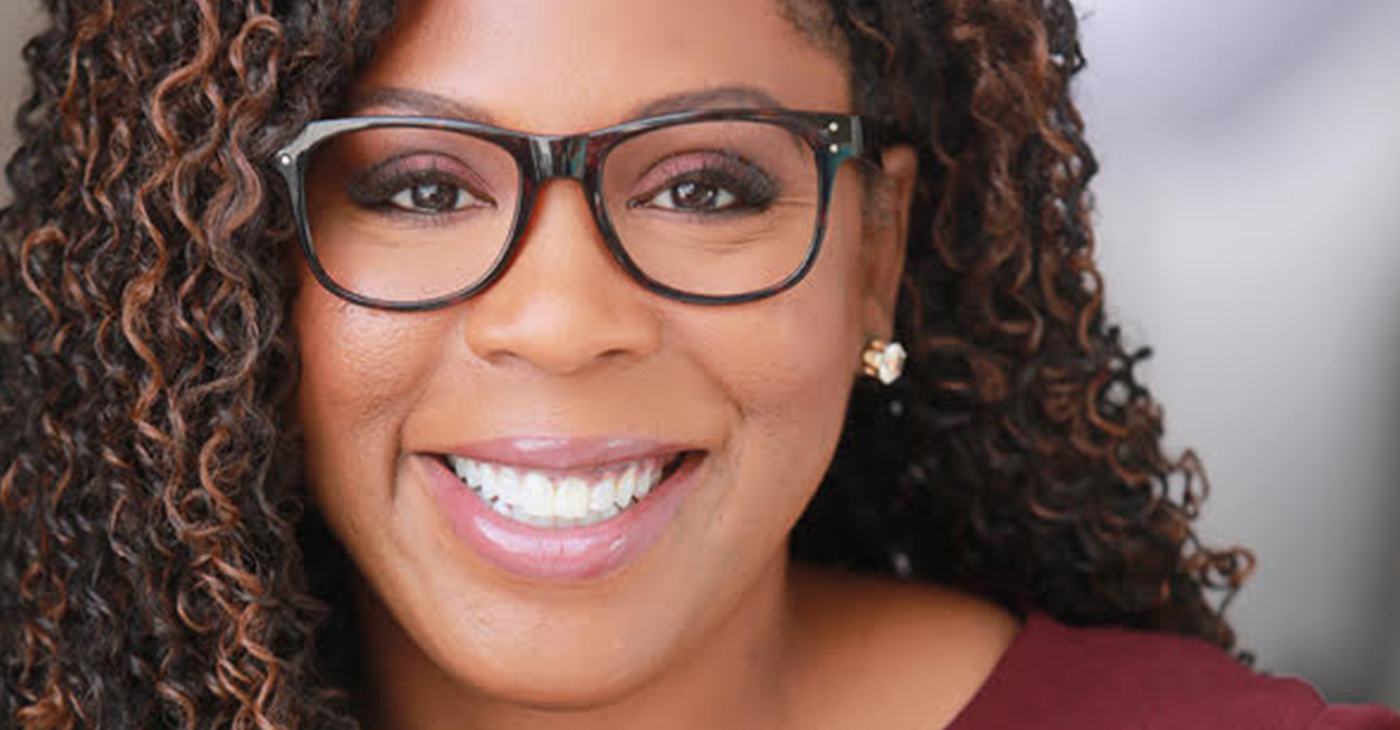
By Jasmyne Cannick
Once upon a time, hip-hop was the voice of the streets. It was a movement, a message, and a megaphone for Black empowerment and communal struggle. Born from block parties and sound systems in the Bronx, N.Y., it was raw, unfiltered, and unapologetically Black. It was a blueprint for survival. But somewhere along the way, the cipher got hijacked by the almighty dollar, and now we’re left wondering: when did hip-hop trade its soul for a stack?
They Caught the Vapors
Soulja Boy, Rick Ross, Nelly, and the Doggfather himself, Snoop. These are the same artists who once rode waves of Black creativity, who stood on the shoulders of a community that built them up, only to later moonwalk into Donald Trump’s inaugural events like it was a VIP lounge. And yes, Black people have every right to critique that.
The hypocrisy is staggering. These Black hip-hop artists celebrating the election of Donald Trump is baffling. In Trump’s very first hours in office, he signed executive orders that directly harmed Black and Brown communities, including his pardoning of leaders from extremist groups like the Proud Boys and the Oath Keepers — organizations tied to white supremacist ideologies and violent white-power movements.

Snoop Dogg’s decision to perform at a Trump-related event directly contradicts his outspoken criticism of Trump in 2017. Back then, he was vocal about rejecting Trump and everything he stood for, positioning himself as someone who wouldn’t sell out for any price. Fast forward to now, and his involvement in a Trump celebration feels like a complete 180, leaving fans questioning his authenticity and commitment to principles he once preached.
That’s why we’re upset.
The Crossover
We’ve seen this coming for a while now. The slow but steady shift of hip-hop from a movement to a money-making machine has been happening for decades. It was only a matter of time before we hit this embarrassing moment.
Let’s not sugarcoat it: Trump’s inauguration wasn’t some neutral gig. It was built on policies and rhetoric that harm Black and Brown communities. To stand on it as a Black artist, pocket the money, and then retreat to your mansion feels like the ultimate betrayal.
Rappers used to talk about surviving the struggle–now it’s all about thriving in excess. If it’s not sex or drugs, every other line brags about a Birkin bag, a private jet, or a stack of cash that’s apparently so heavy it’s a workout just to hold it.
The Message
Hip-hop is supposed to be bigger than flexing on the gram. It’s supposed to be about truth, resilience, and resistance. Those of us old enough to remember the history and evolution of hip-hop know this better than anyone. We remember when it was a lifeline, a mirror for the struggle, and a call to action, not just a showcase of wealth. But for younger generations, some of whom have only known hip-hop that is obsessed with money and status, it’s a different story.
So, yes, folks have every right to question when the moves don’t align with the culture. If we don’t hold hip hop accountable, who will?
About the Author
Jasmyne Cannick is based in Los Angeles and is an award-winning journalist and political commentator who writes to challenge, critique, and hold the culture accountable.









Activism
Oakland Post: Week of March 18 – 24, 2026
The printed Weekly Edition of the Oakland Post: Week of March 18 – 24, 2026
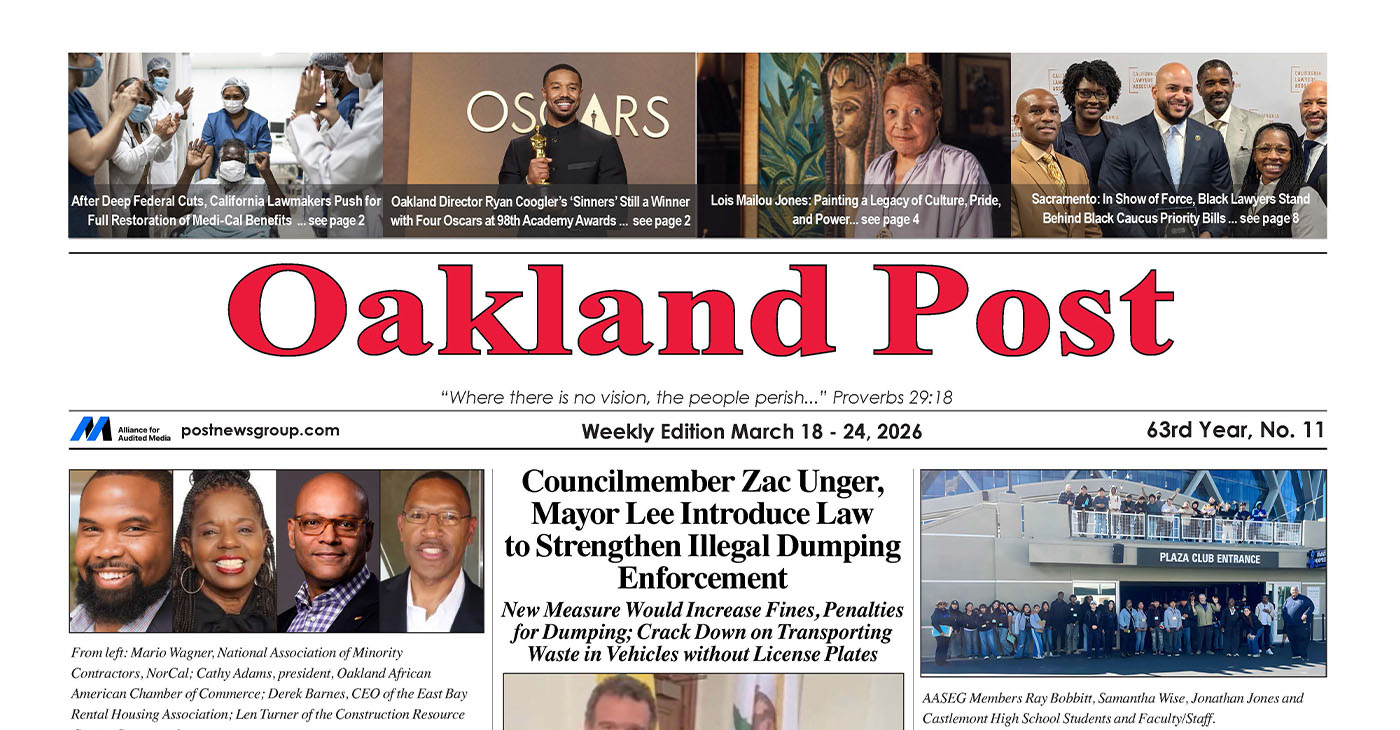
To enlarge your view of this issue, use the slider, magnifying glass icon or full page icon in the lower right corner of the browser window.
Activism
Oakland Post: Week of March 11 -17, 2026
The printed Weekly Edition of the Oakland Post: Week of March 11 – 17, 2026
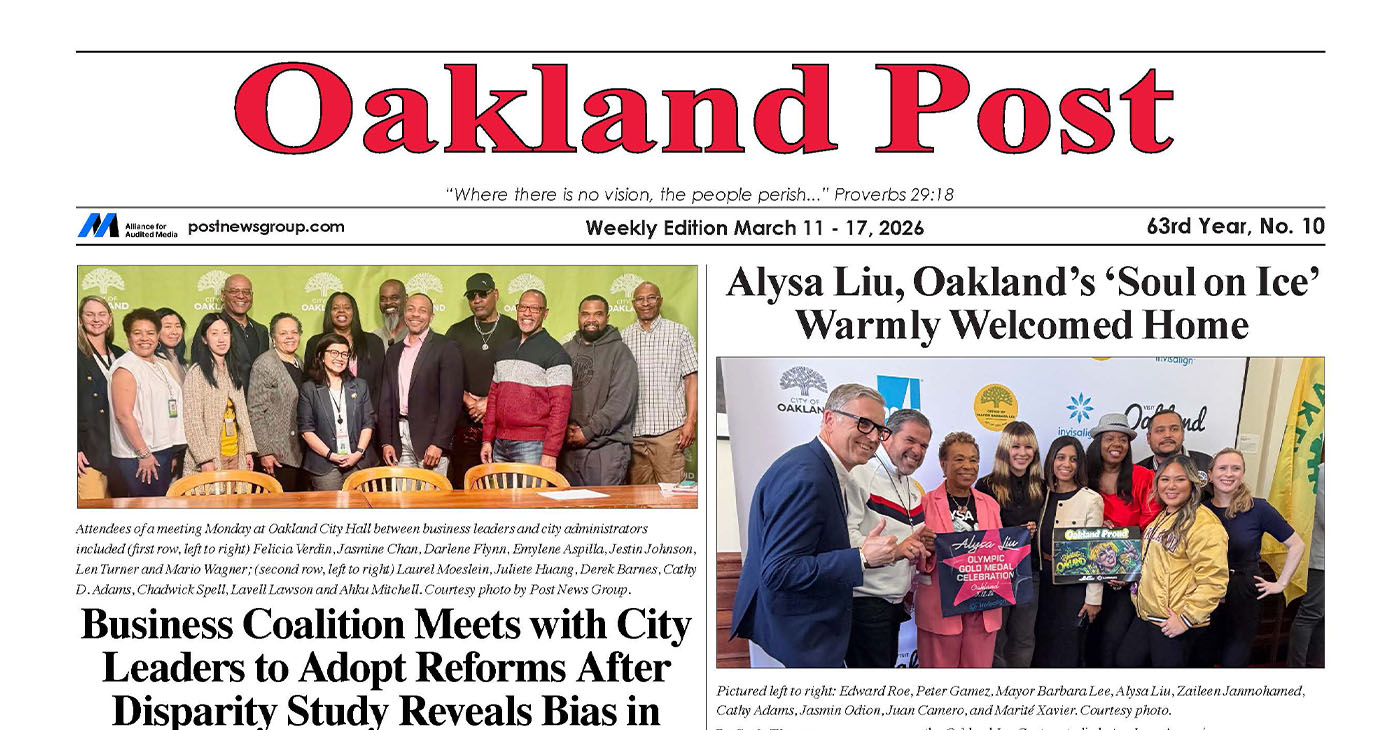
To enlarge your view of this issue, use the slider, magnifying glass icon or full page icon in the lower right corner of the browser window.
Activism
Oakland Post: Week of March 4 – 10, 2026
The printed Weekly Edition of the Oakland Post: Week of March 4 – 10, 2026
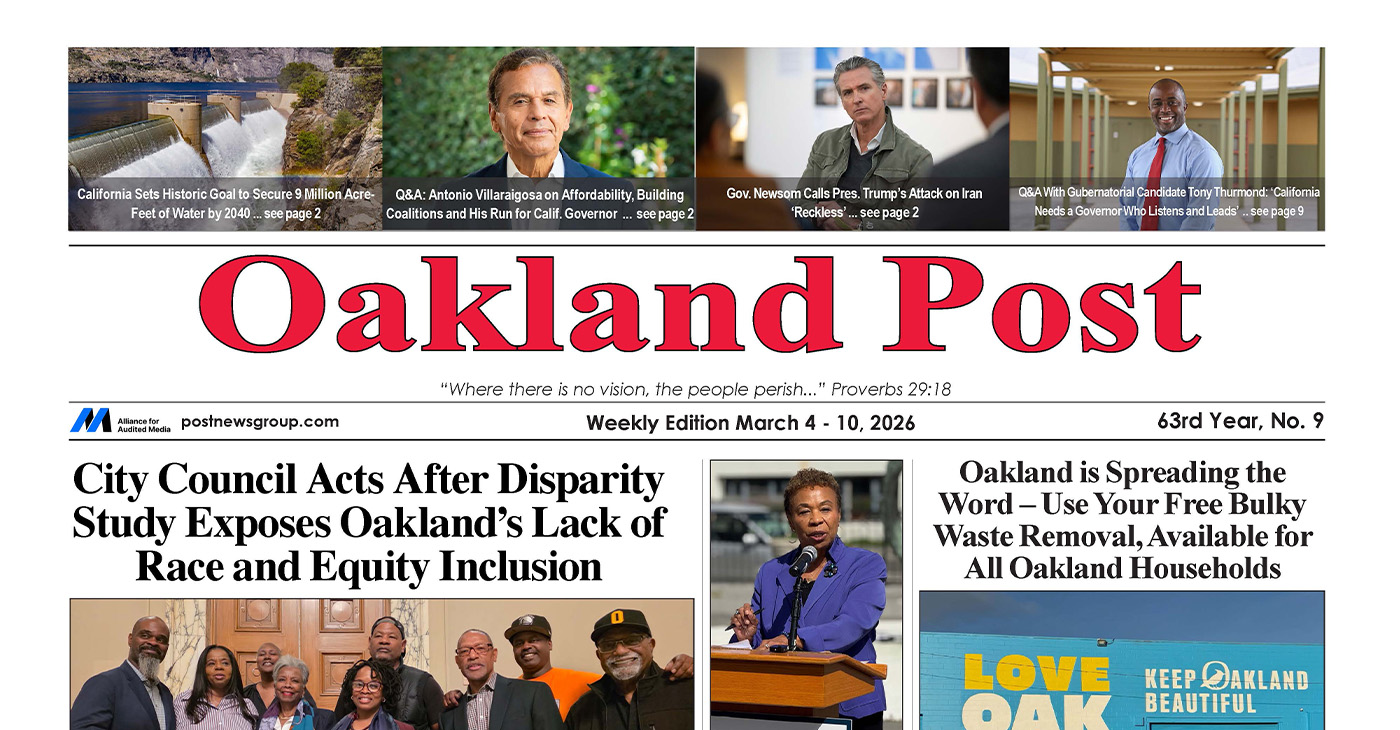
To enlarge your view of this issue, use the slider, magnifying glass icon or full page icon in the lower right corner of the browser window.


WORK FROM HOME
Home-based business with potential monthly income of $10K+ per month. A proven training system and website provided to maximize business effectiveness. Perfect job to earn side and primary income. Contact Lynne for more details: Lynne4npusa@gmail.com 800-334-0540


Black Artists in America, Installation Three Wraps at the Dixon Gallery and Gardens

Grief, Advocacy, and Education: A Counselor Reflects on Black Maternal Health

Future of Florida’s Black History Museum in Limbo

New Research Shows the Many Benefits of Early Learning

South Hampton K-8 Students Among Top 10 Finalists for Samsung’s ‘Solve for Tomorrow’ Competition

Cuba: No Negotiation with US on the President or Political System

Brooklyn Academy of Music Names Jamaican-Born Tamara McCaw as President

Trinidad & Tobego – U.S. Launches WhatsApp Channel for American Citizens in the Country

Oakland Post: Week of March 18 – 24, 2026

AI Innovation vs. Ethics and Environmental Impact

AI, Web3, and Digital Reparations

What If You Owned Your AI Agent?

Season 7, Episode 3 – January Reporter’s Roundtable 📱

Season 7, Episode 3 – January Reporter’s Roundtable

AI, Media, and Power | Part 2, Real-World Impacts and Tradeoffs

Oakland Post: Week of February 11 – 17, 2026

Reflecting on Black History Milestones in Birmingham AL

Rising Optimism Among Small And Middle Market Business Leaders Suggests Growth for California

CITY OF SAN LEANDRO STATE OF CALIFORNIA PUBLIC WORKS DEPARTMENT ENGINEERING DIVISION NOTICE TO BIDDERS FOR ANNUAL STREET OVERLAY/REHABILITATION 2019-21 – PHASE III

Oakland Post: Week of February 18 – 24, 2026

PRESS ROOM: NBA Hall of Fame Nominee Terry Cummings Joins 100 Black Men of DeKalb County to Launch Victory & Values Initiative

Oakland Post: Week of February 25 – March 3, 2026

Trump’s MAGA Allies are Creating Executive Order Plan to Steal the 2026 Midterms

U.S. manufacturing rebounds – how foundry services are adapting to rising demand

OP-ED: One Hundred Years of Black Workers Telling the Truth

Advancements in solar technology that are changing the way we power the world

Chase Oakland Community Center Hosts Alley-Oop Accelerator Building Community and Opportunity for Bay Area Entrepreneurs

Poll Shows Support for Policies That Help Families Afford Child Care

PRESS ROOM: Civil Rights TV Launches in Selma as the World’s First 24/7 Civil Rights Television Network

Oakland Post: Week of March 4 – 10, 2026

Hyundai Ioniq 5 Parking, Safety, and 360 View #shorts

2025 Ioniq 5 New Wiper & Powerful Performance! #shorts

Electric SUV Range: Is 259 Miles Enough? #shorts

EV Charging: How Fast Can You Charge an Electric Vehicle? #shorts

Biometric Cooling… Messaging Seats…Come on! 2025 Infiniti QX80 Autograph 4WD

Charged Up: Witness the Magic of a Fully Electric Car! #shorts

Range Rover Sport PHEV Included…: See What’s Inside This Luxury SUV! #shorts

Invisible Hood View: Perfect Parking with X-Ray Vision! #shorts

AI Is Reshaping Black Healthcare: Promise, Peril, and the Push for Improved Results in California

ESSAY: Technology and Medicine, a Primary Care Point of View

Sanctuary Cities

The RESISTANCE – FREEDOM NOW

STATE OF THE PEOPLE: Freddie

ECONOMIC BOYCOTT DAY!!!!!

I told You So
-
 Activism4 weeks ago
Oakland Post: Week of February 25 – March 3, 2026
-
 #NNPA BlackPress4 weeks ago
Poll Shows Support for Policies That Help Families Afford Child Care
-
 Activism3 weeks ago
Oakland Post: Week of March 4 – 10, 2026
-

 #NNPA BlackPress3 weeks ago
Woman’s Search for Family’s Roots Leads to Ancestor John T. Ward – A Successful Entrepreneur and Conductor on the Underground Railroad
-

 #NNPA BlackPress3 weeks ago
OP-ED: NNPA Launches 2026 “Leadership Matters” Video Series
-

 #NNPA BlackPress3 weeks ago
Advocates Raise Alarm Over ICE Operation, MOU and Detention Risks in Baltimore County
-

 #NNPA BlackPress3 weeks ago
COMMENTARY: Women of Color Shape Our Past and Future
-

 #NNPA BlackPress3 weeks ago
Pete Buttigieg to Join Mayor Randall Woodfin for Community Town Hall in Birmingham
