
Activism
Nonprofit Coalition Requests Attorney General Action to Protect OpenAI’s Charitable Assets
The coalition’s letter to Attorney General Bonta outlines detailed concerns regarding OpenAI’s compliance with laws governing nonprofit assets and urges the Attorney General to initiate a robust investigation into OpenAI’s past and planned operations. The coalition argues that allowing OpenAI to proceed with its restructuring without appropriate safeguards would result in significant private gain at the public’s expense.

Special to The Post
The San Francisco Foundation and Latino Prosperity, along with a coalition of California-based foundations and nonprofit organizations, formally requested Attorney General Rob Bonta take immediate legal action to protect OpenAI’s nonprofit charitable assets.
This request, submitted on Wednesday, is in response to OpenAI’s recently announced plan to restructure its operations into a for-profit entity, which could jeopardize its nonprofit assets — with value estimates at as much as $157 billion — that are intended for public benefit.
According to Wikipedia, “OpenAI is an American artificial intelligence (AI) research organization founded in December 2015 and headquartered in San Francisco, California. Its stated mission is to develop ‘safe and beneficial’ artificial general intelligence (AGI), which it defines as ‘highly autonomous systems that outperform humans at most economically valuable work.’”
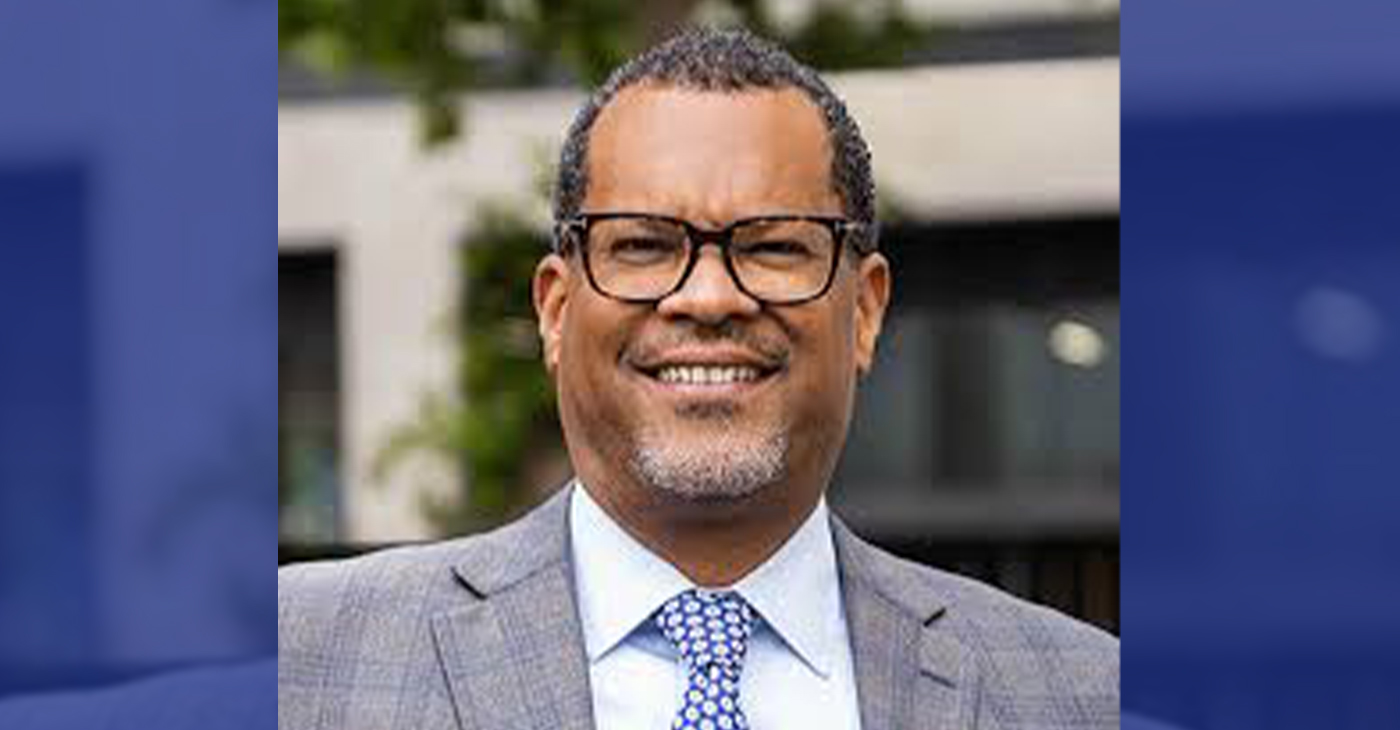
Fred Blackwell, coalition member and CEO of San Francisco Foundation, emphasized the importance of maintaining the integrity of charitable assets: “OpenAI’s proposed conversion to a for-profit entity undermines the very foundation of what those assets were intended to support. It is imperative that we ensure these resources remain dedicated to the public good, especially in communities most vulnerable to the systemic inequities and harms associated with AI.”
“Failure to hold OpenAI accountable risks setting a harmful precedent that could jeopardize the integrity and stability of nonprofits, along with the foundational principles that protect charitable assets and their intended purposes,” said Orson Aguilar, CEO of LatinoProsperity and a member of the coalition. “We believe the Attorney General has a responsibility to uphold California’s charitable trust laws and ensure OpenAI follows the law.”
The coalition’s letter to Attorney General Bonta outlines detailed concerns regarding OpenAI’s compliance with laws governing nonprofit assets and urges the Attorney General to initiate a robust investigation into OpenAI’s past and planned operations. The coalition argues that allowing OpenAI to proceed with its restructuring without appropriate safeguards would result in significant private gain at the public’s expense.
Precedent exists for maintaining the public benefit of nonprofit assets through a for-profit conversion.
In the 1990s, California oversaw multiple successful nonprofit-to-for-profit conversions in the healthcare industry. Of note, Blue Cross of California transferred most of its managed care business to its for-profit subsidiary, WellPoint, in 1993.
Under regulatory pressure, Blue Cross agreed to fund two independent foundations, The California Endowment and The California Healthcare Foundation, with cash and stock valued at over $3 billion. Similarly, when Health Net, one of California’s largest health care and insurance providers, converted from nonprofit to for-profit status, it established the California Wellness Foundation to ensure continued public benefit with $300 million in cash and 80% of the stock of the new for-profit company.
These foundations continue to serve the public good with the assets of the original healthcare nonprofits.
Given the critical legal, ethical, and policy issues at stake with OpenAI’s proposed restructuring, the coalition calls on Bonta to initiate a robust investigation and promptly take all appropriate legal action.
The coalition demands that the Attorney General ensure that OpenAI’s conversion to for-profit operations does not move forward unless all its charitable assets are valued appropriately and reserved for public benefit, as has been the case with past nonprofit conversions in the state.
The coalition is committed to ensuring that technological advancements like artificial intelligence benefit all Californians and that strong oversight of nonprofit organizations is essential to maintain public trust and promote responsible innovation.
About Latino Prosperity
LatinoProsperity is a national nonprofit organization dedicated to closing the Latino wealth gap through national, state, and local advocacy. Our mission is to champion equitable economic policies that create opportunities and economically resilient Latinx communities. Our policy recommendations are based on research informed by experienced academic, community, government, and business leaders, and we are committed to advocating for their adoption and implementation. For more information, please visitwww.latinoprosperity.org
About San Francisco Foundation
The San Francisco Foundation is committed to a Bay Area where everyone can get a good job, live in a safe and affordable home, and exercise their political voice. The foundation advances its work through grantmaking, partnerships with donors, policy advocacy, and impact investing.
The letter was signed by: Fred Blackwell, president and CEO, San Francisco Foundation; Orson Aguilar, president and CEO, LatinoProsperity; Aarti Kohli, executive director, Asian Law Caucus; Mark Philpart, president and CEO, California Black Freedom Fund; Sabrina Smith, CEO, California Calls; Adam Briones, CEO, California Community Builders; Miguel Santana, president and CEO, California Community Foundation; Richard Tate, President and CEO, the California Wellness Foundation; John Kim, President and CEO, Catalyst California; Alex Tom, executive director, Center for Empowered Politics; Natalie Foster, president and founder, Economic Security Project; Cathy Cha, president and CEO, Evelyn and Walter Haas, Jr. Fund; Michelle Vilchez, CEO, Innovate Public Schools; Allison Scott, Ph.D, CEO, Kapor Foundation; Sonja Diaz, co-founder, Latina Futures 2050 Lab; Julián Castro, CEO, Latino Community Foundation; Shane Goldsmith, president and CEO, Liberty Hill Foundation; Mike Kubzansky, CEO, Omidyar Network LLC; Joseph Tomás McKellar, executive director, PICO California; Guillermo Mayer, president and CEO, Public Advocates; Paulina Gonzalez-Britto, CEO, Rise Economy; Cynthia Strathmann, Ph.D., Executive Director, Strategic Actions for a Just Economy; Catherine Bracy, Founder and CEO, TechEquity; Brenda Solorzano, President and CEO, The California Endowment; Don Howard, President and CEO, The James Irvine Foundation; Fred Sotelo, Chairman, Urban Leadership Development Institute; Joanna S. Jackson, President and CEO, Weingart Foundation





Activism
Oakland Post: Week of September 23 – 29, 2026
The printed Weekly Edition of the Oakland Post: Week of September 23 – 29, 2026

To enlarge your view of this issue, use the slider, magnifying glass icon or full page icon in the lower right corner of the browser window.
Activism
Oakland Post: Week of September 16 – 22, 2026
The printed Weekly Edition of the Oakland Post: Week of September 16 – 22, 2026

To enlarge your view of this issue, use the slider, magnifying glass icon or full page icon in the lower right corner of the browser window.
Activism
Oakland Post: Week of September 9 – 15, 2026
The printed Weekly Edition of the Oakland Post: Week of September 9 – 15, 2026

To enlarge your view of this issue, use the slider, magnifying glass icon or full page icon in the lower right corner of the browser window.



Asm. Corey Jackson Announces Launch of 24-Hour Childcare in His District

IN MEMORIAM: The Rev. Leon “Sonny” Clark, Longtime Orange County Pastor and Community Leader, Dies at 72

Poll: Becerra Widens His Lead Over Hilton; Californians Split on Wealth Tax

From Historic Memories to New Possibilities: Oakland Celebrates Coliseum 60

County Office of Education Says OUSD Finances Are Getting Healthier, Materially Stronger

LIVE FREE Sunday Dinner Brings Faith, Fellowship and Civic Conversation to Oakland

Remembering Chauncey Bailey as Student Journalists Face Threats to Truth-Telling

BLACspace Cooperative Invites Bay Area to Experience Oakland’s Black Cultural Ecosystem Through a BLAC Map Tour + Party

In Wake of Death on Doorstep, Williams Chapel Baptist Church Calls for Better Care, Funding for Unhoused

Oakland Centenarian Nuna McKee Honored!

Caribbean Nations Produce Action Plan Calling for UK Reparations Over Slavery

Oakland Post: Week of September 23 – 29, 2026

Doulas Are Helping Black California Moms Navigate Pregnancy–Even as High Mortality Rates Persist

Newsom Signs Addictive Social Media Law to Protect Kids

On Your November Ballot: Prop 38 Would Allocate $8.4 Billion to Immunology and Immunotherapy Funding

Less Affluent School Districts, Including Sacramento City, Face Threat of State Takeover

ESSAY: California Can Close Its Colorectal Cancer Gap

California Hispanic Chambers of Commerce Unveils: ‘Powering the Future’ Theme for 47th Annual Statewide Convention

Four Candidates, Including Incumbent Barbara Lee, Qualify for Oakland Mayor’s Race

Oakland Post: Week of August 12 – 18, 2026

From Blueprint to Breakthrough: Tackling Affordable Housing in Oakland

Oakland Observes Black August with Block Parties, Film Showings, Workshops

COMMENTARY: Why Local School Tax Measure G1 Will Not Be on the November Ballot

Standoff for Justice: Our Homes Are Worth Fighting For

Returning to Its Roots, the Oakland Black-Eyed Pea Festival Partners with the Freedom Farmers Market Sept. 12

Oakland Post: Week of August 26 – September 1, 2026

NPRC Scores First Advocacy Victory: David Shaw Finally Gets His Wish to ‘Go Home’

Frontier Airlines’ Return to Oakland Airport Brings Flights, Jobs and Opportunity

Gubernatorial Candidate Steve Hilton Blasts California New Tire Rules; Newsom Hits Back

Chef Sharon Lee Blends Culinary Excellence, Education and Empowerment

The Conversation With Al McFarlane 6/23/26

Media Monday 6/22/26

LIVE! ASK ALMA! — TUES. 6.23.26 7PM EST

Car Buying Secrets: 4 Hidden Checks Before You Sign!

Is This 550 HP Charger Worth YOUR Money? AutoNetwork Review

Celebrating Juneteenth – Frederick Douglass on education and resistance

LIVE! — ASK ALMA! — TUES. 6.19.26 7PM EST

Hyundai Ioniq 5 Parking, Safety, and 360 View #shorts

2025 Ioniq 5 New Wiper & Powerful Performance! #shorts

Electric SUV Range: Is 259 Miles Enough? #shorts

EV Charging: How Fast Can You Charge an Electric Vehicle? #shorts

Biometric Cooling… Messaging Seats…Come on! 2025 Infiniti QX80 Autograph 4WD

Charged Up: Witness the Magic of a Fully Electric Car! #shorts

Range Rover Sport PHEV Included…: See What’s Inside This Luxury SUV! #shorts

Invisible Hood View: Perfect Parking with X-Ray Vision! #shorts
-
 Business4 weeks ago
Frontier Airlines’ Return to Oakland Airport Brings Flights, Jobs and Opportunity
-
 Business4 weeks ago
Gubernatorial Candidate Steve Hilton Blasts California New Tire Rules; Newsom Hits Back
-
 Business4 weeks ago
Chef Sharon Lee Blends Culinary Excellence, Education and Empowerment
-

 Black History4 weeks ago
Jackie Wright Champions Bay Area Stories, Filmmakers and Cultural Institutions
-

 Community4 weeks ago
Big City Mayors Ask for “Yes” Vote on Housing Bond Measure; Conservatives Say “No”
-

 Education4 weeks ago
Gov. Newsom’s Latest Appointees Include Sacramento Advocate for Formerly Incarcerated Students; State’s New Tech Chief
-

 Business4 weeks ago
Oakland Coliseum Project Opens Door for Small Businesses to Build Bigger
-

 Community2 weeks ago
Misnamed ‘Parent’ PAC Seeks to Influence Oakland School Board Elections
