
City Government
Mayor Breed Announces Privately Funded Rewards for Information Leading to Conviction of Auto Burglary Fencing Operators
New initiative will bolster the success of recent strategic deployments to high-traffic tourism, workplace, and retail destinations

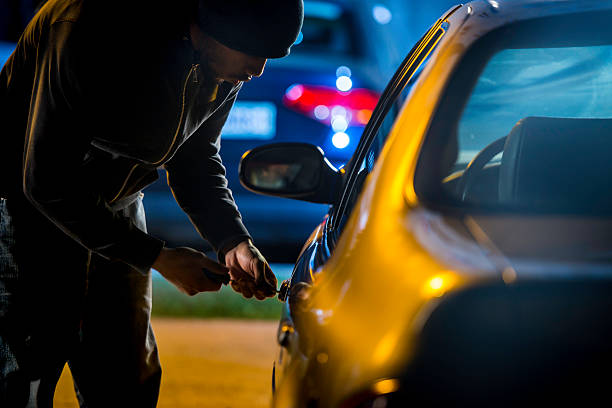
Mayor London N. Breed announced a privately funded cash reward for information leading to the arrest and conviction of individuals involved in organized criminal fencing operations known to fuel vehicle smash-and-grabs.
Announced Tuesday, this initiative builds on Breed’s recent expansion of community-based ambassadors and police patrols to high-traffic businesses, tourist, and retail destinations, which has resulted in a 37% drop in citywide auto burglaries from the year’s July 4 highpoint to the most recent reporting period.
The new initiative is a keystone element in a comprehensive auto burglary strategy that aims to educate motorists and visitors; deter, investigate and arrest active auto burglars; and shut down the upstream criminal enterprises that traffic in stolen goods, fueling street-level auto burglaries.
Investigators within the San Francisco Police Department and among regional law enforcement partner agencies in Northern California estimate that fewer than a dozen regular auto burglary crews are responsible for the large majority of auto burglaries that have plagued Bay Area cities in recent years.
“The frequent auto burglaries in San Francisco are not victimless crimes, they have real financial and emotional consequences for the victims and we’re continuing to work to hold people who commit these crimes accountable,” said Breed. “These break-ins hurt our residents, especially working families who do not have the time or money to deal with the effects, as well as visitors to our City whose experiences are too often tarnished after an otherwise positive experience.
“We’ve made good progress in recent months since announcing our Tourism Deployment Plan, but there’s still more work to do to ensure that everyone feels safe on our streets. I want to thank our partners in the private sector who understand the urgency of this issue, and we want to be very clear to the organized groups who are responsible for the vast majority of these crimes that we are committing the resources and the manpower to hold you accountable.”
The new cash reward system, which is being fully funded by private donors in the hospitality and tourism industry, will provide monetary incentives in exchange for information regarding high-level leaders of organized auto burglary fencing operations.
Individuals that provide accurate and transparent information will be compensated up to $100,000 pending the arrest and conviction of individuals involved. In total, funds raised are in excess of $225,000 so far.
“Organized crime has been driving a lot of the theft in this city. The people at the top have been raking in huge sums of money by paying street-level criminals to do all their stealing for them, making working families miserable in the process. This initiative is going to help us take these rings apart,” said Sharky Laguana, president of the Small Business Commission.
Recent initiatives helping to reduce auto burglaries
In recent months, Breed has announced the strategic deployments of police and community-based ambassadors to support San Francisco’s reemergence from COVID-19 restrictions and deter property crimes likely to accompany renewed economic activity — including auto burglaries.
Breed’s Tourism Deployment Plan, announced in July, assigned 26 additional police officers on bicycle and foot patrols to an array of high-traffic and highly sought-after travel destinations citywide.
Public safety deployments of police officers and community-based partners were also key elements of the Mayor’s Mid-Market Vibrancy and Safety Plan launched in May and the Organized Retail Crime Initiative, which Breed announced last month.
The combined emphasis on high-visibility patrols in areas long targeted by auto burglars has been instrumental in reducing auto burglary rates — even as tourism and economic activity begin returning to pre-pandemic levels.
The San Francisco Police Department has also stepped up its “Park Smart” public awareness campaign in recent months. Park Smart is a collaboration among SFPD, the San Francisco Municipal Transportation Agency, the Department of Emergency Management, SF SAFE, the Fisherman’s Wharf Community Benefit District, and local tourism and travel partners.
Educating motorists and visitors on how to help prevent vehicle burglaries by taking common-sense precautions, Park Smart’s recommended strategies when parking vehicles in San Francisco include placing items in trunks; never leaving valuables in view; and parking in lots staffed with attendants whenever possible.
2021 CompStat numbers on auto burglaries in San Francisco
According to San Francisco Police Department CompStat data, the 2021 highpoint for auto burglaries came just two weeks after California began to emerge from its COVID-19 lockdown, with 566 auto burglaries reported citywide for the week ending July 4, 2021.
Deployments of police and community-based patrols launched the following week under Mayor Breed’s Tourism Deployment Plan have since led to a sustained drop in auto burglaries — even with Fleet Week, San Francisco Giants post-season games, the return of Golden State Warriors’ games to Chase Center and other attractions ushering in a comeback in visitors to the City.
SFPD CompStat data for the most recently reported period, for the week ending Oct. 17, 2021, show that a total of 358 auto break-ins were committed in San Francisco — a drop of 37 percent from the July 4 holiday.
Auto burglary incident counts by year have generally trended down since 2017, when San Francisco recorded 31,409 such incidents. Although 2021 has predictably trended higher than the COVID-19 lockdown year of 2020, it remains well below pre-pandemic rates that reached 25,886 reported auto burglaries for the 2019 calendar year.
“Today’s announcement adds a promising new tool to the coordinated efforts of public and private sector partners to fight auto burglaries in San Francisco,” said Chief of Police Bill Scott. “We know the profit motives of a few upstream fencing operations are fueling thousands of auto burglaries and other kinds of thefts. This generously funded cash reward enables us to flip the script on profit motives — creating an incentive that can help us bring these criminal enterprises to justice.
“On behalf of all of us in the San Francisco Police Department, we’re grateful to the funders of this generous partnership with our City. We thank Mayor Breed for her leadership, and we’re pleased to see strategic deployments of our officers and our community partners making progress to keep auto burglaries down. We’re very hopeful that this new initiative will help make San Francisco’s so-far successful efforts on auto burglaries even more successful moving forward.”
Staff reductions due to unvaccinated officers won’t affect patrol functions
Given the San Francisco Police Department’s emphasis on adequately staffing such core police functions as patrol and investigations, reductions in force owing to unvaccinated SFPD members will have no effect on existing high-visibility deployments.
Most SFPD employees, including all sworn members, were required to be fully vaccinated by Oct. 13, 2021, under the City’s COVID-19 vaccination policy and the San Francisco County Health Officer’s “Safer Return Together” health order.
Following the October 13 deadline last Thursday, 76 SFPD officers — or 3.5% of the Department’s sworn members — remained unvaccinated and are ineligible to perform policing functions.






Activism
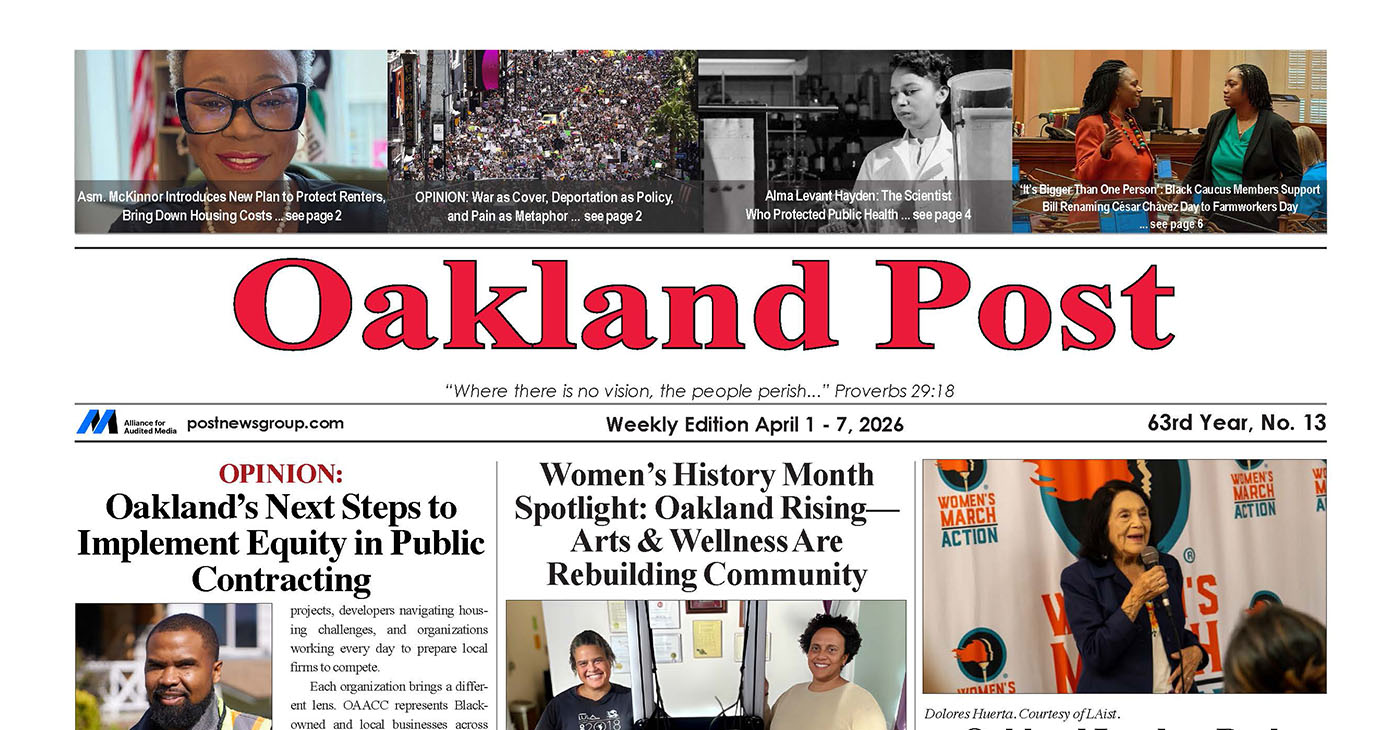
Oakland Post: Week of April 1 – 7, 2026
The printed Weekly Edition of the Oakland Post: Week of April 1 – 7, 2026

To enlarge your view of this issue, use the slider, magnifying glass icon or full page icon in the lower right corner of the browser window.

Activism
Oakland Post: Week of March 18 – 24, 2026
The printed Weekly Edition of the Oakland Post: Week of March 18 – 24, 2026
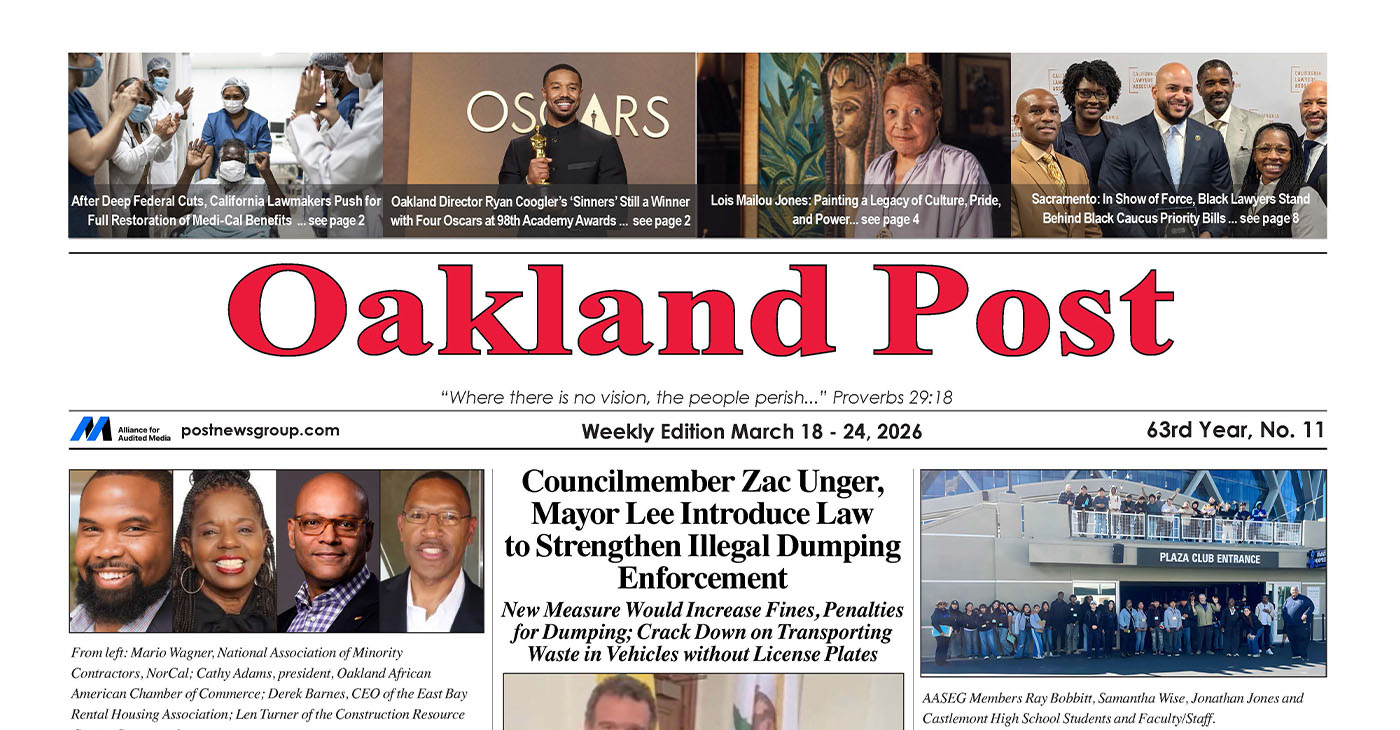
To enlarge your view of this issue, use the slider, magnifying glass icon or full page icon in the lower right corner of the browser window.
Activism
Oakland Post: Week of March 11 -17, 2026
The printed Weekly Edition of the Oakland Post: Week of March 11 – 17, 2026
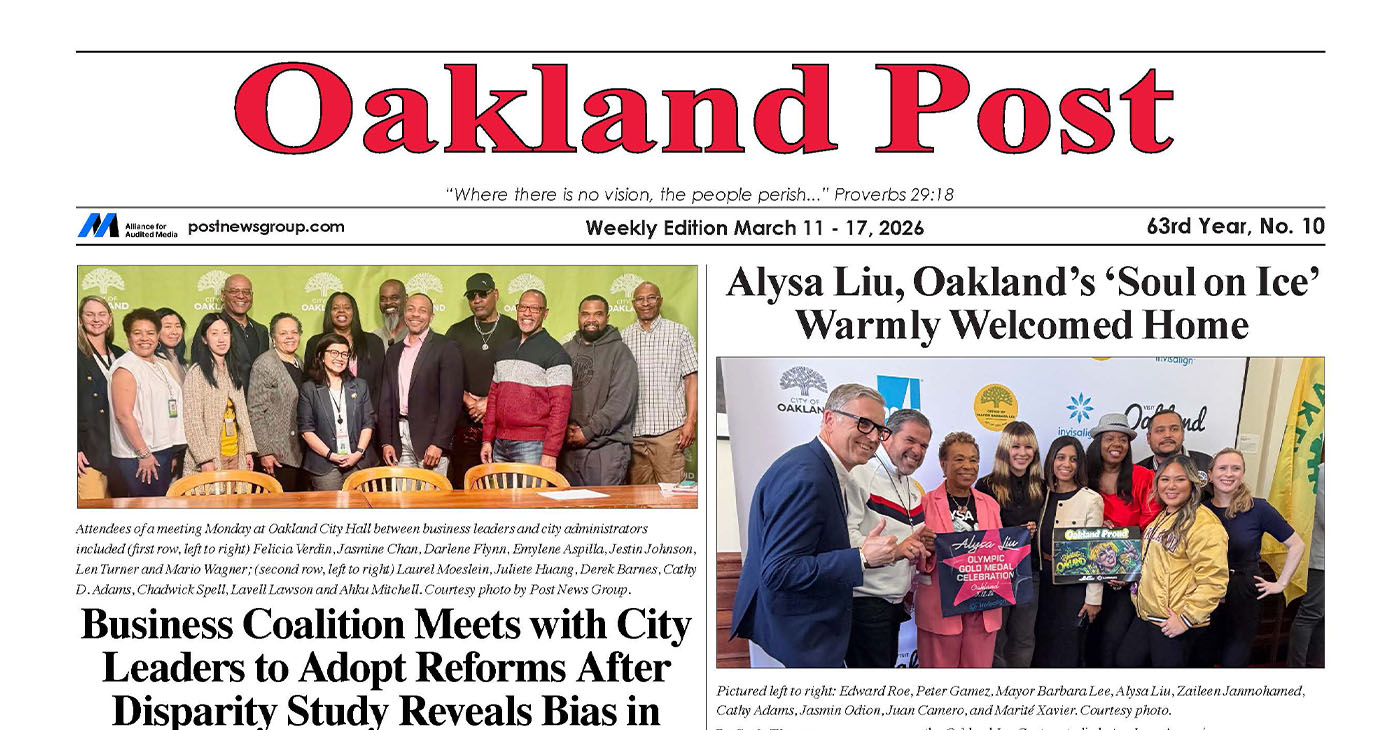
To enlarge your view of this issue, use the slider, magnifying glass icon or full page icon in the lower right corner of the browser window.


WORK FROM HOME
Home-based business with potential monthly income of $10K+ per month. A proven training system and website provided to maximize business effectiveness. Perfect job to earn side and primary income. Contact Lynne for more details: Lynne4npusa@gmail.com 800-334-0540


Oakland Post: Week of April 1 – 7, 2026

Black Artists in America, Installation Three Wraps at the Dixon Gallery and Gardens

Grief, Advocacy, and Education: A Counselor Reflects on Black Maternal Health

Future of Florida’s Black History Museum in Limbo

New Research Shows the Many Benefits of Early Learning

South Hampton K-8 Students Among Top 10 Finalists for Samsung’s ‘Solve for Tomorrow’ Competition

Cuba: No Negotiation with US on the President or Political System

Brooklyn Academy of Music Names Jamaican-Born Tamara McCaw as President

Trinidad & Tobego – U.S. Launches WhatsApp Channel for American Citizens in the Country

Oakland Post: Week of March 18 – 24, 2026

AI Innovation vs. Ethics and Environmental Impact

AI, Web3, and Digital Reparations

What If You Owned Your AI Agent?

Season 7, Episode 3 – January Reporter’s Roundtable 📱

Season 7, Episode 3 – January Reporter’s Roundtable

Reflecting on Black History Milestones in Birmingham AL

Oakland Post: Week of February 25 – March 3, 2026

PRESS ROOM: NBA Hall of Fame Nominee Terry Cummings Joins 100 Black Men of DeKalb County to Launch Victory & Values Initiative

Trump’s MAGA Allies are Creating Executive Order Plan to Steal the 2026 Midterms

Oakland Post: Week of March 4 – 10, 2026

Chase Oakland Community Center Hosts Alley-Oop Accelerator Building Community and Opportunity for Bay Area Entrepreneurs

U.S. manufacturing rebounds – how foundry services are adapting to rising demand

Poll Shows Support for Policies That Help Families Afford Child Care

OP-ED: One Hundred Years of Black Workers Telling the Truth

Advancements in solar technology that are changing the way we power the world

Oakland Post: Week of March 11 -17, 2026

Woman’s Search for Family’s Roots Leads to Ancestor John T. Ward – A Successful Entrepreneur and Conductor on the Underground Railroad
Oakland Post: Week of March 18 – 24, 2026

COMMENTARY: Women of Color Shape Our Past and Future

PRESS ROOM: Civil Rights TV Launches in Selma as the World’s First 24/7 Civil Rights Television Network

Hyundai Ioniq 5 Parking, Safety, and 360 View #shorts

2025 Ioniq 5 New Wiper & Powerful Performance! #shorts

Electric SUV Range: Is 259 Miles Enough? #shorts

EV Charging: How Fast Can You Charge an Electric Vehicle? #shorts

Biometric Cooling… Messaging Seats…Come on! 2025 Infiniti QX80 Autograph 4WD

Charged Up: Witness the Magic of a Fully Electric Car! #shorts

Range Rover Sport PHEV Included…: See What’s Inside This Luxury SUV! #shorts

Invisible Hood View: Perfect Parking with X-Ray Vision! #shorts

AI Is Reshaping Black Healthcare: Promise, Peril, and the Push for Improved Results in California

ESSAY: Technology and Medicine, a Primary Care Point of View

Sanctuary Cities

The RESISTANCE – FREEDOM NOW

STATE OF THE PEOPLE: Freddie

ECONOMIC BOYCOTT DAY!!!!!

I told You So
-
 Activism3 weeks ago
Oakland Post: Week of March 11 -17, 2026
-
 #NNPA BlackPress4 weeks ago
Woman’s Search for Family’s Roots Leads to Ancestor John T. Ward – A Successful Entrepreneur and Conductor on the Underground Railroad
-
 Activism2 weeks ago
Oakland Post: Week of March 18 – 24, 2026
-
 #NNPA BlackPress4 weeks ago
COMMENTARY: Women of Color Shape Our Past and Future
-

 Advice3 weeks ago
Financial Wellness and Mental Health: Managing Money Stress in College
-

 #NNPA BlackPress4 weeks ago
Advocates Raise Alarm Over ICE Operation, MOU and Detention Risks in Baltimore County
-

 #NNPA BlackPress4 weeks ago
Pete Buttigieg to Join Mayor Randall Woodfin for Community Town Hall in Birmingham
-
 #NNPA BlackPress2 weeks ago
Brooklyn Academy of Music Names Jamaican-Born Tamara McCaw as President
