
Uncategorized
Mack Coach George Powles Powered School’s reputation as “School of Champions”

At the 100th McClymonds High School anniversary dinner, many former athletes and alumni praised the late Coach George Powles for being the motivating force and the guiding hand that sent so many Mack and Bay Area stars into the professional ranks of playing, coaching and civil rights leadership that shaped sports in America.
During this week’s Baseball Hall of Fame meeting in Cooperstown, NY, Mackite Bill Patterson will lead a contingent of admirers of one of Powles’ greatest athletes, the late Curt Flood, who will be recognized for his outstanding achievements.
“Every baseball player owes a perpetual debt of gratitude for his bold fight to overturn the “reserve Clause” that had bound players to a team for life,” Patterson said. “Now, all players are Freed Men, thanks to a movement that had its genesis in Oakland, at Mack, and from Powles.”
The Post will publish interviews with Bill Patterson and Judge George Nicholson about Powles monumental career in a series of articles prior to the annual McClymonds picnic at Defremery Park in September.

Coach Powles and wife Win
In George Nicholson’s comprehensive treatise “Remembering George Powles,” Baseball and Freedom III, he was able to link the historically significant connections of Powles’ life and contributions to those of Jackie Robinson, Abraham Lincoln, Branch Rickey and Martin Luther King Jr.

Nicholson, an Oaklander who played against Powles’ Mackites at Oakland High, said, “Coach Powles was and remains an unsung hero of baseball and freedom.”
Nicholson and Patterson agreed that like Lincoln, Branch Rcikey and Powles, all white men were special men who seized the historical moment to make positive much-needed changes.
“One fundamental reason for retelling his story,” writes Nicholson, “is because he (Powles) was a white man who spent a major portion of his teaching and coaching career in West Oakland, the Black section of Oakland. He did things differently than pedagogically presumed correct by the teachers and coaches of his era, virtually all of whom were white.
“He did so, wisely and lovingly, with all appropriate tenderness and toughness while he taught, coached and mentored Black students, in all sports.”
In the upcoming series of interviews with Nicholson and Patterson, readers will learn of the umbilical connection to civil rights history of the Oakland’s intertwining sports, legislative, and judicial trailblazers that include Chief Justice Earl Warren, Associate Justice George Nicholson, Judge Lionel Wilson, Judges Donald P. McCullum and Clinton White, all of whom hail from Oakland.
After this series, Nicholson’s tribute to Powles and his other writings and interviews about Oakland sports and the history of the breaking down racial barriers in America will appear on the Post website: postnewsgroup.com
As a columnist at the Oakland Tribune, I wrote in my Good News Column on March 23, 1997 that “Oakland Demands recognition for Curtis Flood.”
I interviewed Flood’s wife actress Judy Pace-Flood at the Evergreen Baptist Church. She said, “Curtis was the Rosa Parks of baseball, but I say he was the Abraham Lincoln of professional sports.”
Abraham Lincoln helped to free all Black men, Branch Rickey opened the door for Jackie Robinson, but Curt Flood made it possible for all players to sit at the table as freed men.
George Powles helped Mackites become the “firsts” to break all barriers.


Uncategorized
Oakland City Council Extends AI Data Center Moratorium for 10 Months.
POST NEWS GROUP — The city must ensure that it has adequate guardrails and that the community is actively involved in decision-making, she said. “It’s important that our staff have the ability to do the appropriate study, and … to do the appropriate outreach to the community, so the community has a voice in anything that we do that will impact their lives.”


The Oakland City Council voted unanimously this week to extend the city’s moratorium on AI data centers for 10 months – giving the city time to produce a policy that protects residents from the public health and safety dangers that are posed by the proliferation of data centers.
The moratorium extension, which passed at Tuesday’s council meeting, will keep the existing 45-day moratorium in place until Oct. 5, 2027.
“We’re seeing basically an uprising across the country when it comes to how data centers are operating in regard to land use, impacts to the environment, excessive water use and pollution, air pollution, noise pollution, a host of things that are really negatively impacting communities,” said Councilmember Carroll Fife, who is leading the City Council’s efforts to pass the moratorium.
“I represent a district that many of these potential entities are interested in, and two of the giants in the tech industry have leased space in West Oakland, and there’s been another showing interest in a downtown location,” she said.

“I felt it was imperative that I take immediate action to protect Oakland residents from what we’ve seen happen in other parts of the country,” Fife continued. “This is not a rejection of technology. This is not a rejection of economic growth. It’s guardrails against an industry that we’ve seen steamroll individuals throughout the entire globe.”
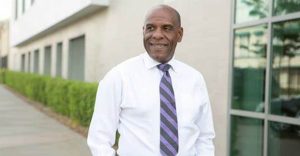
The city must ensure that it has adequate guardrails and that the community is actively involved in decision-making, she said. “It’s important that our staff have the ability to do the appropriate study, and … to do the appropriate outreach to the community, so the community has a voice in anything that we do that will impact their lives.”
In her recent State of the City address, Mayor Barbara Lee backed the original 45-day moratorium, which passed on Oct. 6 and is set to expire on Nov. 20.
Lee supported the moratorium to give residents more time to consider before any projects move forward, saying, “Residents need to weigh in on any industry that’s trying to come to Oakland.”
Other California cities that already have passed data center moratoriums include San Francisco, Hayward, Oakley, Richmond, Monterey Park, Gilroy, South El Monte, Montebello, and Calexico.
Speaking at the meeting, Bill Gilchrist director of the city’s Planning and Building Department, said that during the moratorium, the city is committed to “looking at areas that might be most severely impacted by land use and residential proximity, and making sure we engage members of the community who may historically have not been able to participate or be invited to participated (in this kind of discussion).”
“The idea for us is to ‘do no harm,’” he said.
Thirty-five public speakers signed up to talk about on the moratorium extension. Almost of them supported the extension, some praising Fife for her leadership on the issue.
Some of the speakers urged the council to consider a permanent ban on data center development in the city.
Supporting the moratorium extension, Laney College professor Peter Brown said, “Don’t cast your vote today based on the illusion we’re operating in the old economy, where corporate investment in Oakland meant thousands of lasting, good-paying jobs, as well as property, business, and income taxes flowing into city coffers,” he said.
“Those days are long gone in this new economy, where every investment is just another asset to be exploited and used as collateral for more investment,” Brown continued. “Every corporate move is to extract from our communities.”
Nyah Tisdell, an East Oakland community organizer with Communities for a Better Environment (CBE), said, “We have community meeting every month…Community members say no (to data centers),” that will go straight to East Oakland, which already has so much industry, so much pollution, and we are trying to better our communities.”
A speaker for Care for Community Action (C4C) said her organization has surveyed more than 400 residents and found that 73% favor a permanent ban on all data centers being built in Oakland.
According to Rev. Leslie Bowling-Dyer, “Data centers are a part of the necessary infrastructure for the rise of an economically and politically untouchable class, and people are not just being lunatics displaying an irrational fear of technology. Technological innovation is not equivalent to social progress. Technological advance is not the problem in itself, but it’s the people who control it.”

Uncategorized
Mississippi Congressman Bennie Thompson Congratulates Scott Colom on Historic Victory
POST NEWS GROUP — “My relationship with Scott dates back to his participation in the Mississippi Black Leadership Institute, which I helped establish in partnership with the NAACP to develop the next generation of public servants. As one of the program’s first graduates, Scott demonstrated the leadership and commitment to public service that would later define his career.
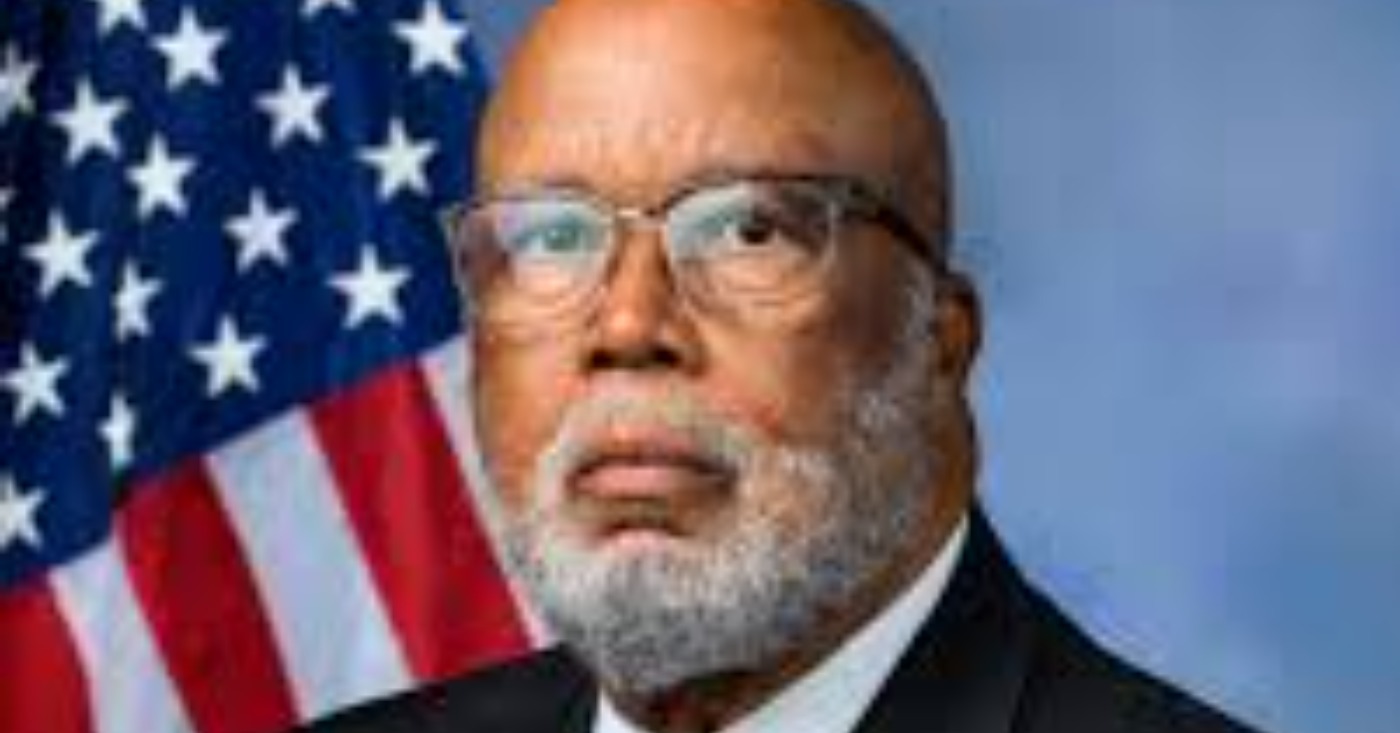
Today, Congressman Bennie G. Thompson (MS-02) issued the following statement on Mississippi Senator-elect Scott Colom’s historic election to the United States Senate:
“I am incredibly proud of Senator-elect Scott Colom and his historic victory. Having known Scott for many years, it has been a pleasure to watch him grow into the leader he is today. His campaign brought together Mississippians from every walk of life — young and old, Black and white, rural and urban —I n a way I have never witnessed in more than 50 years of public service. This victory demonstrates the power of grassroots organizing and what people can accomplish when they come together for a common purpose.
“My relationship with Scott dates back to his participation in the Mississippi Black Leadership Institute, which I helped establish in partnership with the NAACP to develop the next generation of public servants. As one of the program’s first graduates, Scott demonstrated the leadership and commitment to public service that would later define his career.
Recognizing that potential, I encouraged him to run for district attorney of Mississippi’s 16th Judicial District, where he defeated a 28-year incumbent and went on to serve three terms.
“Having witnessed Scott’s leadership firsthand, I had every confidence in his ability to serve as a federal judge when I recommended him to President Joe Biden for nomination in 2022. Former Senator Cindy Hyde-Smith’s decision to block his nomination by withholding her blue slip was disappointing, but it did not lessen my confidence in him or his commitment to serving Mississippi.
“To see him now elected to the very Senate where his nomination was blocked is especially meaningful and a testament to his perseverance and the trust Mississippians have placed in his leadership.”
“Scott has the experience, character, and determination to be an effective advocate for Mississippi. Throughout my career, I have fought to make sure those at the bottom have an opportunity to move up, and I know he shares that commitment.
Having another Mississippi Democrat alongside me in Congress who understands the needs of Mississippians means a great deal. Together, we will fight to improve access to health care, strengthen public education, expand economic opportunities, and ensure our rural and underserved communities are not left behind.
“I look forward to working with Senator-elect Colom and am pleased to welcome him to the Mississippi Congressional Delegation.”
Uncategorized
HISTORY MADE: Keisha Lance Bottoms Becomes First Black Woman Elected Governor in American History
ATLANTA DAILY WORLD — History has been made in Georgia. Keisha Lance Bottoms, the former mayor of Atlanta, has been elected governor of Georgia, becoming the first Black woman in American history to win the highest executive office in any state.
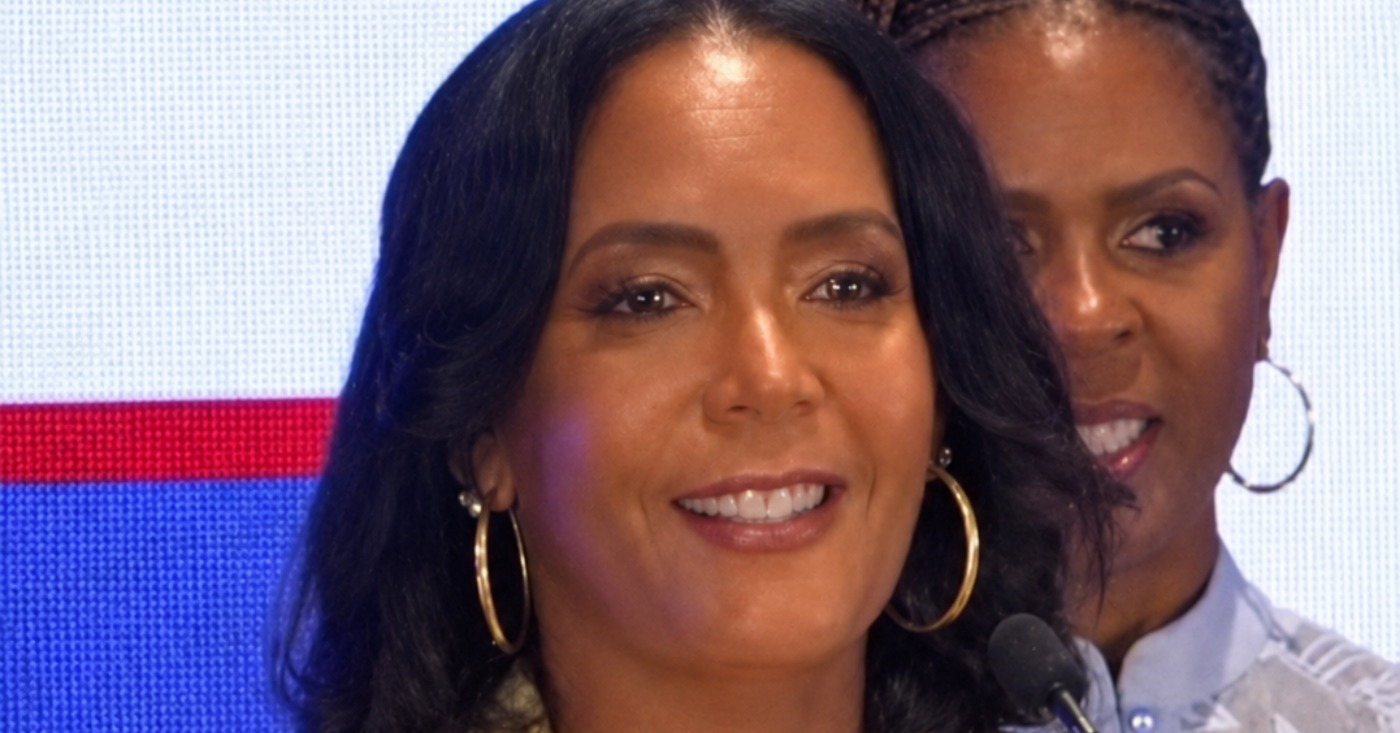
History has been made in Georgia. Keisha Lance Bottoms, the former mayor of Atlanta, has been elected governor of Georgia, becoming the first Black woman in American history to win the highest executive office in any state.
Bottoms’ victory over Republican businessman Rick Jackson represents a defining moment in American politics, breaking a barrier that has stood since the nation’s founding and placing Georgia at the center of a historic political transformation.
For generations, Black women have played a critical role in American democracy, organizing communities, leading movements, mobilizing voters and shaping public policy. Yet despite their contributions, no Black woman had ever been elected governor of a U.S. state.
Until now.
Bottoms’ election also makes her the first woman and first Black person elected governor of Georgia, a state whose political history has been deeply shaped by slavery, segregation, the civil rights movement and the long struggle for equal representation.
Her victory carries particular significance in a state where Black women have been among the most influential forces in voter registration, political organizing and Democratic electoral success.
A fifth-generation Georgian, Bottoms previously served as Atlanta’s 60th mayor from 2018 to 2022. During her administration, she led the city through the COVID-19 pandemic, nationwide protests over racial injustice and a period of significant economic and population growth.

Following her time as mayor, Bottoms served as a senior adviser in President Joe Biden’s administration before returning to Georgia politics to pursue the governorship.
Her campaign focused on expanding access to health care, strengthening public education, increasing wages and addressing the rising cost of living. She also advocated for expanding Medicaid, raising Georgia’s minimum wage to $15 an hour and increasing compensation for teachers and other public employees.
Bottoms faced Jackson, a wealthy health care executive who invested heavily in his campaign and positioned himself as a political outsider. The contest drew national attention as Democrats sought to reclaim the Georgia governor’s office after more than two decades of Republican control.
The historic nature of Bottoms’ victory extends well beyond party politics.
Georgia, once at the center of some of America’s most consequential civil rights battles, has now elected a Black woman to lead its state government. It is a milestone that reflects generations of political participation, organizing and leadership by Black Georgians.
For Atlanta, the moment is especially significant. A former mayor of the city that helped shape the modern civil rights movement will now lead the entire state.
Bottoms’ election opens a new chapter in Georgia’s political history and establishes a milestone that will be remembered far beyond the 2026 election.
For continuing election coverage and results, visit AtlantaDailyWorld.com/election26.



Oakland Post: Week of November 18 – 24, 2026

Oakland Post: Week of November 11 -17, 2026

Alameda County Supervisor Miley to Propose Illegal Dumping Ordinance

Oakland City Council Extends AI Data Center Moratorium for 10 Months.

On Veterans Day, U.S. Rep. Simon Demands Answers on Status of Veterans Affairs Clinic, Columbarium Project

OPINION: Mario Juarez’s Courtroom Admissions Raise Questions About Allegations That Fueled Recall of Pamela Price

Hutchinson Concedes: Ballots Still Being Counted in Oakland Board Elections

Mayor Lee and Schools’ Supt. Saddler Issue Joint Statement on Recent ICE Activity in Oakland

Mississippi Congressman Bennie Thompson Congratulates Scott Colom on Historic Victory

Farms to Grow, Inc. Hosts the 8th Annual Sweet Potato Pie Tasting Contest

Oakland Post: Week of November 4 – 10, 2026

How the Sandwich Generation Can Help Protect Aging Parents’ Finances

As Progressive Democrats Celebrate ‘Blue Tsunami,’ Oakland Counts Victories

Golden State Valkyries Become Bay Area Legends Winning WNBA Championship on Halloween Night

IN MEMORIAM: Marcia Ann Gillespie, Editor of Essence and Ms. Magazines, Dies at 82

COMMENTARY: Valarie Bachelor and Jennifer Brouhard are Excellent School Board Members and Deserve to Be Reelected

OUSD Receives State Review of District Finances; Outlines Progress Since January

HISTORY MADE: Keisha Lance Bottoms Becomes First Black Woman Elected Governor in American History

SEIU Local 1000 and State of California Will Continue to Negotiate New Labor Contract
Golden State Valkyries Become Bay Area Legends Winning WNBA Championship on Halloween Night

Fate of Bay Area Public Transit Hinges on Regional Transit Measure

COMMENTARY: Your California Living Trust Could Be Next: When Evidence Isn’t Enough

Chase Launches Fraud & Scam Prevention Month

Mayor Barbara Lee Holds Special State of the City Address in Deep East Oakland

Democrats, Community Groups Back Measure EE to Change How Oakland Is Governed

It’s Time to Lose Weight Before the Holidays

Post News Group Nov. 3 Election Endorsements

Richmond Neighbors Put Pantry Power on the Map

Oakland Awarded More than $14 Million in State Funding

Oakland Post: Week of October 7 – 13, 2026

The Conversation With Al McFarlane 6/23/26

Media Monday 6/22/26

LIVE! ASK ALMA! — TUES. 6.23.26 7PM EST

Car Buying Secrets: 4 Hidden Checks Before You Sign!

Is This 550 HP Charger Worth YOUR Money? AutoNetwork Review

Celebrating Juneteenth – Frederick Douglass on education and resistance

LIVE! — ASK ALMA! — TUES. 6.19.26 7PM EST

Hyundai Ioniq 5 Parking, Safety, and 360 View #shorts

2025 Ioniq 5 New Wiper & Powerful Performance! #shorts

Electric SUV Range: Is 259 Miles Enough? #shorts

EV Charging: How Fast Can You Charge an Electric Vehicle? #shorts

Biometric Cooling… Messaging Seats…Come on! 2025 Infiniti QX80 Autograph 4WD

Charged Up: Witness the Magic of a Fully Electric Car! #shorts

Range Rover Sport PHEV Included…: See What’s Inside This Luxury SUV! #shorts

Invisible Hood View: Perfect Parking with X-Ray Vision! #shorts
-
 Commentary3 weeks ago
COMMENTARY: Valarie Bachelor and Jennifer Brouhard are Excellent School Board Members and Deserve to Be Reelected
-
 Education3 weeks ago
OUSD Receives State Review of District Finances; Outlines Progress Since January
-
 Black History3 weeks ago
HISTORY MADE: Keisha Lance Bottoms Becomes First Black Woman Elected Governor in American History
-
 Business3 weeks ago
SEIU Local 1000 and State of California Will Continue to Negotiate New Labor Contract
-
 Community2 weeks ago
Golden State Valkyries Become Bay Area Legends Winning WNBA Championship on Halloween Night
-
 Business4 weeks ago
Fate of Bay Area Public Transit Hinges on Regional Transit Measure
-
 Business3 weeks ago
COMMENTARY: Your California Living Trust Could Be Next: When Evidence Isn’t Enough
-
 Business4 weeks ago
Chase Launches Fraud & Scam Prevention Month
