
National
In Selma, Ala., Obama Proved That He is ‘Black Enough’


The Obama family join hands as they begin the march with the foot soldiers across the Edmund Pettus Bridge. (Official White House Photo by Lawrence Jackson)
By George E. Curry
NNPA Editor-in-Chief
NEW ANALYSIS
SELMA, Ala. (NNPA) – Throughout his campaign for the presidency, Barack Obama was dogged by one question: Is he Black enough? The question was repeated so often that after showing up late for an appearance at the 2008 annual convention of the National Association of Black Journalists in Las Vegas, Obama said, “I want to apologize for being late, but you guys keep asking whether I am Black enough.”
After a 33-minute speech Saturday in Selma, Ala. commemorating the Selma to Montgomery March and passage of the 1965 Voting Rights Act, nobody was asking: Is Barack Obama Black enough?
President Obama rarely discussed the issue of race in his first six years in office except in reaction to a major racial catastrophe such as the shooting deaths of Trayvon Martin in Florida and Michael Brown in Ferguson, Mo. or the arrest of Harvard University Professor Henry Louis Gates, Jr. for breaking into his own home.
On Saturday, however, President Obama seemed comfortable discussing race in public, showing he has a deep appreciation for the accomplishments of the Civil Rights Movement and quoting or referencing the Bible, Black spirituals, James Baldwin, Sojourner Truth, Fannie Lou Hamer, Langston Hughes, the Tuskegee Airmen, Jackie Robinson and even his favorite hip-hop artist Jay-Z.
While connecting with African Americans, President Obama also underscored the significance of civil rights warriors making America hold true to its creed.
“As John [Lewis] noted, there are places and moments in America where this nation’s destiny has been decided. Many are sites of war – Concord and Lexington, Appomattox, Gettysburg. Others are sites that symbolize the daring of America’s character – Independence Hall and Seneca Falls, Kitty Hawk and Cape Canaveral,” the president said.
“Selma is such a place. In one afternoon 50 years ago, so much of our turbulent history — the stain of slavery and anguish of civil war; the yoke of segregation and tyranny of Jim Crow; the death of four little girls in Birmingham; and the dream of a Baptist preacher – all that history met on this bridge.”
He made his comments with the Edmund Pettus Bridge, where civil rights marchers were attacked by Alabama State Troopers on “Bloody Sunday,” serving as a backdrop.
“It was not a clash of armies, but a clash of wills; a contest to determine the true meaning of America,” Obama said. “And because of men and women like John Lewis, Joseph Lowery, Hosea Williams, Amelia Boynton, Diane Nash, Ralph Abernathy, C.T. Vivian, Andrew Young, Fred Shuttlesworth, Dr. Martin Luther King, Jr., and so many others, the idea of a just America and a fair America, an inclusive America, and a generous America – that idea ultimately triumphed.”
President Obama also acknowledged the contributions of thousands whose name will never be known to the public yet played a critical role in securing the right to vote.
“As is true across the landscape of American history, we cannot examine this moment in isolation. The march on Selma was part of a broader campaign that spanned generations; the leaders that day part of a long line of heroes. We gather here to celebrate them. We gather here to honor the courage of ordinary Americans willing to endure billy clubs and the chastening rod; tear gas and the trampling hoof; men and women who despite the gush of blood and splintered bone would stay true to their North Star and keep marching towards justice.
“They did as Scripture instructed: ‘Rejoice in hope, be patient in tribulation, be constant in prayer.’ And in the days to come, they went back again and again. When the trumpet call sounded for more to join, the people came –- black and white, young and old, Christian and Jew, waving the American flag and singing the same anthems full of faith and hope.”
President Obama admitted what many, if not most African Americans have long accepted as fact – it was through their efforts that other groups obtained their rights. In fact, often ahead of Blacks.
“Because of what they [protesters] did, the doors of opportunity swung open not just for black folks, but for every American,” Obama said. “Women marched through those doors. Latinos marched through those doors. Asian Americans, gay Americans, Americans with disabilities – they all came through those doors. Their endeavors gave the entire South the chance to rise again, not by reasserting the past, but by transcending the past.”
The president said in order to be true to those who sacrificed to make America a better place, everyone – Black and White – has an obligation to address America’s unfinished business.
“First and foremost, we have to recognize that one day’s commemoration, no matter how special, is not enough. If Selma taught us anything, it’s that our work is never done. The American experiment in self-government gives work and purpose to each generation. Selma teaches us, as well, that action requires that we shed our cynicism. For when it comes to the pursuit of justice, we can afford neither complacency nor despair.”
He said, “If we want to honor the courage of those who marched that day, then all of us are called to possess their moral imagination. All of us will need to feel as they did the fierce urgency of now. All of us need to recognize as they did that change depends on our actions, on our attitudes, the things we teach our children. And if we make such an effort, no matter how hard it may sometimes seem, laws can be passed, and consciences can be stirred, and consensus can be built.”
Obama addressed two hot-button issues – the criminal justice system and voter disenfranchisement efforts – directly.
“With such an effort, we can make sure our criminal justice system serves all and not just some. Together, we can raise the level of mutual trust that policing is built on – the idea that police officers are members of the community they risk their lives to protect, and citizens in Ferguson and New York and Cleveland, they just want the same thing young people here marched for 50 years ago – the protection of the law. Together, we can address unfair sentencing and overcrowded prisons, and the stunted circumstances that rob too many boys of the chance to become men, and rob the nation of too many men who could be good dads, and good workers, and good neighbors. With effort, we can roll back poverty and the roadblocks to opportunity. Americans don’t accept a free ride for anybody, nor do we believe in equality of outcomes. But we do expect equal opportunity.”
Regarding Republican-led efforts to suppress the Black and Latino vote, Obama said: “Right now, in 2015, 50 years after Selma, there are laws across this country designed to make it harder for people to vote. As we speak, more of such laws are being proposed. Meanwhile, the Voting Rights Act, the culmination of so much blood, so much sweat and tears, the product of so much sacrifice in the face of wanton violence, the Voting Rights Act stands weakened, its future subject to political rancor.”
But the problem does not stop there, Obama said.
“Of course, our democracy is not the task of Congress alone, or the courts alone, or even the president alone. If every new voter-suppression law was struck down today, we would still have, here in America, one of the lowest voting rates among free peoples. Fifty years ago, registering to vote here in Selma and much of the South meant guessing the number of jellybeans in a jar, the number of bubbles on a bar of soap. It meant risking your dignity, and sometimes, your life.
“What’s our excuse today for not voting? How do we so casually discard the right for which so many fought? How do we so fully give away our power, our voice, in shaping America’s future? Why are we pointing to somebody else when we could take the time just to go to the polling places? We give away our power. “
Hip-hop artist Jay-Z’s remix of the song, “My President” has the popular line: “Rosa Parks sat so Martin Luther could walk / Martin Luther walked so Barack Obama could run / Barack Obama ran so all the children could fly.”
In his speech, Obama had his own line that showed he was in tune with Jay-Z’s lyrics: “We honor those who walked so we could run. We must run so our children soar.”
He added, “And we will not grow weary. For we believe in the power of an awesome God, and we believe in this country’s sacred promise.”








Community
Four Candidates, Including Incumbent Barbara Lee, Qualify for Oakland Mayor’s Race
POST NEWS GROUP — Four candidates, including incumbent Mayor Barbara Lee, filed their papers to run for office by last Friday’s deadline, and the City Clerk issued a list this week of those who are qualified to run.

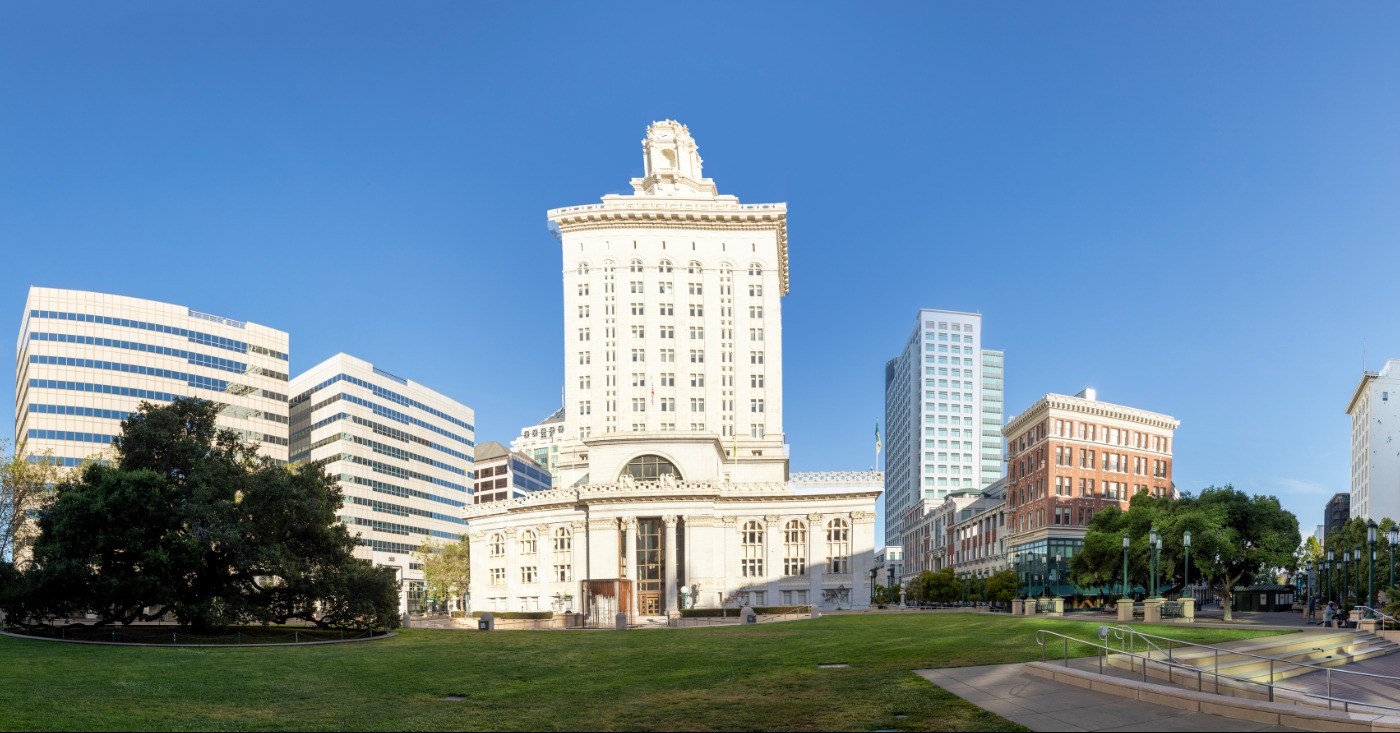
The four mayoral candidates who will appear on the Nov. 3 ballot are:
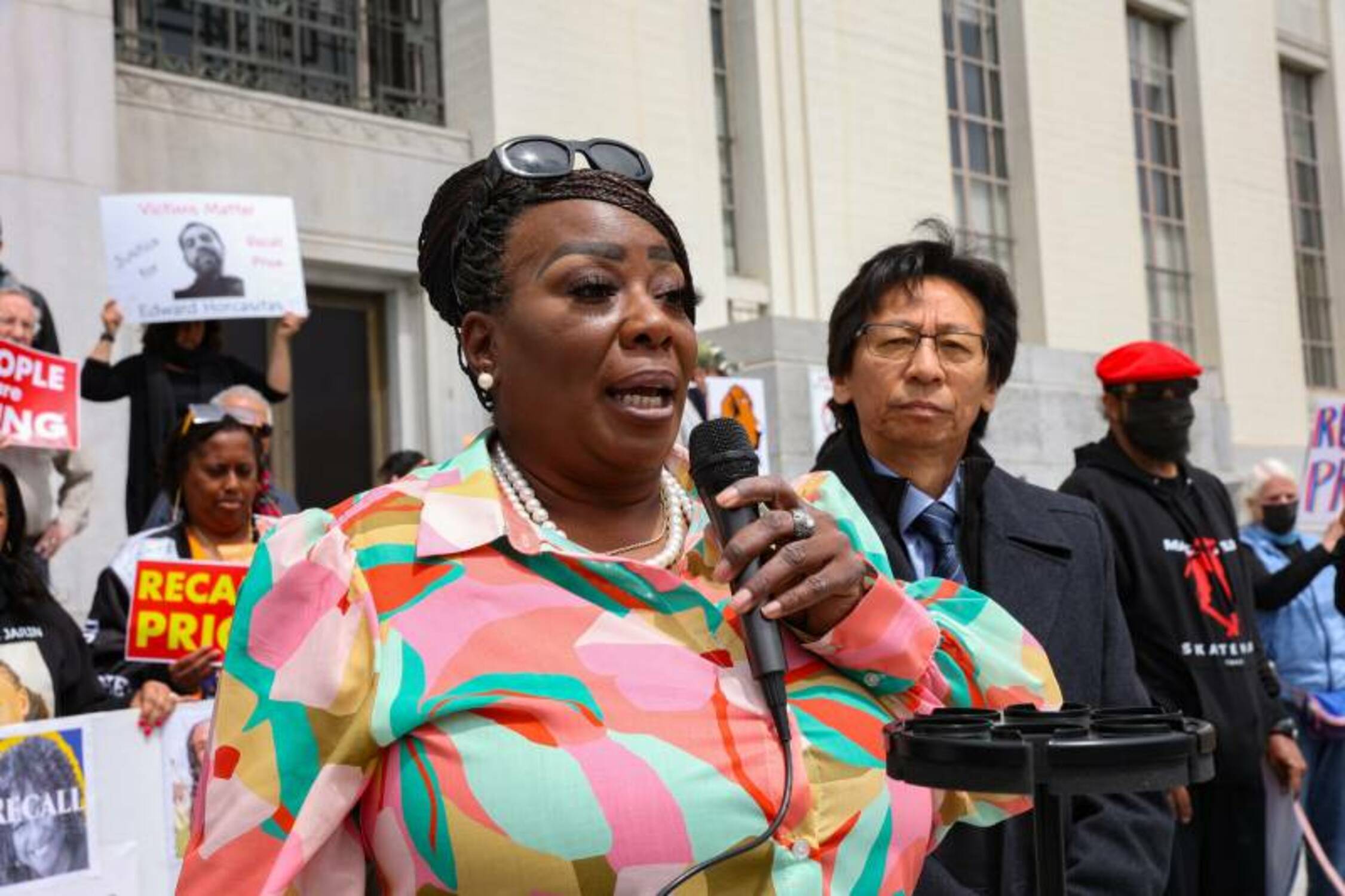
Brenda Grisham. A business owner in East Oakland and public safety advocate, Grisham led the successful recall campaign against Alameda County District Attorney Pamela Price. As part of her platform, she pledges to work with local, state, and federal partners to secure stricter gun control measures and investments in community violence intervention programs.
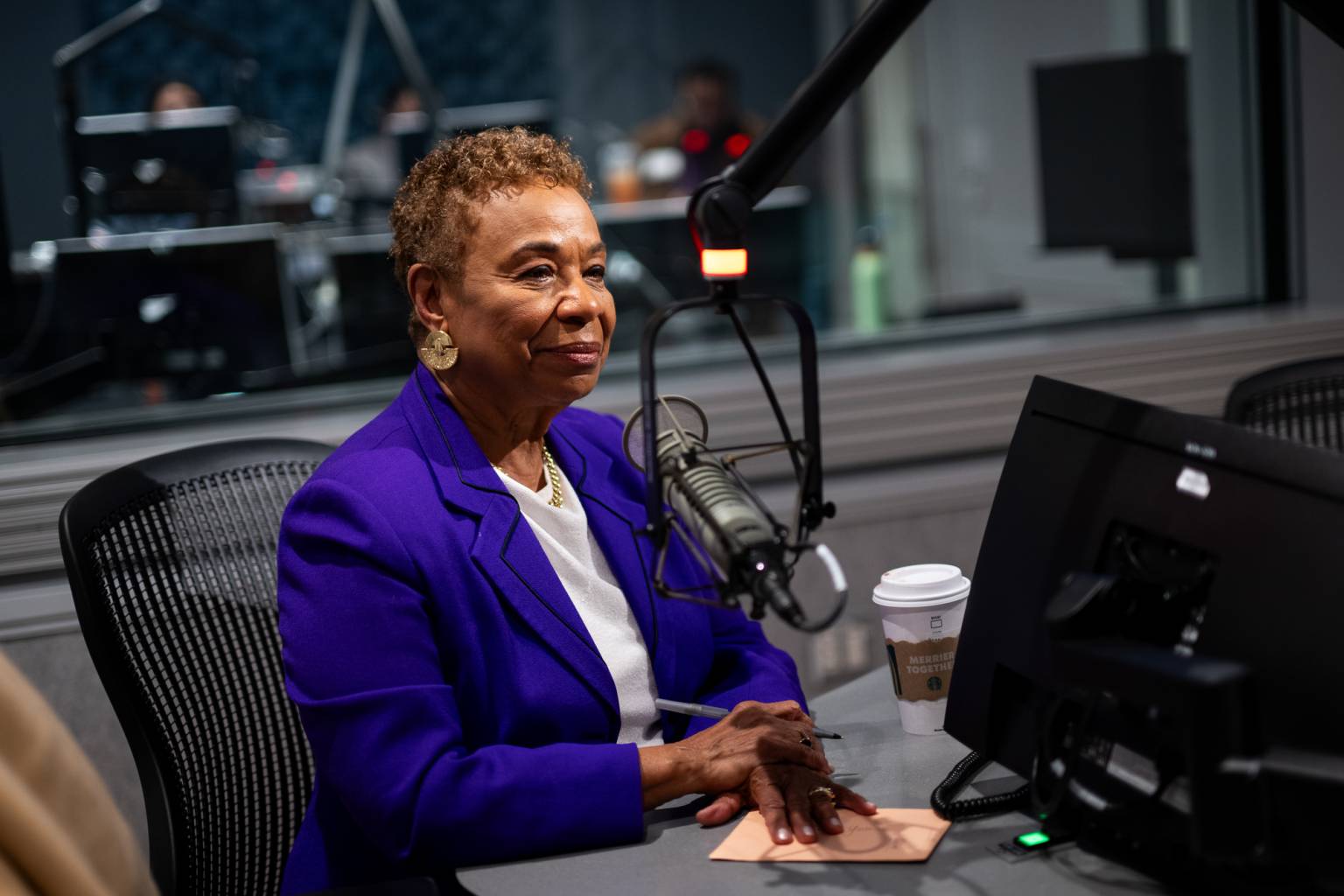
Barbara Lee. A former congressional representative and state Assembly member, Lee was elected by voters in a special election last year for a two-year term. Now running for a four-year term, she points out that her administration achieved major successes in addressing some of the city’s major challenges, including balancing the city budget, dramatically reducing crime, and making significant inroads into homelessness and illegal dumping.
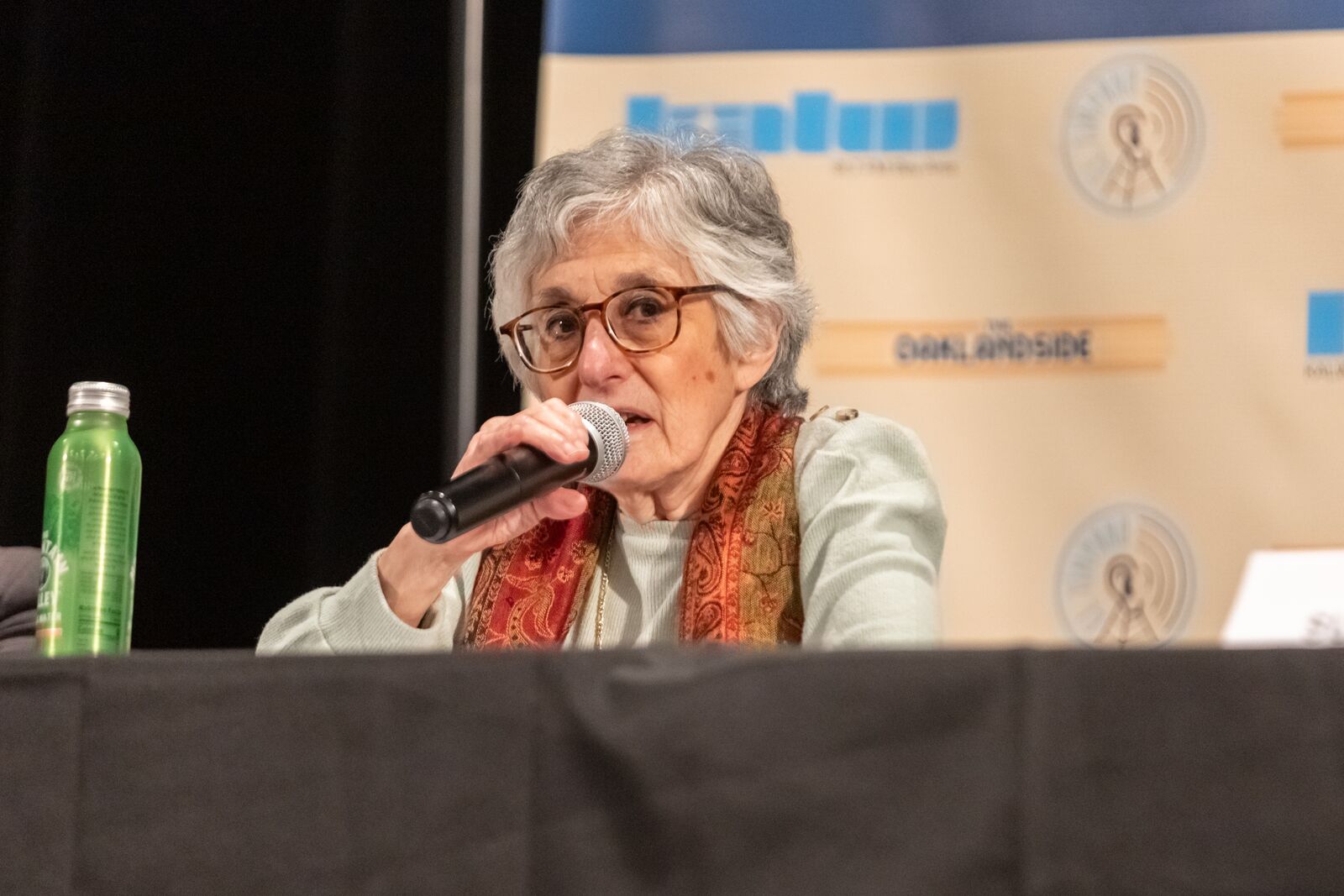
Mindy Pechenuk. An educator and activist, Pechenuk is a registered Republican and supporter of Lyndon LaRouche, who has been described by observers as a conspiracy theorist and cult leader. She ran unsuccessfully for mayor in last year’s special election and for the at-large council seat in 2024. She seeks to end Oakland’s police commission and MACRO and invest in more police while launching a new local war on drugs.
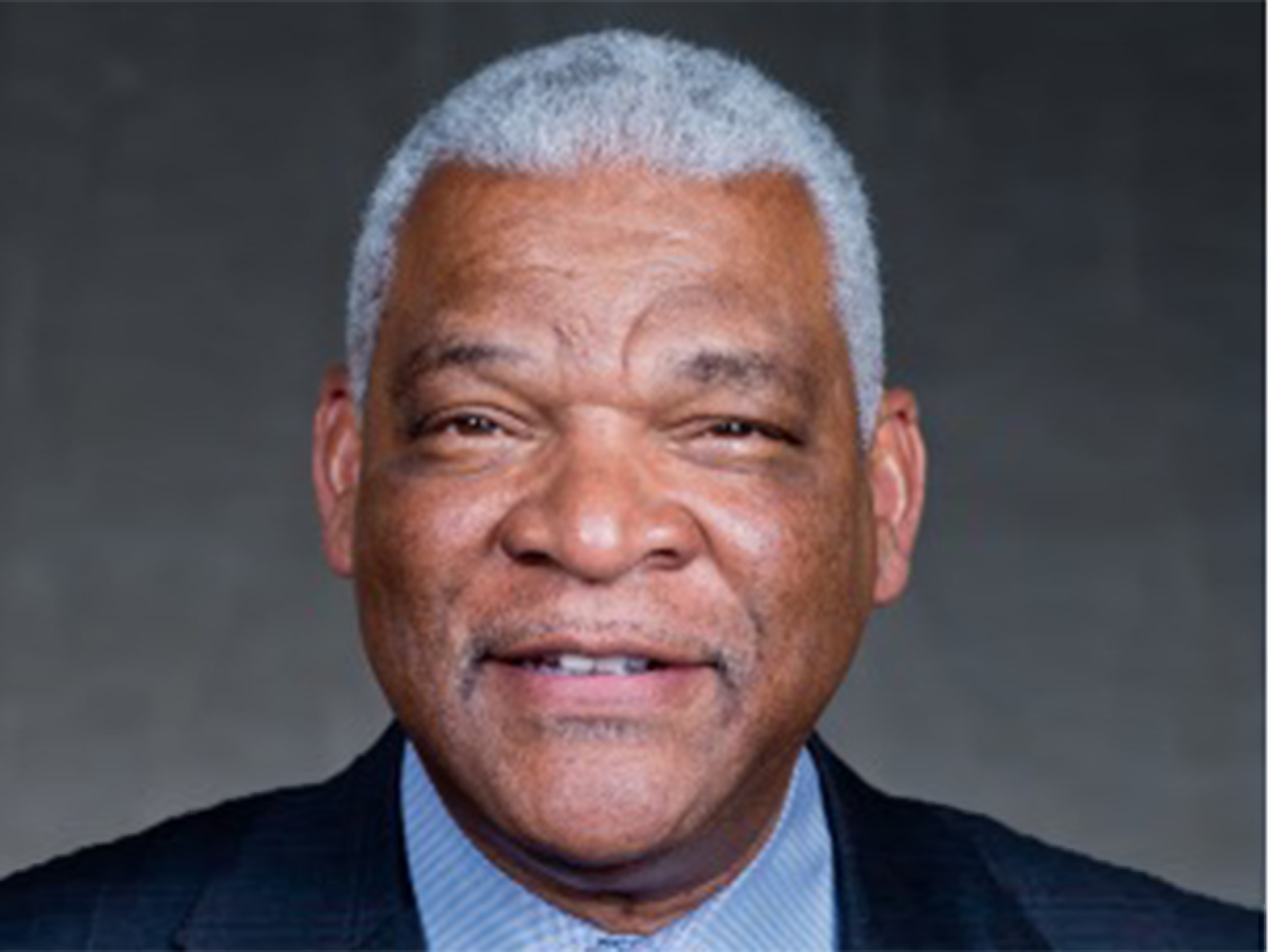
Julius Robinson. While little information is available so far about Robinson, he was quoted in a KTVU story about Thao’s recall, stating that people in Oakland want to come together as a community but lack infrastructure and leadership.

Black History
Oakland Observes Black August with Block Parties, Film Showings, Workshops
POST NEWS GROUP — Beginning in 1979 in San Quentin State Prison, the Black Guerrilla Family called for the remembrance of political prisoner George Jackson and his brother Jonathan Jackson who were assassinated in the early 1970s. George Jackson was considered a political prisoner in that it was the anti-Black justice system that led to his incarceration for armed robbery with a sentence of one year-to-life in 1960.
Study. Train. Fast. Fight.
These are the four tenets of Black August, a month dedicated to commemorating the sacrifices of political prisoners and Black revolutionaries in the struggle for Black liberation.
Observers are urged to study the history of the Black struggle for freedom, train their bodies for health and self-defense, fast to cleanse the mind, body, and spirit, and fight ongoing oppression alongside their communities and local political organizations.
Beginning in 1979 in San Quentin State Prison, the Black Guerrilla Family called for the remembrance of political prisoner George Jackson and his brother Jonathan Jackson who were assassinated in the early 1970s. George Jackson was considered a political prisoner in that it was the anti-Black justice system that led to his incarceration for armed robbery with a sentence of one year-to-life in 1960.
While in prison, George befriended fellow prisoner W.L. Nolen, who introduced him to the works of Karl Marx, Vladimir Lenin, Mao Zedong, and Frantz Fanon. This radicalization coupled with his experiences of violence while imprisoned led to him writing and publishing two books, “Soledad Brother” (1970), and “Blood in my Eye” (1972). In January of 1970, George and two other prisoners were charged with murdering a corrections officer at Soledad State Prison in Monterey County.
On Aug. 7, 1970, Jonathan Jackson burst into a Marin County courtroom armed with a shotgun to demand the freedom of the Soledad Brothers. He, along with the inmates he freed, was shot and killed while driving away. This involved one of the Black Panther Party’s most notable associates, Angela Davis, because the shotgun was registered in her name. She was later acquitted of charges of conspiracy, kidnapping, and murder in 1972.
On Aug. 21, 1971, George Jackson was assassinated by a corrections officer after attempting to escape and free other inmates. As a result, there were uprisings and protests within prisons all over the country that year, calling forth resistance against racial oppression and mass incarceration.
Since its outset, Black August has evolved across the country, taking many forms to honor this history and embody the four tenets.
In Oakland, the upcoming Black August Experience, hosted by Youth Alive! and the East Oakland Boxing Association (EOBA), is a free, family-friendly event celebrating the legacy of Black August. Activities include free food and drinks, a kids’ activity zone, interactive workshops, live cooking and boxing demonstrations, and more.
Happening on Aug. 21 from 4-8 p.m. at the EOBA Patio, Carolyn Flynn, director of administration at EOBA, said the event, in its second year, will be an opportunity to engage with people in person through food, shared space, and education.
“We do regular classes in education, and those are ongoing programs that we offer, but we wanted to have [an opportunity] for our neighbors to utilize this space.” Combined with Youth Alive’s work in community violence prevention and youth leadership, this event surely aims to bring the Oakland community together to capture what Black August means today.
Here are additional Black August events happening in Oakland:
Forum and Community Discussion hosted by the Oakland Liberation Center, 1499 Fruitvale Ave., Aug. 14, 7 p.m.
“George Jackson/San Quentin” Screening hosted by Nostalgic for Nothing Cinema at Moments Co-Op, 410 13th St., Aug. 16, doors at 6 p.m., show at 6:30 p.m. (Masks required and scent-free)
Commemorating the Struggle, Building the Altar for Liberation: Black August at Bandung Books, 2269 International Blvd., Aug. 23rd, 1-5 p.m.
Building Opportunities for Self-Sufficiency (BOSS), will host “Black August: The Arc of Liberation” at Oakland City Hall on Sat. Aug. 29, from 11 a.m. to 3 p.m.
Activism
Oakland Post: Week of August 12 – 18, 2026
The printed Weekly Edition of the Oakland Post: Week of August 12 – 18, 2026
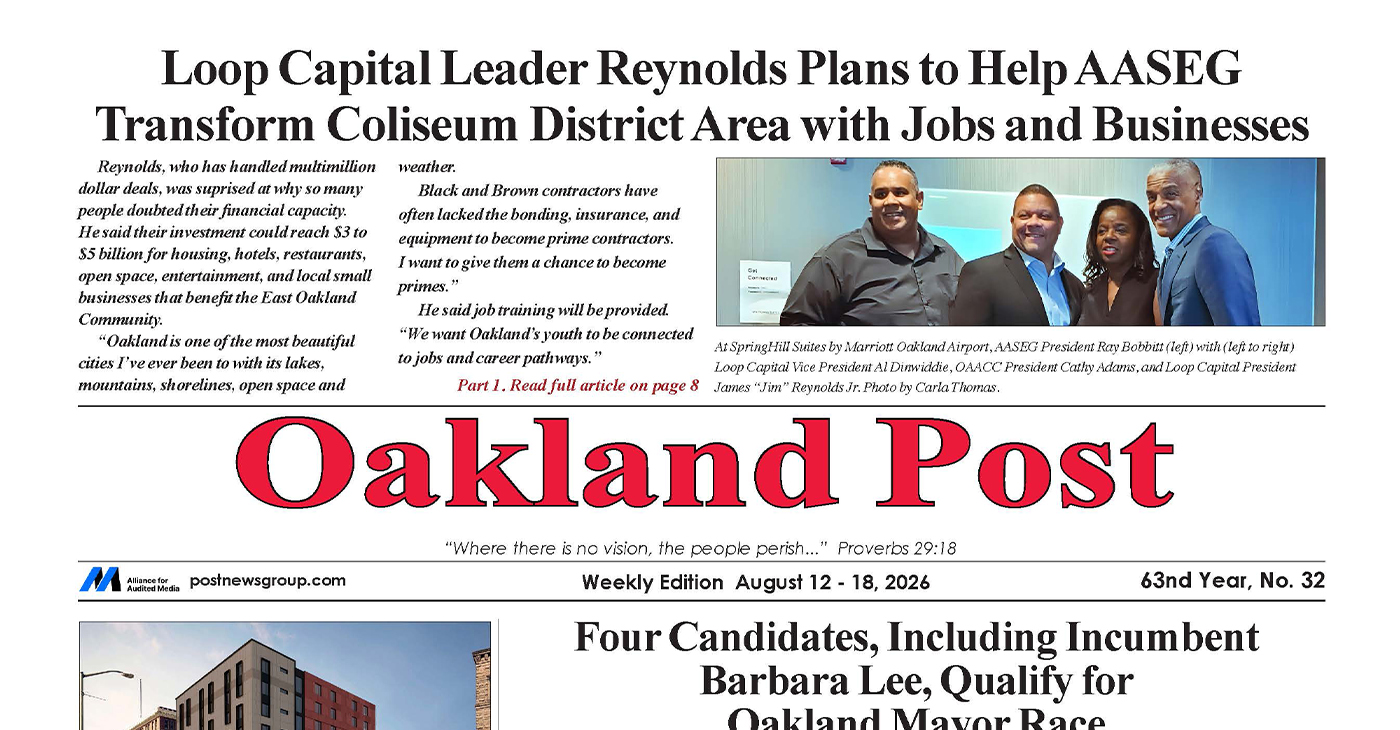
To enlarge your view of this issue, use the slider, magnifying glass icon or full page icon in the lower right corner of the browser window.

WORK FROM HOME
Home-based business with potential monthly income of $10K+ per month. A proven training system and website provided to maximize business effectiveness. Perfect job to earn side and primary income. Contact Lynne for more details: Lynne4npusa@gmail.com 800-334-0540


Four Candidates, Including Incumbent Barbara Lee, Qualify for Oakland Mayor’s Race

Oakland Observes Black August with Block Parties, Film Showings, Workshops

Oakland Post: Week of August 12 – 18, 2026

COMMENTARY: Why Local School Tax Measure G1 Will Not Be on the November Ballot

California Hispanic Chambers of Commerce Unveils: ‘Powering the Future’ Theme for 47th Annual Statewide Convention

Returning to Its Roots, the Oakland Black-Eyed Pea Festival Partners with the Freedom Farmers Market Sept. 12

Less Affluent School Districts, Including Sacramento City, Face Threat of State Takeover

From Blueprint to Breakthrough: Tackling Affordable Housing in Oakland

NPRC Scores First Advocacy Victory: David Shaw Finally Gets His Wish to ‘Go Home’

ESSAY: California Can Close Its Colorectal Cancer Gap

Car Wash Workers Cope with Lingering Impacts of ICE Raids

Misty Copeland Shapes Ballet’s Tomorrow

As Part of Your Back-to- School Checklist, Vaccinate

As Part of Your Back-to- School Checklist, Vaccinate

Congresswoman Simon Demands Investigation into Trump’s Abuse of Emergency Powers for Coal Export Terminal in West Oakland

Department of Homeland Security Demands California Secretary of State Shirley N. Weber Scrub Voter Rolls

Oakland Children’s Hospital Workers and Patients Rally for Pediatric Medical Care

New Judge Could Decide if Karmelo Anthony Gets a New Trial

“The Power to See Threats Sooner”: Gov. Newsom, Safety Officials Showcase California’s Investments in Hi-Tech Wildfire Prevention

Alpha Kappa Alpha Sorority, Inc. Celebrates New North Atlantic Regional Director

Surveillance Pricing Fight: State Senate Debates Bill Banning Retailers from Using AI to Set Prices Based on a Buyer’s Profile

Mount Zion MBC, Church of Jesus Christ of Latter-day Saints Partner to Bring 29,000 Meals to Alameda County

California Sen. Padilla Joins Colleagues to Introduce Bill Imposing Term Limits on Supreme Court Justices
Less Affluent School Districts, Including Sacramento City, Face Threat of State Takeover

Starting This Summer, California Car Buyers Can Get an Instant $3500 Off the Cost of Electric Vehicles

COMMENTARY: You Are Already Paying for the AI Boom
Car Wash Workers Cope with Lingering Impacts of ICE Raids

California Bill Would Let Abuse Victims Use Trauma as Legal Defense for Violent Crime

Fed Court to Decide Landmark First Amendment Case

Gov. Gavin Newsom Signs Law Streamlining Affordable Housing Rules

The Conversation With Al McFarlane 6/23/26

Media Monday 6/22/26

LIVE! ASK ALMA! — TUES. 6.23.26 7PM EST

Car Buying Secrets: 4 Hidden Checks Before You Sign!

Is This 550 HP Charger Worth YOUR Money? AutoNetwork Review

Celebrating Juneteenth – Frederick Douglass on education and resistance

LIVE! — ASK ALMA! — TUES. 6.19.26 7PM EST

Hyundai Ioniq 5 Parking, Safety, and 360 View #shorts

2025 Ioniq 5 New Wiper & Powerful Performance! #shorts

Electric SUV Range: Is 259 Miles Enough? #shorts

EV Charging: How Fast Can You Charge an Electric Vehicle? #shorts

Biometric Cooling… Messaging Seats…Come on! 2025 Infiniti QX80 Autograph 4WD

Charged Up: Witness the Magic of a Fully Electric Car! #shorts

Range Rover Sport PHEV Included…: See What’s Inside This Luxury SUV! #shorts

Invisible Hood View: Perfect Parking with X-Ray Vision! #shorts
-
 Featured1 week ago
Department of Homeland Security Demands California Secretary of State Shirley N. Weber Scrub Voter Rolls
-
 Business3 weeks ago
Oakland Children’s Hospital Workers and Patients Rally for Pediatric Medical Care
-
 #NNPA BlackPress2 weeks ago
New Judge Could Decide if Karmelo Anthony Gets a New Trial
-
 Environment1 week ago
“The Power to See Threats Sooner”: Gov. Newsom, Safety Officials Showcase California’s Investments in Hi-Tech Wildfire Prevention
-
 Black History2 weeks ago
Alpha Kappa Alpha Sorority, Inc. Celebrates New North Atlantic Regional Director
-
 Business3 weeks ago
Surveillance Pricing Fight: State Senate Debates Bill Banning Retailers from Using AI to Set Prices Based on a Buyer’s Profile
-
 Business3 weeks ago
Mount Zion MBC, Church of Jesus Christ of Latter-day Saints Partner to Bring 29,000 Meals to Alameda County
-
 Featured1 week ago
California Sen. Padilla Joins Colleagues to Introduce Bill Imposing Term Limits on Supreme Court Justices
