
Bay Area
How Local Grocer Became a Natural Wonder
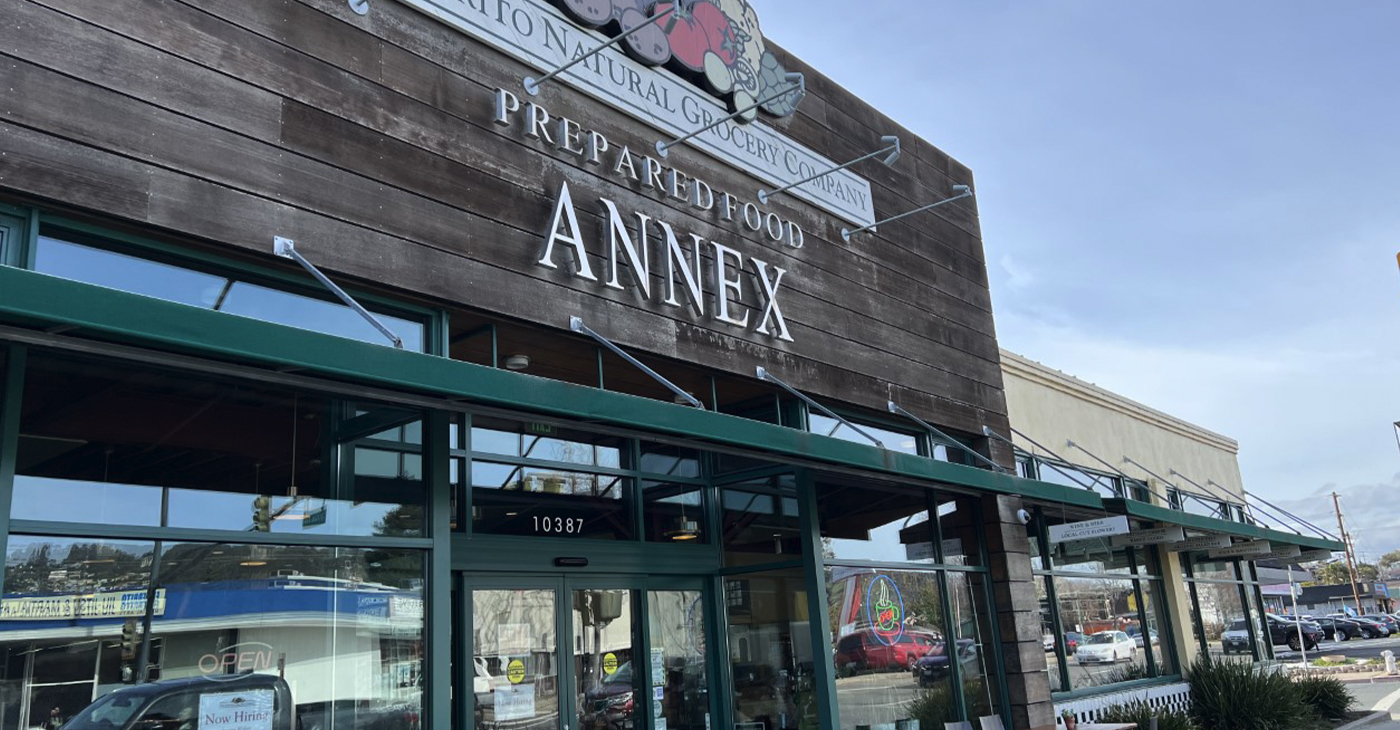
When Bob Gerner attended his first Organic Merchants meeting in 1970 on Mount Shasta, it led to creating the popular El Cerrito Natural Grocery Company, which he founded and has been dedicated to for more than 50 years. “This was the start of the natural foods movement and we are still guided by the principles adopted by this organization,” said Laurie Wilt, a Kensington resident and spokesperson for the employee-owned company.

The Richmond Standard
When Bob Gerner attended his first Organic Merchants meeting in 1970 on Mount Shasta, it led to creating the popular El Cerrito Natural Grocery Company, which he founded and has been dedicated to for more than 50 years.
“This was the start of the natural foods movement and we are still guided by the principles adopted by this organization,” said Laurie Wilt, a Kensington resident and spokesperson for the employee-owned company. “Their goal was to promote organic agriculture and to sell wholesome unrefined natural foods. The Organic Merchants defined these as foods without white flour, white sugar, hydrogenated oils, artificial sweeteners, artificial flavors, artificial colors, or preservatives.”
From 1971 to 1980, Gerner changed locations and expanded offerings, including a bakery and café that had 50 unique vegetarian dishes and the first tofu burger in the U.S.
After an attempt to sell the store, Gerner and his wife Pattie regrouped and reopened the store in 1981 calling it Berkeley Natural Grocery Co., the beginning of The Natural Grocery Company at 10367 San Pablo Ave. as it is known today, according to Wilt.
In 2002, the Natural Grocery Company became employee owned (Employee Stock Ownership Plan), and the following year the Employees of the Berkeley Store launched the Non-GMO Project with the People Want to Know Campaign, according to Wilt.
The El Cerrito Grocery Store won the East Bay Express Reader Poll for Best Natural Food Store in 2021 and in 2022, due in part to its establishing personal relationships with vendors and farmers.
The worker-owned business doesn’t just sell food to make money. “We believe in caring for our resources and providing healthy, nutritious ingredients to our community,” Wilt said.
“I think that commitment to our ideals is what sets us apart,” she said. “It isn’t always about the bottom line. We are a community of individuals working towards the health of ourselves, our families and the population at large.”
That dedication is proven in the store’s product offerings. The store only sells organic produce. Its bulk foods department is almost all organic.
The store’s Café features Equal Exchange Organic/Fair Trade Coffee and Juice Bar that uses the same organic produce sold in its the stores, its Ice Cream Counter features Straus Ice Cream and Mr. Dewie’s Cashew Ice Cream, and its Bakery Department makes tasty organic treats, special order cakes and pastries, as well as morning baked goods like muffins, scones, cinnamon rolls and biscuits. Vegan and wheat free items are offered, although the store is not a gluten free facility, according to Wilt.
The store also has a Deli that prepares grab and go sandwiches, salads and dishes to eat in or take-out, a Wine & Beer Department focusing on natural, organic and craft beverages, and a Floral Department that was co-winner for Best Flower Shop in the 2022 El Cerrito Chamber of Commerce Best of El Cerrito competition.
Both the Berkeley and El Cerrito grocery stores are certified California Green Businesses.
“You may notice the solar panels that are on the roofs of both our San Pablo Avenue locations as well as over a portion of the parking lot,” Wilt said. “Additionally, we have an electric car charging station in our lot that provides an hour of free charging during business hours for customers.”
What customers don’t see are the beehives on the roof. The hives are maintained by Bay Area Bee Company, according to Wilt.
“When they produce enough honey, we get jars to sell in our stores that tell you it’s from our bees!” Wilt said.
Wilt also noted the store sells fresh ground-your-own peanut and almond butters. But you won’t find individual water bottles of less than one gallon, a decision the store made in 2019. The store only carries water in aluminum, paper or glass.
“We provide a Reverse Osmosis Water Filter System for our customers who want to fill up their own containers and that is what we use to wash our produce,” Wilt said. “Recent audits of our composting show that we are doing a great job separating our waste and making sure it goes to the right place (compost, recycling, landfill).”
The Natural Grocery Store and Natural Grocery Preparation Food Annex open daily from 8:30 a.m. to 8:30 p.m.














Activism
Oakland Post: Week of September 23 – 29, 2026
The printed Weekly Edition of the Oakland Post: Week of September 23 – 29, 2026

To enlarge your view of this issue, use the slider, magnifying glass icon or full page icon in the lower right corner of the browser window.
Activism
Oakland Post: Week of September 16 – 22, 2026
The printed Weekly Edition of the Oakland Post: Week of September 16 – 22, 2026

To enlarge your view of this issue, use the slider, magnifying glass icon or full page icon in the lower right corner of the browser window.
Activism
Oakland Post: Week of September 9 – 15, 2026
The printed Weekly Edition of the Oakland Post: Week of September 9 – 15, 2026

To enlarge your view of this issue, use the slider, magnifying glass icon or full page icon in the lower right corner of the browser window.



Asm. Corey Jackson Announces Launch of 24-Hour Childcare in His District

IN MEMORIAM: The Rev. Leon “Sonny” Clark, Longtime Orange County Pastor and Community Leader, Dies at 72

Poll: Becerra Widens His Lead Over Hilton; Californians Split on Wealth Tax

From Historic Memories to New Possibilities: Oakland Celebrates Coliseum 60

County Office of Education Says OUSD Finances Are Getting Healthier, Materially Stronger

LIVE FREE Sunday Dinner Brings Faith, Fellowship and Civic Conversation to Oakland

Remembering Chauncey Bailey as Student Journalists Face Threats to Truth-Telling

BLACspace Cooperative Invites Bay Area to Experience Oakland’s Black Cultural Ecosystem Through a BLAC Map Tour + Party

In Wake of Death on Doorstep, Williams Chapel Baptist Church Calls for Better Care, Funding for Unhoused

Oakland Centenarian Nuna McKee Honored!

Caribbean Nations Produce Action Plan Calling for UK Reparations Over Slavery

Oakland Post: Week of September 23 – 29, 2026

Doulas Are Helping Black California Moms Navigate Pregnancy–Even as High Mortality Rates Persist

Newsom Signs Addictive Social Media Law to Protect Kids

On Your November Ballot: Prop 38 Would Allocate $8.4 Billion to Immunology and Immunotherapy Funding

Standoff for Justice: Our Homes Are Worth Fighting For

Oakland Post: Week of August 26 – September 1, 2026

Frontier Airlines’ Return to Oakland Airport Brings Flights, Jobs and Opportunity

Gubernatorial Candidate Steve Hilton Blasts California New Tire Rules; Newsom Hits Back

Chef Sharon Lee Blends Culinary Excellence, Education and Empowerment

Jackie Wright Champions Bay Area Stories, Filmmakers and Cultural Institutions

Big City Mayors Ask for “Yes” Vote on Housing Bond Measure; Conservatives Say “No”

Oakland Coliseum Project Opens Door for Small Businesses to Build Bigger

Gov. Newsom’s Latest Appointees Include Sacramento Advocate for Formerly Incarcerated Students; State’s New Tech Chief

Misnamed ‘Parent’ PAC Seeks to Influence Oakland School Board Elections

Longtime BWOPA Member Brendalyn Goodall Appointed to California Workforce Development Board

Gov. Newsom Signs Law Shielding Immigration Aid Workers From Doxing Threats

Secretary of State Shirley N. Weber Urges Californians to Vote Early as Voter ID Battle Intensifies

From Palestine to Oakland: Seeds for Liberation Examines Shared Struggles for Freedom

IN MEMORIAM: Dolly Parton Dead at 80 — How She Built a Legacy of Love and Earned Her Place in Black Culture

The Conversation With Al McFarlane 6/23/26

Media Monday 6/22/26

LIVE! ASK ALMA! — TUES. 6.23.26 7PM EST

Car Buying Secrets: 4 Hidden Checks Before You Sign!

Is This 550 HP Charger Worth YOUR Money? AutoNetwork Review

Celebrating Juneteenth – Frederick Douglass on education and resistance

LIVE! — ASK ALMA! — TUES. 6.19.26 7PM EST

Hyundai Ioniq 5 Parking, Safety, and 360 View #shorts

2025 Ioniq 5 New Wiper & Powerful Performance! #shorts

Electric SUV Range: Is 259 Miles Enough? #shorts

EV Charging: How Fast Can You Charge an Electric Vehicle? #shorts

Biometric Cooling… Messaging Seats…Come on! 2025 Infiniti QX80 Autograph 4WD

Charged Up: Witness the Magic of a Fully Electric Car! #shorts

Range Rover Sport PHEV Included…: See What’s Inside This Luxury SUV! #shorts

Invisible Hood View: Perfect Parking with X-Ray Vision! #shorts
-
 Community2 weeks ago
Misnamed ‘Parent’ PAC Seeks to Influence Oakland School Board Elections
-

 Activism3 weeks ago
Oakland Post: Week of September 2 – 8, 2026
-

 Community2 weeks ago
Richmond Tiny House Village Farm & Garden Set to Open Gates on Sept. 26
-

 Black History2 weeks ago
Latest Massacre in Haiti Reveals Cruelty U.S. Deportations
-

 Black History2 weeks ago
OPINION: Nolan Wells’ Death One of Several Signifying Racial Terror Lives on in U.S. South
-

 Activism2 weeks ago
Oakland Post: Week of September 9 – 15, 2026
-

 Community2 weeks ago
Democratic Clubs Interview Candidates for Oakland School Board
-
 Featured2 weeks ago
‘Ready to See These Bills Become Law’: Sen. Weber’s Package of 15 Bills Advance to Gov. Newsom’s Desk
