
Uncategorized
Fighting Crime Richmond-Style

By Lloyd Madden
BAPAC President
At 5 p.m. every Wednesday, they file into to the Richmond City Council Chamber for a one-hour gathering hosted by Vice Mayor Corky Boozé.
The first five minutes are devoted to communication with family members serving time in state prison.
And everybody chips in $2, not unlike the passing of the church basket.
“It goes to get a kid out to a game or other event, or we send it to prison for a relative without any money on account,” Boozé said of the weekly collection.
Welcome to crime-fighting Richmond-style. During a period when homicide has been on a worrisome rise in Bay Area urban centers, Richmond—once ranked as one of California’s most dangerous cities—has been headed in the opposite direction.
Back in 2005, the city of about 100,000 people recorded 35 killings, about one every 10 days on average, with more than half those killed being African-American boys and men in their early 20s.
By last year, Richmond had cut the annual number to 18, still a lot for a city of its size, but a dramatic improvement. Now, with the first quarter of 2013 at a close, there have been three killings, the latest the March 14 shooting death of a 34-year-old San Pablo man outside the Richmond BART station.
While nobody associated with the city’s response to violent crime is claiming victory, the Richmond approach is garnering more and more attention from the media, criminologists and others.
The Richmond way is aggressive community and neighborhood-focused outreach, both governmental and nongovernmental. The common trait: engagement not just at the neighborhood level but with former perpetrators of gun violence themselves and those affiliated with them.
In 2006, the city hired a new police chief, Chris Magnus, from Fargo, N.D. He revamped the Richmond Police Department from top to bottom, making officers and their supervisors accountable for reducing crime as well as blight in their geographic zones.
The city also added 50 more officers, while elsewhere in the Bay Area forces have been reduced. And the chief made greater use of data and technology to sharpen deployment of scarce resources.
In 2007, Richmond launched the Office of Neighborhood Safety, a city department whose mission is to identify and work directly with young people known to be responsible for most of the gun violence.
Its most controversial program is a fellowship in which those enrolled earn up to $500 a month as incentive pay to steer clear of violence and attain goals, ranging from getting a GED, going through drug treatment, or participating in job training.
“We don’t focus on hot spots, we focus on hot people,” said DeVone Boggan, the Office of Neighborhood Safety Director.
But there also have been multiple community-based responses with organic beginnings. Some have been faith-based, others not.
Operation Richmond is a faith-based, collaborative organization that seeks to unite communities across boundaries, and advocate for disenfranchised and economically challenged people.
It was founded in response to the high incidence of violent crimes in Richmond, notably the tragic shooting that took place during a worship service at New Gethsemane Church on Feb. 14, 2010.
Launched through the vision of Bishop J.W. Macklin of the Glad Tidings Church of God in Christ, it is now led by Pastor Henry Washington of The Garden of Peace Ministries in Richmond, who serves as its executive director.
Operation Richmond is moving forward to bring about a cease-fire and change in Richmond. “Much has been accomplished through collaborative efforts,” said Washington, “But we still have far to go.”
The latest addition to the landscape is One Richmond, the brainchild of Boozé and Pam Bilbo, president of Men and Women of Valor, established with the assistance of Lori Reese-Brown, of City Manager Bill Lindsay’s office.
“People doing the shooting are now part of the group,” said Boozé. “They came in and now they are doing the work.”
One Richmond serves as a bridge for ex-cons and their families between prison and Richmond civil life.
“The message is nonviolence,” said Boozé. “Stop shooting people when you get out.”
One Richmond’s other focus is heading off trouble before it starts and giving young people alternatives to turf battles.
“We go to all of the middle school and high school basketball and football games to diffuse rivalries,” said Boozé.
One of the group’s closest calls, the vice mayor remembered, was at a Richmond High School dance early this school year. “A shot gun was taken and potential bloodshed avoided, without the involvement of Richmond PD.”
Boozé said One Richmond will soon start meeting and working out the old YMCA building in North Richmond.
“I’m going to get a building of their own built for them someday, a place to sit down and talk and have an employment center,” he said.



Uncategorized
PRESS ROOM: Transformative Justice Coalition 2026 Voting Rights Champion Awards Reception ‘Yesterday Is Today: The Battle For Voting Rights
BLACKPRESSUSA NEWSWIRE –

Featuring a Special Fireside Chat with 16th Street Baptist Church Bombing Survivor Sarah Collins Rudolph
WASHINGTON, D.C. — Sixty-three years after the bombing of Birmingham’s Sixteenth Street Baptist
Church shocked the conscience of the nation, Sarah Collins Rudolph—known as the “Fifth Little Girl”—will join the Transformative Justice Coalition (TJC) for a special Fireside Chat examining the enduring connection between the civil rights struggle of 1963 and the battle for voting and civil rights in 2026.
The Fireside Chat, hosted in partnership with Attorney A. Scott Bolden of Reed Smith, LLP, will be a featured part of TJC’s 2026 Voting Rights Champion Awards Reception, held in commemoration of the September 15, 1963 bombing of the Sixteenth Street Baptist Church in Birmingham, Alabama.
Collins Rudolph survived the bombing that killed four young girls, including her sister, Addie Mae Collins, and left her seriously injured. During this extraordinary conversation, she will share her firsthand experience of the bombing, its lifelong impact, and her continuing struggle for justice.
Her appearance comes at a consequential moment for voting and civil rights in America and offers a living reminder that the struggle against racial hatred, disenfranchisement, and injustice is not simply a chapter of history. Under the theme “Yesterday Is Today: The Battle for Voting and Civil Rights in 2026,” the evening will connect the sacrifices of the Civil Rights Movement with the continuing responsibility to protect voting rights and advance justice today.

WHAT: Transformative Justice Coalition 2026 Voting Rights Champion Awards Reception
“Yesterday Is Today: The Battle For Voting And Civil Rights In 2026”
Featuring a Special Fireside Chat with 16th Street Baptist Church Bombing Survivor Sarah Collins Rudolph
WHO: Barbara Arnwine, Esquire, Founder/President/Co-Leader, Transformative Justice Coalition
Daryl D. Jones, Esquire, Board Chair/Co-Leader, Transformative Justice Coalition
Sarah Collins Rudolph, Sixteenth Street Baptist Church Bombing Survivor
A. Scott Bolden, Esquire, Reed Smith, LLP; Sponsor of the Fireside Chat and Reception
WHEN: Wednesday, September 16, 2026, from 6:00 p.m. to 8:30 p.m. WHERE: Location will be emailed to registrants 48 hours before the event.
WHY: Attorney Barbara Arnwine, the President & Founder of the Transformative Justice Coalition (TJC), and Attorney Daryl Jones, Co-Leader and Board Chair of TJC, said of Mrs. Collins Rudolph’s appearance that “TJC believes that it is critically important that people hear from the sole survivor of the Sixteenth Street Baptist Church bombing.” Arnwine and Jones further stated that “this event will provide people with an opportunity to hear, first-hand, the results of racial hatred through the eyes of Mrs. Collins Rudolph, who was in the church with the four little girls who were killed at the time of the bombing.”
Attorney A. Scott Bolden, the sponsor of the Fireside Chat and Reception to benefit the non-profit Transformative Justice Coalition, said, “I am proud to support the work of the Transformative Justice Coalition. This is an organization that is truly in the trenches fighting for social justice and voting rights in America.” Bolden continued, “I have been an advocate for social justice my entire life. I strongly encourage people to come hear Mrs. Collins Rudolph and support the work of the Transformative Justice Coalition.”
TJC will bestow its 2026 Voting Rights Champion Award upon Collins Rudolph in recognition of her courage, perseverance, and continuing struggle for justice.
Attorney Arnwine and Attorney Jones concluded that, “Mrs. Collins Rudolph’s determination, heart, and perseverance to survive is to be applauded. This is the reason why TJC is bestowing upon her the 2026 ‘Voting Rights Champion Award.’ The character that Ms. Collins Rudolph displayed in her struggle to survive exemplifies the depth of commitment we must have today to protect our voting rights and work toward building a more robust, multicultural, and inclusive society for the future.”
REGISTRATION & SUPPORT: Registration for the Fireside Chat and Reception is available through Eventbrite or TJC’s website. Donations are tax-deductible to the extent permitted by law and are strongly encouraged. Proceeds will support the TJC John Lewis Make Good Trouble Vote Bus, which will travel across America to marginalized communities, register voters, and help take voters to the polls.
Founded in 2015 by Barbara Arnwine, president emeritus of the Lawyers Committee for Civil Rights, where she created the national election protection program. Ms. Arnwine serves as President and Founder of the Transformative Justice Coalition, which seeks to catalyze transformative institutional change that advances justice and equality in the United States and abroad. Learn more at tjcoalition.org.
This story originally appeared on Black Press USA as “PRESS ROOM: Transformative Justice Coalition 2026 Voting Rights Champion Awards Reception ‘Yesterday Is Today: The Battle For Voting Rights”. Auto-delivered via NNPA Newswire.

Uncategorized
Locals Can Get Locally Grown Produce Delivered Through Urban Tilth
The standard price is $50 per week, which Urban Tilth says reflects the true cost of fresh, sustainably sourced, locally grown produce. Urban Tilth offers a subsidized “Food for All” price of $15 per week for individuals and families with extremely limited financial resources. Both options provide the same produce and service.
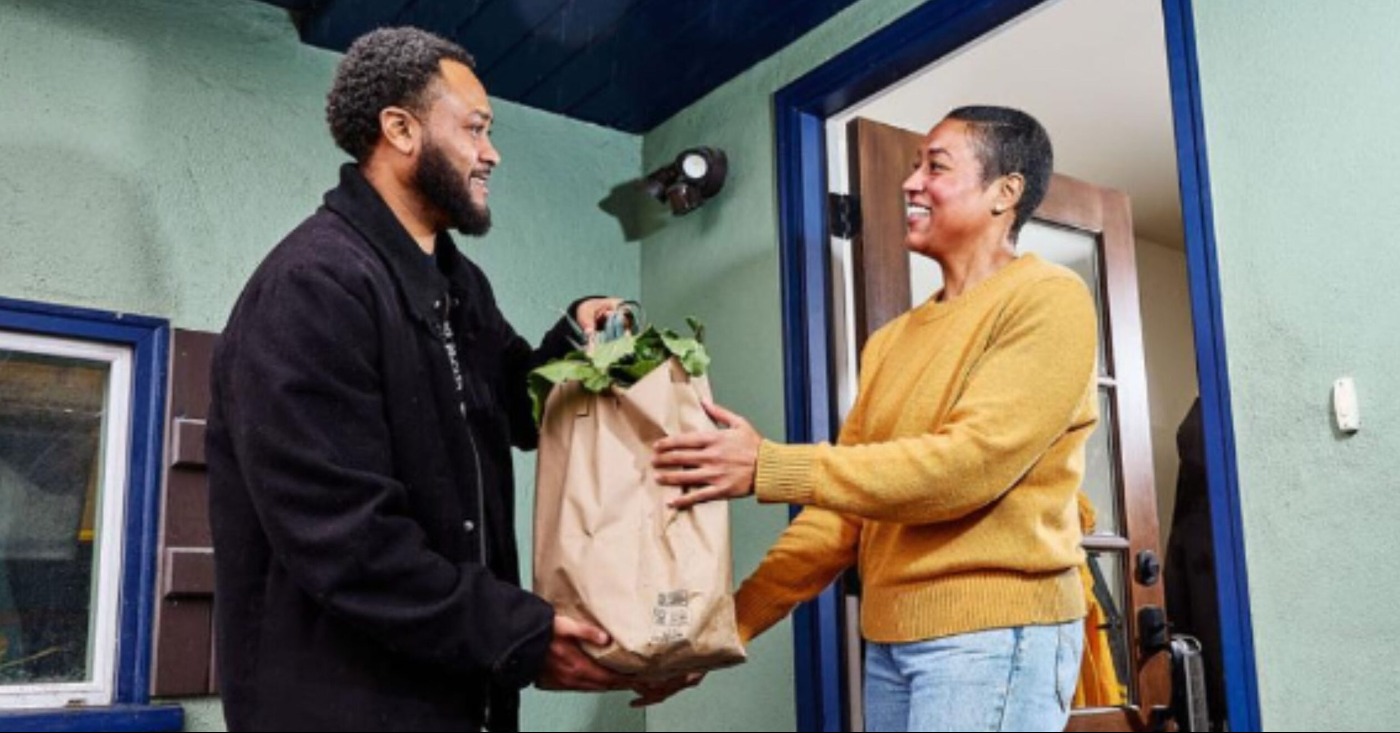
West County residents can receive locally grown produce through Urban Tilth’s Farm to Table Community Supported Agriculture (CSA) program, with home delivery and pickup options available.
Contra Costa County Supervisor John Gioia highlighted the program in his newsletter, pointing out that his district office in El Cerrito serves as a pickup location.
Weekly or bi-weekly subscriptions include seasonal greens, vegetables, fruits and herbs. Produce comes from Urban Tilth’s North Richmond Farm and farms within 200 miles of Richmond, including small family farms and those owned by BIPOC, women and LGBTQIA+ growers.
Subscriptions also support hands-on job training for local youth and volunteer opportunities.
The standard price is $50 per week, which Urban Tilth says reflects the true cost of fresh, sustainably sourced, locally grown produce. A subsidized “Food for All” price of $15 per week is available for individuals and families with extremely limited financial resources. Both options provide the same produce and service.
Gioia’s office is located at 11780 San Pablo Ave., Suite D, in El Cerrito. To sign up or learn more about pickup and delivery options, visit urbantilth.org/heal/csa.

Lead Story
New Protections for Ticket Buyers: Gov. Newsom Signs Assemblymember Isaac Bryan’s Bill
OAKLAND POST — Assembly Bill 1349 expands state regulation of original ticket sellers, resellers and online resale marketplaces. The law targets deceptive sales practices, ticket-buying software and speculative listings — tickets advertised for sale by sellers who do not possess them or have authorization to sell them.
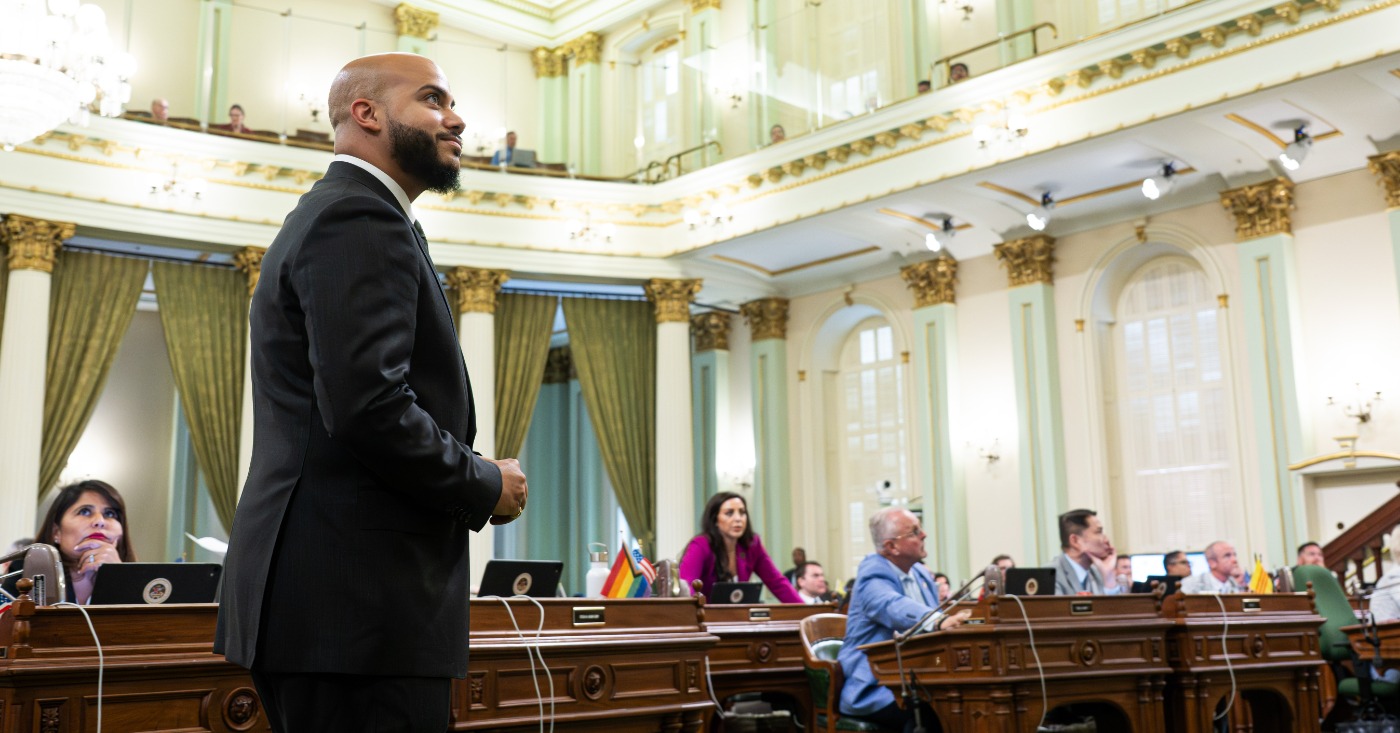
Gov. Gavin Newsom signed legislation on Sept. 27 authored by Assemblymember Isaac Bryan (D-Ladera Heights) that strengthens consumer protections for Californians purchasing tickets to concerts, sporting events and other live entertainment.
Assembly Bill 1349 expands state regulation of original ticket sellers, resellers and online resale marketplaces. The law targets deceptive sales practices, ticket-buying software and speculative listings — tickets advertised for sale by sellers who do not possess them or have authorization to sell them.
“Buying a ticket shouldn’t come with hidden risks or unfair practices,” Newsom wrote on social media after signing the measure.
Under AB 1349, ticket sellers are prohibited from listing tickets before they have been officially released unless they have authorization or a legally enforceable right to receive them. Online marketplaces must also take reasonable steps to prevent speculative ticket sales on their platforms.
The law prohibits sellers from using bots, multiple accounts, email addresses or internet protocol addresses to circumvent ticket limits, presale restrictions, electronic queues and other controls. It also bans websites and advertisements designed to mislead buyers into believing they are purchasing tickets from an authorized seller, venue or event organizer.
Sellers who violate certain provisions and fail to provide a promised ticket may be held liable for twice the ticket’s contracted price. Buyers may also recover nonrefundable expenses incurred while attempting to attend an event, along with reasonable attorney’s fees and court costs.
Pastor Tecoy Porter Sr., president of the National Action Network’s Sacramento chapter, said the law establishes needed accountability.
“Buying a ticket to a concert or show shouldn’t mean entering a marketplace where the rules are stacked against you. This year, we worked with a coalition of consumers, civil rights advocates, community groups, and businesses to make AB 1349 stronger. Consumers deserve enforceable rules that protect them. We thank Assemblymember Bryan for his leadership, and we will keep working to make ticketing fair for every Californian.”
Jose L. Barrera, national vice president for the Far West Region of the League of United Latin American Citizens, also praised the measure.
“Californian families deserve certain protections when they buy tickets. Assemblymember Bryan listened to communities across California and delivered a bill that puts fans first. We thank him and Governor Newsom for making it law.”


Mayor Barbara Lee Holds Special State of the City Address in Deep East Oakland

Practitioners of African Traditional Spirituality Offer Ancestral Reverence Ritual Oct. 31

It’s Time to Lose Weight Before the Holidays

Trader Vic’s Returns to Its Oakland Roots

Oakland Coal Terminal Backed by Trump Would Be Bigger, Dirtier Than Promised, Says Report

Opponents Smear Effective African American Transit Director as Election Nears

Oakland Post: Week of October 14 – 20, 2026

OP-ED: The Black Church Writes AI’s Next Chapter

OP-ED: The Black Church Writes AI’s Next Chapter

WCCUSD Joins Statewide Organic School Food Purchasing Cooperative

Democrats, Community Groups Back Measure EE to Change How Oakland Is Governed

Four Tips to Help You Plan a Holiday “Staycation”

Veterans Housing Project Proposed for South Richmond
PRESS ROOM: Transformative Justice Coalition 2026 Voting Rights Champion Awards Reception ‘Yesterday Is Today: The Battle For Voting Rights

Mayor Lee Delivers 2026 State of the City Address: ‘Oakland Continues to Be on the Move’

Misnamed ‘Parent’ PAC Seeks to Influence Oakland School Board Elections

Oakland Post: Week of September 2 – 8, 2026

Oakland Post: Week of September 9 – 15, 2026

Poll: Becerra Widens His Lead Over Hilton; Californians Split on Wealth Tax

County Office of Education Says OUSD Finances Are Getting Healthier, Materially Stronger

Richmond Tiny House Village Farm & Garden Set to Open Gates on Sept. 26

Latest Massacre in Haiti Reveals Cruelty U.S. Deportations

Mayor Lee Announces $1 Million Kaiser Permanente Grant for Pilot Program to Address Homelessness, Clean Up Public Spaces throughout Oakland

OPINION: Nolan Wells’ Death One of Several Signifying Racial Terror Lives on in U.S. South

Listening as a Lifeline: A Doula’s Witness to Black Maternal Health

Zakiya Jendayi Arrested, Locked Out of Home by Sheriff’s Deputies

BLACspace Cooperative Invites Bay Area to Experience Oakland’s Black Cultural Ecosystem Through a BLAC Map Tour + Party

Oakland Post: Week of September 16 – 22, 2026

Democratic Clubs Interview Candidates for Oakland School Board

Oakland People’s Arms Embargo Coalition Demands End to Military Shipments Thru Oakland

The Conversation With Al McFarlane 6/23/26

Media Monday 6/22/26

LIVE! ASK ALMA! — TUES. 6.23.26 7PM EST

Car Buying Secrets: 4 Hidden Checks Before You Sign!

Is This 550 HP Charger Worth YOUR Money? AutoNetwork Review

Celebrating Juneteenth – Frederick Douglass on education and resistance

LIVE! — ASK ALMA! — TUES. 6.19.26 7PM EST

Hyundai Ioniq 5 Parking, Safety, and 360 View #shorts

2025 Ioniq 5 New Wiper & Powerful Performance! #shorts

Electric SUV Range: Is 259 Miles Enough? #shorts

EV Charging: How Fast Can You Charge an Electric Vehicle? #shorts

Biometric Cooling… Messaging Seats…Come on! 2025 Infiniti QX80 Autograph 4WD

Charged Up: Witness the Magic of a Fully Electric Car! #shorts

Range Rover Sport PHEV Included…: See What’s Inside This Luxury SUV! #shorts

Invisible Hood View: Perfect Parking with X-Ray Vision! #shorts
-
 Economy3 weeks ago
Poll: Becerra Widens His Lead Over Hilton; Californians Split on Wealth Tax
-
 Business3 weeks ago
County Office of Education Says OUSD Finances Are Getting Healthier, Materially Stronger
-
 Business4 weeks ago
Mayor Lee Announces $1 Million Kaiser Permanente Grant for Pilot Program to Address Homelessness, Clean Up Public Spaces throughout Oakland
-
 Black History2 weeks ago
Listening as a Lifeline: A Doula’s Witness to Black Maternal Health
-
 Lead Story2 weeks ago
Zakiya Jendayi Arrested, Locked Out of Home by Sheriff’s Deputies
-
 Art3 weeks ago
BLACspace Cooperative Invites Bay Area to Experience Oakland’s Black Cultural Ecosystem Through a BLAC Map Tour + Party
-
 Activism4 weeks ago
Oakland Post: Week of September 16 – 22, 2026
-
 Uncategorized4 weeks ago
Oakland People’s Arms Embargo Coalition Demands End to Military Shipments Thru Oakland
