
Bay Area
Derreck Johnson, an Oakland Entrepreneur, Community Leader Runs for Mayor of Oakland
“Oakland faces a critical moment,” said Oakland mayoral candidate Derreck Johnson. “For too long, our politicians have over-promised and under-delivered — from homelessness and illegal dumping to lack of affordable housing — while rising crime has cost so many innocent lives and crippled our businesses. But we cannot keep electing the same people with the same mindset and expect different results. Otherwise, Oakland will always be broken.”

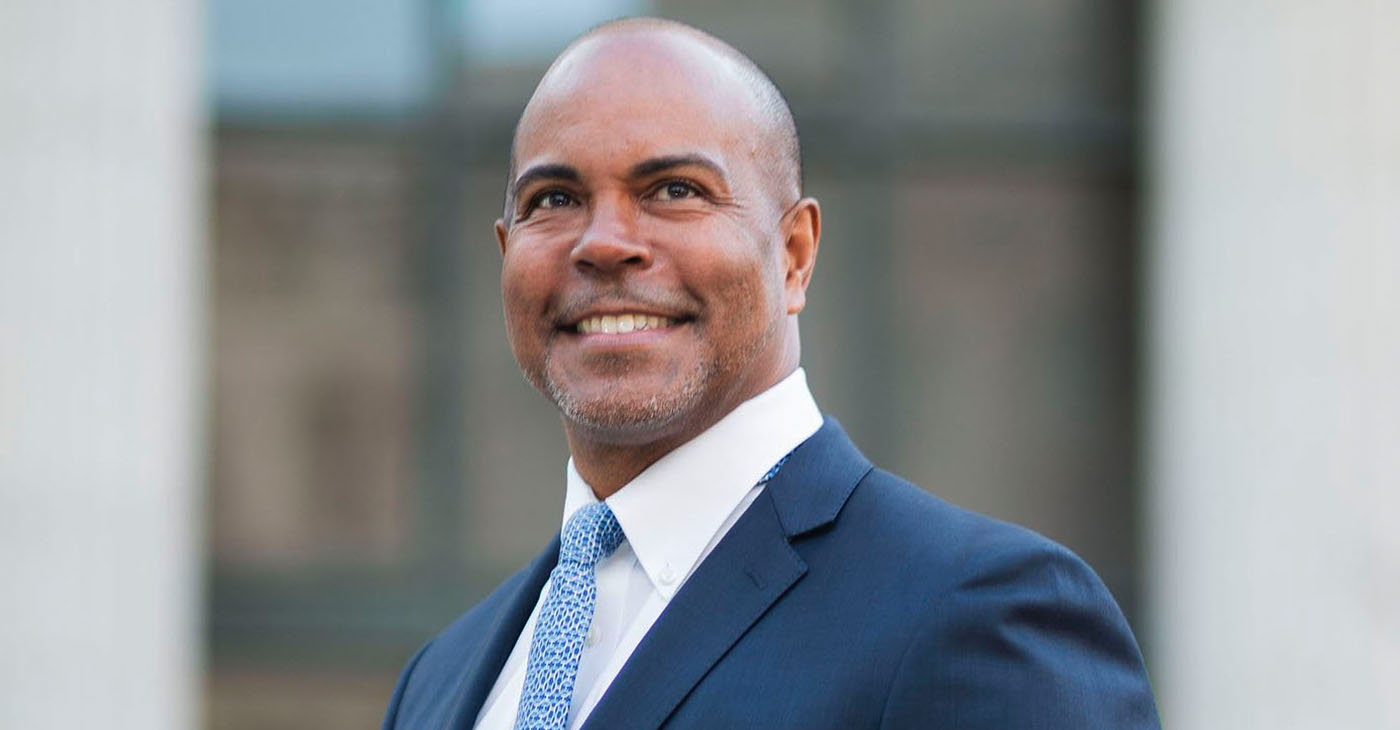
Coalition of faith, civic and business leaders declare support for Johnson in bid to lead Oakland from COVID-19 pandemic, economic recovery, address rising crime and homelessness
Derreck Johnson has announced his candidacy for mayor of Oakland. As an entrepreneur and community leader, Derreck has spent the last 30 years creating jobs and hiring from Oakland, including formerly incarcerated populations, while working shoulder-to-shoulder with stakeholders to uplift marginalized communities.
Johnson is running to bring a fresh and bold perspective to City Hall at a time when thousands of struggling families are being pushed out of the City due to the pandemic and rising rent costs while homicide and property crimes are at an all-time high.
“Oakland faces a critical moment,” said Johnson. “For too long, our politicians have over-promised and under-delivered — from homelessness and illegal dumping to lack of affordable housing — while rising crime has cost so many innocent lives and crippled our businesses. But we cannot keep electing the same people with the same mindset and expect different results. Otherwise, Oakland will always be broken.”
Born and raised by a single mother in the ACORN Housing Projects of West Oakland, and later educated at an HBCU, Johnson understands the plight of working families. And Oakland needs a tested fighter, like Johnson — not the same politicians from the same broken institutions that have exacerbated the City’s problems — to lead Oakland out of its darkest moments and into its finest hour.
Over the years, Johnson has worked to improve the lives of Oaklanders. While on the City’s Measure Y Committee, Johnson fought for violence prevention funding. On the City’s Workforce Development Board, he oversees critical employment and job training programs.
Through his work with the Summit Bank Foundation, he provided scholarships to low-income youth. Most recently, he was sworn in to the Oakland LGBTQ+ Community Center to help combat hate against trans and nonbinary Oaklanders, provide access to resources for HIV+ folks and increase economic opportunities for LGBTQ+.
“This has been an incredibly difficult year as COVID and gun violence on our streets continue to claim so many lives,” said Maria Reems, senior pastor at Center of Hope without formally endorsing Johnson. “We need a leader, like Derreck, who listens and has a proven track record of getting things done — and not more of the same.”
“I am no stranger to the devastating toll of gun violence in our communities,” said Marilyn Washington Harris, founder of the Khadafy Washington Foundation For NonViolence. (Harris is not speaking on behalf of the foundation.) “Like many grieving parents who have lost loved ones to senseless tragedy, I speak for many when I say the status quo is simply not acceptable. We need change — and that change is Derreck.”
“We need a leader and experienced entrepreneur like Derreck — not more of the same —who understands what it’s like to navigate a tough economic environment to put Oakland back on track,” said Ali Obad-Albasiery, an Oakland business leader. “Many businesses are still struggling to hire — and not because of a lack of talent. We need someone in City Hall who has dedicated his life and career creating jobs to chart a new path for our city.”
As mayor, supporters say, Johnson will build a coalition of law enforcement, business, civic and faith leaders, educators, labor and environmental advocates to address head-on the City’s most pressing challenges and create an Oakland that works for all – from the Hills to Eastmont, from Fruitvale to West Oakland and from Chinatown to Lake Merritt.
“The cynicism of our politics may lead some to think that somehow this is the new normal,” said Johnson. “But the challenges we face today do not define who we are – and I have faith that better days are ahead of us. But it will take grit and determination, and unwavering faith in each other. It will take Oaklanders of all creeds and faiths coming together in pursuit of one Oakland. I hope you’ll join me.”











Activism
Oakland Post: Week of September 23 – 29, 2026
The printed Weekly Edition of the Oakland Post: Week of September 23 – 29, 2026

To enlarge your view of this issue, use the slider, magnifying glass icon or full page icon in the lower right corner of the browser window.
Activism
Oakland Post: Week of September 16 – 22, 2026
The printed Weekly Edition of the Oakland Post: Week of September 16 – 22, 2026

To enlarge your view of this issue, use the slider, magnifying glass icon or full page icon in the lower right corner of the browser window.
Activism
Oakland Post: Week of September 9 – 15, 2026
The printed Weekly Edition of the Oakland Post: Week of September 9 – 15, 2026

To enlarge your view of this issue, use the slider, magnifying glass icon or full page icon in the lower right corner of the browser window.



Asm. Corey Jackson Announces Launch of 24-Hour Childcare in His District

IN MEMORIAM: The Rev. Leon “Sonny” Clark, Longtime Orange County Pastor and Community Leader, Dies at 72

Poll: Becerra Widens His Lead Over Hilton; Californians Split on Wealth Tax

From Historic Memories to New Possibilities: Oakland Celebrates Coliseum 60

County Office of Education Says OUSD Finances Are Getting Healthier, Materially Stronger

LIVE FREE Sunday Dinner Brings Faith, Fellowship and Civic Conversation to Oakland

Remembering Chauncey Bailey as Student Journalists Face Threats to Truth-Telling

BLACspace Cooperative Invites Bay Area to Experience Oakland’s Black Cultural Ecosystem Through a BLAC Map Tour + Party

In Wake of Death on Doorstep, Williams Chapel Baptist Church Calls for Better Care, Funding for Unhoused

Oakland Centenarian Nuna McKee Honored!

Caribbean Nations Produce Action Plan Calling for UK Reparations Over Slavery

Oakland Post: Week of September 23 – 29, 2026

Doulas Are Helping Black California Moms Navigate Pregnancy–Even as High Mortality Rates Persist

Newsom Signs Addictive Social Media Law to Protect Kids

On Your November Ballot: Prop 38 Would Allocate $8.4 Billion to Immunology and Immunotherapy Funding

Standoff for Justice: Our Homes Are Worth Fighting For

Oakland Post: Week of August 26 – September 1, 2026

Frontier Airlines’ Return to Oakland Airport Brings Flights, Jobs and Opportunity

Gubernatorial Candidate Steve Hilton Blasts California New Tire Rules; Newsom Hits Back

Chef Sharon Lee Blends Culinary Excellence, Education and Empowerment

Jackie Wright Champions Bay Area Stories, Filmmakers and Cultural Institutions

Big City Mayors Ask for “Yes” Vote on Housing Bond Measure; Conservatives Say “No”

Oakland Coliseum Project Opens Door for Small Businesses to Build Bigger

Gov. Newsom’s Latest Appointees Include Sacramento Advocate for Formerly Incarcerated Students; State’s New Tech Chief

Misnamed ‘Parent’ PAC Seeks to Influence Oakland School Board Elections

Longtime BWOPA Member Brendalyn Goodall Appointed to California Workforce Development Board

Gov. Newsom Signs Law Shielding Immigration Aid Workers From Doxing Threats

Secretary of State Shirley N. Weber Urges Californians to Vote Early as Voter ID Battle Intensifies

Oakland Post: Week of September 2 – 8, 2026

IN MEMORIAM: Dolly Parton Dead at 80 — How She Built a Legacy of Love and Earned Her Place in Black Culture

The Conversation With Al McFarlane 6/23/26

Media Monday 6/22/26

LIVE! ASK ALMA! — TUES. 6.23.26 7PM EST

Car Buying Secrets: 4 Hidden Checks Before You Sign!

Is This 550 HP Charger Worth YOUR Money? AutoNetwork Review

Celebrating Juneteenth – Frederick Douglass on education and resistance

LIVE! — ASK ALMA! — TUES. 6.19.26 7PM EST

Hyundai Ioniq 5 Parking, Safety, and 360 View #shorts

2025 Ioniq 5 New Wiper & Powerful Performance! #shorts

Electric SUV Range: Is 259 Miles Enough? #shorts

EV Charging: How Fast Can You Charge an Electric Vehicle? #shorts

Biometric Cooling… Messaging Seats…Come on! 2025 Infiniti QX80 Autograph 4WD

Charged Up: Witness the Magic of a Fully Electric Car! #shorts

Range Rover Sport PHEV Included…: See What’s Inside This Luxury SUV! #shorts

Invisible Hood View: Perfect Parking with X-Ray Vision! #shorts
-
 Community3 weeks ago
Misnamed ‘Parent’ PAC Seeks to Influence Oakland School Board Elections
-
 Activism4 weeks ago
Oakland Post: Week of September 2 – 8, 2026
-

 Community3 weeks ago
Richmond Tiny House Village Farm & Garden Set to Open Gates on Sept. 26
-

 Activism3 weeks ago
Oakland Post: Week of September 9 – 15, 2026
-

 Black History3 weeks ago
Latest Massacre in Haiti Reveals Cruelty U.S. Deportations
-

 Black History3 weeks ago
OPINION: Nolan Wells’ Death One of Several Signifying Racial Terror Lives on in U.S. South
-

 Community3 weeks ago
Democratic Clubs Interview Candidates for Oakland School Board
-

 Business2 weeks ago
Mayor Lee Announces $1 Million Kaiser Permanente Grant for Pilot Program to Address Homelessness, Clean Up Public Spaces throughout Oakland
