
Transportation
Car Review: 2015 Toyota Sienna


By Frank S. Washington
NNPA Columnist
DETROIT (NNPA) – If ever there was a scourge of the auto industry, it is a minivan. Most people don’t want to be caught dead in one. They are thought to convey a boring lifestyle, subservience to kids and the driver is viewed as an all-around gofer for the family.
But even though sales have fallen, more than 1 million people a year purchase a minivan, most of them after they’ve had a second child. And the Toyota Sienna ranks among the best of the family haulers.
We had the 2015 Toyota Sienna SE. It had a 3.5-liter V6 engine that made 266 horsepower and 245 pound-feet of torque. Mated to a six-speed automatic transmission the Sienna had plenty of power to maneuver on the expressways here as well as on the surface streets. It had an EPA rating of 18 mpg in the city, 25 mpg on the highway and 21 mpg combined.
You should know that we weren’t carrying passengers, so our test vehicle was rather spry on the pavement. But if you’re hauling kids around, a reasonable argument is that you have no business whizzing in and out of traffic anyway.
We had captain’s chairs in the second row. That meant that our Sienna could carry seven passengers in a 2+2+3 configuration. A second row bench seat increases its capacity to eight passengers. We had the front-wheel-drive model, but there is an all-wheel-drive version. Toyota said the Sienna is the only minivan available with all-wheel-drive.
As we were preparing this review, we got notification that the Toyota Sienna had received the Best in Class Minivan Award in the fifth annual New England Motor Press Association Technology Conference. Indeed, with 150 cu. ft. of storage space, with the second and third row seats taken out, the Sienna can haul a bunch of stuff. But its main purpose is to haul kids, their friends and all their stuff.
The Sienna is equipped with a speaker that will project the driver’s voice through the audio system’s rear speakers. It uses the same microphone as the voice controls. Used with the Sienna’s standard conversation mirror in the overhead console, a driver can get up close and personal with the people in the back of the van, especially the munchkins in the third row who think they are beyond reach.
Toyota’s Entune App system was standard equipment on the Sienna. Of course, there was a rear seat entertainment system. And our Sienna had a backup camera with cross traffic alert and it was equipped with blind side alert.
The SE is, more or less, the sport model. It was lower, featured a sport tuned suspension and it had 19-inch wheels. The side skirts and at lower profile headlights with LED daytime running lamps gave it and even more muscular look.
The interior had what Toyota called exclusive instrumentation. Instruments had black numerals on white dials. The black interior featured white French stitching. The navigation/information screen was atop the center stack, climate controls were beneath it and the audio controls were beneath that. We had a CD player, a feature that is bordering on being obsolete, and a slot for an SD card. There was also a 110-volt outlet with easy second row access.
Our tester had climate controls for the rear and there was also a power off button for the sliding doors. We thought that was a nice touch to keep young explorers inside the Sienna.The vehicle had a smart key, a sunroof and the fit and finish was what you’d expect of a Toyota vehicle. It was flawless to the naked eye.
For $41,108, our 2015 Toyota Sienna SE wasn’t a bad deal.
Frank S. Washington is editor of AboutThatCar.com.
###












Business
Fate of Bay Area Public Transit Hinges on Regional Transit Measure
Voters in five Bay Area counties will decide the fate of a regional sales tax measure on Nov. 3 that could determine the future of local public transportation. If approved, the Regional Transit Measure would implement new sales taxes in Alameda, Contra Costa, San Mateo, Santa Clara, and San Francisco counties starting in 2027. The funding aims to address massive financial deficits facing agencies like BART and Muni, providing nearly $1 billion annually to prevent station closures and service cuts. Read more.

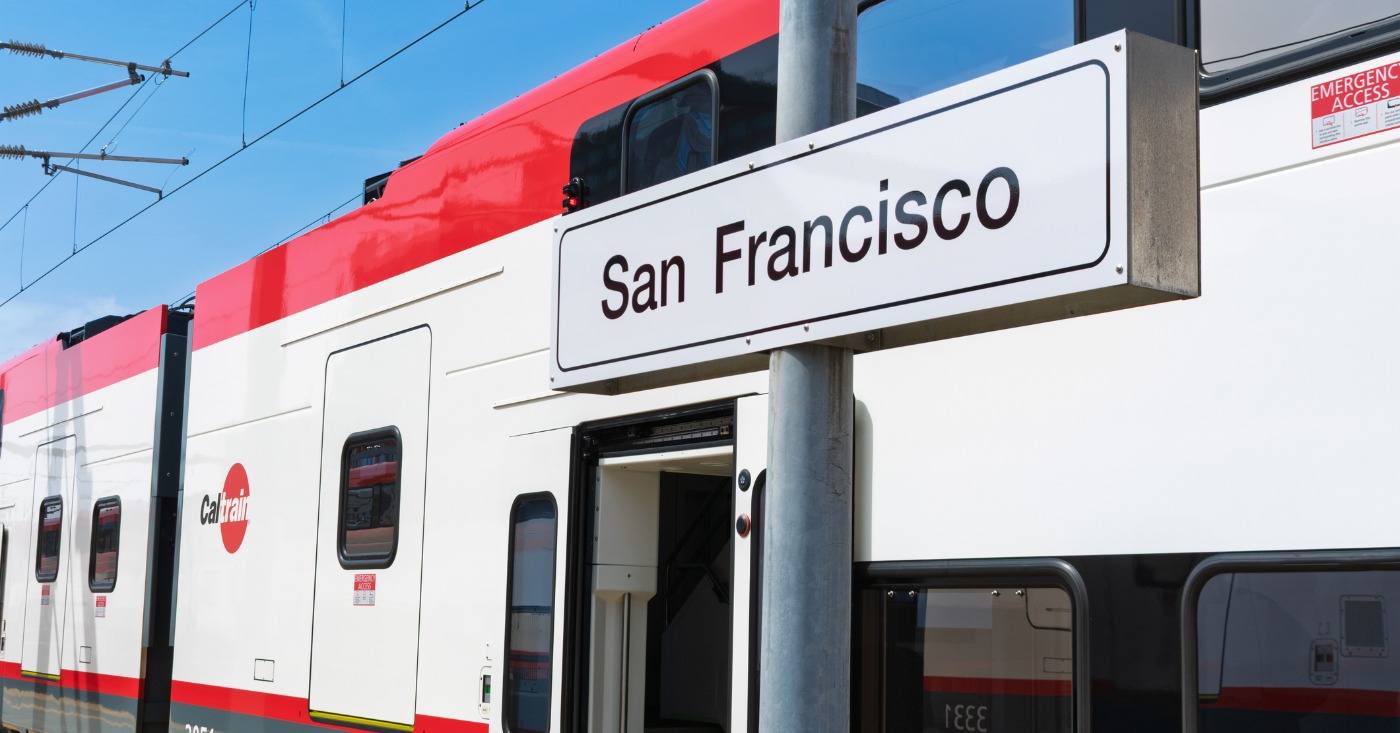

On Nov. 3, voters in five Bay Area counties will vote on a regional sales tax measure that, if it fails, could prompt local transit agencies to close train stations and cut bus service.
If passed, the Regional Transit Measure, or RTM, will impose a half-cent sales tax in Alameda, Contra Costa, San Mateo, and Santa Clara counties as well as a one-cent sales tax in San Francisco starting April 2027.
The tax would raise an estimated $980 million annually for 14 years to fund the region’s public transit agencies, which are struggling with massive financial deficits. Revenue would go to BART, Muni, Caltrain, Alameda-Contra Costa Transit, the Santa Clara Valley Transportation Authority, the San Francisco Bay Ferry, Golden Gate Transit, and other transportation agencies operating in the five counties.
In California, a regional measure for a new sales tax would normally require a two-thirds majority approval if the state Legislature directly places it on a ballot. Transit advocates, however, chose to collect signatures to make the sales tax a citizen-initiated ballot measure that would lower the threshold to a simple majority of votes cast across the five counties.
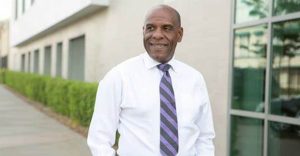
The RTM received more than 241,000 signatures, exceeding the 186,000-signature threshold required to qualify for the ballot.

Commentary
Why AC Transit Director Joel Young is My Choice for AC Transit Board Ward 3
Former AC Transit Director Patrisha Piras is endorsing incumbent Joel Young for the AC Transit Board of Directors, Ward 3. Piras highlights Young’s tenure as the longest-serving member of the current board and his role in securing over $600 million in funding for the district. Young has previously served as board president and is credited with advancing clean-energy initiatives and workforce development programs. Piras cites his institutional knowledge as vital for navigating current financial challenges to ensure regional connectivity. Find out why Young is being recommended for another term.
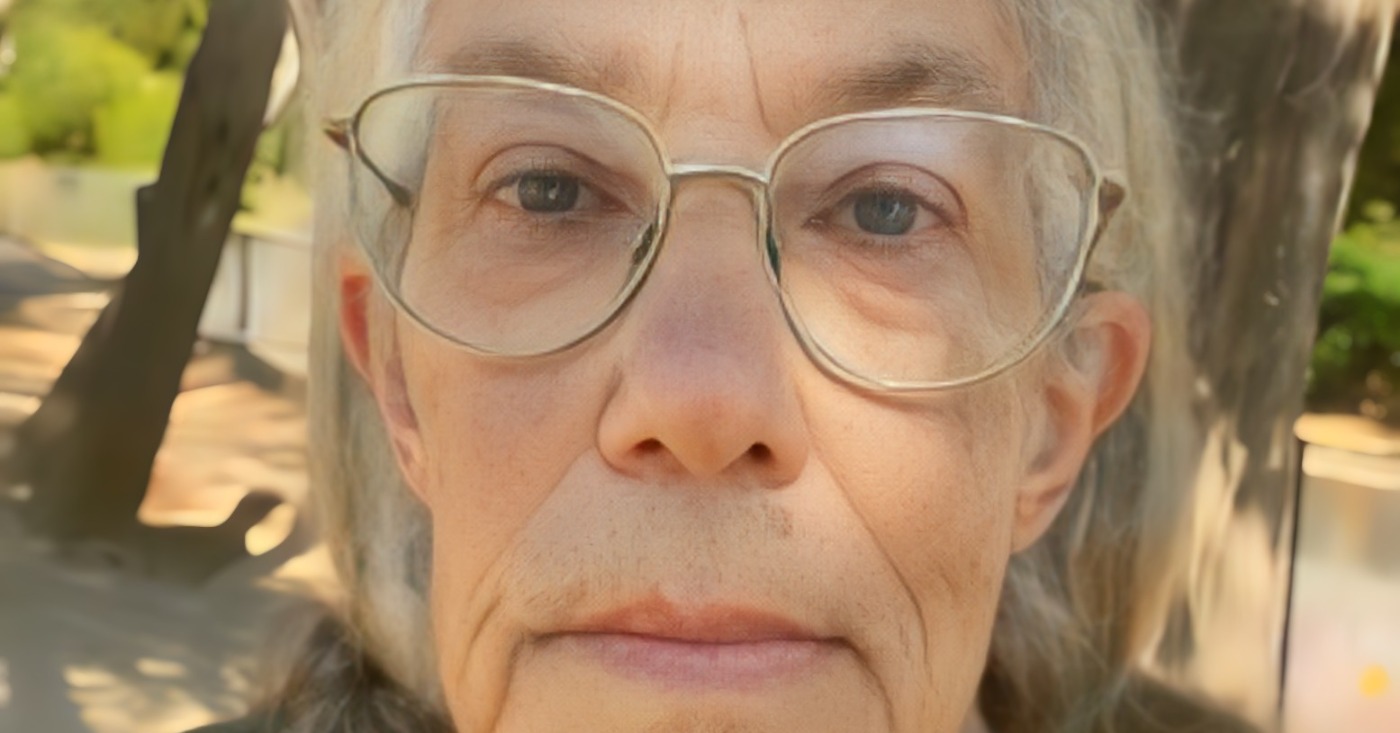
As a former AC Transit Director for more than a decade, I know firsthand what it takes to serve effectively on the AC Transit Board. That is why I am proud to endorse Joel Young for election to the AC Transit Board of Directors, Ward 3.
Joel’s dedication to AC Transit and the communities they serve has been unmatched. Throughout his years on the Board, he has been a tireless advocate for riders, employees, and residents who depend on reliable, affordable public transportation every day. The majority of his colleagues have shown their trust, respect, and confidence in him by electing him as Board president.
As the longest-serving member of AC Transit’s current Board, Joel has played a pivotal role in securing more than $600 million in funding for the District, advancing clean-energy transit initiatives, strengthening workforce development programs, and helping position AC Transit as a national leader in innovation and sustainability. His leadership has extended beyond the Bay Area, representing AC Transit on the national stage and advocating successfully for investments that strengthen public transportation across the country, even with the current federal administration.
At a time when transit agencies face significant financial and operational challenges, Joel brings the experience, institutional knowledge, and steady leadership needed to help guide AC Transit forward. He understands that public transportation is about more than buses and infrastructure. It is about connecting people to jobs, schools, health care, and opportunity while ensuring that our communities remain accessible and economically vibrant.
Joel Young has a proven record of working with others to deliver results, protect transit service, and fight for the resources needed to meet the evolving needs of our region. His dedication, leadership, and commitment to public service make him exceptionally qualified to represent AC Transit Ward 3.
I strongly endorse Joel Young for the AC Transit Board of Directors and encourage Ward 3 voters to support his election by Nov. 3.
Patrisha “Pat” Piras is a former AC Transit director.
Featured
Opponents Smear Effective African American Transit Director as Election Nears
Incumbent Joel Young is defending his seat on the AC Transit Board against allegations of harassment stemming from a public interaction in 2026. Supporters of the director cite his record of securing $600 million for bus services and leading civil rights initiatives as evidence of his effectiveness. They argue the accusations regarding a group photo interaction have been politically weaponized by opponents to influence the Ward 3 election.
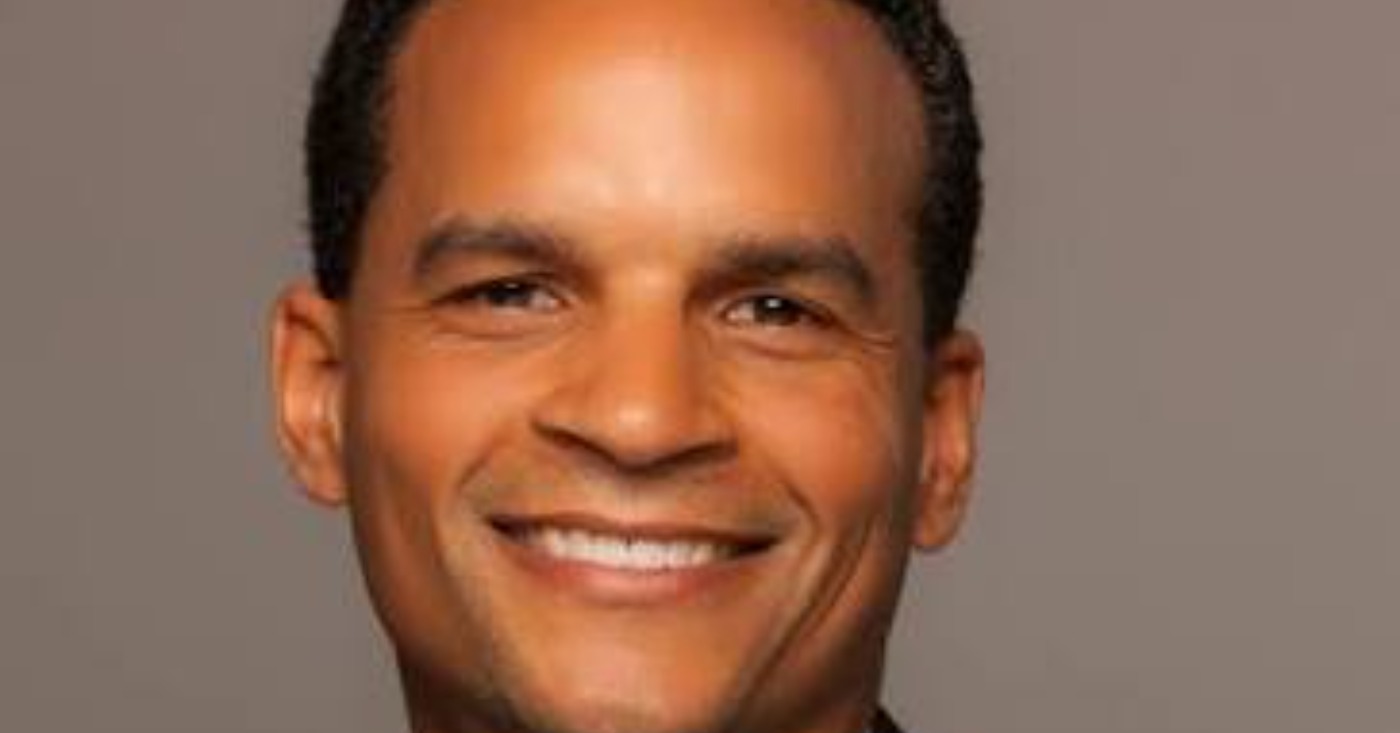
I am an academic and a community activist. I take women’s issues, including workplace harassment and discrimination, seriously. I have been following the AC Transit Ward 3 election and have become concerned about what I believe is a serious injustice.
Joel Young is an effective AC Transit director. He has secured more than $600 million for local bus service and fare affordability. He led the Freedom Bus Project, integrating civil rights history, art and transit. He was presiding over the board of AC transit when it won the 2023 Outstanding Public System Award, and he raised $1 million for the hydrogen fuel cell bus program. These are just a few of his accomplishments.
I reviewed the allegations of unwanted physical contact and harassment made by AC Transit Director Sarah Syed against Director Joel Young, I believe the events of Sept. 24, 2025, have been characterized in a way that does not accurately reflect what occurred.
That interaction took place during a group photo after celebrating the life of a longtime Board member who passed away. From the video I reviewed, it appears that individuals were consoling one another and exchanging hugs in a public setting surrounded by numerous witnesses.
Young’s interaction with Syed appears consistent with those expressions of sympathy and it appears that Young was attempting to extend a gesture of goodwill toward Syed.
I am concerned by how this incident has been recently used as a political tool to influence the outcome of the AC Transit Ward 3 election and support Young’s opponent.
Syed and her supporters launched a targeted political campaign, first through the Alameda County Democratic Party and subsequently by organizing a letter from a group of majority-white elected officials who have endorsed Young’s opponent against Young, who is Africa American.
Furthermore, this manufactured controversy distracts voters from the critical issues facing AC Transit. The public deserves a substantive debate on service reliability, ridership recovery, passenger and operator safety, financial stability, regional equity, and future transportation infrastructure. The electorate should be evaluating which candidate possesses the judgment, experience, and vision to lead AC Transit forward – not reacting to a distorted personal interaction.
Regardless of one’s political views or preferred candidate, allegations of harassment should never be weaponized for electoral purposes. We all know that exaggerated or unsupported accusations can undermine public understanding of, and trust in, efforts to address genuine sexual harassment and violence.


Oakland Post: Week of November 18 – 24, 2026

Oakland Post: Week of November 11 -17, 2026

Alameda County Supervisor Miley to Propose Illegal Dumping Ordinance

Oakland City Council Extends AI Data Center Moratorium for 10 Months.

On Veterans Day, U.S. Rep. Simon Demands Answers on Status of Veterans Affairs Clinic, Columbarium Project

OPINION: Mario Juarez’s Courtroom Admissions Raise Questions About Allegations That Fueled Recall of Pamela Price

Hutchinson Concedes: Ballots Still Being Counted in Oakland Board Elections

Mayor Lee and Schools’ Supt. Saddler Issue Joint Statement on Recent ICE Activity in Oakland

Mississippi Congressman Bennie Thompson Congratulates Scott Colom on Historic Victory

Farms to Grow, Inc. Hosts the 8th Annual Sweet Potato Pie Tasting Contest

Oakland Post: Week of November 4 – 10, 2026

How the Sandwich Generation Can Help Protect Aging Parents’ Finances

As Progressive Democrats Celebrate ‘Blue Tsunami,’ Oakland Counts Victories

Golden State Valkyries Become Bay Area Legends Winning WNBA Championship on Halloween Night

IN MEMORIAM: Marcia Ann Gillespie, Editor of Essence and Ms. Magazines, Dies at 82

COMMENTARY: Valarie Bachelor and Jennifer Brouhard are Excellent School Board Members and Deserve to Be Reelected

OUSD Receives State Review of District Finances; Outlines Progress Since January

HISTORY MADE: Keisha Lance Bottoms Becomes First Black Woman Elected Governor in American History

SEIU Local 1000 and State of California Will Continue to Negotiate New Labor Contract
Golden State Valkyries Become Bay Area Legends Winning WNBA Championship on Halloween Night

Fate of Bay Area Public Transit Hinges on Regional Transit Measure

COMMENTARY: Your California Living Trust Could Be Next: When Evidence Isn’t Enough

Chase Launches Fraud & Scam Prevention Month

Mayor Barbara Lee Holds Special State of the City Address in Deep East Oakland

Democrats, Community Groups Back Measure EE to Change How Oakland Is Governed

It’s Time to Lose Weight Before the Holidays

Post News Group Nov. 3 Election Endorsements

Richmond Neighbors Put Pantry Power on the Map

Oakland Awarded More than $14 Million in State Funding

Oakland Post: Week of October 7 – 13, 2026

The Conversation With Al McFarlane 6/23/26

Media Monday 6/22/26

LIVE! ASK ALMA! — TUES. 6.23.26 7PM EST

Car Buying Secrets: 4 Hidden Checks Before You Sign!

Is This 550 HP Charger Worth YOUR Money? AutoNetwork Review

Celebrating Juneteenth – Frederick Douglass on education and resistance

LIVE! — ASK ALMA! — TUES. 6.19.26 7PM EST

Hyundai Ioniq 5 Parking, Safety, and 360 View #shorts

2025 Ioniq 5 New Wiper & Powerful Performance! #shorts

Electric SUV Range: Is 259 Miles Enough? #shorts

EV Charging: How Fast Can You Charge an Electric Vehicle? #shorts

Biometric Cooling… Messaging Seats…Come on! 2025 Infiniti QX80 Autograph 4WD

Charged Up: Witness the Magic of a Fully Electric Car! #shorts

Range Rover Sport PHEV Included…: See What’s Inside This Luxury SUV! #shorts

Invisible Hood View: Perfect Parking with X-Ray Vision! #shorts
-
 Commentary3 weeks ago
COMMENTARY: Valarie Bachelor and Jennifer Brouhard are Excellent School Board Members and Deserve to Be Reelected
-
 Education3 weeks ago
OUSD Receives State Review of District Finances; Outlines Progress Since January
-
 Black History3 weeks ago
HISTORY MADE: Keisha Lance Bottoms Becomes First Black Woman Elected Governor in American History
-
 Business3 weeks ago
SEIU Local 1000 and State of California Will Continue to Negotiate New Labor Contract
-
 Community2 weeks ago
Golden State Valkyries Become Bay Area Legends Winning WNBA Championship on Halloween Night
-
 Business4 weeks ago
Fate of Bay Area Public Transit Hinges on Regional Transit Measure
-
 Business3 weeks ago
COMMENTARY: Your California Living Trust Could Be Next: When Evidence Isn’t Enough
-
 Business4 weeks ago
Chase Launches Fraud & Scam Prevention Month

Pingback: wyroby szklane piotrków trybunalski
Pingback: wyroby szklane piotrków trybunalski