
Business
California Waste Solutions To Move To Army Base

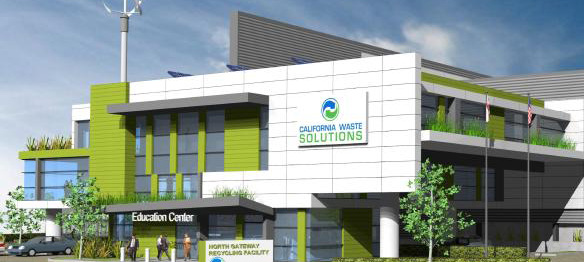
California Waste Solutions (CWS), a major recycling company that serves Oakland residents, has been working with the city to relocate its operations to the Oakland Army Base, shuttering its current facilities at 10th and Pine and 33rd and Wood streets.
“When CWS first opened its doors in 1992, West Oakland was underutilized and predominantly industrial. Now, it has become an attractive community to live, work, and do business,” explained Tasion Kwamilele, director of community Engagement at CWS.
The project has been in the works for the past eight years. CWS and the city of Oakland have entered into new Exclusive Negotiation Agreement, taking CWS one-step closer to making the new facility a reality.
CWS has until October to finalize city requirements to purchase the land and begin the design phase of the project.
Building a project of the magnitude of the new CWS facility is a complicated process. A lot of planning and documentation is required long before a shovel ever touches the ground.
Meanwhile, West Oakland residents have eagerly waited in anticipation for CWS to leave their neighborhood and grow a world class recycling center at the Army Base
“I understand the community’s frustration with how long it is taking to vacate our current facility. We are doing everything in our power to make sure our proposed state-of-the-art, 171,000- square-foot facility becomes a reality,” Kwamilele said.

“This means negotiating many regulatory issues to ensure that moving to the new location is economically feasible. No one can reasonably expect CWS to invest hundreds of millions of dollars to build a new facility and make the move f they are not allowed to increase services to the City of Oakland,” Kwamilele added.
Last week, West Oakland residents and community leaders Margaret Gordon and Bri
an Beveridge of the West Oakland Environmental Indicators Project published an open letter supporting CWS’ move to the new location.
“We support the sale of land in the North Gateway to CWS and their investment in a clean, modern facility,” wrote Gordon and Beveridge.
CWS was founded by the Duong family, providing commercial and residential recycling services.
The Duong family were Vietnam refugees who moved to the Bay Area after the Vietnam war with nothing but a few personal belongings. They have built a successful recycling business and are committed to creating and maintaining union-based, good-paying jobs for Oakland residents.
The Duong’s own the land on which their current site sits. If all goes well in the negotiations, the company plans to repurpose the site for a use that is more compatible with the neighborhood that now exists.
“CWS has yet to agree on any development plans for its current site, but the Duong Family owns the land, and once they successfully relocate, I am certain the site will not be used for another recycling or industrial operation,” Kwamilele said.


Activism
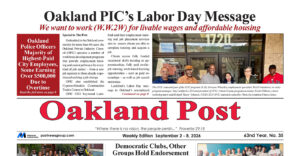
Oakland Post: Week of September 2 – 8, 2026
The printed Weekly Edition of the Oakland Post: Week of September 2 – 8, 2026
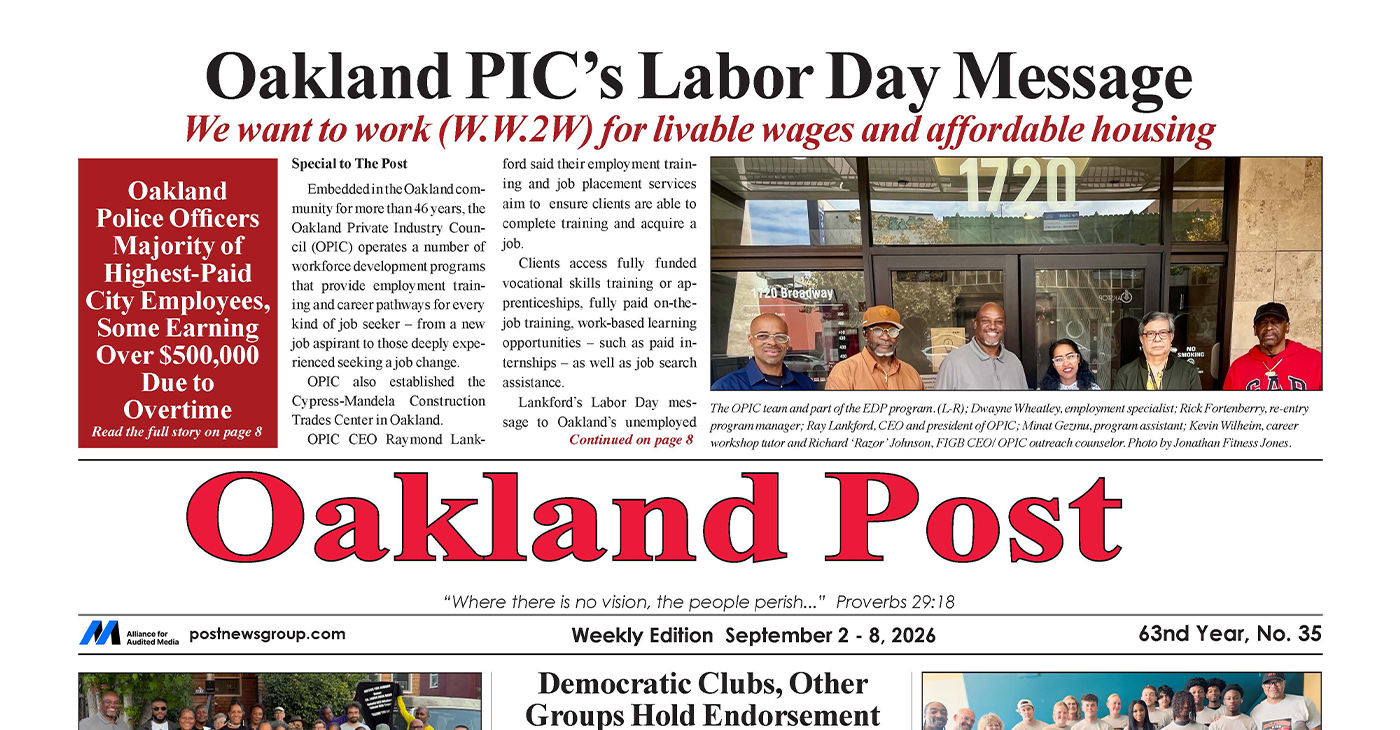
To enlarge your view of this issue, use the slider, magnifying glass icon or full page icon in the lower right corner of the browser window.
Business
Longtime BWOPA Member Brendalyn Goodall Appointed to California Workforce Development Board
Gov. Gavin Newsom has appointed longtime Black Women Organized for Political Action (BWOPA) member Brendalynn Goodall to the California Workforce Development Board. Goodall, an Oakland resident with decades of experience in public service, has held leadership positions focused on

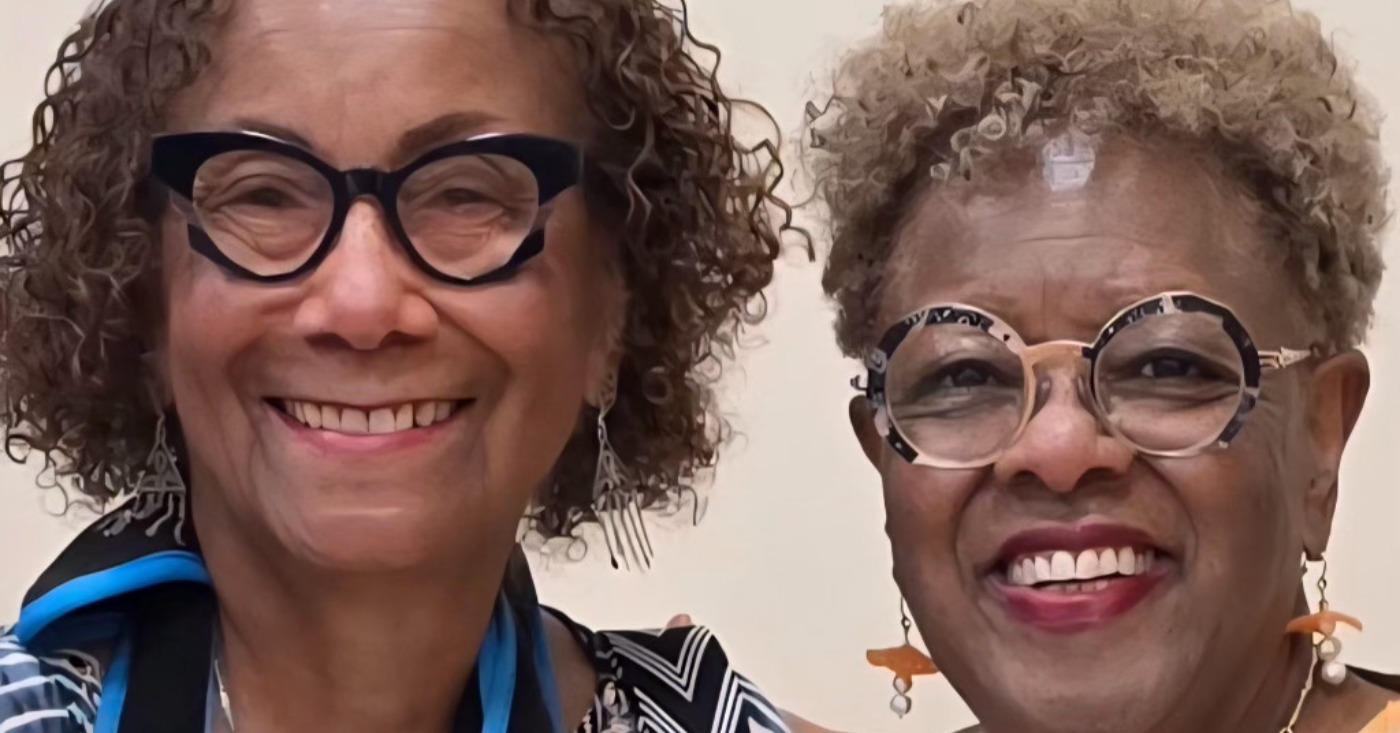
Gov. Gavin Newsom has appointed longtime Black Women Organized for Political Action (BWOPA) member Brendalynn Goodall to the California Workforce Development Board.
Goodall, an Oakland resident with decades of experience in public service, has held leadership positions focused on employment, aging services and assistance for underserved communities.
“Brendalynn will be a great addition to this Board,” said Gay Plair Cobb, who served as former state Assemblyman Sandre Swanson’s alternate to the California Workforce Development Board (CWDB).
“She understands that California’s non-profit organizations serve persons who have the most significant barriers to their labor market success and that the Board should help these groups navigate the complicated requirements of state funding.
“In other words, she will be a strong advocate for our most marginalized populations. Her voice is needed now, more than ever.”
CWDB works with the governor to shape workforce policies, programs and investments designed to strengthen the state’s economy. It collaborates with employers, workers, labor organizations, educational institutions, community groups and California’s 45 local workforce development boards to expand access to quality jobs and respond to regional employment needs.
According to the board, its work includes coordinating state programs and guiding investments in workforce training and development.
BWOPA California celebrated the appointment, describing Goodall as a dedicated advocate for workers, families and older adults.
“Her appointment reflects a lifetime of leadership, service, and unwavering commitment to strengthening California’s workforce and expanding opportunity for all,” the organization stated in a press release.
Goodall served as summer jobs program coordinator in the Oakland Mayor’s Office from 2012 to 2014. In that position, she helped connect young people with employment opportunities and job experience.
Before joining the Mayor’s Office, Goodall was division manager for Aging and Adult Services in the City of Oakland Human Services Department from 2002 to 2011. She previously served as senior services supervisor and program director for the city’s Department of Aging, Health and Human Services from 1990 to 2002.
Goodall is also a member of the California Commission on Aging, which advises the governor and state officials on policies and programs affecting older Californians.

Black History
Jackie Wright Champions Bay Area Stories, Filmmakers and Cultural Institutions
As an award-winning communications professional, Wright has worked with corporations, nonprofits, government agencies, educational institutions, artists, and community organizations. In 2026, she expanded that work by launching an introductory public relations class for small businesses and nonprofits, offering practical tools for gaining visibility, shaping messages and building productive relationships with the media.
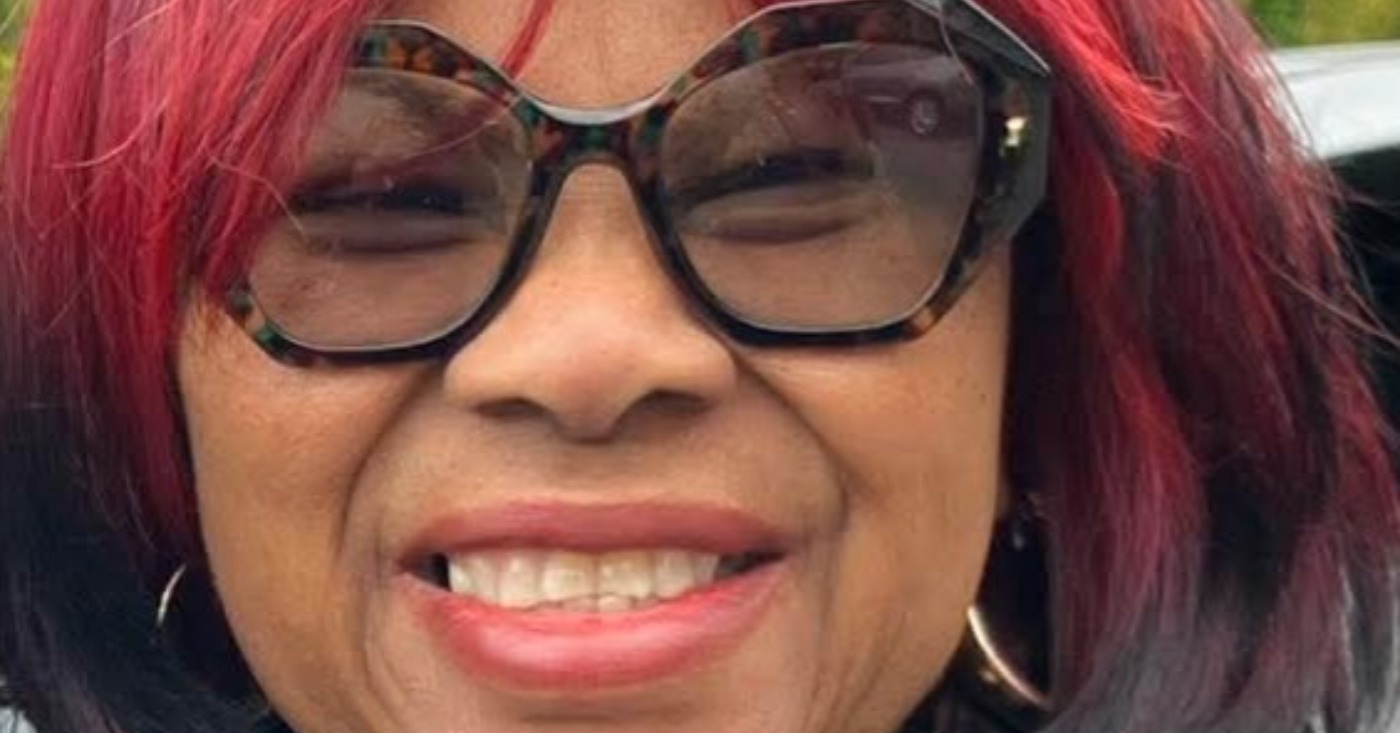
Jackie Wright has spent more than two decades helping people, organizations and communities understand the power of a well-told story.
As founder and president of Wright Enterprises, a San Francisco-based strategic communications and public affairs firm, Wright has built a career spanning journalism, public relations, media relations, crisis communications, community engagement and multimedia storytelling.
As an award-winning communications professional, Wright has worked with corporations, nonprofits, government agencies, educational institutions, artists, and community organizations. In 2026, she expanded that work by launching an introductory public relations class for small businesses and nonprofits, offering practical tools for gaining visibility, shaping messages and building productive relationships with the media.
Wright’s commitment to storytelling is also deeply personal. She wrote and co-directed the 15-minute documentary, “Love Separated in Life…Love Reunited in Honor,” which chronicles the story of her parents, Specialist Five (S5 Wyley Wright Jr. and Ouida Fay McClendon Wright. Her father, a U.S. Army helicopter crew chief, died in Vietnam in 1964 while serving as an honor guard during a visit by then-Secretary of Defense Robert McNamara. Decades later, Wright and her siblings had their father exhumed from a segregated cemetery in Jacksonville, Florida, and their mother moved from her burial place in Georgia so the couple could be reunited at Arlington National Cemetery in 2014.

The family journey later took Wright and her sister to Vietnam, where they discovered the former military compound that had been named in honor of their father and another fallen soldier. The documentary, centered on love, war, family, racial understanding, and remembrance, earned festival recognition at screenings.
“It was quite an honor to learn about my family’s history and share it on film,” said Wright.
That filmmaking experience complements Wright’s longstanding advocacy for independent cinema. She has served as a media partner and brand ambassador for Bay Area film festivals, including the San Francisco Black Film Festival, Oakland International Film Festival, and the Durban International Film Festival in South Africa.
“It’s important to help filmmakers and underrepresented stories reach broader audiences,” said Wright.
Whether promoting a neighborhood organization, championing an independent filmmaker or preserving her own family history, Wright has remained consistent. Through Wright Enterprises, she has turned communications into both a profession and a form of community service, telling stories that might otherwise go unheard.
“Our stories are an integral part of our history, and our history is not only American history, but worldwide,” she said.


Oakland Post: Week of September 2 – 8, 2026

Longtime BWOPA Member Brendalyn Goodall Appointed to California Workforce Development Board

Jackie Wright Champions Bay Area Stories, Filmmakers and Cultural Institutions

Chef Sharon Lee Blends Culinary Excellence, Education and Empowerment

‘Passing a Law Isn’t The Finish Line’: California Assembly Evaluates Implementation, Results

OPINION: Angie Nixon Will Turn You Into a Democratic Socialist If Donald Trump Hasn’t Already

Gov. Newsom Signs Law Shielding Immigration Aid Workers From Doxing Threats

BOOK REVIEW: Every Inch of a Lady

Big City Mayors Ask for “Yes” Vote on Housing Bond Measure; Conservatives Say “No”

Madeline M. Turner: The Inventor Who Made Juicing Easier

Gubernatorial Candidate Steve Hilton Blasts California New Tire Rules; Newsom Hits Back

Frontier Airlines’ Return to Oakland Airport Brings Flights, Jobs and Opportunity

Secretary of State Shirley N. Weber Urges Californians to Vote Early as Voter ID Battle Intensifies

Gov. Newsom’s Latest Appointees Include Sacramento Advocate for Formerly Incarcerated Students; State’s New Tech Chief

Oakland Coliseum Project Opens Door for Small Businesses to Build Bigger

Department of Homeland Security Demands California Secretary of State Shirley N. Weber Scrub Voter Rolls

New Judge Could Decide if Karmelo Anthony Gets a New Trial

“The Power to See Threats Sooner”: Gov. Newsom, Safety Officials Showcase California’s Investments in Hi-Tech Wildfire Prevention

Alpha Kappa Alpha Sorority, Inc. Celebrates New North Atlantic Regional Director

California Sen. Padilla Joins Colleagues to Introduce Bill Imposing Term Limits on Supreme Court Justices

Less Affluent School Districts, Including Sacramento City, Face Threat of State Takeover

Car Wash Workers Cope with Lingering Impacts of ICE Raids

COMMENTARY: You Are Already Paying for the AI Boom

California Bill Would Let Abuse Victims Use Trauma as Legal Defense for Violent Crime

Fed Court to Decide Landmark First Amendment Case

Oakland Post: Week of July 29 – August 4, 2026

OP-ED: ‘The Trusted Messenger’ and the Black Vote

Oakland Post: Week of July 22 – 28, 2026

How Black WNBA Players Became Collateral Damage in the Caitlin Clark Culture War

How Oakland’s Courtsmith is Scaling its Business and Local Impact

The Conversation With Al McFarlane 6/23/26

Media Monday 6/22/26

LIVE! ASK ALMA! — TUES. 6.23.26 7PM EST

Car Buying Secrets: 4 Hidden Checks Before You Sign!

Is This 550 HP Charger Worth YOUR Money? AutoNetwork Review

Celebrating Juneteenth – Frederick Douglass on education and resistance

LIVE! — ASK ALMA! — TUES. 6.19.26 7PM EST

Hyundai Ioniq 5 Parking, Safety, and 360 View #shorts

2025 Ioniq 5 New Wiper & Powerful Performance! #shorts

Electric SUV Range: Is 259 Miles Enough? #shorts

EV Charging: How Fast Can You Charge an Electric Vehicle? #shorts

Biometric Cooling… Messaging Seats…Come on! 2025 Infiniti QX80 Autograph 4WD

Charged Up: Witness the Magic of a Fully Electric Car! #shorts

Range Rover Sport PHEV Included…: See What’s Inside This Luxury SUV! #shorts

Invisible Hood View: Perfect Parking with X-Ray Vision! #shorts
-
 Community4 weeks ago
Less Affluent School Districts, Including Sacramento City, Face Threat of State Takeover
-
 Commentary4 weeks ago
ESSAY: California Can Close Its Colorectal Cancer Gap
-
 Business4 weeks ago
California Hispanic Chambers of Commerce Unveils: ‘Powering the Future’ Theme for 47th Annual Statewide Convention
-

 Community4 weeks ago
Four Candidates, Including Incumbent Barbara Lee, Qualify for Oakland Mayor’s Race
-

 Business4 weeks ago
From Blueprint to Breakthrough: Tackling Affordable Housing in Oakland
-

 Black History4 weeks ago
Oakland Observes Black August with Block Parties, Film Showings, Workshops
-
 Activism4 weeks ago
Oakland Post: Week of August 12 – 18, 2026
-

 Commentary4 weeks ago
COMMENTARY: Why Local School Tax Measure G1 Will Not Be on the November Ballot
