
Government
California Republican Assembly’s First African-American President Shares Plans to Recruit More Blacks
OAKLAND POST — Only four percent of California’s African American voters are registered as Republicans, according to the Public Policy Institute of California. The majority, about 77 percent, are members of the Democratic Party. Johnnie Morgan, 68, the newly elected president of the California Republican Assembly (CRA), wants to change those numbers. So he’s pushing a message to attract African-American Democrats and Independents to his party by highlighting ways the party’s platform aligns with who they are and the things they care about.

Only four percent of California’s African American voters are registered as Republicans, according to the Public Policy Institute of California. The majority, about 77 percent, are members of the Democratic Party.
Johnnie Morgan, 68, the newly elected president of the California Republican Assembly (CRA), wants to change those numbers. So he’s pushing a message to attract African-American Democrats and Independents to his party by highlighting ways the party’s platform aligns with who they are and the things they care about.
“African Americans place a high value on family as does the Republican Party,” said Morgan, who was sworn into his new position on June 19 during the CRA’s statewide convention in Sacramento.
Morgan, who ran for the position unopposed with the full support of his organization, will serve a three-year term.
“African Americans have a history of being inventors and businesspeople involved in entrepreneurial enterprises,” he said. “The Republican Party has a focus on free enterprise and economic development.”

The CRA is a conservative activist group that helps Republican candidates it endorses get elected, supporting them with money, volunteers and other resources. Officially chartered by the California Republican Party, the CRA was formed in 1933 and was praised by Ronald Reagan as the “the conscience of the Republican Party,” according to the CRA official website.

The group, which is the largest and oldest independent Republican organization in the state, played a key role in helping Reagan win California’s gubernatorial race in 1966.
According to Morgan, the CRA implements community engagement programs and voter registration conventions to help expand the membership of the Republican Party and support the party’s goals.
Morgan becomes the head of the CRA at a time when the California GOP is making a deliberate effort to attract more members in a state that is heavily Democrat. About 43 percent of California’s voters are registered Democrats. Only 28 percent are Republican. Democrats hold supermajorities in both houses of the state legislature. In the Senate, Democrats outnumber Republicans 29 to 11. And in the Assembly, the ratio is 61 to 18.
In national elections, California has not voted for a Republican president since George H.W. Bush in 1987.
In February this year, the California Republican Party elected Jessica Patterson as its first Latina and female president with 54.6 percent of the vote.
“Today we are starting the next chapter of our party history,” Patterson said in her acceptance speech. “We’re going to be about one thing: winning. We’re going to take the fight to Democrats. We’re going to fight them in the precincts and we’re going to beat them in elections.”
At the same convention, Republican delegates from around the state elected Peter Kuo, an immigrant from Taiwan to be its vice chairman and a gay man, Greg Gangrud, as its treasurer.
Morgan has been an active member of the Republican Party for 35 years, four of which he spent as National Committeeman for the CRA. He has also served as a California delegate to the last eight Republican National conventions.
“I am excited by the opportunity to lead this superb organization, to bring good conservative government to California and grow our membership,” he said.
Morgan says he intends to showcase a more inclusive organization to offset the common perception that conservative ideals run counter to the needs of African-American communities in California.
“I plan to expand membership, increase the diversity of membership, and become more integral to the party in a more physical and active capacity,” he said.










Education
‘Raising a Child Shouldn’t Break the Bank’: California Is Helping Families Save on Childcare Costs
California has implemented new fee schedules and expanded programs to reduce the financial burden of childcare for families across the state. Under recent reforms, many households qualifying for subsidized care have seen their annual fees eliminated entirely. The state has also introduced universal transitional kindergarten and increased access to before- and after-school enrichment. Despite these investments in facilities and provider benefits, affordability remains a persistent challenge for many residents as the state works to bridge existing gaps in care. Read more.


California families are paying less for subsidized childcare under new fee schedules introduced since 2019, according to information from the Public Policy Institute of California (PPIC).
The state has expanded subsidized childcare, introduced free transitional kindergarten for 4-year-olds, and increased access to before- and after-school programs as part of broader efforts to reduce the financial burden of raising children. However, childcare affordability remains a challenge for many families.
According to a PPIC chart cited by the administration, a family of three earning $60,000 annually would have paid approximately $7,000 a year in fees for full-time subsidized childcare under the 2019-20 schedule. Under the 2025-26 schedule, the annual fee is zero. The figures are adjusted for inflation.
“Raising a child shouldn’t break the bank,” Newsom said. He added that the state has lowered costs, expanded access to affordable care, and increased educational opportunities to help parents and children thrive.
Since 2019, California has added approximately 149,000 subsidized childcare slots and awarded 3,800 grants to providers to improve facilities and expand capacity. The state has also expanded before-and after-school care and summer programs for students in transitional kindergarten through sixth grade, offering activities such as homework assistance, arts, music, and science enrichment.
Universal transitional kindergarten is another major component of the state’s strategy. The free program is available to all 4-year-olds in California, providing early education while helping families avoid some childcare expenses. California enrolled 213,313 children in transitional kindergarten during the 2025-26 school year. The Newsom administration says the state has invested $12.5 billion since 2019 to implement the program statewide.
Other initiatives include expanding paid family leave from six weeks to eight weeks and increasing wage replacement for eligible workers.
Those earning less than $65,000 annually can receive up to 90% of their regular wages while on leave.
California has also provided free meals to public school students and established the CalKIDS savings program, which provides eligible children with accounts to help cover future college and career training expenses.
The state has further supported childcare providers through collective bargaining, committing more than $800 million to health, retirement, and training benefits for members of Child Care Providers United.
While these initiatives have expanded support for families, the PPIC figures specifically illustrate changes in subsidized childcare fees, not the full cost of care for every household. Ensuring that affordable, accessible childcare is available to families across income levels remains an ongoing challenge for California.

Featured
Secretary of State Shirley Weber Pushes Back Against DOJ Demands Over California Voter Rolls
California Secretary of State Shirley N. Weber is pushing back against U.S. Department of Justice demands to investigate voters suspected of being noncitizens shortly before the general election. Federal authorities are seeking to block mail-in ballots from approximately 20,000 registered voters, but Weber argues the request is an unlawful attempt to purge voter rolls and incite public distrust. Tensions have escalated further following a specific security dispute involving a thumb drive delivered to Los Angeles County officials. Read more for details on the state’s response.
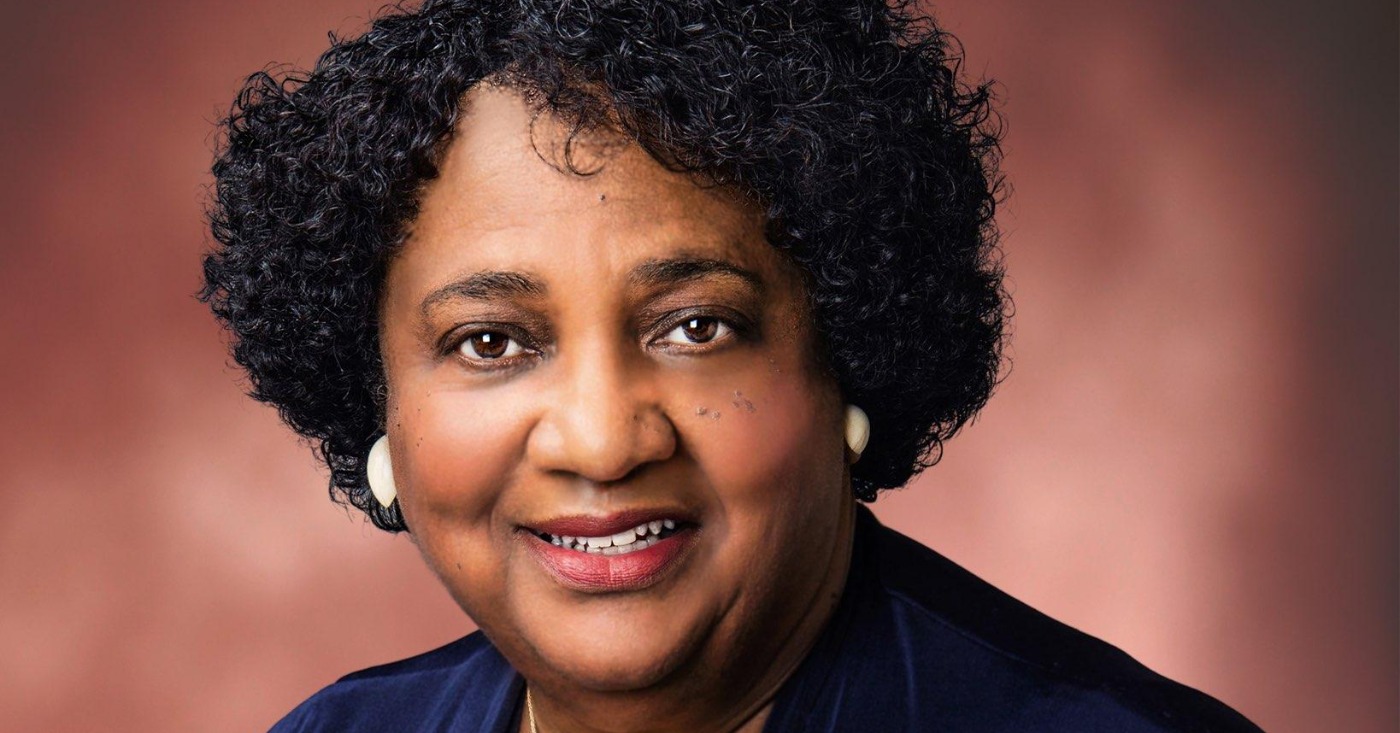
California Secretary of State Shirley N. Weber criticized the U.S. Department of Justice (DOJ) for demanding that state election officials investigate voters suspected of being noncitizens just weeks before the Nov. 3 general election.
“The U.S. DOJ’s relentless efforts to unlawfully gain access to states’ protected voter data and purge voter rolls serve only to cause chaos and fuel public distrust in our elections,” Weber said in an Oct. 14 statement.
Weber said her office received a demand to investigate an unspecified number of individuals the federal government believes are “likely noncitizens.” However, the DOJ did not provide her office with the list and gave California just 48 hours to obtain it, investigate and take action.
The demand comes as the DOJ, working with the Department of Homeland Security (DHS), seeks to block California from counting mail-in ballots from approximately 20,000 registered voters whose citizenship status the federal government has questioned.
“State-facilitated voter fraud is unacceptable in the United States of America,” said U.S. Attorney General Todd Blanche. “If found responsible in a court of law, the State of California will have seriously undermined confidence in our electoral system and violated laws that protect our nation’s representative system of government.”
According to Weber’s office, the Los Angeles County Registrar-Recorder/County Clerk received the federal government’s list on a password-protected thumb drive, with the password written on a sticky note.
Registrar-Recorder/County Clerk Dean C. Logan said his office declined to access the files because the device did not meet established security standards.
“We have not accessed the drive because doing so would conflict with established data privacy and information security protocols,” Logan said. “We do not consider the device a secure medium.”
Weber also challenged earlier federal allegations that California had 190,000 noncitizens on its voter rolls, saying the Trump administration had failed to provide evidence or explain its methodology despite requests from her office.
“California has robust state law requirements that only U.S. citizens can register to vote and that any non-eligible registrants are removed from the state’s voter rolls,” Weber said. “My office and California election officials remain committed – as always – to ensuring a fair and smooth 2026 general election.”
The DOJ’s letters to the California secretary of state and Los Angeles County election officials outline the federal government’s demands.
Education
U.S. Rep. Simon Secures More Than $1 Million for Public Safety at Mills College at Northeastern University Oakland, Surrounding Neighborhood
This week, Congresswoman Lateefah Simon (CA-12) announced $1,031,000 in Community Project Funding (CPF) for Mills College at Northeastern University Oakland (MCNUO). This federal funding will be used to purchase new emergency blue-light phone towers and security cameras that will
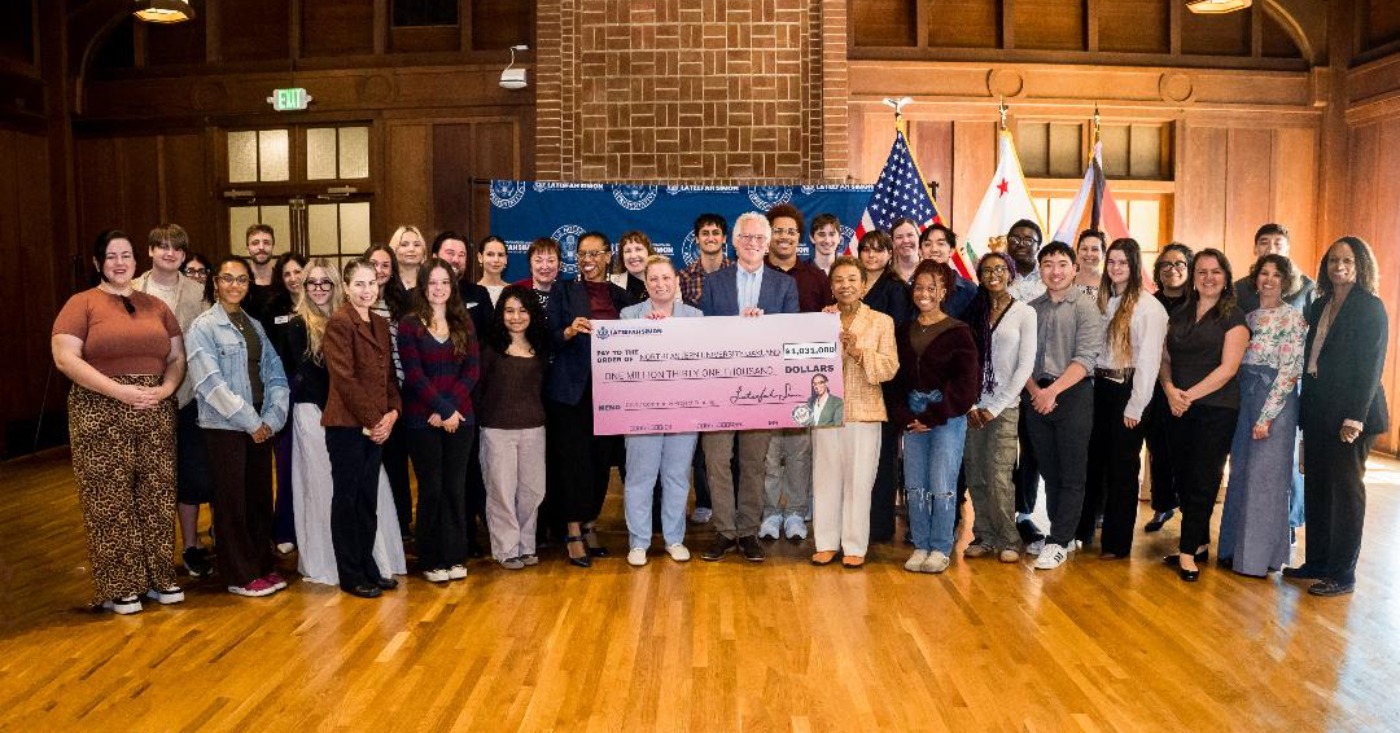
This week, Congresswoman Lateefah Simon (CA-12) announced $1,031,000 in Community Project Funding (CPF) for Mills College at Northeastern University Oakland (MCNUO). This federal funding will be used to purchase new emergency blue-light phone towers and security cameras that will help to improve public safety on campus and in the surrounding community.
Simon announced the funding alongside Oakland Mayor Barbara Lee, Dean of Northeastern University Oakland Dan Sachs, Associated Vice President for Global Site Security Regina Coppa, and other Northeastern University leadership. This federal investment is part of Simon’s commitment to bringing federal resources back to the East Bay and supporting students, educators, and educational institutions who are creating the next generation of leaders in the East Bay.
This Community Project Funding (CPF) is a part of the $11.2 million that Simon secured for 15 projects across the East Bay in Fiscal Year 2026. Each fiscal year, members of Congress can submit Community Project Funding requests for consideration with the House Committee on Appropriations.
“Mills College at Northeastern University is one of the jewels of Oakland. I came to this campus as a student and young, single mother and walked these paths with my child. I know this campus is home to far more than a university.
“It is home to the little ones at the preschool, the girls at Julia Morgan, the neighbors who swim in the pool and walk the trail, and the faculty and workers who keep it all running,” Simon said. “This funding invests in every one of them and in the simple things that make a place safe: light, open paths, updated equipment like call booths.
“NE’s leadership is committed to a campus that takes responsibility for its neighbors as much as its own. Safety is a public good, and that is exactly the kind of investment Oakland deserves. Thank you to Mayor Barbara Lee for her partnership on this funding.”
“This campus changed my life when I came here as a single mother on public assistance, and this million-dollar investment continues that legacy of support by keeping our students, families, and neighbors safe,” said Mayor Barbara Lee. “Before leaving Congress, I requested federal funding for this project, and I am deeply grateful to Congresswoman Lateefah Simon for carrying it forward so we can build the safe, thriving community Oakland deserves.”
“We’re grateful to Congresswoman Lateefah Simon for her leadership in securing this funding for our Oakland campus,” said Renee Jadushlever, vice president for Campus Administration and Strategic Initiatives at Northeastern University. “It’s a place where students learn, do research, build community, and gain real-world experience with our industry partners across the region. This investment will help maintain the safety of our campus community while we continue to welcome our neighbors and deepen our connections across Oakland.”
U.S. Rep. Lateefah Simon’s media relations office is the source of this story.



Oakland Probate Dispute Raises Questions About Court-Ordered Property Transfer and Missing Notice

‘Raising a Child Shouldn’t Break the Bank’: California Is Helping Families Save on Childcare Costs

Secretary of State Shirley Weber Pushes Back Against DOJ Demands Over California Voter Rolls

Chase Launches Fraud & Scam Prevention Month

U.S. Rep. Simon Secures More Than $1 Million for Public Safety at Mills College at Northeastern University Oakland, Surrounding Neighborhood

COMMENTARY: Valarie Bachelor and Jennfier Brouhard are Excellent School Board Members and Deserve to Be Reelected

Oakland Faith Leaders Gather to Revitalize the Interdenominational Ministerial Alliance of Oakland

Statue of ‘La Catrina,’ a Beloved Symbol of Dia de Los Muertos, Visits Oakland

Oakland Honors 60 Years of the Black Panther Party at the All Power to the People Gala

Fate of Bay Area Public Transit Hinges on Regional Transit Measure

Why AC Transit Director Joel Young is My Choice for AC Transit Board Ward 3

Oakland Post: Week of October 21 – 27, 2026

Mayor Barbara Lee Holds Special State of the City Address in Deep East Oakland

Practitioners of African Traditional Spirituality Offer Ancestral Reverence Ritual Oct. 31

It’s Time to Lose Weight Before the Holidays

Misnamed ‘Parent’ PAC Seeks to Influence Oakland School Board Elections

Listening as a Lifeline: A Doula’s Witness to Black Maternal Health

Poll: Becerra Widens His Lead Over Hilton; Californians Split on Wealth Tax

County Office of Education Says OUSD Finances Are Getting Healthier, Materially Stronger

Oakland Post: Week of September 9 – 15, 2026

Doulas Are Helping Black California Moms Navigate Pregnancy–Even as High Mortality Rates Persist

Zakiya Jendayi Arrested, Locked Out of Home by Sheriff’s Deputies

Mayor Lee Announces $1 Million Kaiser Permanente Grant for Pilot Program to Address Homelessness, Clean Up Public Spaces throughout Oakland

Richmond Tiny House Village Farm & Garden Set to Open Gates on Sept. 26

BLACspace Cooperative Invites Bay Area to Experience Oakland’s Black Cultural Ecosystem Through a BLAC Map Tour + Party

OPINION: Nolan Wells’ Death One of Several Signifying Racial Terror Lives on in U.S. South

Latest Massacre in Haiti Reveals Cruelty U.S. Deportations

Oakland People’s Arms Embargo Coalition Demands End to Military Shipments Thru Oakland

Oakland Post: Week of September 16 – 22, 2026

Democratic Clubs Interview Candidates for Oakland School Board

The Conversation With Al McFarlane 6/23/26

Media Monday 6/22/26

LIVE! ASK ALMA! — TUES. 6.23.26 7PM EST

Car Buying Secrets: 4 Hidden Checks Before You Sign!

Is This 550 HP Charger Worth YOUR Money? AutoNetwork Review

Celebrating Juneteenth – Frederick Douglass on education and resistance

LIVE! — ASK ALMA! — TUES. 6.19.26 7PM EST

Hyundai Ioniq 5 Parking, Safety, and 360 View #shorts

2025 Ioniq 5 New Wiper & Powerful Performance! #shorts

Electric SUV Range: Is 259 Miles Enough? #shorts

EV Charging: How Fast Can You Charge an Electric Vehicle? #shorts

Biometric Cooling… Messaging Seats…Come on! 2025 Infiniti QX80 Autograph 4WD

Charged Up: Witness the Magic of a Fully Electric Car! #shorts

Range Rover Sport PHEV Included…: See What’s Inside This Luxury SUV! #shorts

Invisible Hood View: Perfect Parking with X-Ray Vision! #shorts
-
 Black History3 weeks ago
Listening as a Lifeline: A Doula’s Witness to Black Maternal Health
-
 Economy4 weeks ago
Poll: Becerra Widens His Lead Over Hilton; Californians Split on Wealth Tax
-
 Business4 weeks ago
County Office of Education Says OUSD Finances Are Getting Healthier, Materially Stronger
-
 Lead Story3 weeks ago
Zakiya Jendayi Arrested, Locked Out of Home by Sheriff’s Deputies
-
 Art4 weeks ago
BLACspace Cooperative Invites Bay Area to Experience Oakland’s Black Cultural Ecosystem Through a BLAC Map Tour + Party
-
 Business4 weeks ago
From Historic Memories to New Possibilities: Oakland Celebrates Coliseum 60
-
 Community4 weeks ago
Asm. Corey Jackson Announces Launch of 24-Hour Childcare in His District
-
 Black History4 weeks ago
IN MEMORIAM: The Rev. Leon “Sonny” Clark, Longtime Orange County Pastor and Community Leader, Dies at 72

1 Comment