
Coronavirus
As Numbers Spike, California to Begin “Smart Testing” for COVID-19

During Gov. Gavin Newsom’s daily COVID-19 update to Californians on June 26, he announced that the state will begin “smart,” or “targeted” testing, for the disease. He announced the plan after health officials released data last week showing a sharp upturn in the numbers of infected people.
“The next iteration of our testing, we want to see the volume, but it’s not just the volume. We want to see the specificity of testing and the sophistication of the type and target of the testing,” he said.
The governor said the new testing strategy will focus on communities that have “been underserved, under-tested and under-resourced.” But he did not give details about the places the state plans to prioritize.
As of June 27, more than 211,000 confirmed COVID-19 cases have been reported in California. So far, there have been close to 6,000 deaths in the state.
Los Angeles County accounts for close to half of the state’s infections with roughly 90,000 infections and more than 3,200 deaths.
Younger people, between the ages of 18 and 49, account for about 118,900 cases, the majority of infections in the state.
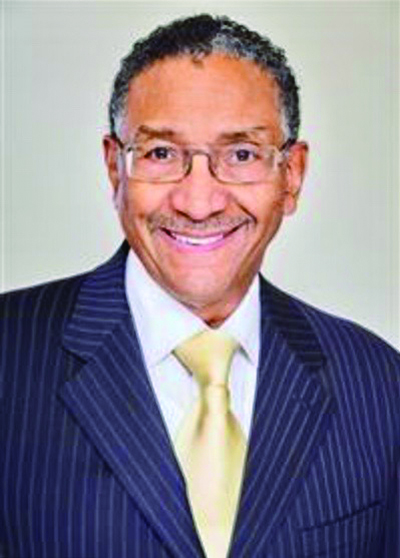
“From my standpoint, the testing has gotten a lot better,” said Dr. Rodney Hood, who is a medical doctor in the San Diego area and former president of both the Golden State Medical Association and the National Medical Association, respectively.
At the onset of the crisis, Hood said, he struggled to bring tests to low-income Black and Hispanic neighborhoods in Southeast San Diego near where his practice is located.
“We have been fortunate in California. I was concerned about the testing at the beginning but the state and most counties have responded in positive ways, and now we are able to get more people tested,” he said. “But we need to do more.”
There have been more than 3.5 million tests administered in the state so far, according to the California Dept. of Public Health (DPH). In one week alone, Newsom said, more than 88,000 people took coronavirus tests across the sate
Hood, who has run his own practice for 40 years, says he recently joined a network of federally qualified clinics called the San Ysidro Health Center. Since he and other doctors set up the two testing centers in his area — one drive-in and the other walk-up — they have tested about 3,000 people in two zip codes in San Diego county,
“We’ve found that once you remove barriers to testing, like demanding appointments people can’t keep because they couldn’t get a day off from work or another reason like that, they will show up. They will come to get tested,” he says.
Hood says the state should focus on zip codes with the highest percentages of infections, most of them are places in the state where there are concentrations of African Americans and Hispanics.
As of June 28, 6,445 Black Californians have tested positive for the disease, and a total of 544 African Americans have died from COVID-19 related complications, according to the DPH. Those numbers account for 4.4% of all cases and 6% of all deaths. Both percentages represent decreases since the state first started collecting racial data when the infection rate among Black people hovered around over 10% and the death rate at about 6 %.
Latinos account for the majority of cases in the state (55.3%) and 36.3% of all deaths.
In his message, Newsom warned Californians that the crisis is getting worse in the state.
“This disease does not take a summer vacation,” he said. “Let us disabuse ourselves of the notion that somehow this is a seasonal disease. I cannot impress on people more as you move, understandably, into more of a festive mode celebrating democracy and freedom, and our independence as a nation, to do so more responsibly.”
Dr. Hood says there is one critical thing the state can do to flatten the curve of new infections.
“We have to implement effective contact tracing,” he says. “We need to have the ability to successfully identify and target where people contract the disease and who they have exposed to it. That is the only way we can bring these numbers down.”












Activism
ESSAY: Technology and Medicine, a Primary Care Point of View
The COVID-19 pandemic, for example, restricted millions of people to their homes, which required reliance on the internet for communication and information. Personal internet searches became essential to understanding information about COVID, human physiology, symptoms, and keeping up with vaccine updates. However, this increase in independent online research resulted in people accessing more misinformation circulating on the internet. This posed a challenge for medical providers trying to treat patients according to research-based guidelines. With so much information within reach, it was difficult for providers to help their patients distinguish between legitimate evidence-based sources and opinion, speculation, and fabrication.


Dr. Adia Scrubb
Special to California Black Media Partners
Technology has enhanced communication between medical professionals and patients; improved patient care management; and eased access to care and information, benefiting both patients and medical clinicians.
However, despite the ease and many conveniences these patient care improvements have ushered in, adequate patient care still includes physician supervision, examinations, and interaction, which present challenges for keeping up with demands on the healthcare system and accurate patient education.
Technology has made more educational resources available at our fingertips, and it has created independence for those who want to know more about their bodies.
The COVID-19 pandemic, for example, restricted millions of people to their homes, which required reliance on the internet for communication and information. Personal internet searches became essential to understanding information about COVID, human physiology, symptoms, and keeping up with vaccine updates. However, this increase in independent online research resulted in people accessing more misinformation circulating on the internet. This posed a challenge for medical providers trying to treat patients according to research-based guidelines. With so much information within reach, it was difficult for providers to help their patients distinguish between legitimate evidence-based sources and opinion, speculation, and fabrication.

Nowadays, patients continuously arm themselves with medical information and challenge clinicians with the research they gather from internet sources to advocate for themselves and their care. This often leaves medical professionals with the complex task of navigating challenging discussions, pointing patients to validated and verified medical information, and following evidence-based medical guidelines for treatment.
Reviewing information before an appointment can certainly make an office visit much more productive, but it is essential to acknowledge the possible bias and limitations of internet searches. Consideration of the author, source, and date of the information may help determine its validity.
Furthermore, simply asking medical professionals for their preferred patient information resources will direct patients to safe and validated information that is in line with standards of care practices. This can help patients better understand the recommendations from their doctors and streamline their internet searches.
Access to individual online medical record information, such as blood tests, MRI reports, and office visit notes, has been a significant expansion of technology in medicine. This digitization of medical information enables and positions patients to take a leading role in managing their care. What used to be multiple sheets of paper in a large file folder is now a click away at any time. Despite these benefits, instant access can be overwhelming for both patients and medical providers, especially since patients, in many instances, can receive their test results online before the physician has had the opportunity to review them.
Patients may review the office visit notes or their lab results out of context or misinterpret information, which can lead to anxiety, confusion, and fear. Clinicians are put in a difficult position when they are not able to suddenly break away from their scheduled office visits to reassure an unscheduled patient about their results and next steps.
Medical providers have tools to assist with identifying sensitive results that need urgent review, and efforts are made to notify anxious patients as soon as possible. However, a patient can be proactive in scheduling a follow-up visit ahead of time to review results with their provider specifically. This can help patients avoid the stress of suddenly trying to get a hold of their doctor when dealing with unclear or concerning results. Normal test results often don’t require explanation, but allowing several days for your provider to work through hundreds of test results before sending messages requesting clarification will help medical professionals prioritize their responses to test results based on medical urgency.
Technological improvements such as online messaging and video/telephone appointments have made access to care much easier both for patients and clinicians. Telephone and video visits have been especially beneficial for patients who are elderly, disabled, or do not have access to transportation. However, the increase — and ease of — access has created much higher demand for physician time both during and outside of the office visit. Test results, patient messages, insurance forms, emails, and medication requests are all pouring in while providers conduct their daily scheduled appointments. Thus, very little time is left in the day for a clinician to respond to every email, fill out every form, and review every lab result when they are responsible for 1,800 or more patients.
This situation, unfortunately, creates a perceived delay in response in a culture where an instant response is expected from messaging and phone calls. But the reality is that the medical provider is constantly playing catch up to thousands of inquiries due to the around-the-clock online access patients now have.
Patients can make the most of their experience and their physician’s time by taking the time to learn their physician’s communication preferences. Despite the multiple modalities of access (telephone, email, video, in-person), a medical provider will have a preferred method of communication with their patients. Some may ask their patients to make an appointment to explain a complex topic, instead of responding to multiple messages. Others may prefer to communicate via phone call if they have to deliver bad news.
There will likely be more medical providers who prefer to communicate only through email or video appointments as remote work becomes more common. If a patient’s communication preferences align with their physician’s preferences, it will create a stronger patient-doctor relationship and foster more effective and impactful communication.
The expansion of technology in medicine has fostered better collaboration, communication, and education between patients and their medical professionals. Combining electronic resources with rapport, mutual respect, and trust for providers will help patients navigate this new landscape of healthcare.
About the Author
Dr. Adia Scrubb, MD, MPP, is a Board-Certified Family Medicine Physician currently practicing in Solano County.

Alameda County
After Years of Working Remotely, Oakland Requires All City Employees to Return to Office by April 7
City Administrator Jestin Johnson recently told city unions that he is ending Oakland’s telecommuting program. The new policy will require employees to come to work at least four days a week. These new regulations go into effect on Feb. 18 for non-union department heads, assistant and deputy directors, managers, and supervisors. All other employees must be back at work by April 7.

By Post Staff
The City Oakland is requiring all employees to return to the office, thereby ending the telecommuting policy established during the pandemic that has left some City Hall departments understaffed.
City Administrator Jestin Johnson recently told city unions that he is ending Oakland’s telecommuting program. The new policy will require employees to come to work at least four days a week.
These new regulations go into effect on Feb. 18 for non-union department heads, assistant and deputy directors, managers, and supervisors. All other employees must be back at work by April 7.
The administration may still grant the right to work remotely on a case-by-case basis.
In his memo to city unions, Johnson said former President Joe Biden had declared an end to the pandemic in September 2022, and that since then, “We have collectively moved into newer, safer health conditions.”
Johnson said “multiple departments” already have all their staff back in the office or workplace.
The City’s COVID-era policy, enacted in September 2021, was designed to reduce the spread of the debilitating and potentially fatal virus.
Many cities and companies across the country are now ending their pandemic-related remote work policies. Locally, mayoral candidate Loren Taylor in a press conference made the policy a central issue in his campaign for mayor.
City Hall reopened for in-person meetings two years ago, and the city’s decision to end remote work occurred before Taylor’s press conference.
At an endorsement meeting last Saturday of the John George Democratic Club, mayoral candidate Barbara Lee said she agreed that city workers should return to the job.
At the same time, she said, the city should allow employees time to readjust their lives, which were disrupted by the pandemic, and should recognize individual needs, taking care to maintain staff morale.
The John George club endorsed Lee for Mayor and Charlene Wang for City Council representative for District 2. The club also voted to take no position on the sales tax measure that will be on the April 15 ballot.
Bay Area
Authorities Warn: There’s a COVID Surge in California
According to data estimates by the Centers for Disease Control and Prevention (CDC), the coronavirus in California’s wastewater has spiked for eight consecutive weeks. Hospitalizations and emergency room visits have also increased since the rise of the new subvariants. Over the last month, Los Angeles County experienced an average of 389 hospital patients per day that tested positive for the coronavirus. The FLiRT subvariants such as KP.3.1.1. Made up over 2% of coronavirus samples nationwide, an increase of more than 7% last month.

By Bo Tefu, California Black Media
California is experiencing a COVID-19 surge this summer, experts warn, as numbers of infections increased for the third month this year.
State public health authorities attribute the summer COVID surge to more infectious subvariants that have emerged as the coronavirus evolves.
Dr. Elizabeth Hudson, regional chief of infectious disease at Kaiser Permanente Southern California, stated that subvariants of COVID-19 called FLiRT increased in recent months, particularly one named KP.3.1.1 that has become the most common strain in the country.
Dr. Peter Chin-Hong, an infectious diseases expert at UC San Francisco, said that the subvariant KP.3.1.1 seems most adept at transmission.
“The subvariant is the one that people think will continue to take over, not only in the United States, but … around the world,” Chin-Hong said.
According to data estimates by the Centers for Disease Control and Prevention (CDC), the coronavirus in California’s wastewater has spiked for eight consecutive weeks. Hospitalizations and emergency room visits have also increased since the rise of the new subvariants. Over the last month, Los Angeles County experienced an average of 389 hospital patients per day that tested positive for the coronavirus. The FLiRT subvariants such as KP.3.1.1. Made up over 2% of coronavirus samples nationwide, an increase of more than 7% last month.
The majority of the people who tested positive for COVID-19 complained of a sore throat and a heavy cough. Risk factors that can increase the illness include age, underlying health issues, and vaccine dosage.
Health experts stated that the demand for the COVID-19 vaccine has increased in Northern California. However, people are having a hard time getting the vaccine due to the increasing number of cases.

WORK FROM HOME
Home-based business with potential monthly income of $10K+ per month. A proven training system and website provided to maximize business effectiveness. Perfect job to earn side and primary income. Contact Lynne for more details: Lynne4npusa@gmail.com 800-334-0540


Black Artists in America, Installation Three Wraps at the Dixon Gallery and Gardens

Grief, Advocacy, and Education: A Counselor Reflects on Black Maternal Health

Future of Florida’s Black History Museum in Limbo

New Research Shows the Many Benefits of Early Learning

South Hampton K-8 Students Among Top 10 Finalists for Samsung’s ‘Solve for Tomorrow’ Competition

Cuba: No Negotiation with US on the President or Political System

Brooklyn Academy of Music Names Jamaican-Born Tamara McCaw as President

Trinidad & Tobego – U.S. Launches WhatsApp Channel for American Citizens in the Country

Oakland Post: Week of March 18 – 24, 2026

AI Innovation vs. Ethics and Environmental Impact

AI, Web3, and Digital Reparations

What If You Owned Your AI Agent?

Season 7, Episode 3 – January Reporter’s Roundtable 📱

Season 7, Episode 3 – January Reporter’s Roundtable

AI, Media, and Power | Part 2, Real-World Impacts and Tradeoffs

Discrimination in City Contracts

Oakland Post: Week of February 11 – 17, 2026

Reflecting on Black History Milestones in Birmingham AL

Rising Optimism Among Small And Middle Market Business Leaders Suggests Growth for California

CITY OF SAN LEANDRO STATE OF CALIFORNIA PUBLIC WORKS DEPARTMENT ENGINEERING DIVISION NOTICE TO BIDDERS FOR ANNUAL STREET OVERLAY/REHABILITATION 2019-21 – PHASE III

Oakland Post: Week of February 18 – 24, 2026

PRESS ROOM: NBA Hall of Fame Nominee Terry Cummings Joins 100 Black Men of DeKalb County to Launch Victory & Values Initiative

Oakland Post: Week of February 25 – March 3, 2026

U.S. manufacturing rebounds – how foundry services are adapting to rising demand

Trump’s MAGA Allies are Creating Executive Order Plan to Steal the 2026 Midterms

OP-ED: One Hundred Years of Black Workers Telling the Truth

Advancements in solar technology that are changing the way we power the world

Chase Oakland Community Center Hosts Alley-Oop Accelerator Building Community and Opportunity for Bay Area Entrepreneurs

Poll Shows Support for Policies That Help Families Afford Child Care

PRESS ROOM: Civil Rights TV Launches in Selma as the World’s First 24/7 Civil Rights Television Network

Hyundai Ioniq 5 Parking, Safety, and 360 View #shorts

2025 Ioniq 5 New Wiper & Powerful Performance! #shorts

Electric SUV Range: Is 259 Miles Enough? #shorts

EV Charging: How Fast Can You Charge an Electric Vehicle? #shorts

Biometric Cooling… Messaging Seats…Come on! 2025 Infiniti QX80 Autograph 4WD

Charged Up: Witness the Magic of a Fully Electric Car! #shorts

Range Rover Sport PHEV Included…: See What’s Inside This Luxury SUV! #shorts

Invisible Hood View: Perfect Parking with X-Ray Vision! #shorts

AI Is Reshaping Black Healthcare: Promise, Peril, and the Push for Improved Results in California

ESSAY: Technology and Medicine, a Primary Care Point of View

Sanctuary Cities

The RESISTANCE – FREEDOM NOW

STATE OF THE PEOPLE: Freddie

ECONOMIC BOYCOTT DAY!!!!!

I told You So

-
 #NNPA BlackPress4 weeks ago
Reflecting on Black History Milestones in Birmingham AL
-
 #NNPA BlackPress4 weeks ago
PRESS ROOM: NBA Hall of Fame Nominee Terry Cummings Joins 100 Black Men of DeKalb County to Launch Victory & Values Initiative
-
 Activism4 weeks ago
Oakland Post: Week of February 25 – March 3, 2026
-
 #NNPA BlackPress4 weeks ago
Trump’s MAGA Allies are Creating Executive Order Plan to Steal the 2026 Midterms
-
 #NNPA BlackPress4 weeks ago
Poll Shows Support for Policies That Help Families Afford Child Care
-

 Activism3 weeks ago
Oakland Post: Week of March 4 – 10, 2026
-

 #NNPA BlackPress3 weeks ago
Woman’s Search for Family’s Roots Leads to Ancestor John T. Ward – A Successful Entrepreneur and Conductor on the Underground Railroad
-

 #NNPA BlackPress3 weeks ago
OP-ED: NNPA Launches 2026 “Leadership Matters” Video Series
