
#NNPA BlackPress
Future of Florida’s Black History Museum in Limbo
JACKSONVILLE FREE PRESS — A proposal sponsored by Tom Leek, a Republican from Ormond Beach, has now passed the Senate in back-to-back legislative sessions. But the House version, filed by Kiyan Michael, a Jacksonville Republican, did not receive final approval in either year, effectively stalling the effort.

Jacksonville Free Press
Plans to establish a long-awaited Black history museum in Florida are once again on hold after legislation needed to advance the project failed to clear the state House for a second consecutive year, despite repeated approval in the Senate.
A proposal sponsored by Tom Leek, a Republican from Ormond Beach, has now passed the Senate in back-to-back legislative sessions. But the House version, filed by Kiyan Michael, a Jacksonville Republican, did not receive final approval in either year, effectively stalling the effort.
Under Florida law, identical or similar bills must pass both chambers before heading to the governor’s desk. Without House approval, the legislation has been unable to move forward, leaving the project in limbo. Long journey, contested location.
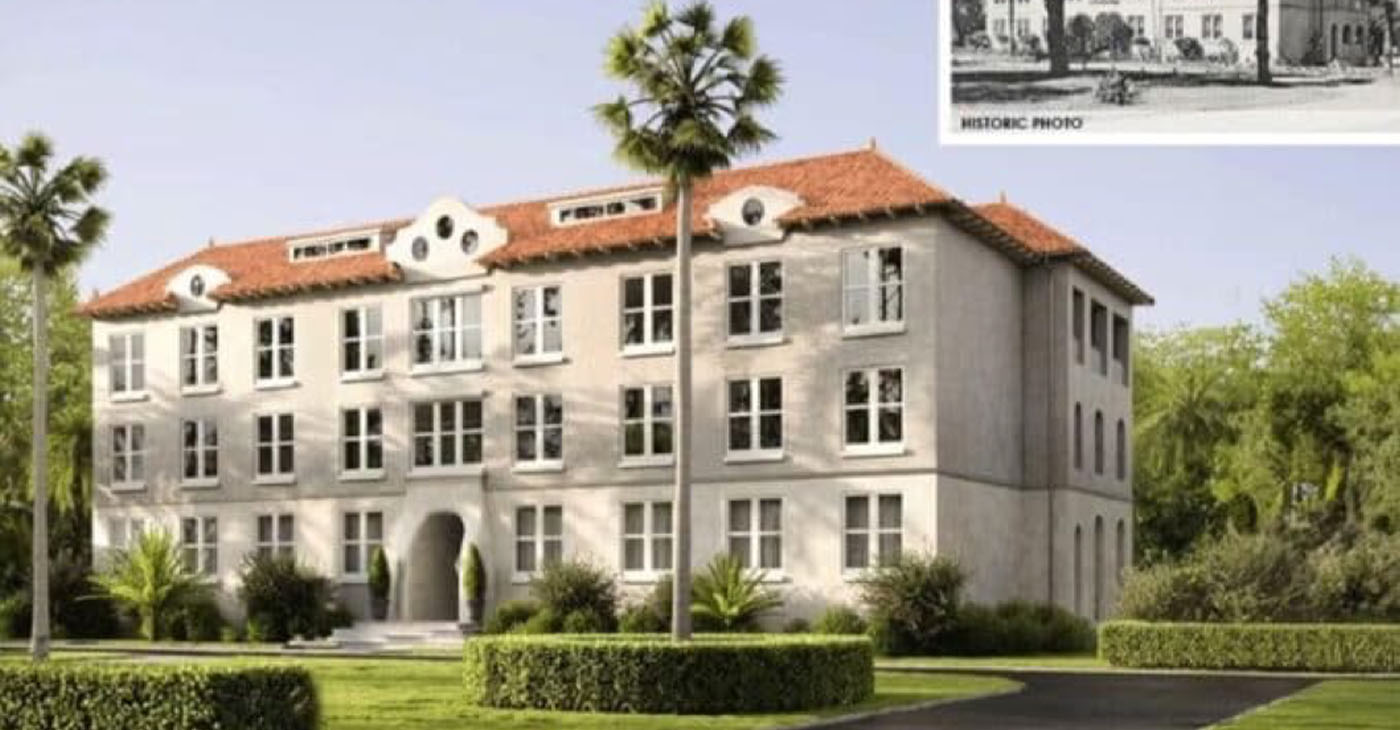
The proposed museum, formally known as the Florida Museum of Black History, has been years in the making, with lawmakers and community leaders framing it as a long-overdue institution to preserve and showcase the state’s African American heritage .A central point of contention has been the museum’s location. St. Augustine — widely recognized as the nation’s oldest city and a site deeply tied to both slavery and early Black history — emerged as the leading contender. Supporters argue the city’s historical significance makes it a natural home for the museum. However, competing interests and regional considerations have fueled debate, slowing consensus among lawmakers.
While the Senate-backed measure has consistently advanced, the lack of alignment in the House has underscored ongoing divisions about how and where the project should take shape.
The holdup in the Florida House appears to be less about opposition to the museum itself and more about a combination of procedural bottlenecks, unresolved structural issues, and lingering disagreements over how the project should be formalized and governed.
Despite the legislative setbacks, Republican Gov. Ron DeSantis has publicly voiced support for the museum. Speaking last month during the unveiling of a statue of abolitionist Frederick Douglass in St. Augustine, DeSantis said the project would move forward “one way or another,” signaling an intent to see the museum built regardless of legislative hurdles.
The anticipated museum has already cleared several hurdles. St. Johns County signed an agreement last year with Florida Memorial University to use the land that once housed its campus last year’s legislative session netted $1 million in funding for St. Johns County to work on planning and design for the museum. However, its anticipated that a million $3 million is needed.
Still, without statutory approval to finalize key components — including governance, funding mechanisms and site selection — the project remains largely conceptual.
With the House bill failing again, the timeline for the museum’s development is unclear. Lawmakers could revisit the proposal in the next legislative session, but any further delays risk pushing the project back several more years. Advocates warn that continued inaction could stall momentum for a museum many see as critical to telling a fuller, more accurate story of Florida’s past. For now, the effort remains paused — caught between political support at the top and legislative gridlock within the Capitol.







#NNPA BlackPress
Lock In Car Price: Avoid Dealer Payment Traps!
Watch the long-form video https://youtu.be/YANxGwD2CjI Don’t get swayed by monthly payments! Always settle the out-of-the-door price first, including all fees. Only then discuss monthly payments, terms, and potential add-ons. #AutoNetwork #CarBuyingTips #CarSales #DealershipSecrets #Negotiation
The post Lock In Car Price: Avoid Dealer Payment Traps! appeared first on BlackPressUSA.

Watch the long-form video
Don’t get swayed by monthly payments! Always settle the out-of-the-door price first, including all fees. Only then discuss monthly payments, terms, and potential add-ons. #AutoNetwork #CarBuyingTips #CarSales #DealershipSecrets #Negotiation
The post Lock In Car Price: Avoid Dealer Payment Traps! appeared first on BlackPressUSA.

#NNPA BlackPress
Sell Your Car: Get Offers BEFORE Visiting Dealerships!
Watch the video https://youtu.be/zJF32l2Fz8I. Before you step onto a lot, get a written offer for your trade-in from CarMax, Carvana, or even a competing dealer. Make them beat it, or they lose your business. Get that number on paper, not just in your head. #AutoNetwork #TradeInTips #CarBuying #Negotiation #SmartShopping
The post Sell Your Car: Get Offers BEFORE Visiting Dealerships! appeared first on BlackPressUSA.

Watch the video
Before you step onto a lot, get a written offer for your trade-in from CarMax, Carvana, or even a competing dealer. Make them beat it, or they lose your business. Get that number on paper, not just in your head. #AutoNetwork #TradeInTips #CarBuying #Negotiation #SmartShopping
The post Sell Your Car: Get Offers BEFORE Visiting Dealerships! appeared first on BlackPressUSA.
#NNPA BlackPress
The Conversation With Al McFarlane 6/23/26
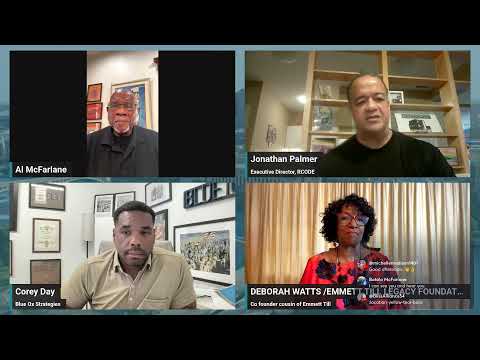
The conversation continues.
The post The Conversation With Al McFarlane 6/23/26 appeared first on BlackPressUSA.
The conversation continues.
The post The Conversation With Al McFarlane 6/23/26 appeared first on BlackPressUSA.

WORK FROM HOME
Home-based business with potential monthly income of $10K+ per month. A proven training system and website provided to maximize business effectiveness. Perfect job to earn side and primary income. Contact Lynne for more details: Lynne4npusa@gmail.com 800-334-0540


A Long Time Coming: School District Kicks Off Massive $97 Million Renovation of West Oakland’s McClymonds High School

IN MEMORIAM: Oakland Dance Legend Reginald Ray-Savage, 67

UC Berkeley Named Top Public University in the U.S. and No. 7 in the World by ‘U.S. News’

NCBW-OBAC Champions Black Women Entrepreneurs at Business en Blaque Expo

Lock In Car Price: Avoid Dealer Payment Traps!

Sell Your Car: Get Offers BEFORE Visiting Dealerships!

The Conversation With Al McFarlane 6/23/26

Media Monday 6/22/26

LIVE! ASK ALMA! — TUES. 6.23.26 7PM EST

Car Buying Secrets: 4 Hidden Checks Before You Sign!

Distracted driving remains a major safety issue on the roads

Understanding the Division of Assets in Divorce Process

Residential Design is Evolving Fast, Modern Lifestyles Are Leading the Charge

Is This 550 HP Charger Worth YOUR Money? AutoNetwork Review

Beyond the Course: Golf Technology is Making the Game More Accessible

Book Review: Books for College-Bound Students

Against All Odds: Mary Jackson’s Journey to NASA Engineer

Q&A with Steven Bradford: Why He Wants Your Vote for California Insurance Commissioner

OPINION: The Fire of Oakland’s Justin Jones

Oakland Mayor Pushes Charter Overhaul to Clarify Roles in City Government, Increase Accountability and Improve Service Delivery

The Ladies of Delta Sigma Theta Hold Day of Advocacy at the Capitol in Sacramento

The Marin City Flea Market Is Back

California Launches Free Diaper Program for Newborns Statewide

EBMUD Enshrines the Legacy of its First Black Board Member William ‘Bill’ Patterson

Mayor Barbara Lee Declares ‘Delroy Lindo Day,’ Presents Acclaimed Actor with Key to the City

How Is AI Affecting California? The State Wants You to Share Your Story

Rep. Kamlager-Dove Introduces Bill to Protect Women in Custody After Reports Detailing Miscarriages and Neglect

Oakland Post: Week of May 6 – 12, 2026

Oakland Post: Week of May 13 – 19, 2026

More and More, Black Californians Are Worried About Rising Costs of Housing, Energy, Food and Gas
The Conversation With Al McFarlane 6/23/26
Media Monday 6/22/26
LIVE! ASK ALMA! — TUES. 6.23.26 7PM EST
Car Buying Secrets: 4 Hidden Checks Before You Sign!
Is This 550 HP Charger Worth YOUR Money? AutoNetwork Review

Celebrating Juneteenth – Frederick Douglass on education and resistance

LIVE! — ASK ALMA! — TUES. 6.19.26 7PM EST

Hyundai Ioniq 5 Parking, Safety, and 360 View #shorts

2025 Ioniq 5 New Wiper & Powerful Performance! #shorts

Electric SUV Range: Is 259 Miles Enough? #shorts

EV Charging: How Fast Can You Charge an Electric Vehicle? #shorts

Biometric Cooling… Messaging Seats…Come on! 2025 Infiniti QX80 Autograph 4WD

Charged Up: Witness the Magic of a Fully Electric Car! #shorts

Range Rover Sport PHEV Included…: See What’s Inside This Luxury SUV! #shorts

Invisible Hood View: Perfect Parking with X-Ray Vision! #shorts
-
 Art2 weeks ago
After 10-Year Wait, Fillmore Heritage Center Reopens in San Francisco
-

 #NNPA BlackPress2 weeks ago
5 Cleveland Police Officers Injured, Gunfire Erupts During East Side Pursuit
-
 Activism4 weeks ago
Oakland Post: Week of May 27 – June 2, 2026
-
 Activism2 weeks ago
Oakland Post: Week of June 3 – 9, 2026
-

 #NNPA BlackPress2 weeks ago
2026 World Cup is Here and Atlanta is Ready For It
-

 #NNPA BlackPress2 weeks ago
COMMENTARY: Using Art, Healing, And Community to Transform Mental Health Dialogue
-
 Arts and Culture2 weeks ago
COMMENTARY: Black Music is the Sound of Black Freedom: Let Us Reclaim Both This Juneteenth
-

 #NNPA BlackPress2 weeks ago
Venus Williams Calls a Sabalenka Exit a Tragedy
