
Bay Area
Murder Convictions Thrown Out After Witness Said OPD Officer Paid to Her to Lie
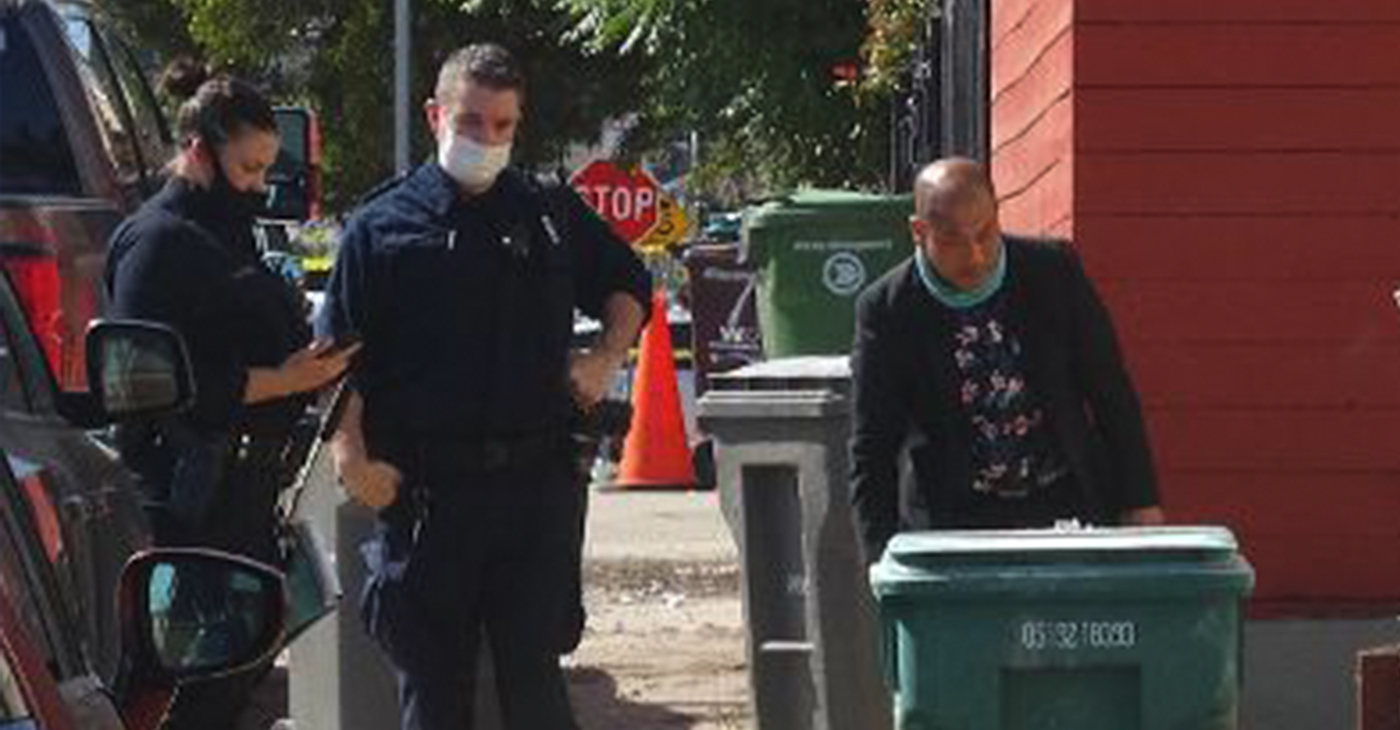
A man who was sentenced to life in prison for a 2011 murder in North Oakland was quietly released from prison last September after a key witness reversed her previous trial testimony, now saying in sworn testimony that she had felt “pressured” to lie on the stand by Oakland police Detective Phong Tran, who secretly paid her thousands of dollars before the trial.

By Ken Epstein
A man who was sentenced to life in prison for a 2011 murder in North Oakland was quietly released from prison last September after a key witness reversed her previous trial testimony, now saying in sworn testimony that she had felt “pressured” to lie on the stand by Oakland police Detective Phong Tran, who secretly paid her thousands of dollars before the trial.
Giovonte Douglas, who had served nine years in prison, was released along with Cartier Hunter, who was also serving a life sentence for the murder.
The case was first made public this week by journalist Darwin BondGraham in Oaklandside, an online newspaper, which reported that it had learned about the case last week from a criminal justice source in Alameda County.
Prosecutors in former DA Nancy O’Malley’s office ultimately agreed to dismiss the case after Detective Tran admitted in court papers to paying the woman. However, he claimed the amount she was paid was much less than the $30,000 she said she received from him.
According to court records, Tran secretly paid her between $1,500 and $2,000, some of it before the trial.
Tran may also have committed perjury, according to news reports. Court records indicate he testified at the trial that he first met the alleged eyewitness, Aisha Weber, in 2013, two years after the shooting. However, Tran acknowledged recently in court documents that he knew Weber well before the 2011 homicide.
“Tran’s pre-existing relationship with the key witness—essentially his confidential informant—and the cash payments he made to her were not disclosed to Douglas’ attorneys before, during, or after his 2016 trial,” according to Oaklandside.
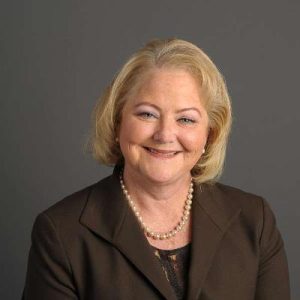
Former Alameda County District Attorney Nancy O’Malley. Official portrait.
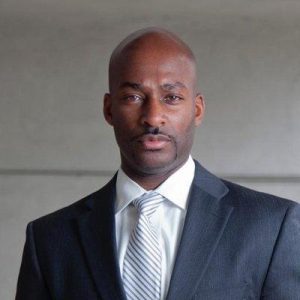
Alameda County Chief Public Defender Brendon Woods. Official portrait.
Detective Tran, a longtime member of the homicide unit, was placed on administrative leave last year in connection with the case but is currently back on duty. In 2021, he earned $427,949.23 in pay and benefits, according to Transparent California.
Matthew Dalton, Douglas’s attorney in the fight to overturn the conviction, said, “I found Detective Tran’s conduct to be shocking,” according to Oaklandside.
“Pretending a witness is simply an unknown Good Samaritan rather than a background informant deprived the prosecution, the defense, and the fact-finders essential information necessary to evaluate her credibility. Similarly, paying a witness is rife with peril. That is why the rules of disclosure are rightly so strict. Secretly paying witnesses is outrageous. In the end, everyone loses: Mr. Douglas, Mr. Hunter, and the family of Charles Butler.”
Butler, a 23-year-old graduate of the Merchant Marine Academy, was shot and killed in 2011, allegedly during an argument over a parking spot in North Oakland. Douglas, 31, and Hunter, 34, were arrested three years later and convicted of murder in 2016.
Weber, the alleged eyewitness, said in her statement that Tran took advantage of her because she was homeless single mother and destitute, pressuring her to testify against the two men.
Alameda County Chief Public Defender Brendon Woods said in a statement reported in the East Bay Times that his office has been “raising alarms” about Tran for years, but that they “fell on deaf ears” during former DA O’Malley’s tenure.
He said his office already has three additional homicide cases where “we raised concerns” about Tran’s ethics.
“We’re hoping things will be different under DA (Pamela) Price and were encouraged when she announced the formation of a Police Accountability Unit,” Woods said to reporters, reported in the East Bay Times.
“We have urged her to investigate Detective Tran’s misconduct and to dismiss all the cases he has worked on — past and present. … How could anyone trust a police officer who keeps secret his relationship with the key witness in a murder case when asked about it in court?”
The Anti Police-Terror Project (APTP) in Oakland also released a statement.
“The Oakland Police Department has and continues to be fraught with corruption and scandals … Incidents like this are exactly why Chief Armstrong needed to be held accountable for his coverup of officer misconduct. This type of behavior is the rule – not the exception,” said Cat Brooks, co-founder of APTP.
“Until we hold these officers accountable, corruption will continue to run rampant, and innocent people will continue to be sent to prison for crimes they did not commit,” Brooks said.
In addition, APTP criticized prosecutors in the case. “Defense attorneys for the exonerated man state that former DA Nancy O’Malley’s office never disclosed that the witness was a paid informant — and public defenders had warned O’Malley’s office about Officer Tran in particular, but she failed to act.











Activism
Oakland Post: Week of September 23 – 29, 2026
The printed Weekly Edition of the Oakland Post: Week of September 23 – 29, 2026

To enlarge your view of this issue, use the slider, magnifying glass icon or full page icon in the lower right corner of the browser window.
Activism
Oakland Post: Week of September 16 – 22, 2026
The printed Weekly Edition of the Oakland Post: Week of September 16 – 22, 2026

To enlarge your view of this issue, use the slider, magnifying glass icon or full page icon in the lower right corner of the browser window.
Activism
Oakland Post: Week of September 9 – 15, 2026
The printed Weekly Edition of the Oakland Post: Week of September 9 – 15, 2026

To enlarge your view of this issue, use the slider, magnifying glass icon or full page icon in the lower right corner of the browser window.



Asm. Corey Jackson Announces Launch of 24-Hour Childcare in His District

IN MEMORIAM: The Rev. Leon “Sonny” Clark, Longtime Orange County Pastor and Community Leader, Dies at 72

Poll: Becerra Widens His Lead Over Hilton; Californians Split on Wealth Tax

From Historic Memories to New Possibilities: Oakland Celebrates Coliseum 60

County Office of Education Says OUSD Finances Are Getting Healthier, Materially Stronger

LIVE FREE Sunday Dinner Brings Faith, Fellowship and Civic Conversation to Oakland

Remembering Chauncey Bailey as Student Journalists Face Threats to Truth-Telling

BLACspace Cooperative Invites Bay Area to Experience Oakland’s Black Cultural Ecosystem Through a BLAC Map Tour + Party

In Wake of Death on Doorstep, Williams Chapel Baptist Church Calls for Better Care, Funding for Unhoused

Oakland Centenarian Nuna McKee Honored!

Caribbean Nations Produce Action Plan Calling for UK Reparations Over Slavery

Oakland Post: Week of September 23 – 29, 2026

Doulas Are Helping Black California Moms Navigate Pregnancy–Even as High Mortality Rates Persist

Newsom Signs Addictive Social Media Law to Protect Kids

On Your November Ballot: Prop 38 Would Allocate $8.4 Billion to Immunology and Immunotherapy Funding

Standoff for Justice: Our Homes Are Worth Fighting For

Oakland Post: Week of August 26 – September 1, 2026

Frontier Airlines’ Return to Oakland Airport Brings Flights, Jobs and Opportunity

Gubernatorial Candidate Steve Hilton Blasts California New Tire Rules; Newsom Hits Back

Chef Sharon Lee Blends Culinary Excellence, Education and Empowerment

Jackie Wright Champions Bay Area Stories, Filmmakers and Cultural Institutions

Big City Mayors Ask for “Yes” Vote on Housing Bond Measure; Conservatives Say “No”

Oakland Coliseum Project Opens Door for Small Businesses to Build Bigger

Gov. Newsom’s Latest Appointees Include Sacramento Advocate for Formerly Incarcerated Students; State’s New Tech Chief

Misnamed ‘Parent’ PAC Seeks to Influence Oakland School Board Elections

Longtime BWOPA Member Brendalyn Goodall Appointed to California Workforce Development Board

Gov. Newsom Signs Law Shielding Immigration Aid Workers From Doxing Threats

Secretary of State Shirley N. Weber Urges Californians to Vote Early as Voter ID Battle Intensifies

Oakland Post: Week of September 2 – 8, 2026

IN MEMORIAM: Dolly Parton Dead at 80 — How She Built a Legacy of Love and Earned Her Place in Black Culture

The Conversation With Al McFarlane 6/23/26

Media Monday 6/22/26

LIVE! ASK ALMA! — TUES. 6.23.26 7PM EST

Car Buying Secrets: 4 Hidden Checks Before You Sign!

Is This 550 HP Charger Worth YOUR Money? AutoNetwork Review

Celebrating Juneteenth – Frederick Douglass on education and resistance

LIVE! — ASK ALMA! — TUES. 6.19.26 7PM EST

Hyundai Ioniq 5 Parking, Safety, and 360 View #shorts

2025 Ioniq 5 New Wiper & Powerful Performance! #shorts

Electric SUV Range: Is 259 Miles Enough? #shorts

EV Charging: How Fast Can You Charge an Electric Vehicle? #shorts

Biometric Cooling… Messaging Seats…Come on! 2025 Infiniti QX80 Autograph 4WD

Charged Up: Witness the Magic of a Fully Electric Car! #shorts

Range Rover Sport PHEV Included…: See What’s Inside This Luxury SUV! #shorts

Invisible Hood View: Perfect Parking with X-Ray Vision! #shorts
-
 Community3 weeks ago
Misnamed ‘Parent’ PAC Seeks to Influence Oakland School Board Elections
-
 Activism4 weeks ago
Oakland Post: Week of September 2 – 8, 2026
-

 Community3 weeks ago
Richmond Tiny House Village Farm & Garden Set to Open Gates on Sept. 26
-

 Activism3 weeks ago
Oakland Post: Week of September 9 – 15, 2026
-

 Black History3 weeks ago
Latest Massacre in Haiti Reveals Cruelty U.S. Deportations
-

 Black History3 weeks ago
OPINION: Nolan Wells’ Death One of Several Signifying Racial Terror Lives on in U.S. South
-

 Community3 weeks ago
Democratic Clubs Interview Candidates for Oakland School Board
-

 Business2 weeks ago
Mayor Lee Announces $1 Million Kaiser Permanente Grant for Pilot Program to Address Homelessness, Clean Up Public Spaces throughout Oakland
