
Health
Software Turns Smartphones into Tools for Medical Research


In this July 2, 2015 photo, asthma sufferer Elizabeth Ortiz, who uses the Asthma Health smartphone app daily to track her condition, poses for photos at her apartment, on New York’s Lower East Side. Ortiz measures her lung power each day by breathing into an inexpensive plastic device and then typing the results into the app, which also asks if shes had difficulty breathing or sleeping, or taken medication that day. (AP Photo/Richard Drew)
Brandon Bailey, ASSOCIATED PRESS
SAN FRANCISCO (AP) — Jody Kearns doesn’t like to spend time obsessing about her Parkinson’s disease. The 56-year-old dietitian from Syracuse, New York, had to give up bicycling because the disorder affected her balance. But she still works, drives and tries to live a normal life.
Yet since she enrolled in a clinical study that uses her iPhone to gather information about her condition, Kearns has been diligently taking a series of tests three times a day. She taps the phone’s screen in a certain pattern, records a spoken phrase and walks a short distance while the phone’s motion sensors measure her gait.
“The thing with Parkinson’s disease is there’s not much you can do about it,” she said of the nervous-system disorder, which can be managed but has no cure. “So when I heard about this, I thought, ‘I can do this.'”
Smartphone apps are the latest tools to emerge from the intersection of health care and Silicon Valley, where tech companies are also working on new ways of bringing patients and doctors together online, applying massive computing power to analyze DNA and even developing ingestible “smart” pills for detecting cancer.
More than 75,000 people have enrolled in health studies that use specialized iPhone apps, built with software Apple Inc. developed to help turn the popular smartphone into a research tool. Once enrolled, iPhone owners use the apps to submit data on a daily basis, by answering a few survey questions or using the iPhone’s built-in sensors to measure their symptoms.
Scientists overseeing the studies say the apps could transform medical research by helping them collect information more frequently and from more people, across larger and more diverse regions, than they’re able to reach with traditional health studies.
A smartphone “is a great platform for research,” said Dr. Michael McConnell, a Stanford University cardiologist, who’s using an app to study heart disease. “It’s one thing that people have with them every day.”
While the studies are in early stages, researchers also say a smartphone’s microphone, motion sensors and touchscreen can take precise readings that, in some cases, may be more reliable than a doctor’s observations. These can be correlated with other health or fitness data and even environmental conditions, such as smog levels, based on the phone’s GPS locater.
Others have had similar ideas. Google Inc. says it’s developing a health-tracking wristband specifically designed for medical studies. Researchers also have tried limited studies that gather data from apps on Android phones.
But if smartphones hold great promise for medical research, experts say there are issues to consider when turning vast numbers of people into walking test subjects.
The most important is safeguarding privacy and the data that’s collected, according to ethics experts. In addition, researchers say apps must be designed to ask questions that produce useful information, without overloading participants or making them lose interest after a few weeks. Study organizers also acknowledge that iPhone owners tend to be more affluent and not necessarily an accurate mirror of the world’s population.
Apple had previously created software called HealthKit for apps that track iPhone owners’ health statistics and exercise habits. Senior Vice President Jeff Williams said the company wants to help scientists by creating additional software for more specialized apps, using the iPhone’s capabilities and vast user base — estimated at 70 million or more in North America alone.
“This is advancing research and helping to democratize medicine,” Williams said in an interview.
Apple launched its ResearchKit program in March with five apps to investigate Parkinson’s, asthma, heart disease, diabetes and breast cancer. A sixth app was released last month to collect information for a long-term health study of gays and lesbians by the University of California, San Francisco. Williams said more are being developed.
For scientists, a smartphone app is a relatively inexpensive way to reach thousands of people living in different settings and geographic areas. Traditional studies may only draw a few hundred participants, said Dr. Ray Dorsey, a University of Rochester neurologist who’s leading the Parkinson’s app study called mPower.
“Participating in clinical studies is often a burden,” he explained. “You have to live near where the study’s being conducted. You have to be able to take time off work and go in for frequent assessments.”
Smartphones also offer the ability to collect precise readings, Dorsey added. One test in the Parkinson’s study measures the speed at which participants tap their fingers in a particular sequence on the iPhone’s touchscreen. Dorsey said that’s more objective than a process still used in clinics, where doctors watch patients tap their fingers and assign them a numerical score.
Some apps rely on participants to provide data. Elizabeth Ortiz, a 48-year-old New York nurse with asthma, measures her lung power each day by breathing into an inexpensive plastic device. She types the results into the Asthma Health app, which also asks if she’s had difficulty breathing or sleeping, or taken medication that day.
“I’m a Latina woman and there’s a high rate of asthma in my community,” said Ortiz, who said she already used her iPhone “constantly” for things like banking and email. “I figured that participating would help my family and friends, and anyone else who suffers from asthma.”
None of the apps test experimental drugs or surgeries. Instead, they’re designed to explore such questions as how diseases develop or how sufferers respond to stress, exercise or standard treatment regimens. Stanford’s McConnell said he also wants to study the effect of giving participants feedback on their progress, or reminders about exercise and medication.
In the future, researchers might be able to incorporate data from participants’ hospital records, said McConnell. But first, he added, they must build a track record of safeguarding data they collect. “We need to get to the stage where we’ve passed the privacy test and made sure that people feel comfortable with this.”
Toward that end, the enrollment process for each app requires participants to read an explanation of how their information will be used, before giving formal consent. The studies all promise to meet federal health confidentiality rules and remove identifying information from other data that’s collected. Apple says it won’t have access to any data or use it for commercial purposes.
Some studies will always require in-person interaction or supervision by a doctor, experts say. But by reaching more people and gathering more data, advocates say smartphone apps can help doctors answer more subtle questions about a disease.
“Diseases like asthma are very complicated. They’re not caused by a single gene or environmental influence,” said Eric Schadt, a genomics professor who’s using an iPhone app to study asthma at New York’s Icahn School of Medicine at Mount Sinai. “The only hope you have of really going further in resolving this disease is for researchers to get to more people.”
Copyright 2015 The Associated Press. All rights reserved. This material may not be published, broadcast, rewritten or redistributed.
###







Black History
Doulas Are Helping Black California Moms Navigate Pregnancy–Even as High Mortality Rates Persist
In California, Black women experience the highest pregnancy-related mortality rate — about four times greater than other women, according to statistics. From 2021 to 2023, the leading causes of pregnancy-related deaths included cardiovascular disease, COVID-19, hemorrhage, sepsis, amniotic fluid embolism, and pulmonary embolism.

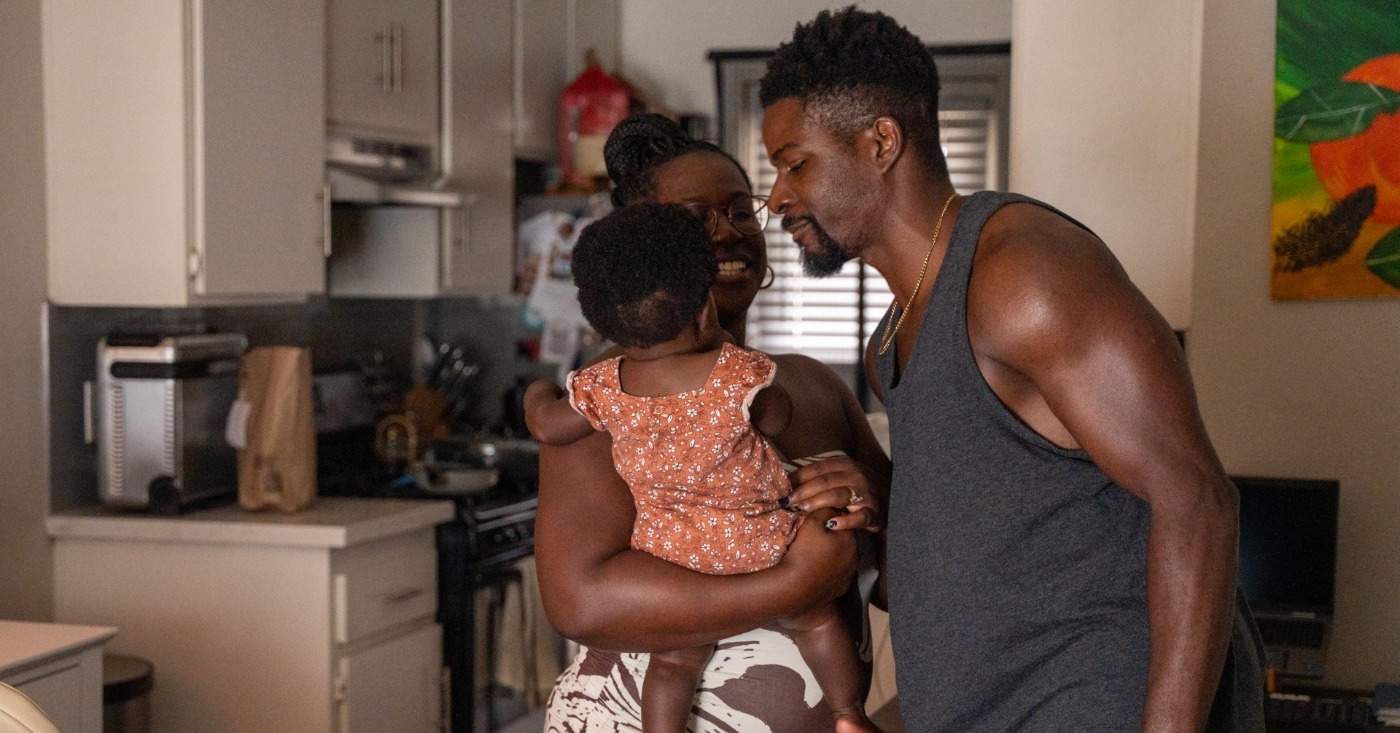
After losing twins, Long Beach resident Cassandra Carter approached the birth of her daughter, Nyomi, last November with anxiety. She wanted support for herself and her husband, Adewole, that extended beyond routine medical care.
“Getting pregnant as a Black woman, I wanted a team around me that made me feel safe,” she said. “I know all about the mishaps that Black women experience.”
Carter, a therapist and self-described hippie, hired Yvette Perry, a doula and co-founder of Divine Birthing Services LLC in Lancaster. Perry helped Cassandra craft a detailed birth plan.
“I was worried about postpartum depression. Mrs. Yvette knows a lot about how postpartum affects men as well,” Carter explained.
Perry was present the day Nyomi was born. She held the baby when Carter or her husband needed a moment and even set up candles in the birthing suite.
“Whatever I needed for my comfort, she was there,” Carter said of Perry. “She was there as an advocate and voice. I had a really serene birthing experience because I had someone extra who wasn’t tied to me as my family.”

Perry, a doula for nearly six years, said preexisting conditions, poor communication and dismissive hospital care heighten health risks for Black mothers.
“Sometimes, Black mommies are not being heard. They don’t know they have rights. They don’t know they can say, ‘no,’” Perry explained. “Doulas empower them. We are there to educate them.”
Perry’s concerns reflect a broader public health crisis. According to the Centers for Disease Control and Prevention’s 2024 maternal mortality report, non-Hispanic Black women in the U.S. died from pregnancy-related causes at a rate of 44.8 deaths per 100,000 live births.
In California, Black women experience the highest pregnancy-related mortality rate — about four times greater than other women, according to statistics. From 2021 to 2023, the leading causes of pregnancy-related deaths included cardiovascular disease, COVID-19, hemorrhage, sepsis, amniotic fluid embolism, and pulmonary embolism.
The Centering Black Mothers in California report found that structural racism — including barriers to high-quality health care, and chronic stress— disproportionately harms Black women.
In a statement to California Black Media (CBM), the California Department of Public Health (CDPH) said maternal mortality disparities stem from multiple factors. The department said addressing structural racism, listening to Black women’s experiences and reducing provider bias are key to closing the gap.
California began covering doula care as a Medi-Cal benefit in 2023, providing eligible patients with support during pregnancy, childbirth and the postpartum period, according to CDPH.
Whitney Dotson of Inglewood wanted an expert on pregnancy, labor, and delivery to guide her and her husband, Anthony, through the birth of their son, Anthony III. So, she hired Perry for doula support.
“It’s always more comfortable when you can have a second opinion,” she said. “Knowing she was better versed in what the options were, made me more comfortable.”
Dotson, 39, had a healthy pregnancy but faced recommendations common for expectant mothers over 35. Her doctor advised inducing labor at 39 weeks, but she hoped to carry to full term.
“I wasn’t comfortable with that,” she admitted.
Perry provided Dotson with information about induction guidelines and alternatives, helping her understand her options and communicate her preferences.
Then, Dotson returned to her doctor.
“I said, ‘I don’t want to — and this is why,’” she recalled. “He agreed and pushed the induction date back a week.”
Perry also advised Anthony on how he could support his wife during and after the pregnancy and during Anthony III’s birth. She also reminded Dotson to change birthing positions — from her back to her hands and knees.
Before Saveneh Martinez became a doula with Fierce Advocates in Contra Costa County, she was a new mom, uneducated on aspects of birth, which led to her first child, Colton, being placed in a Neonatal Intensive Care Unit.
“I didn’t know my choices,” she said.
Martinez called it “lifesaving” for expecting moms to have a doula.
“It should be a medical right,” she said.
California Perinatal Quality Care Collaborative (CPQCC) Senior Associate Medical Director Kimberly D. Gregory said research suggests that doulas decrease the pre-term birth rate and the likelihood of a C-section.
“Having a doula is a proactive thing to do,” she said.
Efforts are being made across the state to reduce maternal deaths.
CDPH’s Title V Action Plan aims to reduce pregnancy-related deaths among Black birthing mothers from 49.7 to 42.3 per 100,000 live births by 2030 through improvements in patient-centered care, expanding community-based perinatal teams, and addressing the social factors that contribute to poor maternal health outcomes.
CDPH’s Black Infant Health (BIH) Program and Perinatal Equity Initiative (PEI) have already begun to make headway.
“BIH’s prenatal group model improves key intermediate outcomes for participants, including increased social support and empowerment, better stress management, reduced depressive symptoms and gains in health knowledge and behaviors such as safe sleep practices and reduced smoking,” the CDPH told CBM.
“PEI’s early implementation results show progress across several participant-reported areas, such as improved birth experiences, breastfeeding initiation, and coparenting skills among fathers and partners,” the CDPH statement continued.
Gregory said the California Pregnancy Associated Review Committee examines maternal deaths and develops guidelines to help hospitals improve care. One of its main recommendations focuses on how hospitals respond to hemorrhaging, a leading cause of pregnancy-related deaths.
Gregory said CMQCC also created standard clinic care practices for cardiovascular disease and sepsis, two more drivers of maternal mortality, but widespread implementation across the state is pending.
She noted that although there are 800 maternal deaths a year in the U.S., there are also 3.6 million births.
“Most people will do well,” she said. “But you should know about complications like preterm birth. You should know about complications like diabetes, preeclampsia and postpartum depression.”
Martinez said doulas help to make birthing the transformative experience that it is, instead of a routine clinical transaction.
“Being able to feel heard, seen, safe, respected, and just being able to create spaces for them to be held as well,” she said.
Supported by the California Health Care Foundation (CHCF), which works to ensure that people have access to the care they need, when they need it, at a price they can afford. Visit www.chcf.org to learn more.

Featured
On Your November Ballot: Prop 38 Would Allocate $8.4 Billion to Immunology and Immunotherapy Funding
“Yes on 38”, with the tagline “Californians for Life-Saving Immunology Research and Cures,” is leading the campaign for the support side of the proposition.
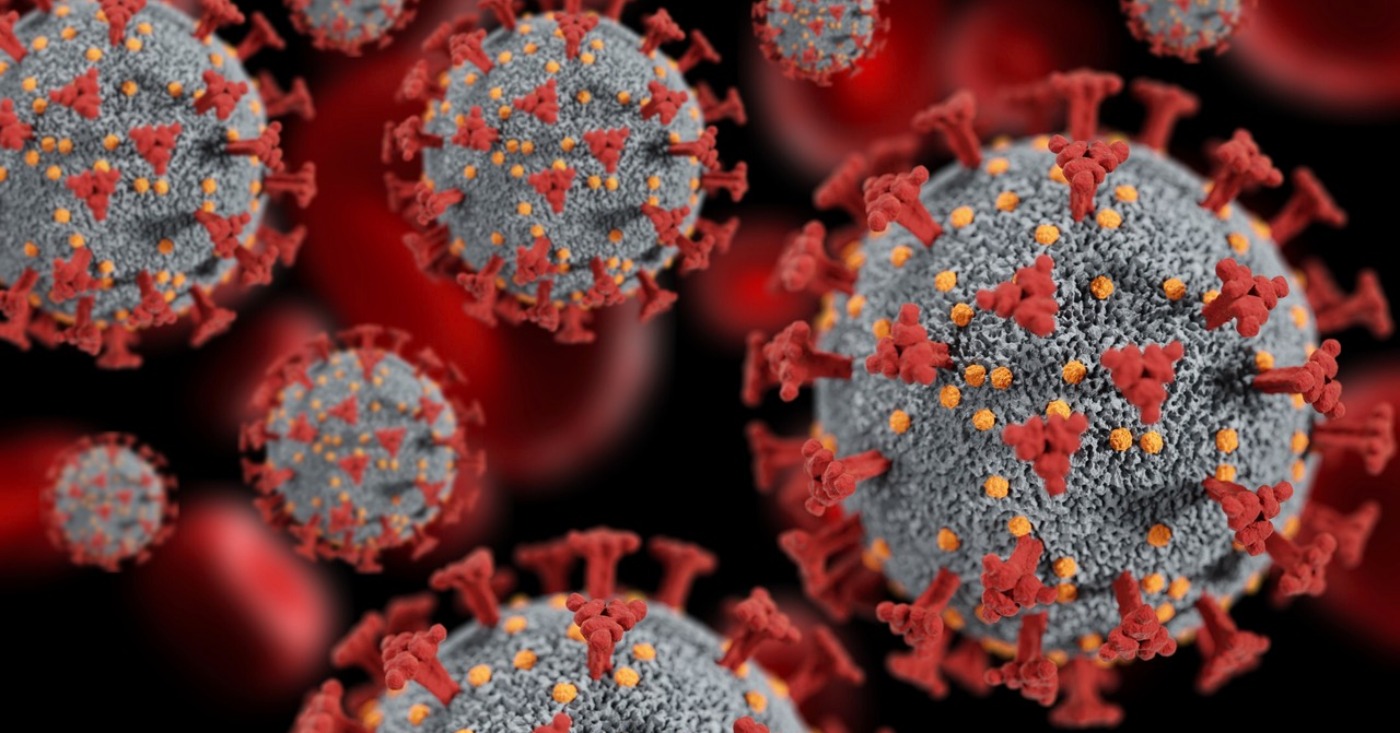
California voters will decide in November whether Proposition (Prop) 38 should authorize substantial state funding for immunology and immunotherapy research.
The initiative would fund immunology and immunotherapy research aimed at harnessing the body’s immune system to develop new treatments, medical procedures and potential cures for diseases such as cancer, Alzheimer’s disease and heart disease.
More specifically, Prop 38, titled the Immunology and Immunotherapy Research Funding Initiative, is split into three main components that would go into effect if passed.
First, the initiative would authorize the state to issue $8.4 billion in general obligation bonds to support immunology and immunotherapy research. At least half of the bond proceeds, or $4.2 billion, would be dedicated exclusively to research.
Additionally, Prop 38 would make it mandatory for the state to enter into an agreement with a qualified nonprofit institute focused and dedicated to researching immunology and immunotherapy within 90 days of the initiative’s effective date. The research institute must be affiliated with the University of California.
The third component mandates that the remaining bond revenue must be directed to California-based public and nonprofit medical institutions through a peer-reviewed grant process.
“Yes on 38”, with the tagline “Californians for Life-Saving Immunology Research and Cures,” is leading the campaign for the support side of the proposition.
Along with the campaign, organizations that have publicly supported the ballot initiative include the California Democratic Party, The ALS Association, Alzheimer’s treatment and advocacy organizations, California Black Health Network, Parkinson Association of Northern California and Reform California among others.
“California has an opportunity to accelerate lifesaving medical breakthroughs. Immunotherapies work differently than traditional treatments. Instead of attacking cells directly, they empower the body’s own immune system to recognize and stop disease. Today, these therapies are already treating certain cancers and chronic conditions — and researchers continue to expand what’s possible. This initiative invests in proven science so cures can move from the lab to patients faster,” said the campaign.
No on Proposition 38 is leading the campaign against the measure, with support from the League of Women Voters of California. Opponents argue that California cannot afford to assume $8.4 billion in debt for medical research that may not produce definitive results. They also object to directing more than half of the bond proceeds — $4.2 billion — to a single qualifying nonprofit research institute, arguing that funding decisions of this magnitude should be made through the state’s regular budget process.
“Medical research can save lives, but Prop 38 is the wrong way to fund it. It would authorize $8.4 billion in borrowing for immunology and immunotherapy research and require the state to make $500 million to $600 million in annual debt payments for about 20 years. Those payments would come from the General Fund, which also pays for schools, health care, and other public services,” the League of Women Voters of California said.
A “yes” vote would authorize $8.4 billion in state bonds to fund immunology and immunotherapy medical research.
A “no” vote would reject the proposed bond funding.
Community
Two Looming Threats Every Alameda County Elder Should Know About
Federal changes enacted under H.R. 1 are bringing new eligibility, reporting, and coverage rules beginning in 2027. Although Californians age 65 and older and people with disabilities are exempt from the new 80-hour-per-month work requirement and will continue with annual rather than six-month renewals, that does not mean elders can ignore the coming changes.

Alameda County elders are urged to attend the Elder Justice Symposium at Oakland City Hall on Sept. 25, from 9 a.m. to 5 p.m., for information that could profoundly affect both their health care and the legacy they hope to leave their families.
For many older adults, a lifetime of hard work has produced two things they understandably want to protect: access to health care while they are living and the home, savings, and other assets they hope to pass to loved ones when they die.
Changes already underway in California make understanding how to protect both increasingly urgent.
The first threat involves Medi-Cal.
Federal changes enacted under H.R. 1 are bringing new eligibility, reporting, and coverage rules beginning in 2027. Although Californians age 65 and older and people with disabilities are exempt from the new 80-hour-per-month work requirement and will continue with annual rather than six-month renewals, that does not mean elders can ignore the coming changes.
California has already reinstated an asset test for certain Medi-Cal recipients age 65 and older, people with disabilities and those needing long-term care. Assets must be reported when applying or renewing coverage.
And another significant change is coming.
Beginning July 1, 2027, California says the Medi-Cal asset limit for affected beneficiaries will fall from $130,000 for one person to just $21,000, and to $31,000 for two people, with certain assets excluded and special rules applying in some circumstances.
There is more. Beginning Jan. 1, 2027, Medi-Cal’s retroactive coverage period will also shrink. For most beneficiaries outside the ACA expansion adult group, coverage of qualifying medical expenses incurred before application will be reduced from three months to two.
For an elder facing hospitalization, long-term care or an unexpected medical crisis, misunderstanding these rules could have enormous financial consequences.
The second threat concerns what happens to everything you worked so hard to acquire.
Many people believe, “I have a will and a living trust, so my family is protected.”
It may not be that simple.
An estate plan is only as effective as the way it has been structured, maintained and implemented. How assets are titled, whether a trust has actually been funded, beneficiary designations, Medi-Cal eligibility and long-term-care planning can all affect whether a person’s wishes are ultimately carried out.
A will by itself does not automatically avoid probate, and simply possessing trust documents does not mean every asset has been properly protected or positioned to pass as intended.
That is why elders should learn the rules before a medical crisis, incapacity or death makes planning far more difficult.
At the Elder Justice Symposium, experts will explain these changes in understandable language and discuss steps that elders and their families should consider now.
Attendees will have an opportunity to learn what questions to ask about Medi-Cal eligibility and renewals, asset limits, estate planning and protecting the legacy they intend for their families.
Do not assume the rules you learned years ago are still the rules governing you today.
Come to Oakland City Hall on Sept. 25, from 9 a.m. to 5 p.m.
Bring your questions. Bring your family. Most importantly, bring a willingness to prepare.
The decisions you make before these changes take full effect could profoundly affect your health care, your financial security, and what remains for the people you love.



Asm. Corey Jackson Announces Launch of 24-Hour Childcare in His District

IN MEMORIAM: The Rev. Leon “Sonny” Clark, Longtime Orange County Pastor and Community Leader, Dies at 72

Poll: Becerra Widens His Lead Over Hilton; Californians Split on Wealth Tax

From Historic Memories to New Possibilities: Oakland Celebrates Coliseum 60

County Office of Education Says OUSD Finances Are Getting Healthier, Materially Stronger

LIVE FREE Sunday Dinner Brings Faith, Fellowship and Civic Conversation to Oakland

Remembering Chauncey Bailey as Student Journalists Face Threats to Truth-Telling

BLACspace Cooperative Invites Bay Area to Experience Oakland’s Black Cultural Ecosystem Through a BLAC Map Tour + Party

In Wake of Death on Doorstep, Williams Chapel Baptist Church Calls for Better Care, Funding for Unhoused

Oakland Centenarian Nuna McKee Honored!

Caribbean Nations Produce Action Plan Calling for UK Reparations Over Slavery

Oakland Post: Week of September 23 – 29, 2026

Doulas Are Helping Black California Moms Navigate Pregnancy–Even as High Mortality Rates Persist

Newsom Signs Addictive Social Media Law to Protect Kids

On Your November Ballot: Prop 38 Would Allocate $8.4 Billion to Immunology and Immunotherapy Funding

Standoff for Justice: Our Homes Are Worth Fighting For

Oakland Post: Week of August 26 – September 1, 2026

Frontier Airlines’ Return to Oakland Airport Brings Flights, Jobs and Opportunity

Gubernatorial Candidate Steve Hilton Blasts California New Tire Rules; Newsom Hits Back

Chef Sharon Lee Blends Culinary Excellence, Education and Empowerment

Jackie Wright Champions Bay Area Stories, Filmmakers and Cultural Institutions

Big City Mayors Ask for “Yes” Vote on Housing Bond Measure; Conservatives Say “No”

Oakland Coliseum Project Opens Door for Small Businesses to Build Bigger

Gov. Newsom’s Latest Appointees Include Sacramento Advocate for Formerly Incarcerated Students; State’s New Tech Chief

Misnamed ‘Parent’ PAC Seeks to Influence Oakland School Board Elections

Longtime BWOPA Member Brendalyn Goodall Appointed to California Workforce Development Board

Gov. Newsom Signs Law Shielding Immigration Aid Workers From Doxing Threats

Secretary of State Shirley N. Weber Urges Californians to Vote Early as Voter ID Battle Intensifies

From Palestine to Oakland: Seeds for Liberation Examines Shared Struggles for Freedom

IN MEMORIAM: Dolly Parton Dead at 80 — How She Built a Legacy of Love and Earned Her Place in Black Culture

The Conversation With Al McFarlane 6/23/26

Media Monday 6/22/26

LIVE! ASK ALMA! — TUES. 6.23.26 7PM EST

Car Buying Secrets: 4 Hidden Checks Before You Sign!

Is This 550 HP Charger Worth YOUR Money? AutoNetwork Review

Celebrating Juneteenth – Frederick Douglass on education and resistance

LIVE! — ASK ALMA! — TUES. 6.19.26 7PM EST

Hyundai Ioniq 5 Parking, Safety, and 360 View #shorts

2025 Ioniq 5 New Wiper & Powerful Performance! #shorts

Electric SUV Range: Is 259 Miles Enough? #shorts

EV Charging: How Fast Can You Charge an Electric Vehicle? #shorts

Biometric Cooling… Messaging Seats…Come on! 2025 Infiniti QX80 Autograph 4WD

Charged Up: Witness the Magic of a Fully Electric Car! #shorts

Range Rover Sport PHEV Included…: See What’s Inside This Luxury SUV! #shorts

Invisible Hood View: Perfect Parking with X-Ray Vision! #shorts
-
 Community2 weeks ago
Misnamed ‘Parent’ PAC Seeks to Influence Oakland School Board Elections
-

 Activism3 weeks ago
Oakland Post: Week of September 2 – 8, 2026
-

 Community2 weeks ago
Richmond Tiny House Village Farm & Garden Set to Open Gates on Sept. 26
-

 Black History2 weeks ago
OPINION: Nolan Wells’ Death One of Several Signifying Racial Terror Lives on in U.S. South
-

 Black History2 weeks ago
Latest Massacre in Haiti Reveals Cruelty U.S. Deportations
-

 Activism2 weeks ago
Oakland Post: Week of September 9 – 15, 2026
-

 Community2 weeks ago
Democratic Clubs Interview Candidates for Oakland School Board
-
 Featured2 weeks ago
‘Ready to See These Bills Become Law’: Sen. Weber’s Package of 15 Bills Advance to Gov. Newsom’s Desk
