
Opinion
Opinion: Reparations Reveals a Sense of “White Fragility”


Editor’s Note: Leo Bazile, a former city councilmember and scholar on reparations issues has published articles in the Post and has proposed that Oakland “remain in the vanguard of direct action and advocacy on the issue.” He says, “The leadership shown by Barbara Lee and Lynette McElhaney makes it possible for the community to participate through a commission to present our plans to congress.”
When Katrina Browne testified before the June 19 congressional hearing on the H.R.40 Reparations Legislation introduced by Rep. Sheila Jackson Lee and co-sponsored by Rep. Barbara Lee, she addressed the very important threshold issue of White Fragility.
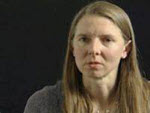
Katrina Browne
She testified about her discovery that she was a descendant of one of the largest and most powerful slave trading families in the history of this country.
Browne said she, as a 27-year old Seminary student studying theology and ethics, received a family history brochure from her grandmother that pointed out that she is a descendant of the De Wolf family of Rhode Island slave traders that brought more enslaved Africans to the Americas than any other U.S. family. Her calm and sincere testimony revealed their family’s relationship of wealth and political power. When she said:
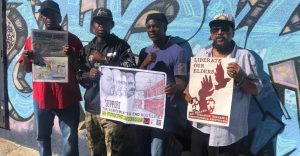
“Over 12,000 men, women and children were taken across the middle passage in their ships.” The family’s leading slave trader, James De’ Wolf, was reported to have become the second richest man in the nation at the time of his death—and he served in the U.S.Senate.”
Browne’s testimony should be read by all who are concerned about the political and moral questions that the Reparations issue raises for the upcoming 2020 elections.
Since Black Democrats are being told by some leaders that raising the Reparations issue could jeopardize the election, Browne’s White Fragility issue rubs up against the political reality of when and how to address this moral imperative.
So is the moral imperative more important to African Americans than who the next president is going to be?
Browne testified:
“I want to acknowledge rightaway that the very idea of this REPARATIONS FOR SLAVERY AND RACISM is to assault their sense of what this nation has been, of how we achieved our national greatness and perhaps even the role their families and communities played in this history. To weigh a national effort at acknowledgement and repair is to discount what they believed were hard sacrifices of previous generations. And to question the sources of their prosperity is to connect them to the history of slavery.”
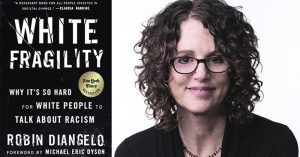
In her New York Times bestseller on the subject of “White Fragility,” Robin Diangelo wrote about how whites enjoy benefits from this separate and unequal society “We are insulated from racial stress, at the same time we can come to feel entitled to and deeply deserving of our advantage. Given how we experience racial discrimination in a society we dominate we haven’t had to build our racial stamina. Socialized into a deeply internalized sense of superiority that we either are unaware of or never admit to ourselves, we become “highly fragile” in conversations about race.
We consider a challenge to our racial worldview as a challenge to our very identities as good, moral people. Thus we perceive any attempt to connect us to the system of racism as an unsettling and unfair moral offense.
“ To connect us to the system of racism triggers a range of defensive responses such as anger, fear and guilt And behaviors such as argumentation, silence and withdrawal from the stress-inducing situation.
These responses work to reinstate white equilibrium as they repel the challenge. They return our racial comfort and maintain our dominance within the racial hierarchy. I conceptualize this process as “White Fragility.”
“ Though white fragility is triggered by discomfort and anxiety, it is born of superiority and entitlement. White fragility is not a weakness per se, in fact, it is a powerful means of white racial control and protection of white advantage,” Di Angelo writes.

Activism
Oakland Post: Week of September 9 – 15, 2026
The printed Weekly Edition of the Oakland Post: Week of September 9 – 15, 2026


To enlarge your view of this issue, use the slider, magnifying glass icon or full page icon in the lower right corner of the browser window.

Activism
Oakland Post: Week of September 2 – 8, 2026
The printed Weekly Edition of the Oakland Post: Week of September 2 – 8, 2026
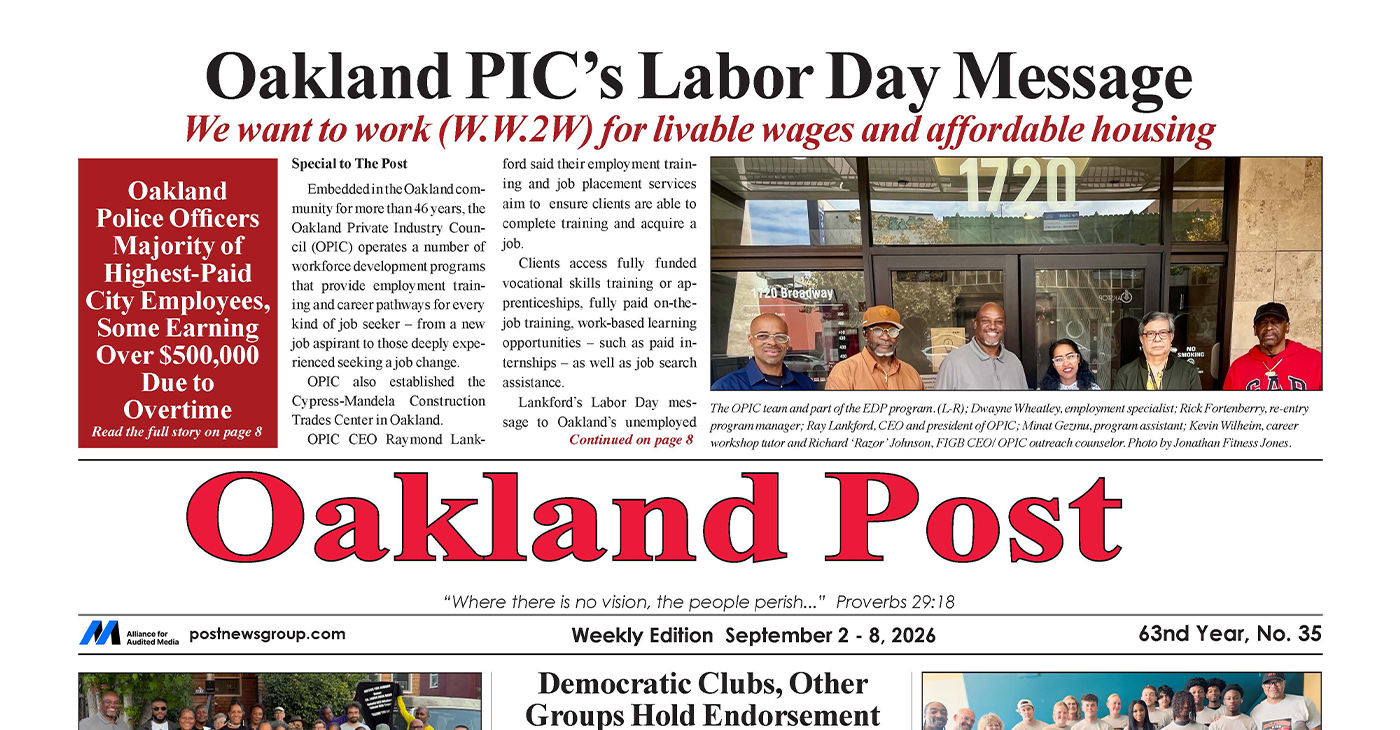
To enlarge your view of this issue, use the slider, magnifying glass icon or full page icon in the lower right corner of the browser window.
Activism
Oakland Post: Week of August 26 – September 1, 2026
The printed Weekly Edition of the Oakland Post: Week of August 26 – September 1, 2026
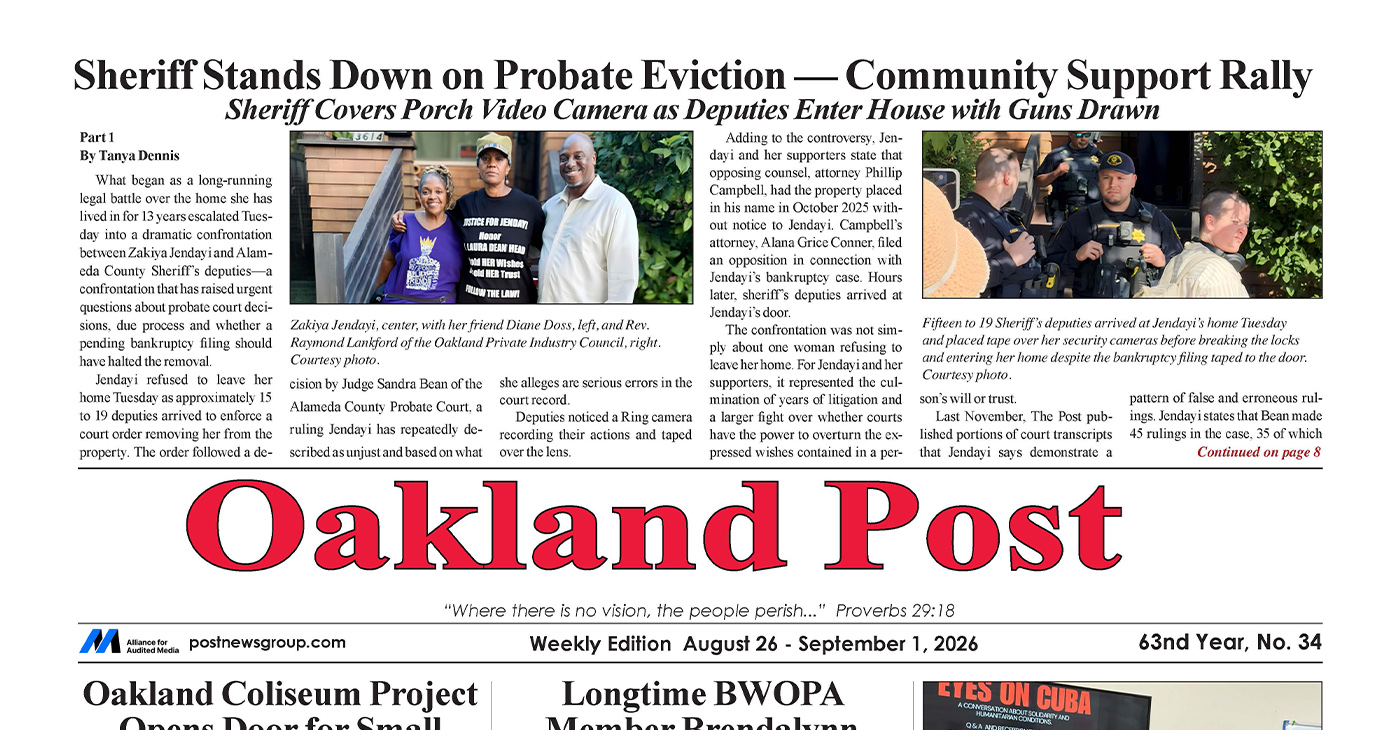
To enlarge your view of this issue, use the slider, magnifying glass icon or full page icon in the lower right corner of the browser window.



Port of Oakland, Army Corps Sign Historic Harbor Design Agreement

Democratic Clubs Interview Candidates for Oakland School Board

Nuna Phillips-McKee Celebrates 100 Years: ‘A Century of Faith, Family and God’s Amazing Grace!’

D.A. Ursula Jones Dickson: Terminix to Pay $3.15 Million Over Illegal Disposal of Pesticides, Customer Records

REPORT: Community Level Policy Is Impacting Homelessness and Drug Abuse in California
OPINION: AI Needs to Know Who Is the Boss
Goldi-Locs and Two (or Three) Bears in the Forest in California Hills

Election Watch 2026: 85% of Eligible Voters in California Are Registered

Don’t Let scammers Crash Your School Year

BOOK REVIEW — Curved Air: A Biography of Sickle Cell Anemia and the Quest to Cure the First Molecular Disease

California’s Legal Cannabis Market Hits $8 Billion as State Touts Progress on Fighting Drugs, Crime

Blacks and Latinos Clash Over LA’s Barrio Run; Mayor Karen Bass Calls for Dialogue Across Racial, Neighborhood Lines

Asm. Smallwood-Cuevas’s Bill Repealing ‘Racist’ CalWORKs ‘Man-in-the-House’ Rule Clears Legislature

Asm. Smallwood-Cuevas’s Bill Repealing ‘Racist’ CalWORKs ‘Man-in-the-House’ Rule Clears Legislature

‘Ready to See These Bills Become Law’: Sen. Weber’s Package of 15 Bills Advance to Gov. Newsom’s Desk

Department of Homeland Security Demands California Secretary of State Shirley N. Weber Scrub Voter Rolls

New Judge Could Decide if Karmelo Anthony Gets a New Trial

“The Power to See Threats Sooner”: Gov. Newsom, Safety Officials Showcase California’s Investments in Hi-Tech Wildfire Prevention

Alpha Kappa Alpha Sorority, Inc. Celebrates New North Atlantic Regional Director

California Sen. Padilla Joins Colleagues to Introduce Bill Imposing Term Limits on Supreme Court Justices

Less Affluent School Districts, Including Sacramento City, Face Threat of State Takeover

Car Wash Workers Cope with Lingering Impacts of ICE Raids

Oakland Post: Week of July 29 – August 4, 2026

How Oakland’s Courtsmith is Scaling its Business and Local Impact

ESSAY: California Can Close Its Colorectal Cancer Gap

Oakland Post: Week of August 5 – 11, 2026

As Part of Your Back-to- School Checklist, Vaccinate

Oakland ‘Port Serves as a Powerful Engine for Good Jobs and Economic Development

Gov. Newsom Signs New Affordable Housing Legislation

Gov. Newsom Announces $109.6 Million in Funding for 278 Supportive Homes in Bakersfield, Contra Costa, Sacramento and Fresno

The Conversation With Al McFarlane 6/23/26

Media Monday 6/22/26

LIVE! ASK ALMA! — TUES. 6.23.26 7PM EST

Car Buying Secrets: 4 Hidden Checks Before You Sign!

Is This 550 HP Charger Worth YOUR Money? AutoNetwork Review

Celebrating Juneteenth – Frederick Douglass on education and resistance

LIVE! — ASK ALMA! — TUES. 6.19.26 7PM EST

Hyundai Ioniq 5 Parking, Safety, and 360 View #shorts

2025 Ioniq 5 New Wiper & Powerful Performance! #shorts

Electric SUV Range: Is 259 Miles Enough? #shorts

EV Charging: How Fast Can You Charge an Electric Vehicle? #shorts

Biometric Cooling… Messaging Seats…Come on! 2025 Infiniti QX80 Autograph 4WD

Charged Up: Witness the Magic of a Fully Electric Car! #shorts

Range Rover Sport PHEV Included…: See What’s Inside This Luxury SUV! #shorts

Invisible Hood View: Perfect Parking with X-Ray Vision! #shorts
-

 Community4 weeks ago
Four Candidates, Including Incumbent Barbara Lee, Qualify for Oakland Mayor’s Race
-

 Commentary2 weeks ago
Standoff for Justice: Our Homes Are Worth Fighting For
-

 Business2 weeks ago
Gubernatorial Candidate Steve Hilton Blasts California New Tire Rules; Newsom Hits Back
-

 Activism2 weeks ago
Oakland Post: Week of August 26 – September 1, 2026
-

 Education2 weeks ago
Gov. Newsom’s Latest Appointees Include Sacramento Advocate for Formerly Incarcerated Students; State’s New Tech Chief
-

 Business2 weeks ago
Frontier Airlines’ Return to Oakland Airport Brings Flights, Jobs and Opportunity
-

 Community2 weeks ago
Big City Mayors Ask for “Yes” Vote on Housing Bond Measure; Conservatives Say “No”
-

 Business2 weeks ago
Oakland Coliseum Project Opens Door for Small Businesses to Build Bigger
