
#NNPA BlackPress
Same Spirit. Same Mission. New Vision.
NNPA NEWSWIRE — Karen is a native Houstonian and is the CEO and Publisher of Houston Forward Times, the South’s largest independently-owned and published newspaper. Her parents always stressed the importance of the Black Press to her, and the value of sustaining its consistent voice.

Karen Carter Richards, Newly Elected Chair of the National Newspaper Publishers Association, Shares Her Vision for the “Original Black Press” of America
By Jeffrey L. Boney, NNPA Newswire Contributor
“You down with O.B.P.? Yeah, you know me!”
That was the chant being sang by many people, as they attended the recent Annual Meeting of the National Newspaper Publishers Association (NNPA), in support of the newly-elected chair of the NNPA, Ms. Karen Carter Richards, publisher of the Houston Forward Times.
Carter Richards was overwhelmingly elected as the new chair of the NNPA in a landslide victory, garnering 78 percent of the vote from her peers.
Running on a theme of “Same Spirit. Same Mission. New Vision.”, Carter Richards emphasized throughout her campaign the importance of the NNPA being fully recognized and identified as the “Original Black Press” of America. Her focus was to build on the foundational and historical standards that have helped the NNPA and its members make a significant impact in this country since its inception, while also strengthening every NNPA member publication to make even more of an impact during the challenging social and political climate in this country.
“I’m a second-generation publisher and my family has been a part of the NNPA for over 50 years,” said Carter Richards during her acceptance speech at the NNPA Annual Convention that was held in Cincinnati, Ohio this past week. “It’s time for a NEW VISION and leadership that goes beyond where we used to be. We are the Black Press of America, the National Newspaper Publishers Association, so when I ask are you down with O.B.P., I am talking about letting people know that we are the ORIGINAL BLACK PRESS, and we aren’t going anywhere!”

The NNPA, a trade organization which represents over 200 Black-owned media companies across the United States, is celebrating 79 years of existence this year, while the Black Press of America is celebrating 192 years since Freedom’s Journal was published as the first Black newspaper in this country in 1827.
Karen is a native Houstonian and is the CEO and Publisher of Houston Forward Times, the South’s largest independently-owned and published newspaper. Her parents always stressed the importance of the Black Press to her, and the value of sustaining its consistent voice.
At the age of seven, Karen’s father, Houston Forward Times founder Julius Carter, put a basket on her bicycle and had her delivering the newspaper in her neighborhood.
As part of her father’s foresight, Karen was exposed to a world of politics, culture and business, which had a lasting impact on her emotional growth and professional development, allowing her to develop a strong work ethic and a sense of timeliness at an early age.
Karen was often told by her mother, and eventual Houston Forward Times publisher Lenora “Doll” Carter, that her father would often say to her that if he died on a Monday, be sure to bury him on that Tuesday and get the paper out.
For Karen, those prophetic words from her father came true, and impacted her family and business on two separate occasions. In 1971, the Houston Forward Times reported a story that subsequently led to their building being bombed. From all of the pressure, Julius Carter died of a massive heart attack four days later. In honoring her husband’s wishes, “Doll” Carter did not miss the next issue and immediately took over the reins of the Houston Forward Times in 1971.
Karen states that her mother was like a drill sergeant, making her arrive early and stay late. She had to learn everything from the front door to the back door, and at the time, she did not realize that “Doll” Carter was preparing her and grooming her for one of the most devastating events in her life. As a result of a massive heart attack on April 10, 2010, “Doll” Carter unexpectedly passed away and just like her mother, Karen had to take over the daily operations of the Houston Forward Times without a traditional transition of power.
Upon taking the mantle, Karen immediately turned the Houston Forward Times into a multi-media powerhouse that continues to remain one of the strongest and most trusted voices for African Americans in the Greater Houston area.
Karen believes the challenges and the adversity she faced as a newly minted publisher, coupled with the things she has learned from being around her fellow NNPA Publishers, have prepared her for her new role as the newly elected chair of the NNPA.
“I’m a Publisher,” said Carter Richards. “After my mother unexpectedly passed away in 2010 and our Editor of 40 years passed away two (2) months after her, I was faced with the responsibility of taking a challenging situation and making it work. I knew it would be hard, but I was up for the challenge. Ten (10) years later, the Forward Times still stands strong and I stand even stronger because of what my parents taught me and because of what I learned from the NNPA publishers. The publishers are my first priority. We must educate, equip and empower all of our NNPA Publishers so they can make an even greater impact in their respective markets.”
Karen will be working with an all-women Executive Board to begin her tenure as NNPA Chair, with Janis Ware (The Atlanta Voice) being elected as First Vice-Chair, Fran Farrer (The County News) as Second Vice-Chair, Brenda H. Edwards (New Journal and Guide) as Treasurer and Jackie Hampton (The Mississippi Link) as Secretary.
Karen expressed her excitement about the future of the NNPA, stating her eagerness to work with her fellow colleagues to move the organization forward, and make sure the organization is in a better position to strengthen all of its member publishers and their respective newspapers.
Some of her top priorities as chair of the NNPA include:
- Educate, Equip and Empower the publishers with the tools to make it easier for them and their sales teams to talk with advertisers and make their newspapers more attractive, not only nationally, but in local markets as well
- Developing a nationwide marketing campaign to highlight every NNPA member newspaper in their respective markets
- Create an Editorial Committee to collectively take on issues that are affecting the Black community across the country
Carter Richards states that there are many more initiatives that she hopes to work with her colleagues to implement, but really wants to focus on doing some immediate things that will help all NNPA member publishers – short and long term.
Jeffrey Boney is a political analyst and frequent contributor for the NNPA Newswire and BlackPressUSA.com and the associate editor for the Houston Forward Times newspaper. Jeffrey is an award-winning journalist, dynamic, international speaker, experienced entrepreneur and business development strategist. Follow Jeffrey on Twitter @realtalkjunkies.














#NNPA BlackPress
2026 Lucid Air Grand Touring Review — Is This $136K EV Sedan Worth It?
AUTONETWORK ON BLACKPRESSUSA — Finished in Stellar White Metallic with the Tahoe Grand Touring interior, this Lucid makes a strong first impression. The shape is sleek and low, but it still feels elegant instead of trying too hard. Features like soft-close doors, powered illuminated door handles, 20-inch Aero Lite wheels, and the Glass Canopy Roof help the car feel expensive before you even start it.

The 2026 Lucid Air Grand Touring is the kind of luxury EV that makes people stop and ask a simple question: Is this really better than a Tesla Model S, Mercedes EQS, or BMW i7? At $136,150, it has to do more than look futuristic. It has to feel special every time you get in it.
Finished in Stellar White Metallic with the Tahoe Grand Touring interior, this Lucid makes a strong first impression. The shape is sleek and low, yet it still feels elegant rather than trying too hard. Features like soft-close doors, powered illuminated door handles, 20-inch Aero Lite wheels, and the Glass Canopy Roof help the car feel expensive before you even start it.
Inside is where the Air Grand Touring really makes its case. The 34-inch Glass Cockpit Display and retractable Pilot Panel screen give the cabin a clean, modern look that still feels different from other EVs. The Tahoe Extended Leather and Lucid Black Alcantara headliner lifts the sense of occasion, and the front seats are a highlight. They are 20-way power-adjustable, heated, ventilated, and include massage. That matters because luxury buyers at this price expect comfort first.

Rear passengers are not ignored either. You get 5-zone heated rear seating, a rear center console display, and power rear and rear side window sunshades. Add in the Surreal Sound Pro system with 21 speakers, and the Air feels like a true long-distance luxury sedan.
Lucid also gives this car serious EV hardware. The dual-motor all-wheel-drive system, 900V+ charging architecture, and Wunderbox onboard charger are big talking points. Buyers in this segment care about range, charging speed, and everyday ease, not just raw performance. That is where the Lucid continues to stand out.
On the technology side, the Air Grand Touring includes DreamDrive Premium, with 3D Surround View Monitoring, Blind Spot Warning, Automatic Park In and Out, Automatic Emergency Braking, and a Driver Monitoring System with distracted and drowsy driver alerts. This one also has DreamDrive Pro, which adds future-capable ADAS hardware.
There are still some real-world annoyances. Based on your notes, the windshield wiper control is hard to find and use, and that matters more than people think in a high-tech car. When controls become less intuitive, even a beautiful interior can feel frustrating.
Still, the 2026 Lucid Air Grand Touring succeeds where it matters most. It feels luxurious, advanced, comfortable, and thoughtfully engineered. For buyers who want an EV sedan that feels truly premium and less common than the usual choices, this Lucid makes a very strong case.
AutoNetwork helps serious car shoppers inspect any new vehicle online before walking into a dealership. I’m Roosevelt — I’ve been reviewing cars and shaping digital car buying and credit union auto leasing since before YouTube car reviews existed.
You’ll find detailed walkaround reviews, POV test drives, and buyer-focused breakdowns covering comfort, space, features, and real-world value.
How to use the channel:
Watch the walkaround of the car you’re considering
Visit AutoNetwork.com for the full review
Check CouponsOffersAndDeals.com for current dealer specials
Walk in already knowing what you want — and what it should cost
Live talk show “AutoNetwork Reports” — Thursdays 3:00 PM ET.
 AutoNetwork.com
 CouponsOffersAndDeals.com
Affiliate disclosure: some links earn a small commission at no cost to you and help support the channel. Insta360 is one of those partners.
#NNPA BlackPress
Snoop Dogg Celebrates 10 Til’ Midnight at the Compound
LOS ANGELES SENTINEL — The album is paired with a film that stars Snoop Dogg, Hitta J3, G Perico, and Ray Vaughn, and one of the strongest elements of the whole project is that the production stayed rooted right here in Los Angeles.

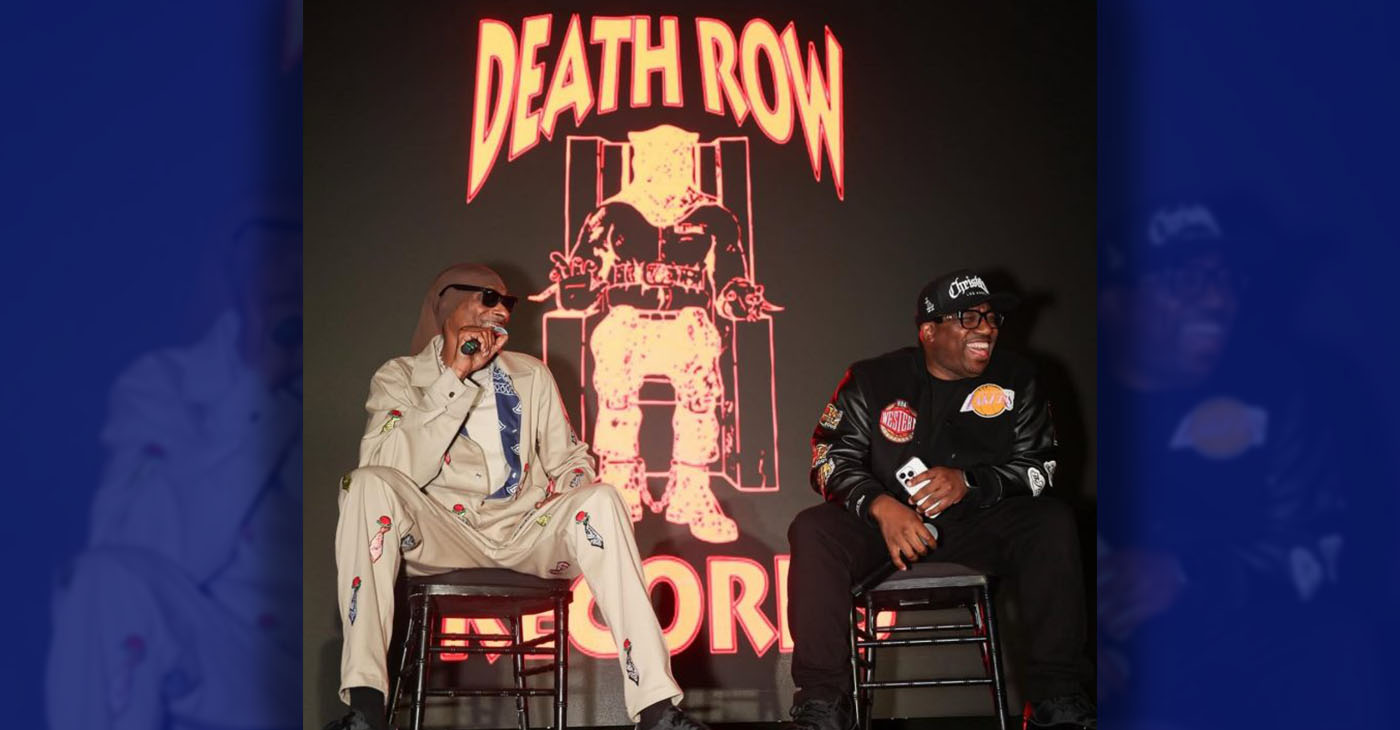
Snoop Dogg celebrated the premiere of 10 Til’ Midnight at his Inglewood recording studio & multipurpose facility, The Compound, but the night felt like much more than an album release. It felt like Los Angeles. It felt like legacy. And it felt like another major move from one of the city’s greatest cultural architects as he continues to prove that he is not just dropping music — he is building moments, shaping narratives, and pushing the culture forward in real time.
What made the event so powerful was the clarity behind the vision. During a panel conversation with DJ Hed, Snoop opened up about the heart behind 10 Til’ Midnight, explaining that the project was created to help bridge older and younger generations while also speaking to the long-standing divisions between Bloods and Crips in a unique way through film. That alone gave the project a different kind of weight. This was not just about songs. This was about using creativity as a tool for connection. This was about taking a story rooted in Los Angeles and telling it in a way that could bring people together.

Snoop Congratulated By Rapper & Fellow 10 Til Midnight Cast Member G Perico (CreativeLB/KreativeKapturez)
The album is paired with a film that stars Snoop Dogg, Hitta J3, G Perico, and Ray Vaughn, and one of the strongest elements of the whole project is that the production stayed rooted right here in Los Angeles. The film was shot in the city, including at WePlay Studios in Inglewood, which gave the entire project an even deeper hometown feel. It was not just a West Coast story in content — it was a Los Angeles-made production from the ground up.
That matters because, in a city like this, authenticity still carries weight. Snoop understands how to make sure that what he creates does not just represent Los Angeles on the surface, but actually comes from it.
What also makes 10 Til’ Midnight significant is that it represents another major step in Snoop’s evolution as both an artist and executive. Public reporting around the project identifies it as his 22nd studio album, but the bigger story is what it represents in this season of his life. This is one of several consecutive moves he has made in his 50s that show he is still building, still expanding, and still finding new ways to reinvent what the next chapter looks like.

Snoop Dogg at the Premiere of 10 Til Midnight (CreativeLB/KreativeKapturez)
Now, as the head of Death Row Records and the newly aligned leader of Death Row Pictures, he is taking the brand into a new dimension. That is what made this moment feel bigger than music. Snoop is not just protecting the legacy of Death Row — he is stretching it. He is expanding it beyond records and into film, visual storytelling, and larger creative worlds that can continue carrying the label’s impact forward. Public reporting has noted that this project arrives as part of that broader cinematic push.
That is a major Los Angeles move because the city has always been built on the intersection of music, film, neighborhood identity, and cultural storytelling. With 10 Til’ Midnight, Snoop is leaning all the way into that intersection.
The room at The Compound reflected that. It felt like a private premiere, but it also felt like a statement — a reminder that Snoop Dogg’s staying power has never been based only on nostalgia. It comes from his ability to remain connected, remain visionary, and remain in tune with how to move the culture without losing the essence of who he is.
That is why this premiere mattered. It was not just about celebrating another album. It was about witnessing a Los Angeles legend continue to evolve, continue to unify, and continue to use art to tell stories that hit deeper than entertainment alone.
In that sense, 10 Til’ Midnight became more than a project launch. It became another example of how Snoop Dogg is still taking Los Angeles to the next level — using music, film, and legacy together to build something bigger than a moment.

#NNPA BlackPress
OP-ED: Small Businesses Need Minnesota to Act on Pass-Through Tax Policy
MINNESOTA SPOKESMAN RECORDER — A Twin Cities immigrant entrepreneur who built several businesses including grocery stores in underserved neighborhoods is calling on Minnesota lawmakers to extend the Pass-Through Entity tax option before it expires, warning that its loss would hit small businesses already recovering from Operation Metro Surge with higher federal tax bills.
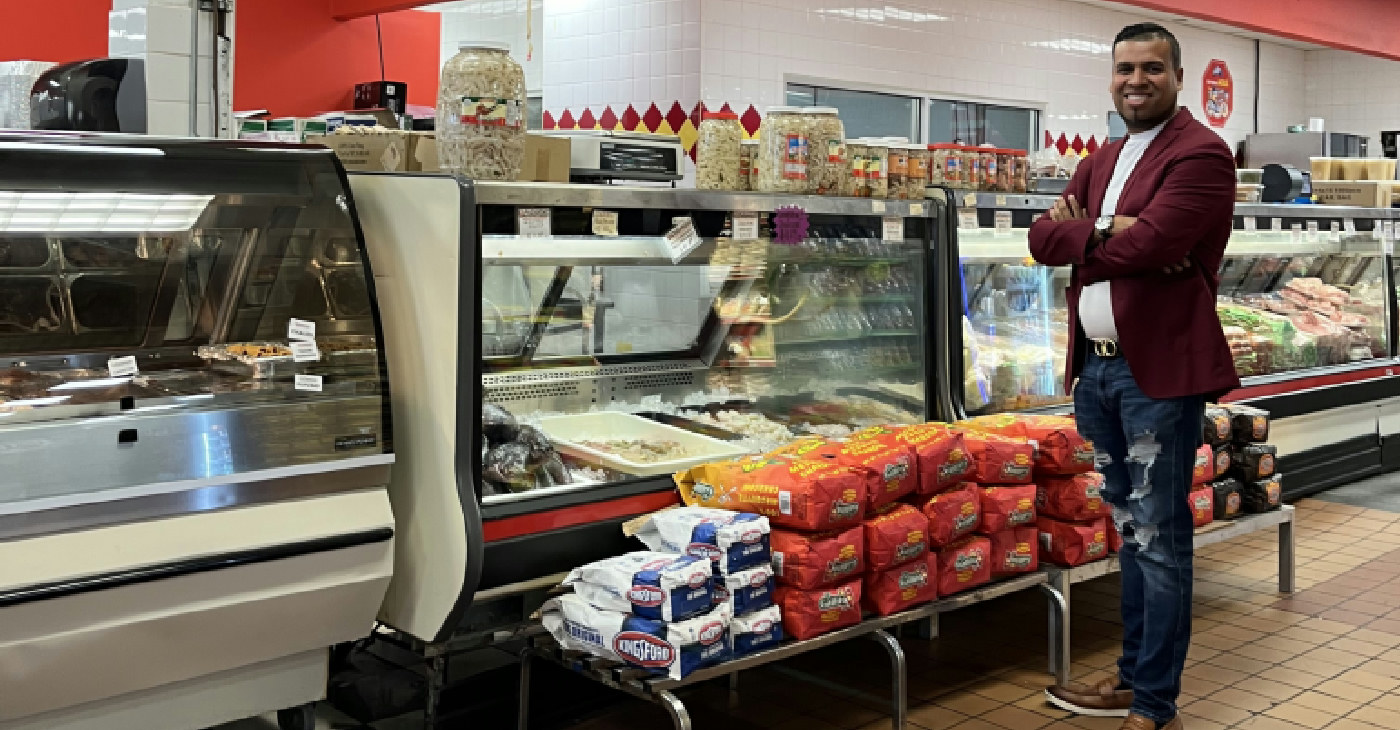
A Twin Cities Small Business Owner Is Urging Minnesota to Extend a Tax Policy That Could Save Thousands of Businesses
By Daniel Hernandez | Minnesota Spokesman Recorder
I came to the United States as a teenager with a clear goal: to build something meaningful through hard work. I put in long days in construction, restaurants, and landscaping; doing whatever it took to learn, save, and eventually start my own business.
Over time, I built and ran several successful ventures, including an event photography company, a magazine, a tax and accounting firm, and now grocery stores serving neighborhoods across the Twin Cities where other retailers chose not to invest. I’ve created jobs, supported families, and committed to communities that deserve stability and opportunity.
That’s why I’m speaking out now.
Small business owners in Minneapolis and the communities we serve are recovering from serious disruptions, including the impacts of Operation Metro Surge. That event hit immigrant communities especially hard. In my own case, I lost nearly half of my 60 employees and saw revenue drop by about 85%. While I worked to provide competitive wages, health benefits, and paid time off, the real hardship fell on the people who lost their jobs and income.
Even as we rebuild, small businesses are facing another challenge. The Minnesota Legislature is considering letting an important tax policy expire: the Pass-Through Entity tax option.
Here’s what that means in plain terms.
Many small businesses, including mine, are pass-through businesses. That means the business itself doesn’t pay income tax. Instead, the owners report the income on their personal tax returns. But under current federal rules, there’s a limit on how much state tax we can deduct. That often leads to higher federal tax bills.
The Pass-Through Entity option fixes that. It allows the business to pay the state tax directly, which means the business can fully deduct those taxes on its federal return and lower the total amount of income taxed federally. The result is straightforward: small business owners pay less in federal taxes, without reducing what the state collects.
This policy is not new or controversial. Thirty-six states already offer it. It doesn’t cost Minnesota anything, it’s revenue neutral. And it benefits more than 66,000 businesses across the state.
In a state where the cost of doing business is already high, it’s hard to understand why we wouldn’t offer the same basic tax treatment as states like California and Illinois.
Small businesses have carried a heavy load in recent years, through a pandemic, rising costs and public safety disruptions. We’ve adapted, reinvested and stayed committed to our communities. What we need now are practical policies that support that work, not make it harder.
If the Minnesota House does not act soon, many businesses will face significantly higher federal tax bills. That’s money that could otherwise be used to hire workers, raise wages or reinvest in local neighborhoods.
I urge Gov. Tim Walz and members of the House Tax Committee to pass House File 3127 and extend the Pass-Through Entity election.
Small businesses are the backbone of our communities. We’ve proven our resilience. Now we need our state leaders to show the same commitment to us.
Daniel Hernandez is the owner of Colonial Market located at 2100 E. Lake St.
Excerpt:
Photo Captions:
Website Tags and SEO Keywords:
Twitter (X) Tags and Handles:


WORK FROM HOME
Home-based business with potential monthly income of $10K+ per month. A proven training system and website provided to maximize business effectiveness. Perfect job to earn side and primary income. Contact Lynne for more details: Lynne4npusa@gmail.com 800-334-0540


Oakland Mayor Pushes Charter Overhaul to Clarify Roles in City Government, Increase Accountability and Improve Service Delivery

The Ladies of Delta Sigma Theta Hold Day of Advocacy at the Capitol in Sacramento

Rep. Kamlager-Dove Introduces Bill to Protect Women in Custody After Reports Detailing Miscarriages and Neglect

Q&A with Steven Bradford: Why He Wants Your Vote for California Insurance Commissioner

OPINION: The Fire of Oakland’s Justin Jones

How Is AI Affecting California? The State Wants You to Share Your Story

California Launches Free Diaper Program for Newborns Statewide

Book Review: Books for College-Bound Students

Asm. Jackson Bill Requiring Anti-Hate Speech Training for Calif. Public Officials Sent to “Suspense File”

More and More, Black Californians Are Worried About Rising Costs of Housing, Energy, Food and Gas

Advocates Rally at State Capitol to Demand Heat Protections for Incarcerated People; More Funding for DV Survivors

Coming to Orinda: A Lecture on Finding the Strength to Heal and Move Past Fear With Divine Love

EBMUD Enshrines the Legacy of its First Black Board Member William ‘Bill’ Patterson

Against All Odds: Mary Jackson’s Journey to NASA Engineer

Supreme Court Voting Rights Ruling Reverberates From the South to California

Oakland Post: Week of April 8 – 14, 2026

Oakland Post: Week of April 1 – 7, 2026

Stanford Health Care Collaborates with Alameda Health System Affiliate, Expanding Access to Care in East Bay

Mayor Barbara Lee Proclaims April 9 as ‘100 Black Men of the Bay Area Day’

Oakland Post: Week of April 15 – 21, 2026

Up to the Job: How San Francisco’s PRC Is Providing Work Opportunities That Turn Into Lasting Stability

Building Bridges of Support: How AAPI Equity Alliance Is Strengthening California’s Anti-Hate Network

IN MEMORIAM: Rest in Power — Minnesota Loses a True Warrior in Yusef Mgeni

Oakland Post: Week of April 22 – 28, 2026

Mamdani Plans City Grocery Store in East Harlem

Revolve Fund to Provide $20,000 to Support Food Access Efforts in Alabama Black Belt

Up to the Job: How San Francisco’s PRC Is Providing Work Opportunities That Turn Into Lasting Stability

Cuban President Vows to Defend the Country Against US Invasion

2026 Mazda CX‑90 PHEV Premium Plus — Luxury SUV or Overpriced Plug‑In? | Walkaround Review

The hidden risks of poor water management in residential properties

Hyundai Ioniq 5 Parking, Safety, and 360 View #shorts

2025 Ioniq 5 New Wiper & Powerful Performance! #shorts

Electric SUV Range: Is 259 Miles Enough? #shorts

EV Charging: How Fast Can You Charge an Electric Vehicle? #shorts

Biometric Cooling… Messaging Seats…Come on! 2025 Infiniti QX80 Autograph 4WD

Charged Up: Witness the Magic of a Fully Electric Car! #shorts

Range Rover Sport PHEV Included…: See What’s Inside This Luxury SUV! #shorts

Invisible Hood View: Perfect Parking with X-Ray Vision! #shorts

AI Is Reshaping Black Healthcare: Promise, Peril, and the Push for Improved Results in California

ESSAY: Technology and Medicine, a Primary Care Point of View

Sanctuary Cities

The RESISTANCE – FREEDOM NOW

STATE OF THE PEOPLE: Freddie

ECONOMIC BOYCOTT DAY!!!!!

I told You So

-
 Alameda County4 weeks ago
Stanford Health Care Collaborates with Alameda Health System Affiliate, Expanding Access to Care in East Bay
-
 Activism4 weeks ago
Mayor Barbara Lee Proclaims April 9 as ‘100 Black Men of the Bay Area Day’
-
 Activism4 weeks ago
Oakland Post: Week of April 15 – 21, 2026
-
 Activism4 weeks ago
Up to the Job: How San Francisco’s PRC Is Providing Work Opportunities That Turn Into Lasting Stability
-
 Activism4 weeks ago
Building Bridges of Support: How AAPI Equity Alliance Is Strengthening California’s Anti-Hate Network
-
 Activism3 weeks ago
Oakland Post: Week of April 22 – 28, 2026
-
 Activism3 weeks ago
Up to the Job: How San Francisco’s PRC Is Providing Work Opportunities That Turn Into Lasting Stability
-
#NNPA BlackPress3 weeks ago
2026 Mazda CX‑90 PHEV Premium Plus — Luxury SUV or Overpriced Plug‑In? | Walkaround Review

1 Comment