
National
Oklahoma’s Hope for Cashing In on Heritage Becomes a Debacle


A picture of what the interior of the unfinished American Indian Cultural Center and Museum will look like one day is on display inside the Museum in Oklahoma City, Tuesday, March 4, 2014. After nearly 10 years and $90 million spent, the states attempt to build the tourism centerpiece a Smithsonian-quality museum of native American culture — has turned into a curious spectacle on full display before hundreds of thousands of motorists who drive by it every day. (AP Photo/Sue Ogrocki, File)
SEAN MURPHY, Associated Press
OKLAHOMA CITY (AP) — Like many states, Oklahoma wants to be a tourist destination. And leaders here believe they have an ideal attraction: Oklahoma’s heritage as the U.S. Indian Territory in the 1800s and as home to 39 tribes.

But after nearly 10 years and $90 million spent, what was to be the centerpiece for a tourism magnet, a Smithsonian-quality museum of Native American culture, has become a costly debacle that had yet to lure its first visitor and is stirring sour feelings among the Indians whose traditions would be portrayed.
Strategically located at the crossroads of two major interstates, and next to Oklahoma City’s glitzy redeveloped downtown entertainment district, sits a modernistic complex of C-shaped buildings that is large enough to fit 30 football fields but only half finished and out of money.
Another $40 million is needed for the project, but the Legislature is balking at paying, in a head-on collision between the state’s tourism ambitions and its increasingly conservative, anti-spending politics.
“The state was too aggressive here and bit off more than it could chew,” said Republican Rep. Jason Murphey, one of many legislators in the GOP-controlled House who opposes more state money for the museum. “And we’re paying for that mistake, but this isn’t the time to double down.”
Even the support of the state’s Republican governor, Mary Fallin, and the state Senate and an earlier pledge of $40 million in mostly private funds haven’t broken the stalemate, which will confront the Legislature when it reconvenes next month.
In another twist, the recent swoon in oil prices may now make any appropriation harder to get, even though the price drop has underscored the need to diversify the state’s energy-dependent economy.
“Our caucus has brainstormed on some different ideas, and I don’t have an answer today about what that looks like,” said House Speaker Jeffrey Hickman.
The vision for the Indian attraction began in the 1980s when oil prices collapsed from more than $35 per barrel to below $10. Oil and gas production taxes accounted for more than one-third of the state-appropriated budget at the time.
Studies projected that a Native American cultural center could bring in up to 225,000 visitors and $190 million annually. The Legislature approved a series of bond issues to pay for it.
The museum would weave together the stories of the dozens of tribes forced by the U.S. government to move out of the path of white expansion in other regions to the remote prairies of what is now Oklahoma. The forced removals included the notorious “Trail of Tears,” in which more than 17,000 Cherokees were marched overland from their ancestral home in Georgia. An estimated 4,000 died during the trek.
About 120,000 Indians overall were resettled here before the territory itself was gradually opened to white settlers in a series of land runs beginning in the late 1880s.
Oklahoma — named after the Choctaw word for “red people” — has a story ripe for presentation to visitors, according to historians and museum experts.
“Because of the unprecedented and unequalled assemblage of Indian nations in Oklahoma, it’s a very unique story and one that is national in scope,” said Kevin Gover, director of the Smithsonian National Museum of the American Indian in Washington, D.C.
The Smithsonian has offered a major loan of artifacts from its huge Native American collection.
The museum’s ambitious design features several huge galleries, a multipurpose theater and a gathering space dubbed the Hall of the People. Towering stone walls at one entrance were built with thousands of individual stones that symbolized the tribes’ journeys to Oklahoma. The site includes a 90-foot-tall earthen mound visible for miles, inspired by the mound building Native American cultures.
But the project didn’t get the federal funds its backers expected, and the Legislature, which grew more conservative in recent elections, wouldn’t approve another bond issue.
Although the Indian history portrayed is one of struggle and loss, many Native Americans in Oklahoma welcomed the tribute and have been put off by the political fight, especially suggestions that the tribes themselves put up the needed money — beyond the $20 million they’ve already kicked in — to finish what was always a state project.
“I don’t understand why it hasn’t been completed,” said Kelly Haney, a renowned Native American artist and former chief of the Seminole Nation of Oklahoma. “I’ve never lost my faith in the fact that the cultural center will be built. I still think it will. I just don’t know how.”
___
Follow Sean Murphy at www.twitter.com/apseanmurphy
Copyright 2015 The Associated Press. All rights reserved. This material may not be published, broadcast, rewritten or redistributed.







Community
Four Candidates, Including Incumbent Barbara Lee, Qualify for Oakland Mayor’s Race
POST NEWS GROUP — Four candidates, including incumbent Mayor Barbara Lee, filed their papers to run for office by last Friday’s deadline, and the City Clerk issued a list this week of those who are qualified to run.

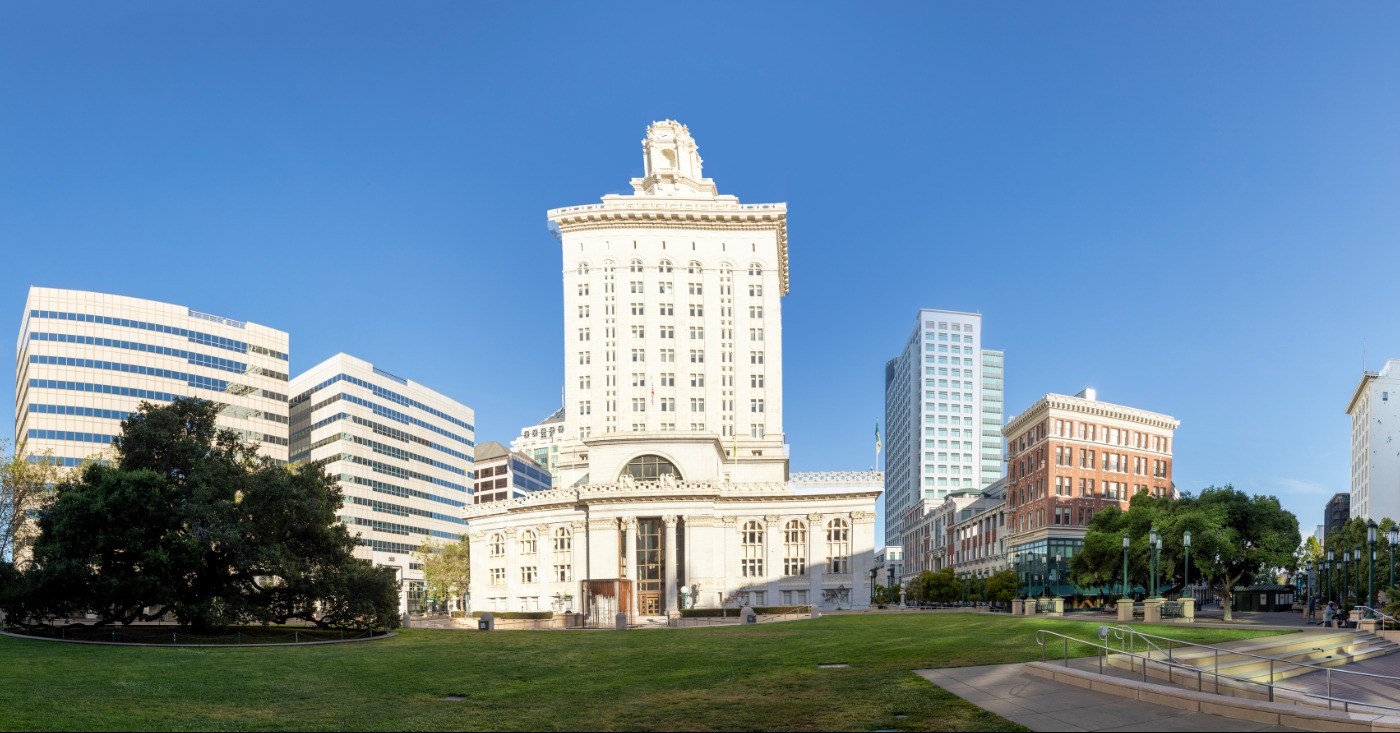
The four mayoral candidates who will appear on the Nov. 3 ballot are:
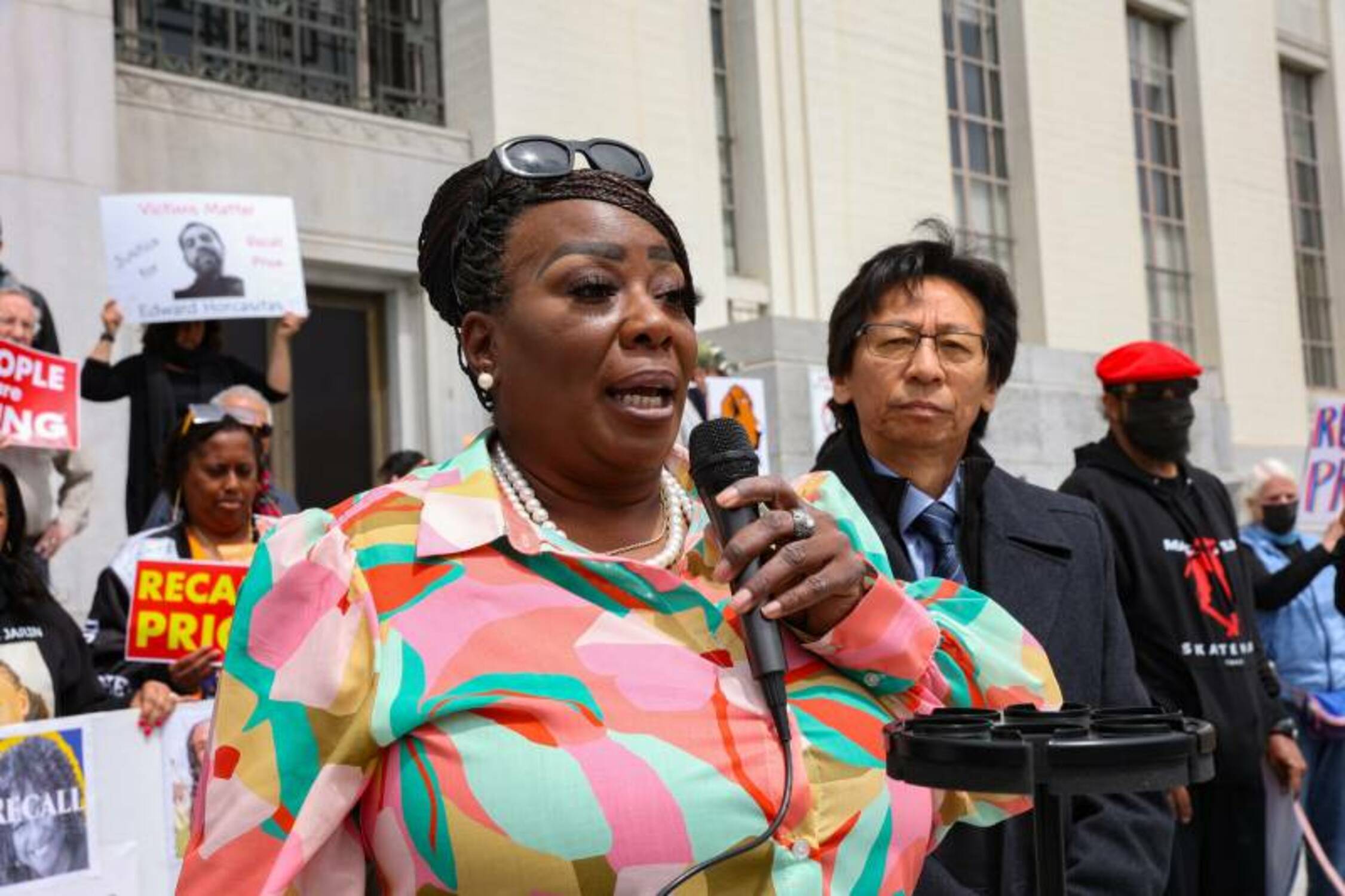
Brenda Grisham. A business owner in East Oakland and public safety advocate, Grisham led the successful recall campaign against Alameda County District Attorney Pamela Price. As part of her platform, she pledges to work with local, state, and federal partners to secure stricter gun control measures and investments in community violence intervention programs.
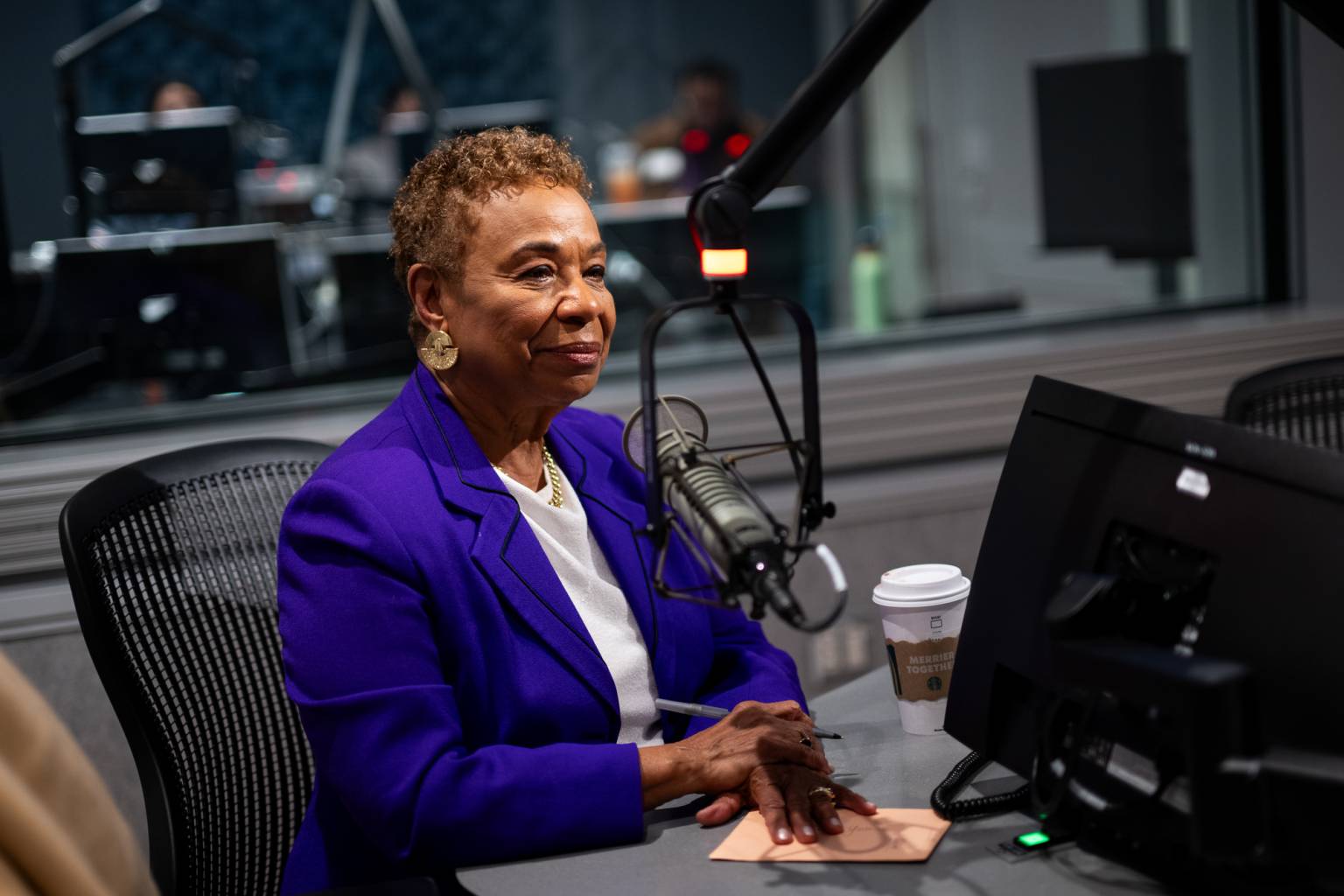
Barbara Lee. A former congressional representative and state Assembly member, Lee was elected by voters in a special election last year for a two-year term. Now running for a four-year term, she points out that her administration achieved major successes in addressing some of the city’s major challenges, including balancing the city budget, dramatically reducing crime, and making significant inroads into homelessness and illegal dumping.
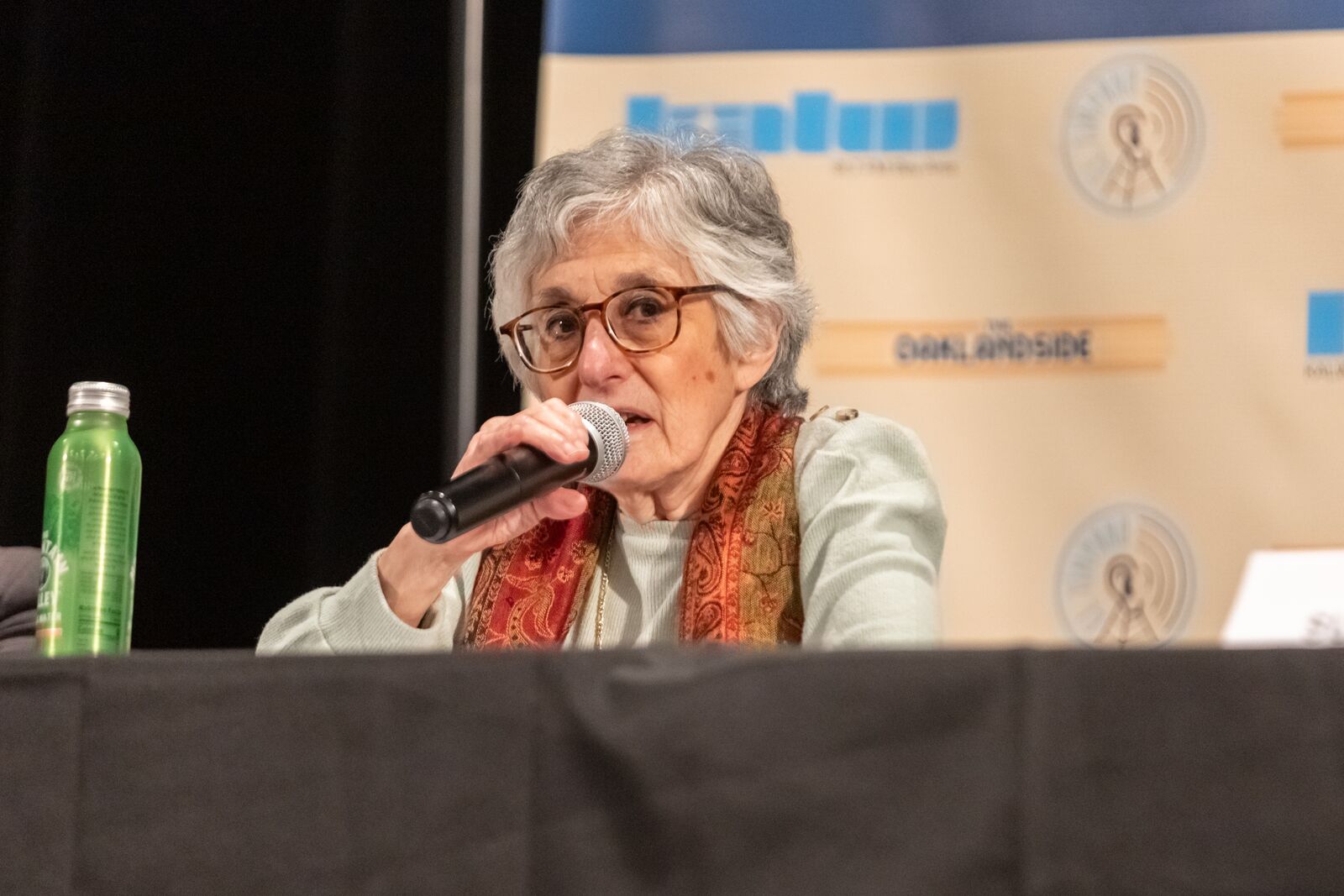
Mindy Pechenuk. An educator and activist, Pechenuk is a registered Republican and supporter of Lyndon LaRouche, who has been described by observers as a conspiracy theorist and cult leader. She ran unsuccessfully for mayor in last year’s special election and for the at-large council seat in 2024. She seeks to end Oakland’s police commission and MACRO and invest in more police while launching a new local war on drugs.

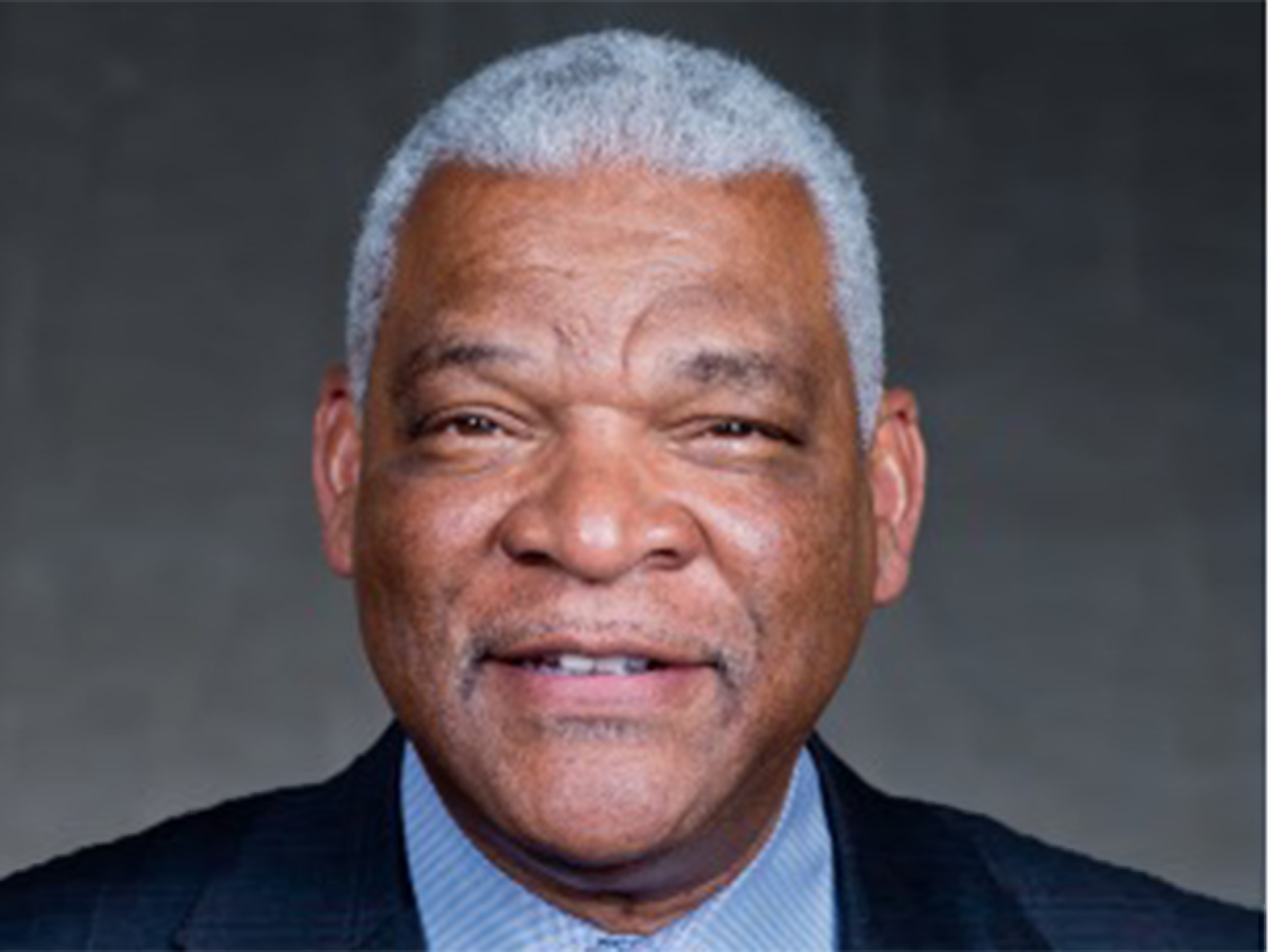
Julius Robinson. While little information is available so far about Robinson, he was quoted in a KTVU story about Thao’s recall, stating that people in Oakland want to come together as a community but lack infrastructure and leadership.

Black History
Oakland Observes Black August with Block Parties, Film Showings, Workshops
POST NEWS GROUP — Beginning in 1979 in San Quentin State Prison, the Black Guerrilla Family called for the remembrance of political prisoner George Jackson and his brother Jonathan Jackson who were assassinated in the early 1970s. George Jackson was considered a political prisoner in that it was the anti-Black justice system that led to his incarceration for armed robbery with a sentence of one year-to-life in 1960.

Study. Train. Fast. Fight.
These are the four tenets of Black August, a month dedicated to commemorating the sacrifices of political prisoners and Black revolutionaries in the struggle for Black liberation.
Observers are urged to study the history of the Black struggle for freedom, train their bodies for health and self-defense, fast to cleanse the mind, body, and spirit, and fight ongoing oppression alongside their communities and local political organizations.
Beginning in 1979 in San Quentin State Prison, the Black Guerrilla Family called for the remembrance of political prisoner George Jackson and his brother Jonathan Jackson who were assassinated in the early 1970s. George Jackson was considered a political prisoner in that it was the anti-Black justice system that led to his incarceration for armed robbery with a sentence of one year-to-life in 1960.
While in prison, George befriended fellow prisoner W.L. Nolen, who introduced him to the works of Karl Marx, Vladimir Lenin, Mao Zedong, and Frantz Fanon. This radicalization coupled with his experiences of violence while imprisoned led to him writing and publishing two books, “Soledad Brother” (1970), and “Blood in my Eye” (1972). In January of 1970, George and two other prisoners were charged with murdering a corrections officer at Soledad State Prison in Monterey County.
On Aug. 7, 1970, Jonathan Jackson burst into a Marin County courtroom armed with a shotgun to demand the freedom of the Soledad Brothers. He, along with the inmates he freed, was shot and killed while driving away. This involved one of the Black Panther Party’s most notable associates, Angela Davis, because the shotgun was registered in her name. She was later acquitted of charges of conspiracy, kidnapping, and murder in 1972.
On Aug. 21, 1971, George Jackson was assassinated by a corrections officer after attempting to escape and free other inmates. As a result, there were uprisings and protests within prisons all over the country that year, calling forth resistance against racial oppression and mass incarceration.
Since its outset, Black August has evolved across the country, taking many forms to honor this history and embody the four tenets.
In Oakland, the upcoming Black August Experience, hosted by Youth Alive! and the East Oakland Boxing Association (EOBA), is a free, family-friendly event celebrating the legacy of Black August. Activities include free food and drinks, a kids’ activity zone, interactive workshops, live cooking and boxing demonstrations, and more.
Happening on Aug. 21 from 4-8 p.m. at the EOBA Patio, Carolyn Flynn, director of administration at EOBA, said the event, in its second year, will be an opportunity to engage with people in person through food, shared space, and education.
“We do regular classes in education, and those are ongoing programs that we offer, but we wanted to have [an opportunity] for our neighbors to utilize this space.” Combined with Youth Alive’s work in community violence prevention and youth leadership, this event surely aims to bring the Oakland community together to capture what Black August means today.
Here are additional Black August events happening in Oakland:
Forum and Community Discussion hosted by the Oakland Liberation Center, 1499 Fruitvale Ave., Aug. 14, 7 p.m.
“George Jackson/San Quentin” Screening hosted by Nostalgic for Nothing Cinema at Moments Co-Op, 410 13th St., Aug. 16, doors at 6 p.m., show at 6:30 p.m. (Masks required and scent-free)
Commemorating the Struggle, Building the Altar for Liberation: Black August at Bandung Books, 2269 International Blvd., Aug. 23rd, 1-5 p.m.
Building Opportunities for Self-Sufficiency (BOSS), will host “Black August: The Arc of Liberation” at Oakland City Hall on Sat. Aug. 29, from 11 a.m. to 3 p.m.
Activism
Oakland Post: Week of August 12 – 18, 2026
The printed Weekly Edition of the Oakland Post: Week of August 12 – 18, 2026

To enlarge your view of this issue, use the slider, magnifying glass icon or full page icon in the lower right corner of the browser window.

WORK FROM HOME
Home-based business with potential monthly income of $10K+ per month. A proven training system and website provided to maximize business effectiveness. Perfect job to earn side and primary income. Contact Lynne for more details: Lynne4npusa@gmail.com 800-334-0540


Four Candidates, Including Incumbent Barbara Lee, Qualify for Oakland Mayor’s Race

Oakland Observes Black August with Block Parties, Film Showings, Workshops

Oakland Post: Week of August 12 – 18, 2026

COMMENTARY: Why Local School Tax Measure G1 Will Not Be on the November Ballot

California Hispanic Chambers of Commerce Unveils: ‘Powering the Future’ Theme for 47th Annual Statewide Convention

Returning to Its Roots, the Oakland Black-Eyed Pea Festival Partners with the Freedom Farmers Market Sept. 12

Less Affluent School Districts, Including Sacramento City, Face Threat of State Takeover

From Blueprint to Breakthrough: Tackling Affordable Housing in Oakland

NPRC Scores First Advocacy Victory: David Shaw Finally Gets His Wish to ‘Go Home’

ESSAY: California Can Close Its Colorectal Cancer Gap

Car Wash Workers Cope with Lingering Impacts of ICE Raids

Misty Copeland Shapes Ballet’s Tomorrow

As Part of Your Back-to- School Checklist, Vaccinate

As Part of Your Back-to- School Checklist, Vaccinate

Congresswoman Simon Demands Investigation into Trump’s Abuse of Emergency Powers for Coal Export Terminal in West Oakland

Department of Homeland Security Demands California Secretary of State Shirley N. Weber Scrub Voter Rolls

Oakland Children’s Hospital Workers and Patients Rally for Pediatric Medical Care

New Judge Could Decide if Karmelo Anthony Gets a New Trial

“The Power to See Threats Sooner”: Gov. Newsom, Safety Officials Showcase California’s Investments in Hi-Tech Wildfire Prevention

Alpha Kappa Alpha Sorority, Inc. Celebrates New North Atlantic Regional Director

Surveillance Pricing Fight: State Senate Debates Bill Banning Retailers from Using AI to Set Prices Based on a Buyer’s Profile

Mount Zion MBC, Church of Jesus Christ of Latter-day Saints Partner to Bring 29,000 Meals to Alameda County

California Sen. Padilla Joins Colleagues to Introduce Bill Imposing Term Limits on Supreme Court Justices

Starting This Summer, California Car Buyers Can Get an Instant $3500 Off the Cost of Electric Vehicles
Less Affluent School Districts, Including Sacramento City, Face Threat of State Takeover

COMMENTARY: You Are Already Paying for the AI Boom

California Bill Would Let Abuse Victims Use Trauma as Legal Defense for Violent Crime
Car Wash Workers Cope with Lingering Impacts of ICE Raids

Fed Court to Decide Landmark First Amendment Case

Gov. Gavin Newsom Signs Law Streamlining Affordable Housing Rules

The Conversation With Al McFarlane 6/23/26

Media Monday 6/22/26

LIVE! ASK ALMA! — TUES. 6.23.26 7PM EST

Car Buying Secrets: 4 Hidden Checks Before You Sign!

Is This 550 HP Charger Worth YOUR Money? AutoNetwork Review

Celebrating Juneteenth – Frederick Douglass on education and resistance

LIVE! — ASK ALMA! — TUES. 6.19.26 7PM EST

Hyundai Ioniq 5 Parking, Safety, and 360 View #shorts

2025 Ioniq 5 New Wiper & Powerful Performance! #shorts

Electric SUV Range: Is 259 Miles Enough? #shorts

EV Charging: How Fast Can You Charge an Electric Vehicle? #shorts

Biometric Cooling… Messaging Seats…Come on! 2025 Infiniti QX80 Autograph 4WD

Charged Up: Witness the Magic of a Fully Electric Car! #shorts

Range Rover Sport PHEV Included…: See What’s Inside This Luxury SUV! #shorts

Invisible Hood View: Perfect Parking with X-Ray Vision! #shorts
-
 Featured1 week ago
Department of Homeland Security Demands California Secretary of State Shirley N. Weber Scrub Voter Rolls
-
 Business3 weeks ago
Oakland Children’s Hospital Workers and Patients Rally for Pediatric Medical Care
-
 #NNPA BlackPress2 weeks ago
New Judge Could Decide if Karmelo Anthony Gets a New Trial
-
 Environment1 week ago
“The Power to See Threats Sooner”: Gov. Newsom, Safety Officials Showcase California’s Investments in Hi-Tech Wildfire Prevention
-
 Black History2 weeks ago
Alpha Kappa Alpha Sorority, Inc. Celebrates New North Atlantic Regional Director
-
 Business3 weeks ago
Surveillance Pricing Fight: State Senate Debates Bill Banning Retailers from Using AI to Set Prices Based on a Buyer’s Profile
-
 Business3 weeks ago
Mount Zion MBC, Church of Jesus Christ of Latter-day Saints Partner to Bring 29,000 Meals to Alameda County
-
 Featured1 week ago
California Sen. Padilla Joins Colleagues to Introduce Bill Imposing Term Limits on Supreme Court Justices
