
Financial Management
10th Annual Community Wealth Building Day Helps Jacksonville Residents Find Dream Home
JACKSONVILLE FREE PRESS — In honor of Fair Housing Month, the (JAREB) hosted a free event aimed at empowering individuals and families through home ownership. Community Wealth Day was held at Edward Waters College. The day featured an interactive marketplace with educational and employment opportunities in home buying. Attendees received giveaways, hands-on learning about purchasing a home, including guidance in understanding credit, credit counseling, and credit repair.

By Carla Jones
In honor of Fair Housing Month, the (JAREB) hosted a free event aimed at empowering individuals and families through home ownership.














Activism
Probate Reform: Thinking of Future Beneficiaries, Jendayi Continues Battle to Uphold Trust
Jendayi, who says she’s one of Dr. Head’s closest friends and the sole beneficiary named in the estate plan, contends that the latest developments have brought her back to the same position she faced in 2023, continuing to fight for what she believes are her legal rights to the estate.
By Tanya Dennis
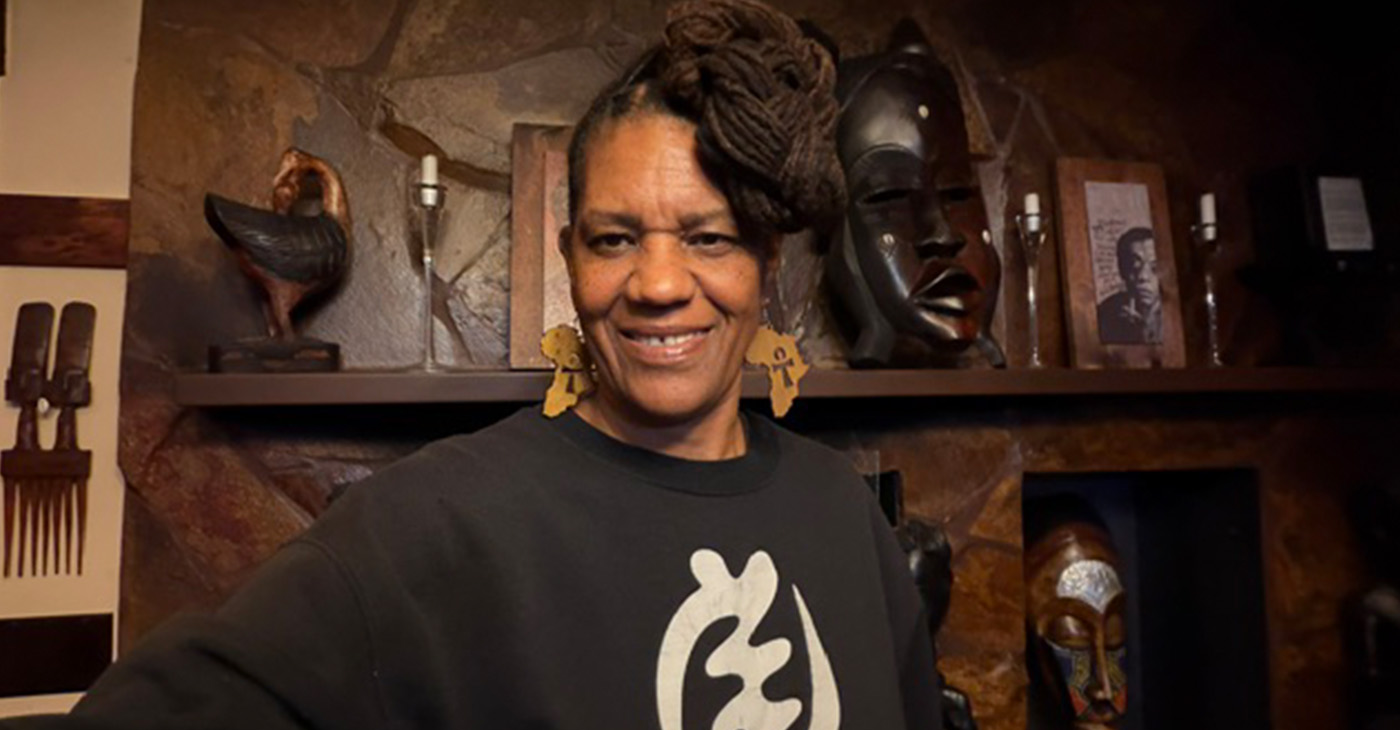
Plaintiff Zakiya Jendayi says she has come full circle in her years-long legal battle over the estate of her late friend, Dr. Laura Dean Head.
The case, Hamlin v. Jendayi, was previously covered by the Post News Group on Nov. 18, 2025, when Alameda County Superior Court Judge Sandra Bean invalidated Head’s will and trust and ruled in favor of Head’s disinherited sisters.
Jendayi, who says she’s one of Dr. Head’s closest friends and the sole beneficiary named in the estate plan, contends that the latest developments have brought her back to the same position she faced in 2023, continuing to fight for what she believes are her legal rights to the estate.
Bean’s ruling on March 28, 2023, invalidated the Head Trust after finding undue influence. Jendayi filed a petition seeking to vacate that judgment. According to Jendayi, the court declined to consider the merits of her petition, stating that nearly three years had passed since the original ruling and citing the legal principles of finality and timeliness.
Jendayi disputes that conclusion. She argues that California law permits a judgment to be set aside and vacated at any time if it was entered without jurisdiction, without due process, or was procured through fraud upon the court.
In her motion to vacate the judgment, she alleges that the original decision lacked jurisdictional and constitutional foundations and further claims there was no operative pleading before the court. Those allegations have not been adjudicated yet.
After the court declined to grant her requested relief on May 8, 2026, Jendayi filed another appeal with the appellate court.
“What I need now are amicus briefs from lawyers, commissioners, judges, legal scholars, and citizens who have taken the time to read my case,” Jendayi said. “That’s why I published my court transcripts in the Post on Nov. 18, 2025, so readers could examine for themselves what I believe were 42 erroneous rulings made during my case.
“Amicus briefs are taken very seriously by appellate courts, and I am asking people to review the record, form their own opinions, and submit their briefs through the National Probate Reform Coalition in care of the Post News Group. This case represents what I see as a fight between the people and the system. If we don’t stand together, the system wins every time.”
Meanwhile, the court-appointed administrator filed an unlawful detainer action seeking possession of the property occupied by Jendayi. Following trial, the court granted possession to the administrator, and Jendayi was served with a writ of possession.
Jendayi subsequently filed an Ex Parte application requesting that enforcement of the judgment be stayed while her appeal proceeds. On June 30, the court granted a temporary stay of enforcement through Aug. 8.
“It takes enormous intestinal fortitude to stand up against the court system,” Jendayi said. “The stress and duress I’ve experienced throughout these years have only been bearable through God’s grace.
“Because I believe this case has become legal precedent that could affect families throughout California, I feel a responsibility to continue fighting until what I believe is a wrongful judgment is overturned, rescinded, and removed from the law. If this ruling is allowed to stand, every property owner should be concerned because, in my opinion, it undermines the security of wills and trusts.”
Jendayi maintains that her appeal raises issues extending beyond her own case, arguing that the outcome could have significant implications for future probate and trust litigation.
Editor’s Note: The claims and legal arguments described in this article reflect the allegations and positions asserted by Ms. Jendayi in pending court proceedings. The opposing parties have not had an opportunity to respond within this article. When asked to comment on ongoing court cases, judges and court officials must follow strict ethical rules that generally require them to decline comment in order to preserve the fairness of pending proceedings and maintain the neutrality of the judicial system.
Activism
Newsom, Legislature Reach Deal on $355.9 Billion Budget That Protects Health Care; Averts Deficits for Two Years
Other major investments include a record $2.4 billion in ongoing funding for special education, $5 billion for TK-12 schools, $500 million in Low-Income Housing Tax Credits, $200 million for affordable multifamily housing, a $100 million Disaster Rebuilding Fund, and new funding to strengthen election security, voter outreach and protections against misinformation. The agreement also preserves free school meals, universal transitional kindergarten, universal preschool, summer school programs and childcare slots.
By Bo Tefu, California Black Media
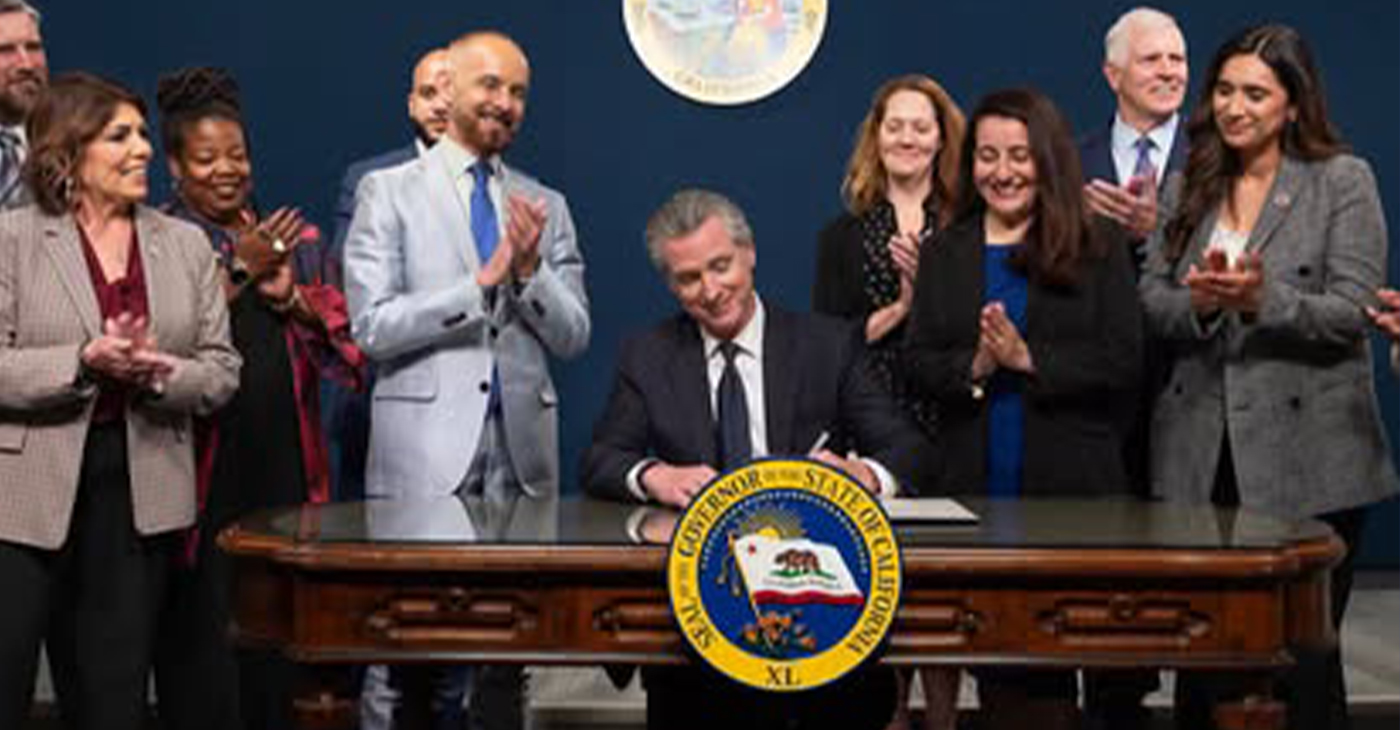
Gov. Gavin Newsom and Democratic legislative leaders announced a final agreement June 26 on California’s $355.9 billion 2026–27 state budget, saying the spending plan preserves health care and other essential services while eliminating projected deficits through the next two fiscal years.
The agreement between Newsom, Senate President Pro Tempore Monique Limón (D-Santa Barbara), and Assembly Speaker Robert Rivas (D-Hollister) balances the budget while maintaining investments in health care, education, housing, public safety and other priorities despite continued economic uncertainty and federal funding challenges.
“A balanced budget isn’t an end in itself — it’s how we deliver for Californians,” Newsom said. “This budget demonstrates responsible choices that protect our fiscal strength while continuing to invest in what matters most. In California, we support working families, create more opportunity, and build safer, healthier communities.”
The budget includes $300 million to lower health care costs, preserves $0 monthly health plans for many lower-income Californians, and helps offset higher insurance premiums resulting from the expiration of enhanced federal Affordable Care Act subsidies. It also protects funding for behavioral health programs and continues implementation of Proposition 1.
Other major investments include a record $2.4 billion in ongoing funding for special education, $5 billion for TK-12 schools, $500 million in Low-Income Housing Tax Credits, $200 million for affordable multifamily housing, a $100 million Disaster Rebuilding Fund, and new funding to strengthen election security, voter outreach and protections against misinformation. The agreement also preserves free school meals, universal transitional kindergarten, universal preschool, summer school programs and childcare slots.

Limón said lawmakers worked to shield Californians from federal spending reductions while strengthening the state’s finances.
“Today’s budget agreement reflects our commitment to protect core programs and address our short and long-term financial future by building up our rainy-day fund and making responsible budgeting choices,” Limón said. “I am also proud that the Senate was able to secure critical funding for childcare slots, safeguard access to care, and take significant steps toward ensuring large corporations pay their fair share.”
Rivas said the budget “protects health care, preserves food programs, invests in housing at record levels and builds reserves to fight back no matter what Trump and Republicans throw at us.”
Activism
NPRC Joins National Grand Jury Proceedings Seeking Accountability, Constitutional Restoration
Organizers state that testimony will explore historical and political developments that they believe have contributed to the expansion of corporate influence over public institutions and governmental decision-making. Participants are expected to discuss concerns regarding constitutional governance, individual liberties, property rights, and the protection of vulnerable populations, including seniors and persons with disabilities.

Special to The Post
The National Probate Reform Coalition (NPRC) has joined Toll and Roll and a growing coalition of advocacy organizations, victims, whistleblowers, and citizen groups in support of a nationally broadcast People’s Grand Jury proceeding scheduled for July 1 and July 7.
Organizers describe the event as a public forum designed to examine allegations of government abuse, judicial misconduct, legislative failures, and the erosion of constitutional protections affecting millions of Americans.
The proceedings will feature testimony from victims, families, advocates, and organizations from across the country who contend they have experienced harm through government actions, institutional neglect, and failures of oversight.
According to organizers, the People’s Grand Jury will focus on concerns involving probate courts, guardianships, conservatorships, child welfare systems, property rights, civil liberties, and what participants view as a growing disconnect between government institutions and the constitutional rights of the people they are sworn to serve.
NPRC is participating because many of the issues being examined mirror the concerns raised by advocates, victims, and families who have participated in its monthly town halls. For years, families have reported cases involving exploitation of elders, questionable guardianships, estate depletion, denial of due process, and a lack of meaningful oversight within probate court systems.

“This proceeding gives victims and advocates an opportunity to place their experiences on the public record,” said Tanya Dennis, lead facilitator of NPRC. “For too long, families have struggled to have their voices heard regarding elder abuse, probate exploitation, and government inaction. This forum allows those stories to be shared before a national audience.”
Organizers state that testimony will explore historical and political developments that they believe have contributed to the expansion of corporate influence over public institutions and governmental decision-making. Participants are expected to discuss concerns regarding constitutional governance, individual liberties, property rights, and the protection of vulnerable populations, including seniors and persons with disabilities.
In keeping with principles of transparency and fairness, invitations have been extended to legislators, members of the judiciary, law enforcement representatives, and other public officials who may wish to respond to concerns raised during the proceedings or defend actions taken by their respective institutions.
One of the primary outcomes sought by organizers is public consideration and support for the People’s Remedy and Restoration Act, a proposed legislative framework that advocates believe would strengthen oversight, increase accountability, provide remedies for victims of governmental abuse, and restore constitutional protections.
The proceedings are expected to be broadcast nationally, providing citizens throughout the United States an opportunity to observe testimony, review evidence presented, and participate in an ongoing conversation regarding government accountability and the protection of individual rights.
Advocates hope the hearings will encourage meaningful dialogue, legislative reform, and renewed public engagement in the democratic process.
Individuals, organizations, public officials, and members of the media interested in attending or obtaining access information may contact the organizers at tollandroll2025@gmail.com.
As Americans continue to debate the future of constitutional governance, judicial accountability, and the protection of vulnerable citizens, the July proceedings are expected to serve as a significant forum for public testimony and civic engagement. For more information, go to https://tollandroll.com

WORK FROM HOME
Home-based business with potential monthly income of $10K+ per month. A proven training system and website provided to maximize business effectiveness. Perfect job to earn side and primary income. Contact Lynne for more details: Lynne4npusa@gmail.com 800-334-0540


Four Candidates, Including Incumbent Barbara Lee, Qualify for Oakland Mayor’s Race

Oakland Observes Black August with Block Parties, Film Showings, Workshops

Oakland Post: Week of August 12 – 18, 2026

COMMENTARY: Why Local School Tax Measure G1 Will Not Be on the November Ballot

California Hispanic Chambers of Commerce Unveils: ‘Powering the Future’ Theme for 47th Annual Statewide Convention

Returning to Its Roots, the Oakland Black-Eyed Pea Festival Partners with the Freedom Farmers Market Sept. 12

Less Affluent School Districts, Including Sacramento City, Face Threat of State Takeover

From Blueprint to Breakthrough: Tackling Affordable Housing in Oakland

NPRC Scores First Advocacy Victory: David Shaw Finally Gets His Wish to ‘Go Home’

ESSAY: California Can Close Its Colorectal Cancer Gap

Car Wash Workers Cope with Lingering Impacts of ICE Raids

Misty Copeland Shapes Ballet’s Tomorrow

As Part of Your Back-to- School Checklist, Vaccinate

As Part of Your Back-to- School Checklist, Vaccinate

Congresswoman Simon Demands Investigation into Trump’s Abuse of Emergency Powers for Coal Export Terminal in West Oakland

Department of Homeland Security Demands California Secretary of State Shirley N. Weber Scrub Voter Rolls

Oakland Children’s Hospital Workers and Patients Rally for Pediatric Medical Care

New Judge Could Decide if Karmelo Anthony Gets a New Trial

“The Power to See Threats Sooner”: Gov. Newsom, Safety Officials Showcase California’s Investments in Hi-Tech Wildfire Prevention

Alpha Kappa Alpha Sorority, Inc. Celebrates New North Atlantic Regional Director

Surveillance Pricing Fight: State Senate Debates Bill Banning Retailers from Using AI to Set Prices Based on a Buyer’s Profile

Mount Zion MBC, Church of Jesus Christ of Latter-day Saints Partner to Bring 29,000 Meals to Alameda County

California Sen. Padilla Joins Colleagues to Introduce Bill Imposing Term Limits on Supreme Court Justices

Starting This Summer, California Car Buyers Can Get an Instant $3500 Off the Cost of Electric Vehicles
Less Affluent School Districts, Including Sacramento City, Face Threat of State Takeover

COMMENTARY: You Are Already Paying for the AI Boom

California Bill Would Let Abuse Victims Use Trauma as Legal Defense for Violent Crime
Car Wash Workers Cope with Lingering Impacts of ICE Raids

Fed Court to Decide Landmark First Amendment Case

Gov. Gavin Newsom Signs Law Streamlining Affordable Housing Rules

The Conversation With Al McFarlane 6/23/26

Media Monday 6/22/26

LIVE! ASK ALMA! — TUES. 6.23.26 7PM EST

Car Buying Secrets: 4 Hidden Checks Before You Sign!

Is This 550 HP Charger Worth YOUR Money? AutoNetwork Review

Celebrating Juneteenth – Frederick Douglass on education and resistance

LIVE! — ASK ALMA! — TUES. 6.19.26 7PM EST

Hyundai Ioniq 5 Parking, Safety, and 360 View #shorts

2025 Ioniq 5 New Wiper & Powerful Performance! #shorts

Electric SUV Range: Is 259 Miles Enough? #shorts

EV Charging: How Fast Can You Charge an Electric Vehicle? #shorts

Biometric Cooling… Messaging Seats…Come on! 2025 Infiniti QX80 Autograph 4WD

Charged Up: Witness the Magic of a Fully Electric Car! #shorts

Range Rover Sport PHEV Included…: See What’s Inside This Luxury SUV! #shorts

Invisible Hood View: Perfect Parking with X-Ray Vision! #shorts
-
 Featured1 week ago
Department of Homeland Security Demands California Secretary of State Shirley N. Weber Scrub Voter Rolls
-
 Business3 weeks ago
Oakland Children’s Hospital Workers and Patients Rally for Pediatric Medical Care
-
 #NNPA BlackPress2 weeks ago
New Judge Could Decide if Karmelo Anthony Gets a New Trial
-
 Environment1 week ago
“The Power to See Threats Sooner”: Gov. Newsom, Safety Officials Showcase California’s Investments in Hi-Tech Wildfire Prevention
-
 Black History2 weeks ago
Alpha Kappa Alpha Sorority, Inc. Celebrates New North Atlantic Regional Director
-
 Business3 weeks ago
Surveillance Pricing Fight: State Senate Debates Bill Banning Retailers from Using AI to Set Prices Based on a Buyer’s Profile
-
 Business3 weeks ago
Mount Zion MBC, Church of Jesus Christ of Latter-day Saints Partner to Bring 29,000 Meals to Alameda County
-
 Featured1 week ago
California Sen. Padilla Joins Colleagues to Introduce Bill Imposing Term Limits on Supreme Court Justices
