Activism
The Greenlining Institute Appoints Max Vargas as the New CEO and President
Vargas most recently served as Vice President of Economic Justice at the Latino Community Foundation, where he built a portfolio focused on unlocking Latino economic power through entrepreneurship, worker advancement, cooperatives, and climate justice. His career also includes leadership roles as Deputy Director at First 5 California,

By Carla Thomas
The Greenlining Institute’s Board of Directors has appointed Max Vargas as its new President and CEO, effective September 15. He succeeds Olga Talamante, who has served as Interim President and CEO since February and will now return to her role on the Board.
Vargas most recently served as Vice President of Economic Justice at the Latino Community Foundation, where he built a portfolio focused on unlocking Latino economic power through entrepreneurship, worker advancement, cooperatives, and climate justice. His career also includes leadership roles as Deputy Director at First 5 California, Senior Policy Advisor to former Stockton Mayor Michael Tubbs, and posts within the California State Legislature, local workforce and transportation agencies, and the National Council of La Raza (now UnidosUS).
A former unaccompanied minor from Peru, Vargas sought political asylum in the United States and later became a naturalized citizen, an experience that has shaped his lifelong commitment to advancing equity, justice, and opportunity for communities historically excluded from power.
“Max embodies the very spirit of Greenlining,” said Board Co-Chairs Noemí Gallardo and Tunua Thrash-Ntuk. “His vision, lived experience, and record of bold, strategic leadership will ensure communities of color are not only at the table but leading the solutions for racial, economic, and climate justice.”

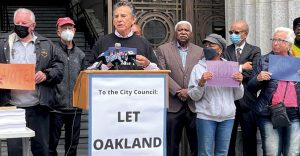
For more than three decades, The Greenlining Institute has worked to move beyond resisting redlining by creating pathways toward inclusive investment and prosperity in communities of color. At a time when systemic racism, economic inequity, and environmental injustice continue to plague society, Board members expressed confidence that Vargas will position Greenlining to redefine how equity and justice drive systemic change.
“We are thrilled to welcome Max as he guides Greenlining into its next chapter and building a future where communities of color thrive,” said Talamante.
In accepting the role, Vargas reflected on both the organization’s legacy and its future impact. “I am humbled and excited for the opportunity to grow The Greenlining Institute’s legacy of racial, economic, and environmental justice,” he said. “It is an honor to join a team of community champions committed to matching policy with action. While the challenges our communities face are great, our commitment and the investments our communities deserve are greater.”

