
Environment
Get Rebates by Plugging into Electrify Marin

Reduce greenhouse gas emissions by swapping out gas and propane appliances
One of the County of Marin’s newest efforts in addressing climate change focuses on a source of greenhouse gas emissions that has largely been ignored: our home appliances. About one-third of greenhouse gases produced in Marin comes from buildings, mostly the result of burning natural gas and propane.

Now, upgrading those old appliances can result in cash. Electrify Marin is a new rebate program administered by the County of Marin’s Sustainability Team that encourages homeowners to replace gas-and propane-powered appliances with efficient, all-electric models. In the same way that electric vehicles have begun to replace gasoline vehicles, new electric appliances are now on the market to do the same job as gas-fueled appliances in cleaner and more efficient way.
Electricity has become a cleaner alternative to gas and propane because of changes in the way electricity is generated in recent years. Both MCE Clean Energy and PG&E have programs for Marin residents that provide electricity generated from 100% renewable sources, such as solar and wind.
As Californians work toward the statewide goal of 100% renewable electricity by 2045, the portion of renewable energy on California’s power grid grows each year. An all-electric home powered by renewable electricity will not produce the greenhouse gases that cause climate change.

In California homes, natural gas and propane are most commonly used for space heating, water heating, and cooking. Electrify Marin offers rebates for efficient electric appliances for each of those functions when they are installed to replace a gas appliance. Rebate amounts range from $1,000 to $2,000 for heat pump water heaters, $800 to $4,500 for heat pump space-heating systems, and $250 to $500 for induction cooking equipment. Higher rebate amounts are available for income-qualified households.
For water heating and space heating, electric heat pump provides an efficient alternative to gas systems. Rather than generating heat, the systems move heat from the surrounding air into a water storage tank or directly into a home, aided by a refrigerant. Heat pumps for space heating can be operated in reverse during the summer to cool homes. Homeowners looking to add air conditioning to their properties should consider removing their gas furnace and installing a heat pump, which can serve as a single efficient appliance for all heating and cooling needs.
Induction cooking equipment has gained popularity among professional and home chefs around the world. Induction cooktops use an electromagnetic current to heat cookware directly rather than with a flame or resistance burner, making it a much more efficient. Because no heat is wasted in the cooking process, induction cooktops won’t heat up a kitchen on a hot summer day. Induction burners can boil water in almost half the time of gas or radiant electric burners, and they provide cooks with a level of control and flexibility unparalleled by other cooking methods.
In addition to impacting the environment, natural gas use presents serious health and safety risks. Burning natural gas in enclosed spaces can produce unhealthy levels of carbon monoxide, formaldehyde, and nitrogen dioxide. Leaks are a pervasive problem with aging gas infrastructure, which is especially dangerous in earthquake and fire-prone areas such as Marin.
Dan Vianueva of San Rafael has taken several steps toward electrifying his Santa Venetia home. He wanted to be sure he’s using the clean electricity generated by his rooftop solar to power his home, so he recently replaced his gas furnace and water heater with efficient electric heat pump units. Through Electrify Marin, Dan received a rebate of $6,200 for his home upgrades. His next project is to install battery storage to make his home more resilient in the case of natural disaster.
Increasing concern over electrical outages, either resulting from a disaster or due to PG&E’s public safety power shutoffs during fire season, highlight the importance of having an emergency preparedness plan. When both electricity and gas are shut off after a major disaster, electricity generally is restored much sooner than gas service. Public safety power shutoffs are expected to be brief and take place in hotter months when home heating is less crucial. Emergency plans should include contingencies for loss of both electricity and gas service.
For more information about the benefits of home electrification, efficient electric appliances, and details about the rebate program, visit www.marincounty.org/electrify.


Community
Marin City Is Especially Vulnerable to El Niño High Tides, Strong Winds, Flooding and Power Outages
Marin City faces significant risks as extreme El Niño weather conditions threaten the community with high tides, flooding, and power outages. Local advocates warn that the neighborhood’s single access point and history of limited emergency response leave vulnerable residents, including those with life-threatening illnesses, at risk of isolation. While the county has allocated millions for weather preparedness, local organizers say Marin City has not received direct funding for its specific needs. Community leaders are now mobilizing to provide emergency supplies and specialized training to protect their neighbors. Read more.


Marin City Climate Resilience (MCCR) focuses on support for most vulnerable residents
Marin City, along with other communities in Marin County, is preparing for the predicted high tides, strong winds and flooding that are expected in coming months due to extreme El Niño weather conditions.
Marin City has a history of residents who are at-risk due to multiple hazards, i.e. environmental contaminations, racism, economic disparities which have existed for decades. These issues become even more critical in times of crisis.
One of the major concerns during torrential rains, high tides, high winds and flooding is power failures. This is especially of concern for residents with life-threatening illnesses who depend on electricity to sustain life or prevent medical deterioration. Residents who require electricity for bed and chair assistance and who are isolated are left vulnerable.
Marin City has a long history of the fire and sheriff departments not being available to Marin City residents in emergencies because of their extensive responsibilities in southern Marin.
The community is prone to intense flooding because of its location at the base of Highway 101. Additionally, Marin City has only one way in and out, so when flooding and high tides occur, residents face the possibility of being isolated and cut off from outside emergency medical assistance. At-risk residents would not be able to leave to go to specialty doctors for dialysis, heart and lung issues and unexpected emergency health situations.


All of these potential conditions create stress and anxiety among residents.
Mobilizing disaster preparedness for this community, Marin City Climate Resilience (MCCR) and other community organizations and advocates are working intensely to support local residents.
MCCR is working specifically to provide services to the most vulnerable with access and functional needs, including seniors; people with disabilities; pregnant women; and infants and small children who may need additional assistance before, during, and after an emergency, disaster, or public health event.
MCCR preparedness plans include providing education and training and most importantly teams of residents (Climate Care Ambassadors) to assist vulnerable community members. Ambassadors will receive training in adult and pediatric first aid as well as how to respond to breathing and cardiac emergencies, injuries and sudden illness.
Over $5 million has been allocated in county funds for El Niño, but Marin City has not received any funding to provide direct services to its residents.
MCCR is seeking Bay Area-wide donations to provide at least 300 vulnerable residents with emergency survival supplies and services. These donations will be utilized for “Go Bags,” or grocery carts, that contain: blankets, clothing, health and personal items, radios, flashlights, phone chargers, food, and other basic necessities.
Each Go Bag will cost about $150 to prepare. The entire project is estimated to cost $100,000.
“This project shines a light on the many ways this community has been neglected and harmed by a lack of investment resulting in a 20-year difference in life expectancy, and it shows the ability of the community, as it has done in the past, to come together to support each other, especially in these emergency situations,” said Terrie Green, CEO of Marin City Climate Resilience.
Because folks have expressed concern about the issues facing Marin City, the Post will be covering these issues on a regular basis.
Due to the emergency situation, donations are especially critical right now. To make a donation, contact: Terrie Harris Green, terriegreen@marincityclimateresilience.org, (415) 336-6421.

Community
Staying Ready: What Every Californian Should Know About Preparing for El Niño
BLACKPRESSUSA NEWSWIRE — “California is heading into a winter shaped by one of the strongest El Niño patterns on record,” said Matt Notley, Cal OES’ deputy director. “But the state has been preparing since last summer and our efforts now are about making sure our preparedness message reaches every community.”
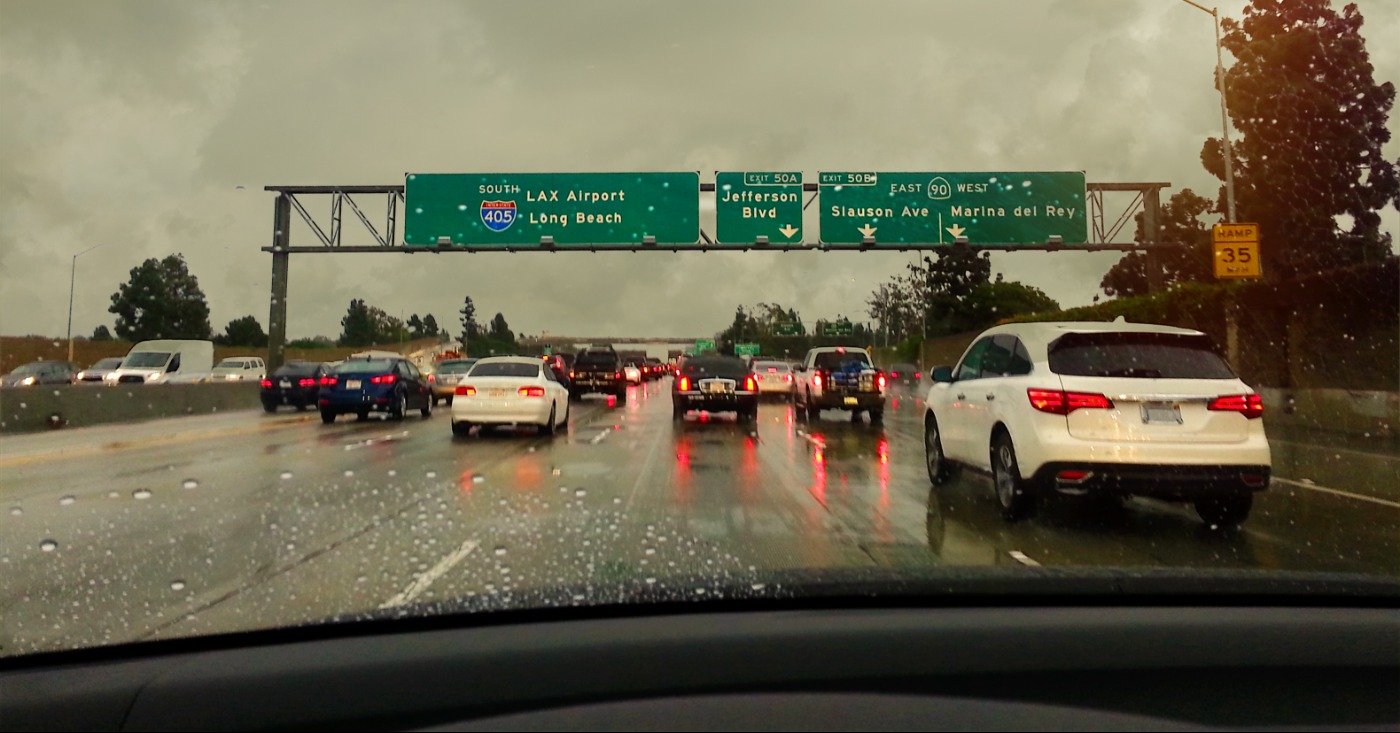
Recent storms soaked parts of Northern and Southern California, brought heavy snow to the mountains and coincided with king tides that contributed to hazardous surfing conditions along sections of the coast.
As more storms are expected this winter, state and local officials are sharing resources to help Californians prepare.
At an online briefing hosted Nov. 13 by California Black Media (CBM), American Community Media (ACoM) and the California Governor’s Office of Emergency Services (Cal OES), officials discussed how residents can prepare.
“California is heading into a winter shaped by one of the strongest El Niño patterns on record,” said Matt Notley, Cal OES’ deputy director. “But the state has been preparing since last summer and our efforts now are about making sure our preparedness message reaches every community.”
El Niño is a climate pattern marked by warmer-than-average ocean temperatures in the tropical eastern Pacific. It can shift weather patterns and increase the odds of a wetter winter in California, though it does not guarantee severe storms in every area. NOAA says a strong to very strong El Niño is likely through January to March 2027.
Michael Anderson, the California Department of Water Resources’ climatologist, said elevated ocean levels can “amplify” flooding during king tides. Californians typically experience king tides in late fall and winter. Anderson said residents can expect rain to arrive in bursts lasting two to three days.
“Timing, pace, and scale of the storms drive the impacts. Storm size and time between the storms are really important,” said Anderson. “Coastal impacts have already started. They will amplify as the season evolves. So, if you are along the coast, please be careful.”
Understanding weather patterns is one part of preparing. Gov. Gavin Newsom proclaimed a state of emergency on Sept. 21 because of the developing 2026-27 El Niño, an early step to prepare for potential severe weather, according to Brian Ferguson, Cal OES’ chief deputy director of policy.
The Ready California website offers disaster alerts, preparation guidance and printable materials, including flip books and fact sheets, in multiple languages.
Among its recommendations, Ready California advises residents to check whether their home or workplace is in a flood-prone area; clear gutters and storm drains; fix roof leaks; trim trees; and get sandbags early. Residents should also sign up for local emergency alerts, prepare a Go Bag with medications and important documents, keep flashlights and charged phones nearby, and follow evacuation orders. This is a partial list of tips.
“We’re really trying to start early by talking to folks, getting the word out, and also how do we support communities on the front end so we can ultimately keep as many folks safe as possible,” said Ferguson. “Taken together, these actions help reduce the risk that we face and also improve public safety before the storms arrive.”
The California Water Watch website lets users check precipitation and other water conditions by address or ZIP code. Anderson said California should see short periods of stormy weather “every couple of weeks.”
The state is encouraging residents to prepare now. Cal OES and the governor’s office have emphasized the importance of having an emergency plan.
For more information, visit the Ready California website, sign up for emergency alerts, find disaster help or read preparedness materials and make a plan.
Economy
20 Years of California Climate Law: Gov. Newsom and Former Gov. Schwarzenegger Lead Milestone Celebration
Gov. Gavin Newsom and former Gov. Arnold Schwarzenegger recently gathered at the California Economic Summit to mark the 20th anniversary of the Global Warming Solutions Act. The bipartisan celebration highlighted how the landmark law established a framework for reducing greenhouse gas emissions through the state’s cap-and-invest program. While the governors credited these policies with fostering clean-energy innovation and driving economic growth, critics continue to raise concerns regarding the impact of environmental regulations on energy affordability for residents. Read more to learn about the state’s climate milestones.

California Gov. Gavin Newsom and former Gov. Arnold Schwarzenegger celebrated two decades of the state’s landmark climate law on Wednesday, Oct. 14, highlighting California’s efforts to reduce greenhouse gas emissions while growing its economy and expanding clean-energy investment.
The Democratic governor and Republican former governor appeared together at the 15th annual California Economic Summit in Long Beach to mark the 20th anniversary of Assembly Bill 32, the Global Warming Solutions Act, which Schwarzenegger signed in September 2006. The law established a framework for reducing California’s greenhouse gas emissions and helped lay the groundwork for the state’s cap-and-invest program.
“We’ve shown the world what a state can accomplish,” Schwarzenegger said, highlighting California’s climate leadership.
Newsom credited Schwarzenegger’s decision to sign AB 32 with helping create the state’s cap-and-invest program, which requires companies to reduce their emissions, purchase allowances, or fund projects that offset pollution. Revenue from the program supports climate initiatives, affordable housing and transportation projects, as well as electricity bill credits for residents.
Newsom said California has reinvested $16 billion to offset residents’ electricity costs since the program began and expects to receive another $8 billion over the next four years.
He also argued that predictable climate policies encourage businesses to invest in California’s clean-energy economy, pointing to Tesla as an example of the opportunities the state’s regulatory framework created.
“There’s no Elon Musk without what Gov. Schwarzenegger did because there would be no Tesla,” Newsom said.
Schwarzenegger agreed that long-term policy certainty helps attract investment, arguing that California’s climate initiatives demonstrate that environmental protections and economic development can advance together.
The state extended its cap-and-invest program through 2045 last year, giving businesses a longer-term framework for planning investments and meeting emissions requirements.
However, California’s approach continues to face criticism over energy affordability and regulatory costs. Wayne Winegarden, a senior fellow at the Pacific Research Institute, argued that assessments of the state’s climate policies should better account for the high energy costs Californians face. Critics have also questioned how much of the state’s economic growth can be directly attributed to its environmental regulations.
The governors’ joint appearance underscored their shared support for climate action despite their political differences. Schwarzenegger has criticized Newsom’s support for Proposition 50, the 2025 redistricting measure that temporarily allowed California lawmakers to redraw congressional districts.
The anniversary comes as California continues to pursue emissions reductions and clean-energy investment while facing questions about the cost of its climate policies for households and businesses.



Native American Health Center Connects 140 Community Members to Career Opportunities During Native American Heritage Month

Oakland Chamber of Commerce Faces $42,000 Ethics Fine for Campaign Violation

Attorney General Bonta Serves Investigative Subpoena on Nvidia

A Record 216 Firearms Collected at East Oakland Gun Buy-Back Event

City Council Hearing Shines a Light on Failures of City’s Prompt Payment Policy

IN MEMORIAM: Claude T. Everhart, San Francisco’s First Black Deputy Mayor, Dies at 73

UC Doctors, Nurses and Community Rally to Demand ICE Out of UC Hospitals

Hypertension and Heart Disease: Doctors, Advocates and Patients Are Tackling the Leading Cause of Death for Black Californians

Marin City Is Especially Vulnerable to El Niño High Tides, Strong Winds, Flooding and Power Outages

‘We’re Committed to Delivering the Change that the American People Deserve’

Staying Ready: What Every Californian Should Know About Preparing for El Niño

Oakland Post: Week of November 18 – 24, 2026

Oakland Post: Week of November 11 -17, 2026

Alameda County Supervisor Miley to Propose Illegal Dumping Ordinance

Oakland City Council Extends AI Data Center Moratorium for 10 Months.

COMMENTARY: Valarie Bachelor and Jennifer Brouhard are Excellent School Board Members and Deserve to Be Reelected

OUSD Receives State Review of District Finances; Outlines Progress Since January

HISTORY MADE: Keisha Lance Bottoms Becomes First Black Woman Elected Governor in American History

SEIU Local 1000 and State of California Will Continue to Negotiate New Labor Contract

Golden State Valkyries Become Bay Area Legends Winning WNBA Championship on Halloween Night

COMMENTARY: Your California Living Trust Could Be Next: When Evidence Isn’t Enough

Fate of Bay Area Public Transit Hinges on Regional Transit Measure

Chase Launches Fraud & Scam Prevention Month

From Backyard Grilling to Jack London Square: Jamale Carlyle’s Chicken Wing Success Story

Hutchinson Concedes: Ballots Still Being Counted in Oakland Board Elections

Post News Group Nov. 3 Election Endorsements

Democrats, Community Groups Back Measure EE to Change How Oakland Is Governed

Richmond Neighbors Put Pantry Power on the Map

Mayor Barbara Lee Holds Special State of the City Address in Deep East Oakland

IN MEMORIAM: Marcia Ann Gillespie, Editor of Essence and Ms. Magazines, Dies at 82

The Conversation With Al McFarlane 6/23/26

Media Monday 6/22/26

LIVE! ASK ALMA! — TUES. 6.23.26 7PM EST

Car Buying Secrets: 4 Hidden Checks Before You Sign!

Is This 550 HP Charger Worth YOUR Money? AutoNetwork Review

Celebrating Juneteenth – Frederick Douglass on education and resistance

LIVE! — ASK ALMA! — TUES. 6.19.26 7PM EST

Hyundai Ioniq 5 Parking, Safety, and 360 View #shorts

2025 Ioniq 5 New Wiper & Powerful Performance! #shorts

Electric SUV Range: Is 259 Miles Enough? #shorts

EV Charging: How Fast Can You Charge an Electric Vehicle? #shorts

Biometric Cooling… Messaging Seats…Come on! 2025 Infiniti QX80 Autograph 4WD

Charged Up: Witness the Magic of a Fully Electric Car! #shorts

Range Rover Sport PHEV Included…: See What’s Inside This Luxury SUV! #shorts

Invisible Hood View: Perfect Parking with X-Ray Vision! #shorts
-
 Commentary3 weeks ago
COMMENTARY: Valarie Bachelor and Jennifer Brouhard are Excellent School Board Members and Deserve to Be Reelected
-
 Education3 weeks ago
OUSD Receives State Review of District Finances; Outlines Progress Since January
-
 Black History3 weeks ago
HISTORY MADE: Keisha Lance Bottoms Becomes First Black Woman Elected Governor in American History
-
 Business3 weeks ago
SEIU Local 1000 and State of California Will Continue to Negotiate New Labor Contract
-
 Community3 weeks ago
Golden State Valkyries Become Bay Area Legends Winning WNBA Championship on Halloween Night
-
 Business3 weeks ago
COMMENTARY: Your California Living Trust Could Be Next: When Evidence Isn’t Enough
-
 Black History3 weeks ago
From Backyard Grilling to Jack London Square: Jamale Carlyle’s Chicken Wing Success Story
-
 Education2 weeks ago
Hutchinson Concedes: Ballots Still Being Counted in Oakland Board Elections
