
Health
Dr. Oz Mounts Spirited Defense Against Critical Letter


In this June 17, 2014, file photo, Dr. Mehmet Oz, vice chairman and professor of surgery, Columbia University College of Physicians and Surgeons, testifies on Capitol Hill in Washington. (AP Photo/Lauren Victoria Burke, File)
FRAZIER MOORE, AP Television Writer
NEW YORK (AP) — Dr. Mehmet Oz says last week’s attack by 10 doctors who accused him of promoting “quack treatments” on his TV show was spurred by his vocal support for labeling genetically modified foods — a stance he says some if not all of those accusers oppose.

Oz devoted the first half of his syndicated show on Thursday to his response to what he called “a brazen letter from 10 mysterious doctors” sent to Columbia University, where Oz serves as vice chairman of the surgery department and performs heart surgery at Columbia’s affiliated hospital. The letter accused him of an “egregious lack of integrity” and urged the university to remove him from its faculty.
A Columbia spokesman defended Oz by saying the school is “committed to the principle of academic freedom.”
But the letter set off a new round of criticism of Oz, who in the past has been slammed for promoting questionable cure-alls and last June appeared before the Senate’s consumer protection panel, where he was scolded for claims he had made on his show about weight-loss aids — claims he says he has since stopped making.
New Yorker staff writer Michael Specter, who profiled Oz for that magazine two years ago, said on NPR this week that, whereas every doctor’s first obligation is to do no harm, Oz “does harm every time he goes on the air by recommending things for which there is no evidence, and things often that he knows not to be true.”
Meanwhile, New York Times columnist Frank Bruni described Oz as “a carnival barker” and “a one-man morality play about the temptations of mammon and the seduction of applause….”
Launched in 2009 by Oprah Winfrey, “The Dr. Oz Show” has repeatedly been criticized for mixing rigorous and dubious science. But Oz, who sees his show as a forum for discussing a range of health practices to better inform his audience, wondered aloud what accounted for the timing of last week’s letter.
His conclusion: His own continuing opposition to any legislation that would strip government agencies of their ability to label genetically modified foods in the marketplace.
Oz reiterated his conviction that consumers have the right to know whether food at their stores originates from genetically modified organisms. Those on the other side of the issue include food producers and agricultural companies who say GMOs are safe and that labeling them would increase prices while unnecessarily frightening consumers.
He noted that the letter’s lead author was Dr. Henry Miller, a senior research fellow at the Hoover Institution think tank at Stanford University who specializes in biotech and has campaigned against such labeling.
Oz characterized the letter as a smear intended to silence him and vowed, “We will not be silenced.”
“My interest was and is solely to protect the academic respectability of a prominent medical institution,” Miller said in a statement in response to Thursday’s program.
Dubbed “America’s doctor” by Winfrey, Oz has built a brand empire that also includes a magazine and best-selling books. But, whatever the reason, viewership for his TV show has eroded in the past few years. For this season through March, the audience has averaged 1.97 million viewers — roughly half the 3.80 million viewers who were tuning in during the 2011-12 season.
Even so, “he still has a pretty significant following,” said Brad Adgate, a ratings analyst for Horizon Media, adding that, even if Oz’s current show were to end, he has other potential outlets, including the cable network of his benefactor, Winfrey.
“His current numbers would match those of a top-tier cable network in prime time,” Adgate said.
_____
EDITOR’S NOTE — Frazier Moore is a national television columnist for The Associated Press. He can be reached at fmoore@ap.org and at http://www.twitter.com/tvfrazier. Past stories are available at http://bigstory.ap.org/content/frazier-moore
_____
Online:
www.doctoroz.com
Copyright 2015 The Associated Press. All rights reserved. This material may not be published, broadcast, rewritten or redistributed.


Community
UC Doctors, Nurses and Community Rally to Demand ICE Out of UC Hospitals
A coalition of University of California resident physicians and nurses rallied outside the Board of Regents meeting in San Francisco this week to demand the removal of immigration enforcement from UC hospitals. Supported by organizations including the California Nurses Association and SEIU, the protesters called for systemwide protocols to protect patient privacy and worker safety. Organizers argue that the presence of federal agents undermines medical trust and compromises care for vulnerable populations. The coalition is now urging university leadership to implement specific transparency measures and updated guidelines to read more.

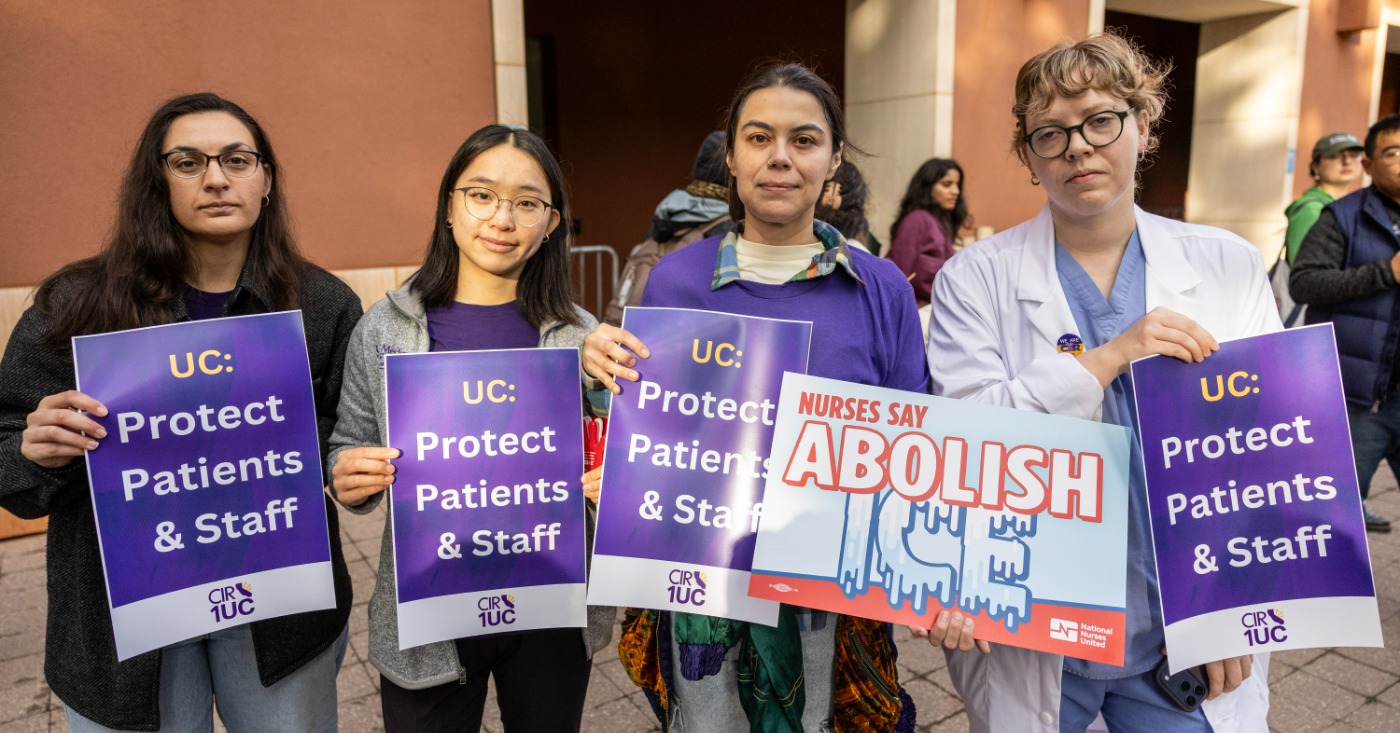

Alongside community members, a coalition of resident physicians and nurses from across the University of California rallied this week outside the Board of Regents meeting in San Francisco demanding that UC get ICE out of its hospitals and establish clear, systemwide protections for patients and healthcare workers.
Hundreds of emails have been sent to the Board of Regents and UC President James Milliken reiterating the need for a comprehensive policy and protocol. The email action is cosponsored by the Committee of Interns/Service Employees International Union (CIR/SEIU), the California Immigrant Policy Center, California Nurses Association, and United Auto Workers 4811, according to a press release issued by protest organizers.
These actions on Tuesday, Nov. 17, were part of a growing campaign to ensure UC hospitals remain places of healing, dignity, and confidential medical care for everyone, regardless of immigration or custody status, the press release said.
Currently, a lack of clear, consistent protocols and staff training for situations involving patients in immigration enforcement custody at UC Health facilities creates confusion, safety risks, and the potential for violations of patients’ rights. Healthcare workers need clear guidance to protect patient privacy, uphold legal rights, and provide appropriate medical care.

“As doctors, the well-being of the people we serve is our utmost priority. The presence of immigration enforcement in our hospitals undermines our ability to provide care and impedes patients from receiving proper, dignified treatment. UC must take action now to protect patients and staff,” said Dr. SatKartar Khalsa, CIR-SEIU regional vice president.
The presence of immigration enforcement officers in healthcare settings can interfere with medical examinations and treatment, compromise patient confidentiality, and undermine trust between patients and providers. Patients in immigration custody may face barriers to contacting family, accessing support services, and participating in decisions about their care. Healthcare workers also report fears of unsafe working conditions, racial profiling, and retaliation for advocating for their patients.
“Nurses demand that our hospitals must be places of healing and safety and completely off limits to any sort of ICE or federal immigration agent presence,” said Jamile Cabacungan, a medical-surgical-telemetry RN at UCSF Stanyan Hospital. “From the start of this cruel and unnecessary deportation program, nurses have been educating ourselves and our patients to know and exercise our rights, and we even sponsored state legislation to keep ICE out of our hospitals. Our employer UC must step up and proactively do everything possible to support us and our ability to provide safe care to our patients and communities.”
The coalition calls on UC leadership to:
- Protect patient privacy and dignity by limiting ICE access to patient care areas and safeguarding confidential patient communications.
- Uphold patients’ rights and continuity of care, including access to certified medical interpreters, family notification, surrogate decisionmakers, social services, legal support, and safe disposition planning.
- Protect healthcare workers from racial profiling and retaliation for advocating for immigrant patients.
- Establish clear protocols and staff training for responding to immigration enforcement activity in hospitals.
- Ensure transparency and accountability, including information about federal immigration agents’ visits to UC hospitals over the past year.
- Meet with union representatives to address healthcare workers’ concerns and develop effective protections.
The coalition is urging – at a minimum – for UC to adopt the updated California Attorney General guidelines, with stronger protections modeled on comprehensive immigrant rights policies. These protections must include practical protocols, staff training, clear lines of responsibility, and accountability for implementation.

Community
Hypertension and Heart Disease: Doctors, Advocates and Patients Are Tackling the Leading Cause of Death for Black Californians
Cardiovascular disease remains the leading cause of death for Black Californians, who experience stroke and hypertension at significantly higher rates than the state average. While personal lifestyle changes such as improved diet and exercise are vital, many patients find that individual efforts are not enough to manage the “silent killer.” Data from the 2026 California State of Public Health Report reveals that the cardiovascular death rate for Black residents is 1.6 times the statewide average, a disparity experts attribute to a combination of traditional risk factors and systemic medical challenges.
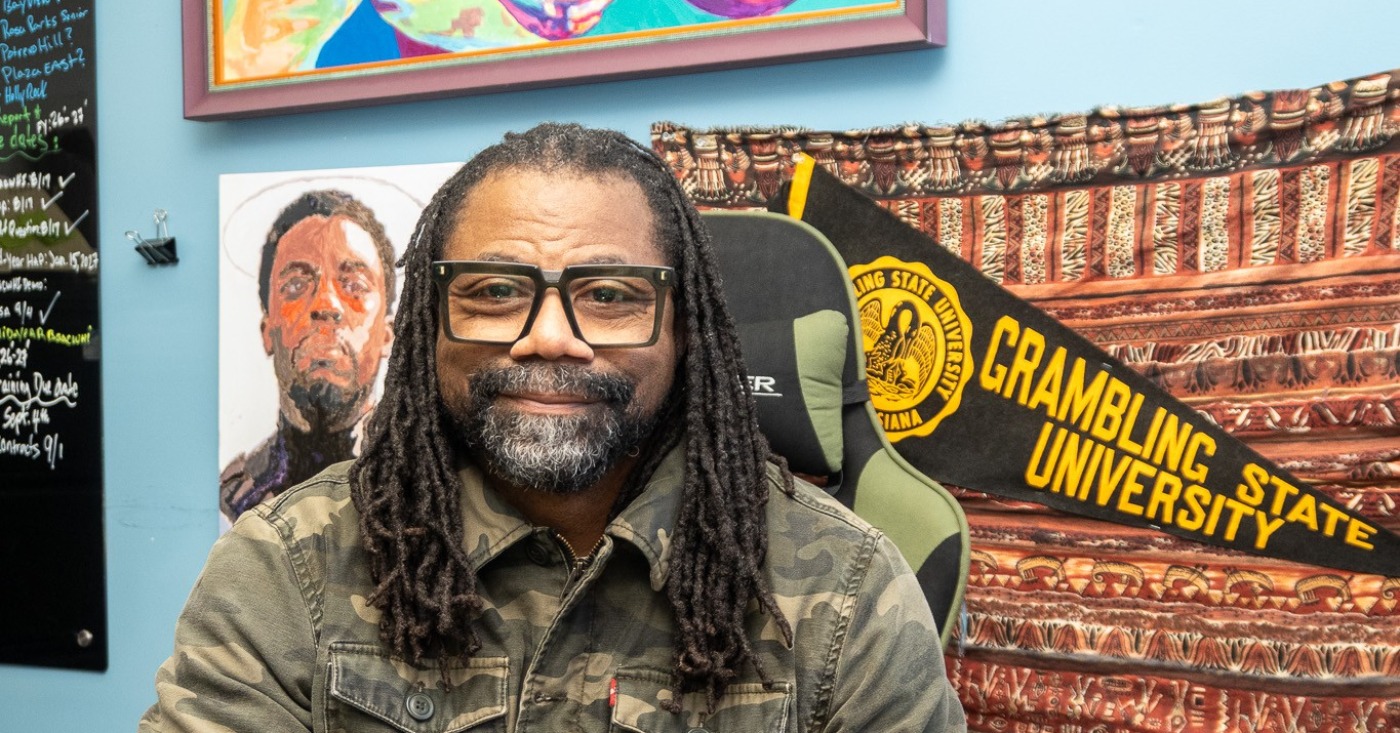
Andre Aikins, 55, serves as director of programs at the San Francisco-based Rafiki Coalition for Health and Wellness, an organization dedicated to improving health outcomes in the Black community.
For Aikins, that work is personal.
His father and older brother died from preventable illnesses in their late 50s, he said. So, when Aikins learned he had high blood pressure and borderline diabetes, the diagnosis came as a shock — especially since he took pride in his healthy and active lifestyle.
“For a while, I refused to believe it and tried to deal with it my own way,” recalled Aikins, a former math teacher and assistant principal. “After going to the doctor a couple of times, I was told it wasn’t getting better, so I had to take prescription drugs, and I had to eat differently.”
Those changes paid off, said Aikins.
“Blood pressure? Perfect. All my health indicators, including blood glucose, are below the range for diabetes.”
But for some Black Californians, taking medication and adopting healthier habits aren’t enough. Getting the right medical care can be just as critical.
Chris Goodloe, an Inland Empire resident, was doing everything right. He exercised, ate healthy foods and took his prescribed medications. Yet his blood pressure remained stubbornly high.
Frustrated with what he perceived as inadequate care at his local Kaiser Permanente facility, Goodloe sought help from a Black female doctor in Murrieta after experiencing a panic attack.
That decision, he said, made all the difference.
The doctor referred him to a specialist who prescribed a diuretic to help control his blood pressure. Goodloe credits that breakthrough to finding a physician who listened.
“I hate to make this about race, but if I hadn’t seen the Black lady in Murrieta I would have never gotten to a specialist,” he said.
Goodloe’s experience underscores how access to attentive, effective medical care can shape health outcomes, particularly for Black patients navigating a health care system in which disparities persist.
Those disparities are especially troubling when it comes to cardiovascular disease, a leading cause of death among Black Californians.
According to the 2026 California State of Public Health Report, Black Californians have the highest reported stroke prevalence, and their cardiovascular disease death rate is 1.6 times the statewide average. Additionally, 2023 Centers for Disease Control and Prevention survey data show that Black Californians had the highest prevalence of hypertension among racial and ethnic groups in the state.
Dr. Powell Jose, a Northern California-based Sutter Health cardiologist and heart disease researcher, said high rates of hypertension remain a significant challenge in the Black community. A Sutter Health study found that Black patients under 50 had the highest rates of heart disease, stroke and heart failure compared with other groups, he said.
“When we dug into why that was the case, it was mostly related to traditional risk factors not being well controlled,” Jose explained.
Experts say those findings are particularly concerning because hypertension is a major contributor to cardiovascular disease. Left untreated, high blood pressure damages blood vessels over time, significantly increasing the risk of stroke, heart attack and heart failure.
Dr. Alexis Simpkins, a vascular neurologist at Cedars-Sinai Medical Center in Los Angeles who specializes in stroke care and cerebrovascular disease, said many people don’t know they have hypertension because they aren’t routinely screened.
“Hypertension is often called the ‘silent killer,’” she said. “High blood pressure is the number one preventable risk factor for heart disease and stroke. Hypertension is treatable. The goal is detecting it and managing it before a serious event happens.”
Aikins pointed to diet, lack of exercise and mental well-being as factors contributing to the disproportionate burden of cardiovascular disease among Black Californians. He also said reluctance to seek medical care can compound those risks.
“When you go to the doctor, most of the time we say, ‘I’m okay,’ unless we are on our deathbed,” Aikins said. “We don’t get regular checkups unless our arm is falling off.”
Simpkins, an American Heart Association (AHA) volunteer expert, said the exact cause of “essential hypertension” is unknown. Rather than focusing on a single cause, she encourages patients to follow the AHA’s Life’s Essential 8 framework, which emphasizes healthy eating, physical activity, quality sleep, avoiding tobacco, managing cholesterol and blood sugar, maintaining a healthy weight and controlling blood pressure.
But as Goodloe’s experience illustrates, personal responsibility is only part of the equation. How the health care system responds to patients with uncontrolled hypertension can be equally important.
Dr. Steven W. Chen, associate dean of clinical affairs and professor at the USC Mann School of Pharmacy and an AHA volunteer expert, said patients can struggle with uncontrolled hypertension and other chronic conditions even after months of visits with primary care providers.
Chen described a problem known as “treatment inertia,” in which patients repeatedly visit doctors with elevated blood pressure but leave without adjustments to their treatment.
“We have plenty of medications, all generic and inexpensive, widely available,” he said. “They’re just not being deployed well. That’s a fault of our system.”
To illustrate how more proactive care can improve outcomes, Chen pointed to a Los Angeles program led by the late Dr. Ronald Victor that brought pharmacists into Black barbershops to help patrons manage hypertension.
According to Chen, “About 90% of participants receiving the pharmacist-led intervention achieved blood pressure control, compared with 32% of those receiving usual care.”
Chen said Victor’s “secret sauce” was a poster featuring a patient’s photograph and testimonial that connected blood pressure management to personal goals and family milestones.
“It wasn’t medical,” Chen explained. “It was about things like, ‘I want to be there when my kids graduate from high school, when my daughter gets married. The things you don’t really think about so much, but when you start to put it together, it is what motivates you. That was remarkably effective at engaging participants.”
Other health systems are also exploring ways to improve hypertension treatment and eliminate gaps in care.
A March study led by the University of California, San Francisco, found that the UC health system’s use of the UC Way Hypertension Medication Algorithm helped thousands of patients achieve better blood pressure control.
Dr. Sandeep P. Kishore, an internist and associate professor of medicine at UCSF, said the program helped about 4,860 people control their blood pressure, with an estimated 72 strokes, 48 heart attacks and 38 deaths averted.
The tool provides clinicians with a step-by-step approach to medication adjustments and recommends closer patient follow-up. Between 2023 and 2025, blood pressure control among Black patients increased from 63.4% to 67.3%, while control across all patients rose from 68.5% to 73.9%.
“Nationally, we know Black patients are more likely to experience therapeutic inertia, where blood pressure stays high, but treatment isn’t intensified or changed,” Kishore said. “The UC algorithm gives clinicians a clear, science-backed next step and recommends faster follow-up, measurement, and clinical action, so patients reach their goals sooner.”
Jose said Sutter Health has expanded remote monitoring programs that equip patients with wireless blood pressure cuffs and connect them with pharmacists who review readings and can adjust medications remotely.
Another option for patients whose hypertension remains difficult to control is renal denervation, a procedure that targets nerves surrounding the arteries supplying the kidneys to help lower blood pressure.
“I’ve had Black patients go through this procedure successfully, cut back on their medications, and have better blood pressure control,” Jose said.
Jose also recommended that people have their lipoprotein(a), or Lp(a), levels checked at least once in their lifetime because elevated levels increase the risk of heart disease and stroke.
Simpkins emphasized that regular screening remains essential because patients cannot manage hypertension if they don’t know they have it.
“High blood pressure is one of the most important risk factors we can intervene on,” she said.
“Even if prevention isn’t possible, we know how to manage hypertension effectively. We need to make sure it doesn’t become a barrier to quality of life.”
At the community level, organizations such as the Rafiki Coalition are working to make prevention and early detection more accessible. The San Francisco nonprofit hosts events throughout the Bay Area to educate Black residents about health risks and encourage regular checkups.
This month, Aikins said, the organization plans to offer blood pressure screenings at a community event.
For Aikins, whose family history underscores the potentially devastating consequences of chronic illness, the message is simple: Take action before a health problem becomes a crisis.
“Don’t take your health for granted,” Aikins said. “Engage in preventive measures. When something doesn’t feel right, get it checked out. Don’t wait until you’re bedridden.”
Video – Under Pressure: Hypertension in Black California
Community
Marin City Is Especially Vulnerable to El Niño High Tides, Strong Winds, Flooding and Power Outages
Marin City faces significant risks as extreme El Niño weather conditions threaten the community with high tides, flooding, and power outages. Local advocates warn that the neighborhood’s single access point and history of limited emergency response leave vulnerable residents, including those with life-threatening illnesses, at risk of isolation. While the county has allocated millions for weather preparedness, local organizers say Marin City has not received direct funding for its specific needs. Community leaders are now mobilizing to provide emergency supplies and specialized training to protect their neighbors. Read more.

Marin City Climate Resilience (MCCR) focuses on support for most vulnerable residents
Marin City, along with other communities in Marin County, is preparing for the predicted high tides, strong winds and flooding that are expected in coming months due to extreme El Niño weather conditions.
Marin City has a history of residents who are at-risk due to multiple hazards, i.e. environmental contaminations, racism, economic disparities which have existed for decades. These issues become even more critical in times of crisis.
One of the major concerns during torrential rains, high tides, high winds and flooding is power failures. This is especially of concern for residents with life-threatening illnesses who depend on electricity to sustain life or prevent medical deterioration. Residents who require electricity for bed and chair assistance and who are isolated are left vulnerable.
Marin City has a long history of the fire and sheriff departments not being available to Marin City residents in emergencies because of their extensive responsibilities in southern Marin.
The community is prone to intense flooding because of its location at the base of Highway 101. Additionally, Marin City has only one way in and out, so when flooding and high tides occur, residents face the possibility of being isolated and cut off from outside emergency medical assistance. At-risk residents would not be able to leave to go to specialty doctors for dialysis, heart and lung issues and unexpected emergency health situations.
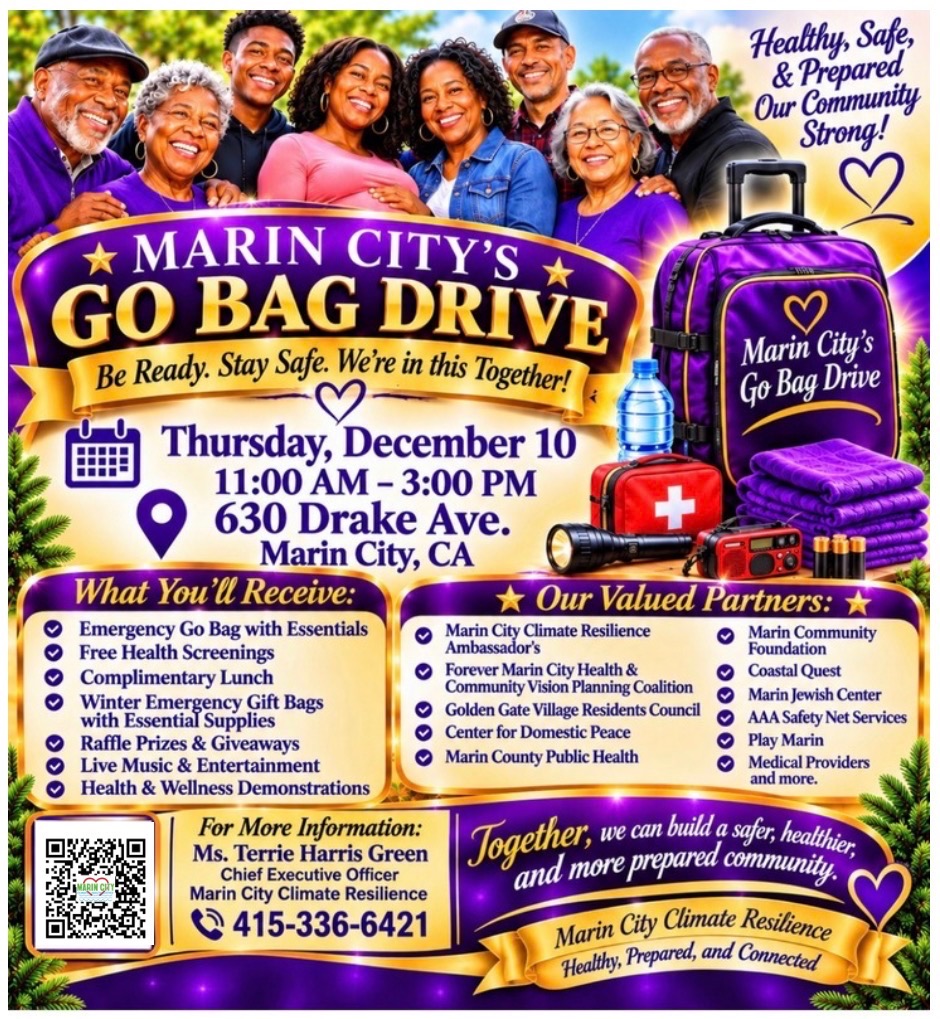
All of these potential conditions create stress and anxiety among residents.
Mobilizing disaster preparedness for this community, Marin City Climate Resilience (MCCR) and other community organizations and advocates are working intensely to support local residents.
MCCR is working specifically to provide services to the most vulnerable with access and functional needs, including seniors; people with disabilities; pregnant women; and infants and small children who may need additional assistance before, during, and after an emergency, disaster, or public health event.
MCCR preparedness plans include providing education and training and most importantly teams of residents (Climate Care Ambassadors) to assist vulnerable community members. Ambassadors will receive training in adult and pediatric first aid as well as how to respond to breathing and cardiac emergencies, injuries and sudden illness.
Over $5 million has been allocated in county funds for El Niño, but Marin City has not received any funding to provide direct services to its residents.
MCCR is seeking Bay Area-wide donations to provide at least 300 vulnerable residents with emergency survival supplies and services. These donations will be utilized for “Go Bags,” or grocery carts, that contain: blankets, clothing, health and personal items, radios, flashlights, phone chargers, food, and other basic necessities.
Each Go Bag will cost about $150 to prepare. The entire project is estimated to cost $100,000.
“This project shines a light on the many ways this community has been neglected and harmed by a lack of investment resulting in a 20-year difference in life expectancy, and it shows the ability of the community, as it has done in the past, to come together to support each other, especially in these emergency situations,” said Terrie Green, CEO of Marin City Climate Resilience.
Because folks have expressed concern about the issues facing Marin City, the Post will be covering these issues on a regular basis.
Due to the emergency situation, donations are especially critical right now. To make a donation, contact: Terrie Harris Green, terriegreen@marincityclimateresilience.org, (415) 336-6421.


Native American Health Center Connects 140 Community Members to Career Opportunities During Native American Heritage Month

Oakland Chamber of Commerce Faces $42,000 Ethics Fine for Campaign Violation

Attorney General Bonta Serves Investigative Subpoena on Nvidia

A Record 216 Firearms Collected at East Oakland Gun Buy-Back Event

City Council Hearing Shines a Light on Failures of City’s Prompt Payment Policy

IN MEMORIAM: Claude T. Everhart, San Francisco’s First Black Deputy Mayor, Dies at 73

UC Doctors, Nurses and Community Rally to Demand ICE Out of UC Hospitals

Hypertension and Heart Disease: Doctors, Advocates and Patients Are Tackling the Leading Cause of Death for Black Californians

Marin City Is Especially Vulnerable to El Niño High Tides, Strong Winds, Flooding and Power Outages

‘We’re Committed to Delivering the Change that the American People Deserve’

Staying Ready: What Every Californian Should Know About Preparing for El Niño

Oakland Post: Week of November 18 – 24, 2026

Oakland Post: Week of November 11 -17, 2026

Alameda County Supervisor Miley to Propose Illegal Dumping Ordinance

Oakland City Council Extends AI Data Center Moratorium for 10 Months.

COMMENTARY: Valarie Bachelor and Jennifer Brouhard are Excellent School Board Members and Deserve to Be Reelected

OUSD Receives State Review of District Finances; Outlines Progress Since January

HISTORY MADE: Keisha Lance Bottoms Becomes First Black Woman Elected Governor in American History

SEIU Local 1000 and State of California Will Continue to Negotiate New Labor Contract

Golden State Valkyries Become Bay Area Legends Winning WNBA Championship on Halloween Night

COMMENTARY: Your California Living Trust Could Be Next: When Evidence Isn’t Enough

Fate of Bay Area Public Transit Hinges on Regional Transit Measure

Chase Launches Fraud & Scam Prevention Month

Post News Group Nov. 3 Election Endorsements

From Backyard Grilling to Jack London Square: Jamale Carlyle’s Chicken Wing Success Story

Mayor Barbara Lee Holds Special State of the City Address in Deep East Oakland

Democrats, Community Groups Back Measure EE to Change How Oakland Is Governed

Richmond Neighbors Put Pantry Power on the Map

It’s Time to Lose Weight Before the Holidays

Hutchinson Concedes: Ballots Still Being Counted in Oakland Board Elections

The Conversation With Al McFarlane 6/23/26

Media Monday 6/22/26

LIVE! ASK ALMA! — TUES. 6.23.26 7PM EST

Car Buying Secrets: 4 Hidden Checks Before You Sign!

Is This 550 HP Charger Worth YOUR Money? AutoNetwork Review

Celebrating Juneteenth – Frederick Douglass on education and resistance

LIVE! — ASK ALMA! — TUES. 6.19.26 7PM EST

Hyundai Ioniq 5 Parking, Safety, and 360 View #shorts

2025 Ioniq 5 New Wiper & Powerful Performance! #shorts

Electric SUV Range: Is 259 Miles Enough? #shorts

EV Charging: How Fast Can You Charge an Electric Vehicle? #shorts

Biometric Cooling… Messaging Seats…Come on! 2025 Infiniti QX80 Autograph 4WD

Charged Up: Witness the Magic of a Fully Electric Car! #shorts

Range Rover Sport PHEV Included…: See What’s Inside This Luxury SUV! #shorts

Invisible Hood View: Perfect Parking with X-Ray Vision! #shorts
-
 Commentary3 weeks ago
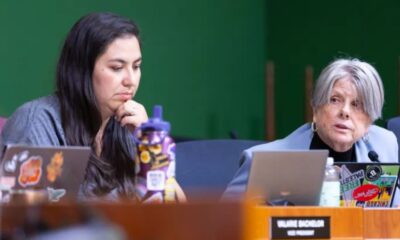
COMMENTARY: Valarie Bachelor and Jennifer Brouhard are Excellent School Board Members and Deserve to Be Reelected
-
 Education3 weeks ago
OUSD Receives State Review of District Finances; Outlines Progress Since January
-
 Black History3 weeks ago
HISTORY MADE: Keisha Lance Bottoms Becomes First Black Woman Elected Governor in American History
-
 Business3 weeks ago
SEIU Local 1000 and State of California Will Continue to Negotiate New Labor Contract
-
 Community3 weeks ago
Golden State Valkyries Become Bay Area Legends Winning WNBA Championship on Halloween Night
-
 Business3 weeks ago
COMMENTARY: Your California Living Trust Could Be Next: When Evidence Isn’t Enough
-
 Business4 weeks ago
Fate of Bay Area Public Transit Hinges on Regional Transit Measure
-
 Commentary3 weeks ago
Post News Group Nov. 3 Election Endorsements
