
Art
Kotelemla Bolinga: a Soundtrack for Resistance and Love
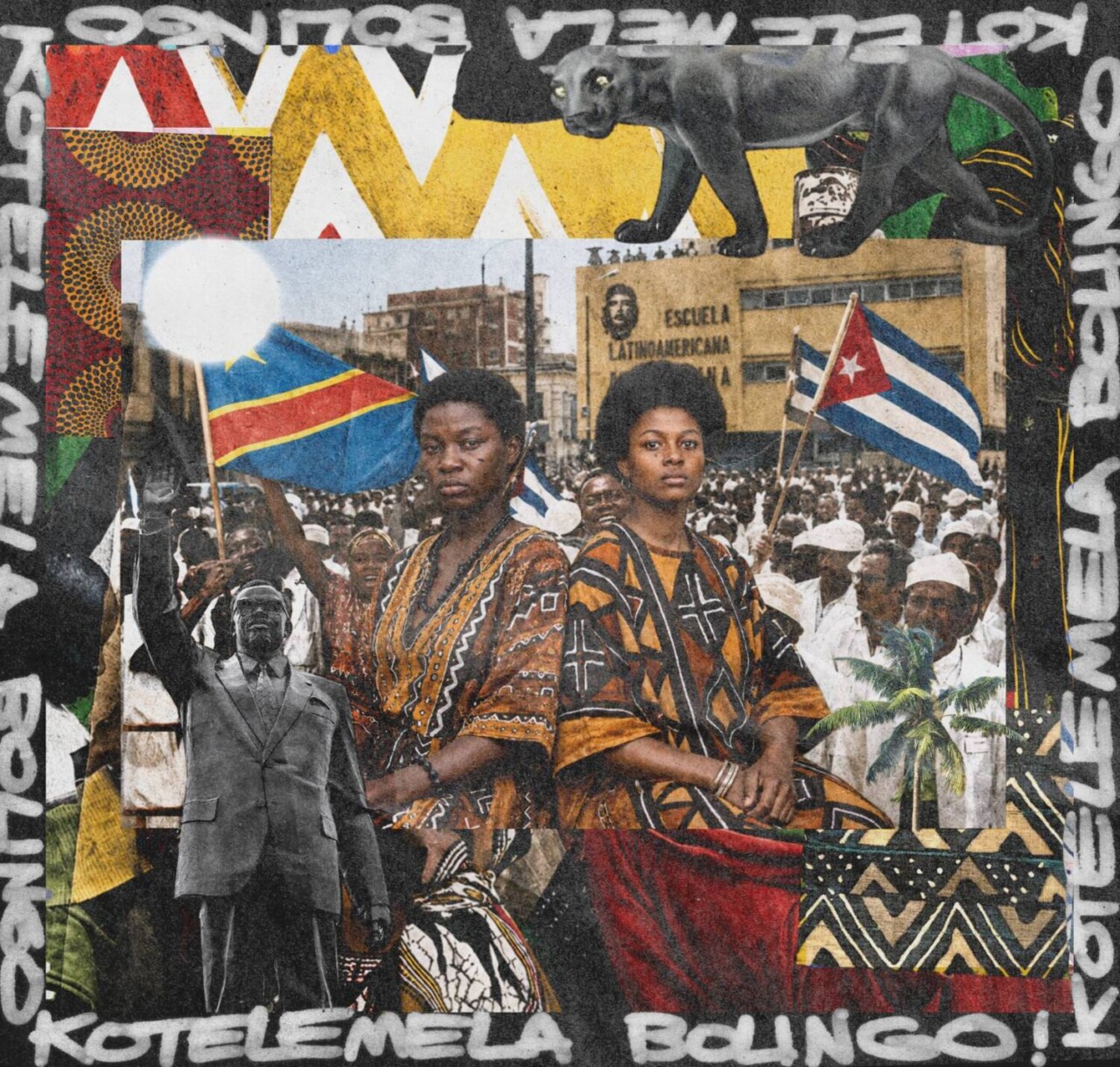
SF BAY VIEW — Obi Egbuna Jr. of the Zimbabwe-Cuban Friendship Association developed “Kotelemela Bolingo,” a free music project meaning “Resistance and Love” in Lingala. This initiative is dedicated to Assata Shakur of the Black Liberation Army and Black Panther Party, and Pauline Lumumba, wife of the late Congolese Prime Minister Patrice Lumumba.

by JR Valrey, the People’s Minister of Information
When many people think of resistance, they think of guns. Some think of organizing. But outside of the organizing community, very few would consider using culture as a weapon, in the spirit of artists like Gil Scott-Heron, The Watts Prophets, The Last Poets, Miriam Makeba, Bob Marley, Fela Kuti, 2Pac, the Coup, Dead Prez and Lauryn Hill. The great Guinea-Bissau revolutionary Amilcar Cabral once said that you can see how ripe a people are for revolution by comparing how similar their culture is to that of the oppressor.
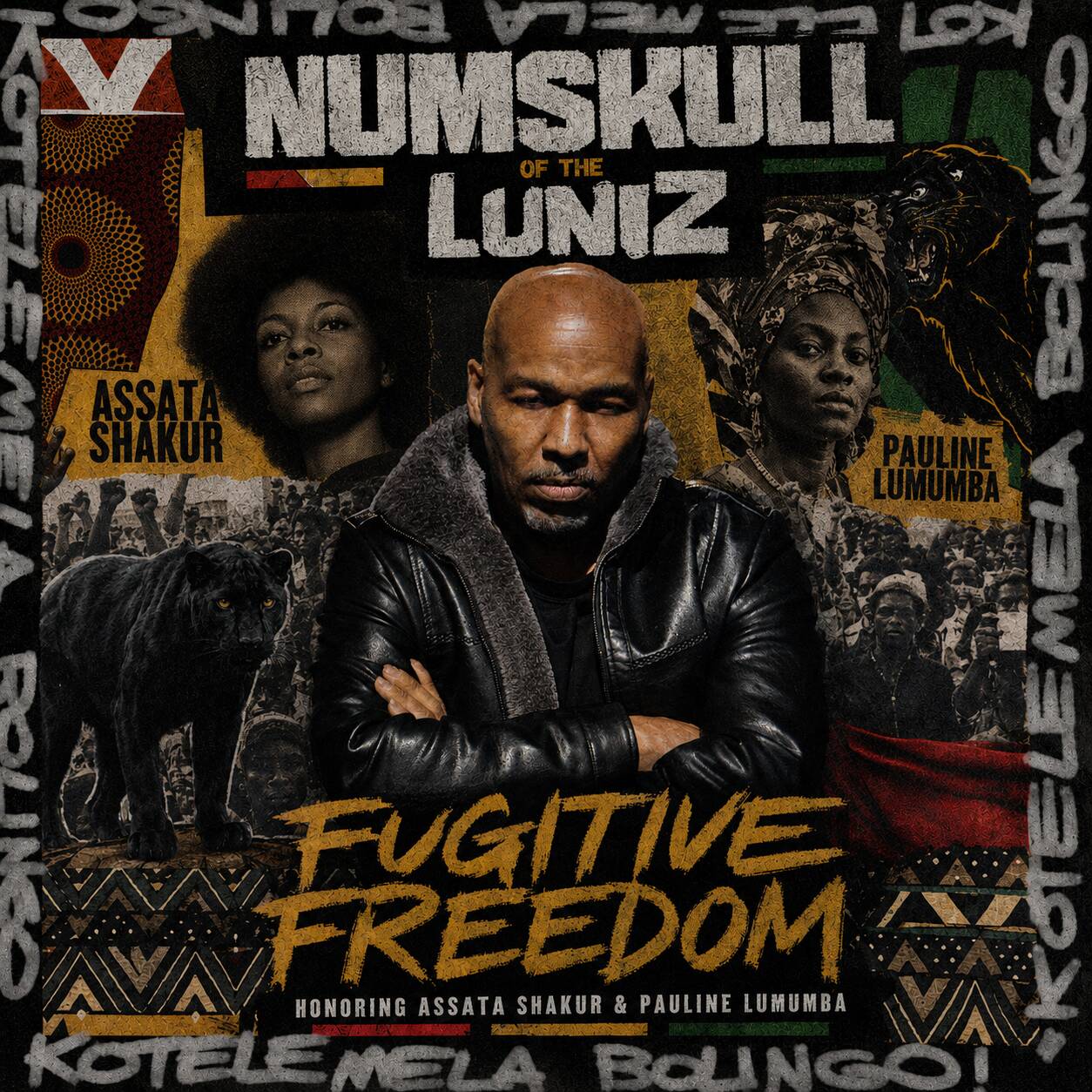
Obi Egbuna Jr. of the Zimbabwe-Cuban Friendship Association has been organizing internationally in support of resistance movements and revolutionary governments for decades. The most recent project that he organized is called “Kotelemela Bolingo,” which means “Resistance and Love” in the Lingala Congolese language. It is a music project — given away for free — dedicated to the late freedom fighter and political exile Assata Shakur of the Black Liberation Army and Black Panther Party, and Pauline Lumumba, the wife of the assassinated first prime minister of the Democratic Republic of the Congo, the late great Patrice Lumumba. The album features legendary artists like Oakland’s Numskull of the Luniz, L.A.’s Ras Kass, and the DMV’s Mumu Fresh, as well as many talented up-and-coming artists from around the world.

You can hear part of the compilation here: Kotelemela Bolingo (Full Album; Vol. 1)

JR Valrey: Who is the Zimbabwe-Cuban Friendship Association? What is its history? What is your relationship with the organization?
Obi Egbuna Jr.: ZICUFA is an organizational vehicle whose aim is to maintain the solidarity and camaraderie between Zimbabweans and Cubans on a people-to-people level.
Traditionally speaking, revolutions start from the bottom to the top. Therefore, while the ruling parties and leadership of both nations have a strong and unbreakable bond, these friendship associations are the reason Cuba’s people and revolution are truly revered throughout Mother Africa. This dynamic is on full display, especially in Mother Africa’s southern region.
In 1985, Cuba bestowed the late Zimbabwean president and Pan-African revolutionary icon Robert Gabriel Mugabe with the Jose Marti Award, Cuba’s highest honor, one year after the youthful, dynamic Pan-African phenom and president of Burkina Faso, Thomas Sankara, was a recipient. When I learned this, it became abundantly clear that certain elements who have written about Cuba’s ties to Africa have allowed subjectivity to affect their better judgment. Too often, they reduce Cuba-African relations to Madiba Nelson Mandela receiving the Marti Award and Cuba’s heroic guerilla mission in Angola. Those who choose to peddle this narrative, historically speaking, leave a lot of meat on the bone.
In 1986, Comandante Fidel Castro visited Zimbabwe for the Non-Aligned Movement conference. I remember the twinkle in the eyes of the late Dr. Nathan Shamuyarira, Zimbabwe’s first foreign minister and national hero, fondly reflecting on this moment in history. Dr. Shamuyarira said Comandante Fidel Castro was going back and forth from the NAM conference to the Cuban Embassy because he was sending instructions to Cuba’s fighting forces in Angola. Somehow, between this rigorous schedule, the Comandante took the opportunity to visit schools in Zimbabwe, which resulted in an agreement with President Mugabe that Zimbabwean teachers could come to Cuba for training. From 1986 to 1996, 3,000 Zimbabwean teachers went to Cuba and became the backbone of their nation’s educational system, which today has a 97% literacy rate.
As this year marks the 40th anniversary of the death of Mozambique’s president, the revolutionary giant Samora Machel, his two personal physicians were Cuban doctors whose lives were claimed in that awful plane crash. When the civil and human rights icon Bayard Rustin broke our hearts and supported the CIA-trained mercenaries UNITA in Angola, whose sole purpose for existence was to overthrow the socialist revolutionary party MPLA, his justification was to prevent the rise of Cuban influence in southern Africa. During Cuba’s guerilla operation in Angola in Cuito Cuanavale, we often forget that the revolutionary party of Namibia, SWAPO, was part of that fight, which represented, at the time, the largest military conflict on African soil since World War II. Our role in this process is a raindrop in a full-fledged thunderstorm.
In 2003, Cuba’s deputy ambassador to their interests section in Washington, D.C., Ambassador Cosme Torres Espinoza, was deported under false charges of espionage. Not too long after this, the U.S. State Department denied Cuban diplomats the opportunity to travel outside the D.C.-Maryland-Virginia beltway. The goal was to curtail the outpouring of invitations Cuban diplomats always receive from educators, clergy, local elected officials, business people, artists, and, of course, grassroots organizers who feel the cowardly and racist blockade is outdated. His next detail was to serve as Cuba’s ambassador to the Republic of Zimbabwe. I met with him in Zimbabwe 20 years ago, and he asked me to join the organization. At the time, I was growing increasingly frustrated with Cuban solidarity efforts in North America, in particular with paternalism and racism. I am eternally grateful to Ambassador Torres for that lifeline.
About 10 years ago, ZICUFA’s secretary general, Comrade Pesanai, who was the first teacher to complete the training in Cuba, asked me to become the organization’s first external relations officer in ZICUFA’s history. This was on par with serving as the U.S. correspondent to The Herald, Zimbabwe’s national newspaper, or perhaps an even greater responsibility and honor.
JR Valrey: Why did the organization organize its fourth musical compilation in honor of Assata Shakur and Pauline Lumumba? What is the importance of these women?
Obi Egbuna Jr.: This is our first compilation honoring Assata Shakur and Pauline Lumumba. However, 12 years ago, we had the honor of collaborating with Mutulu Olugbala, affectionately known as M1 of the internationally acclaimed hip-hop group Dead Prez, for a project entitled BattleCry for Cuba and Zimbabwe. It ended up being a three-album set, with artists the world over lending their voices to the fight to have the U.S. blockade on Cuba and U.S.-E.U. sanctions on Zimbabwe lifted. It was an honor and privilege to collaborate with an artist of M1’s caliber, especially during this time period, when he had many organizers pulling him in a multitude of directions. The first album took two and a half years to complete, but after that, we were running downhill.
The highlight of that time period was when the Cuban diplomat Alexander Rodriguez contacted us and said that the International Committee to Free the Cuban Five wanted us to perform for a concert they were organizing in Washington, D.C. The venue ended up being my old junior high school, Abraham Lincoln. That entire process prepared us for the current effort. The Assata Shakur-Pauline Lumumba Project emanated from the Assata Shakur Cuba Defense Campaign, which was launched two and a half years ago. The campaign had three goals: 1. To get Sister Assata off the terrorist list. 2. To get the $2 million bounty on Sister Assata’s head lifted. 3. To have Cuba removed from the U.S. State Department’s list of nations they accuse of being involved with state-sponsored terrorism.
We had the late Black Panther pioneer Bilal Sunni-Ali as our strategic and tactical advisor on that project. We had an unbelievable press conference that had elected officials like Charles Barron, the councilman and assemblyman in New York; Calvin Hawkins, who was the councilmember at large in PG County; and Hank Sanders, the longest-serving state senator in Alabama’s history, who represented the 23rd District, an area plagued with abject poverty. Senator Sanders was also involved in the negotiations that led to the Port of Mobile being opened to Havana. We had the Grammy-nominated artist Mumu Fresh as well. To top everything off, we had the children in the Thomas Sankara Center in Burkina Faso weigh in on the situation, carrying Hands Off Assata signs through the streets of Ouagadougou.
Last year, we held another press conference turning attention to the medical dimension of Cuban revolutionary expression. We had the former president of the National Medical Association, Dr. Lucy Norville Perez, who was the first NMA president to visit Cuba back in 2002. Dr. Abeeku Dada, who graduated from the Latin American School of Medicine in Cuba and co-founded the International Medical Society of ELAM Graduates, organizes brigades of graduates from ELAM to go and assist Cuba’s Henry Reeve Medical Brigade in nations where they have a physical presence. We had Dr. Mabel Montego, who heads the brigade in Burkina Faso, also weigh in. We had Dr. Mardia Stone, a Liberian physician who was working in Liberia when the Cuban doctors were there a few years back to eradicate Ebola. We worked in partnership with the Friends of the Congo to pull off that press conference. The Cuban embassies in Burkina Faso and Congo-Brazzaville were in attendance. This album is a follow-up to those events. It is a double album with 30 songs featuring reggae, spoken word, R&B, hip-hop, blues poetry, jazz and opera. Through this, we can identify practical ways to support the 4,000 Cuban doctors in Mother Africa.
JR Valrey: Who are the artists that contributed?
Obi Egbuna Jr.: You have Numskull of the Luniz, thanks to you. You have Ras Kass, thanks to Minister Pyeface X, who also brought in the brother Timmy Staxx, whose producing and engineering elevated the project. You have Mumu Fresh, who closed Assata’s tribute with Common and was recently on The Tonight Show with Nas and AZ. You have Grammy Award-winner MediSun, a reggae singer whose voice reminds people of David Hinds from the legendary group Steel Pulse. The genres represented are the highlight. We gave the usual suspects — Dead Prez, Immortal Technique, Yasiin Bey and Talib Kweli, KRS-One, Chuck D — the day off. The production by Timmy Staxx, whose mixes, mastering and engineering are absolutely breathtaking.
I also have to point out that JPhin and Tongo are willing to assist with the logistics of the project, which echoes the sentiment of the Pan-African giant Ahmed Sekou Toure when he said, “To be part of the African revolution, it is not enough to write a revolutionary song. You must fashion the song with the people, and the songs will come of themselves and by themselves.”
JR Valrey: What does the compilation sound like?
Obi Egbuna Jr.: I don’t think I can be objective, so we will let the people be the judge. I’ll say this, my brother: We studied the George Harrison Bangladesh album, the Live Aid concert, and the documentary that showed how the We Are the World project came together. When it comes to African protest music, we have an endless library, but too often there is a vast disparity between the content and musicianship. The quality was an utmost priority, and we can’t wait to see how our people worldwide receive the project. You have material in five languages, reaffirming the sentiment that music is the universal language of the planet. We creatively tested the waters.
JR Valrey: Politically, how do these compilations help the cause of ending the blockades against Cuba and the genocide against the Congo currently going on?
Obi Egbuna Jr.: When done organically, these projects represent cultural warfare. If U.S. imperialism can use films like “Scarface” and “The Godfather” to demonize the Cuban revolution, then double down by using athletes like Alexis Arguello, who turned his back on the Sandinistas and had the Gusanos in Miami reward him by organizing his fight against Aaron Pryor in the Orange Bowl, then we have to counter with projects like this.
I remember speaking with Kwame Ture immediately after he left the Honorable Minister Louis Farrakhan’s residence after The Notorious B.I.G. was gunned down in Los Angeles. He asked me how long I thought it would take before hip-hop artists, in particular, would make protest music. My answer was between 1988 and 1990, we were doing it. That’s how he ended up on the BDP Edutainment album. He meant protest issues that represented our political efforts. I stated that the artists were a microcosm of our community, and they had, using Malcolm’s terminology, chosen the ballot over the bullet.
Around that same period, Sister Assata and Comrade Nehanda Abiodun had charged the Malcolm X Grassroots Movement with educating artists about political prisoner work. The Cuban expert James Early stated that he and Harry Belafonte had held talks with Comandante Fidel Castro about hip-hop. The Malcolm X Grassroots Movement spearheaded the Black August effort. Common’s Assata song, in the opinion of many, is the highlight.
A few years later, Omowale Adewale of the Grassroots Artists Movement introduced us to M1 from Dead Prez, and we had a press conference calling for Cuban doctors to address the public health crisis in New York City, which ended up being in conjunction with our efforts to keep the doors of D.C. General Hospital open. We had 100 clergy pray for Cuban doctors to come save D.C. General Hospital because the poorest part of D.C. was left without a Level 1 trauma center or prenatal care unit. You also had the head of the Nursing Department at Bowie State University, Dr. Eleanor Walker, appeal to Cuba to start offering nursing scholarships because, in North America, Africans had an all-time shortage of nurses. Unbeknownst to many, this predates Cuba’s offer to send 1,500 environmental disaster specialists to the Gulf region after Hurricane Katrina.
With George W. Bush reinventing himself as a born-again humanitarian in Africa, the collapse of the imperialist masking agent USAID, along with not one African head of state yielding to U.S. imperialist pressure by terminating their agreement with Cuba to have the Henry Reeve Medical Brigade function in their respective nations. Unlike the seven nations in this hemisphere who showed the Cuban doctors the door, Africa stood firm, thanks to the people. This is the political advantage and a reminder that our liberation struggle is also for our human dignity.
I am a product of an ideological leaning that when Nigeria, because of its population; Azania/South Africa, because of its strategic location; and the Congo, because of its vast wealth, fall under revolutionary control, the decolonization process will have officially come full circle. We are thankful that even though the artists are more familiar with Sister Assata, they embraced incorporating the journey of Pauline Lumumba, which demonstrates what Pan-Africanism looks like when executed in this manner.
JR Valrey: How did the compilation projects originally begin?
Obi Egbuna Jr.: We started preparing for the album at the end of March. Based on the attacks on Cuba, we worked diligently around the clock. I brainstormed with the co-executive producer, Russell Shoatz III, whom I contacted because the artists we chose to spearhead this, Richard Raw in Delaware and Foluke Bady in Baltimore, informed us that scheduling prohibited them from spearheading a project of this magnitude. Because of Russell’s experience with CurbFest and my previous connection to the BattleCry project, we were humbled to assume this responsibility.
JR Valrey: How can people hear the project?
Obi Egbuna Jr.: The main source at the moment is YouTube. We thank you for your involvement and support. By the time we speak to you, it should be available fully on Instagram, Facebook, LinkedIn and TikTok. We are not monetizing, therefore we cannot and will not use streaming platforms. Thanks for the support in numerous capacities. Long live Assata Shakur, long live Pauline Lumumba, long live Cuba, long live the African fighting spirit!!!!
SF Bay View Editor-in-Chief JR Valrey is a veteran journalist who can be heard weekly on Wednesdays on 89.5FM KPOO orKPOO.com from noon to 3 p.m. His work can also be heard on www.blockreportradioworld.com. You can reach him at JR@sfbayview.com.
The post Kotelemla Bolinga: a soundtrack for resistance and love appeared first on San Francisco Bay View.
Based on reporting by SF Bay View.






Art
BLACspace Cooperative Invites Bay Area to Experience Oakland’s Black Cultural Ecosystem Through a BLAC Map Tour + Party
BLACspace Cooperative invites the Bay Area to experience Oakland’s Black cultural ecosystem through its BLAC Map Tour + Party on October 2. Presented as part of the Museum of the African Diaspora’s Nexus: SF/Bay Area Black Art Week, the event offers a guided field trip through creative and cultural spaces, followed by a celebration. Guests will explore the people and places shaping Black arts and culture across Oakland. The tour highlights BLACspace’s interactive guide to spaces stewarded by its members. Read more to learn about this unique event.
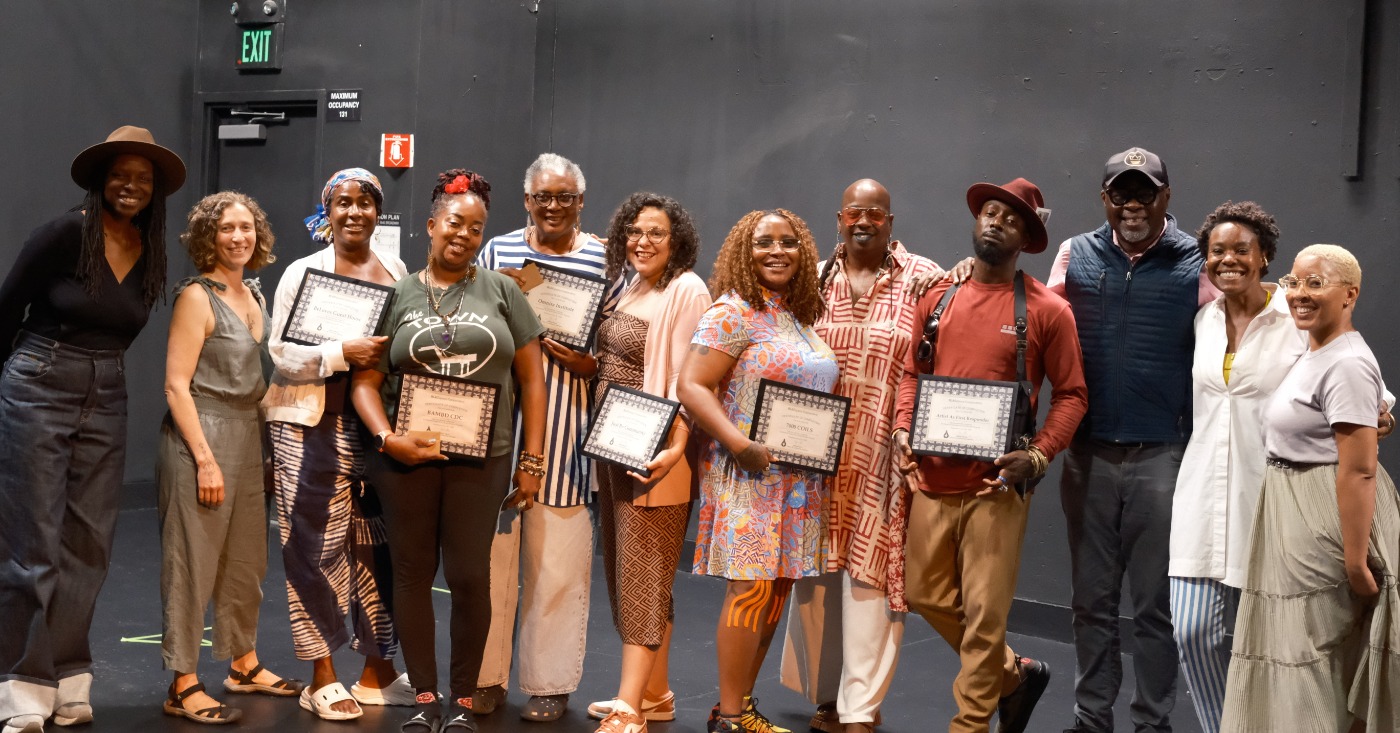
Presented as part of MoAD’s Nexus: SF/Bay Area Black Art Week, the October 2 experience takes guests inside the spaces, practices, and relationships that keep Black arts and culture rooted in Oakland
What does Oakland’s Black cultural ecosystem look like from the inside?
On Friday, October 2, BLACspace Cooperative will bring its BLAC Map to life with The BLAC Map Tour + Party, a two-part experience connecting artists, cultural workers, community partners, funders, and arts lovers with the people and places shaping Black arts and culture across Oakland and the greater Bay Area.
Presented as part of the Museum of the African Diaspora’s Nexus: SF/Bay Area Black Art Week, the day begins at MoAD at 685 Mission St. at 12 noon with a guided field trip through creative and cultural spaces connected to the BLACspace ecosystem.
Guests will travel together by bus from San Francisco to Oakland, stepping inside studios, cultural hubs, creative businesses, and gathering places while experiencing artist talks, exhibitions, film, music, movement, ancestral practice, and opportunities for conversation.
The Tour is an extension of The BLAC Map of Oakland, BLACspace’s interactive guide to creative and cultural spaces stewarded by members of its ecosystem. The map makes visible a network of people and places working to keep Black culture rooted in a city where displacement, rising costs, and shrinking arts funding continue to threaten cultural permanence.

“We call this work Cultural Reforestation,” said Zakiya Harris, Vision and Leadership steward of BLACspace Cooperative. “It’s about repairing, replenishing, and rooting Black arts and culture where it has been displaced, and creating the conditions for our cultural ecosystem to remain for generations to come.”
The Tour will move through several Bay Area cultural spaces, including Minnesota Street Project, The Barn, B-Love’s Guest House, Koo Labs Production & Design Center, BAM House, and BlaQyard, with experiences featuring members and collaborators across the BLACspace ecosystem.
At 5 p.m., the field trip gives way to The BLAC Map Party, a celebration of the ecosystem the Tour spent the day exploring. The evening invites the wider community to gather for music, food, art, cultural activations, an opening Ring Shout ceremony, and connection among Black artists, cultural workers, organizations, and the people who support their work.
The experience reflects BLACspace’s larger belief that the future of Black arts and culture requires cooperation.
As a Black arts and culture-promoting cooperative, BLACspace brings together artists, cultural workers, creative businesses, and organizations to share resources, relationships, knowledge, and stewardship.
Through membership, holistic business coaching, mutual aid, consulting, storytelling, and advocacy for cultural spaces, the cooperative is building infrastructure intended to strengthen Oakland’s Black cultural economy for the long term.
EVENT INFORMATION
The BLAC Map Tour + Party
Friday, Oct. 2
BLAC Map Tour: 12–5 p.m.
Begins at the Museum of the African Diaspora (MoAD)
685 Mission St., San Francisco
BLAC Map Party: 5–8 p.m.
Oakland, California
Party location provided to confirmed RSVP guests.
Tickets, RSVP information, and additional event details are available through BLACspace Cooperative at ABOUT BLACSPACE COOPERATIVE
About BLACspace Cooperative:
BLACspace Cooperative connects and cultivates an ecosystem of artists, cultural workers, creative businesses, and organizations shaping Black arts and culture. Through holistic business coaching, values-aligned consulting, shared stewardship, and advocacy for cultural spaces, BLACspace works to create the conditions for its ecosystem to remain rooted and thrive.
Its work is grounded in Cultural Reforestation: strengthening what is here, restoring what has been displaced, and building toward cultural permanence in Oakland and beyond for the next 100 years.
Adéniké Amin is the storytelling steward for BLACspace Cooperative. For media and other information, please reach out to adenike@blacspace.coop
Art
Misty Copeland Shapes Ballet’s Tomorrow
THE POSITIVE COMMUNITY — Misty Copeland will curate the 2026 Joyce Ballet Festival, a two-week event in New York City from August 4-16. This role allows her to influence the future of ballet by showcasing a wide range of dancers, choreographers, and companies. The festival will present both established and contemporary works, blending classical traditions with new artistic expressions.

This summer, Misty Copeland will step into a different kind of spotlight. Instead of taking center stage as a dancer, she will help determine what audiences see onstage as curator of the 2026 Joyce Ballet Festival. Taking place August 4 through August 16 at The Joyce Theater in New York City, the two-week celebration will bring together dancers, choreographers and companies representing a broad spectrum of ballet. The festival gives Copeland an opportunity to share not only her appreciation for ballet’s traditions, but also her vision for its future.
Copeland understands better than most how powerful a ballet stage can be. Her historic career with American Ballet Theatre changed the conversation about representation in one of the world’s most traditional performing arts. When she became the company’s first Black woman to reach the rank of principal dancer, her achievement carried significance far beyond a personal milestone. It gave young dancers of color a new image of what was possible and challenged the industry to reconsider who belonged at the center of ballet.
That history informs the perspective she brings to the festival. Copeland has spent much of her career moving between performance, mentorship, advocacy and storytelling. Her curatorial role allows her to bring those interests together by creating a program that does not treat ballet as a museum piece. Instead, the festival presents dance as an evolving language capable of carrying classical traditions into new cultural and artistic territory.
Audiences will encounter a mixture of established works and contemporary creations during the festival. Classical ballet vocabulary will share space with choreography that pushes dancers toward different physical, emotional and theatrical possibilities. The result is intended to give audiences a broader understanding of the art form while demonstrating that tradition and innovation do not have to be competing forces.
The lineup also provides an opportunity to see dancers from different artistic environments. Performers connected to organizations including American Ballet Theatre, New York City Ballet, Paris Opera Ballet, Houston Ballet, Dance Theatre of Harlem and Complexions Contemporary Ballet are among those represented in the festival. Each company carries its own history and artistic identity, making their participation part of a larger conversation about the many ways ballet can be performed and interpreted.
The presence of Dance Theatre of Harlem is particularly meaningful within the larger story of Copeland’s career and the evolution of Black representation in ballet. Founded during a period when opportunities for Black dancers were severely limited, the company helped demonstrate that excellence and classical training could flourish in a Black cultural environment. Its legacy continues to influence dancers and audiences, making its connection to a festival curated by Copeland especially resonant.
The program also reaches beyond a single definition of contemporary ballet. Choreographers with different backgrounds and artistic philosophies contribute to an evening that can move from recognizable classical structures to works shaped by modern dance, theater, popular culture and new approaches to movement. That diversity reflects a generation of artists who increasingly see ballet not as a rigid vocabulary but as a foundation from which they can explore.
For New York audiences, the festival offers something that is increasingly valuable: the opportunity to experience outstanding dancers in an intimate setting. The Joyce is known for presenting dance in a theater where audiences can see movement and artistry up close. That environment can make a familiar ballet work feel newly personal while allowing experimental pieces to communicate with unusual immediacy.
Copeland’s role as curator also sends a message about the importance of artistic leadership. The people who select performers and choreography help determine which stories receive attention and which artists receive opportunities. By bringing a range of voices into the festival, Copeland is using that responsibility to broaden the conversation around ballet. Her choices can introduce audiences to artists they may not otherwise encounter while encouraging longtime ballet followers to look at the form from a different perspective.
The 2026 Joyce Ballet Festival ultimately arrives at an important moment for the art form. Ballet is carrying centuries of tradition into an era defined by changing audiences, broader representation and increasingly adventurous choreography. Copeland’s festival reflects that transition. For two weeks in August, The Joyce will become a meeting place for the familiar and the unexpected—a celebration of where ballet came from and a preview of where it may be going. And with Misty Copeland helping shape the conversation, the future of ballet promises to be as expansive as the dancers who are defining it.
Based on reporting by The Positive Community.
Art
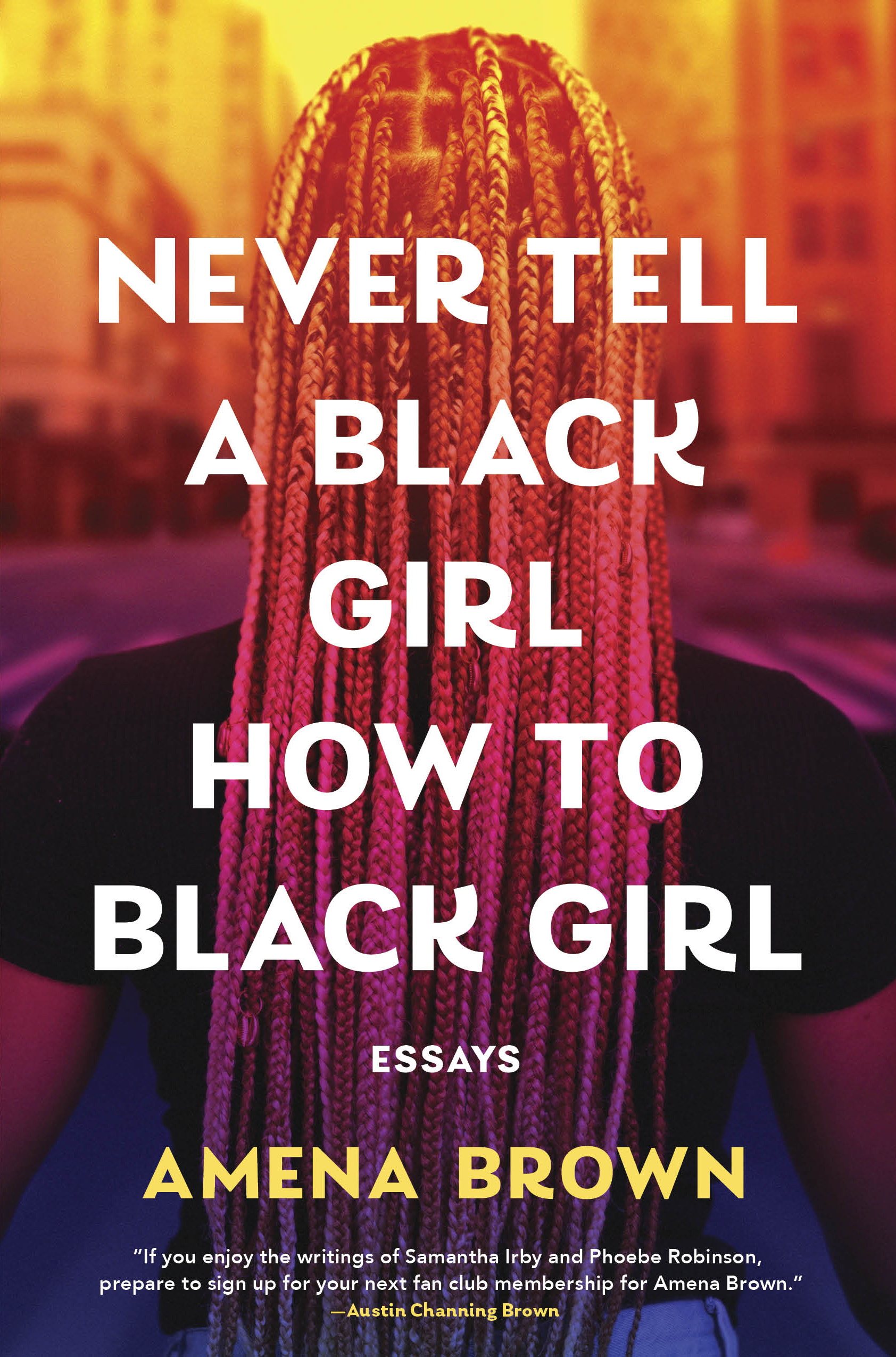
BOOK REVIEW: Never Tell a Black Girl How to Black Girl: Essays
Growing up in North Carolina, she Black Girled her hair her entire life. Her grandma made her sit for box braids when she was small, telling Brown that she was “tenderheaded.” Later, Brown had relaxed hair until she “went broke” and couldn’t afford the process anymore. That was when she got acquainted with her natural hair – although she returned to box braids at least once, and loved them all over again.
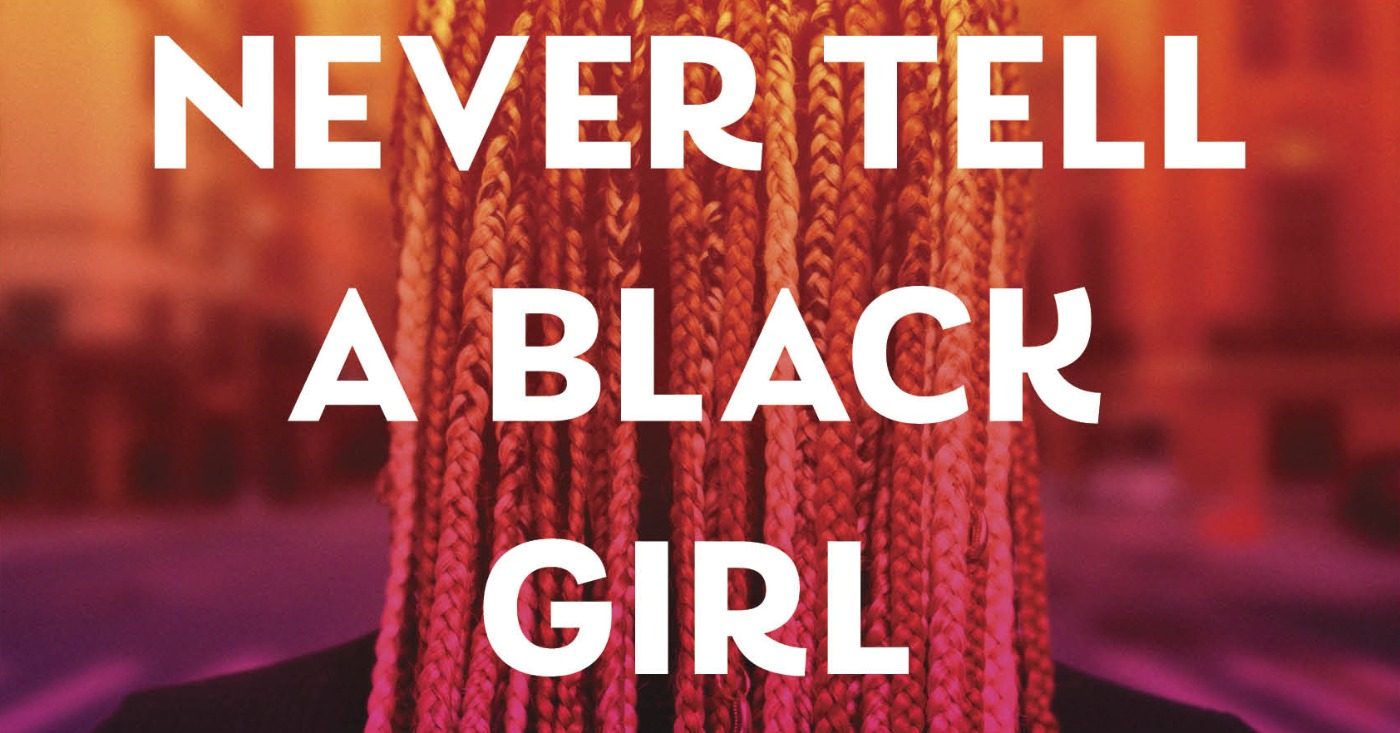
Author: Amena Brown, Copyright: c.2026, Publisher: Tiny Rep Books, SRP: $30.00, Page Count: 320 pages
Some things can really make you cross.
People telling you your business, for instance. People asking questions they have no reason to know the answers to. Folks who criticize your hair or clothes or life. These things would set anyone off; they’d be the last straw for anybody. As in the new book, “Never Tell a Black Girl How to Black Girl” by Amena Brown, some folks just cross the line.
In a way, it’s a matter of grammar.
Depending on how you say it, “Black Girl is a noun and a verb,” says Brown. A Black Girl can be a Black Girl… and she can Black Girl. Brown herself has done it “in six countries.”
Growing up in North Carolina, she Black Girled her hair her entire life. Her grandma made her sit for box braids when she was small, telling Brown that she was “tenderheaded.” Later, Brown had relaxed hair until she “went broke” and couldn’t afford the process anymore. That was when she got acquainted with her natural hair – although she returned to box braids at least once, and loved them all over again.
As the child of a strict Pentecostal mother, Brown was a “late bloomer.” She didn’t drink alcohol until she was in her twenties. She was chaste while dating and a better church girl than a party girl. After she left the church, she began experimenting with wine first, then cocktails. She learned to cook, reasoning that the path to finding love started in a kitchen, one that happened to be her grandmother’s. And yes, love did eventually come in the form of a red-headed White man who was her friend before he became her boyfriend — and before he became her mother-sanctioned, grandma-approved husband.
Overall, says Brown, there is no single right method for doing this.
“There are so many ways to Black Girl, which means the way you Black Girl is beautiful, and the way I Black Girl is beautiful too.”
Looking for a collection of addictive, can’t-read-just-one essays that’ll make you laugh but that also feel like author Amena Brown is peeking at your life? Want a book that speaks to every corner of your existence?
Yeah, then you want “Never Tell a Black Girl How to Black Girl.”
You know how it is when you spot something so profound, so right, that you just have to call your friends and read it out loud to them? That’s what you’ll find here: truth told with humor that’s also oozing with warmth. Add honesty that’s smart and bold and practically begging for a “Heck, YES!” and you’ve got your new favorite book.
The essays here are short enough to read in a few minutes, but compelling enough to make you want more, so give yourself room.
This is a book for twenty- and thirty-somethings, but also for their mothers and grandmas who can handle respectful irreverence and surefooted playfulness. Can men enjoy “Never Tell a Black Girl How to Black Girl”? Sure, but it’s more for women, cross your heart.


WCCUSD Joins Statewide Organic School Food Purchasing Cooperative

Democrats, Community Groups Back Measure EE to Change How Oakland Is Governed

Four Tips to Help You Plan a Holiday “Staycation”

Veterans Housing Project Proposed for South Richmond
PRESS ROOM: Transformative Justice Coalition 2026 Voting Rights Champion Awards Reception ‘Yesterday Is Today: The Battle For Voting Rights

Mayor Lee Delivers 2026 State of the City Address: ‘Oakland Continues to Be on the Move’

Oakland Awarded More than $14 Million in State Funding

Jendayi Arrest Raises Community Concerns Regarding Sheriff’s Chain of Command

Marin County Supes Expand Small Business Options with Home Kitchen Pilot Program

Allen Temple Baptist Church Hosts Free Prostate Cancer Screenings on Oct. 17

AC Transit Labor Unions Back Director Joel Young

Locals Can Get Locally Grown Produce Delivered Through Urban Tilth

‘ICE-Free Marin’ Supporters Press Supervisors as County Drafts Enforcement Restrictions

Oakland Post: Week of October 7 – 13, 2026

Ghana’s Ministry of Foreign Affairs Publishes Global Circle’s Vatican Reparations Call in Special Edition Alongside Heads of State

Jackie Wright Champions Bay Area Stories, Filmmakers and Cultural Institutions

Chef Sharon Lee Blends Culinary Excellence, Education and Empowerment

Misnamed ‘Parent’ PAC Seeks to Influence Oakland School Board Elections

Big City Mayors Ask for “Yes” Vote on Housing Bond Measure; Conservatives Say “No”

Oakland Post: Week of September 2 – 8, 2026

Longtime BWOPA Member Brendalyn Goodall Appointed to California Workforce Development Board

Gov. Newsom Signs Law Shielding Immigration Aid Workers From Doxing Threats

Oakland Post: Week of September 9 – 15, 2026

Richmond Tiny House Village Farm & Garden Set to Open Gates on Sept. 26

Latest Massacre in Haiti Reveals Cruelty U.S. Deportations

‘Passing a Law Isn’t The Finish Line’: California Assembly Evaluates Implementation, Results

OPINION: Nolan Wells’ Death One of Several Signifying Racial Terror Lives on in U.S. South

OPINION: Angie Nixon Will Turn You Into a Democratic Socialist If Donald Trump Hasn’t Already

Poll: Becerra Widens His Lead Over Hilton; Californians Split on Wealth Tax

Mayor Lee Announces $1 Million Kaiser Permanente Grant for Pilot Program to Address Homelessness, Clean Up Public Spaces throughout Oakland

The Conversation With Al McFarlane 6/23/26

Media Monday 6/22/26

LIVE! ASK ALMA! — TUES. 6.23.26 7PM EST

Car Buying Secrets: 4 Hidden Checks Before You Sign!

Is This 550 HP Charger Worth YOUR Money? AutoNetwork Review

Celebrating Juneteenth – Frederick Douglass on education and resistance

LIVE! — ASK ALMA! — TUES. 6.19.26 7PM EST

Hyundai Ioniq 5 Parking, Safety, and 360 View #shorts

2025 Ioniq 5 New Wiper & Powerful Performance! #shorts

Electric SUV Range: Is 259 Miles Enough? #shorts

EV Charging: How Fast Can You Charge an Electric Vehicle? #shorts

Biometric Cooling… Messaging Seats…Come on! 2025 Infiniti QX80 Autograph 4WD

Charged Up: Witness the Magic of a Fully Electric Car! #shorts

Range Rover Sport PHEV Included…: See What’s Inside This Luxury SUV! #shorts

Invisible Hood View: Perfect Parking with X-Ray Vision! #shorts
-
 Economy2 weeks ago
Poll: Becerra Widens His Lead Over Hilton; Californians Split on Wealth Tax
-
 Business3 weeks ago
Mayor Lee Announces $1 Million Kaiser Permanente Grant for Pilot Program to Address Homelessness, Clean Up Public Spaces throughout Oakland
-

 Business2 weeks ago
County Office of Education Says OUSD Finances Are Getting Healthier, Materially Stronger
-
 Uncategorized3 weeks ago
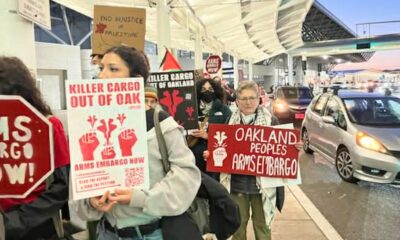
Oakland People’s Arms Embargo Coalition Demands End to Military Shipments Thru Oakland
-
 Activism3 weeks ago
Oakland Post: Week of September 16 – 22, 2026
-

 Community3 weeks ago
Two Looming Threats Every Alameda County Elder Should Know About
-
 Art2 weeks ago
BLACspace Cooperative Invites Bay Area to Experience Oakland’s Black Cultural Ecosystem Through a BLAC Map Tour + Party
-

 Lead Story1 week ago
Zakiya Jendayi Arrested, Locked Out of Home by Sheriff’s Deputies
